October 2nd, 2010 by Marc AuMarc
To round out our selection of Saint Martin frogs, we have a couple more sets.
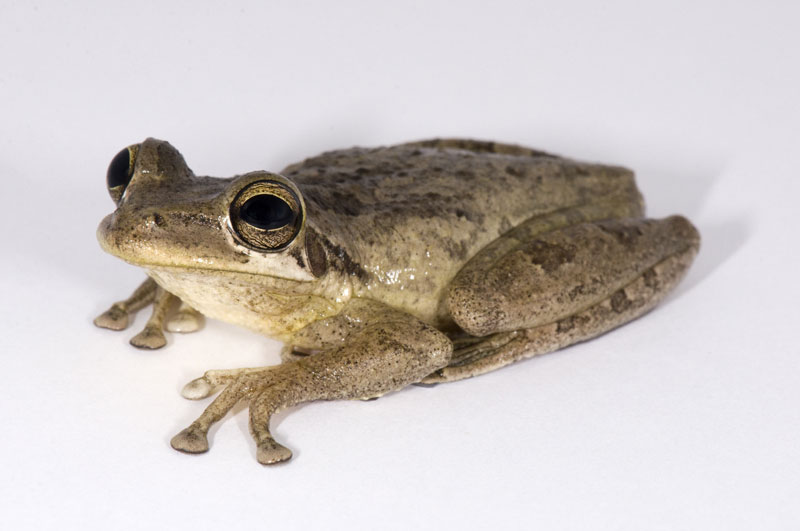
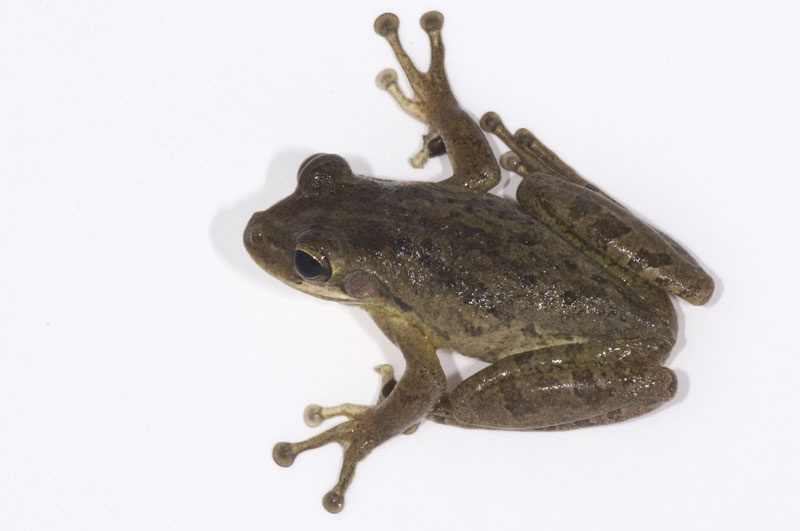
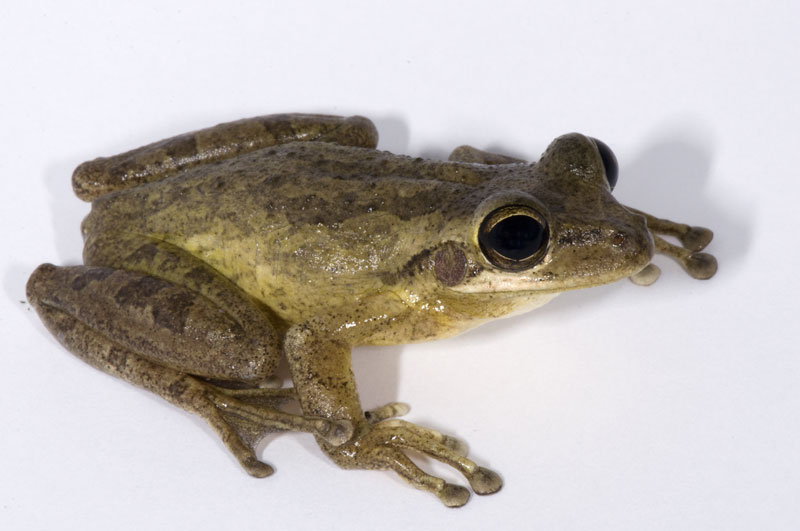
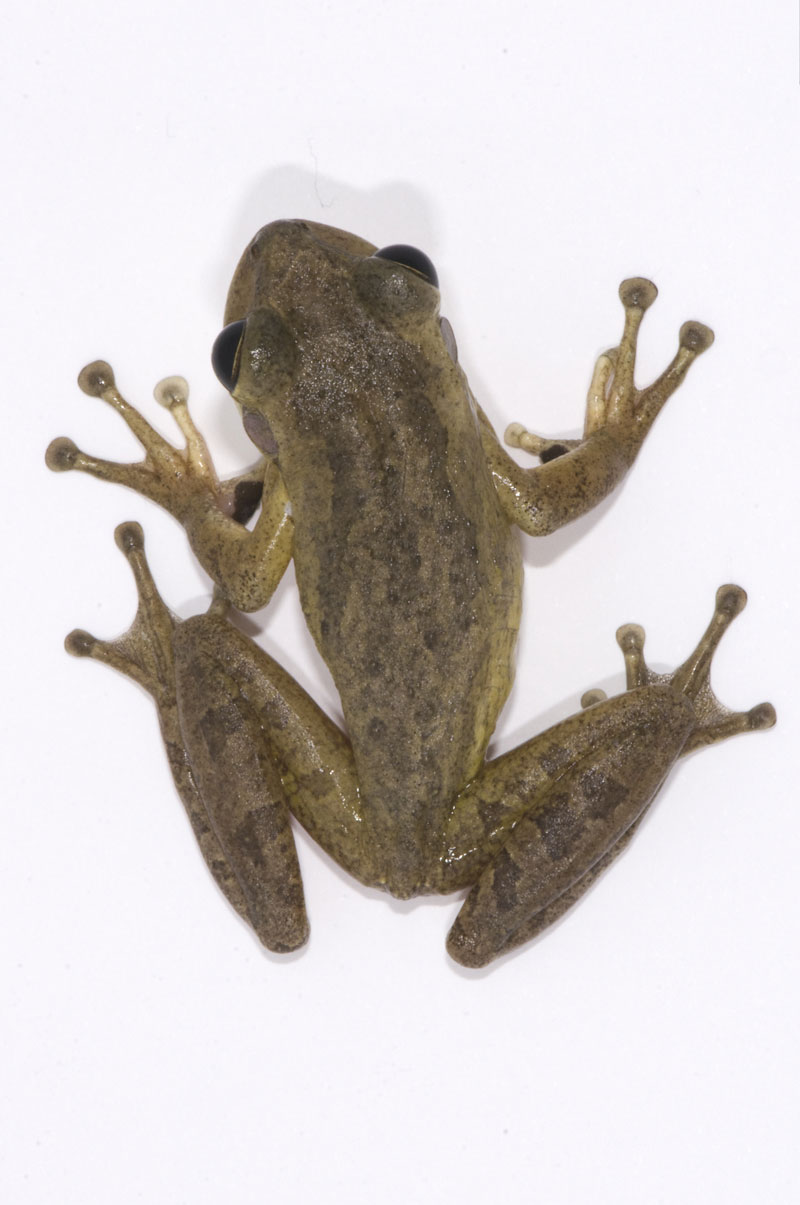
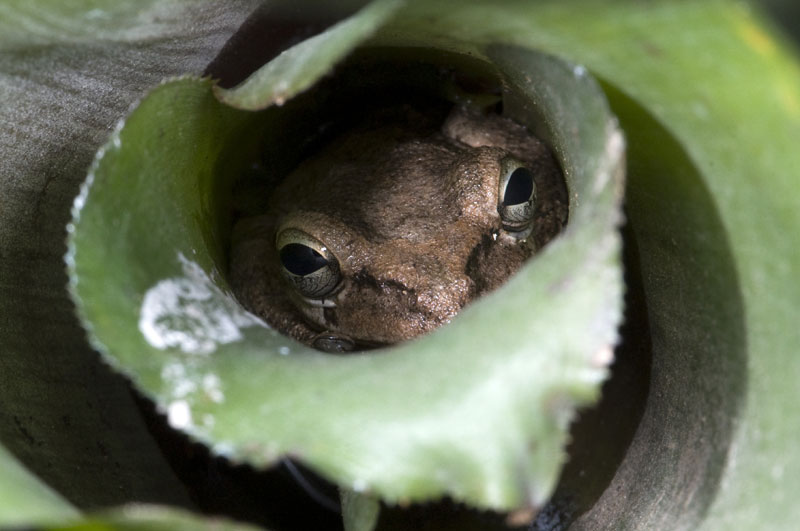
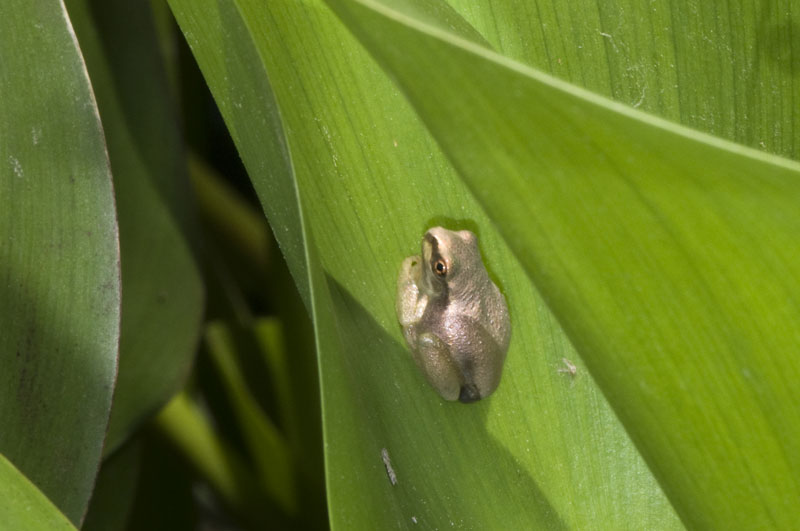
The Cuban treefrog is quite huge compared to the others on the island. This one is a male. You can tell because it has little black pads on its thumbs which help it hold on to the female during sex.
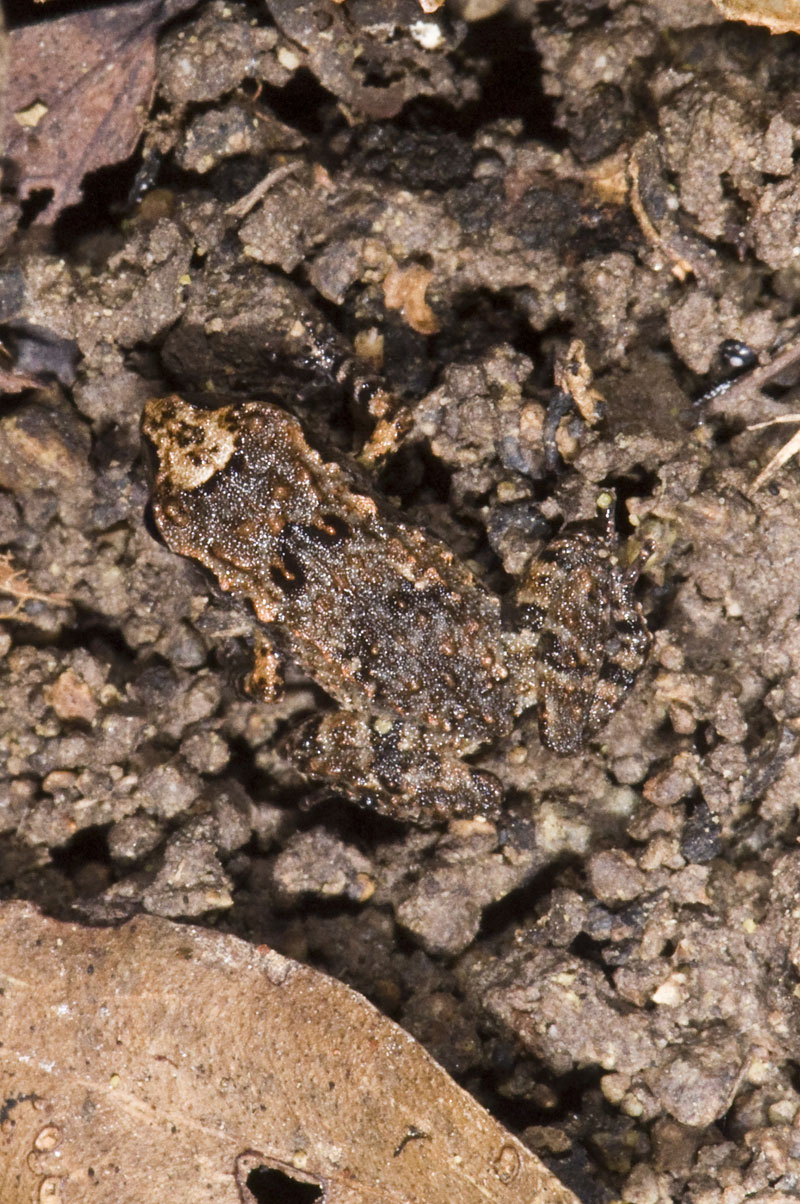
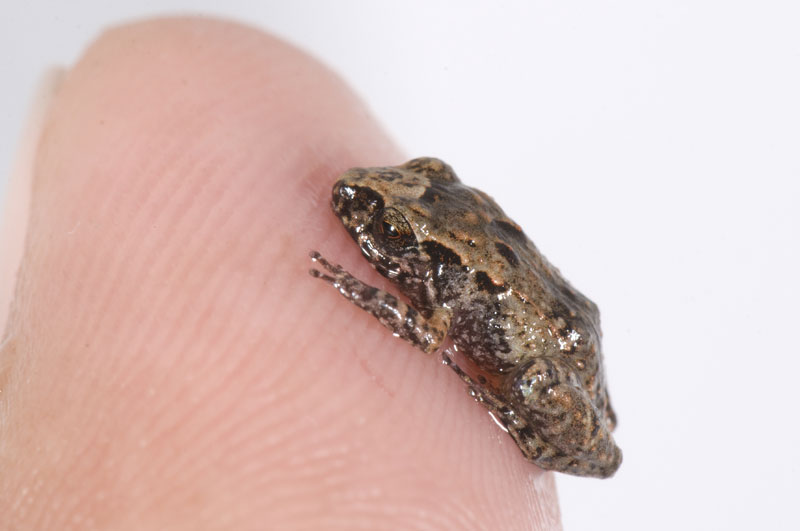
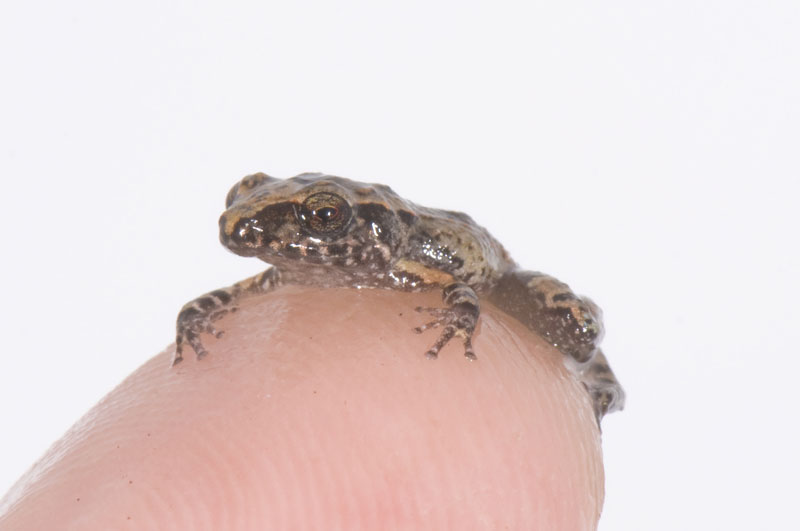
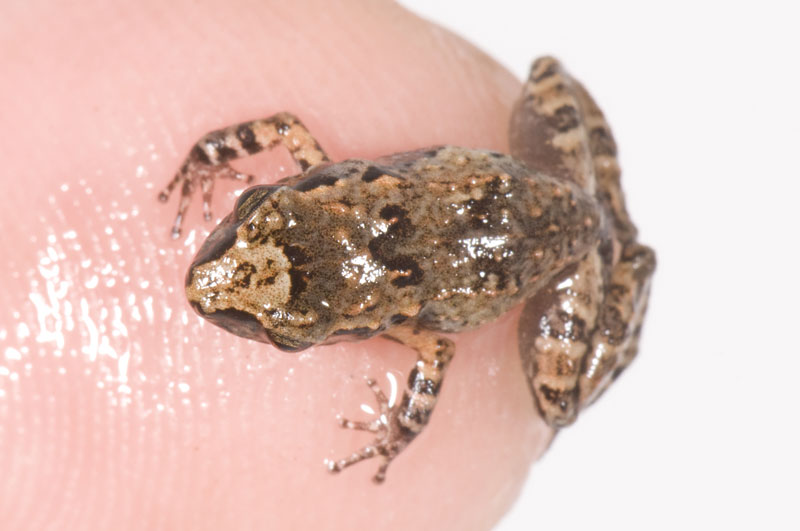
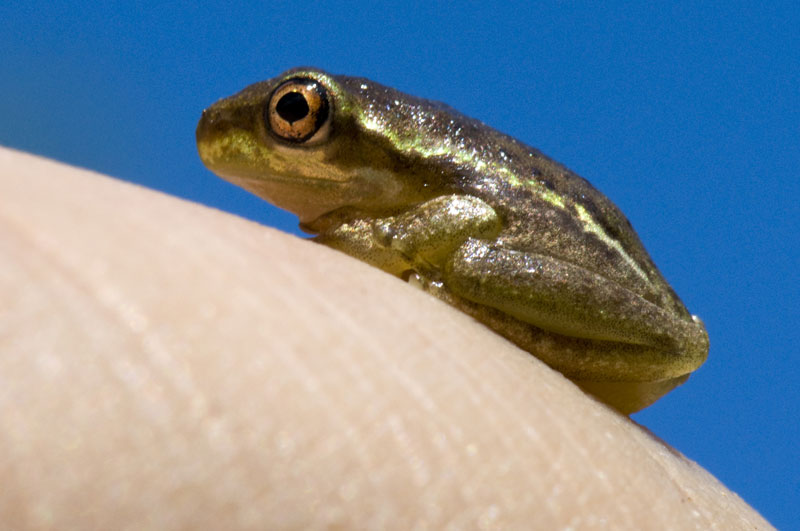
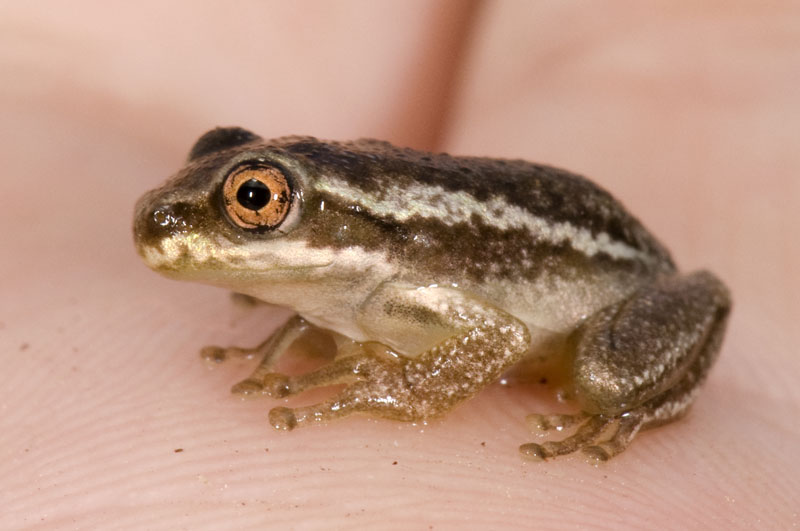
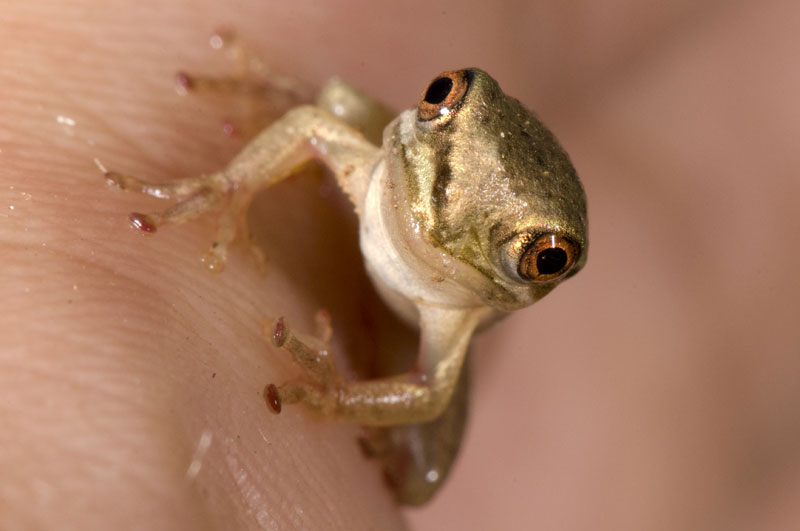
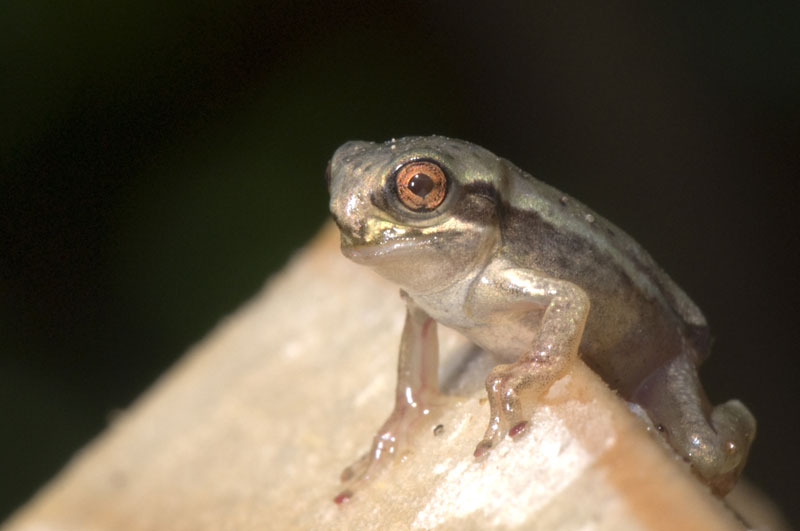
And the smallest were these tiny coqui antillanos, also known as Johnstone’s whistling frog. They hatch from eggs directly into tiny froglets, so I would imagine that some of them are probably much, much smaller.
Posted in Les Fruits sur la Terre
Comment on this post.
October 2nd, 2010 by Marc AuMarc
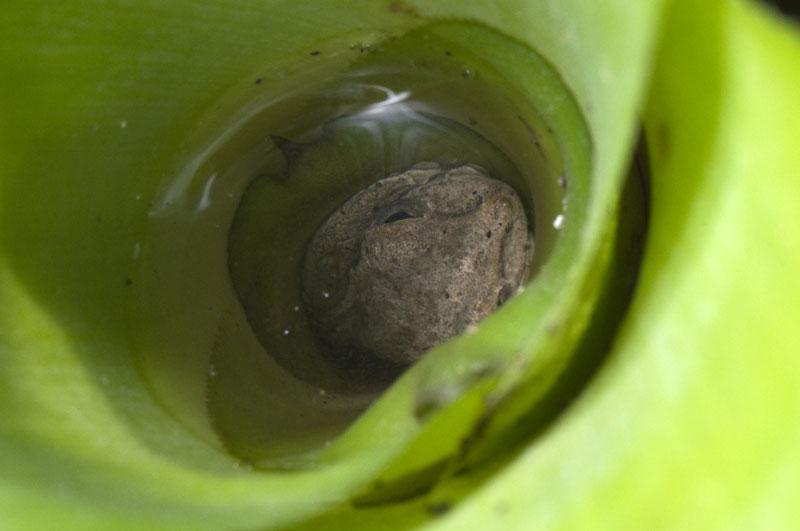
Yann and Marie were doing construction at a house in Cul de Sac, and the unused swimming pool there had ten inches of water and thousands of frogs. Last Monday I went to check it out, but unfortunately they had already drained the pool. Luckily, Yann and Marie saved some frogs and tadpoles. I was particularly fond of the deformed frog you can see below. I also stopped at the nursery to see the Cuban treefrogs hiding in bromeliads again.
Posted in Explorations, Les Fruits sur la Terre, Pour les Sciences
Comment on this post.
October 2nd, 2010 by Marc AuMarc
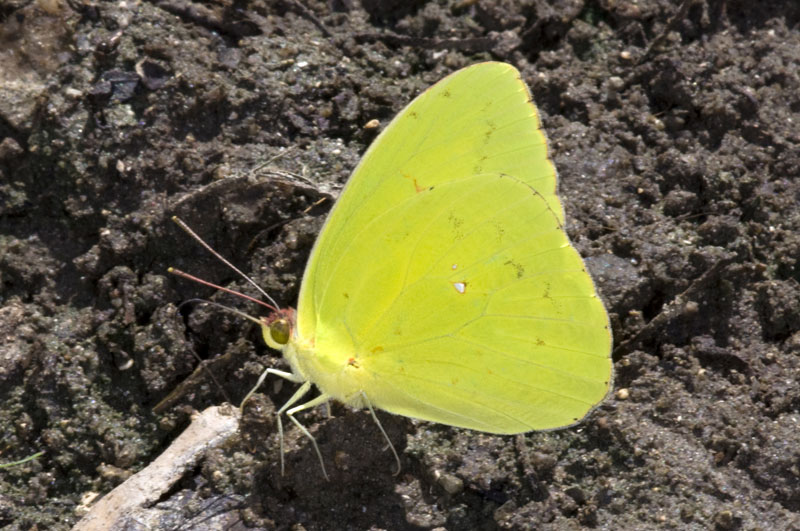
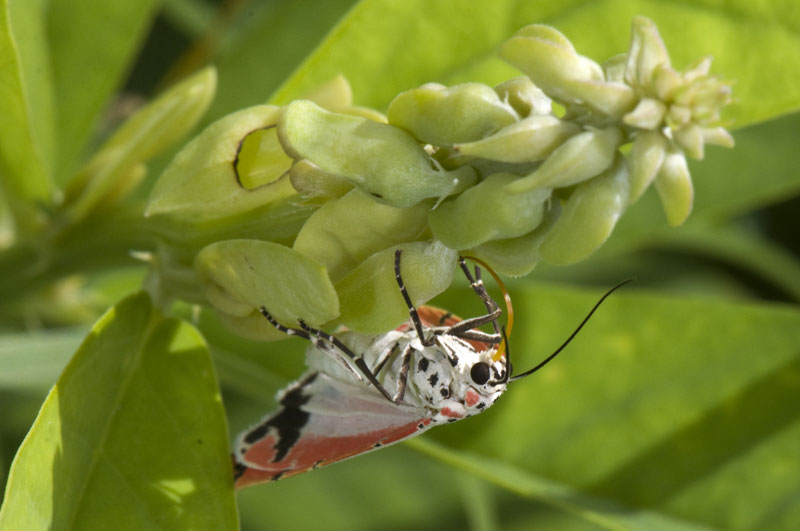
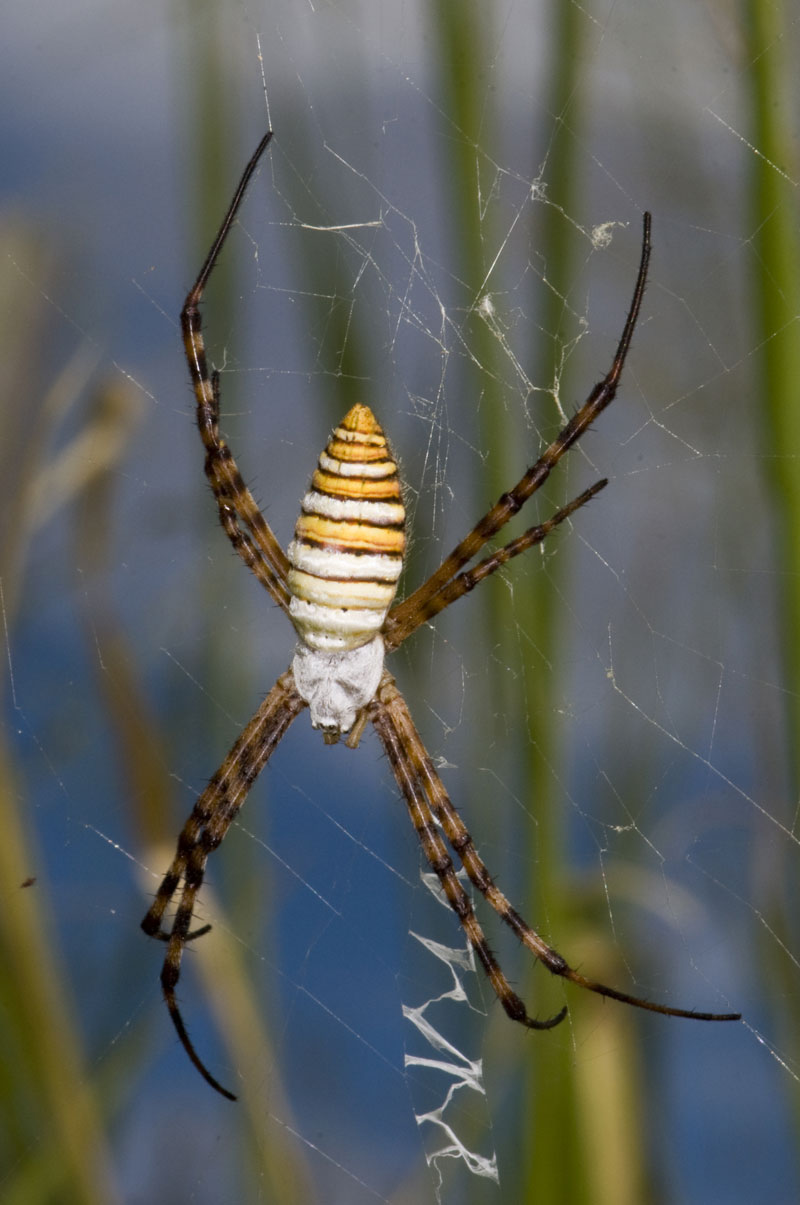
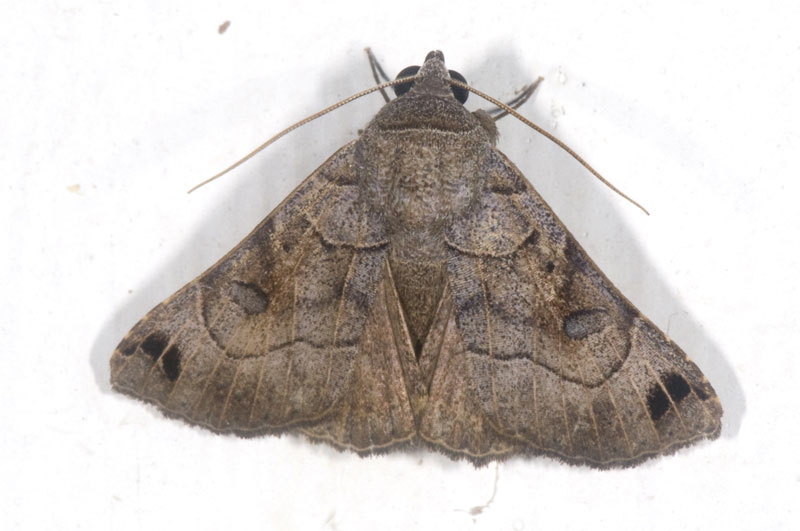
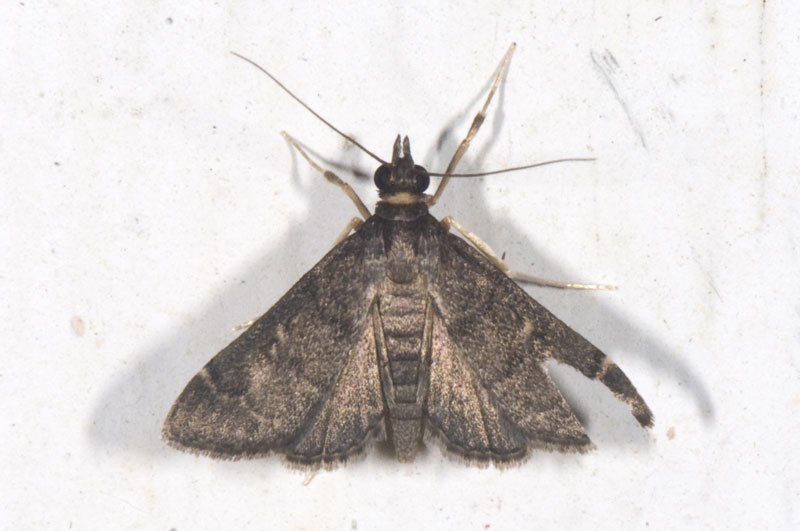
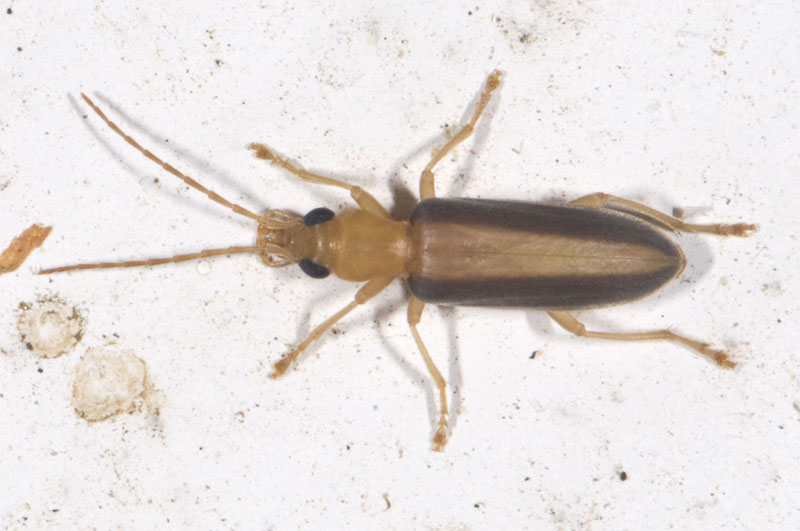
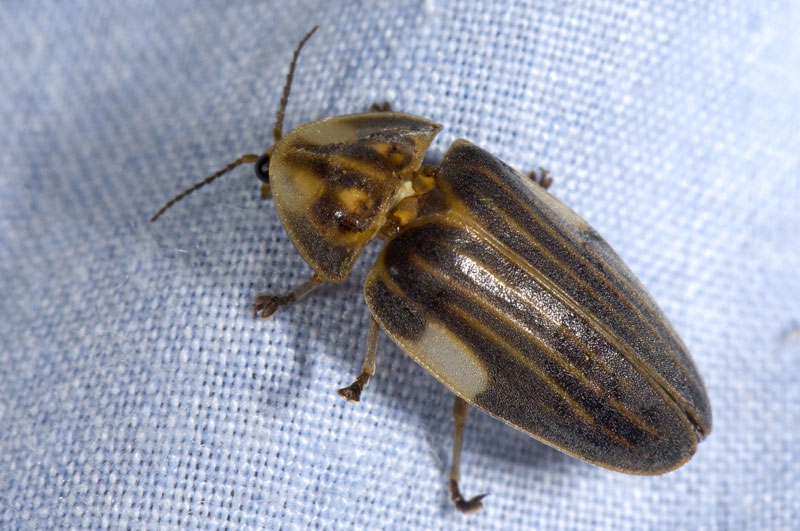
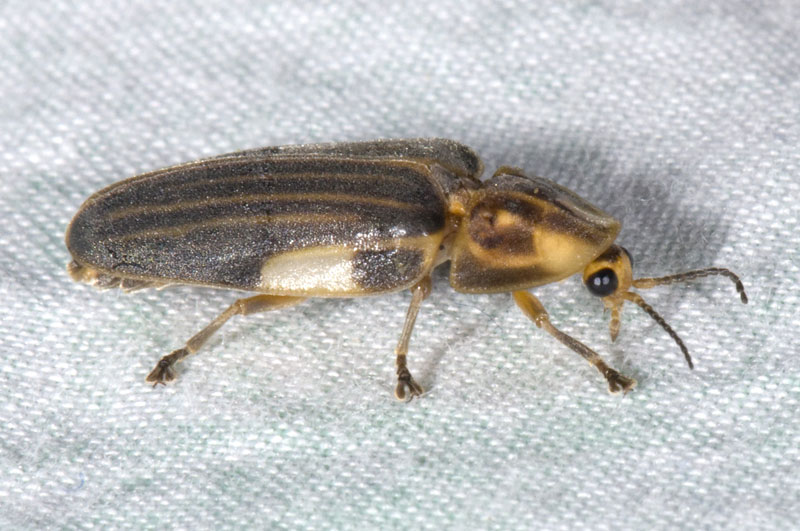
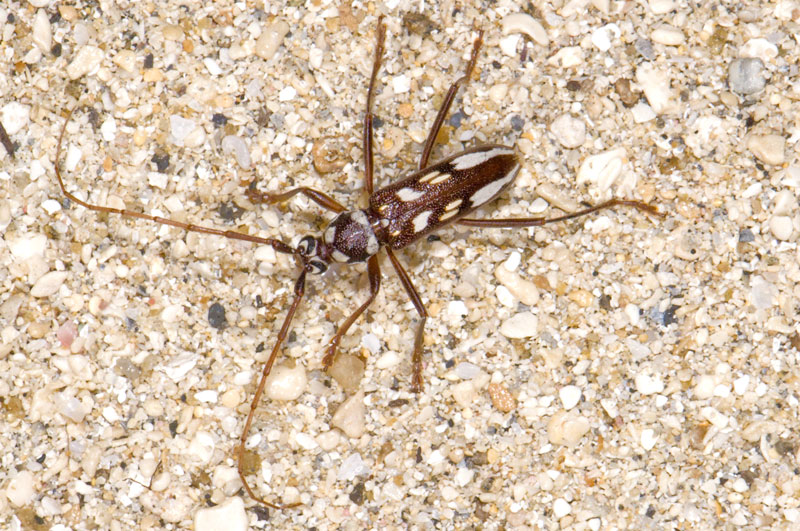
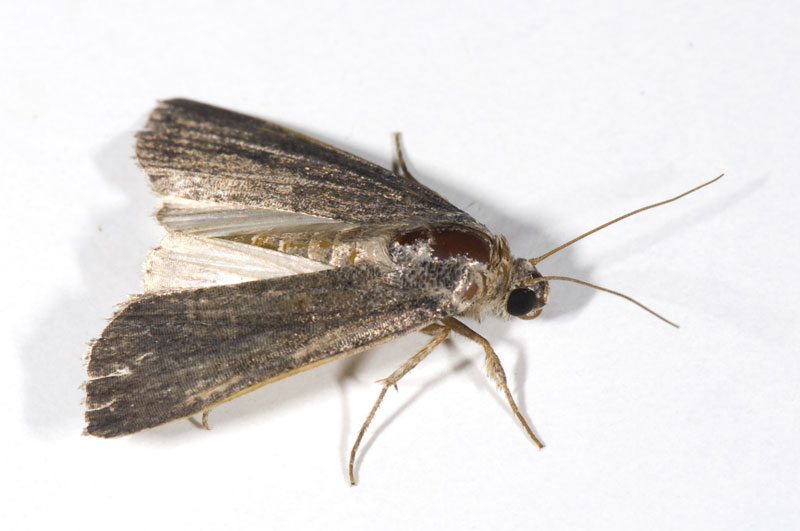
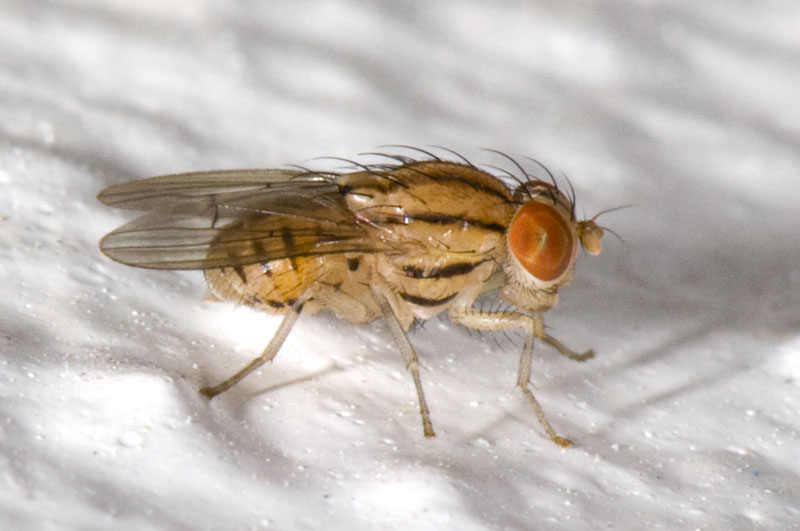
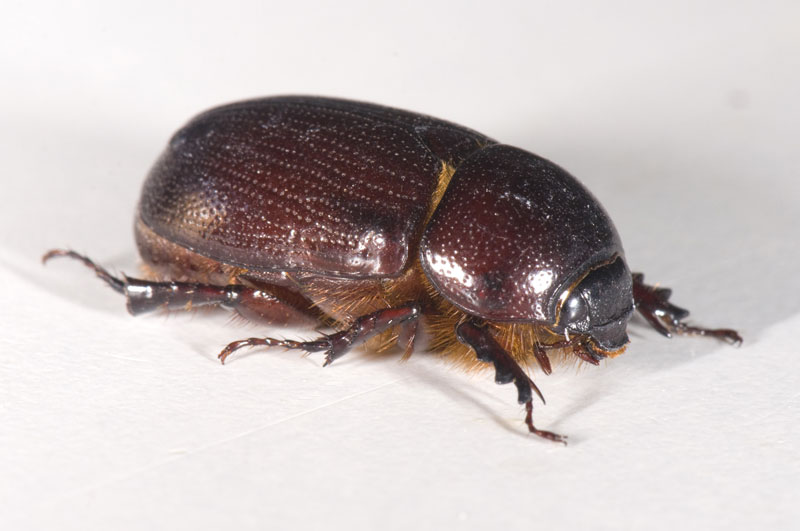
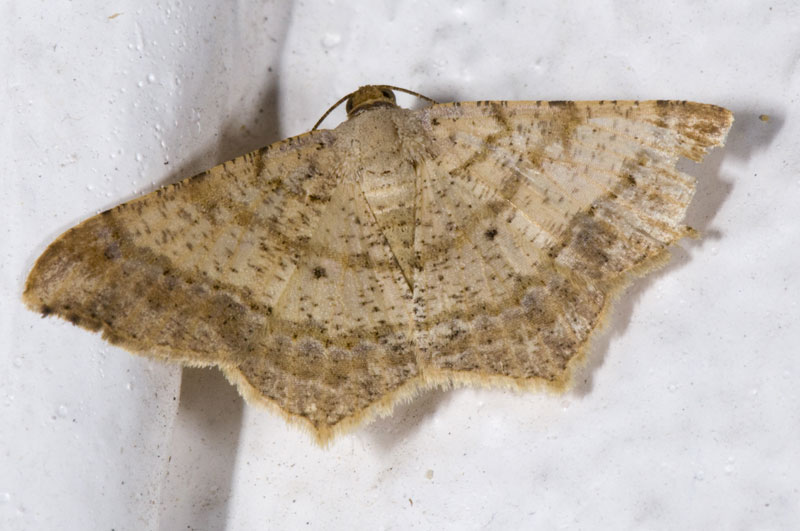
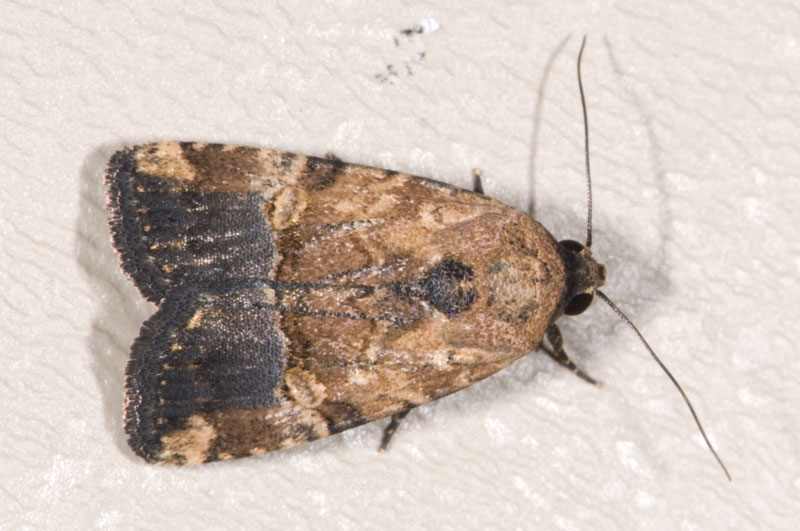
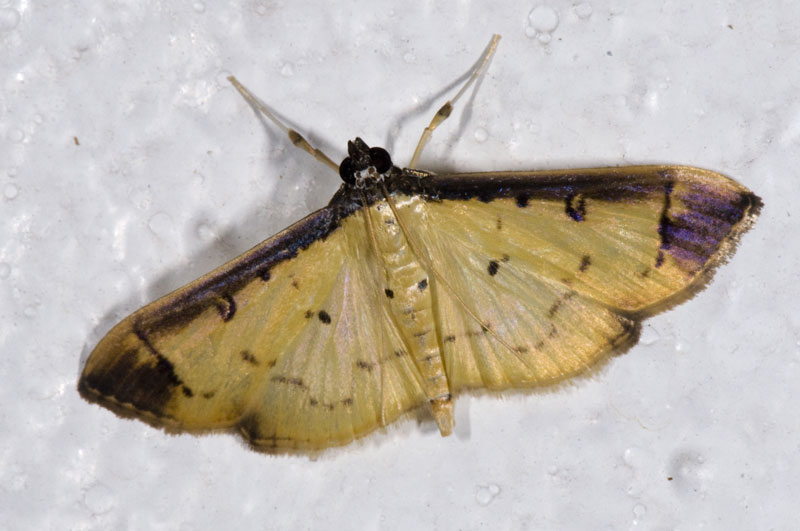
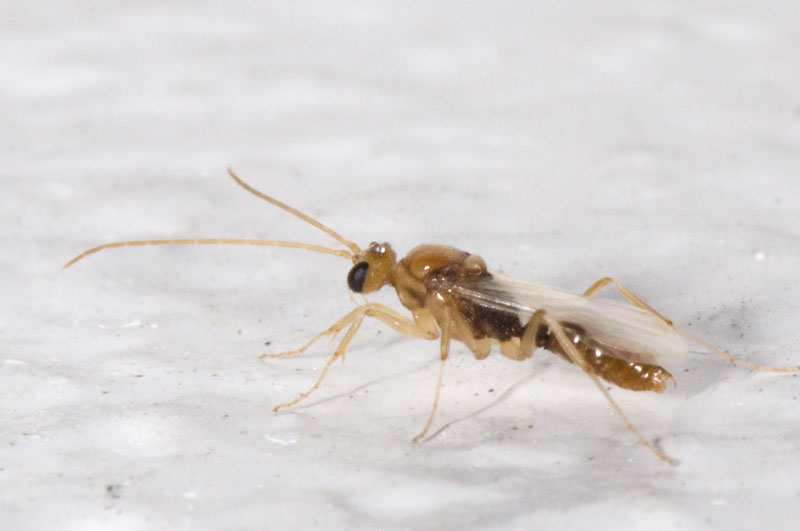
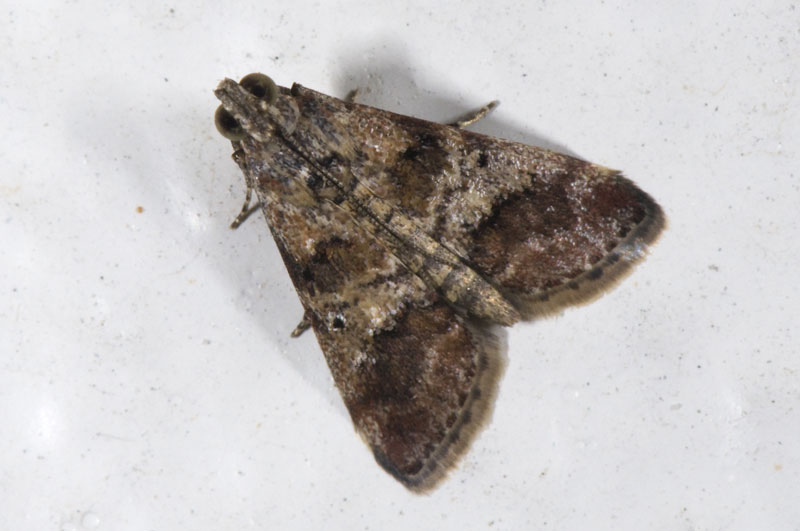
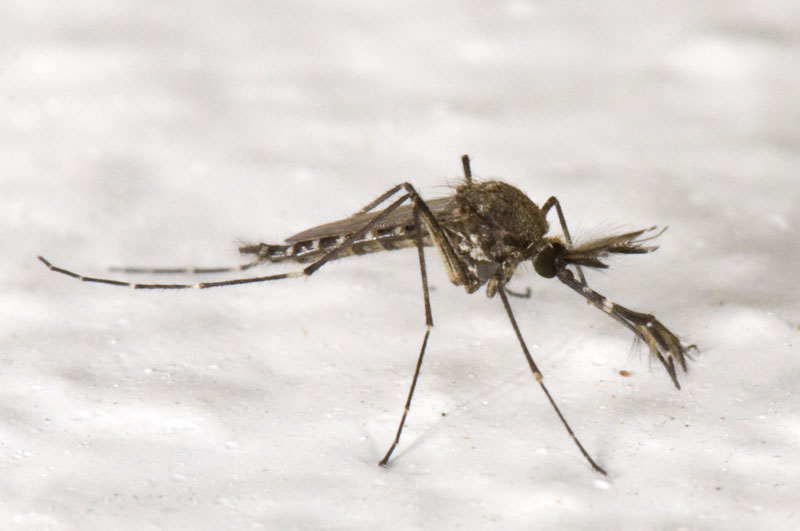
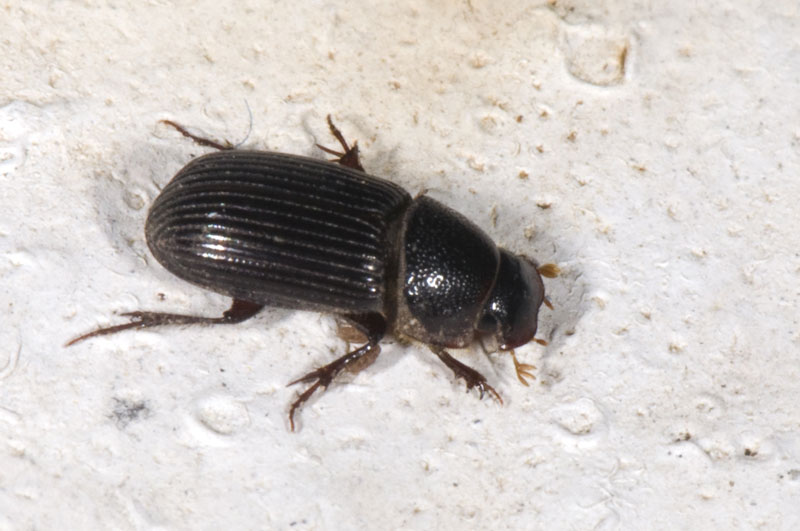
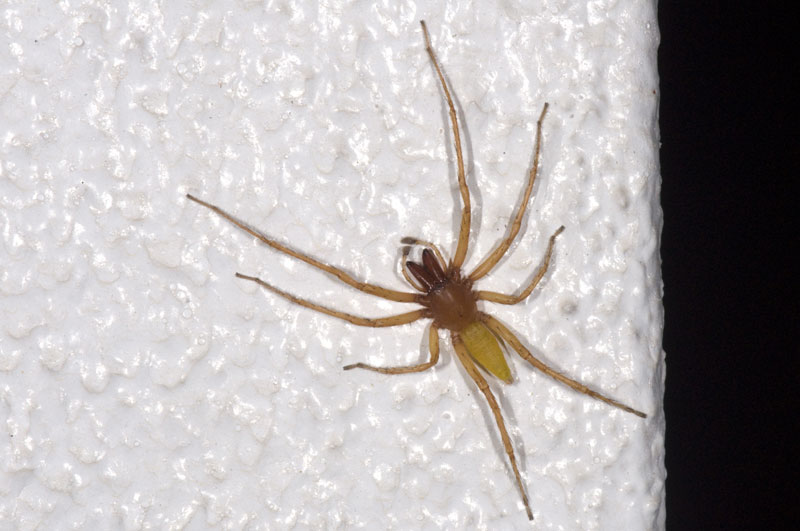
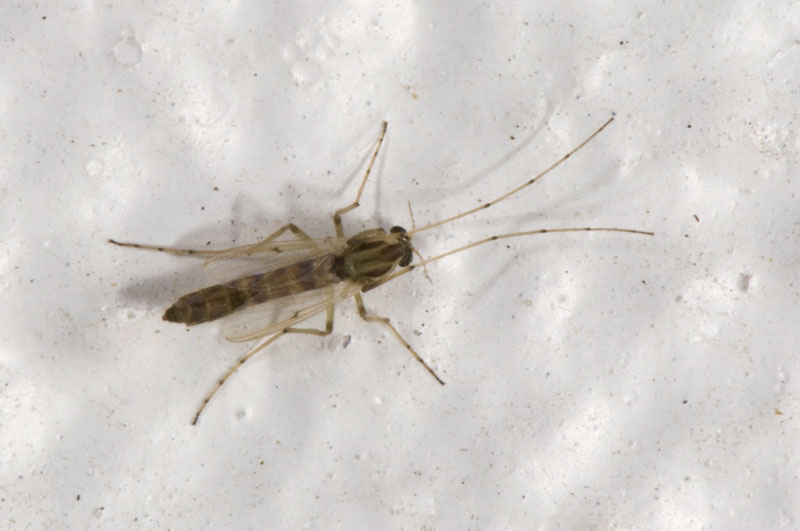
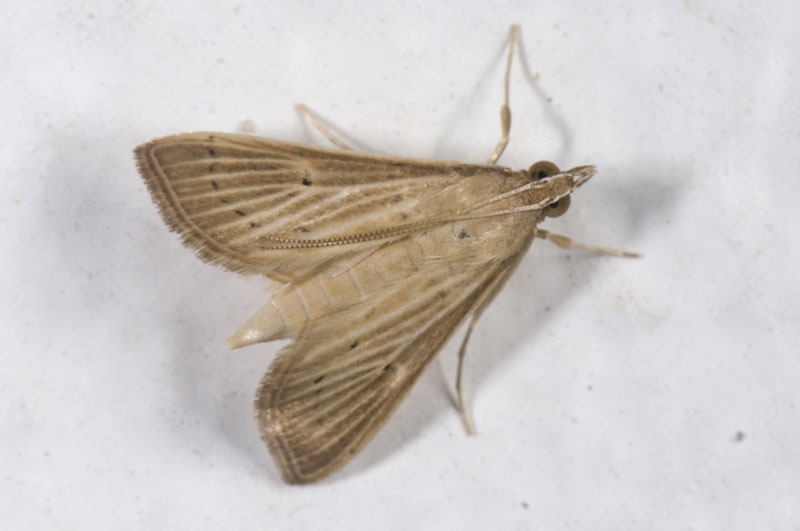
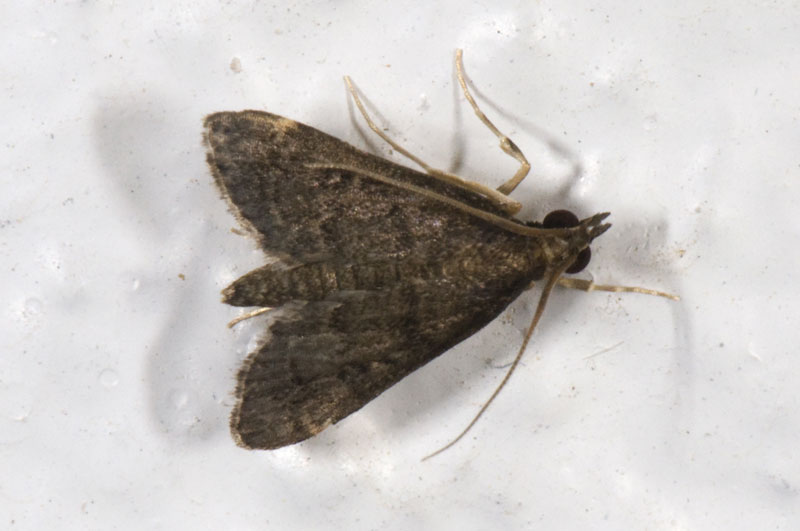
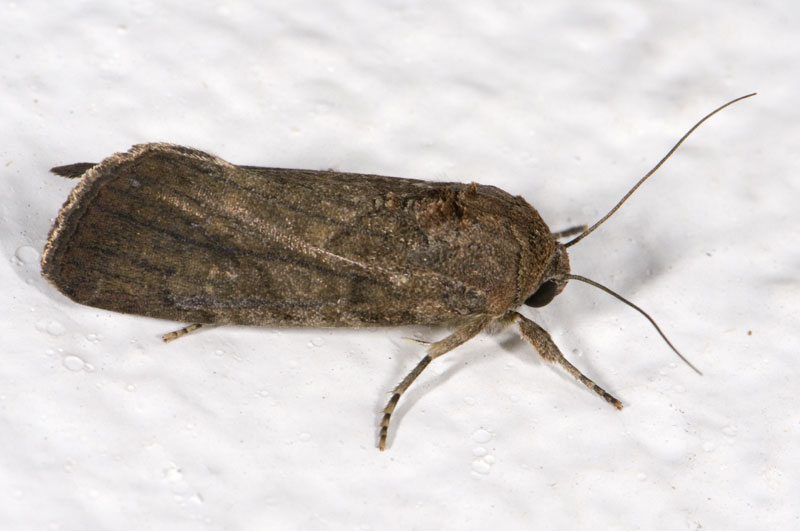
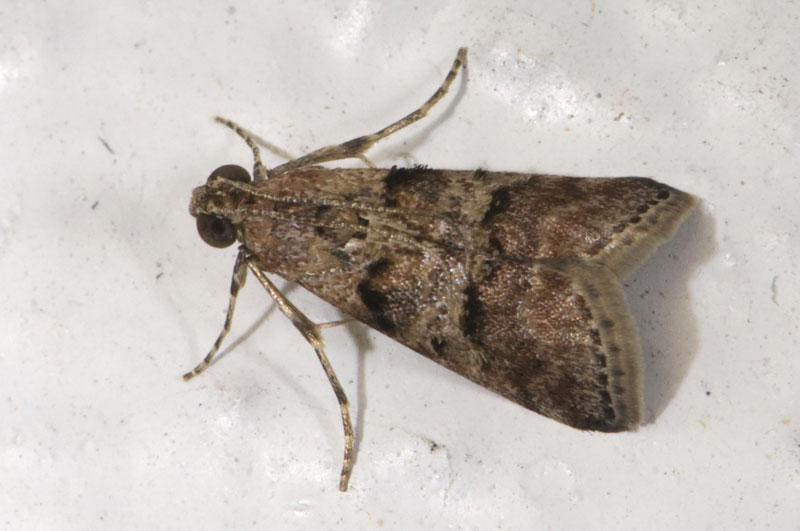
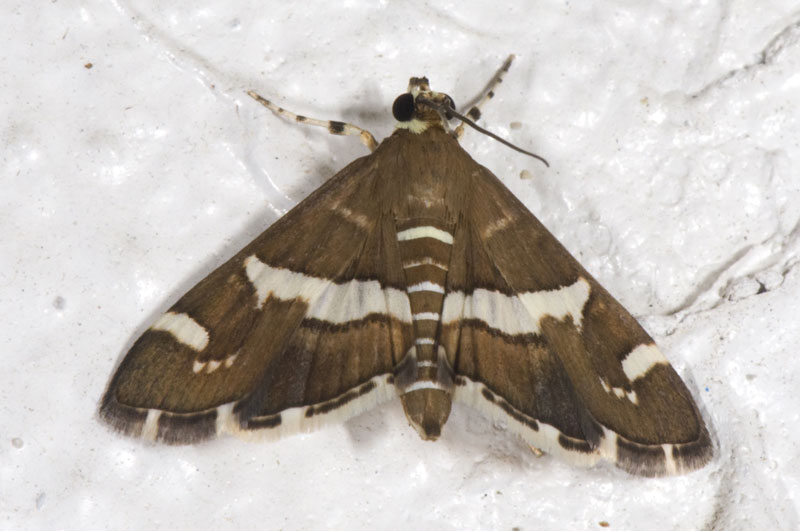
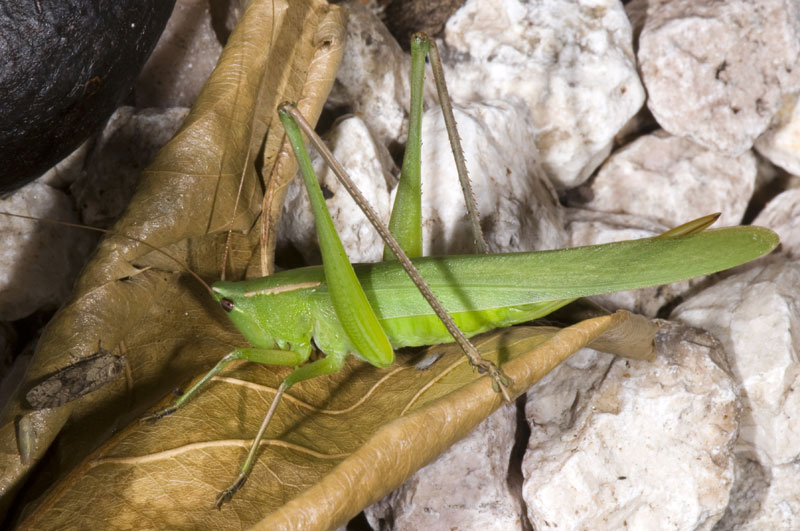
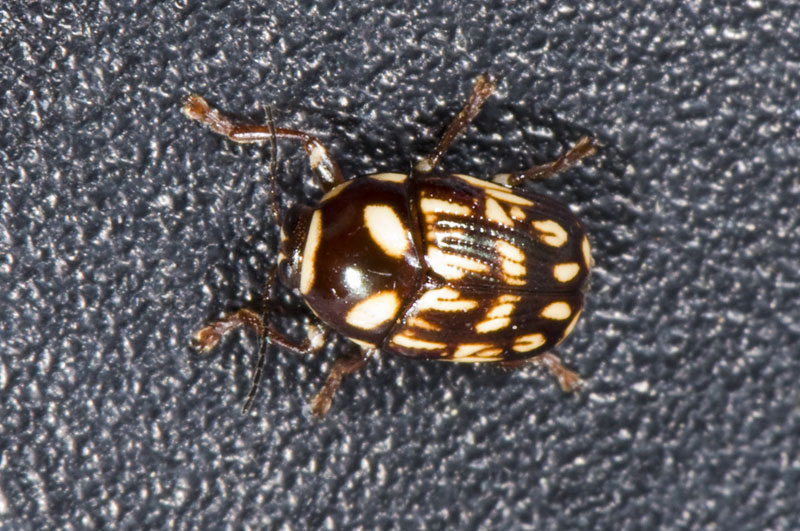
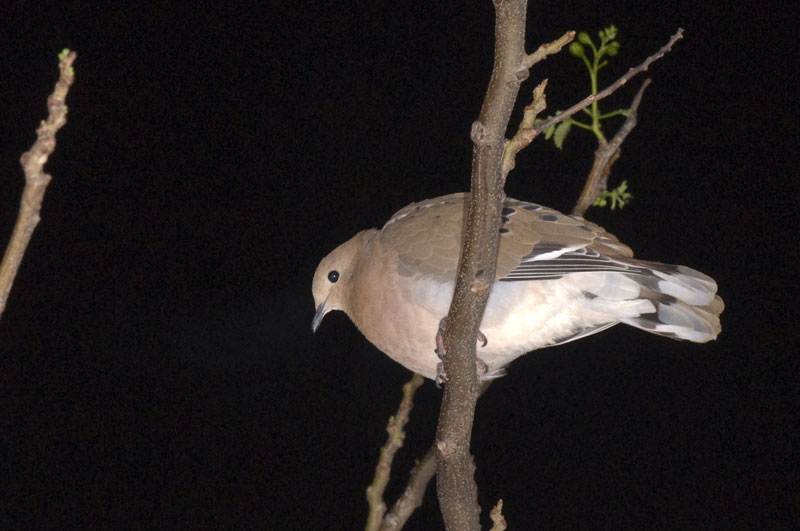
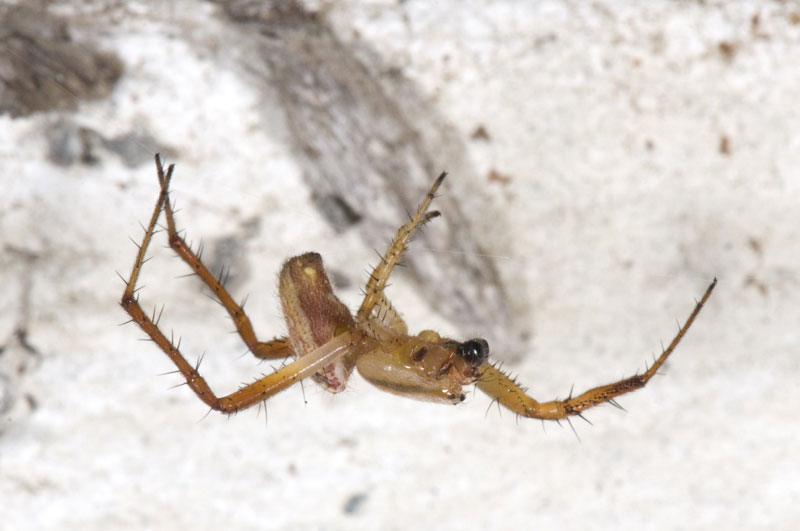
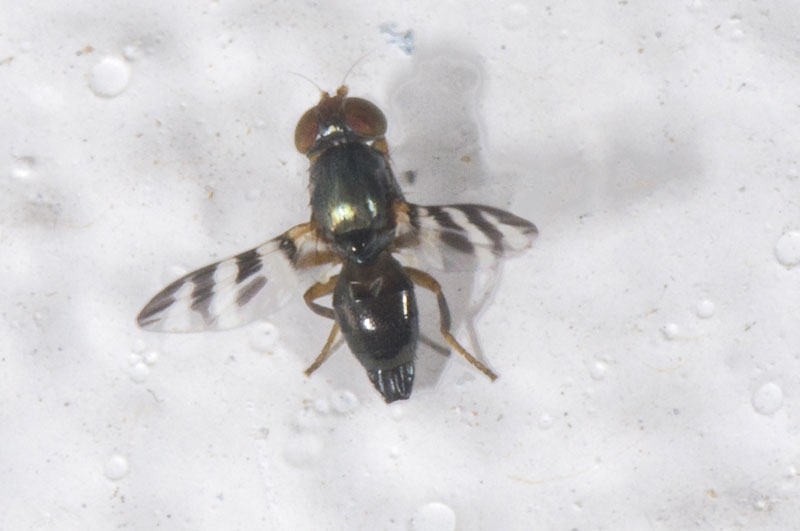
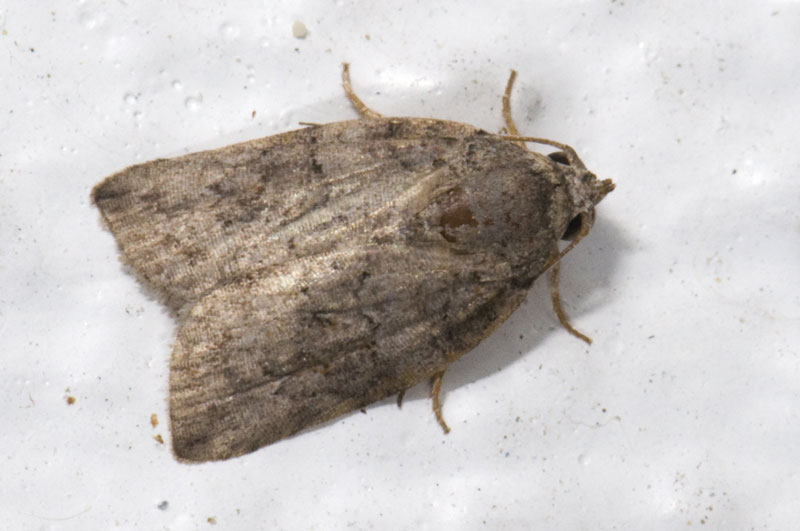
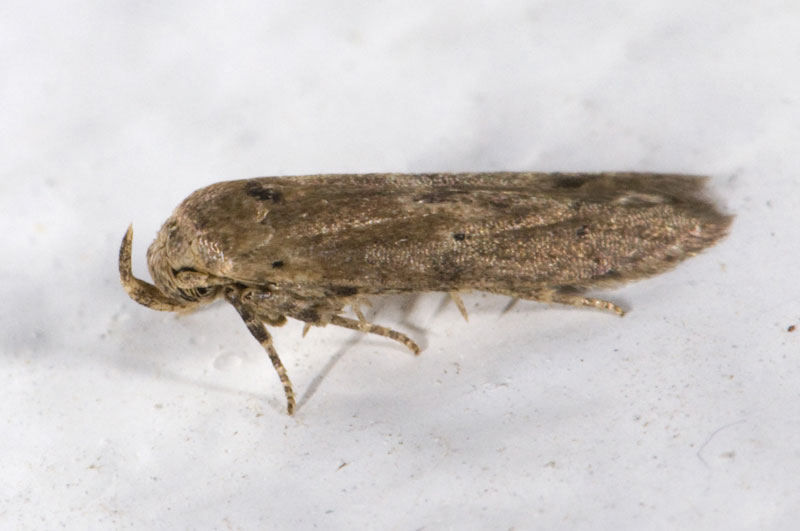
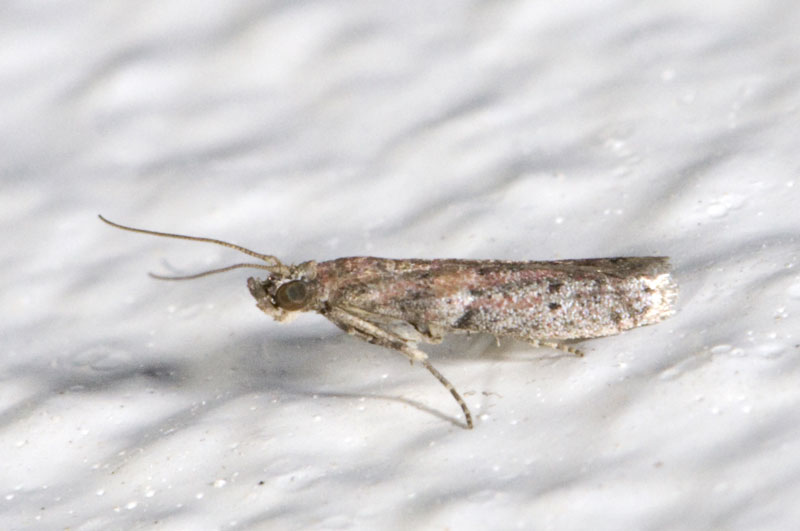
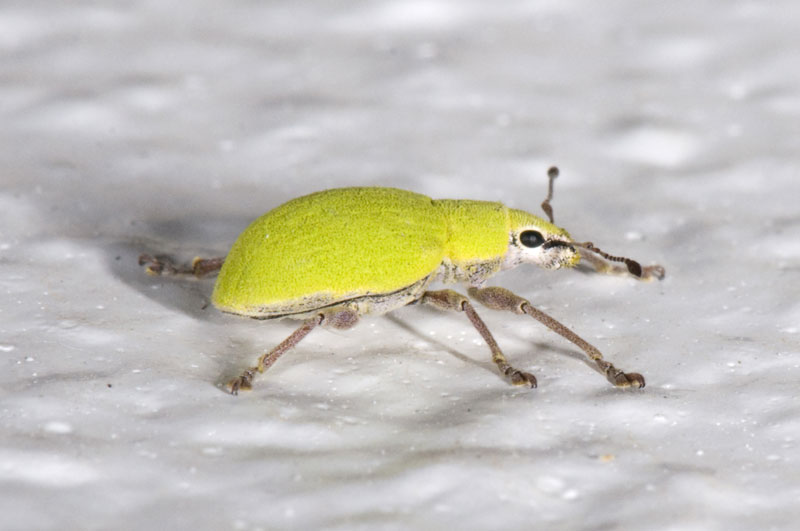
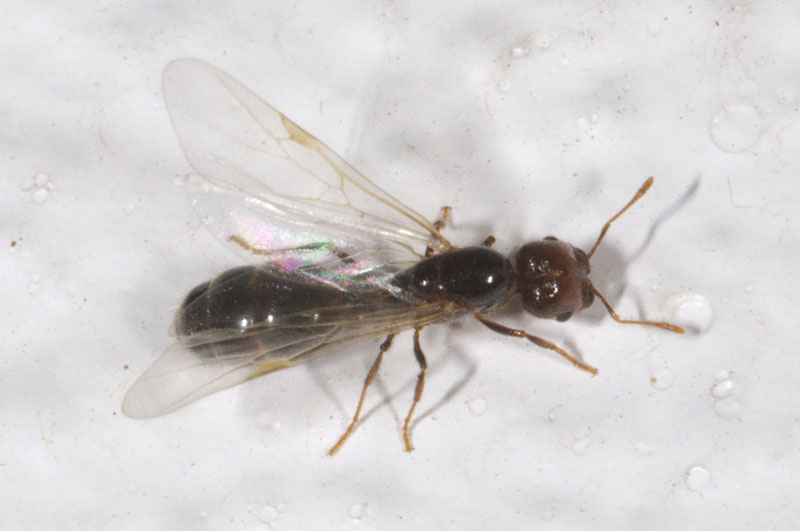
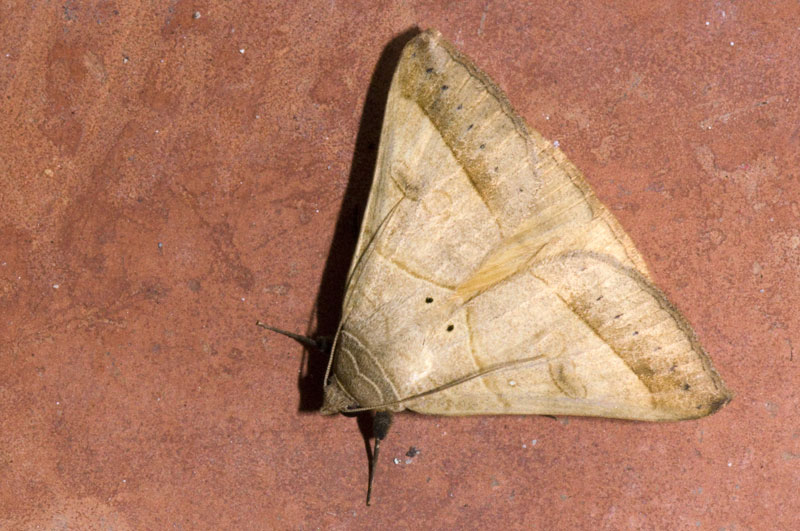
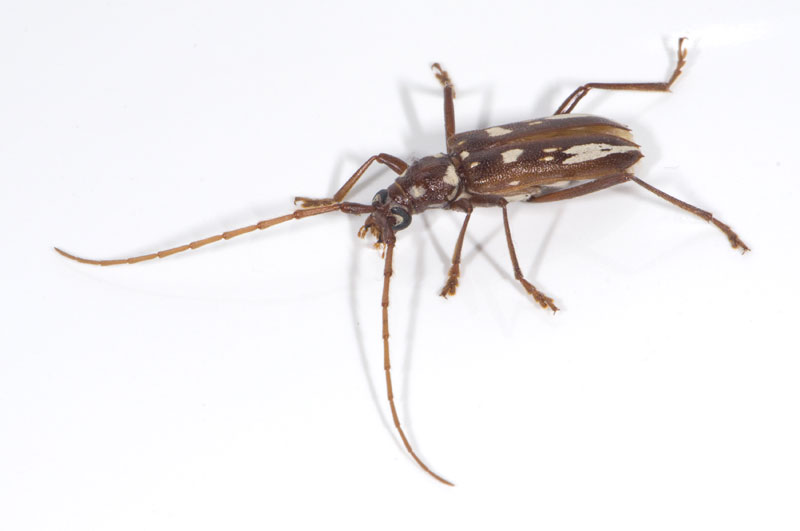
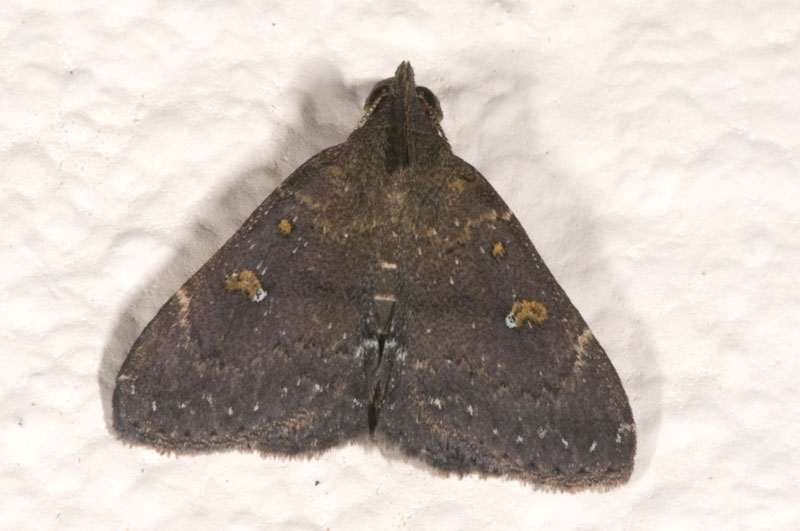
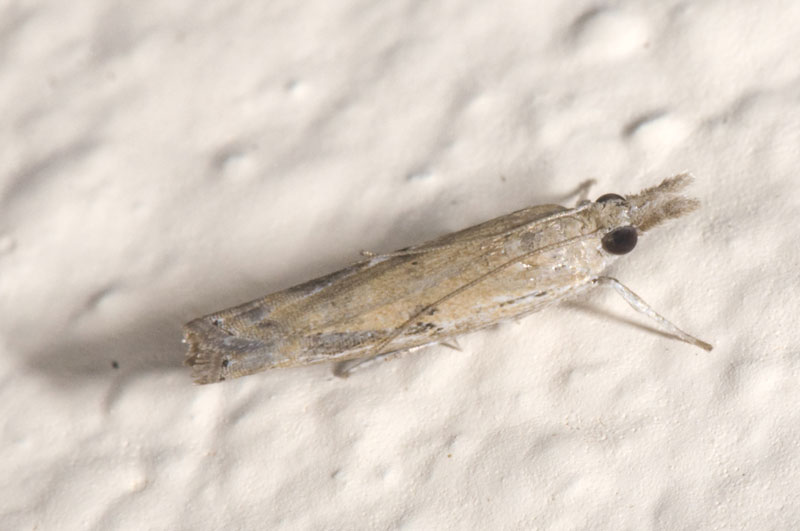
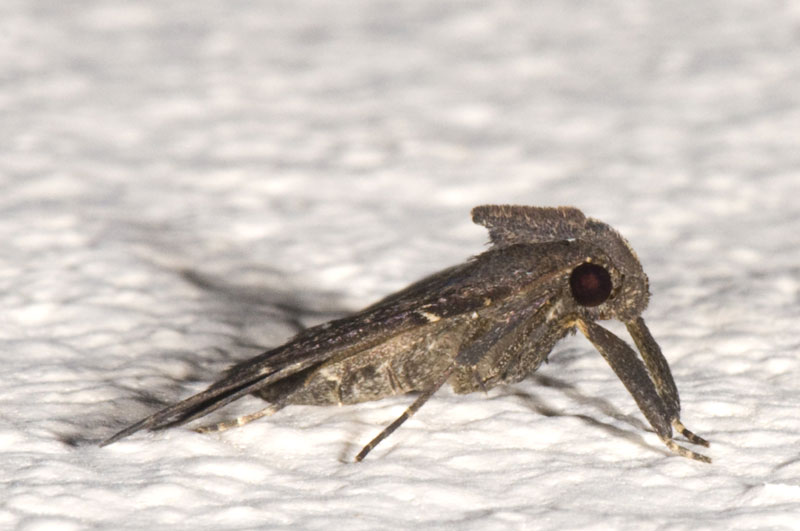
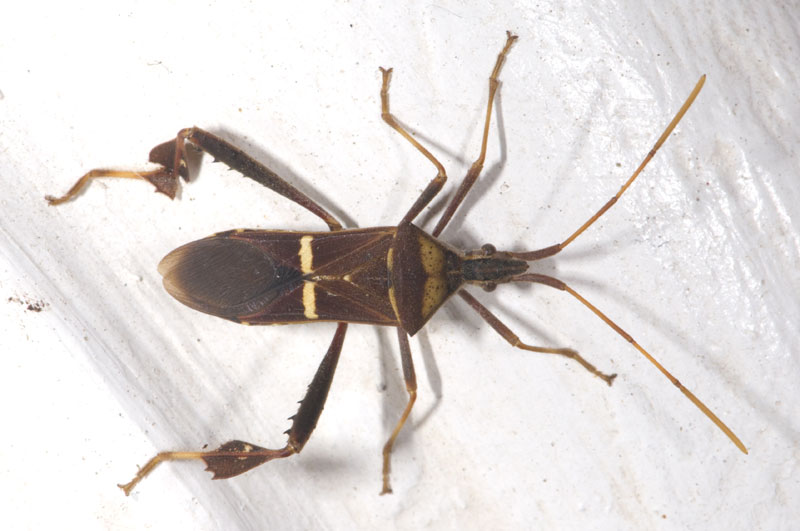
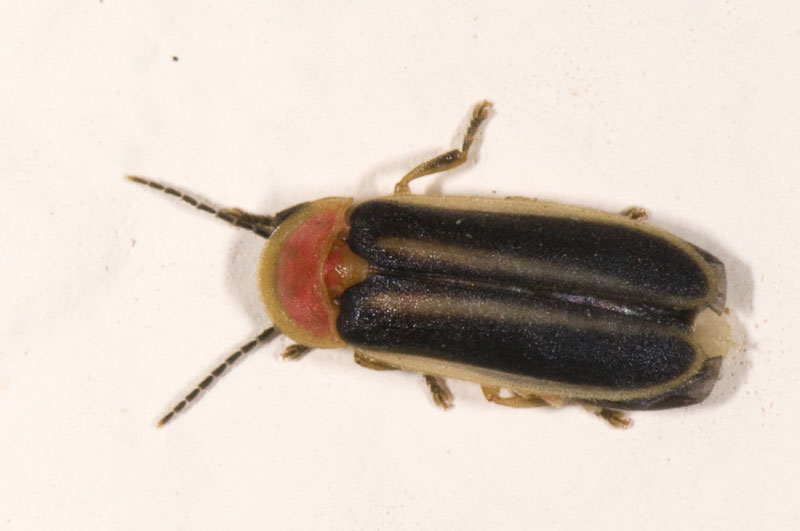
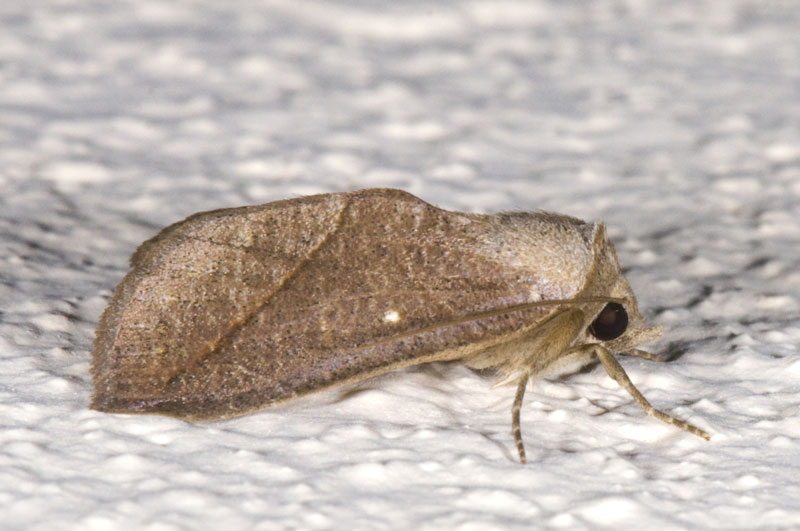
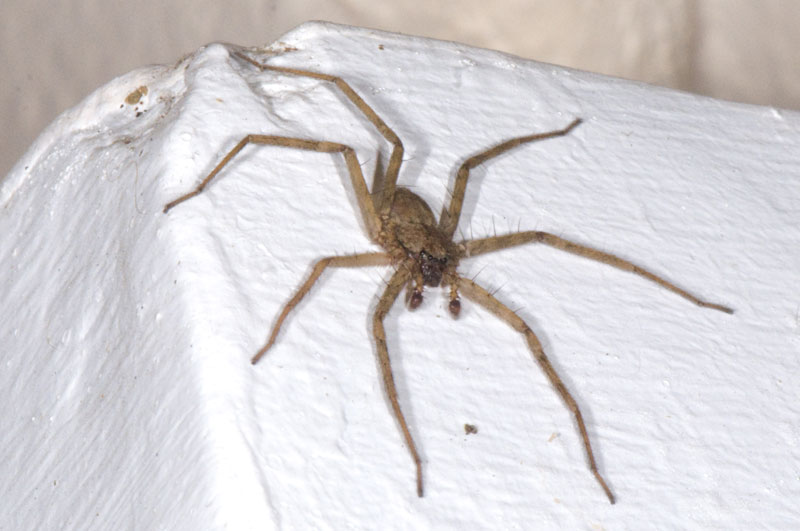
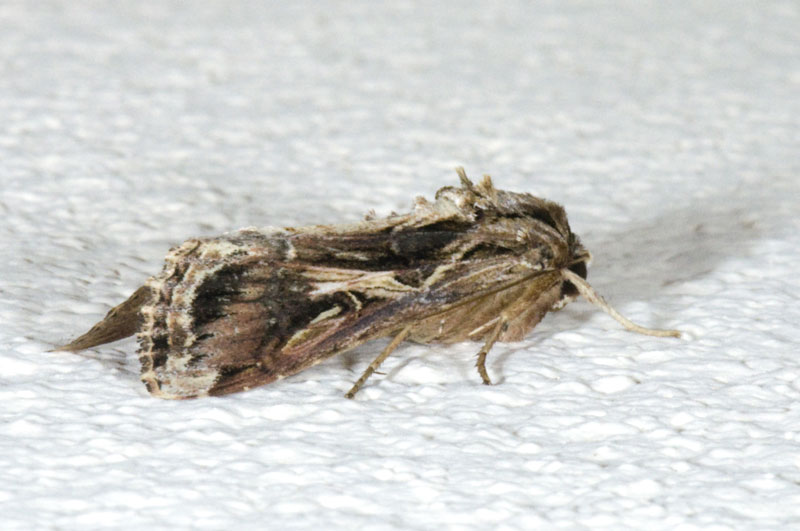
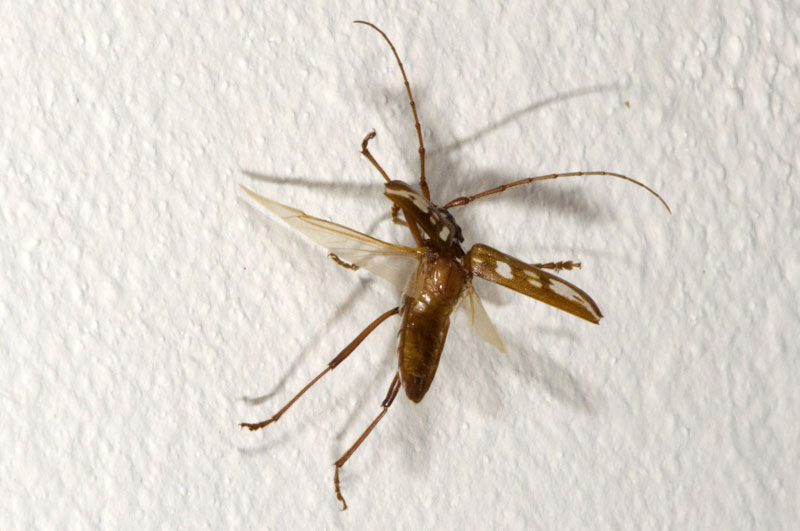
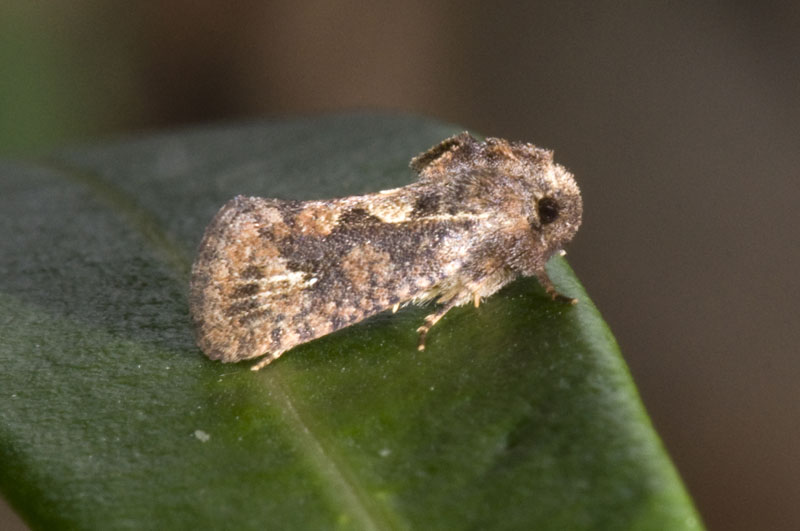
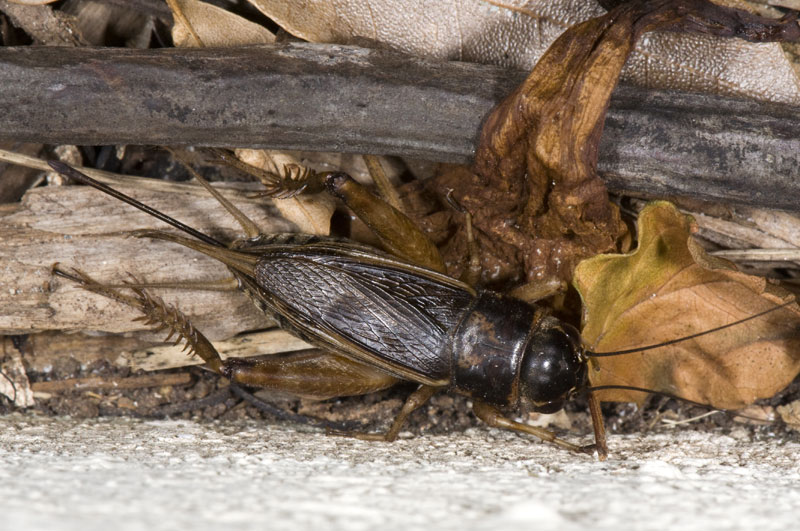
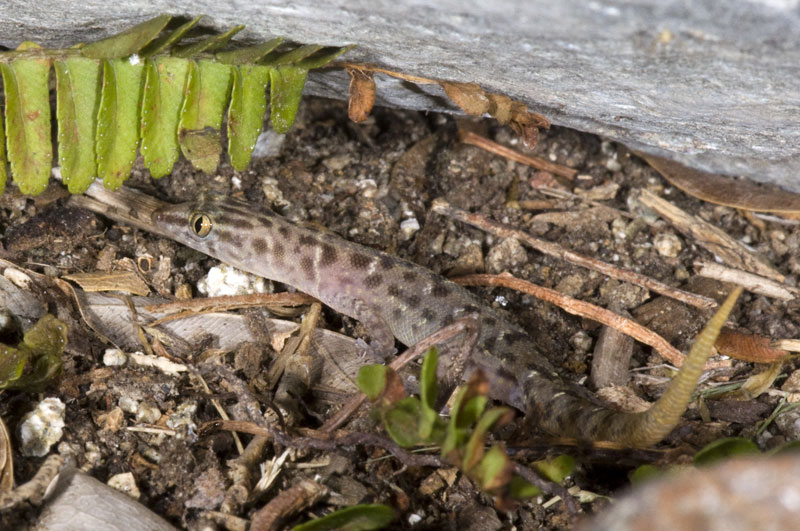
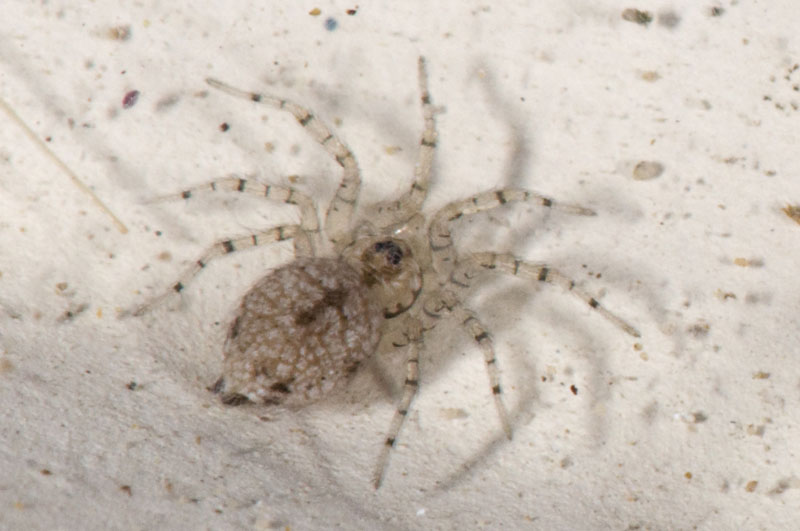
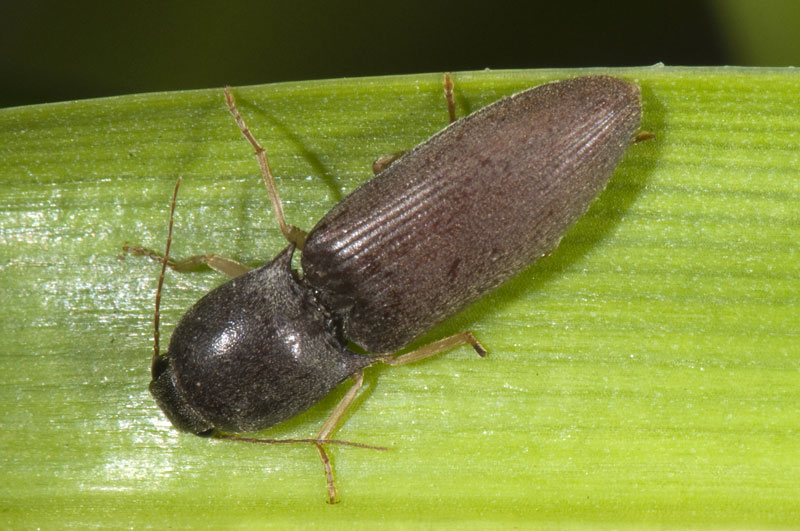
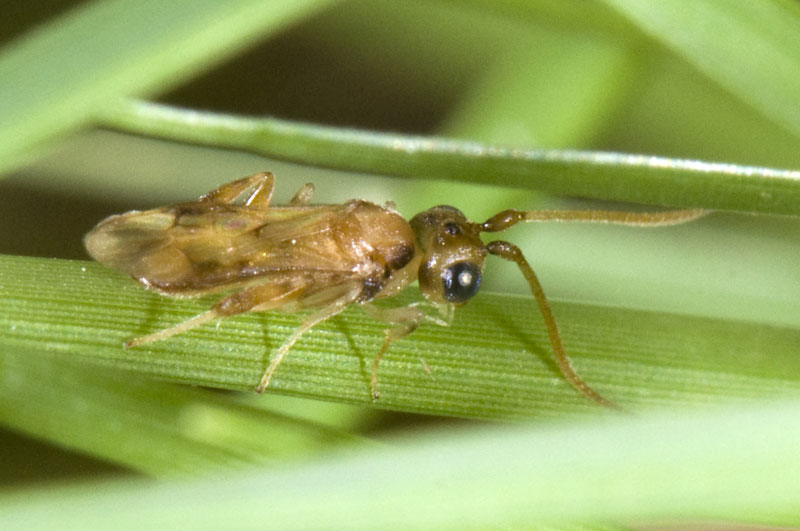
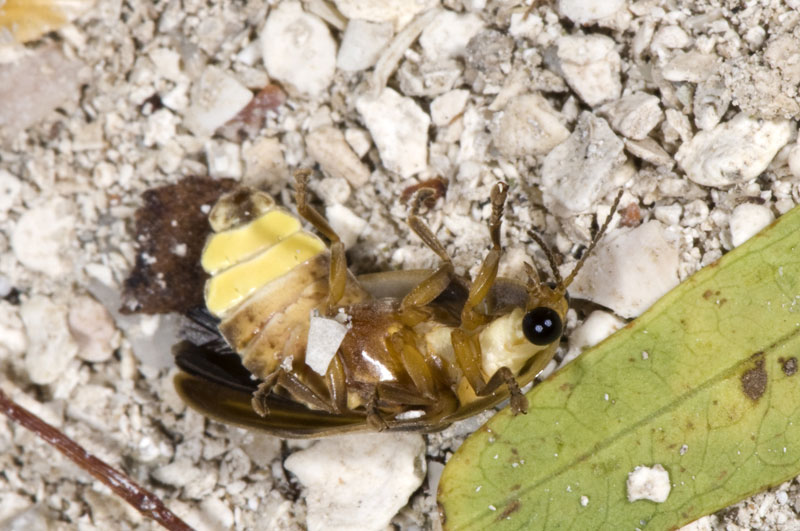
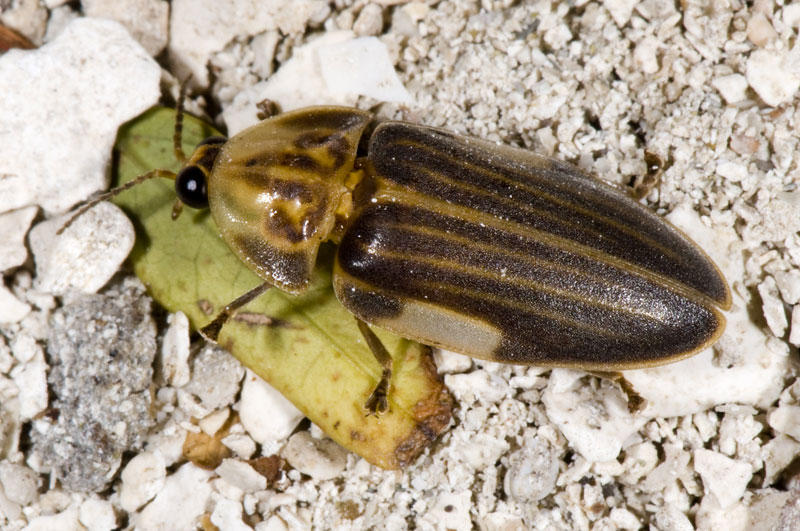
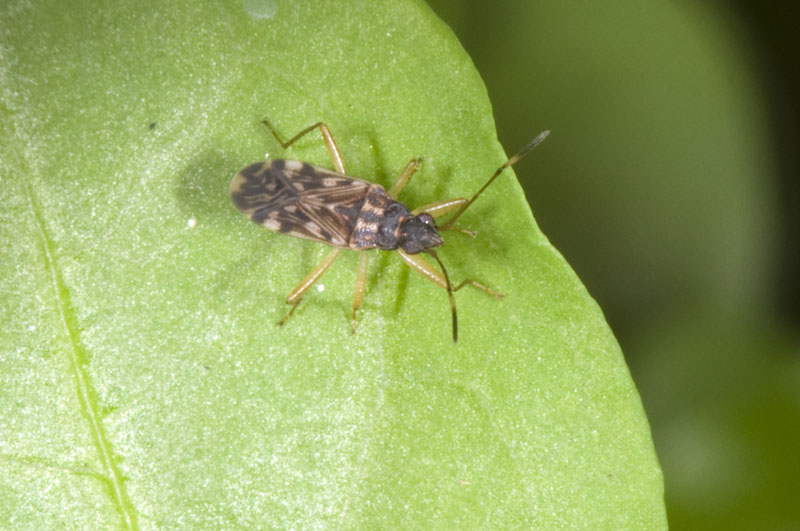
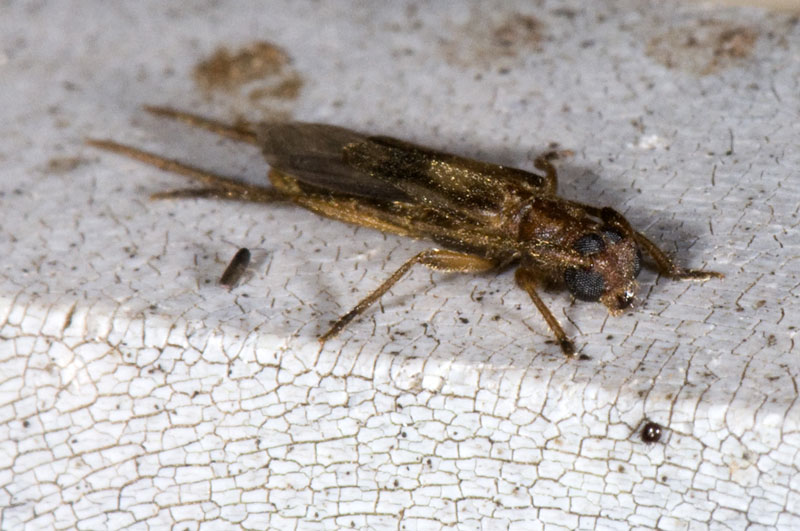
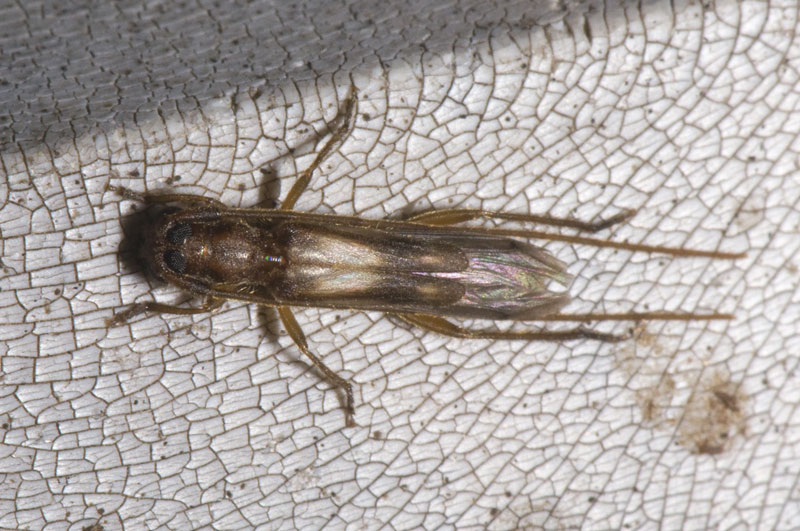
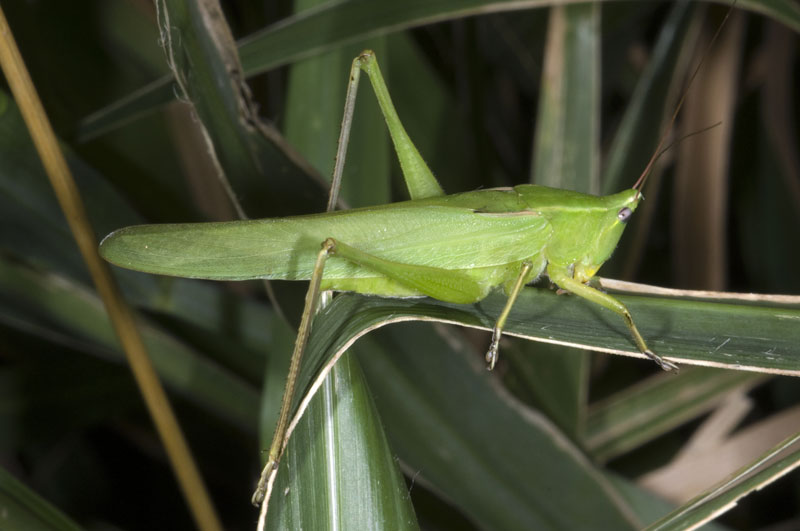
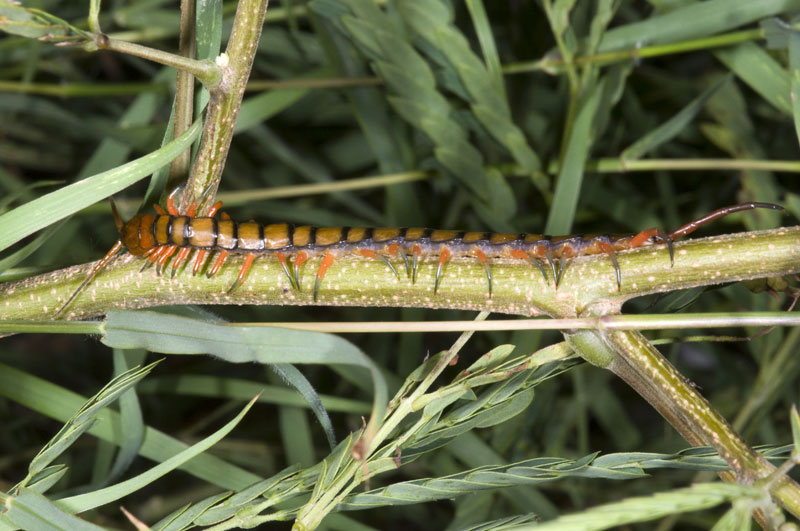
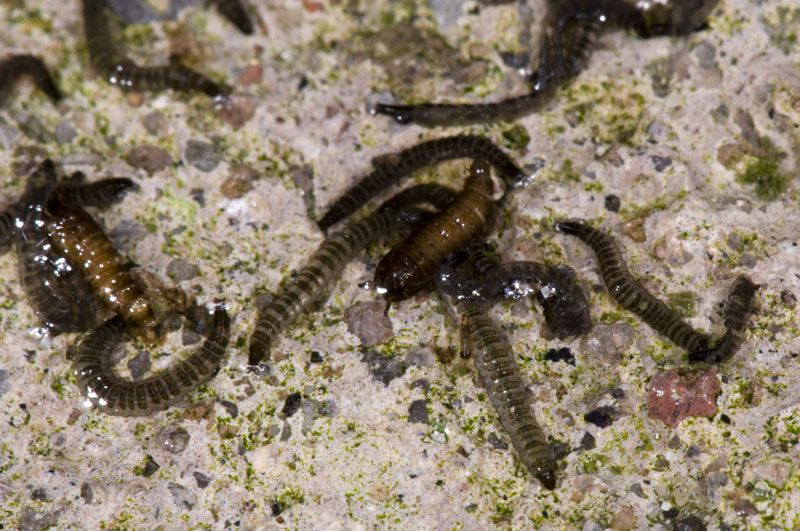
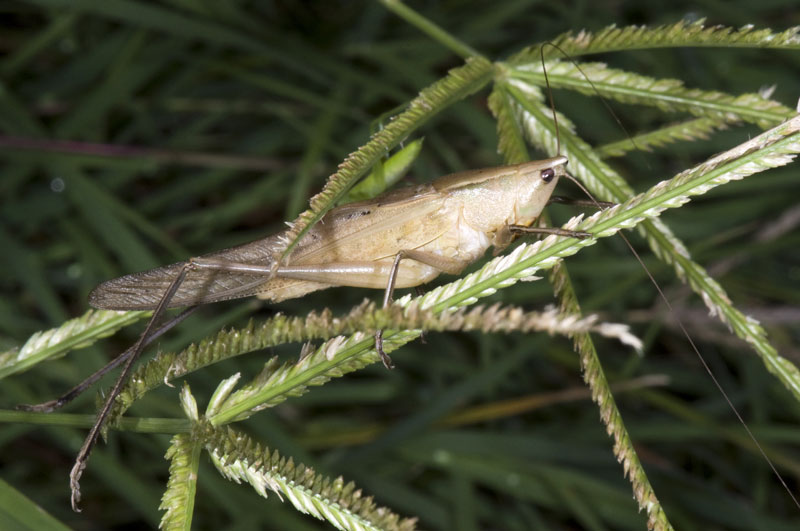
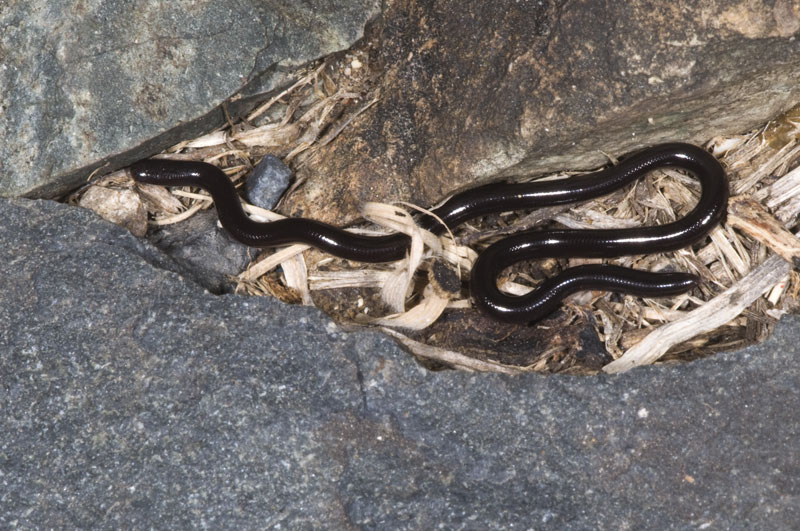
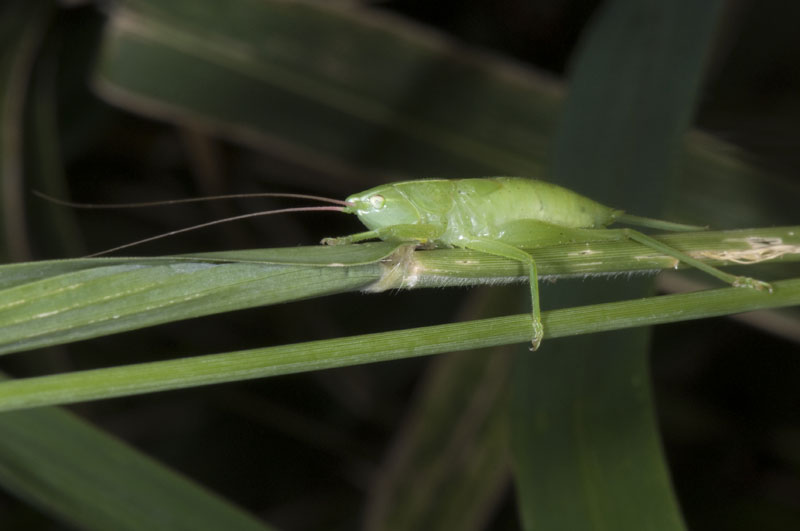
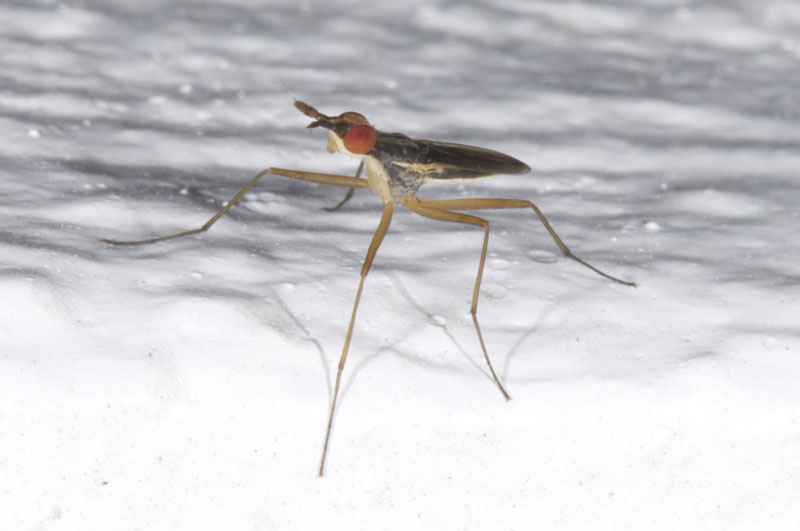
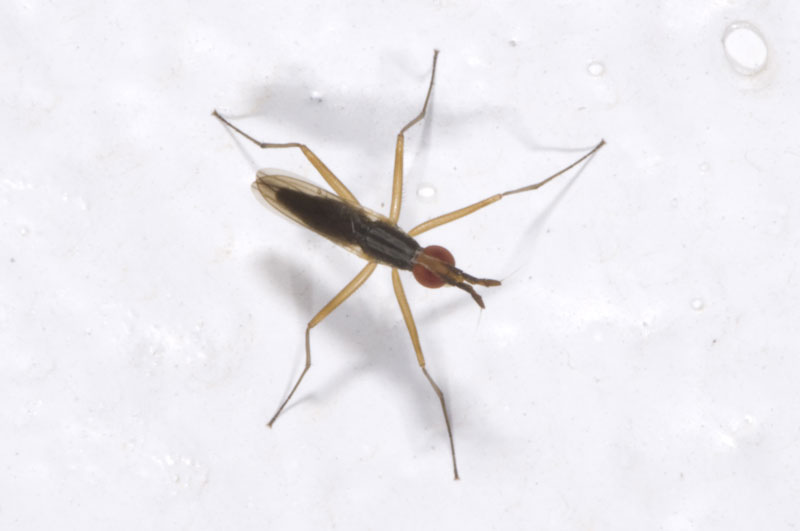
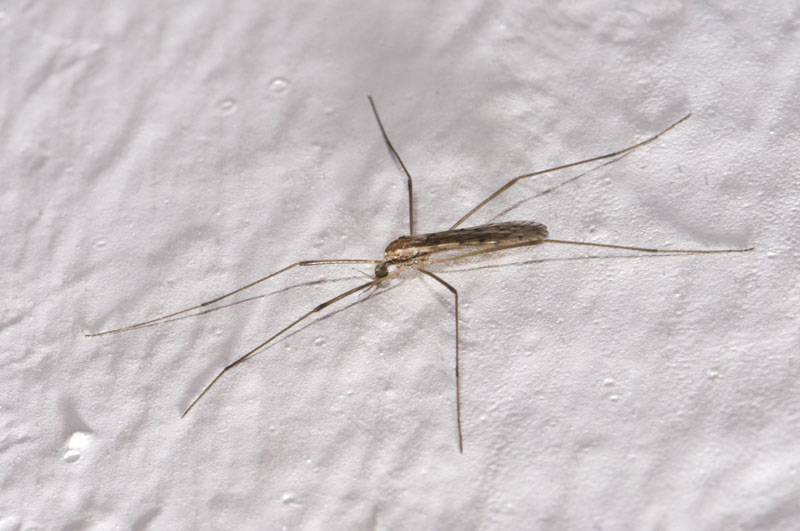
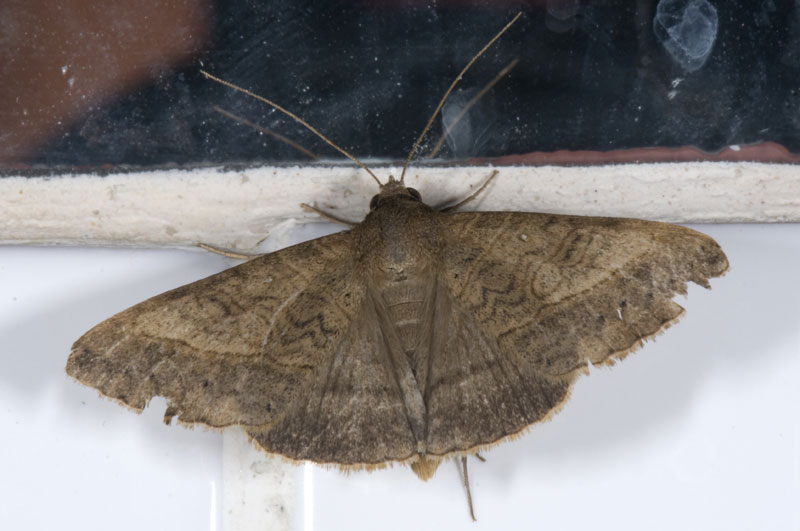
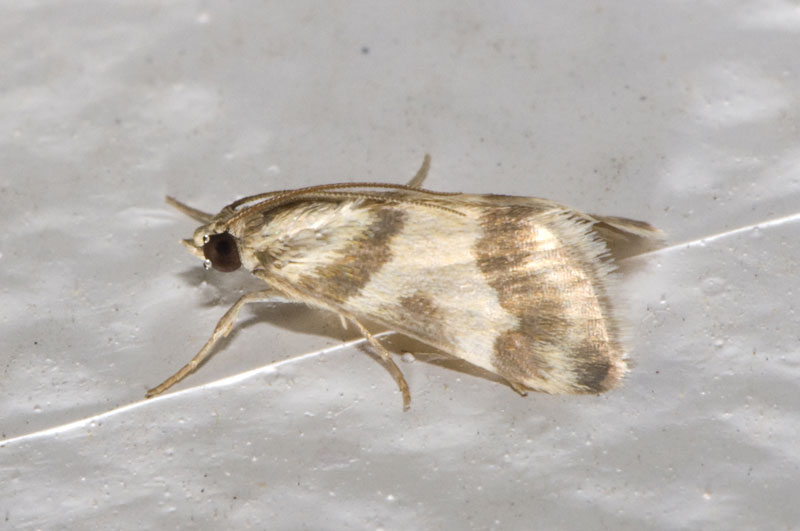
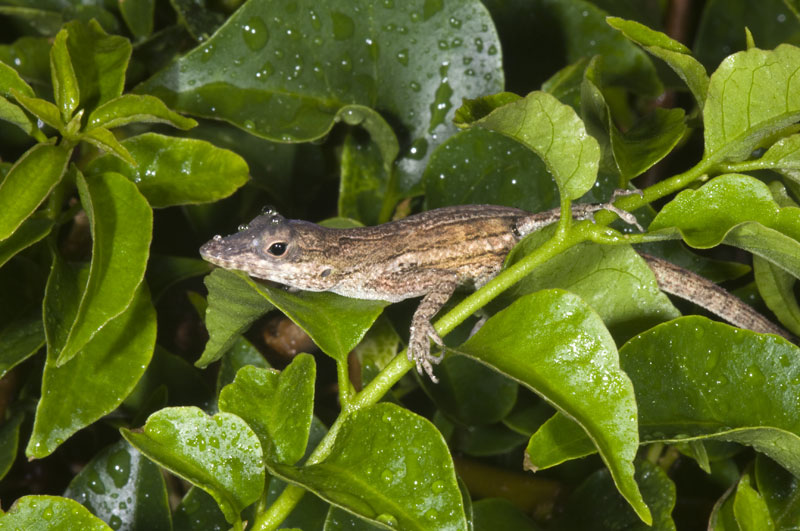
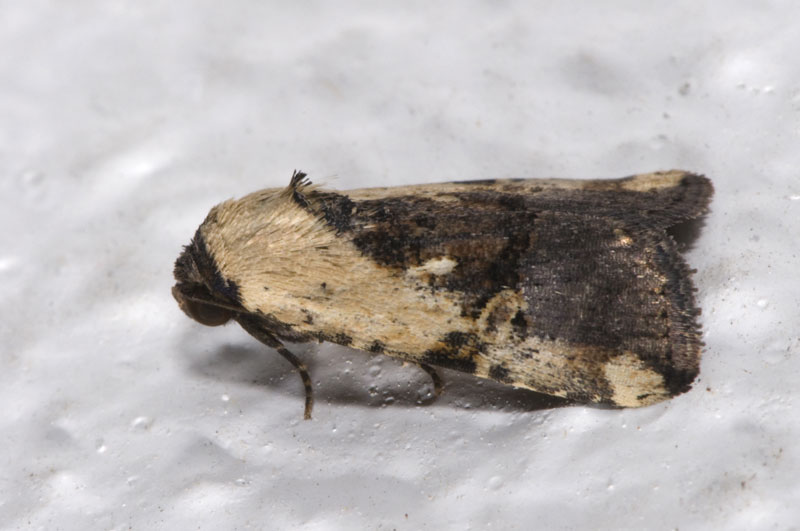
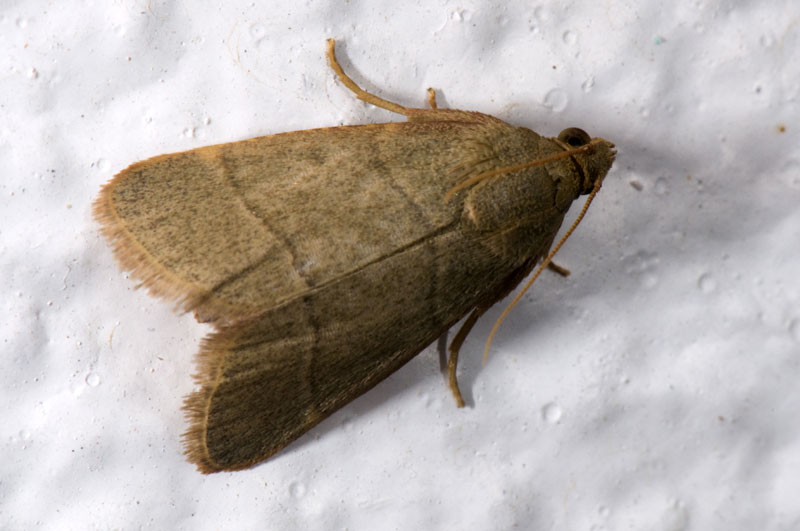
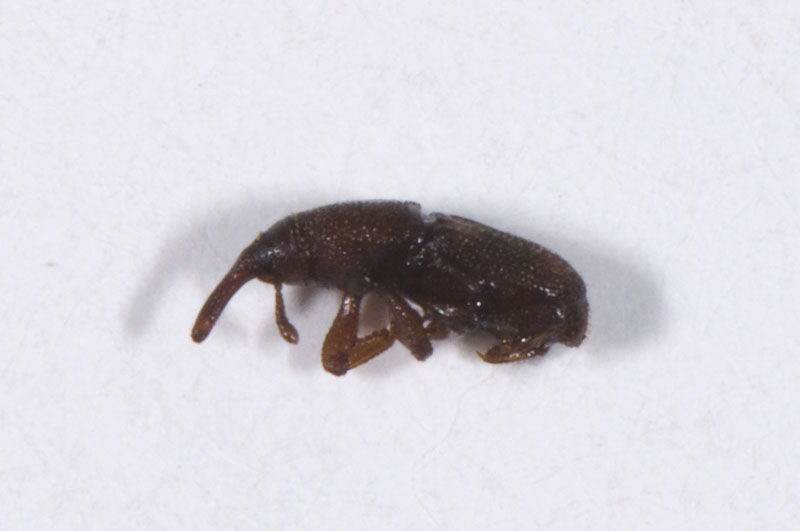
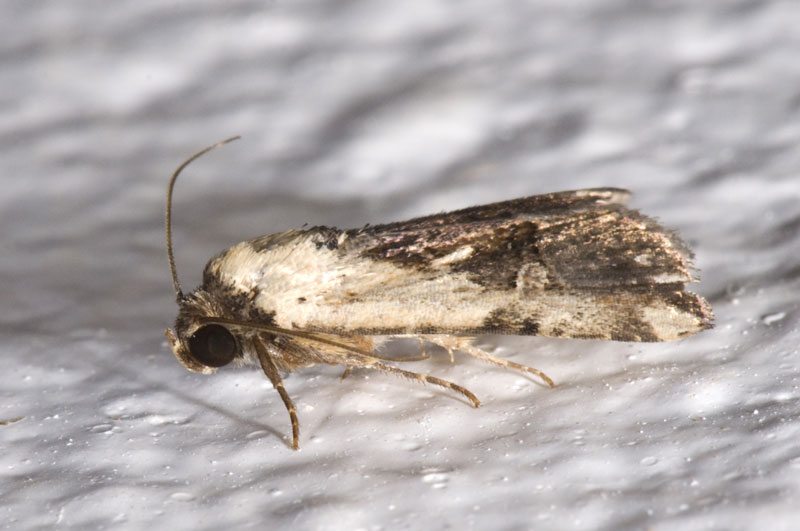
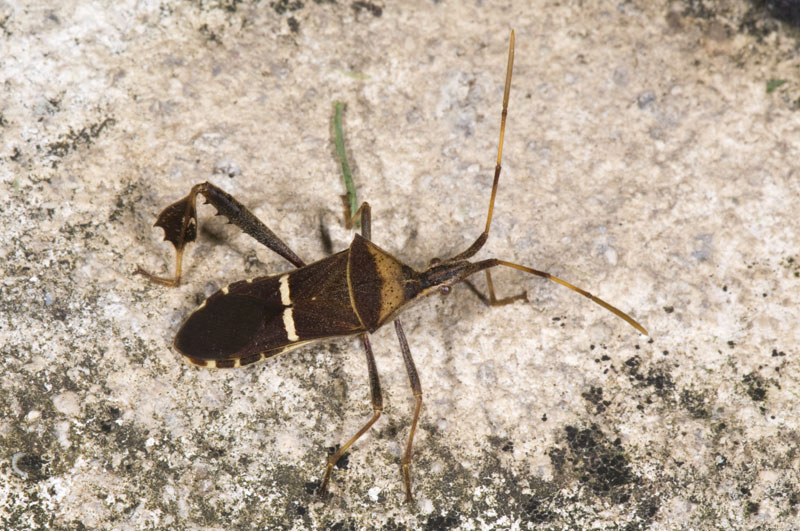
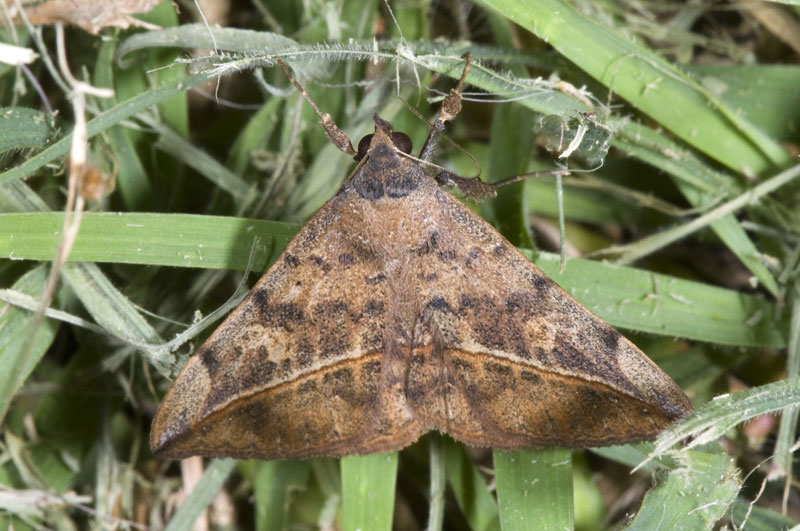
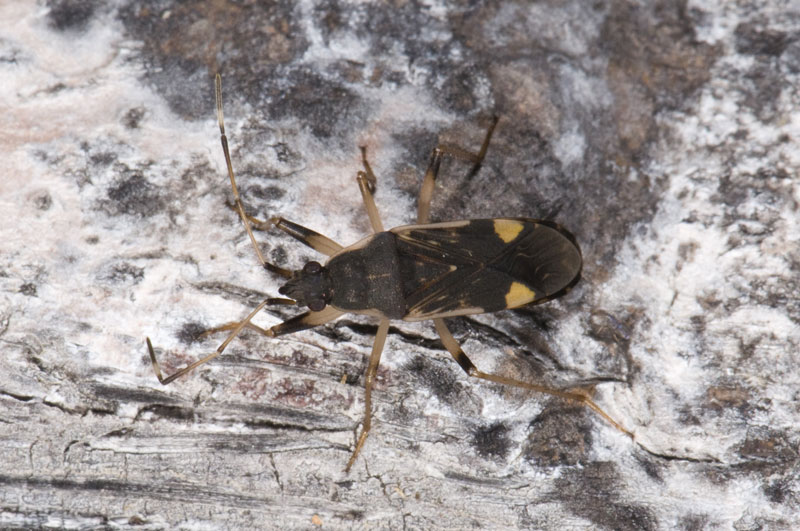
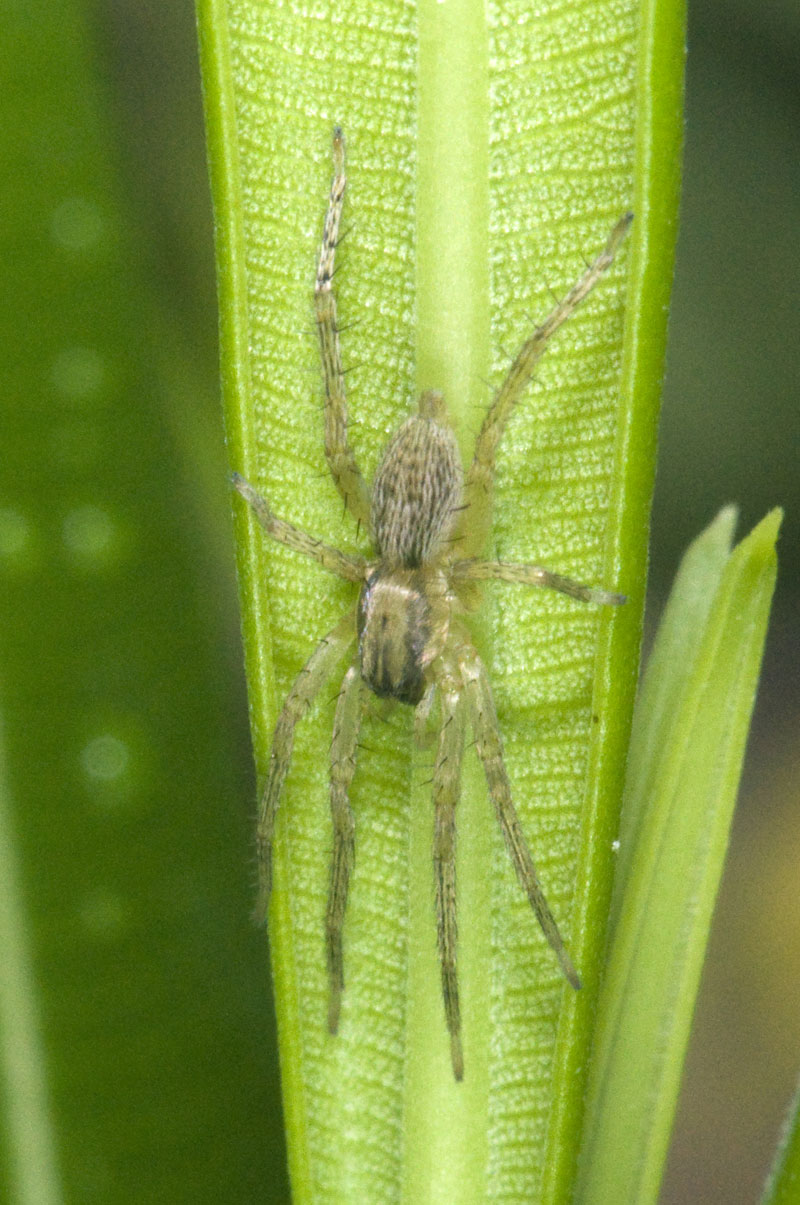
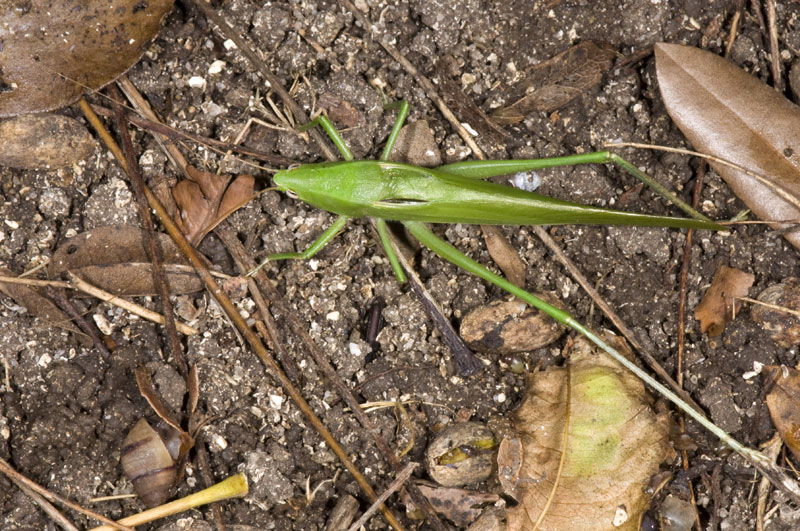
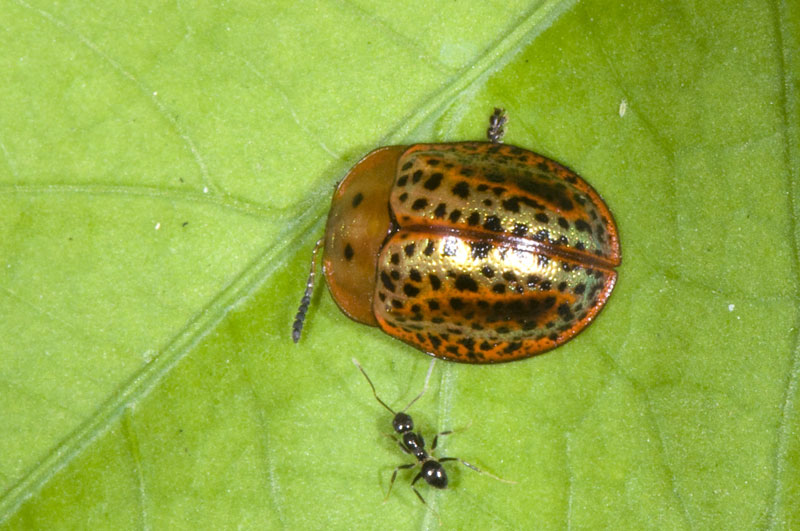
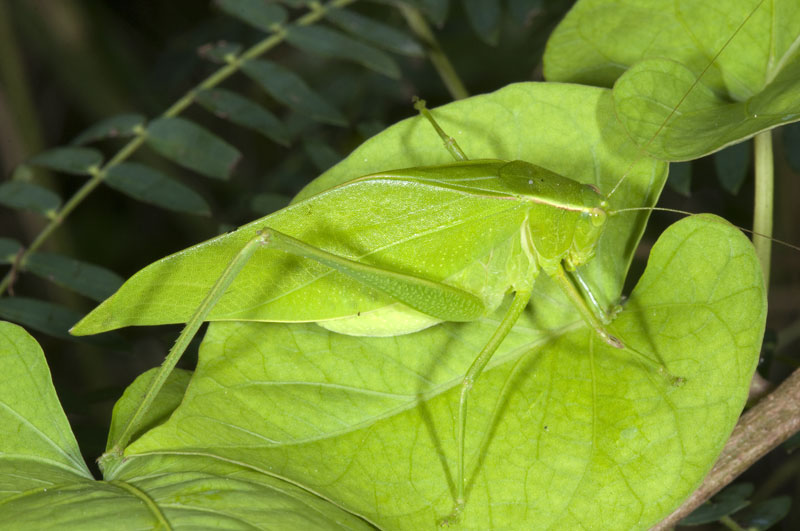
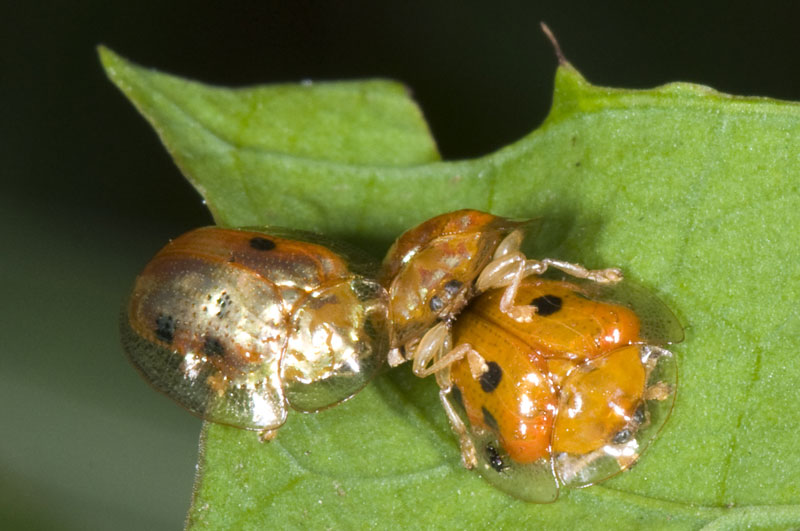
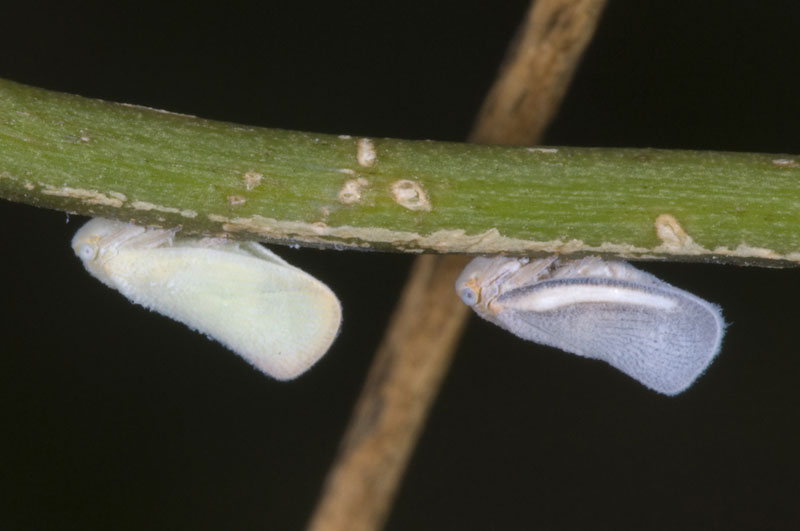
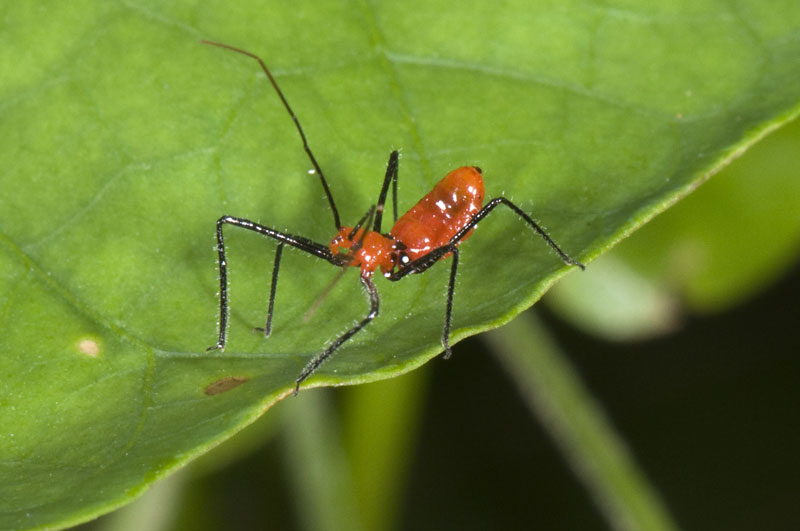
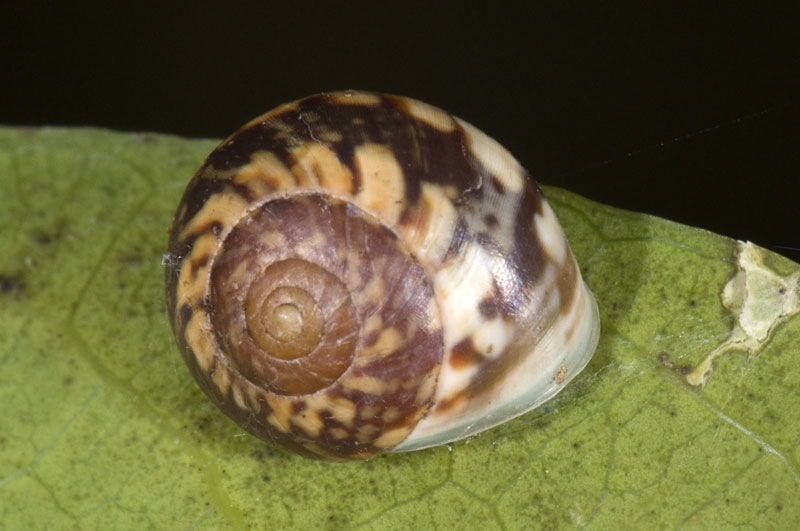
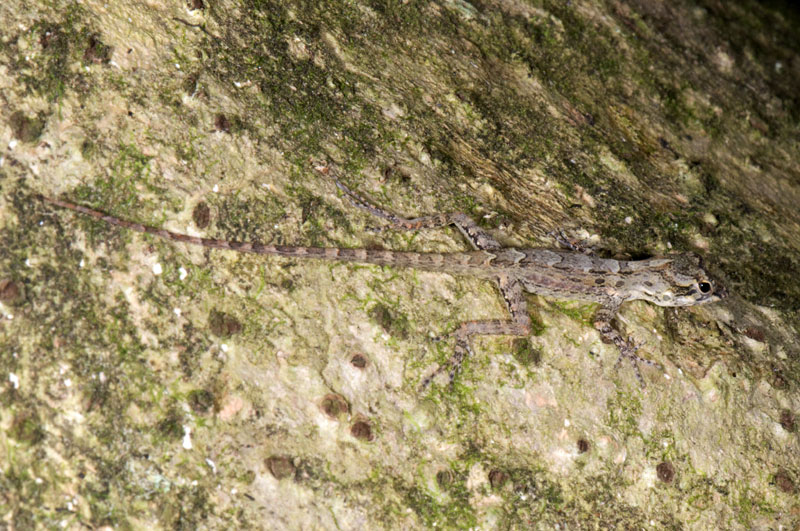
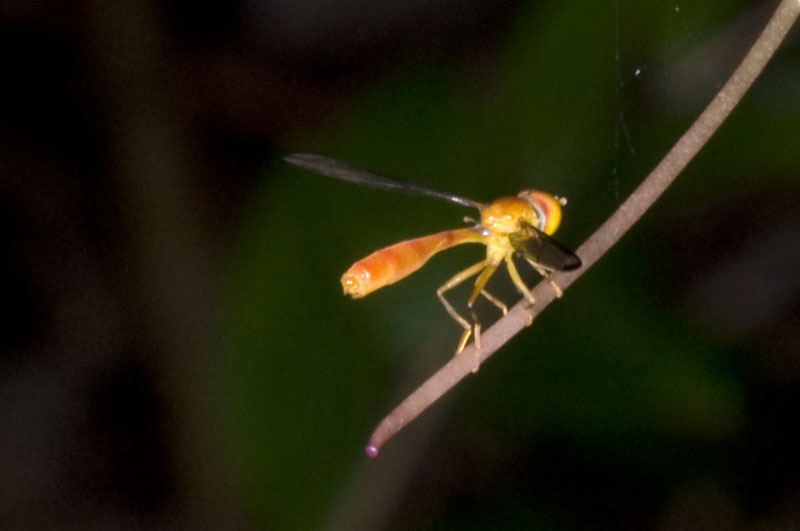
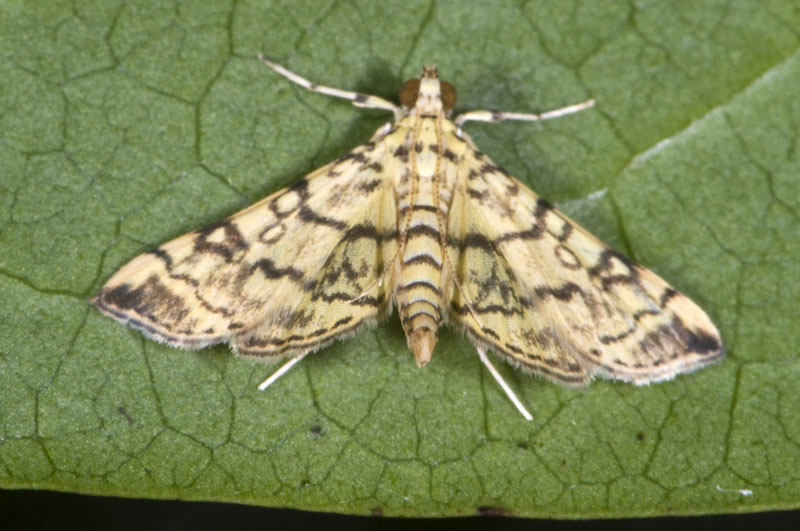
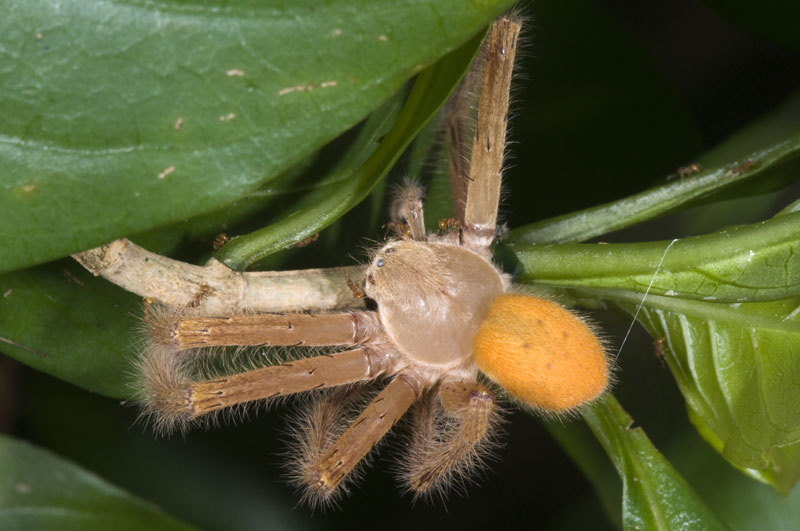
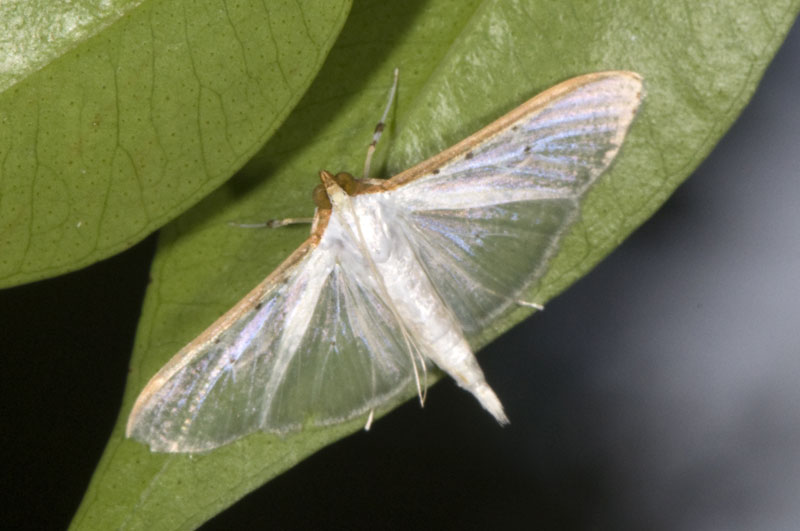
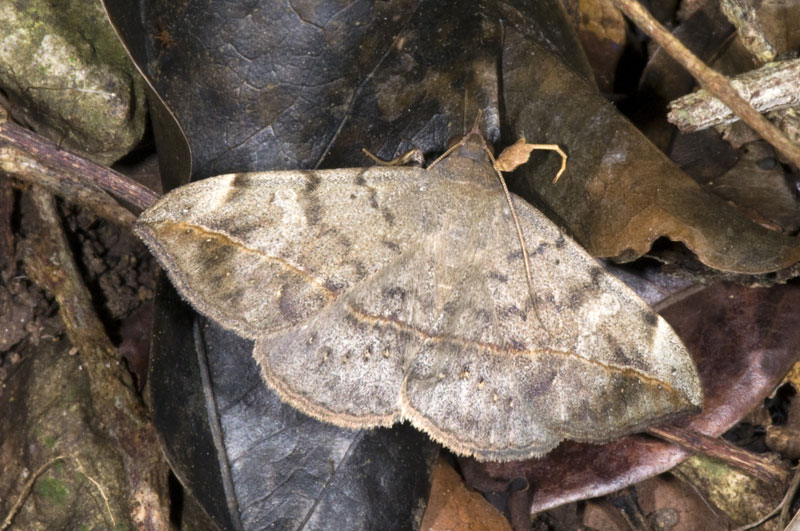
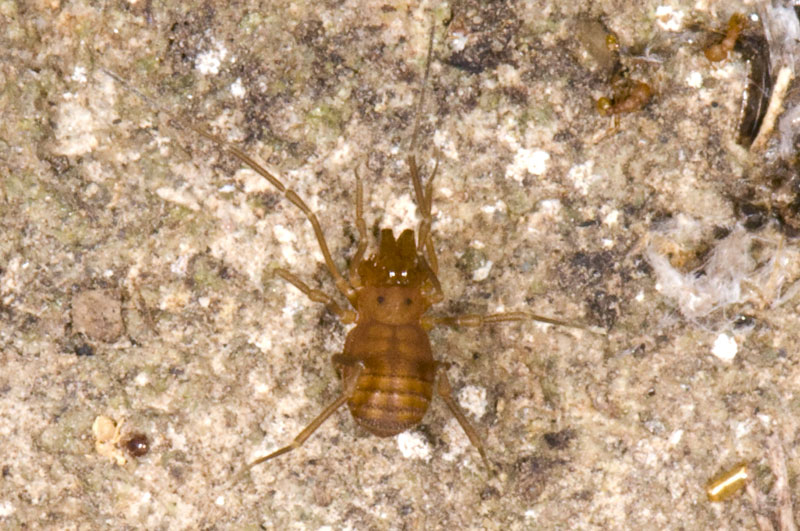
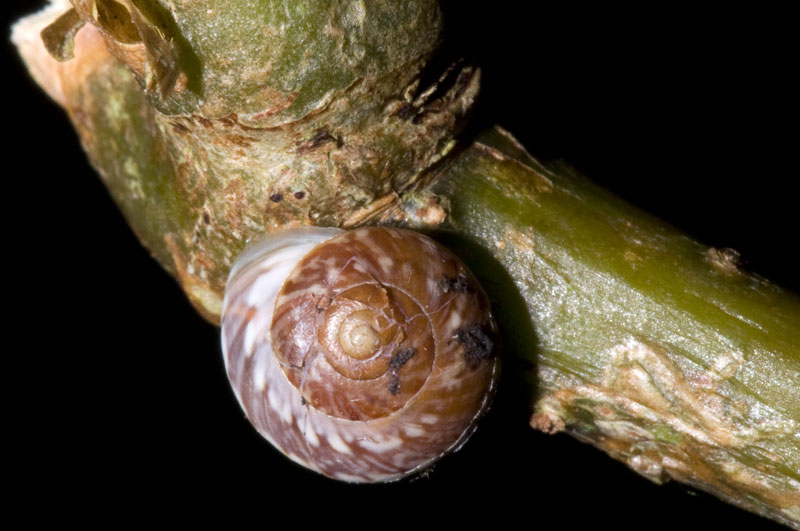
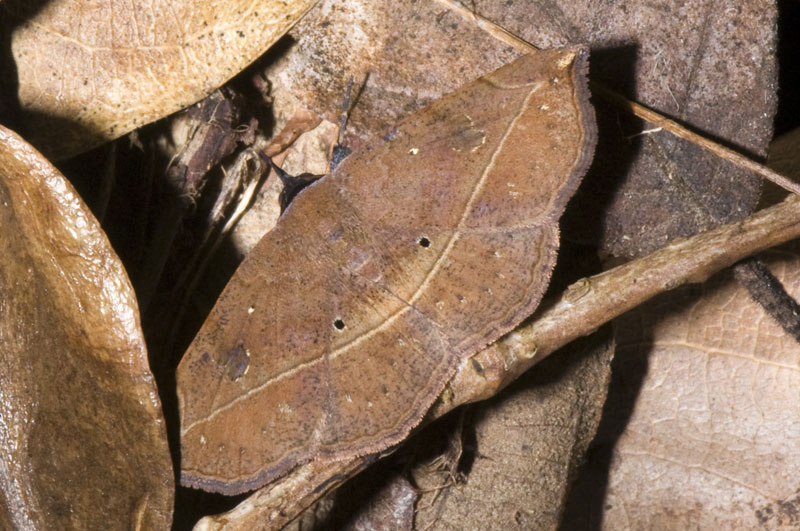
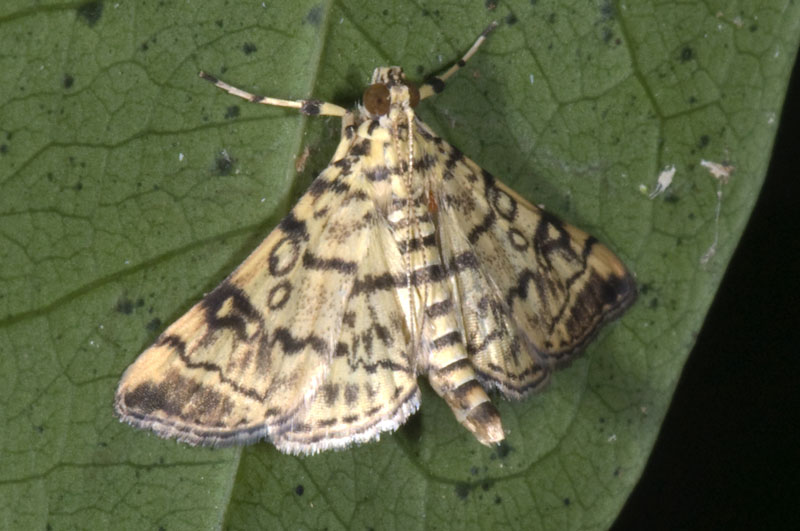
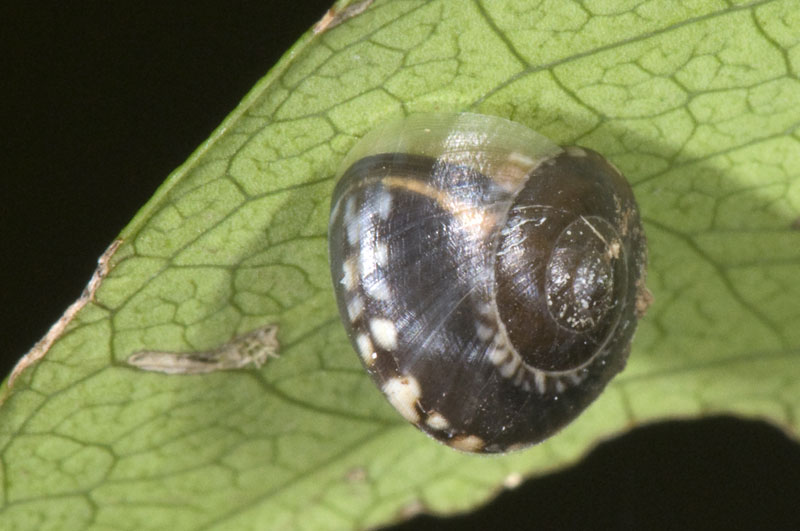
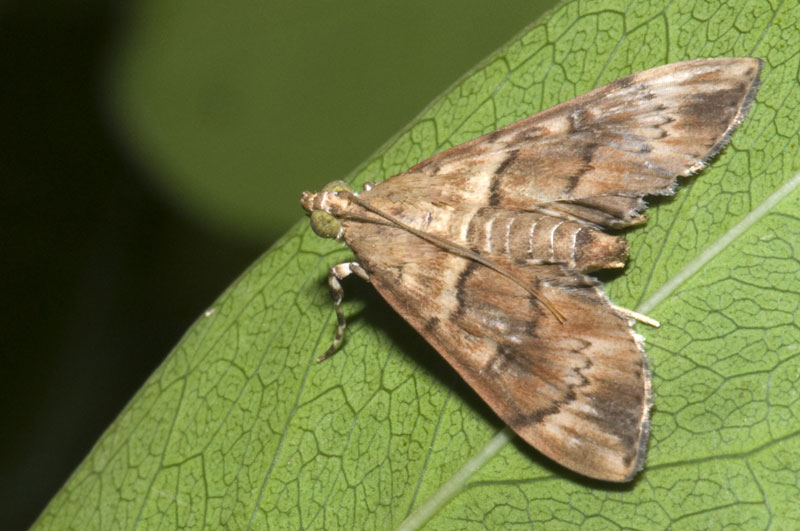
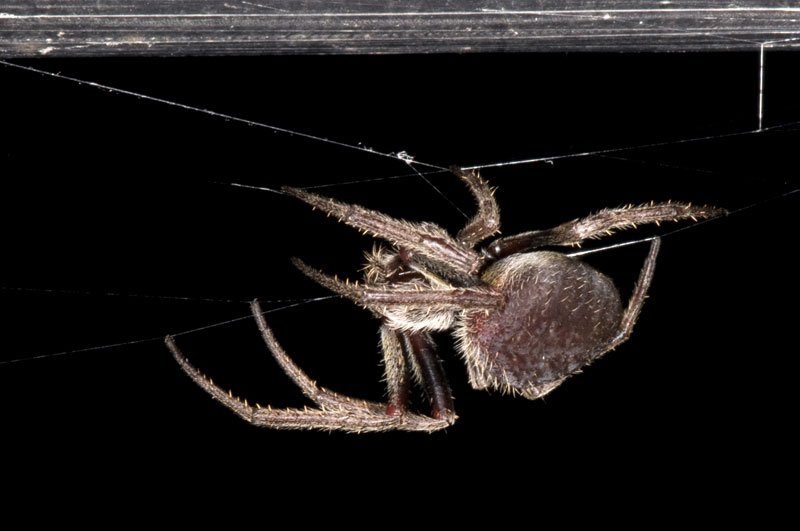
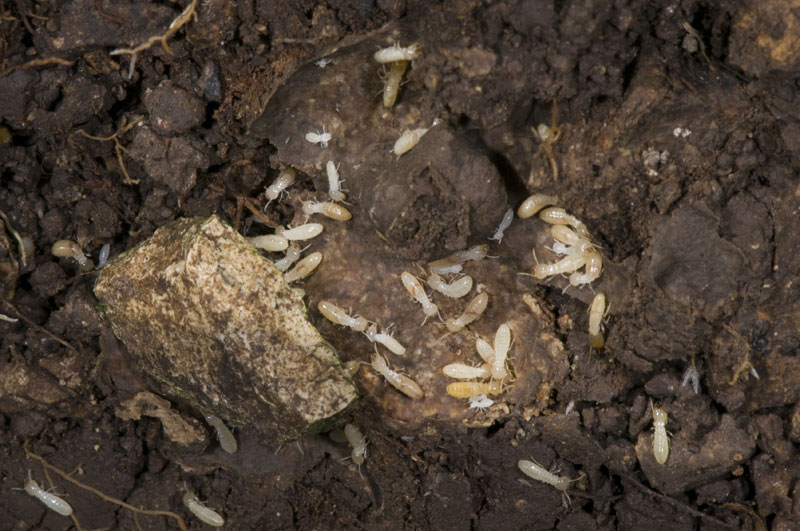
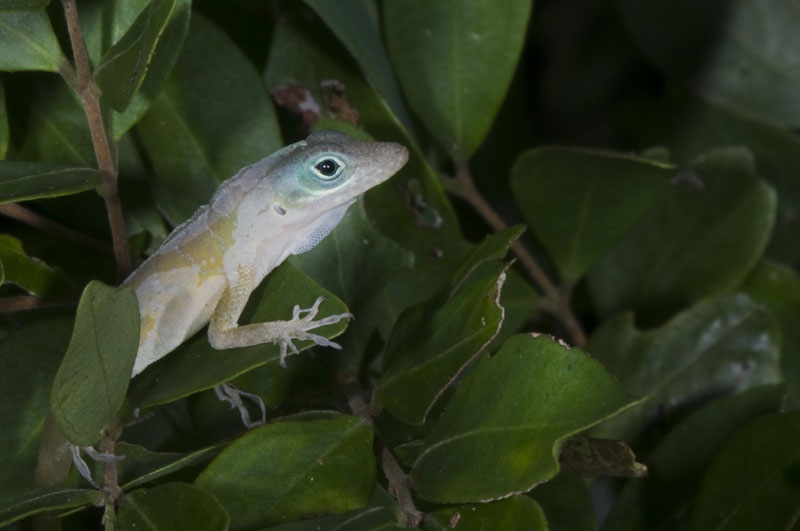
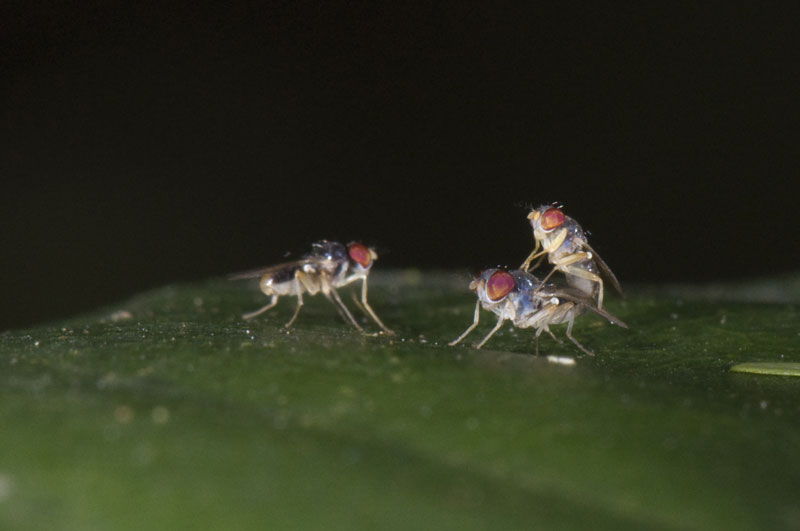
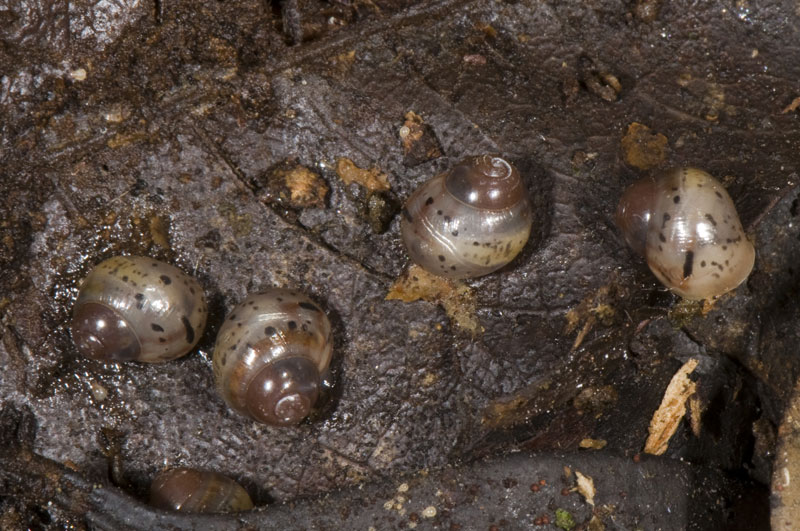
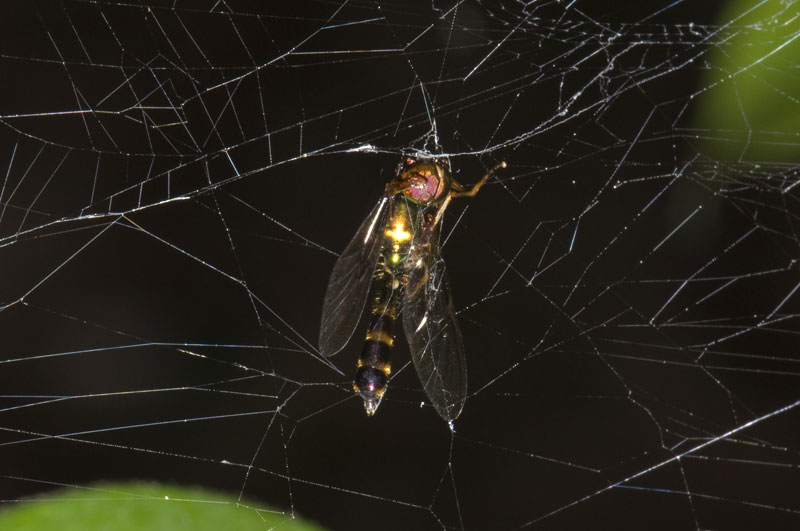
I guess I spent a bunch of September nights out looking for nocturnal creatures. Here are loads and loads of them.
Posted in Les Fruits sur la Terre
Comment on this post.
October 2nd, 2010 by Marc AuMarc
I use iPhoto to store my photos, even though I do my editing in Photoshop from the RAW files. Using iPhoto to begin with is probably my mistake, but today I figured out a couple things that will save me some disk space.
If you use the edit function in iPhoto to zoom in on and compare images, then iPhoto will save “modified” copies in the iPhoto library, even if you didn’t actually make any changes. I figured this out because I never modify photos in iPhoto, but had 15GB of modified images from the past 3 months. You can avoid this by using the full-screen mode to zoom in on images and compare.
If you have loads of these images, you can select all the events in your library and then choose Photos>Revert to Original and all these extra copies will be deleted. (The exception is if you have some movie files, it will keep the JPEGs it made as thumbnails for those.) Unfortunately, if you have RAW photos in your iPhoto library that are mixed in with your JPEGs you won’t get the Revert to Original menu option, you’ll get Reprocess RAW instead. In that case, you’re out of luck unless you remove all the RAW photos from the library.
I actually do move my RAW files every few months when I build a new iPhoto library, so from now on, after I pull those out of my library, I’ll revert to original on my old library to make it a smaller archive.
I guess it might be easier to switch to a more pro-style application for workflow management.
Posted in Fruits News
Comment on this post.
October 2nd, 2010 by Marc AuMarc
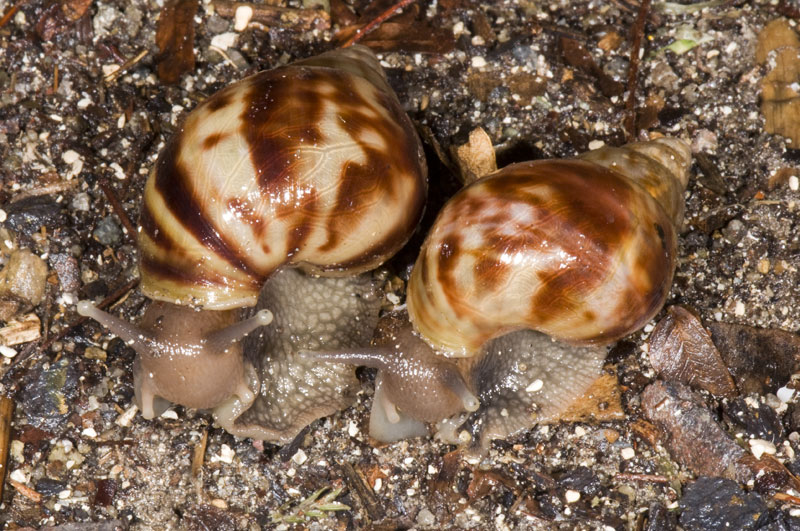
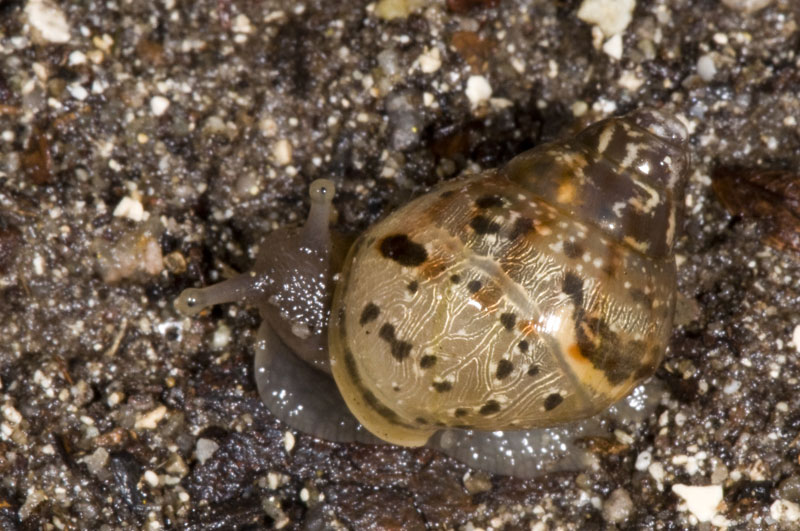
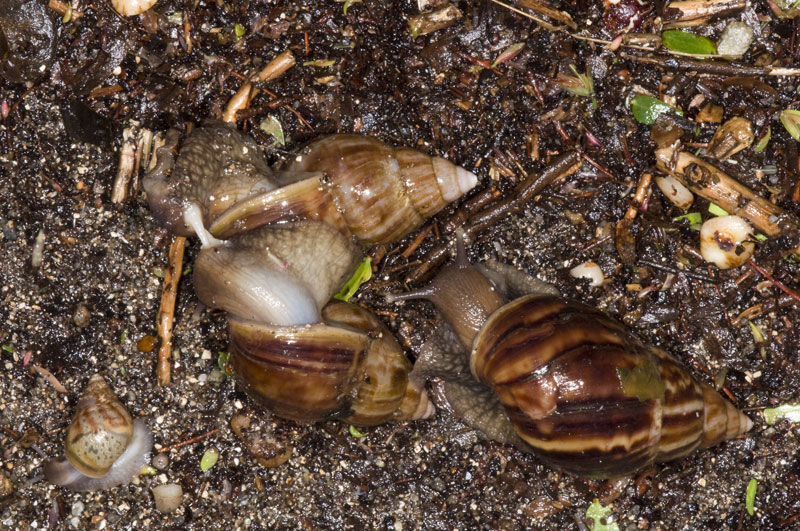
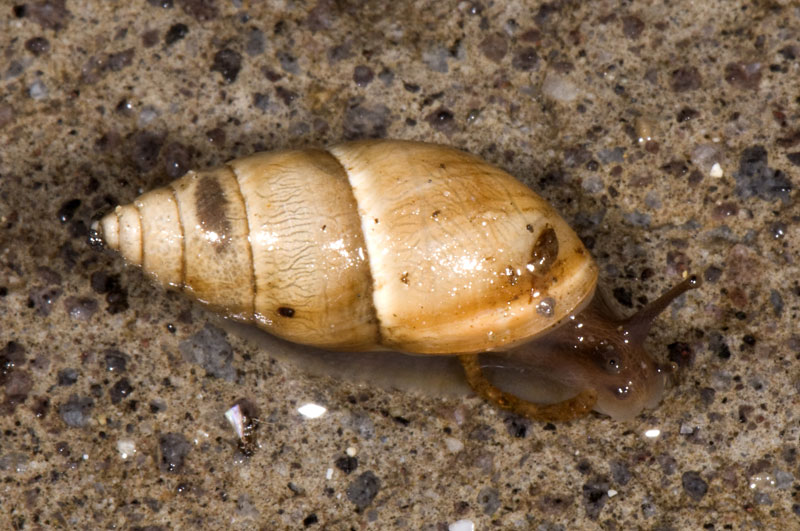
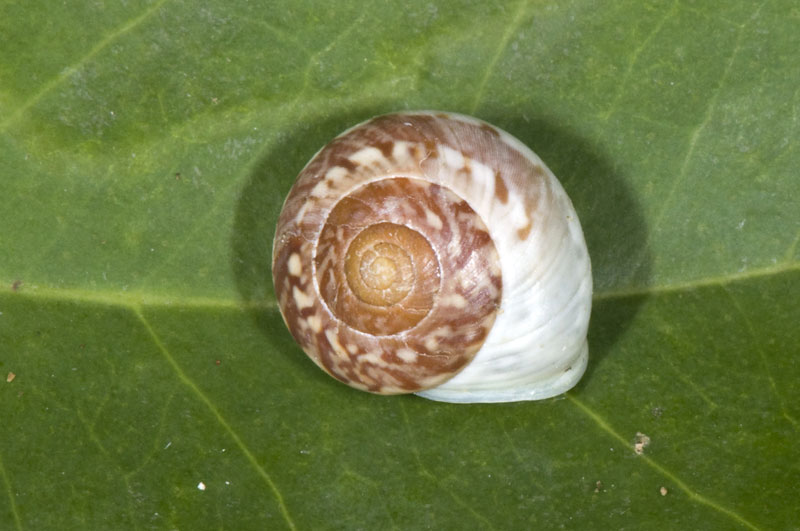
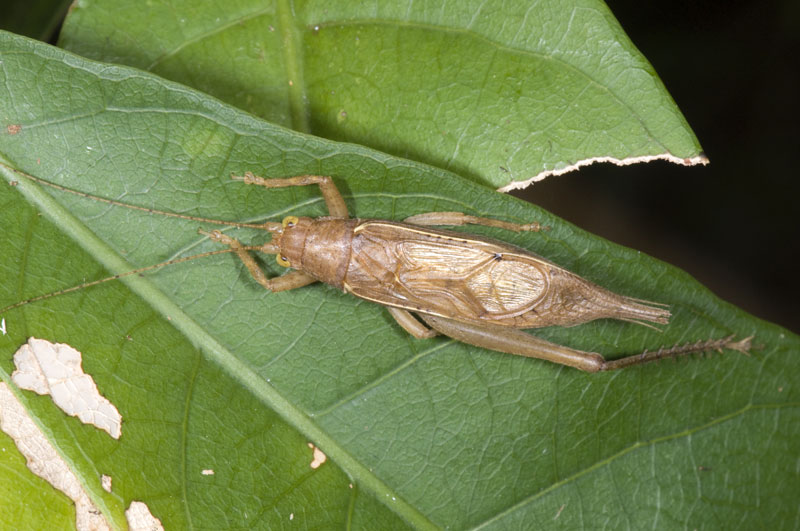
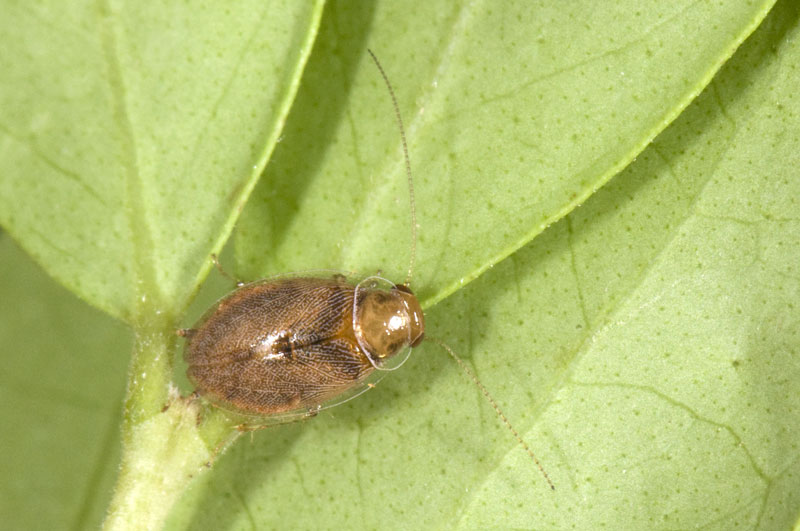
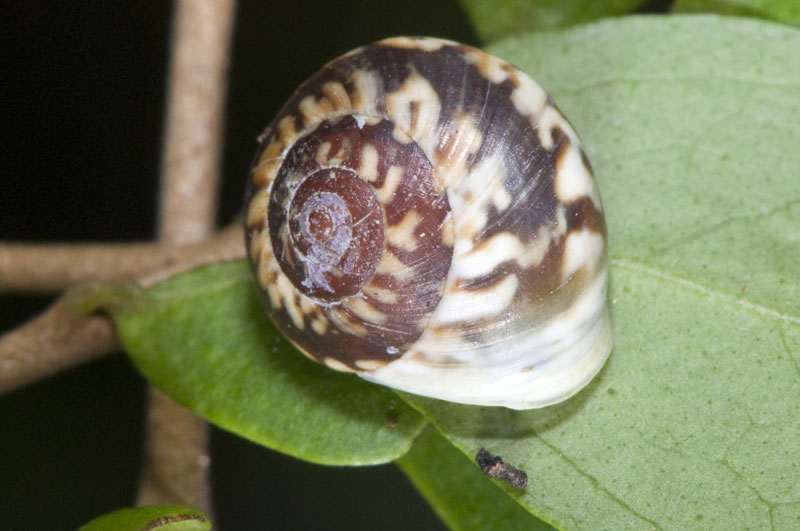
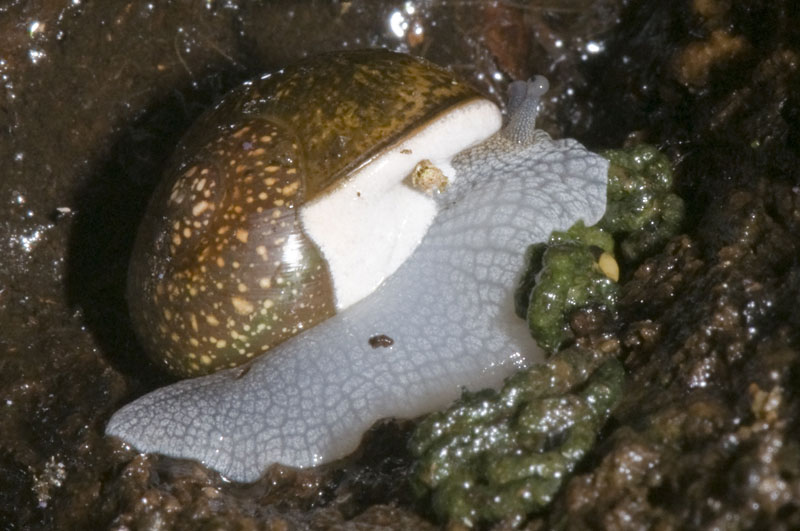
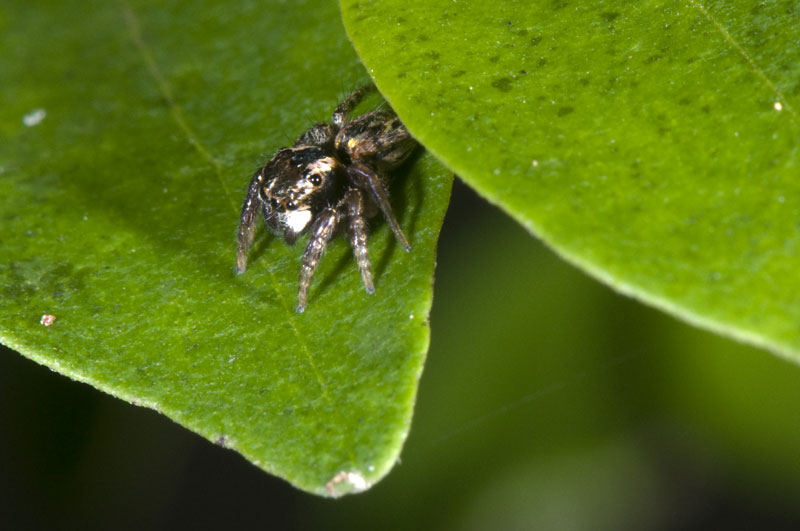
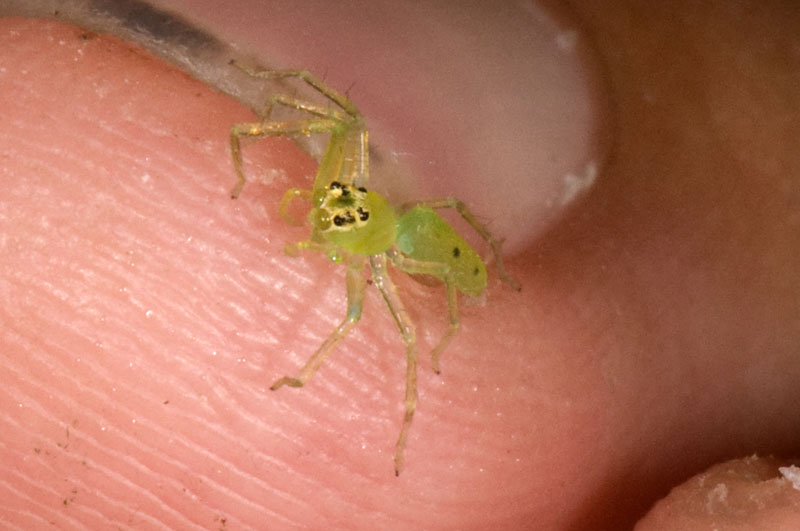
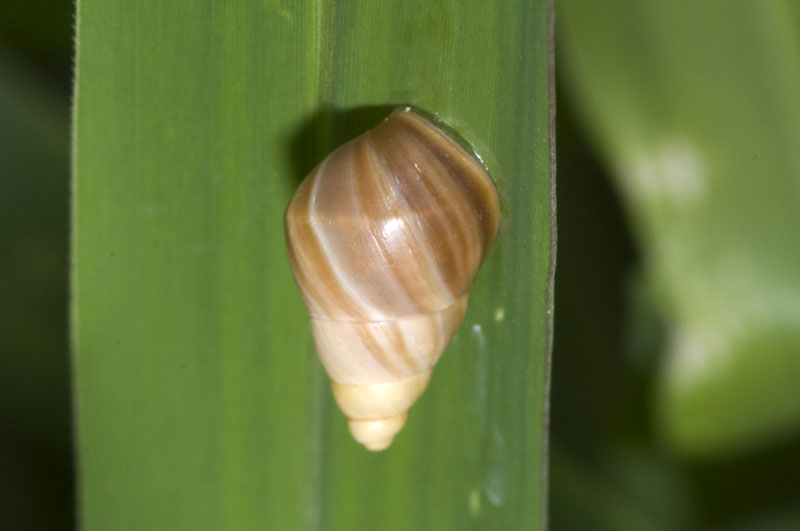
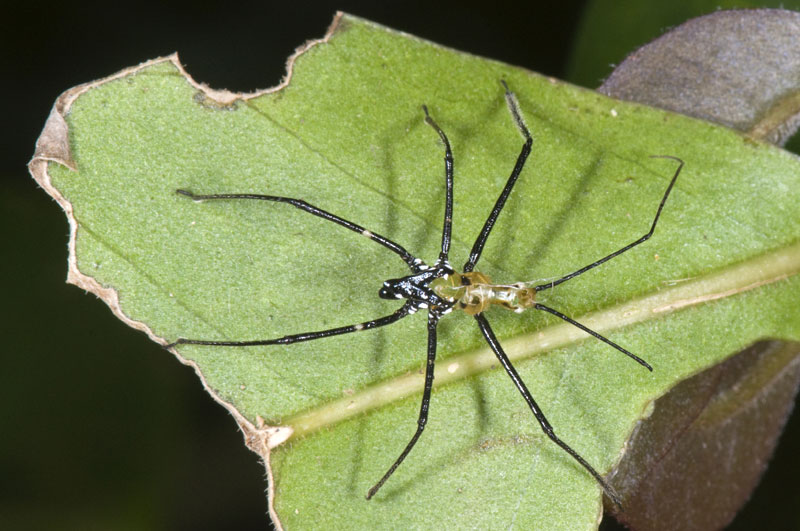
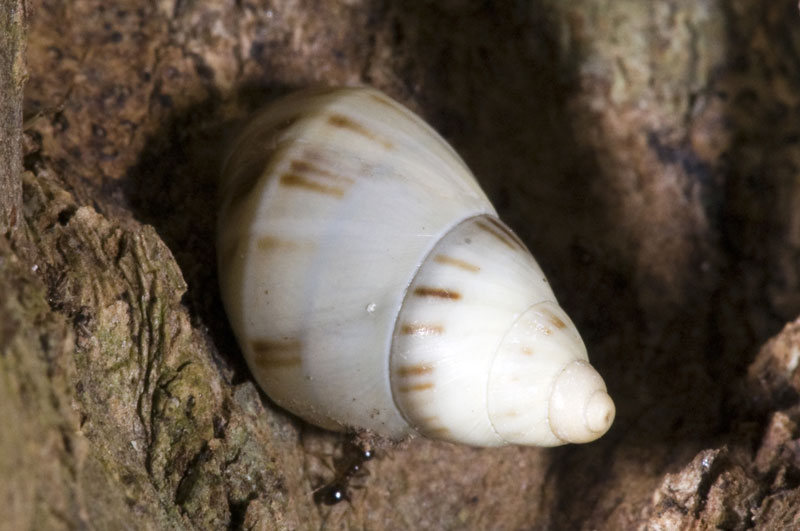
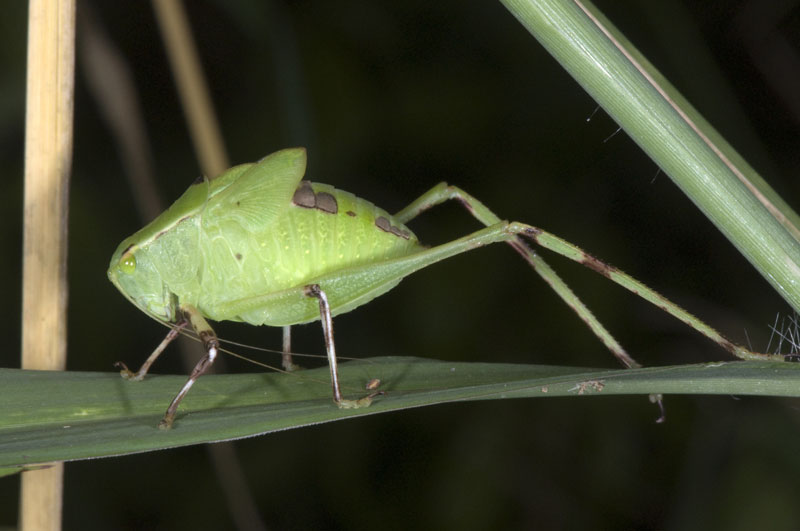
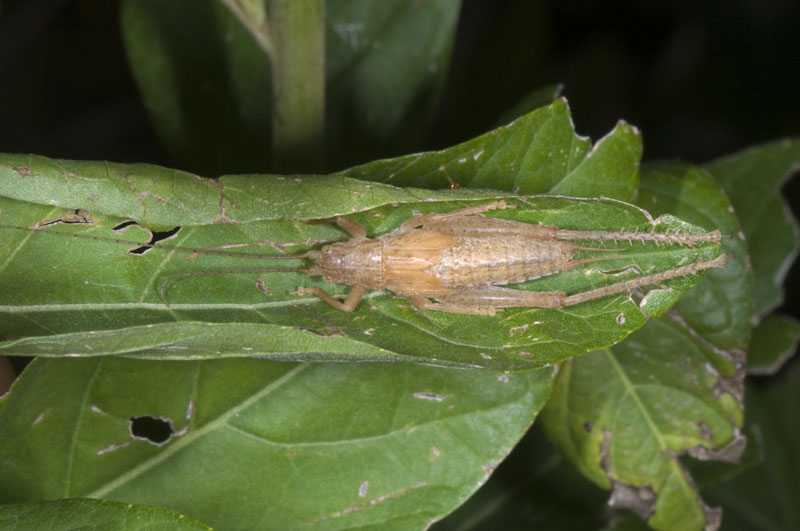
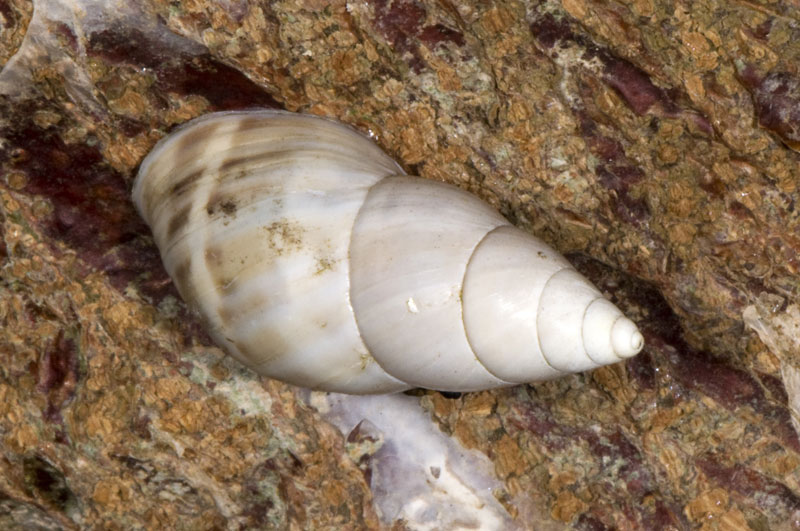
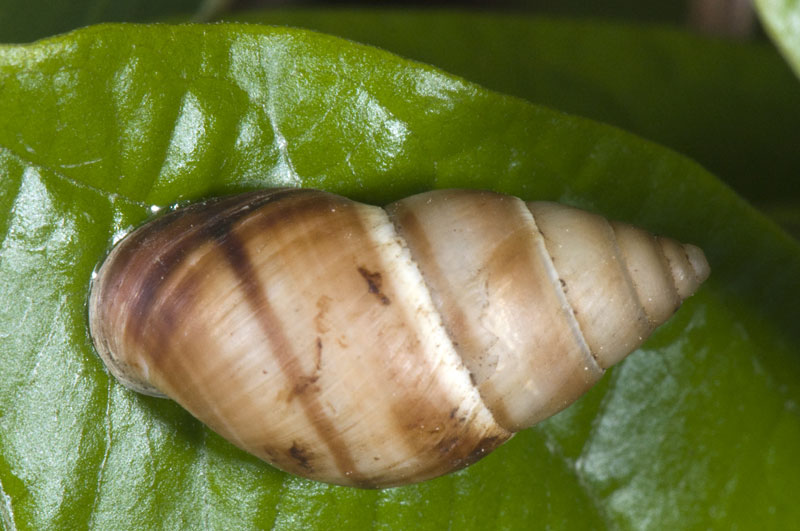
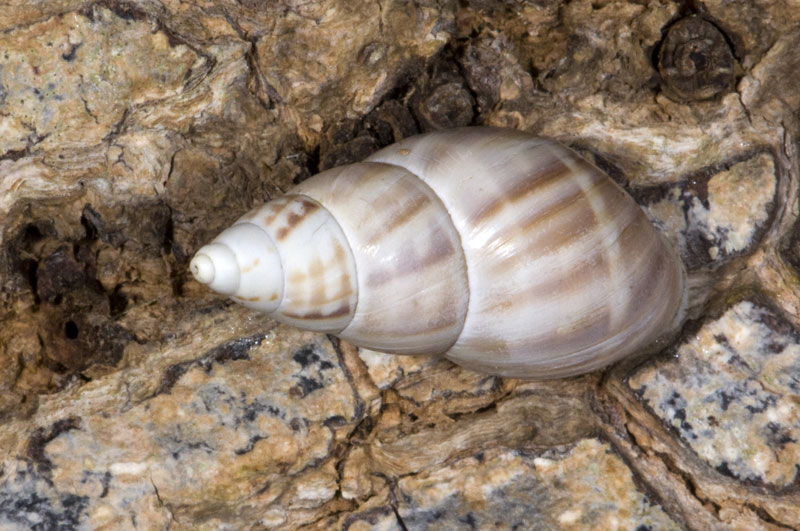
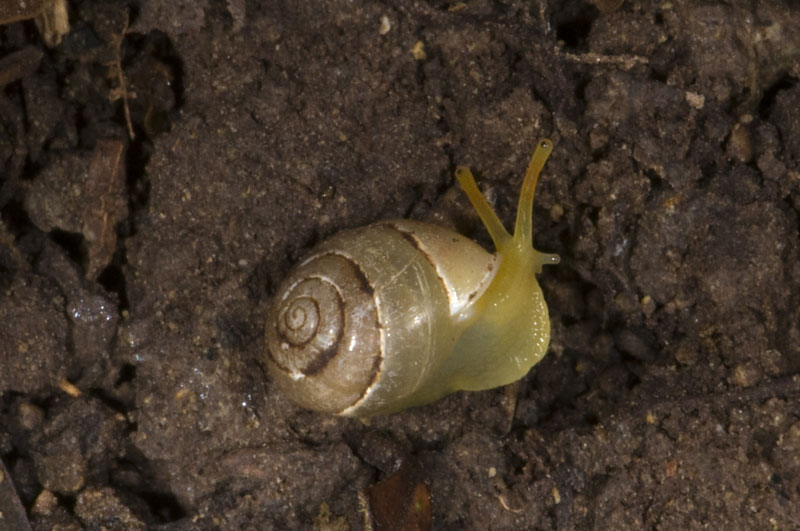
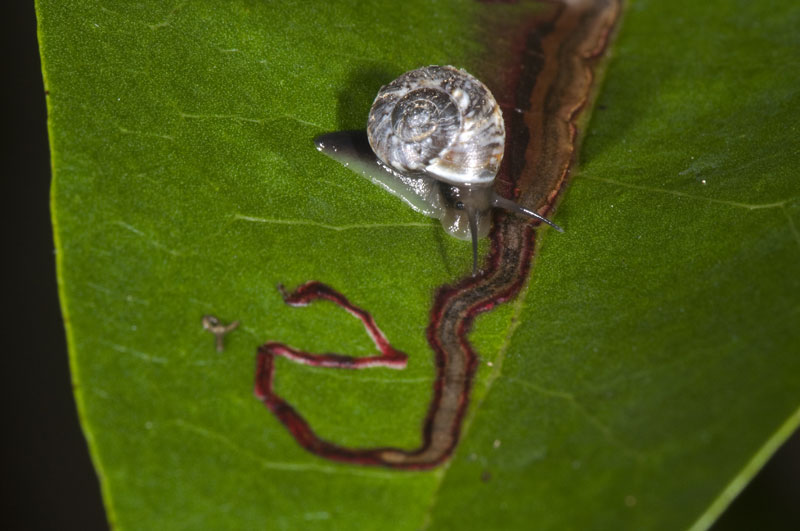
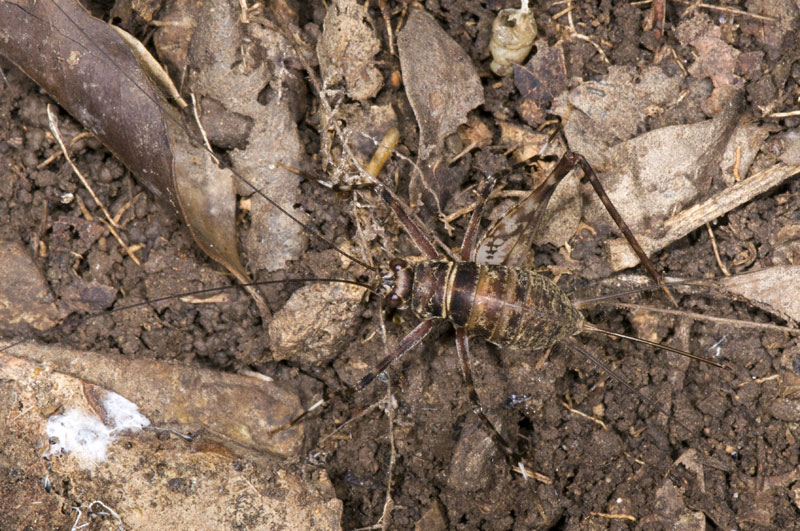
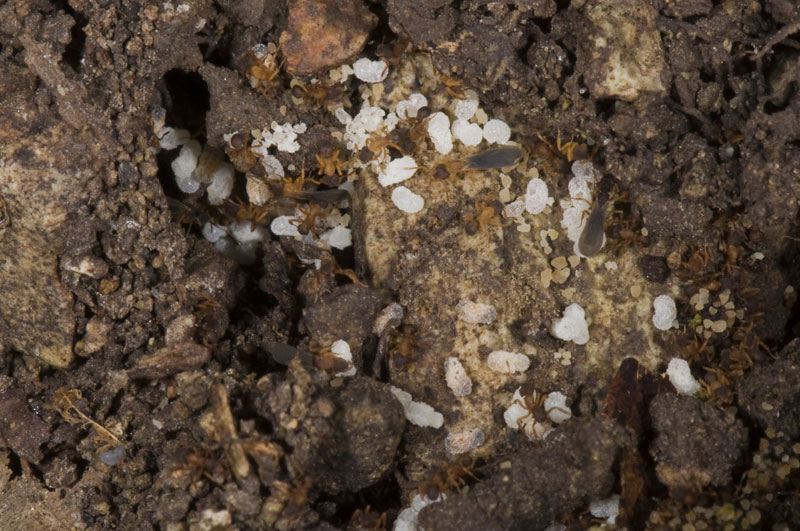
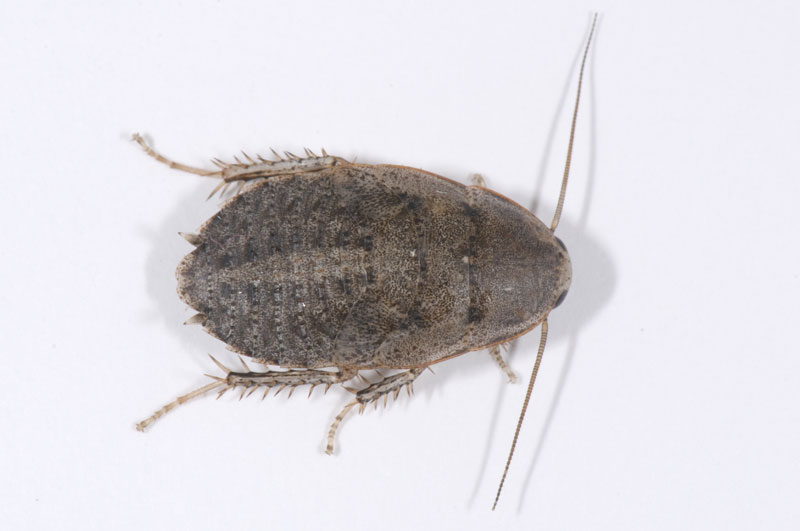
Between Wilderness in the northeast of the island and Pic Paradis in the central highlands, you can probably see most of the wildlife on the island. Below are a couple sets of photos, the first from Pic Paradise and the second from a hike starting at Pic Paradis and descending down near the Careta ravine towards Hope Estate.
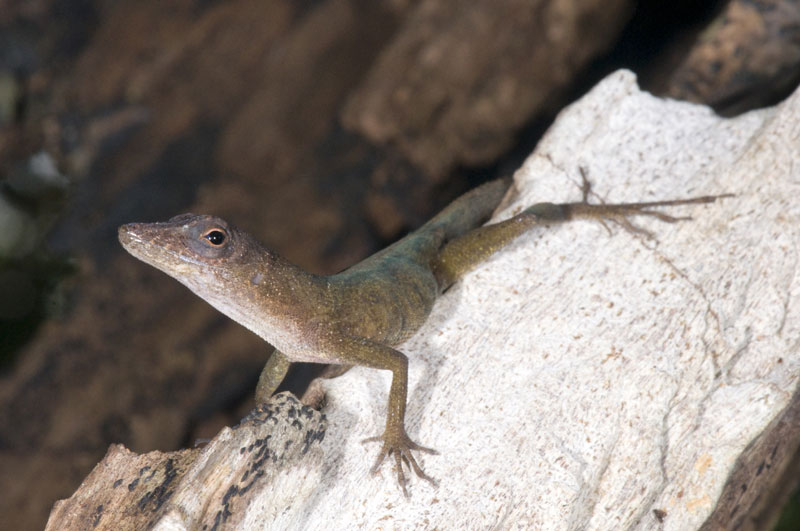
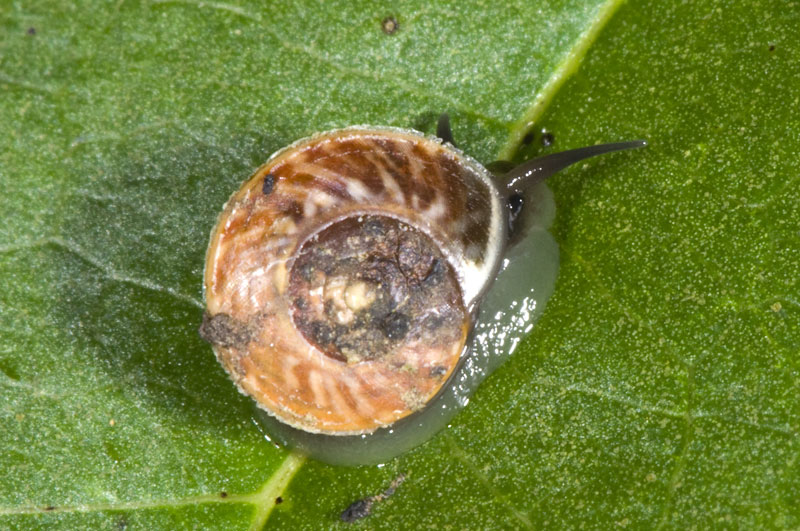
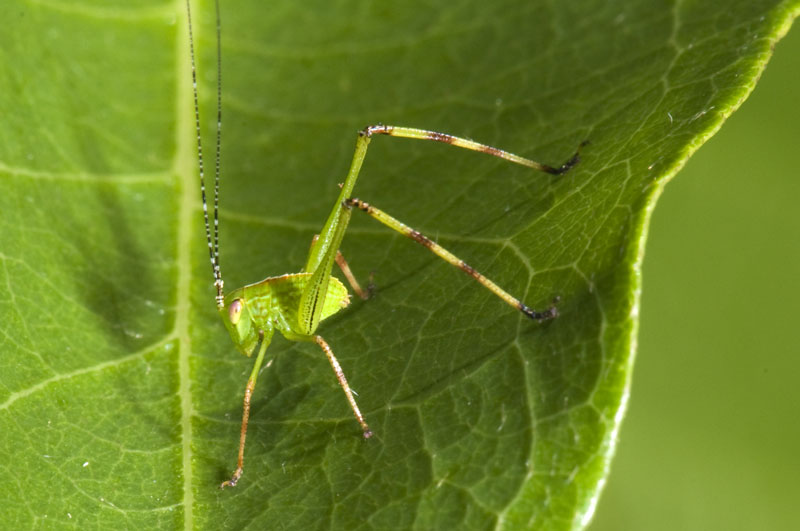
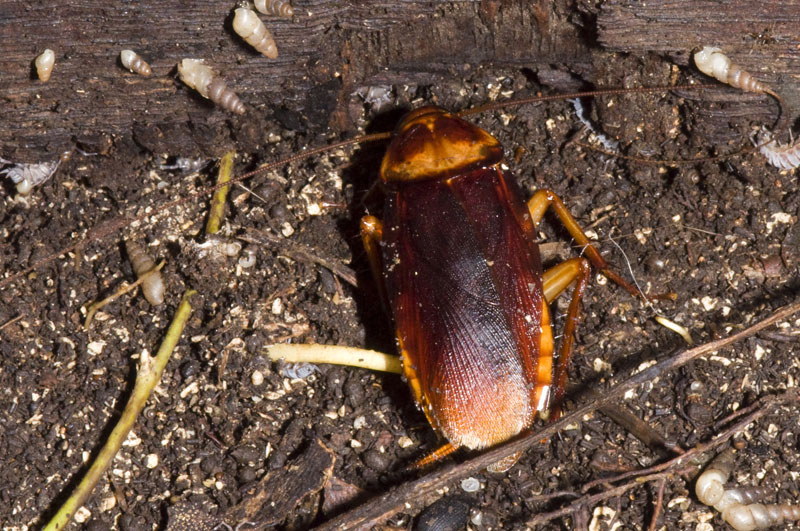
The first set from Pic Paradis is mostly snails and insects, but there are a few spiders and a couple bearded anoles.
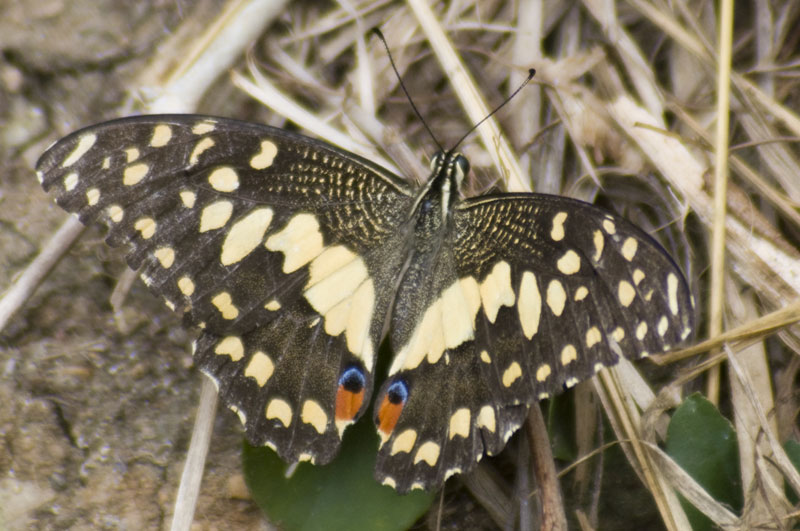
The second set is mostly snails and insects as well, including a checkered swallowtail with unusual coloration and a bearded anole that looks like an old man because he’s shedding his skin.
Posted in Explorations, Les Fruits sur la Terre
Comment on this post.
October 2nd, 2010 by Marc AuMarc
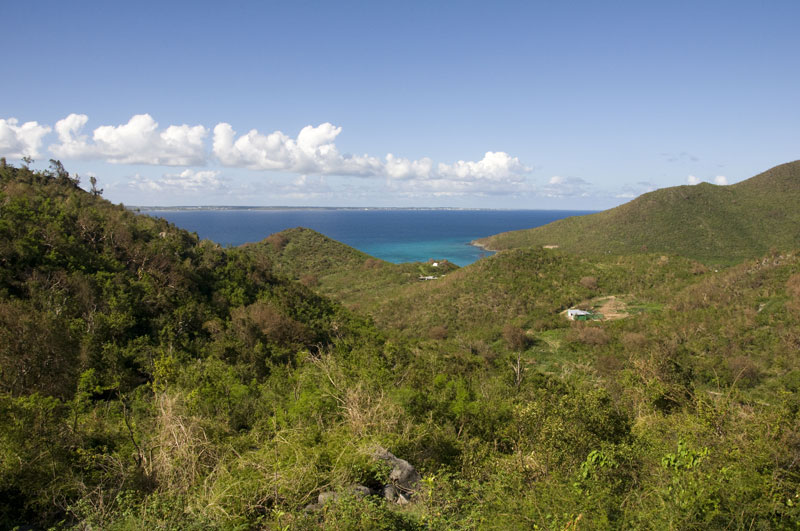
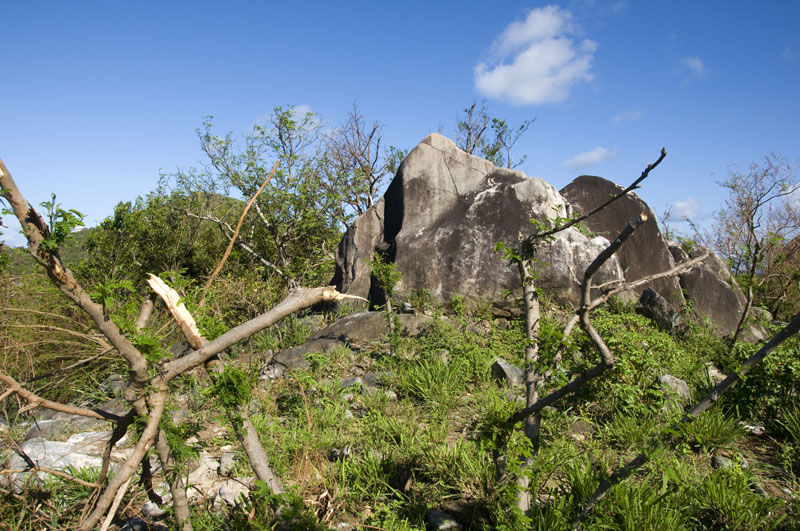
Below are a few photos of Bell Valley in mid-September. Lots of the trees were still missing leaves due to the salt spray from the hurricane, but were already starting to recover a little.
Posted in Explorations, Les Fruits sur la Terre
Comment on this post.
October 2nd, 2010 by Marc AuMarc
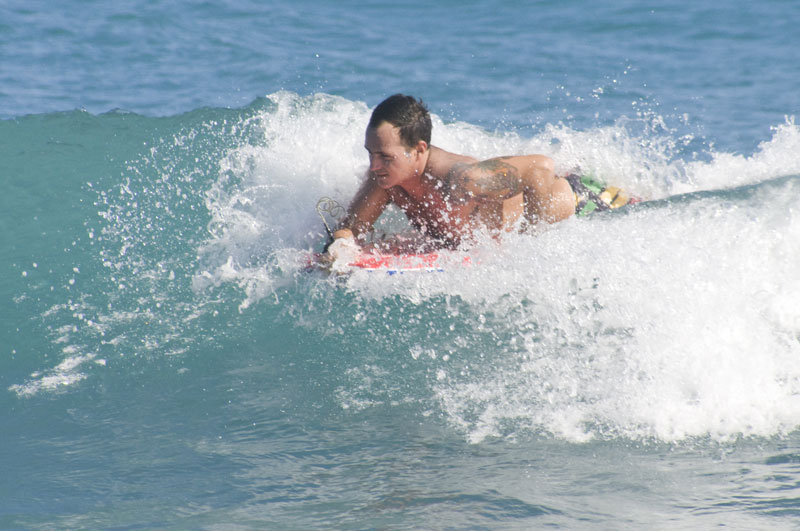
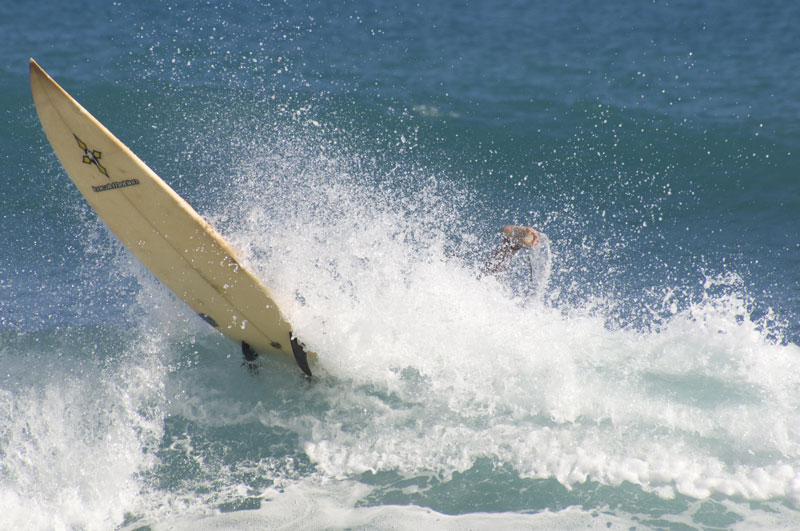
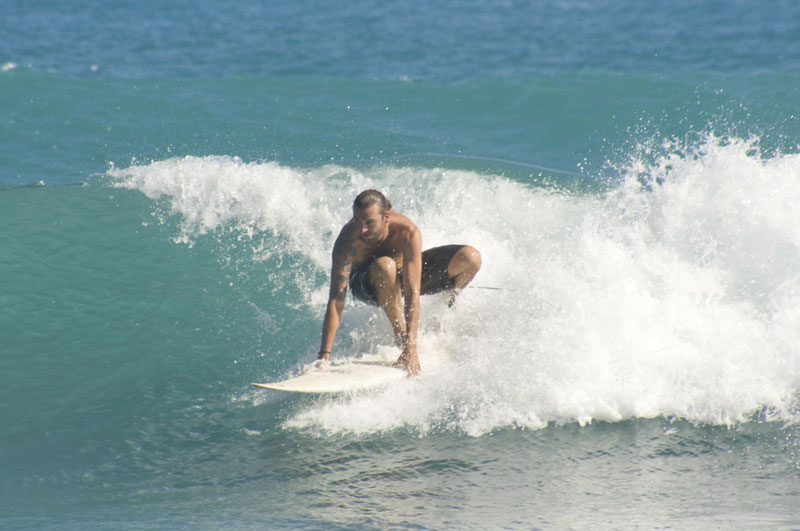
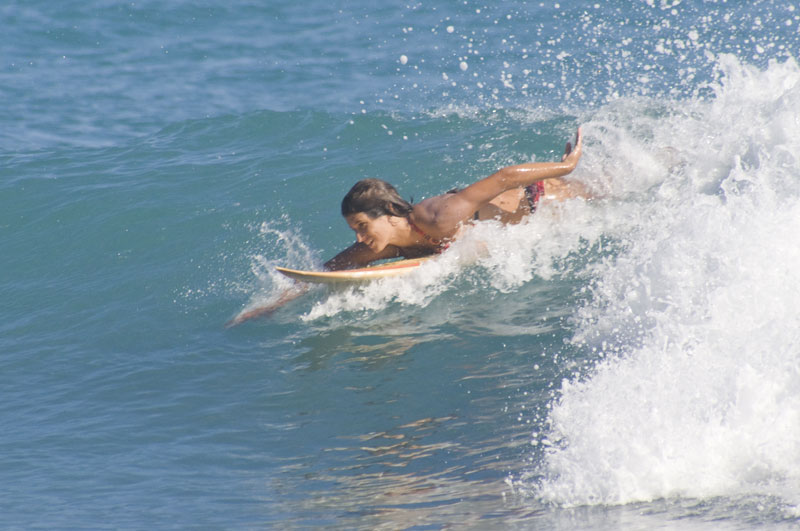
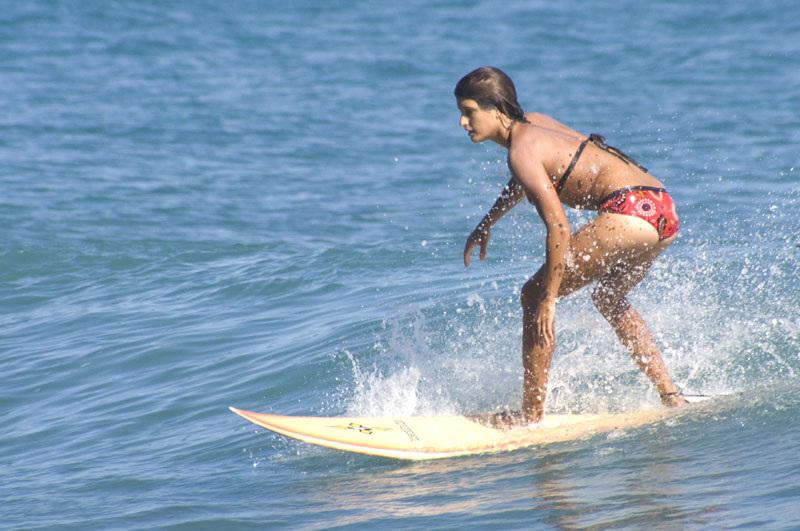
I recently went out to check for turtle tracks on a day with good waves and snapped a few shots of Yann, Marie, Etienne and the other Yann as they were surfing in Wilderness.
Posted in Livin'
Comment on this post.
October 2nd, 2010 by Marc AuMarc
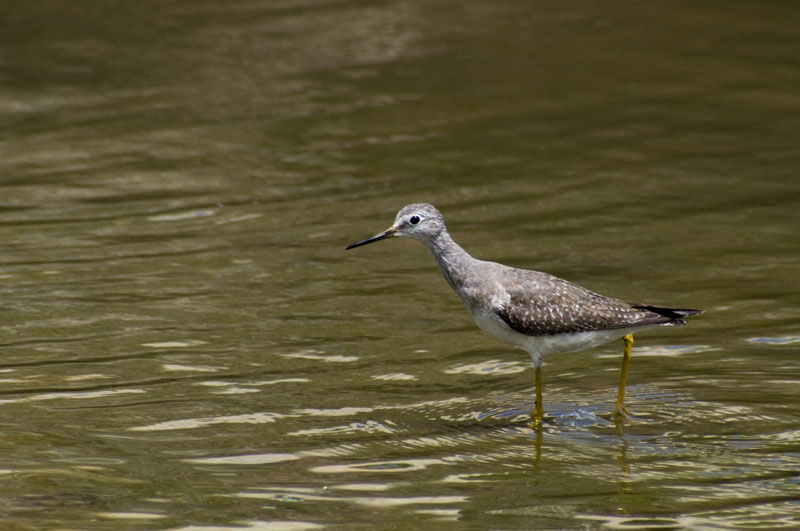
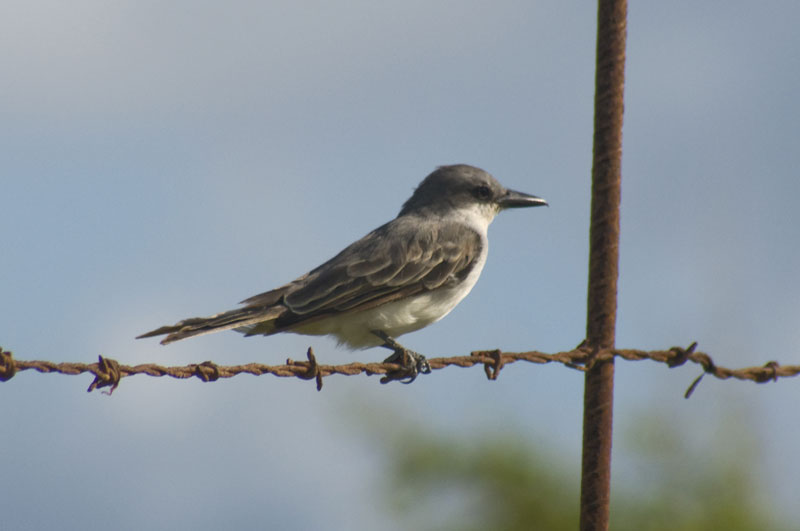
Surveying for turtle tracks without a car is a bit of work. It usually takes me about five hours roundtrip to get out to our assigned beaches and back. On the other hand, it is also a great opportunity to get out to the most undisturbed part of the island every week (called Wilderness) and see cool stuff, even on days where there are no turtle tracks. Below are some photos from my last three trips.
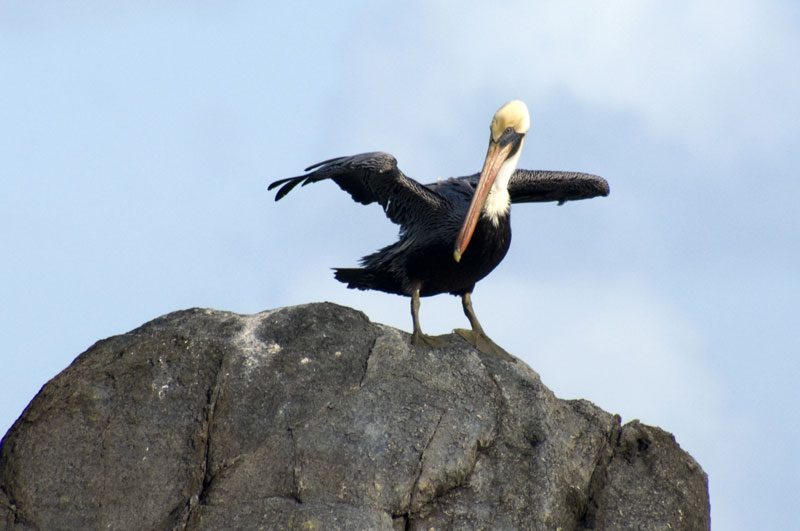
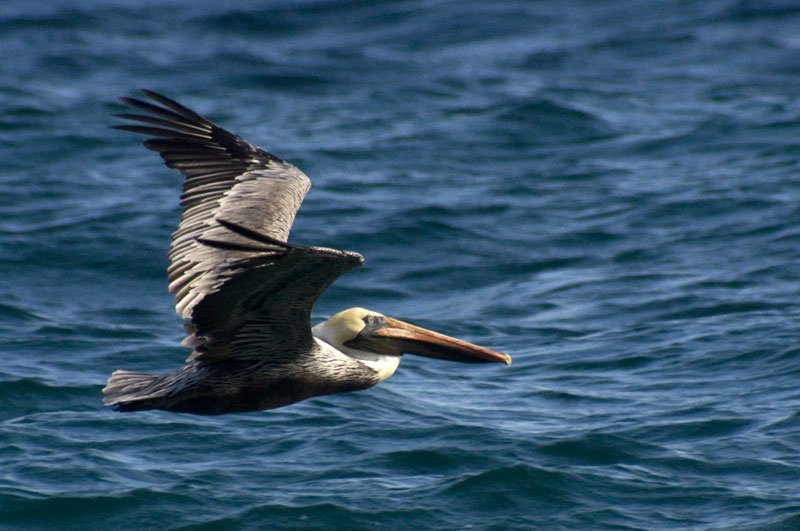
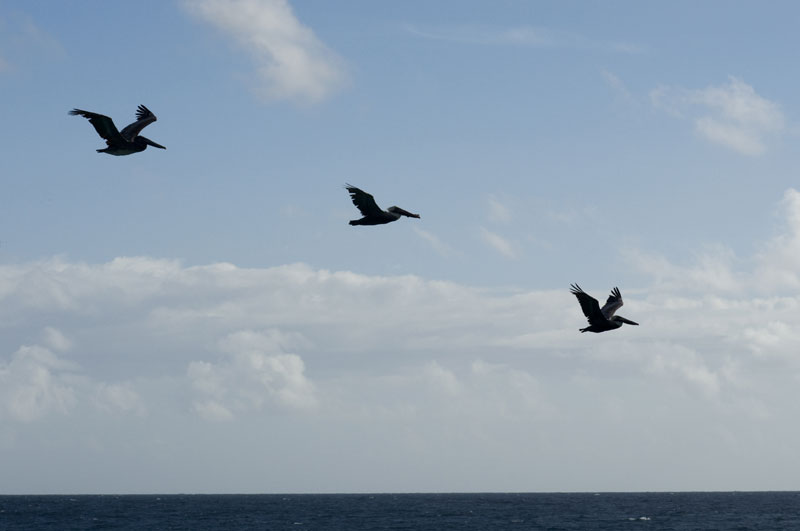
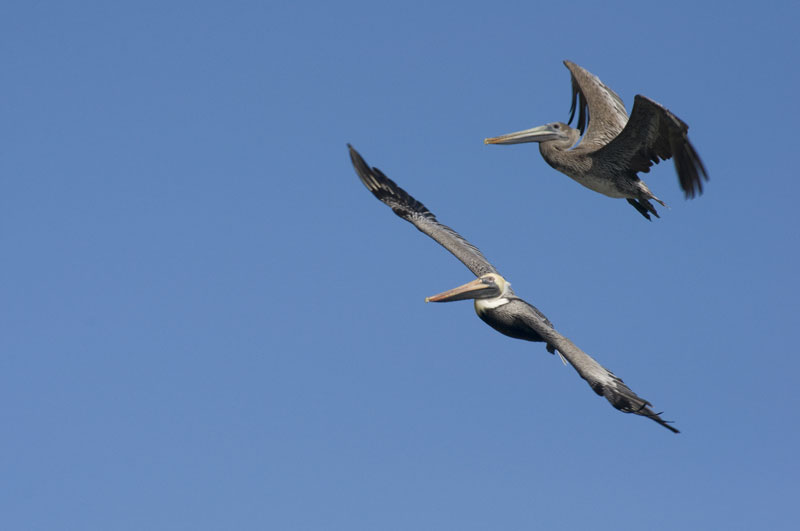
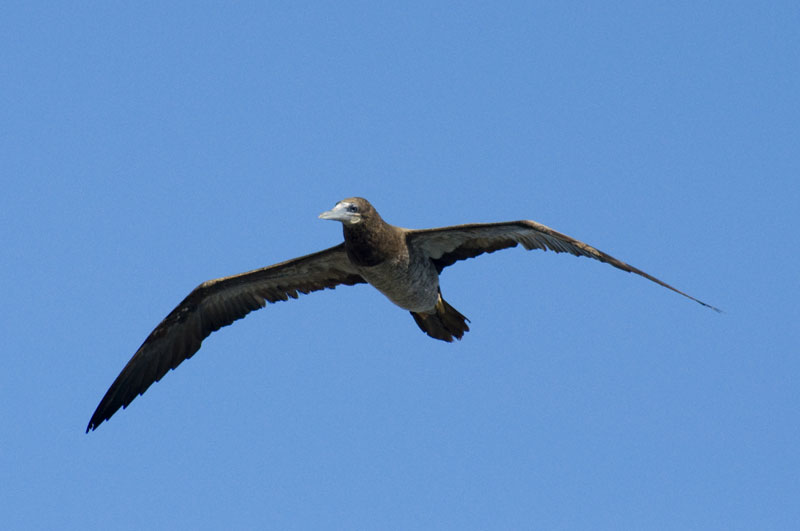
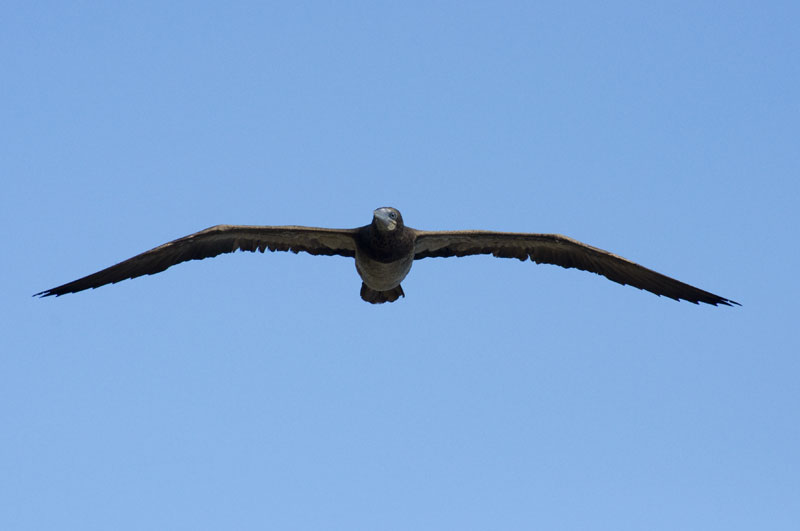
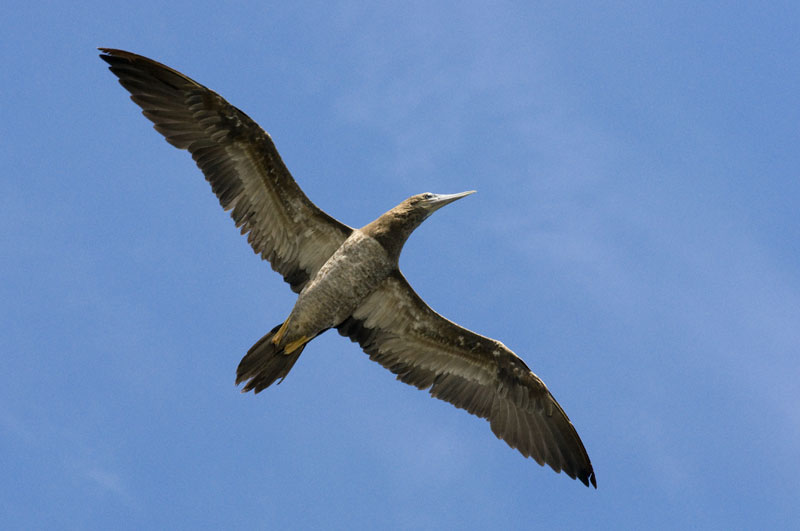
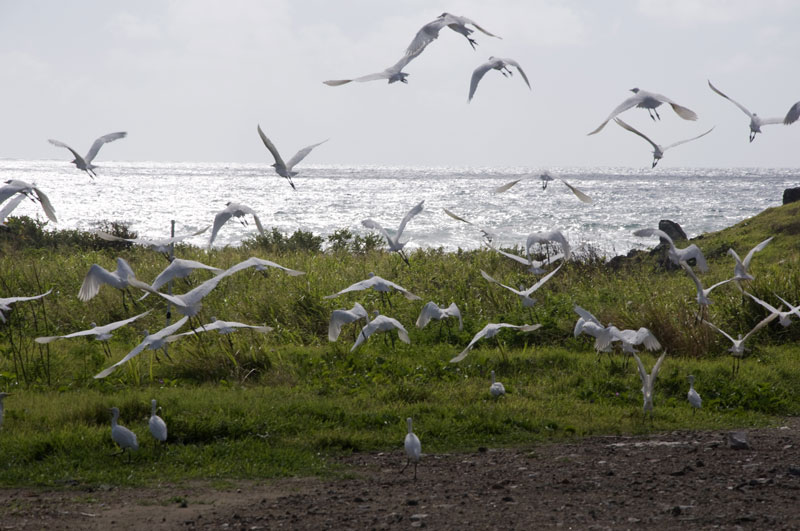
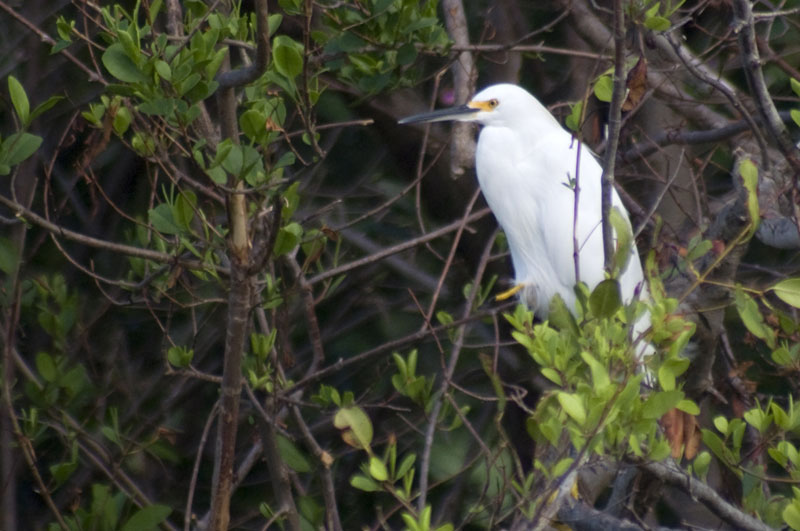
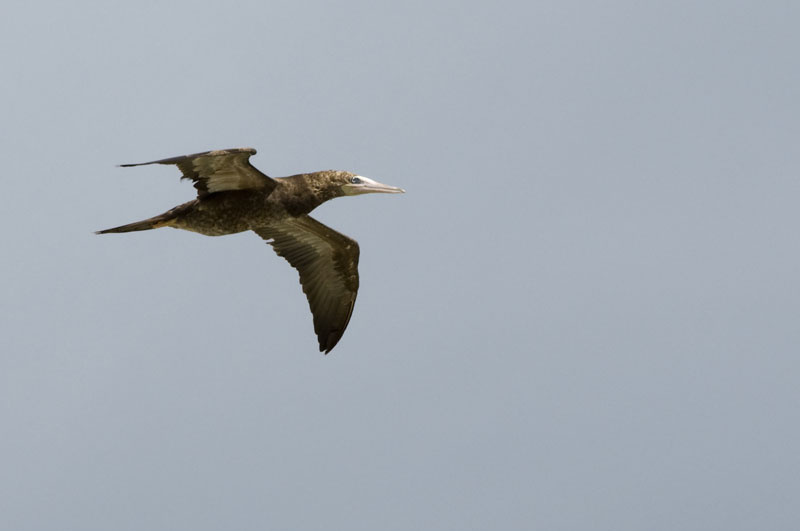
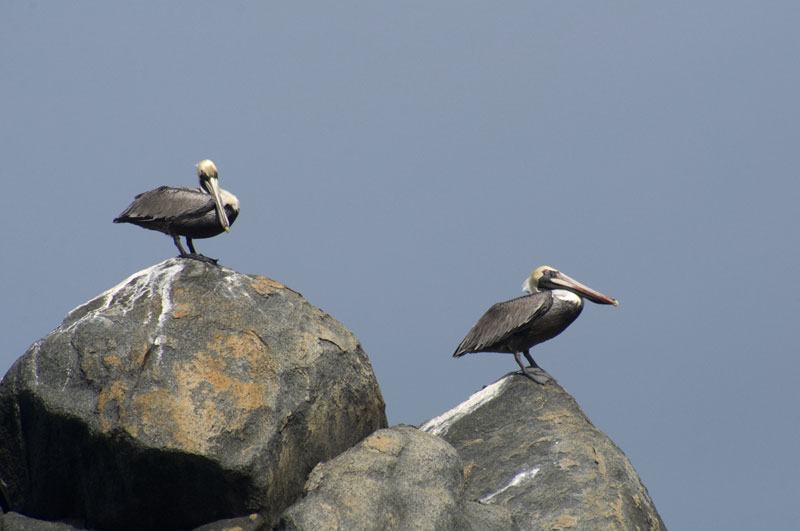
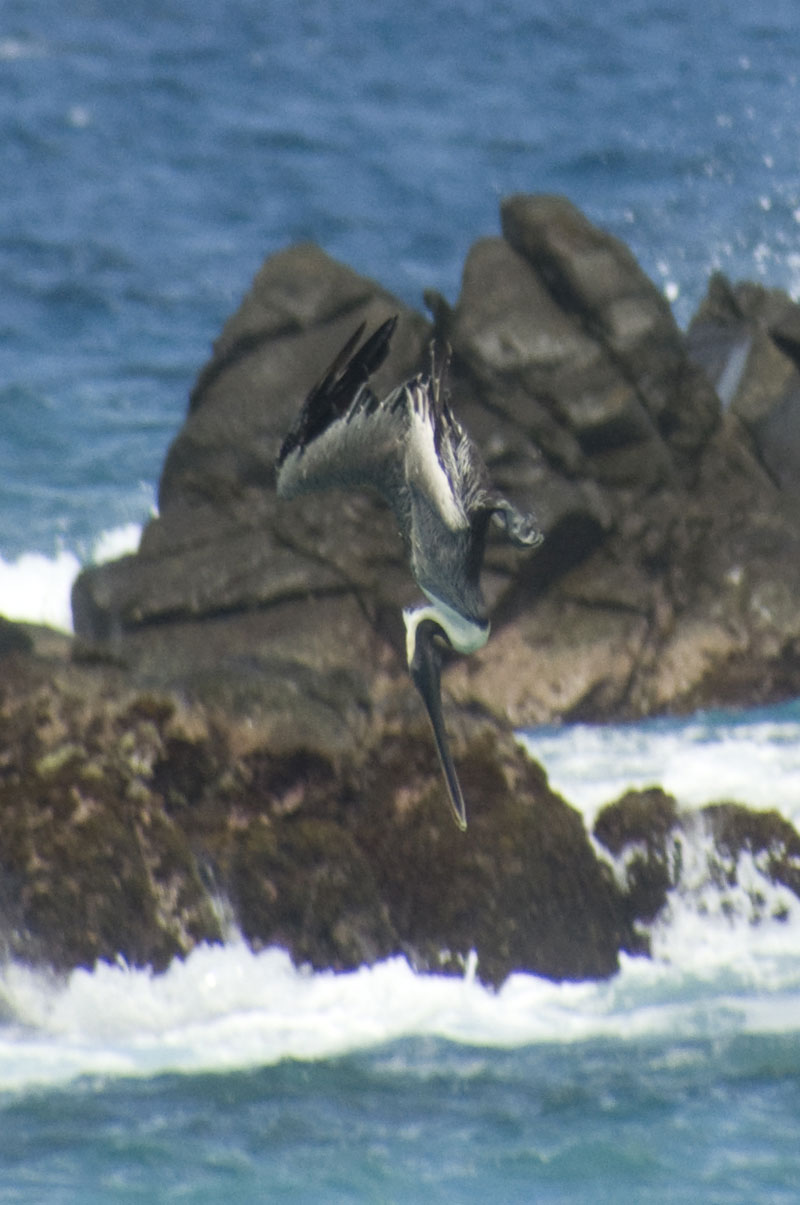
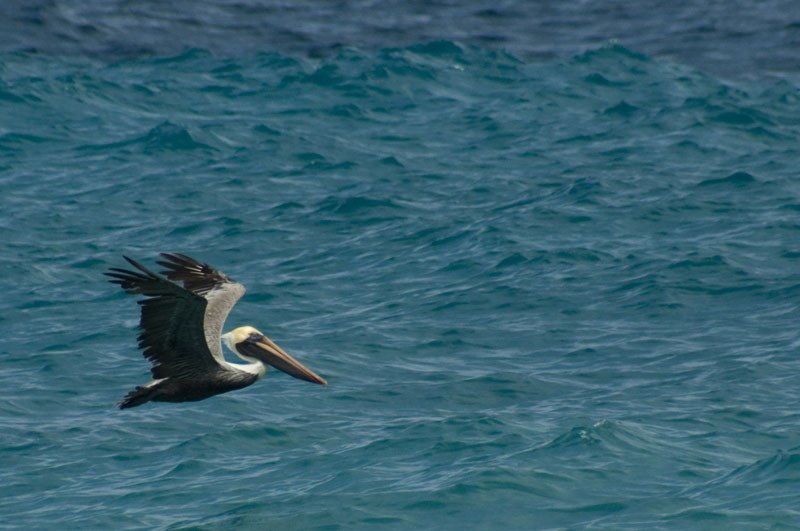
On September 12th, there was a group of a dozen pelicans fishing around the beach at Petites Cayes. Most of the time you don’t see that many at once. I also got some shots of a brown booby, which I had wanted to photograph. On my way back, there were dozens of cattle egrets near the dump.
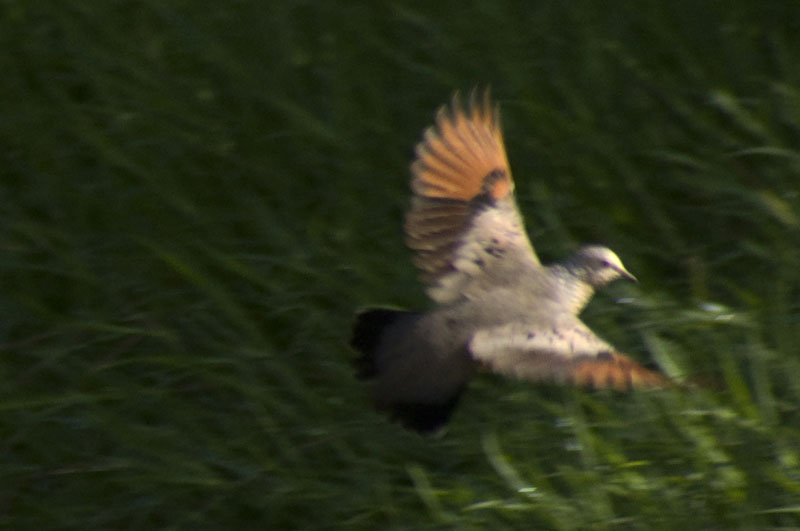
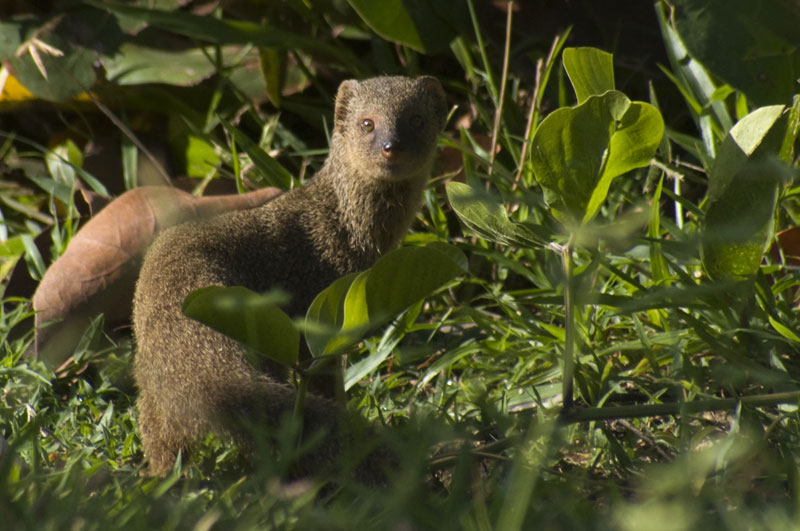
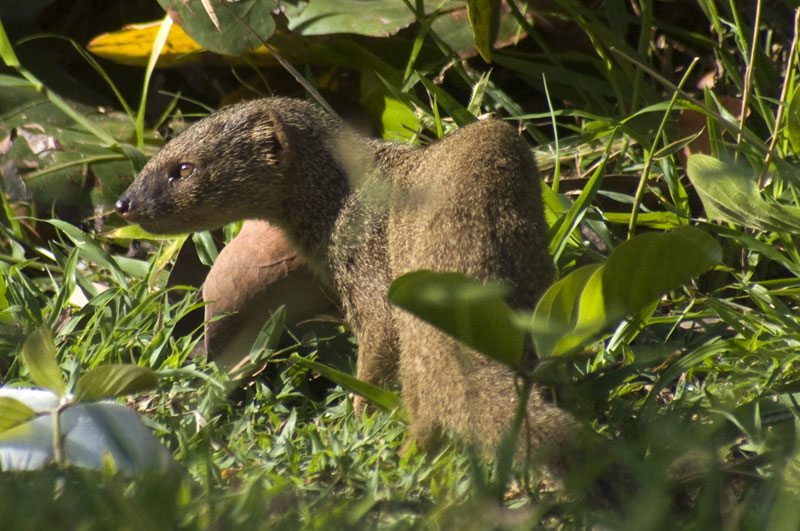
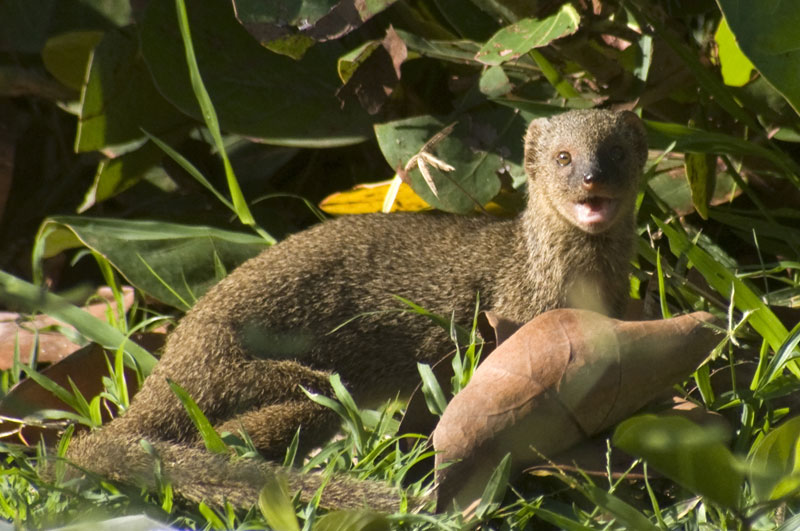
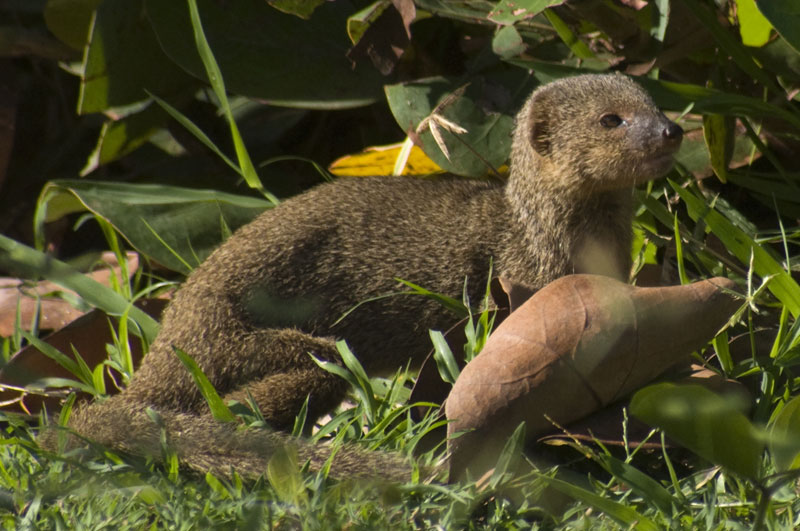
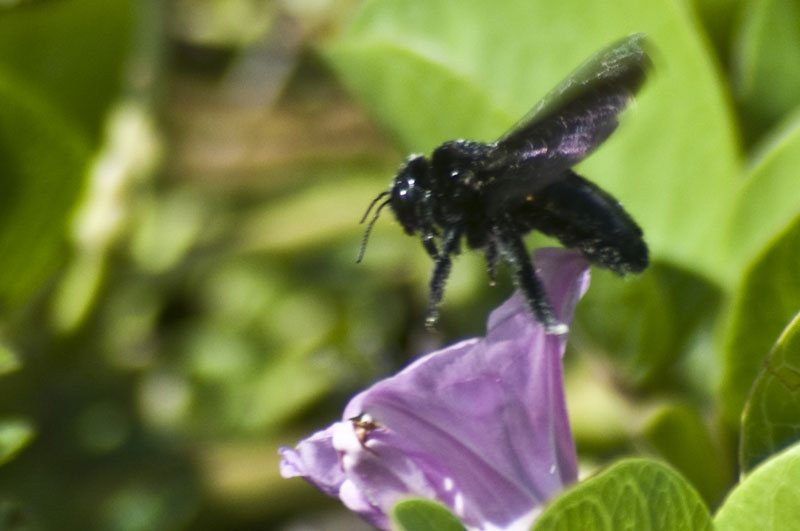
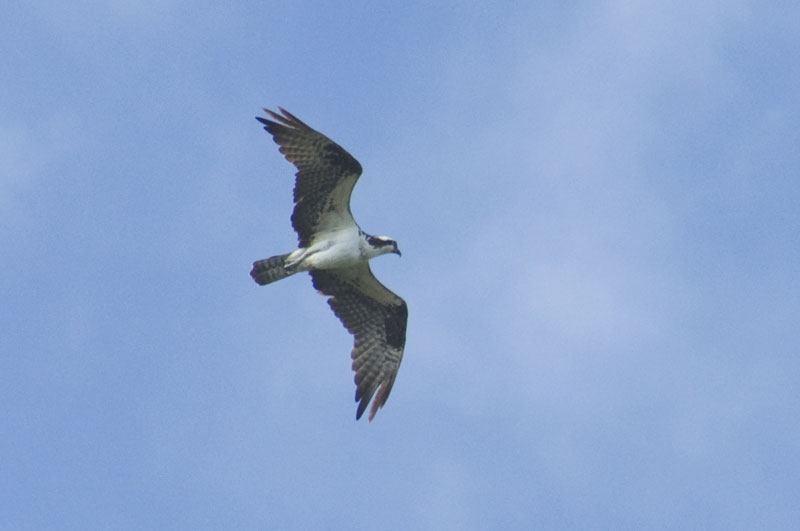
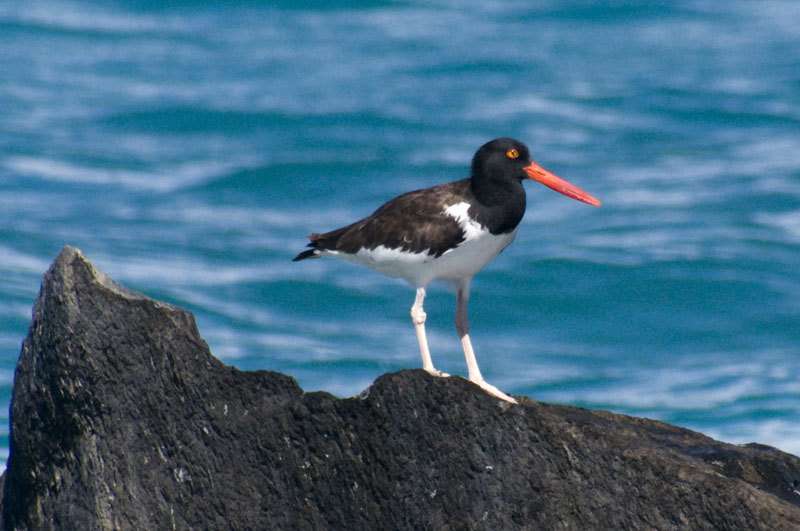
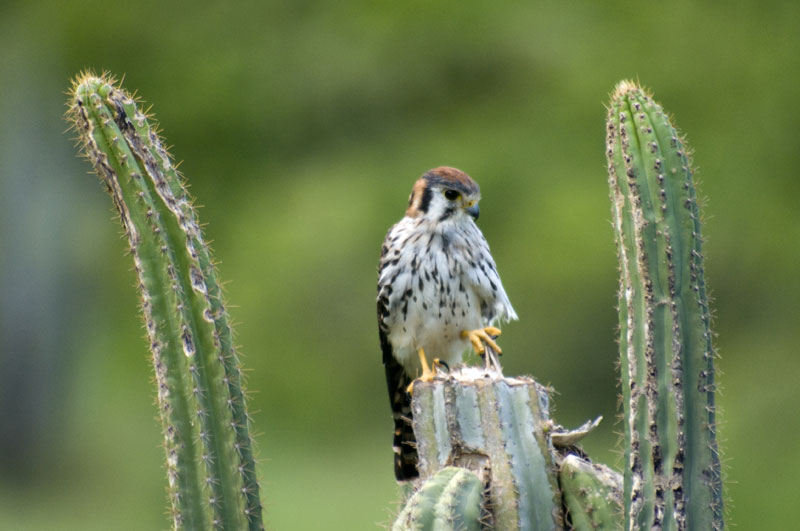
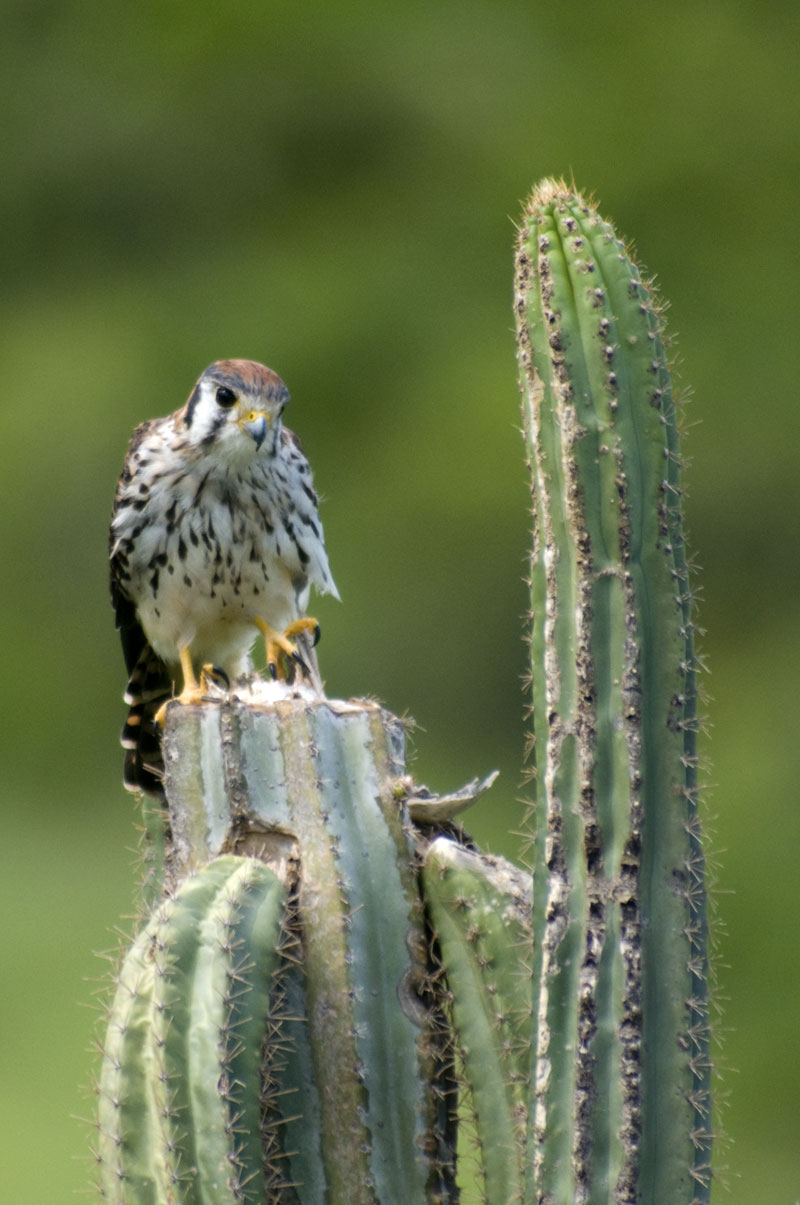
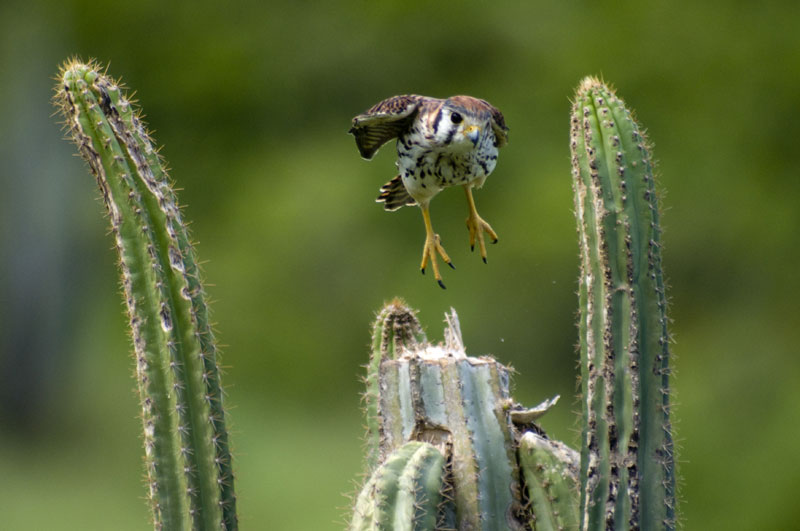
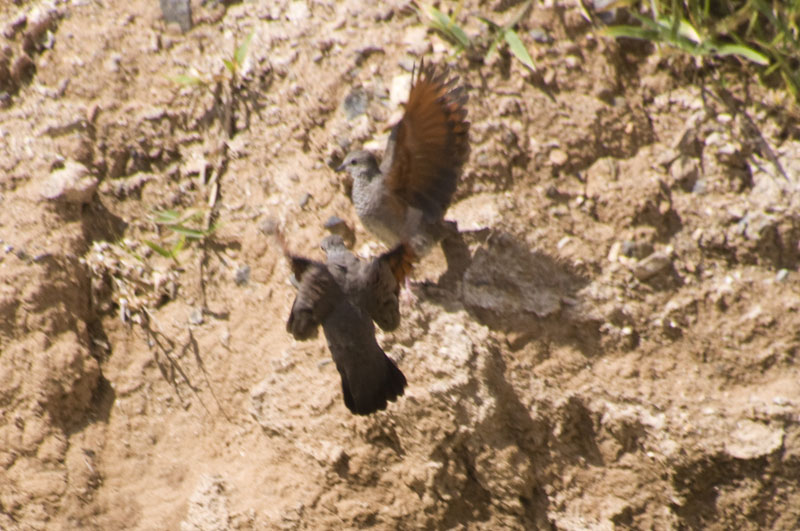
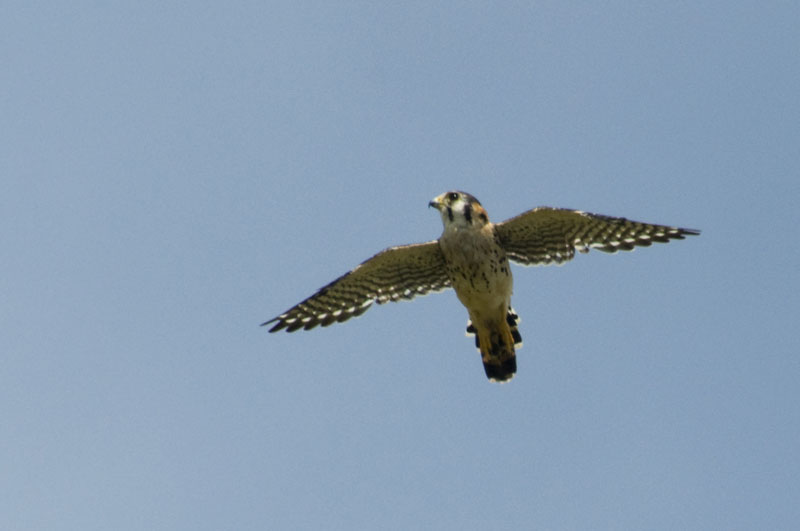
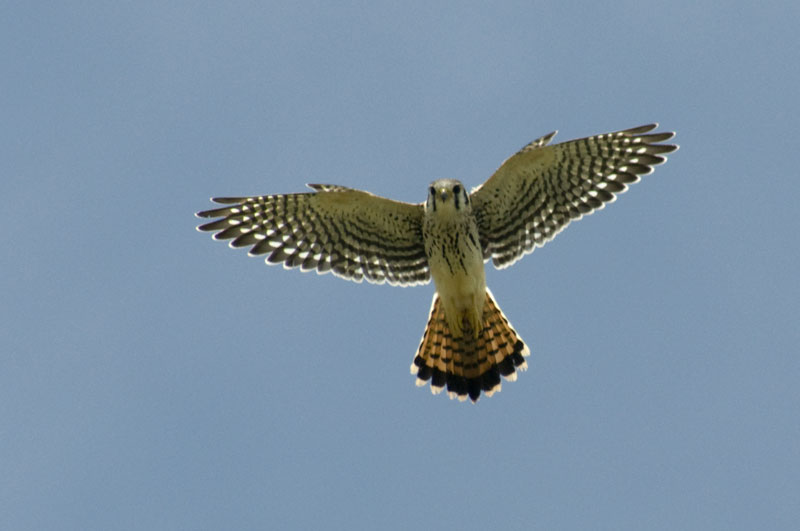
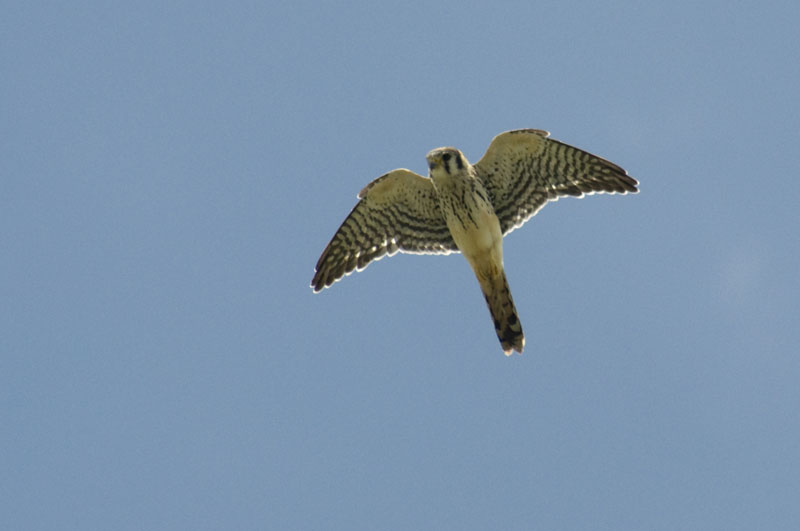
On the 25th, there was a mongoose near the beach at Grandes Cayes, probably picking through the trash that people leave there. Near Petites Cayes I saw an American oystercatcher, a terrific-looking wading bird that I have only seen here a few times. On my way back I saw one of the American kestrels that hang out by Eastern Point. I also spent a lot of time trying to take photos of the common ground dove in flight so I could show what its red wings look like in the book. This was a challenge. Also, I saw an osprey for the first time and figured out that Cuban treefrogs hide inside the bromeliads at the nursery I pass on my way to the beaches.
On the 30th, there were various seabirds to see, but the highlight was watching several American kestrels hunting on my way back. They used the wind coming over a seaside hill to hover in place while scanning the ground for lizards and insects. It was very cool to watch.
Posted in Les Fruits sur la Terre, Pour les Sciences
Comment on this post.