February 13th, 2010 by Marc AuMarc
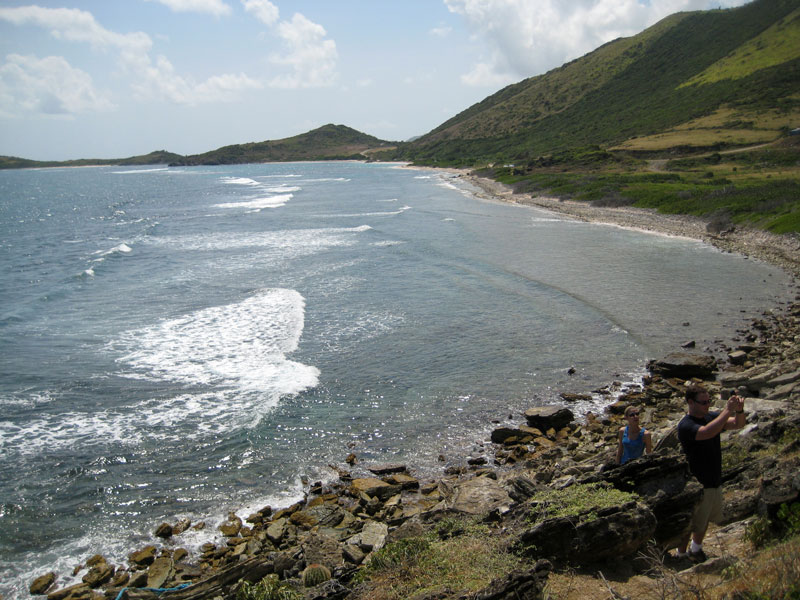
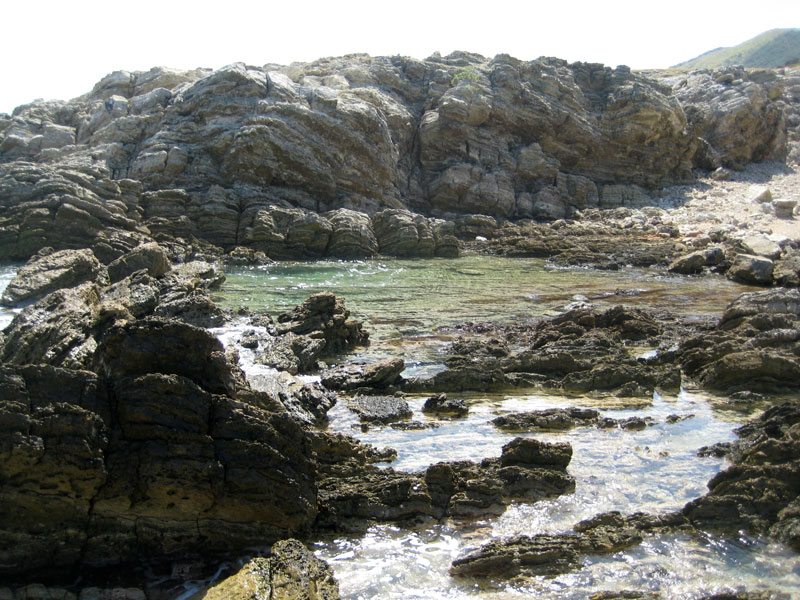
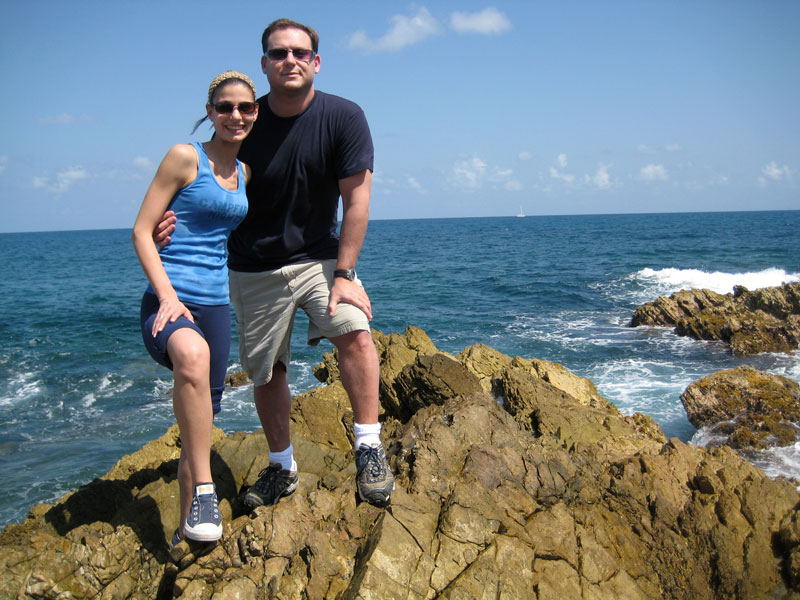
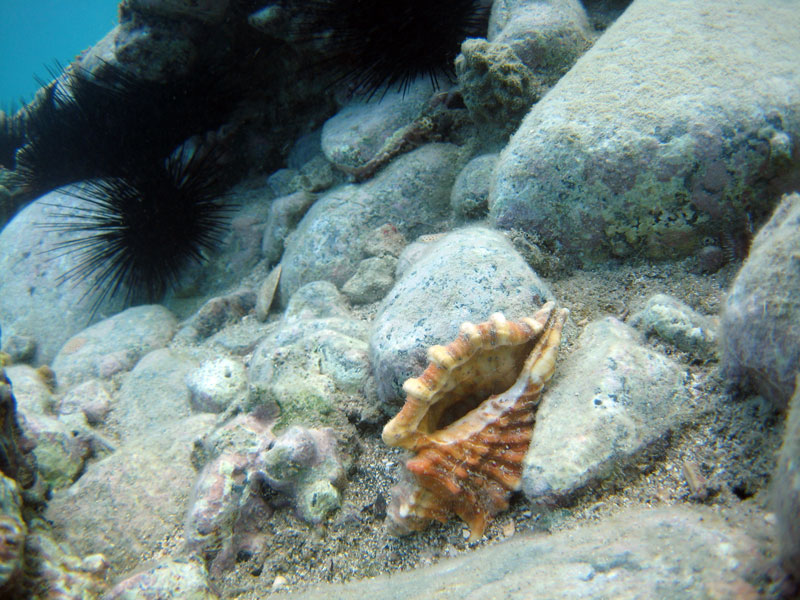
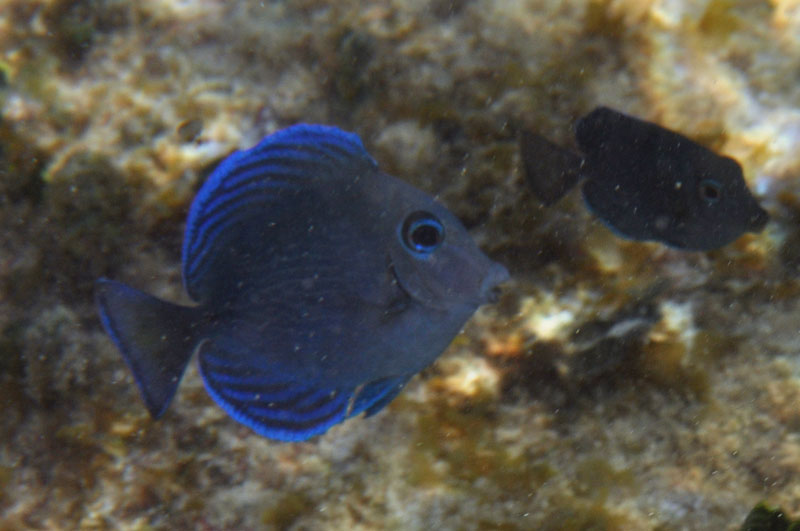
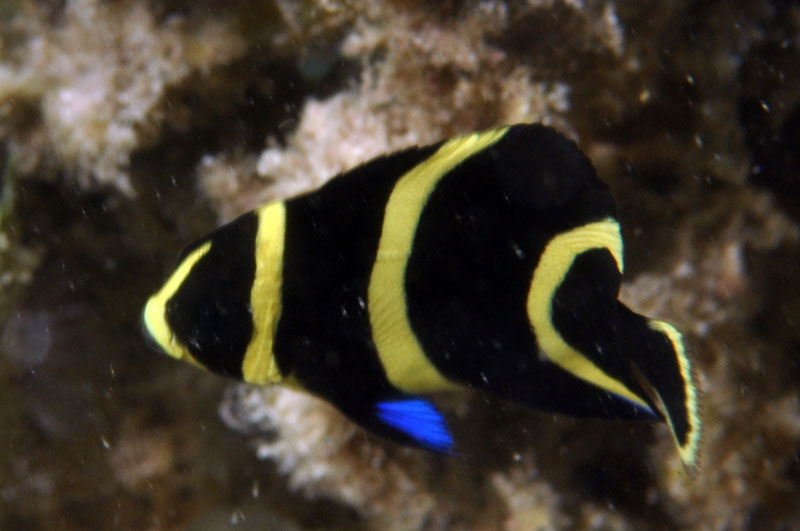
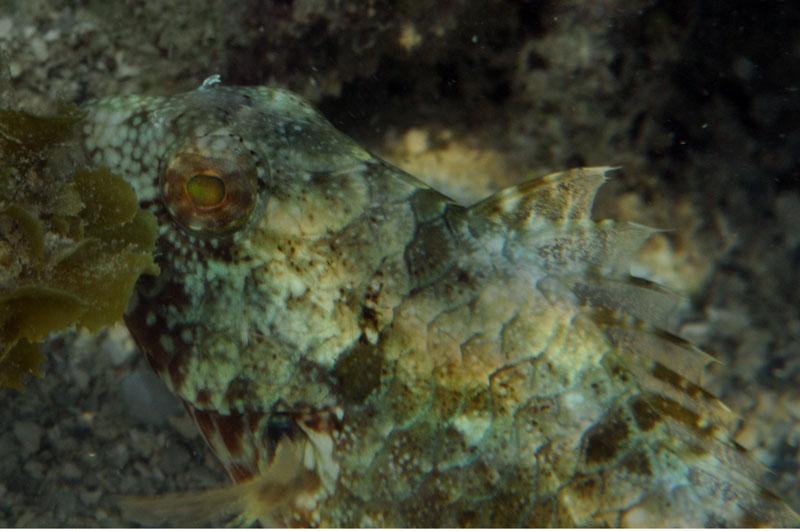
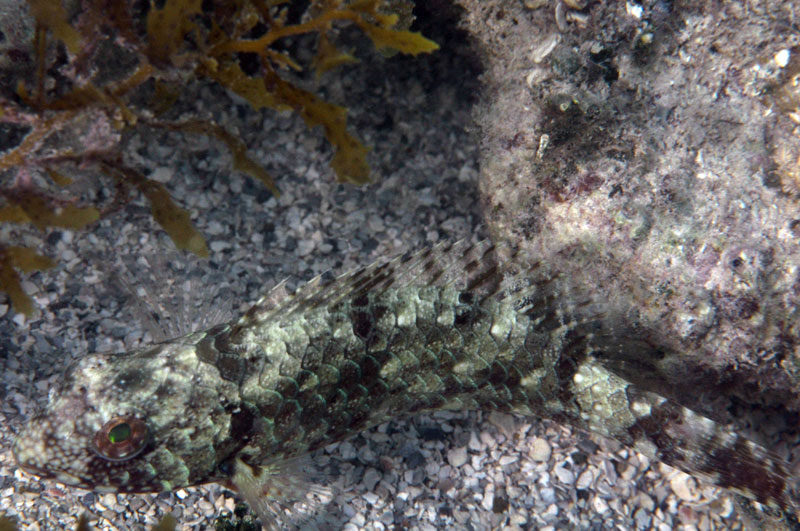
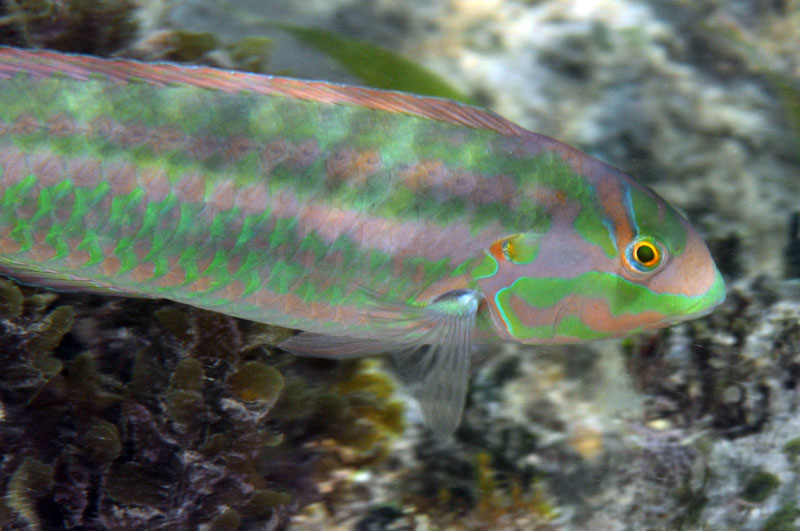
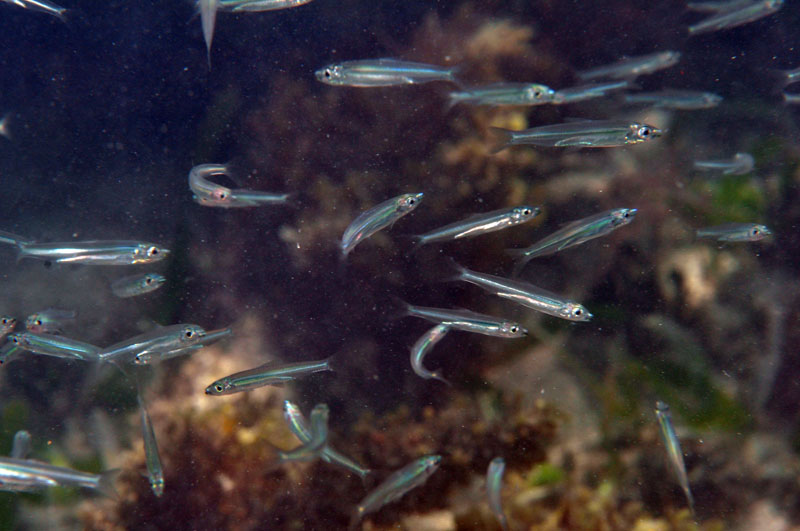
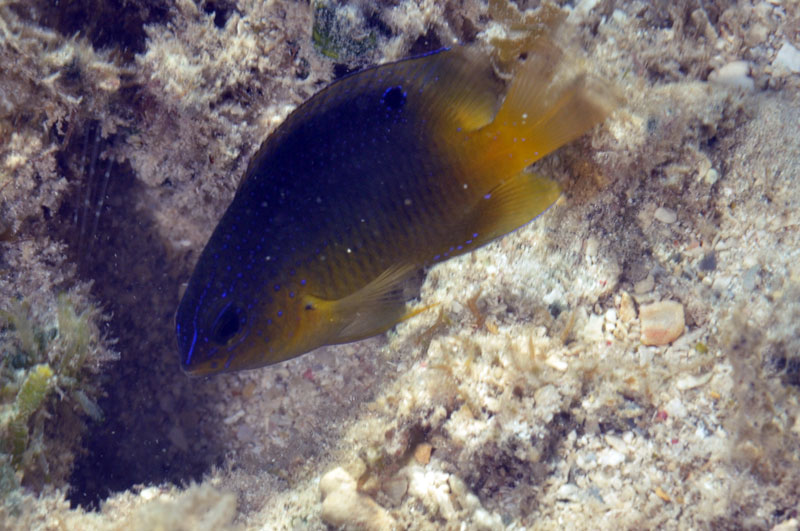
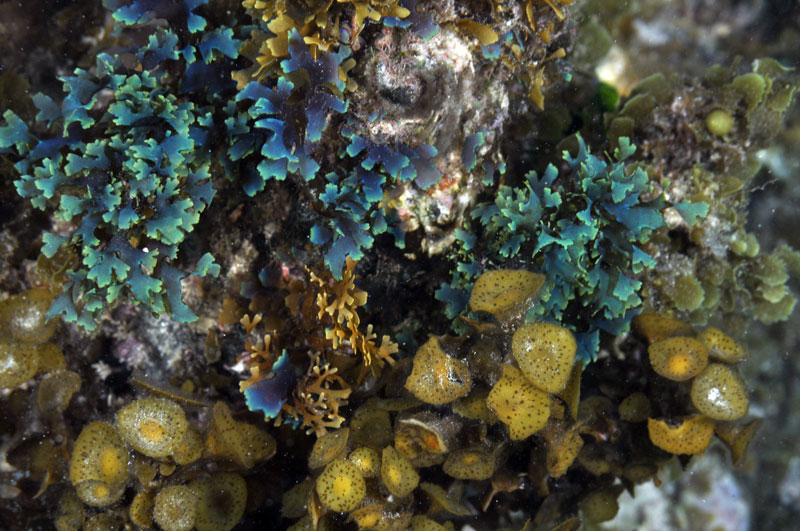
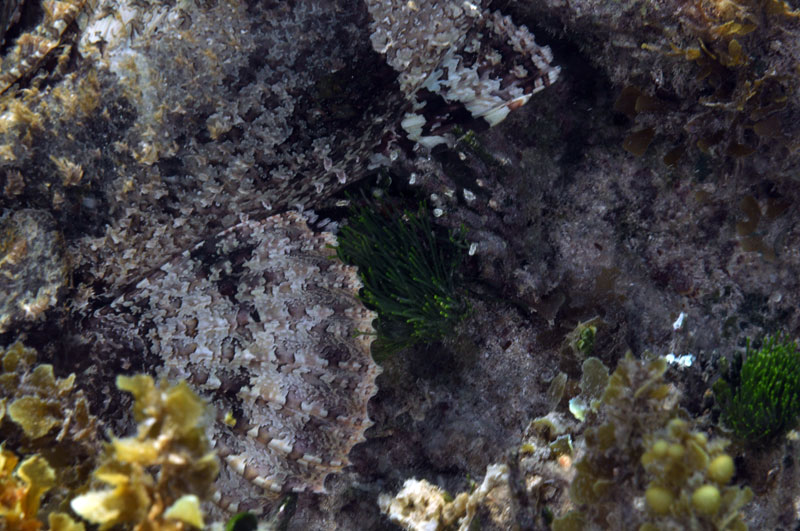
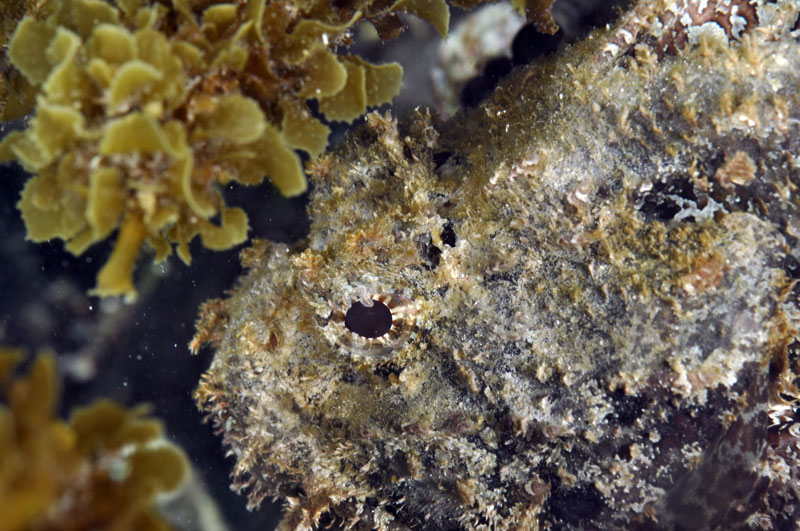
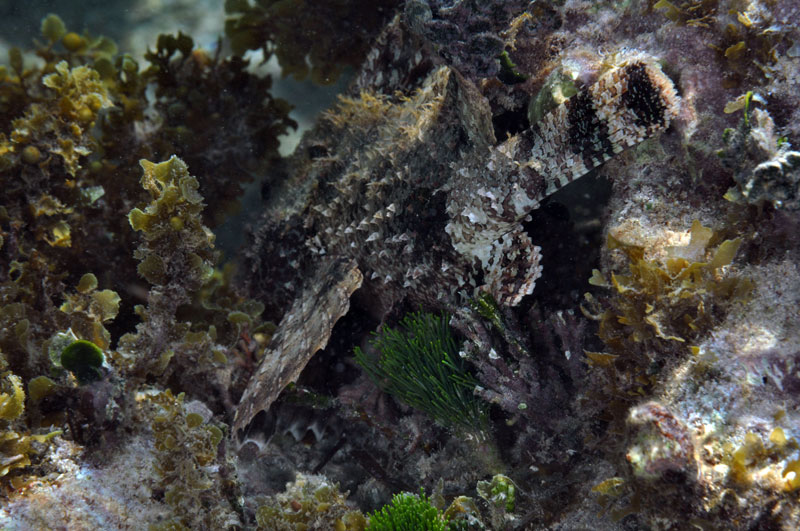
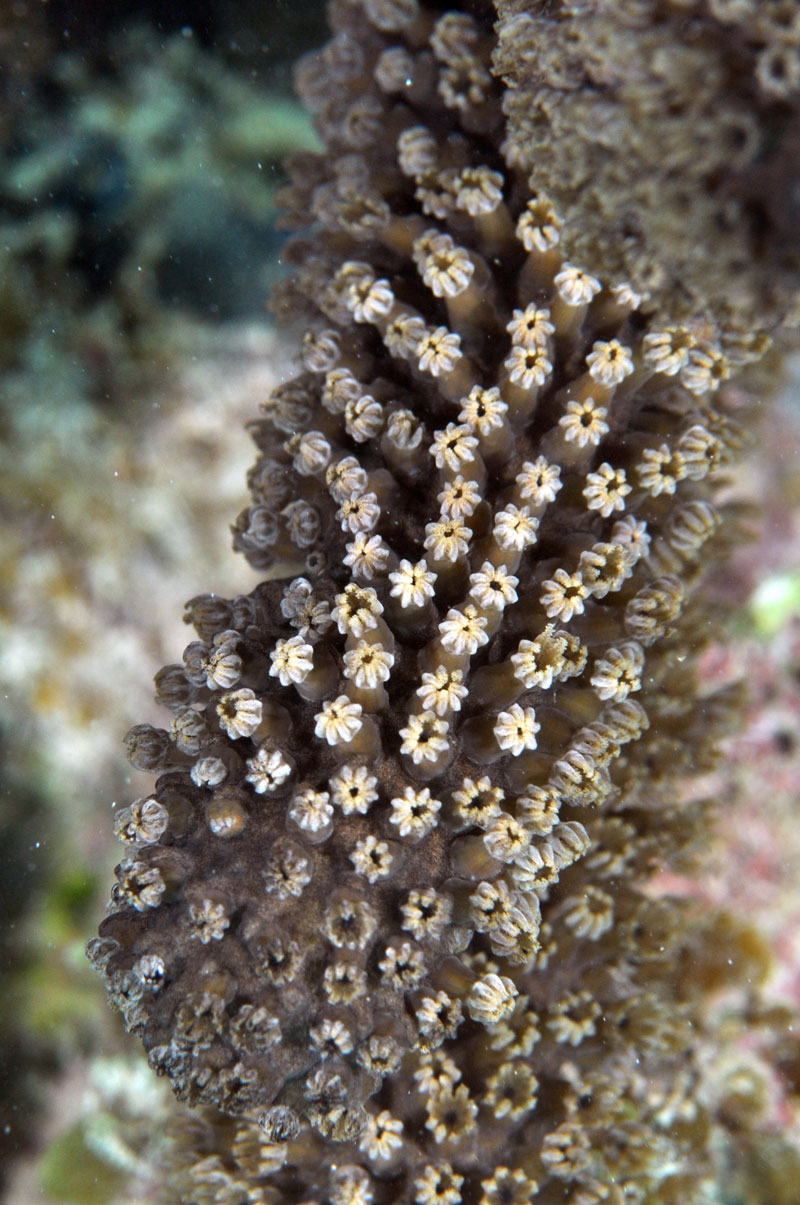
Here are a few shots from a walk we took to Eastern Point on the nature trail with Jeff and Debbie. Climbing down the rocks to the edge of Eastern Point we found a number of large, clear tide pools that were home to many small urchins and a few fish. It’s definitely a potential Extreme Shallow Snorkeling location, although as you can see, when the tide comes in waves crash violently into the pools.
Posted in Explorations, Extreme Shallow Snorkeling, Les Fruits sur la Terre
Comment on this post.
February 2nd, 2010 by Marc AuMarc
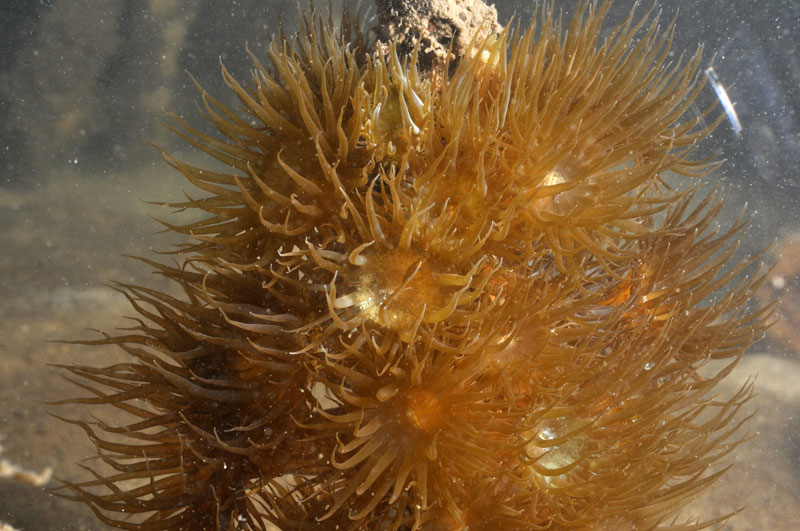
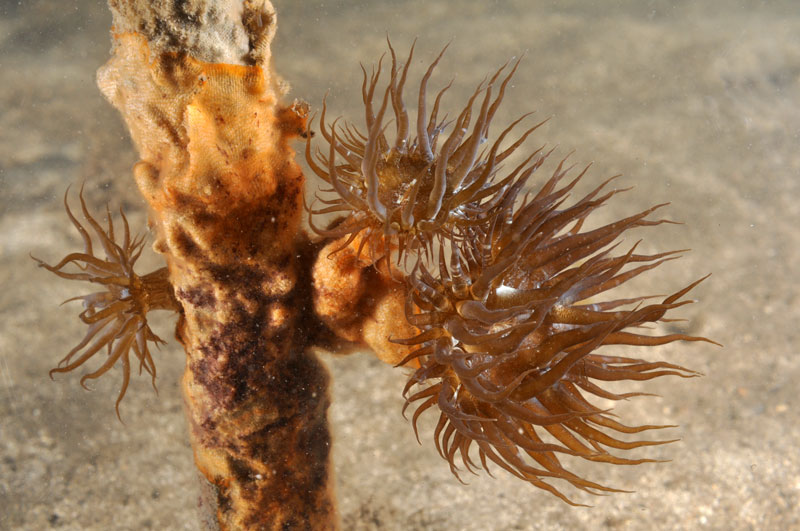
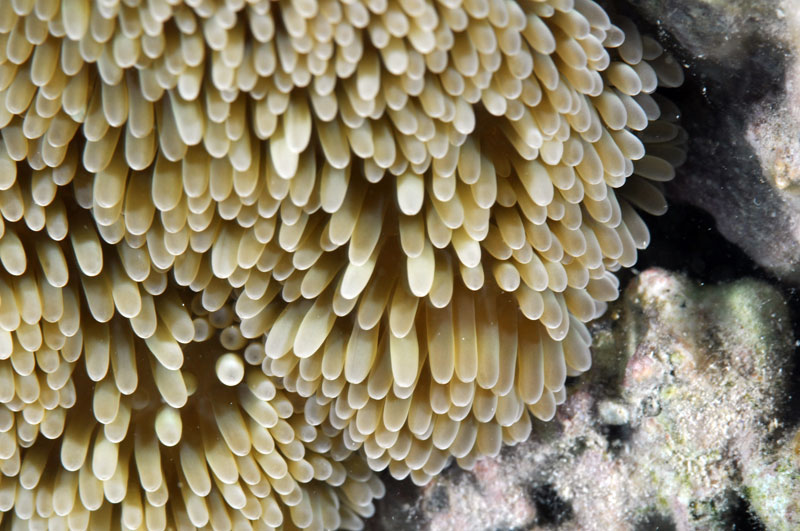
On our second visit to the mangroves at the edge of Baie Lucas, we encountered less than ideal visibility. We did take some photos and video near the mangroves and further out in the bay, including some of the gregarious anemones that cling to the mangrove roots. Due to a lack of active research on Caribbean anemones, it is basically impossible to identify them exactly, although they closely resemble what is cited as the sponge anemone in the popular Reef Creature Identification guide.
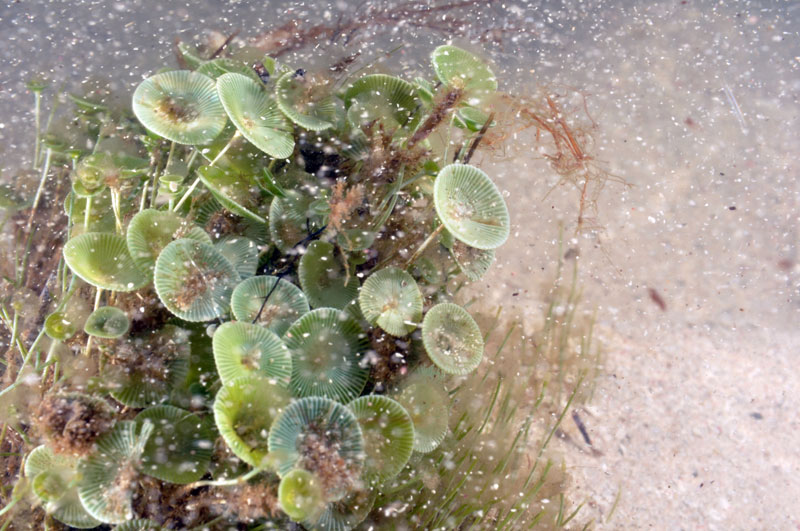
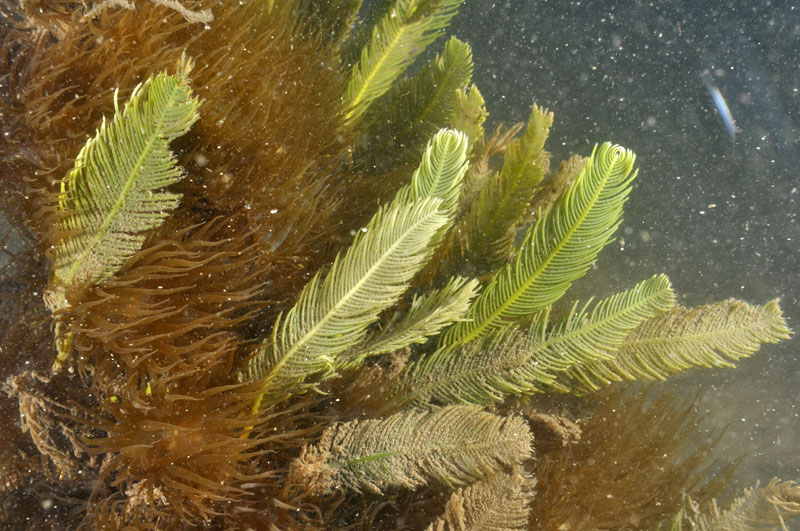
The shots of green feather algae (Caulerpa sertularioides) and green mermaid’s wine glass (Acetabularia crenulata) feature a snow globe-like effect from particulate matter in the water.
Posted in Explorations, Extreme Shallow Snorkeling
Comment on this post.
January 25th, 2010 by Marc AuMarc
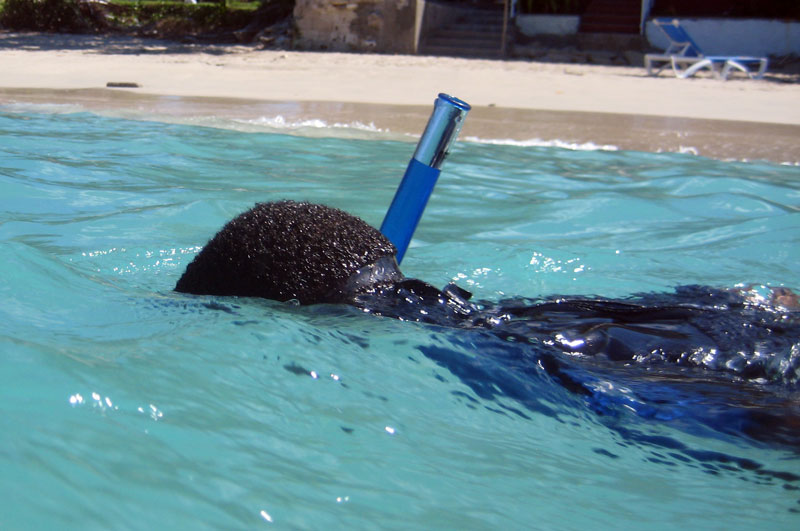
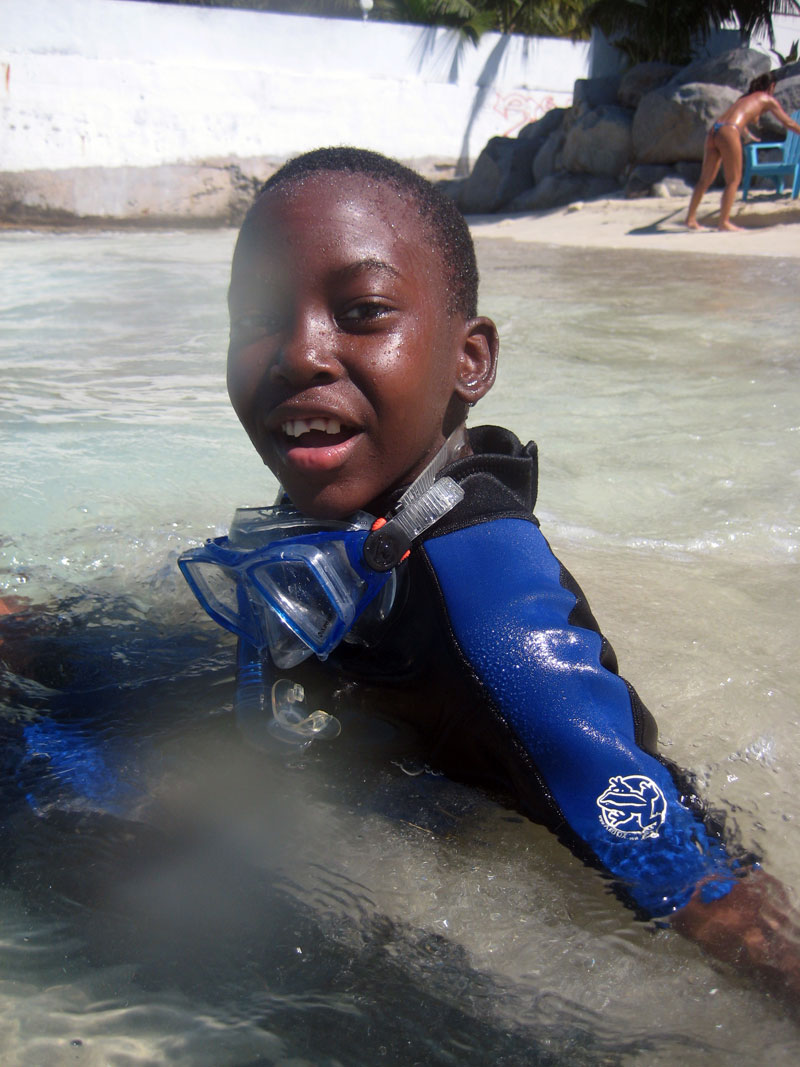
Here are a few shots of our last snorkeling class with Kevin. You might also want to check out his blog. We’re going to feature him as a guest blogger soon, so stay tuned.
Posted in Extreme Shallow Snorkeling, Fruits Friends
Comment on this post.
January 20th, 2010 by Marc AuMarc
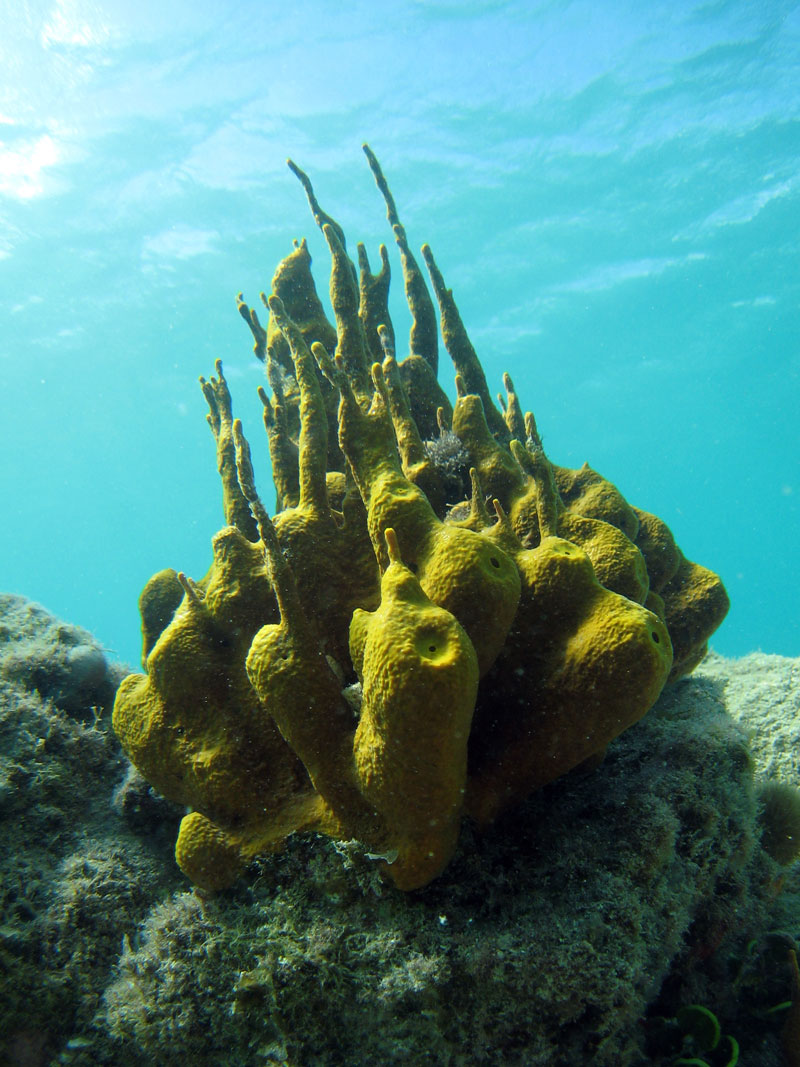
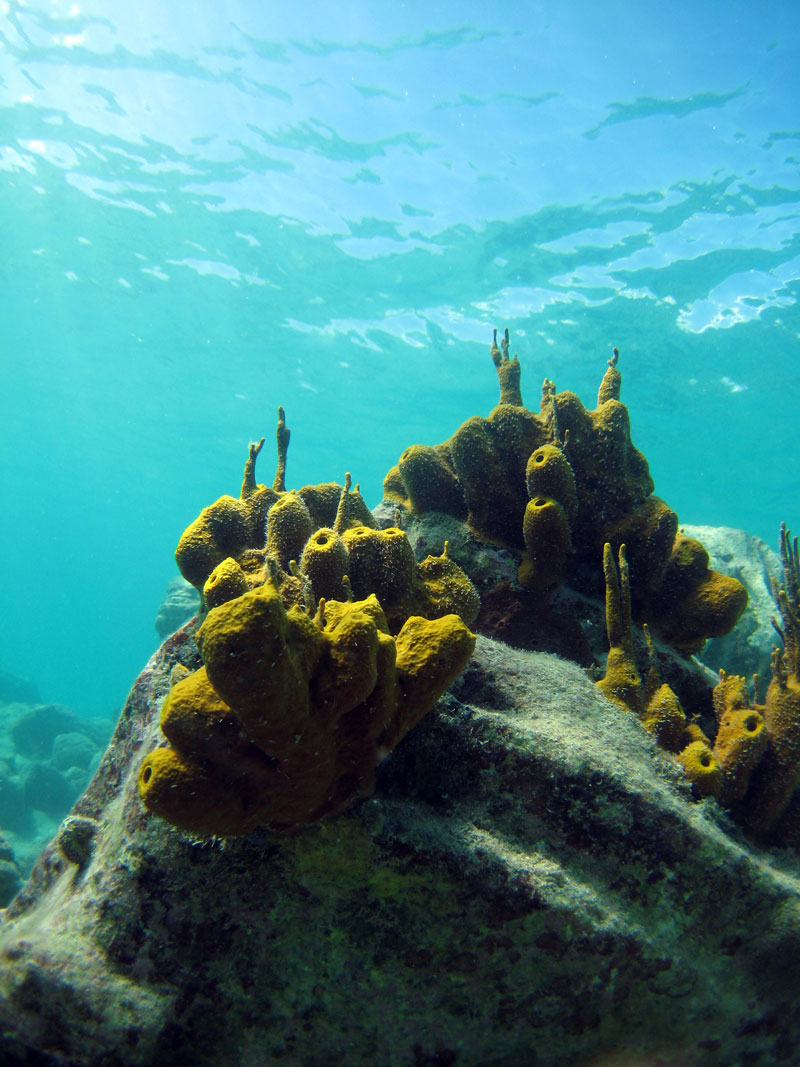
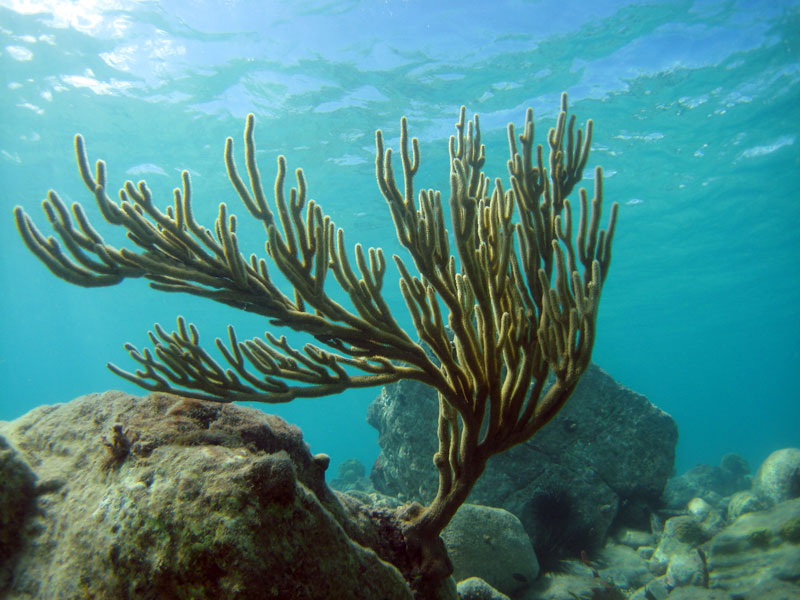
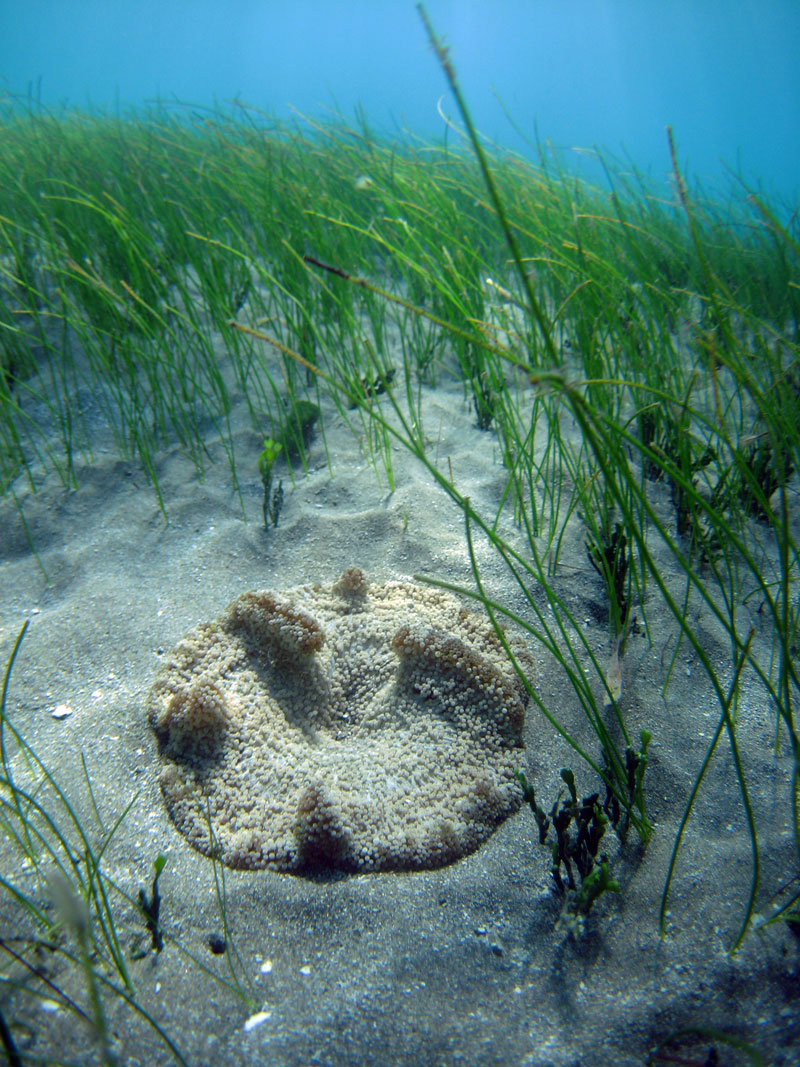
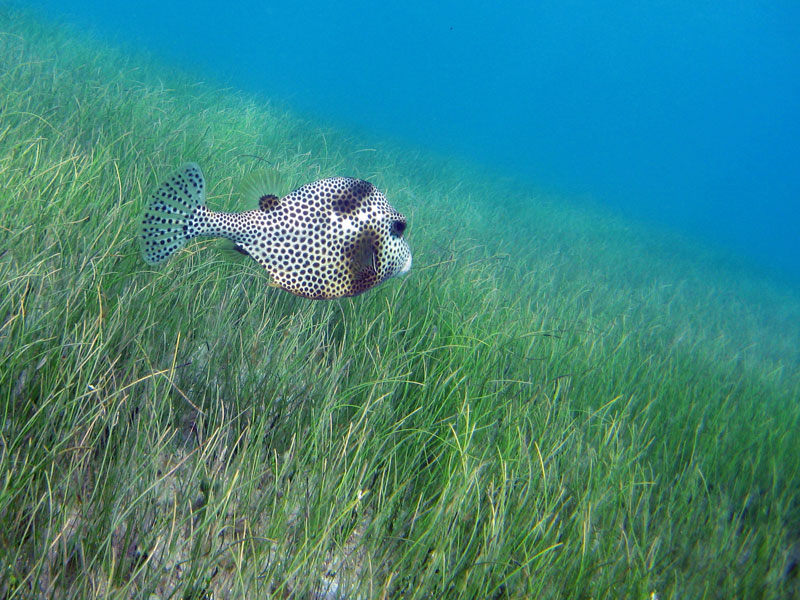
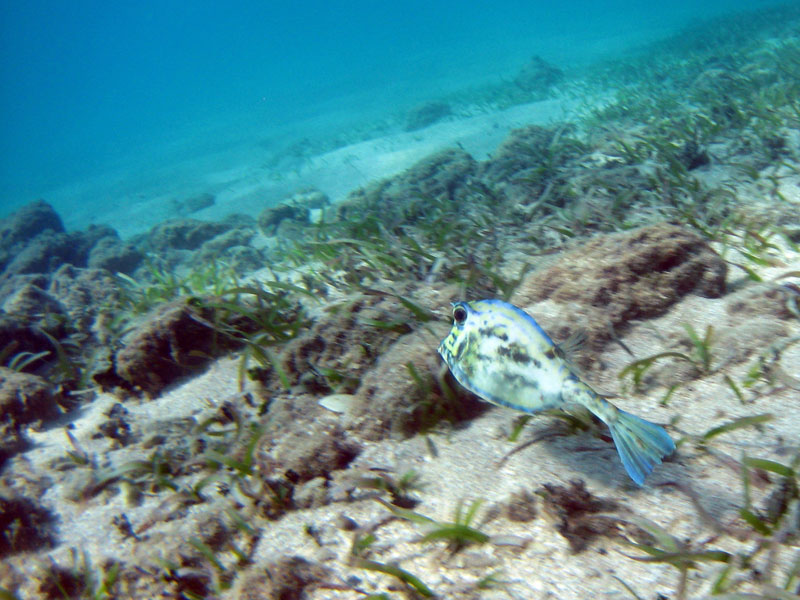
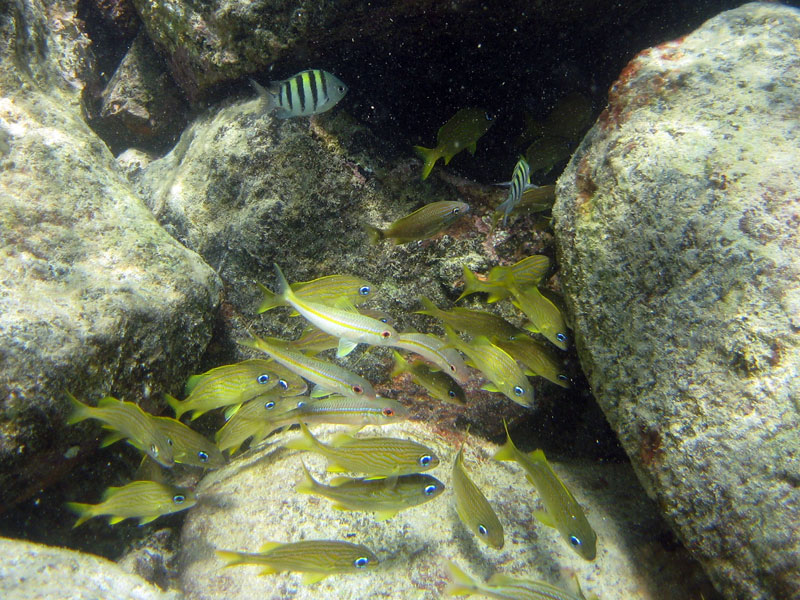
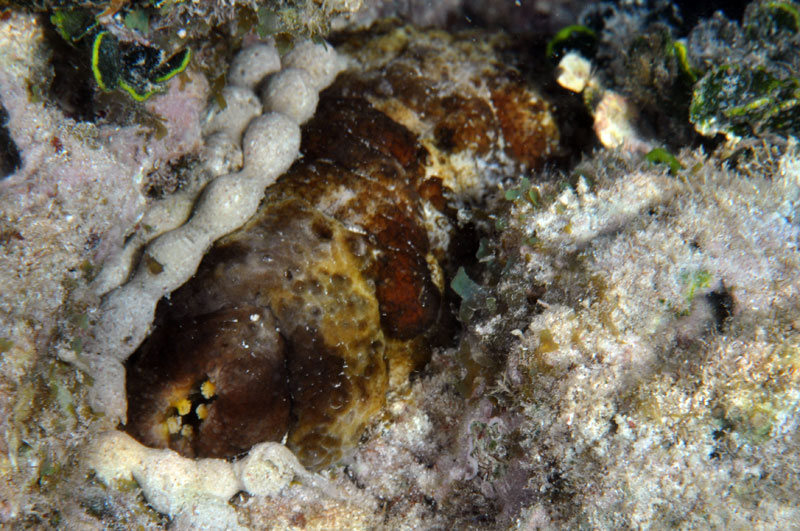
Snorkeling out towards Bell Point amongst the large rocks along the shore and nearby grassy areas, I encountered a number of interesting creatures and some nice views of Creole Rock. In addition to the species pictured below, highlights included a close encounter with a spotted eagle ray and a night sergeant (Abudefduf taurus) the larger, duskier relative of the very common sergeant major. Although the area boasts only a scattered of small corals, it was abundant in the shallow water variation of the yellow tube sponge, which is my favorite sponge because they look like fairy castles.
Posted in Explorations, Extreme Shallow Snorkeling
Comment on this post.
January 6th, 2010 by Marc AuMarc
Pinel Islet and Little Key are two small islands in the marine reserve. Pinel is a popular snorkeling destination, while Little Key is seldom visited. Strong winds and surf over the past week left the conditions less than optimal, with relatively poor visibility on both sides of Pinel. We snorkeled in three locations: the backside (sea side) of Pinel, the front side (St. Martin-facing) side of Pinel, and a circumnavigation of Little Key.
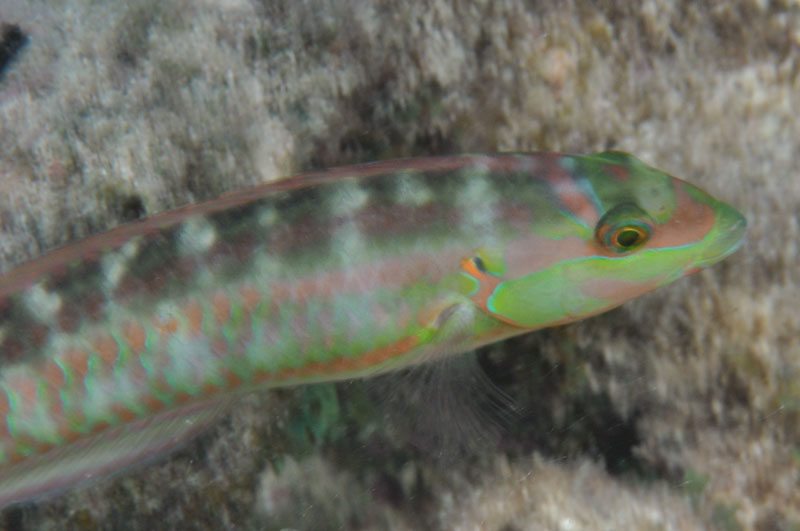
I took my new 85mm macro lens underwater for the first time, and it wasn’t the most practical choice for the situation. As you can see from the photos, it has the potential to be great to shoot small, flighty fishes. At the same time, it is difficult to use (as any lens would be) for snorkeling as it is hard to maintain a fixed position. Debris in the water also made it difficult to focus at times, when the camera focused on the debris rather than the subject.
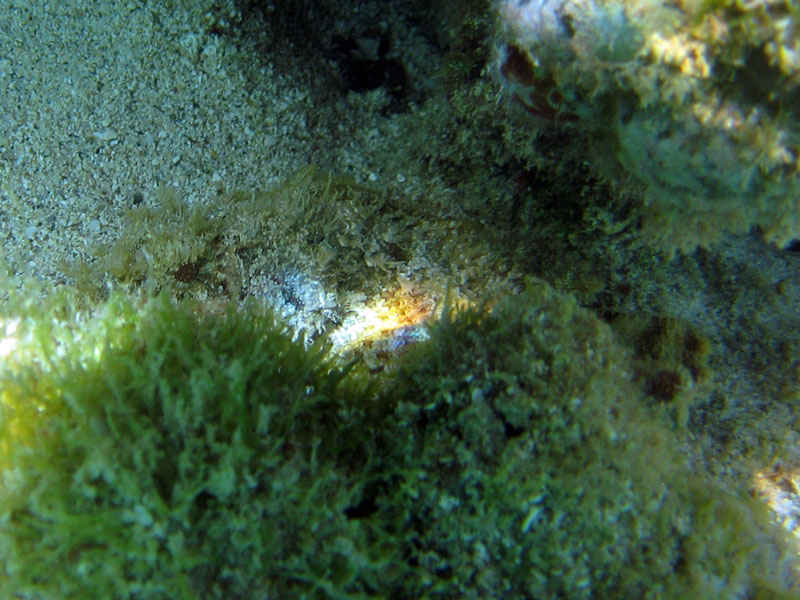
Still, we had an excellent exploration, particularly when we swam out to Little Key for the first time. The coral there is generally healthier than that in the designated snorkeling area of Pinel. We found a scorpionfish, schools of young grunts with a few yellowtail snappers mixing in, trumpetfish and many other creatures. The general topography is shallow corals mixed with sea plants on the side facing Pinel, which shifts to sandy and grassy shallows facing St. Martin. Wrapping around the island, facing St. Barths, there is deeper water, maybe 20-25 feet with various soft corals and sponges, often growing on the dead skeletons of large elkhorn corals.
Posted in Explorations, Extreme Shallow Snorkeling, On Expedition
Comment on this post.