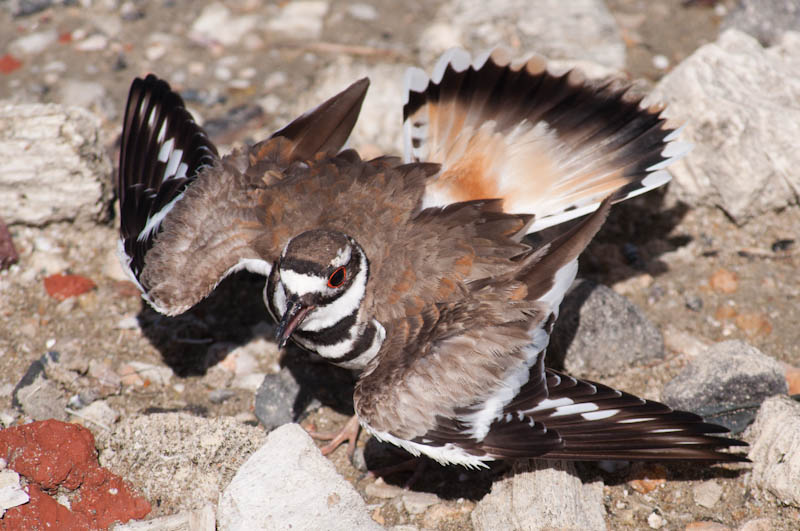
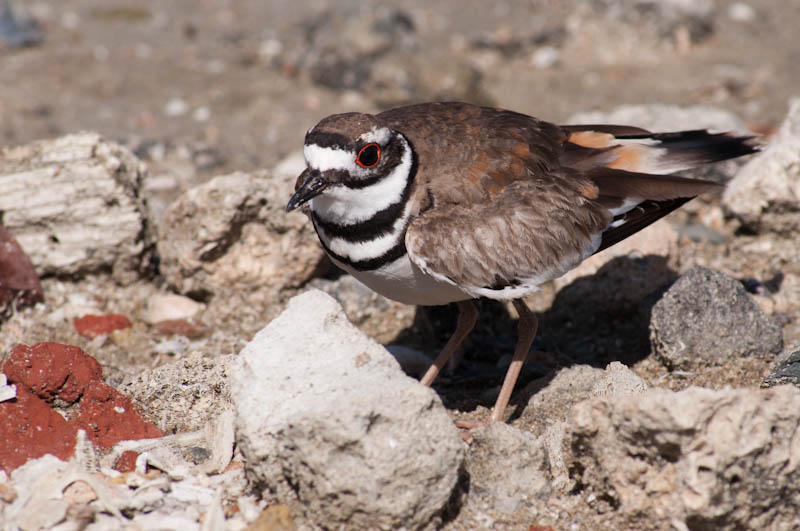
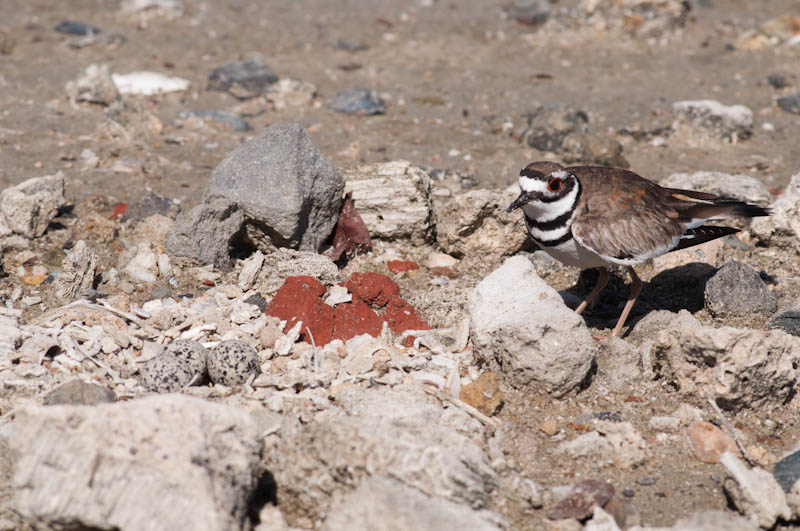
July 19th, 2010 by Marc AuMarc

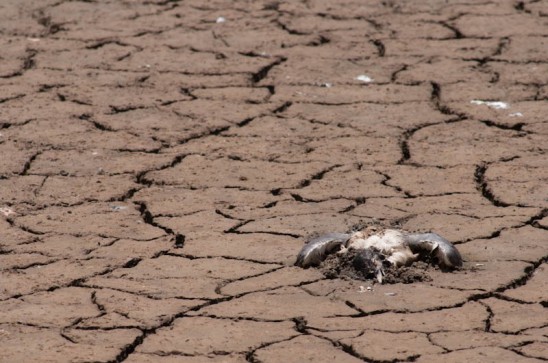
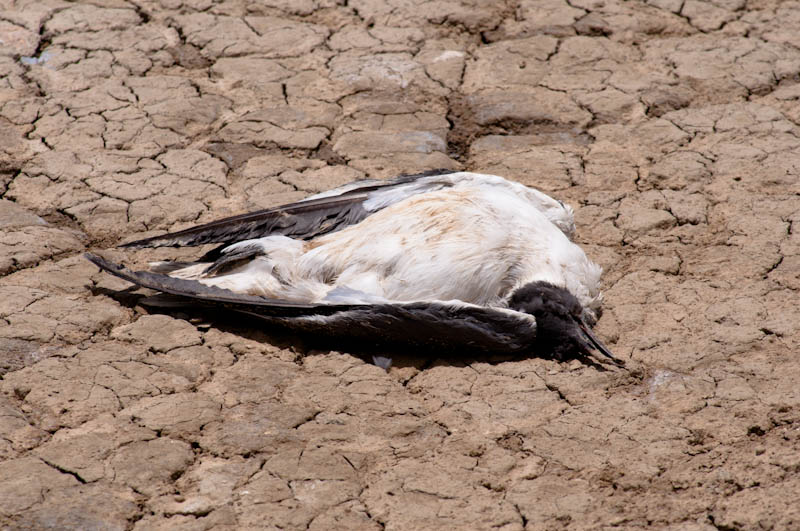
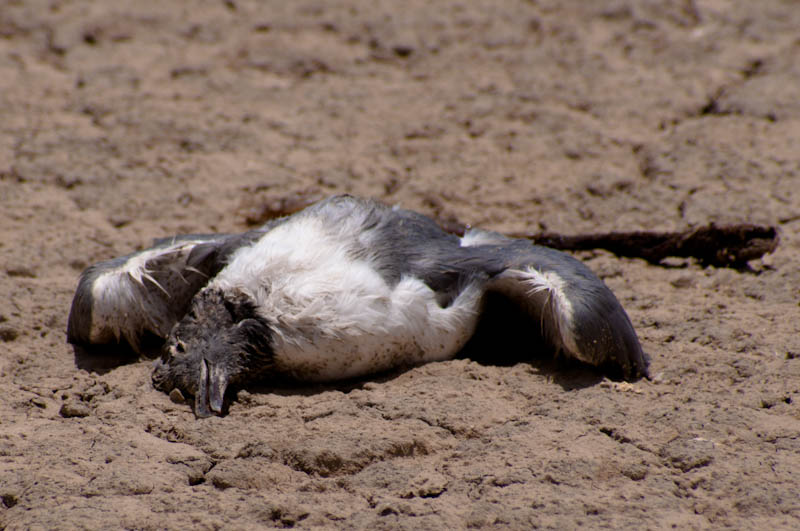
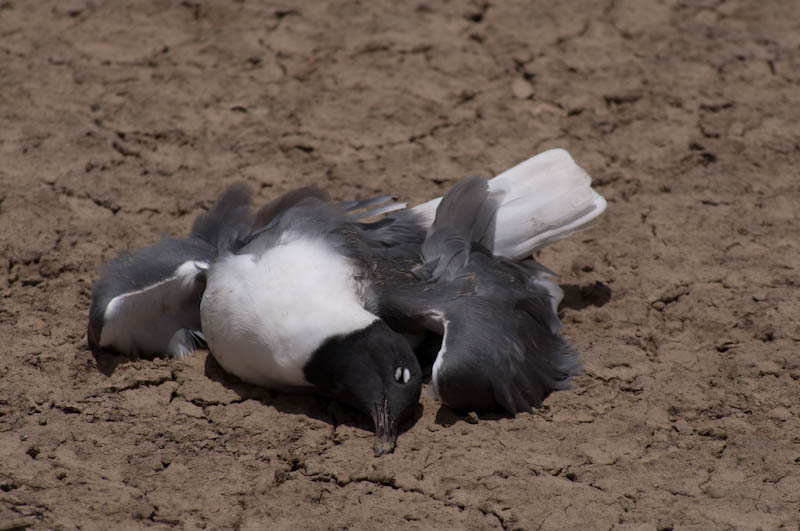
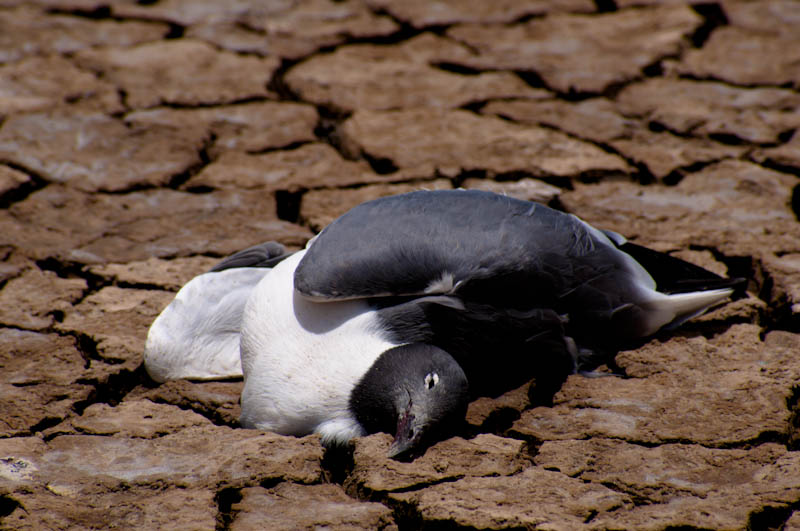
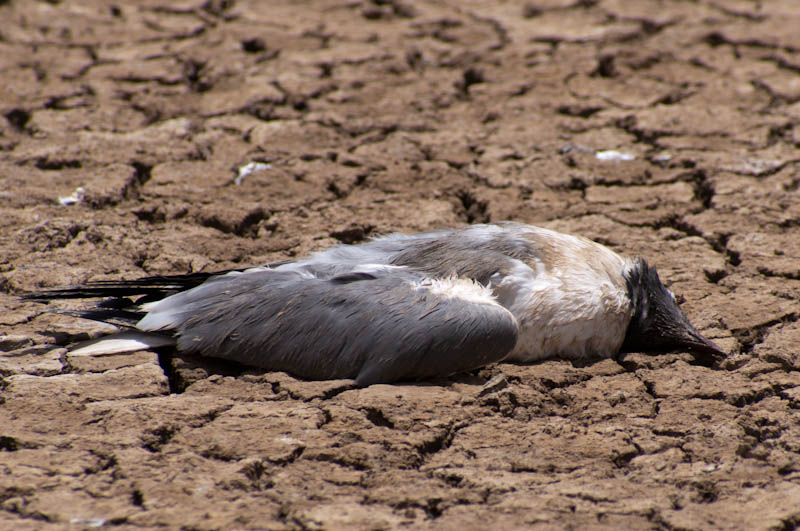
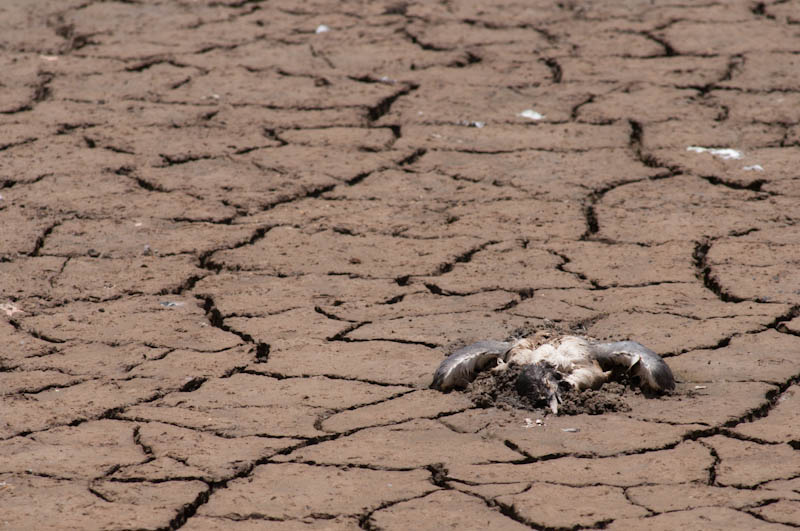
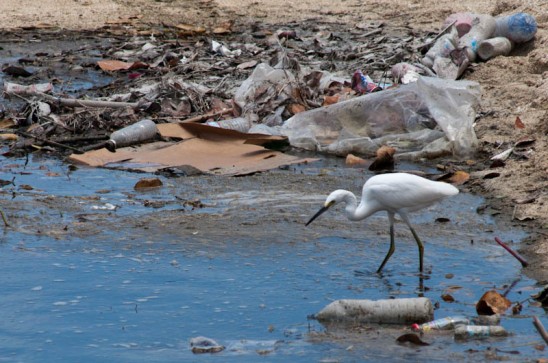
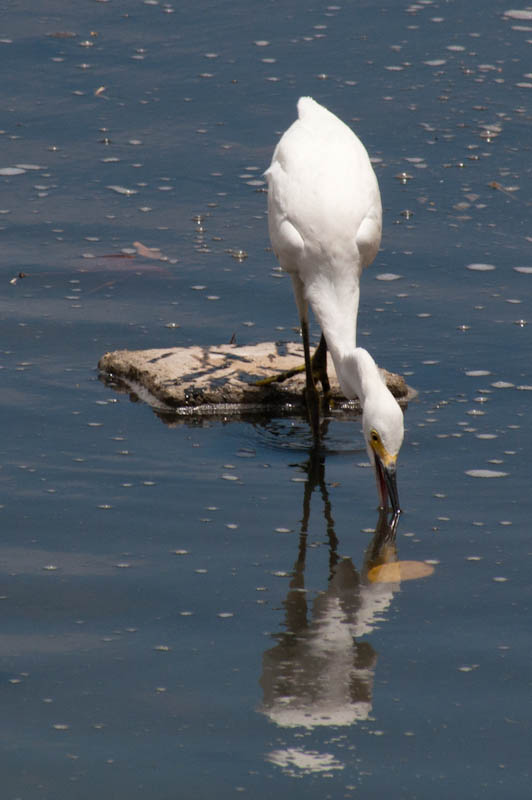
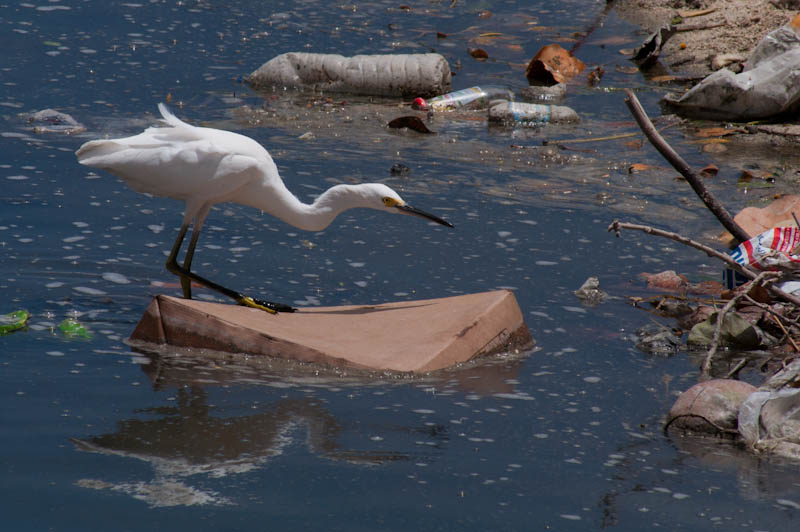
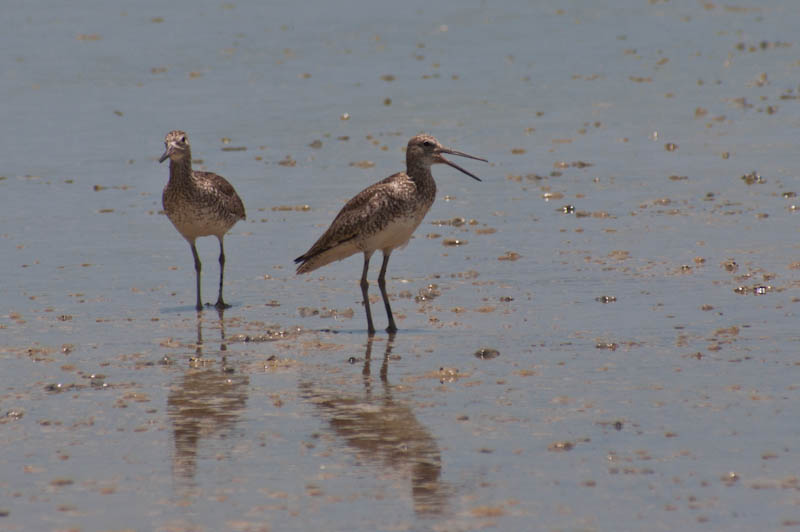
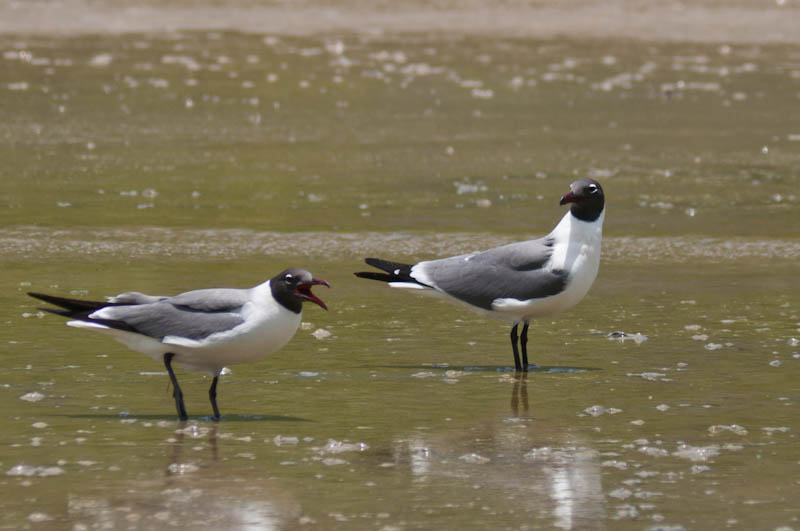
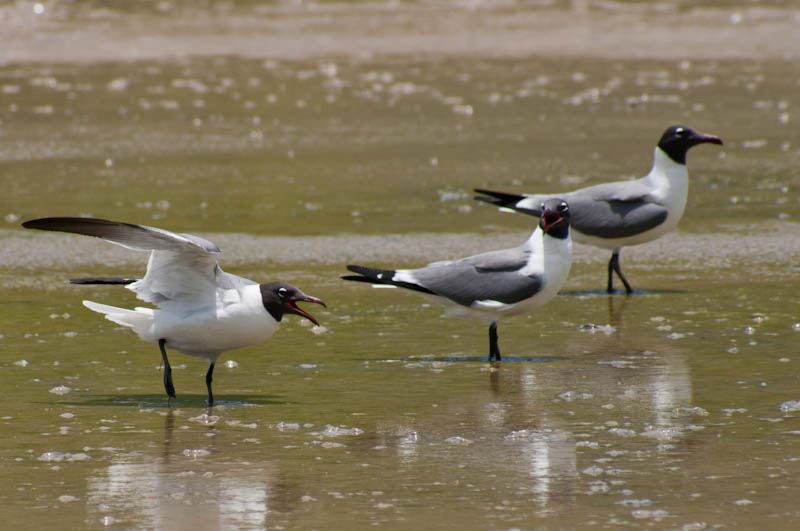
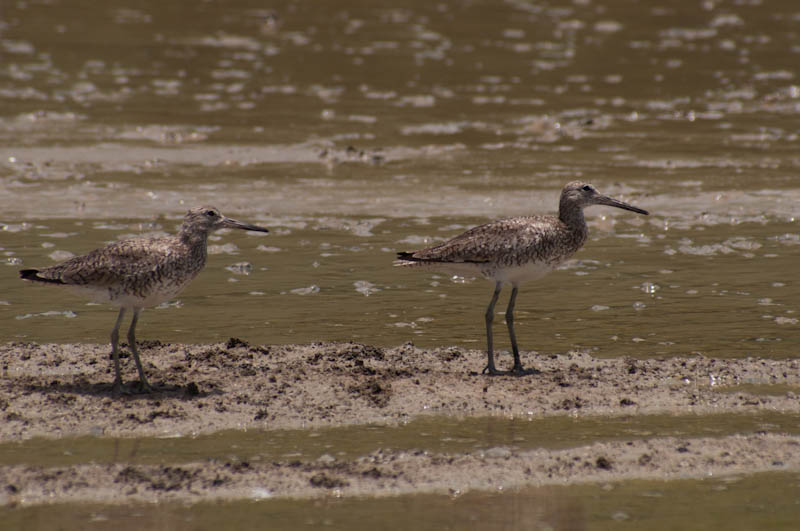
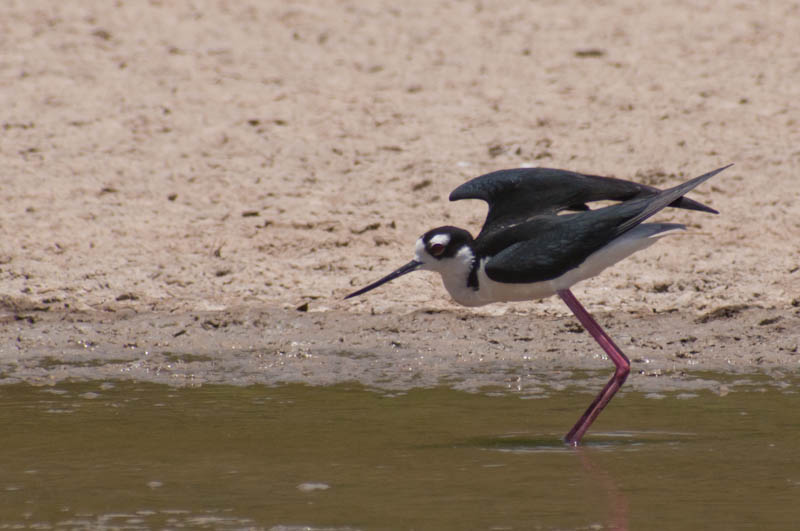
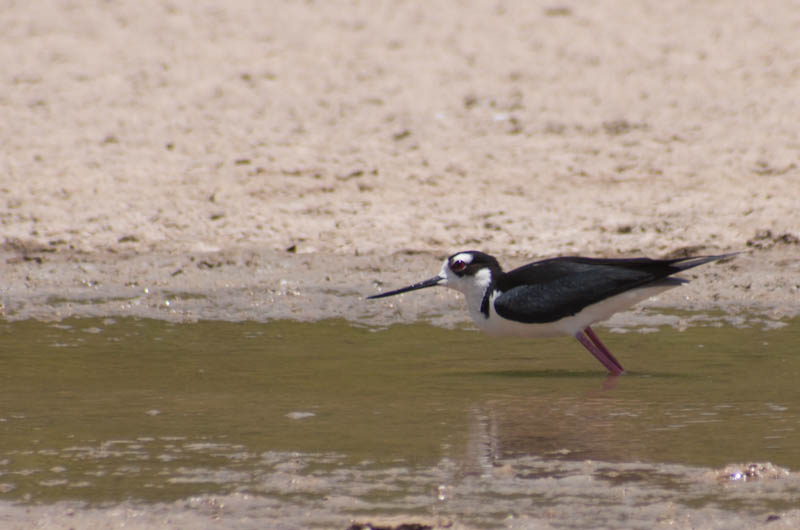
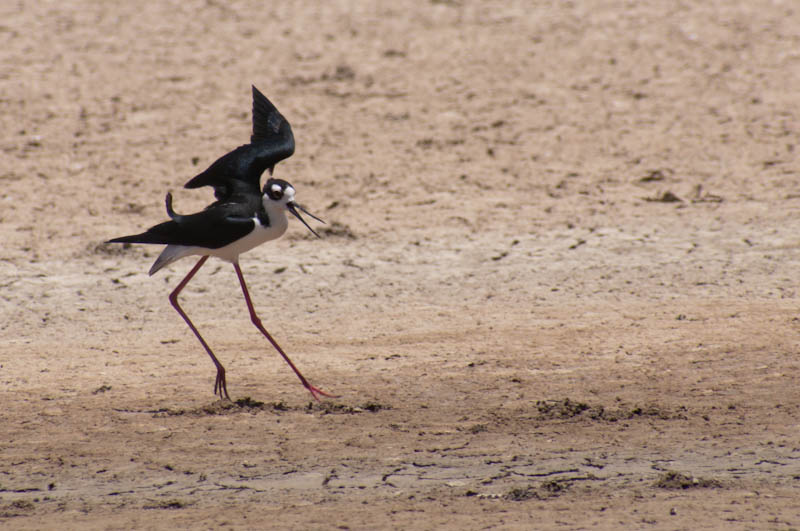
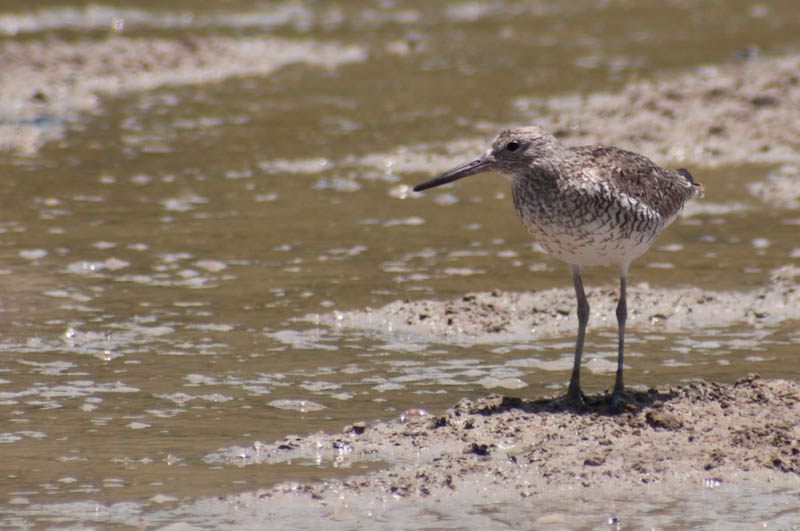
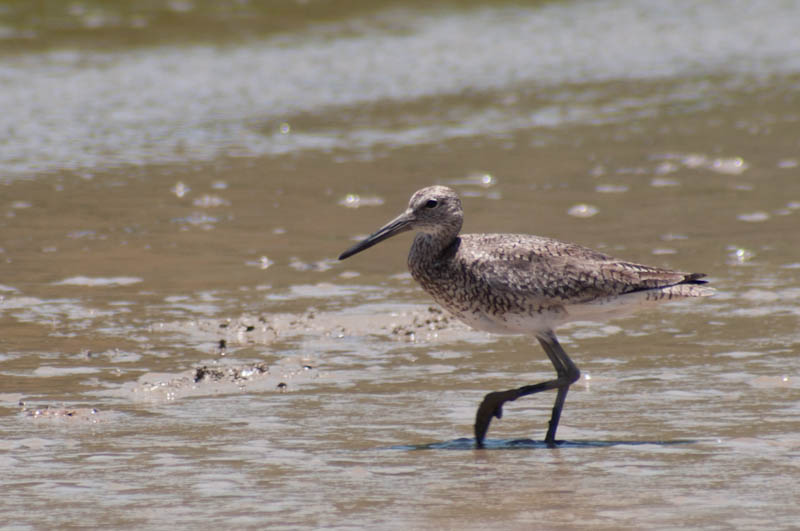
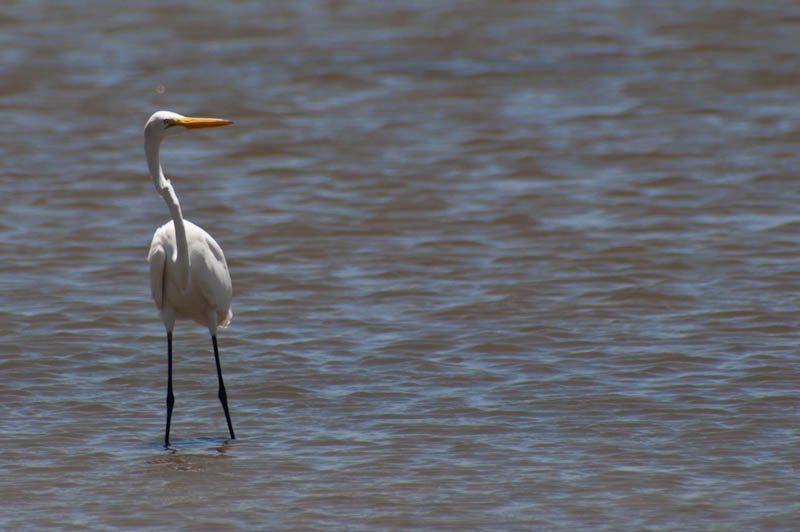
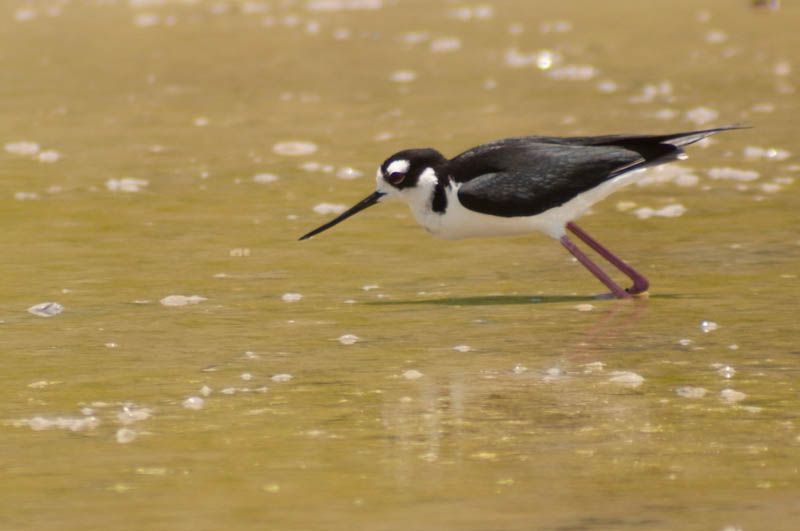
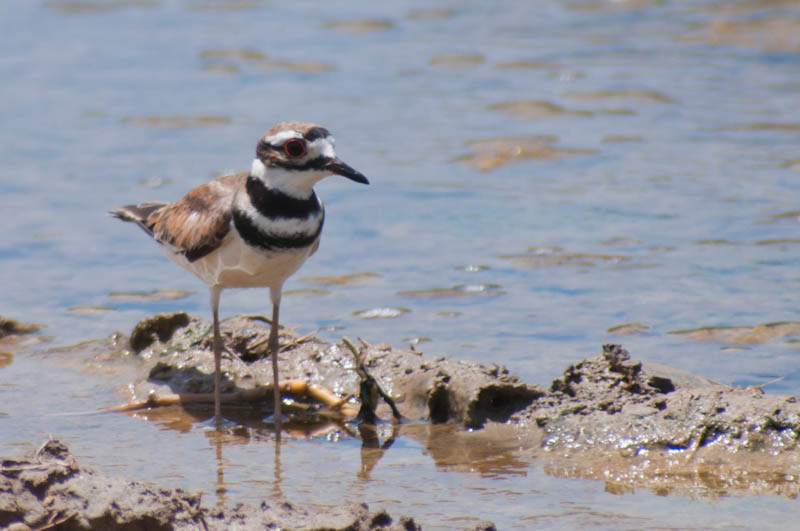
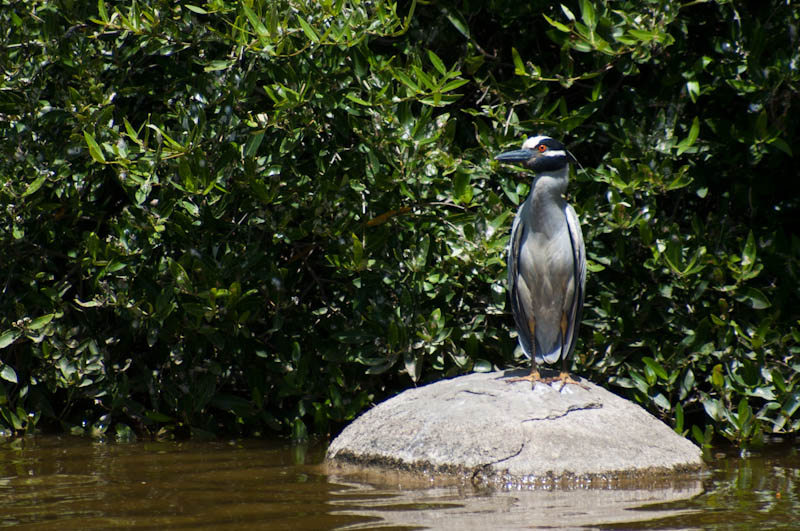
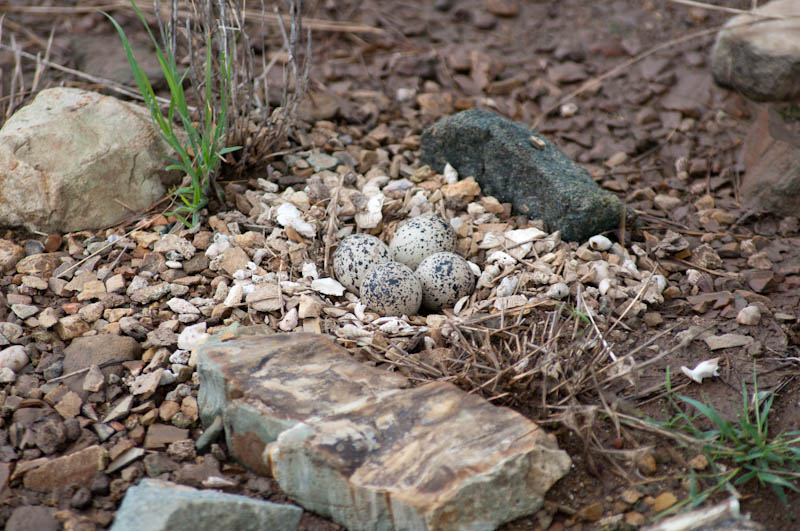
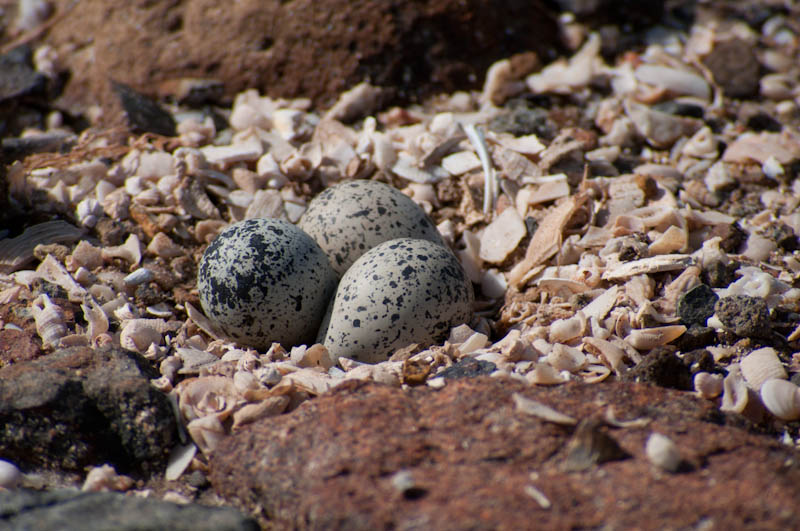
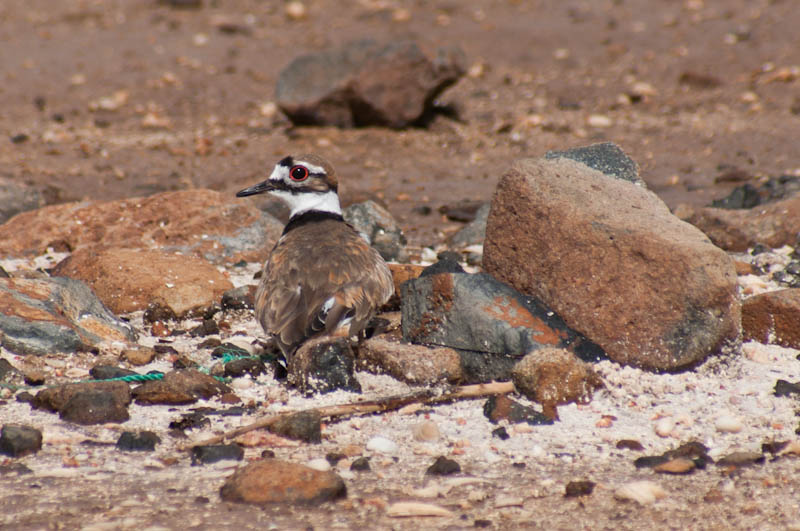
Catching up, this post includes some wildlife photos from the past few days. The first set is from an evening walk to the airport salt pond, mostly featuring various waterfowl:

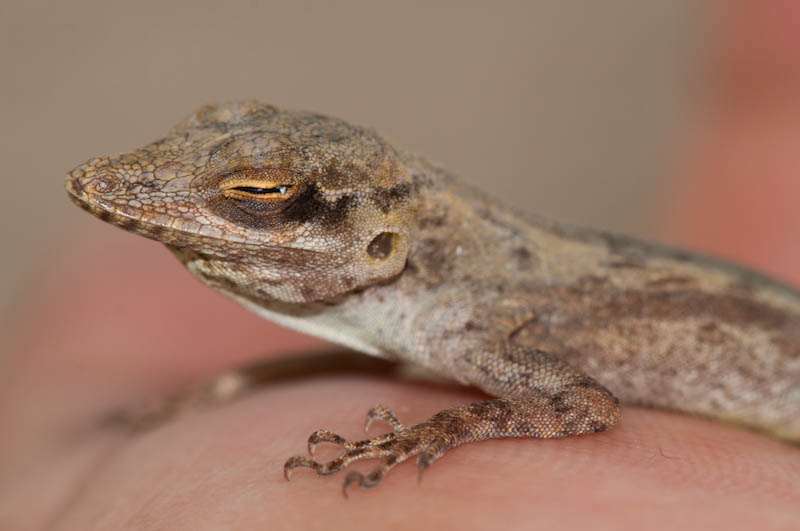
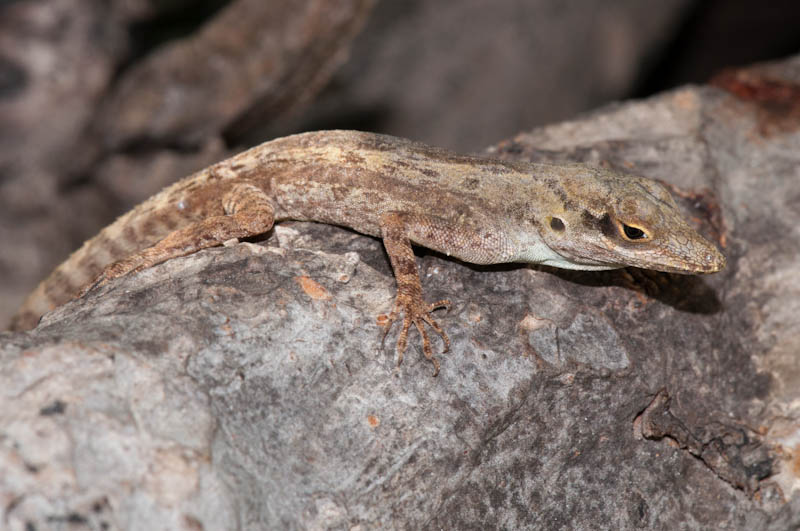
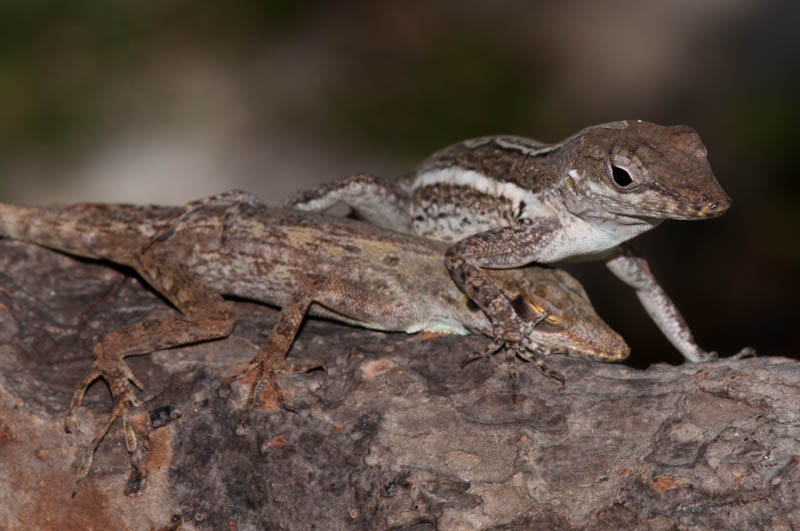
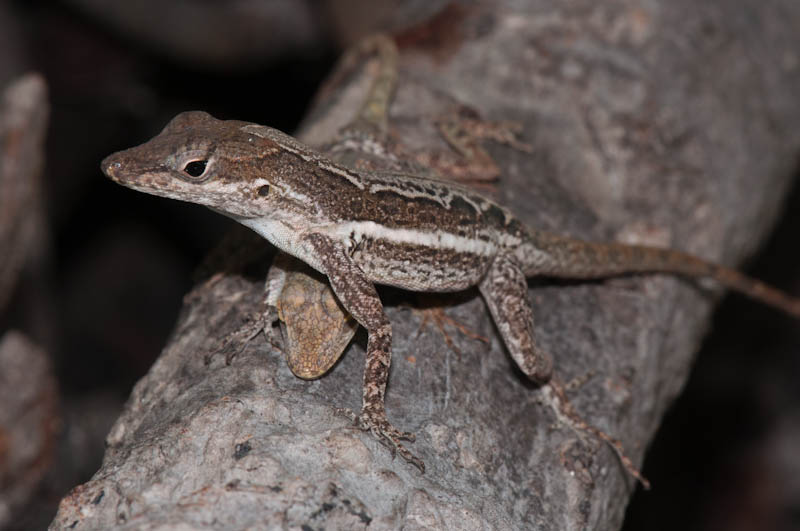
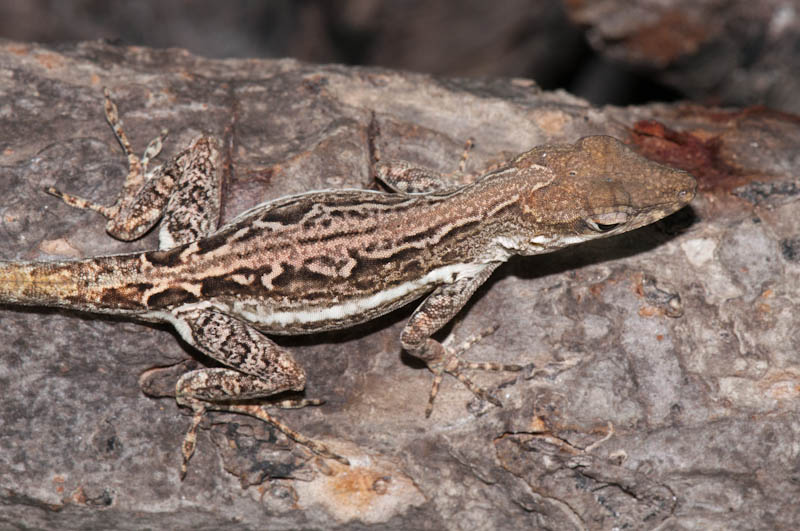
The next is a few creatures from near the Bistro Nu in Marigot, mostly showcasing Anolis pogus:

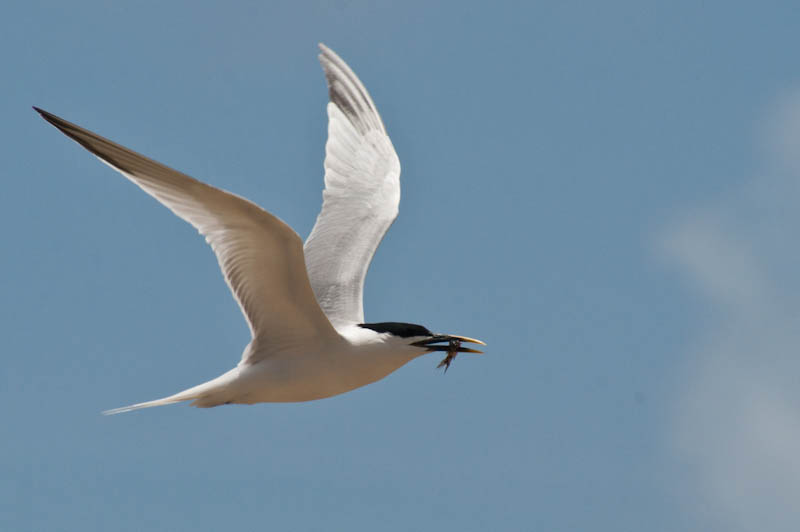
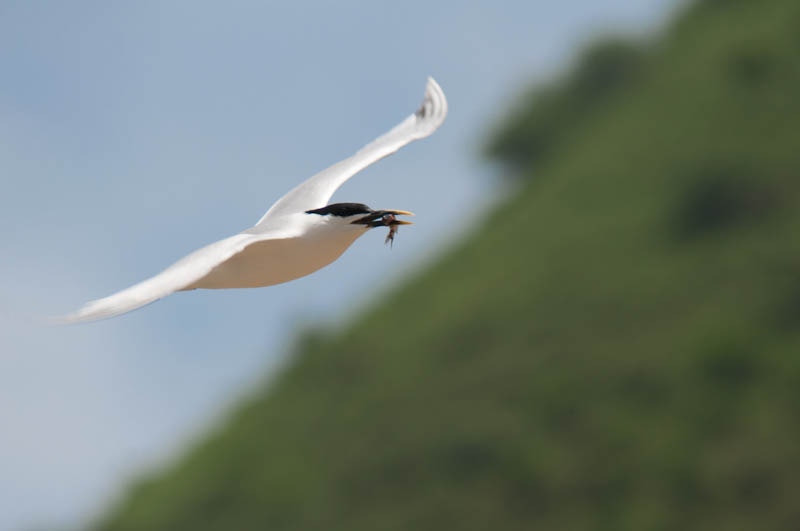
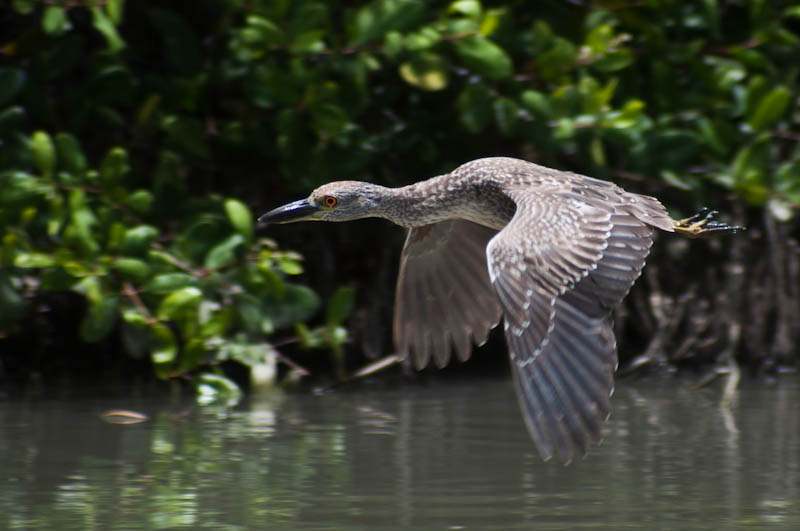
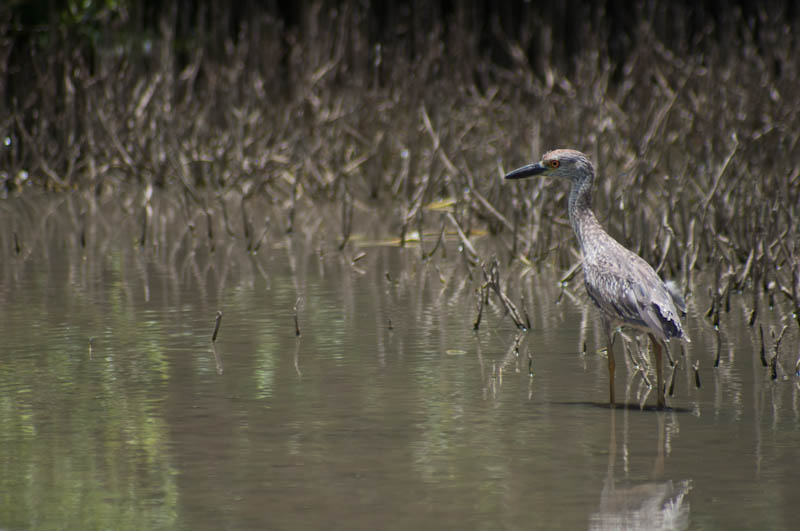
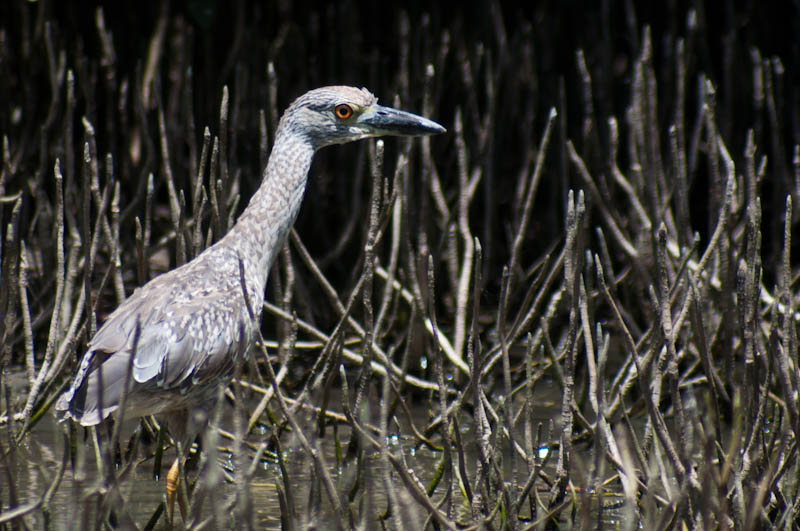
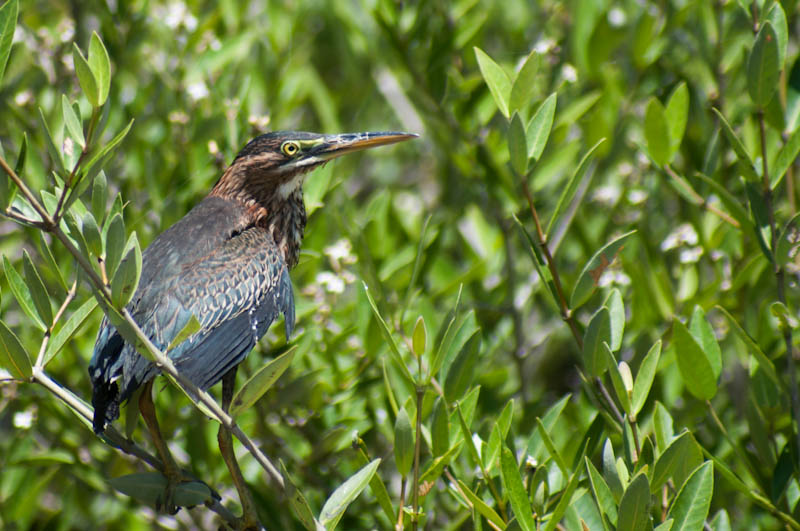
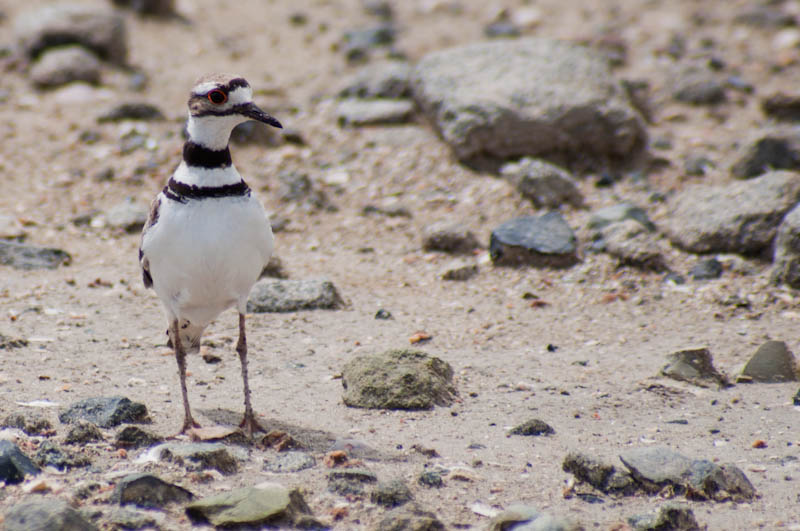
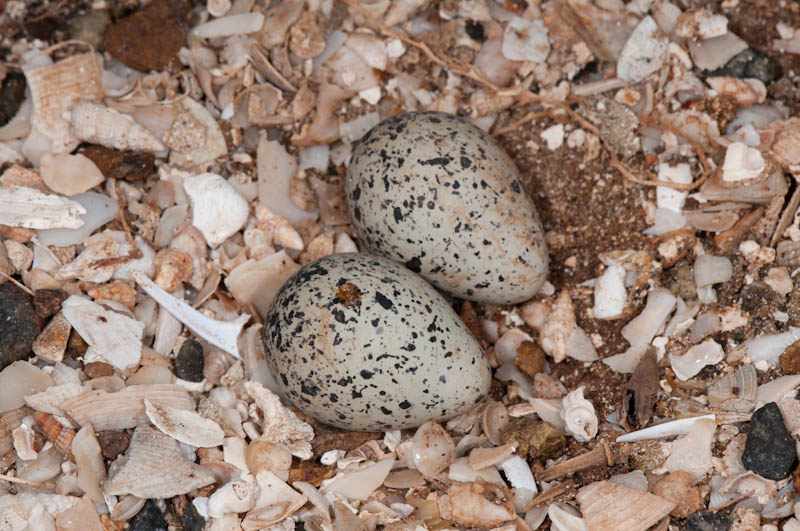
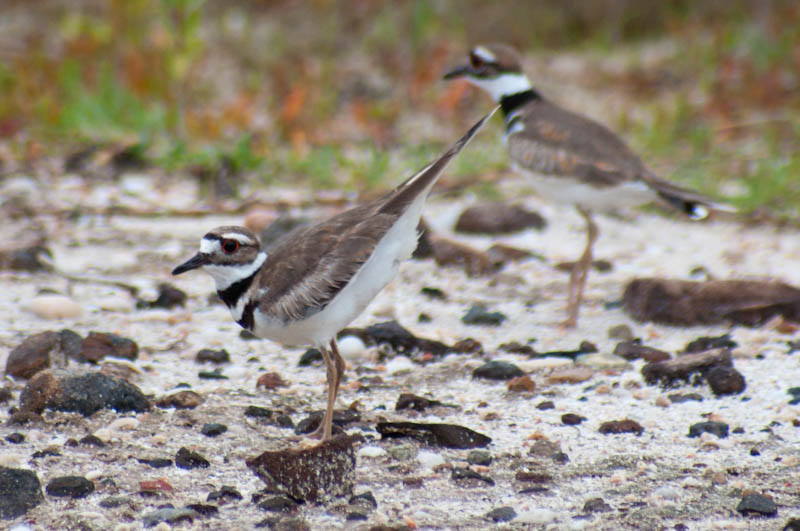
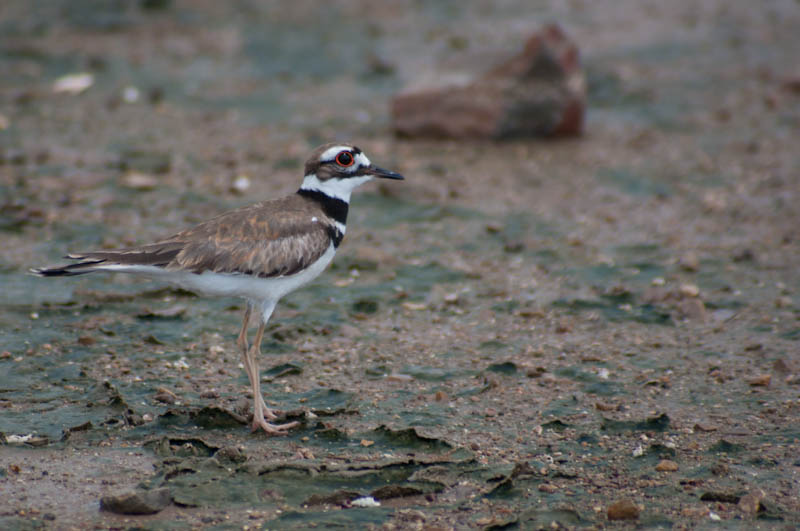
At the Butterfly Farm near Galion, I spent a bit of time trying to capture some of the local bird species, with varying success:

Finally, a couple creatures from Quartier d’Orleans:


July 18th, 2010 by Marc AuMarc

Madam J found me a frog and brought it home. I’ll leave it to her to tell the whole story, but I was very excited because it is the first time I had seen any amphibian on the island. There are actually two known species of frog and I’m not 100% sure which one this is. It was actually bigger than either species is supposed to be. We released him near the Bistro Nu, one of our favorite restaurants, which is located on an alley that is busy with frog calls at night.


July 18th, 2010 by Marc AuMarc

We have been trained by the Reserve Naturelle of Saint Martin in the analysis of sea turtle tracks and nests. Once or twice a week, we are visiting the beaches of Grandes Caye and Petite Caye at the northeast corner of the island to look for tracks and possible nests as part of their nesting survey. Below are photos from our first two trips out there. We didn’t see any tracks or nests yet, but it is a pleasure to be out at the most beautiful and unspoiled corner of the island in the early morning.

Notable sitings from our first trip included a huge mass of laughing gulls at the dump, mysterious (non-turtle) tracks on the beach and a sampling of the Anolis gingivinus that live on the rocky beach area between the two beaches we survey.

Our second visit was great for seabird photos. I was able to capture a female and an immature magnificent frigatebird jousting in the air. There were also many reddish bees that were swarming where the vegetation meets the beach, sometimes stopping to do something that looked like fighting but could have been mating. The nearby flowers had a very curious shape, presumably to facilitate pollination, that can be seen below.


July 18th, 2010 by Marc AuMarc

Below are some photos from a recent trip to Pinel Island, including a few shots of birds, a group I am currently trying to catch up on for my wildlife guide. The bananaquit photos were taken by the secret house on the island.


July 18th, 2010 by Marc AuMarc

I have been busy at work on a guide to the wildlife of Saint Martin, so I haven’t been as vigilant about posting, but here are some photos from the Grand Case area. The first set is mostly from around the airport salt pond and includes photos of the ruddy duck and Caribbean coot:

The second collection is taken from near the cemetery and the salt pond and mangrove area there. Of particular note is a butterfly I had not previously seen, the white peacock:


July 10th, 2010 by Marc AuMarc

Yesterday I went to Bell Valley for the first time since April. On a mission to get more photographs for my guide to Saint Martin wildlife, I was happy to get photographs of several new birds and a mongoose. I also discovered that there are pigs there. The first photo in the set below was actually taken on our balcony, as the first of the chrysalides had hatched into a cloudless sulfur, the remainder hatched last night or early this morning.


July 9th, 2010 by Marc AuMarc

Yesterday afternoon I went out to La Savane, mostly photographing around the soccer field. I started by looking for a mouse nest under a board that I had seen before, and while the nest was there, the mice were not.

As I was doing this, a horse approached. At first, it was nice to see a friendly horse, but then he started following me around. I think he was after my backpack, or perhaps my straw hat. He would walk right behind me, almost breathing down my neck, and if when I turned around he would quickly turn his head and look the other way, as if to say, “Following you? Of course not! I just happened to be standing here, minding my own business.” Eventually he left to go wallow in some mud.

I saw a few interesting things, including what I’m guessing were some flatworms and some monarch butterfly caterpillars eating a small plant with red and orange flowers that I don’t think is a milkweed. On my way back, I found a cluster of chrysalides on a bush and brought them home to find out who they belong to.


July 9th, 2010 by Marc AuMarc

I was doing surface cover the other day on the dive boat near Tintamarre and tried my hand at photographing sea birds while I was there. With the boat rocking and the birds flying, it’s quite difficult. As you can see, the results were less than spectacular. When the boat is rocking, it can also make you feel a bit ill. One thing I did learn was to find the bird and focus while zoomed out, then zoom in. Using a 70-300mm lens, trying to focus at 300mm is much slower, and getting a flying bird in the frame is much harder. Starting at 70mm, it’s pretty fast and easy, and then you can zoom in on the bird. Probably everyone who photographs birds already knew this.


July 4th, 2010 by Marc AuMarc

For the second dive, we went out to Underground City, a reef near Creole Rock that I had discovered a few weeks ago. A long stretch of reef beneath the channel between Creole Rock and Bell Point, it is one of my favorite places to take photos. The reef rises up a couple meters from sand on each side, making it easy to take photos facing upwards, and there are passages and caves under the reef full of schooling silversides and other fish.


July 4th, 2010 by Marc AuMarc

Yesterday I had the pleasure of tagging along with a group of students taking the PADI underwater photography specialty course. Our first stop was Rocher Marcel, a free-standing rock surrounded by reef in Anse Marcel. After a few exercises to improve buoyancy control and see the effects of distance when photographing, we headed towards the underwater canyons near the rock and took some photos.

My favorite sighting was a banded jawfish that kept peeking out of his burrow in the sandy channel. As you can see from the photo below, in addition to excavating burrows, they use larger rocks and coral rubble to create a masonry-like structure around the entrance. Usually they retreat into their burrow when approached and are reluctant to re-emerge, but since we were in the vicinity for so long doing exercises, I think this one grew tired of hiding and kept popping back up. I also saw a lancer dragonet, but with the fisheye lens I wasn’t able to get a good photo of something so small.


July 4th, 2010 by Marc AuMarc

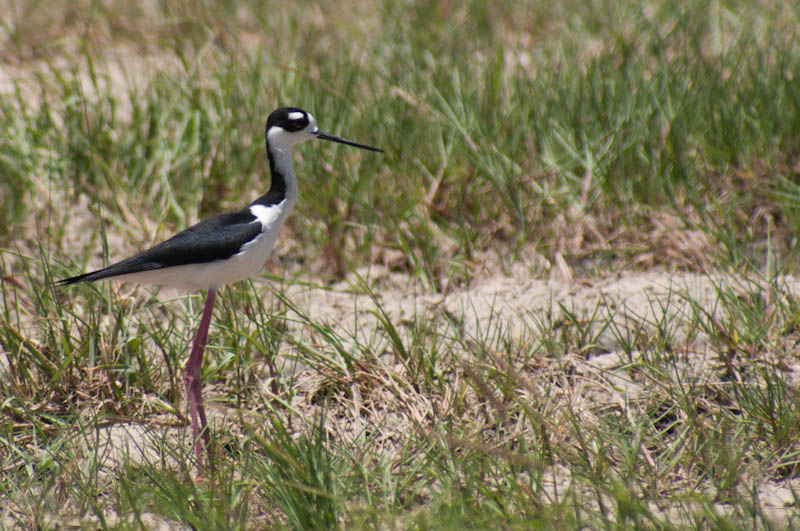
The northeast area of the Grand Case airport there is a fairly large marsh area that is home to quite a few birds. From the airport road, one first encounters abandoned trucks left to sink into the salt pond, and many iguanas that live there. Beyond that are open areas covered with either low grasses or some sort of succulent ground cover, with mangroves bordering the salt pond. Below are some photos taken there and while en route.

Also, I have learned that the large land snail here (seen below) is actually an African species that has colonized various islands of the Caribbean and is a serious agricultural pest. Apparently they can carry meningitis and other diseases through their mucus and sometimes contribute to an increase in rat populations by being an abundant source of food.


July 3rd, 2010 by Marc AuMarc

I watched this film at the Centre Culturel de Saint Martin, in French, so I didn’t understand all the narration, but I don’t think it mattered much. In fact, it was probably for the best because I was able to see the longer European version of the film. The film contains astounding underwater footage from around the world, created by the men who did Winged Migration and Microcosmos.

The camera work is amazing, and I would love to know more about their techniques. It seems that natural light is used frequently, and additional lighting is subtle, often coming from above or from the side. As a result, I found the colors surprisingly subdued. Aside from shallow footage of squid and jellyfish, there are very few warm colors in the film, even in tropical scenes where they would have been present if more artificial lighting was used. Overall, though, I think the trade-off was worthwhile. The feel of the movie is distinct and enveloping.

Even if you have seen similar footage, the quality of their shots is still thrilling. The sardine run off South Africa is particularly stunning, with large bait balls of sardine being eaten by dolphins, sharks, whales and hundreds of birds descending from above. Scenes like that of a mother walrus cradling her calf are wonderfully emotional. The four years of work that went into making this movie was well spent. Even if you think you’ve seen it all before, you’ll want to see it all again.


July 1st, 2010 by Marc AuMarc

Scientists have recently discovered the fossil remains of a prehistoric sperm whale that they believe ate other whales. To accompany their article on Leviathan melvillei, Discovery News has also published the most awesome scientific illustration of all time. While contemporary sperm whales have teeth only in their lower jaw and are specialized to eat giant squid, these prehistoric whales had giant (up to 14 inches) teeth and were apparently designed to take big bites of big prey.


June 30th, 2010 by Marc AuMarc

Moths aren’t the only animals attracted to a light at night. Below are a variety of other insects, including beetles, true bugs, neuropterans and more. I also just learned that neuropterans, like the lacewing and antlion below, are closely related to beetles, which is surprising because they look so different. Thanks, Internet!


June 30th, 2010 by Marc AuMarc

If it’s too hot or rainy to hike up into the hills to photograph butterflies, just leave the porch light on after dark and you’re bound to get plenty of moths. Below are twenty or so different species that came to our veranda in the last month. Unfortunately, I’ve only been able to identify a few so far. They range in size from one centimeter in wingspan to five or six centimeters. If you recognize any of them, please let me know!


June 29th, 2010 by Marc AuMarc

Here are a few shots taken on an overcast day last week. You may note:

  • Sadly, you can see how much trash there is in the canal that almost connects the airport salt pond to the ocean. I’m not looking forward to the day a really big storm flushes this out to the sea.
  • The color variation in the iguanas is quite large. The largest adults typically have no green. I was curious about the really fat one that was still somewhat green and whether it might be a pregnant female.
  • When I approached the iguanas near the pond at the Grand Case cemetery, two jumped in the water. After watching for several minutes I never saw either of them surface. Either they had made their way underwater to the mangroves and surfaced where I couldn’t see them, or they can really hold their breath.
  • The moorhens nesting in the canal were quite cute. One stayed on the nest while the other swam around the nearby shore collecting dry grass stalks and giving them to the one in the nest.
  • The dead Anolis gingivinus hanging in a tree by one leg was one of the stranger things I’ve seen. It had dark bruising on one side and I’m guessing it narrowly escaped some predator and then died from injuries it had sustained while roosting on the branch to recuperate. Eventually, it got knocked off the branch, but one leg must have been caught too firmly on the branch.

June 29th, 2010 by Marc AuMarc

I’ve been having quite a bit of difficulty getting good photos of birds, so I headed out to the salt pond near the Grand Case airport to get some practice. I’ve been using Nikon’s cheap 70-300mm zoom, and no matter what I try for aperture and shutter speed, I am still not getting very sharp images, particularly at 300mm, particularly if I need to crop afterwards, even using my monopod. To a certain degree, I suppose this is to be expected, although it is quite frustrating, especially when I can generally get nice photos easily when shooting macro. Darn birds!


June 28th, 2010 by Marc AuMarc

Now that I have a working computer again, I’m going to post some underwater videos!

Here are some cool things that Jacques Cousteau made:

This is amazing footage of deep sea squid from the Monterrey Bay Aquarium Research Institute, captured by deep sea remote operated vehicles (via):

And here’s some amazing underwater footage from Antarctica (via):

Antarctica – Below Zero from Alex.Be. on Vimeo.


June 28th, 2010 by Marc AuMarc

In the sequel to a previous post about house guests, we have a variety of arthropods. Most had wandered into our living room or veranda. The hermit crab was an inadvertent capture in a shell I had found while snorkeling. Luckily, Madam J noticed him and I was able to repatriate him quickly.


June 28th, 2010 by Marc AuMarc

It must be baby iguana season in Grand Case, because near the airport I’ve started seeing the little critters. Last week, between rain showers, I photographed a couple of them, including one that was licking droplets off leaves of grass. He let me get very close, perhaps he was feeling sluggish in the overcast weather. As you can see from the large subtympanic scale, these are green, or common, iguanas Iguana iguana. These two were quite small, for iguanas, probably about four inches long excluding tail. They retain bright green coloration until they are several times larger than this.


June 28th, 2010 by Marc AuMarc

Le Monde Sans Soleil documents an experiment with men living underwater as “oceanauts” in a pair of underwater capsules named Conshelf Two (from Contintental Shelf Station Two) in the Red Sea. This in and of itself supplies the foundation for an amazing documentary. Additionally, there is a diving saucer with an underwater garage.

The film is from 1964, and diving technology has improved since Le Monde du Silence in 1956. Now there are wetsuits (awesome silver ones) and weight belts. In the lower capsule, at about 26 meters, the men breathe tri-mix (Helium, Oxygen and Nitrogen). In the shallower capsule at about 10 meters, the men breathe air and smoke pipes.

While there is plenty of footage of marine life, the film concerns itself primarily with the oceanauts and their fancy equipment. A future is envisioned in which Conshelf Two is merely the first step in man’s undersea colonization, where we can “systematically exploit all the resources of the oceans.” While this phrase is jarring to the modern audience, overall the scientific research techniques are less violent and destructive in this film. No dynamite is used.

Without Louis Malle, this film is not quite as strong artistically as Le Monde du Silence, but the various undersea structures make for mesmerizing footage. The grand finale is a descent in the diving saucer to 1,000 feet below sea level, passing thousands of years of ancient corals into a world where light barely reaches.

It’s another must-watch film that is just a cut below Le Monde du Silence. While the US and USSR were in the heat of the space race, Cousteau was undertaking his own verison in the ocean. While saturating diving and undersea habitations are used now in commercial diving, undersea colonization never really took off. Still, it is fascinating to see the oceanauts lay the foundation for this colonization in a time when it seemed like a perfectly logical thing to do.


June 18th, 2010 by Marc AuMarc

Yesterday I had a rather crabby night dive. I was swimming along near Creole Rock and found a small piece broken off a sponge. I picked it up, and to my surprise there was a dime-sized hole on the other side with a little crab wedged into it. Throughout the rest of the dive I saw many crabs, including little teardrop decorator crabs and clinging crabs hiding beneath the spines of sea urchins. On the dive there were plenty of fish, shrimp and other creatures, but overall it was mostly crabby.


June 18th, 2010 by Marc AuMarc

With new snorkeling gear in hand, Yann and Marie came by yesterday and we set of for Baie Maria and Molly Smith Point despite a rising swell that was already tossing the seas quite a bit. Entries and exits were tricky, and the visibility was less than ideal, but we did manage to make a number of interesting finds. A small octopus was determined to extract a large snail from his shell, so he was bothered by my presence, but not willing to leave without his lunch. Out of curiosity, I tried to take the shell from him and he pulled back on it with surprising strength. He was apparently not strong enough, though, to extract the snail. After snorkeling elsewhere for a bit I returned and he was no longer trying to open his lunch.

We also found a couple scorpionfish, which despite their excellent camouflage, are often spotted by an alert snorkeler noticing a patterned fin on an otherwise cryptic body. West Indian sea eggs, a type of urchin which often grabs bits of algae to camouflage itself, apparently does the same with whatever is around, be it small stones or limpet shells. The last great find was a starfish that Yann discovered clinging to a loose piece of sponge with an anemone attached. A closer look revealed a cleaner shrimp inside the anemone. Another portable menagerie!

The bonus for the afternoon was seeing the iguana that lives in the large rock at the end of Molly Smith Point.


June 17th, 2010 by Marc AuMarc

Here’s another interesting longhorn beetle. I think it’s prettier than the last one, and I particularly like the way the antennae basically come out of the compound eye. I guess it pays to leave the veranda light on. I also really need to get crackin’ on my Coleoptera identification skills.


June 17th, 2010 by Marc AuMarc

No matter how many times you’ve been to a particular dive site, it is always strange and exciting to dive there at night. Our recent trip to Creole Rock was no exception. Things one doesn’t normally see during the day were everywhere, like tiny decorator crabs with bits of sponge covering their carapaces and legs and incredibly pale anemones reaching up into the water to collect drifting food. Things you do see normally act differently, like the moray eels prowling the reef instead of resting in their daytime crevices. Other things change color, like the various fishes that were sporting nighttime-only colors and patterns.

As a special bonus, on this dive we had left a flashlight pointing into the water by the boat and by the time we returned there were dozens of squid below it. This technique is probably worth a try next time you do a night dive.