March 2nd, 2012 by Marc AuMarc
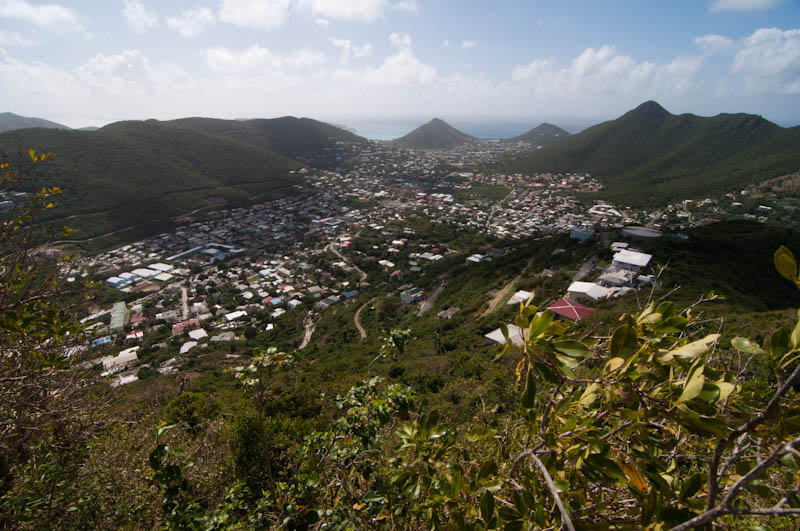
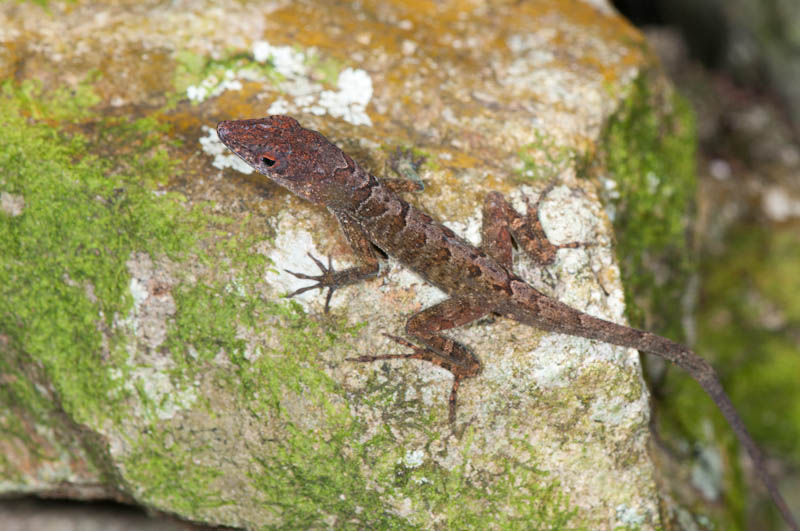
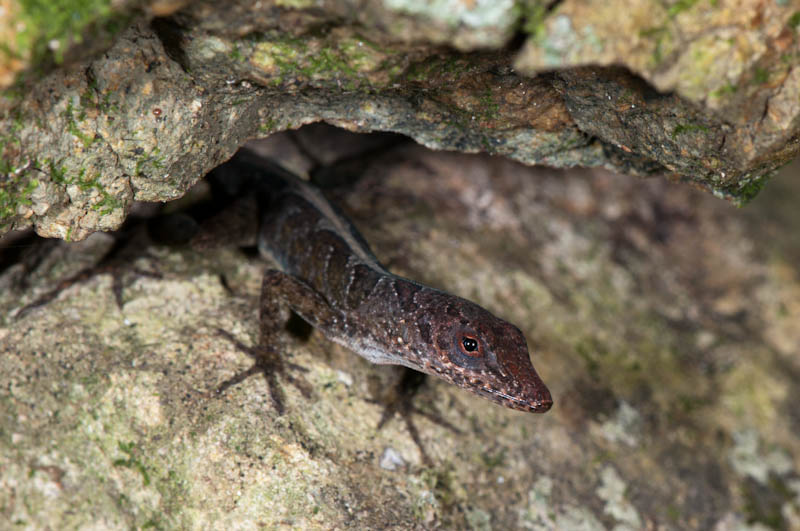
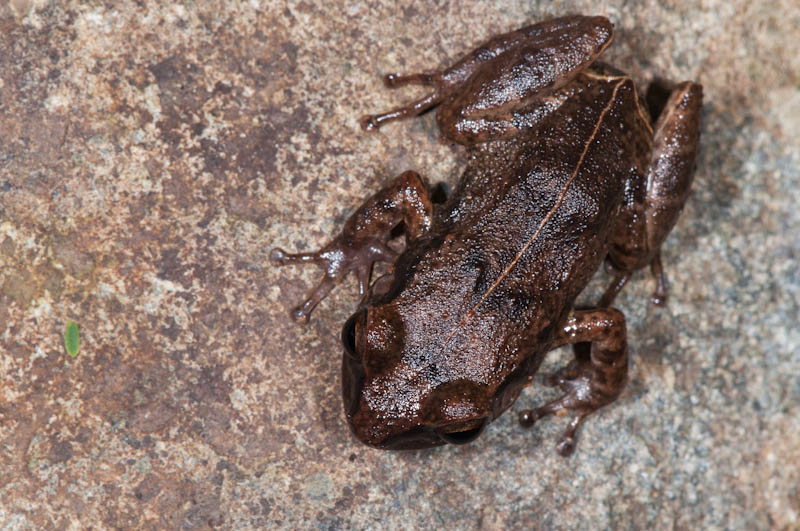
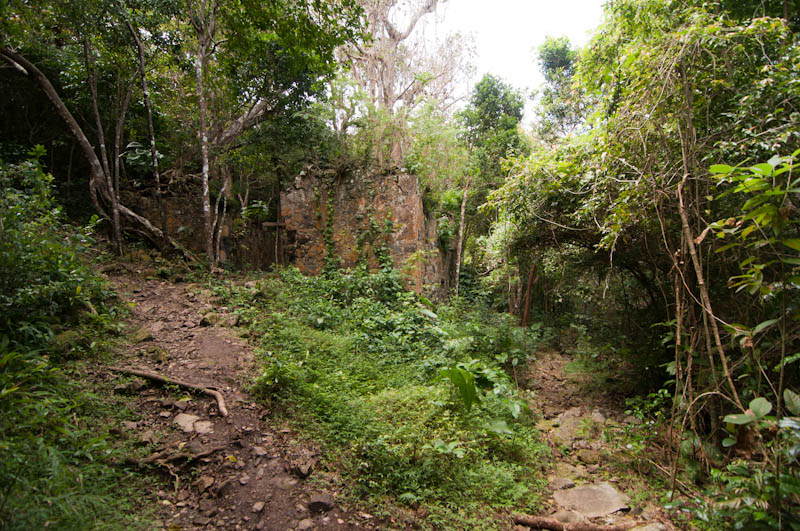
A couple weeks ago, I went with St. Martin Trails to clear some of the Crest Trail near Reward on the Dutch side of the island. After a couple hours of clearing trail, I found that the next portion of the Crest Trail was pretty clear so I decided to walk over to Paradis to meet friends at Loterie Farm.
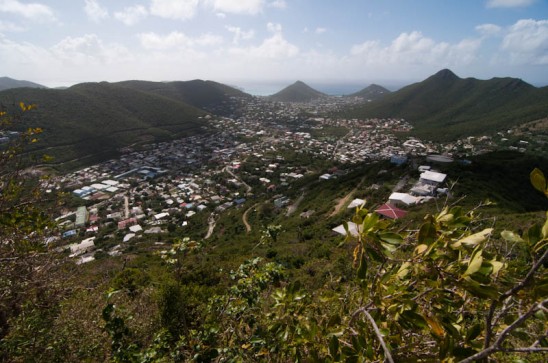
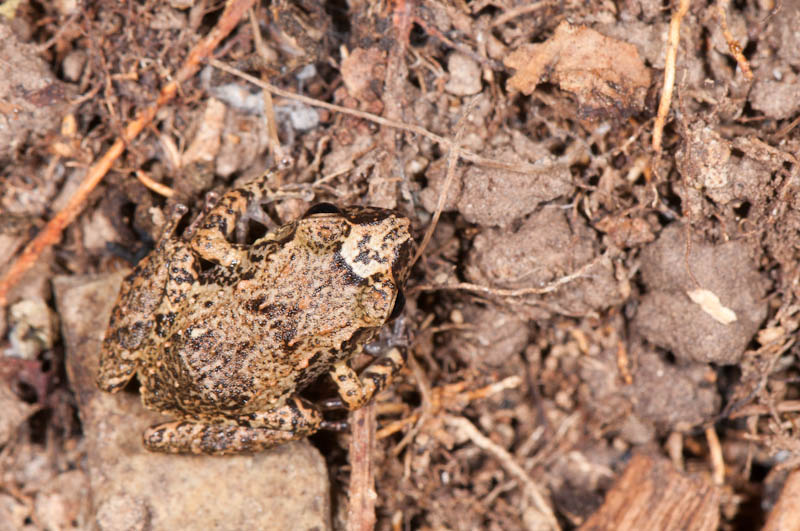
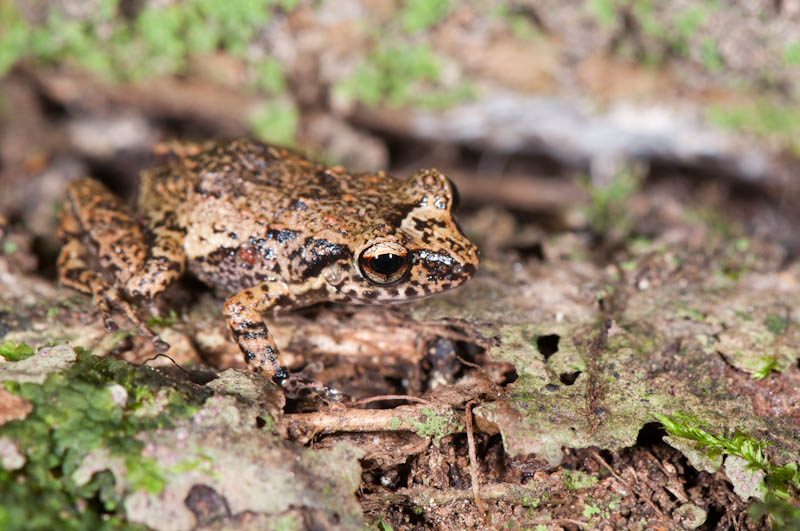
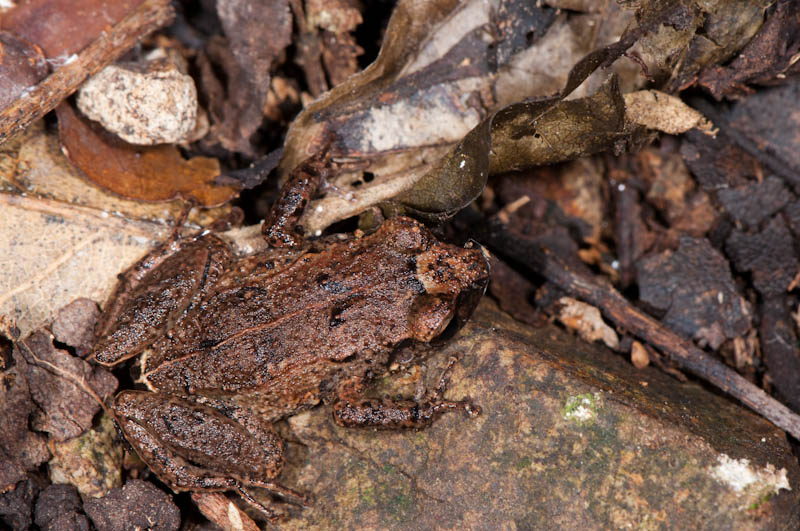
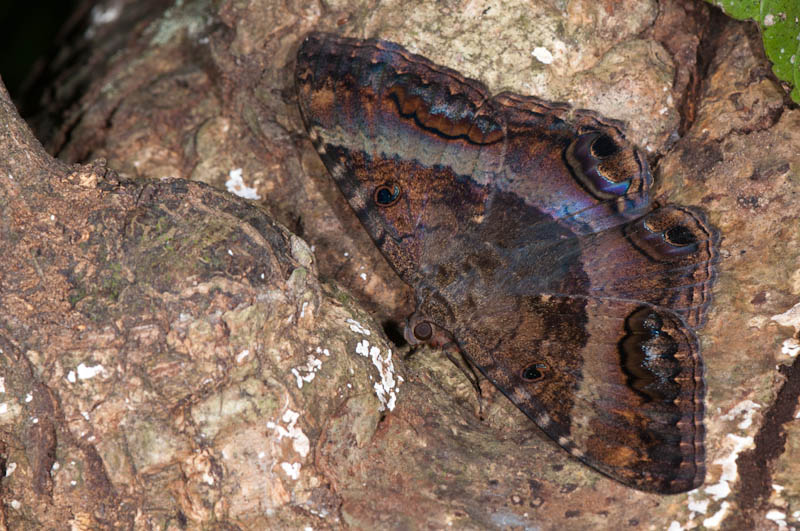
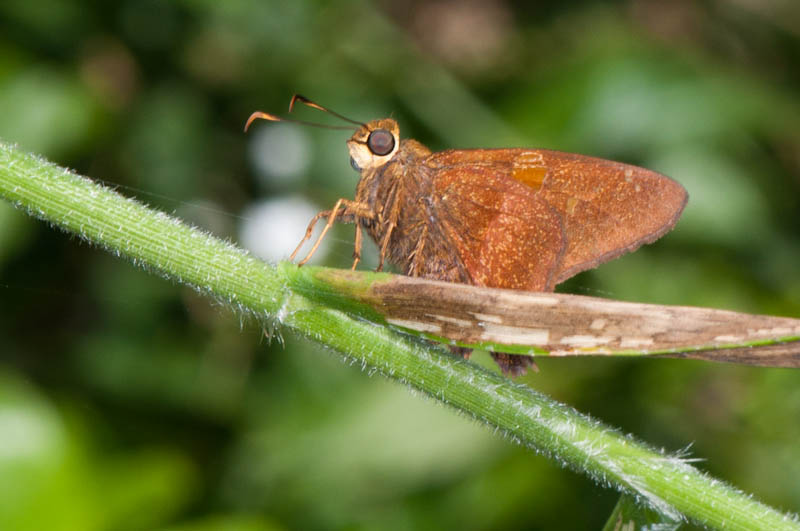
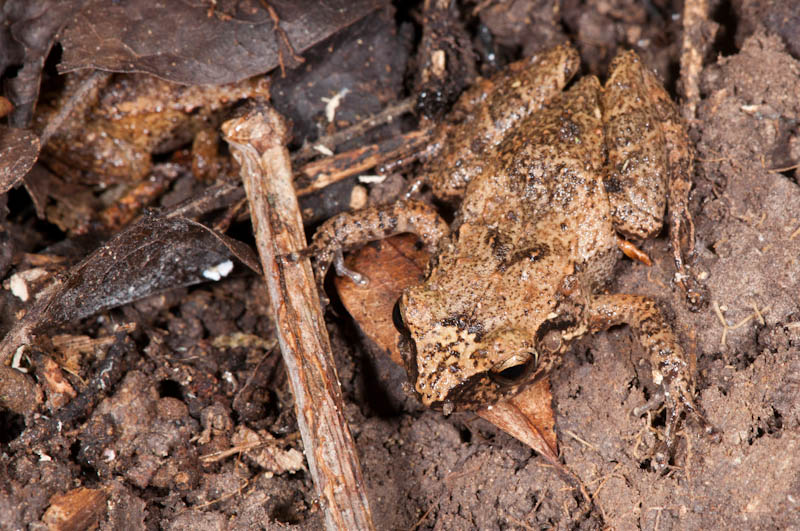
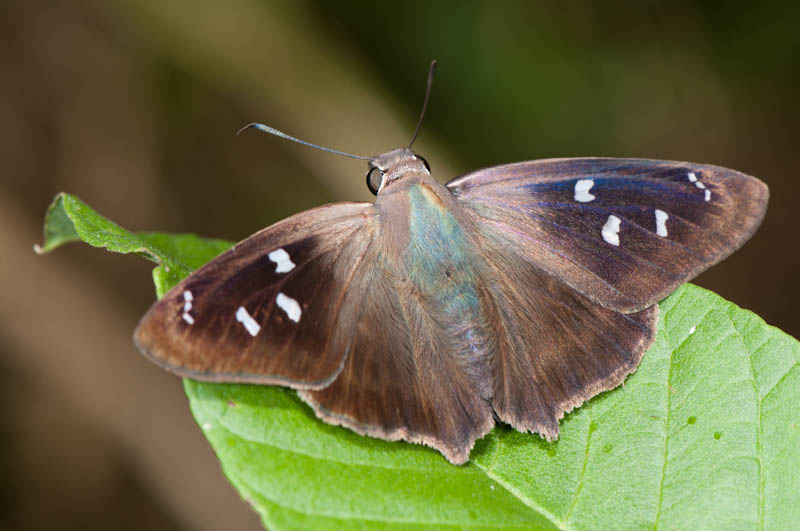
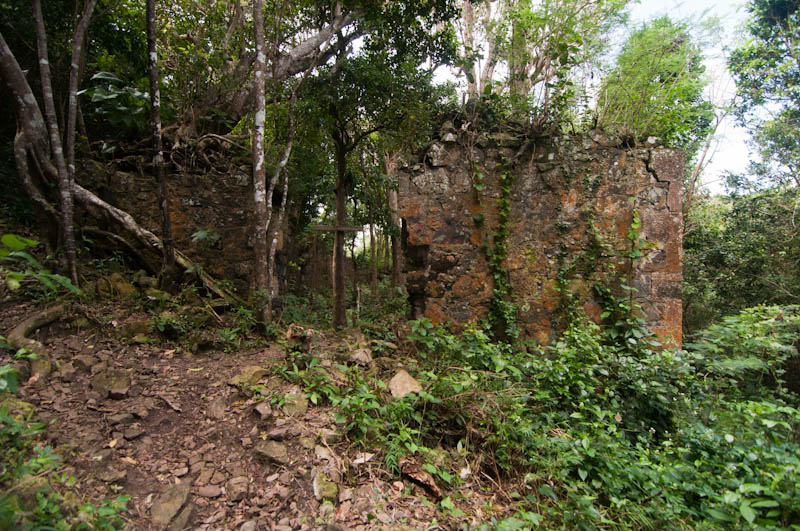
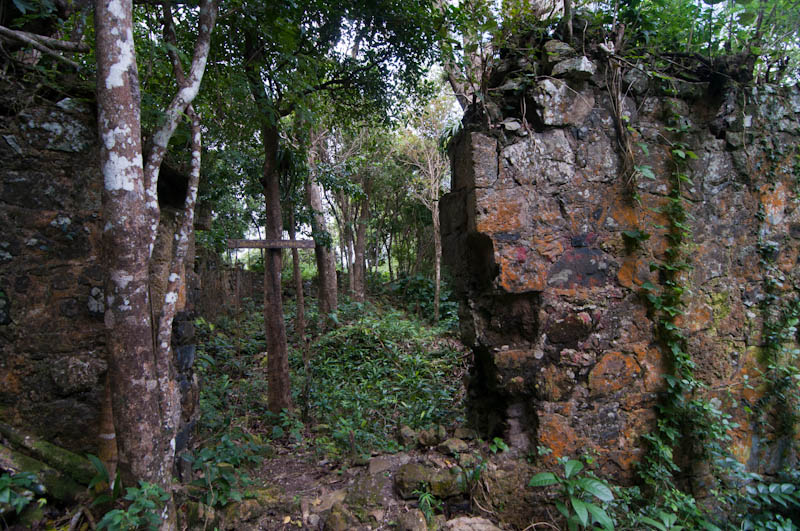
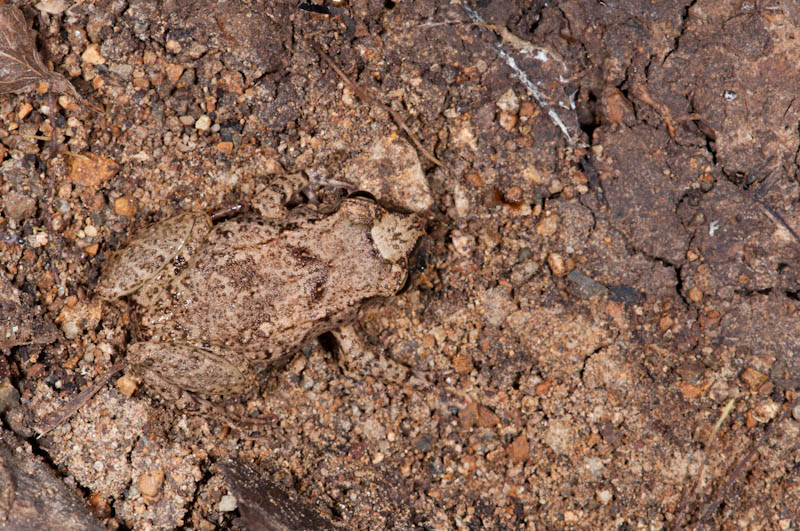
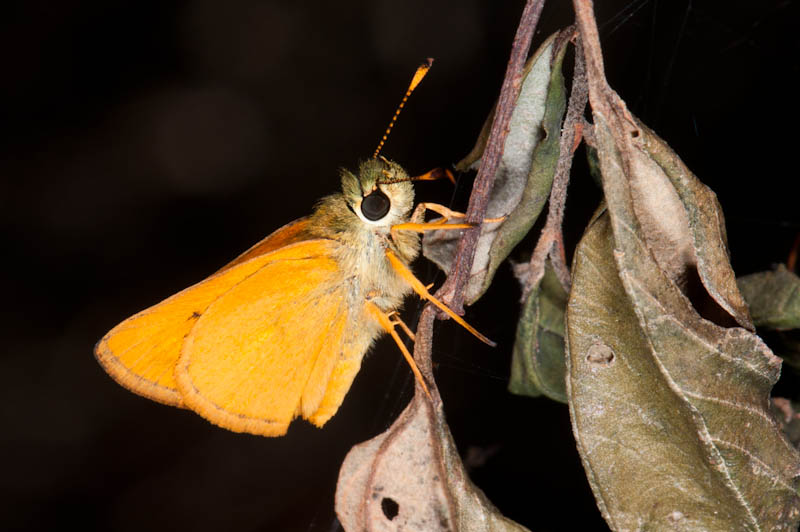
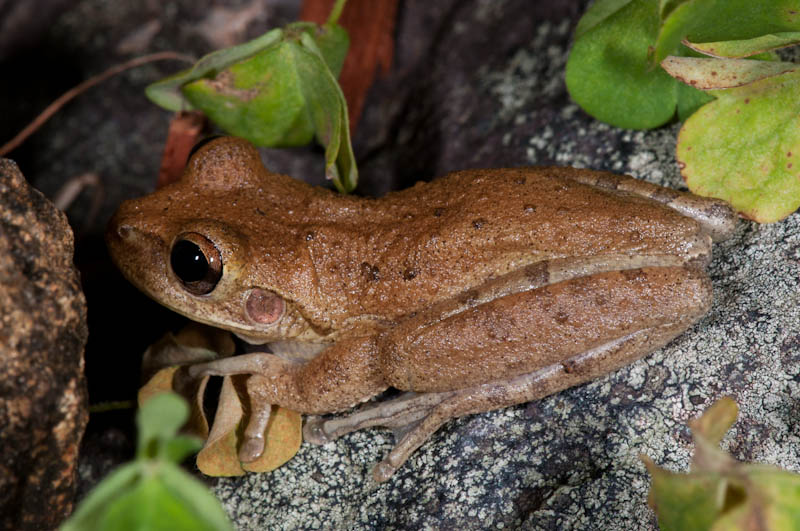
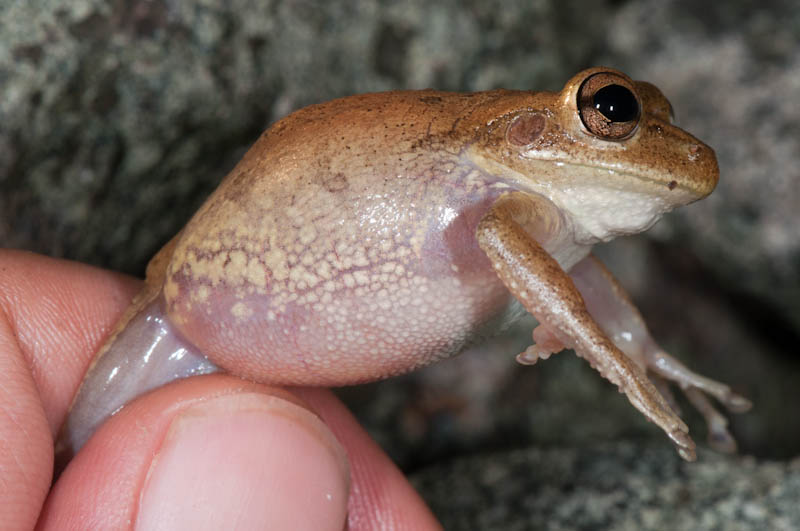
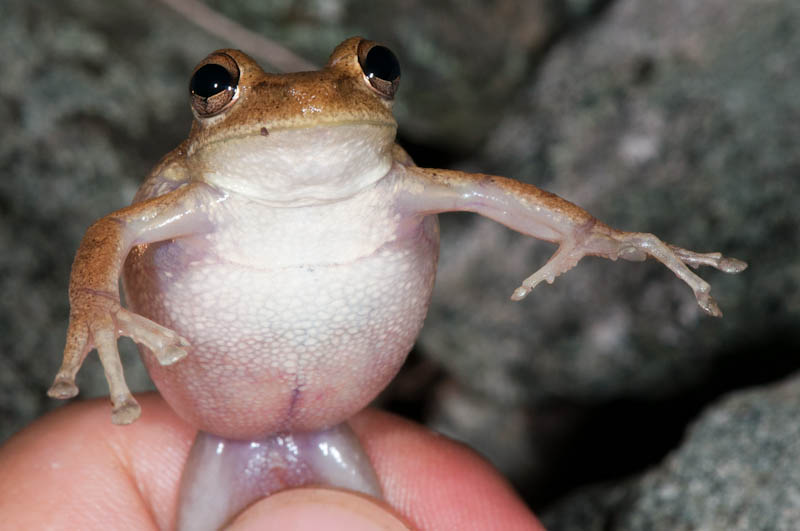
The views were spectacular, and I believe that part of the trail that runs along an old slave wall may actually also be running along the border between the two nations on the island. There was also plenty of wildlife to be seen, including many tree frogs, the beautiful black witch moth and my first sighting of the zestos skipper. On the way down to Loterie Farm, I also passed the remains of the Sucrerie Loterie, sitting in the forest that has grown up around it since the days of colonial agriculture.
Posted in Explorations, Les Fruits sur la Terre
Comment on this post.
March 1st, 2012 by Marc AuMarc
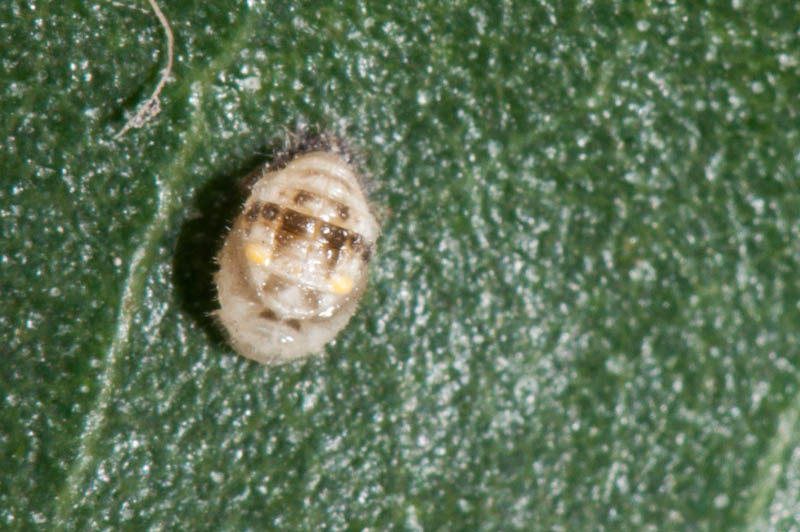
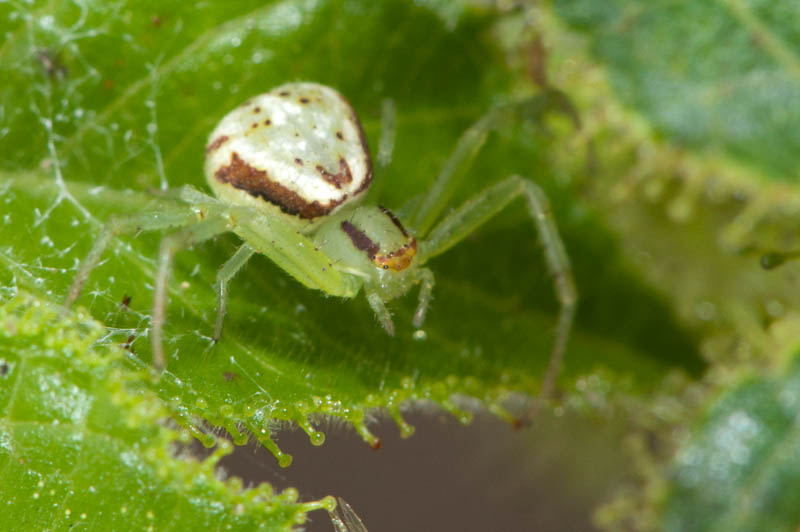
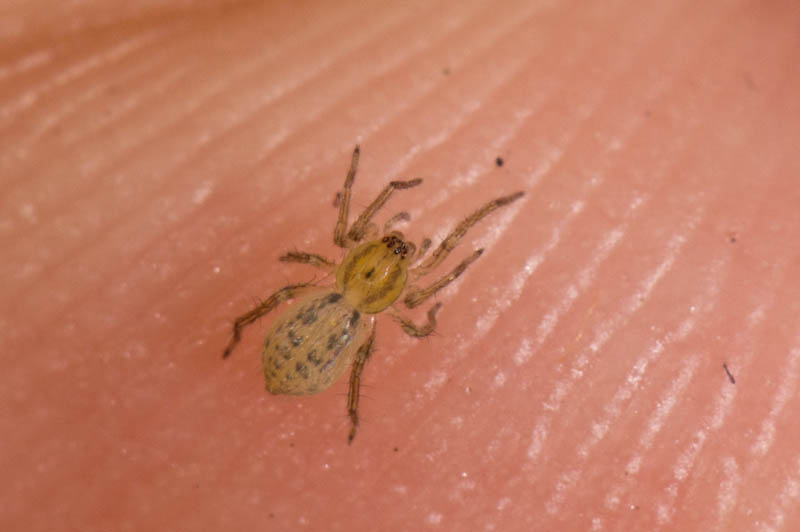
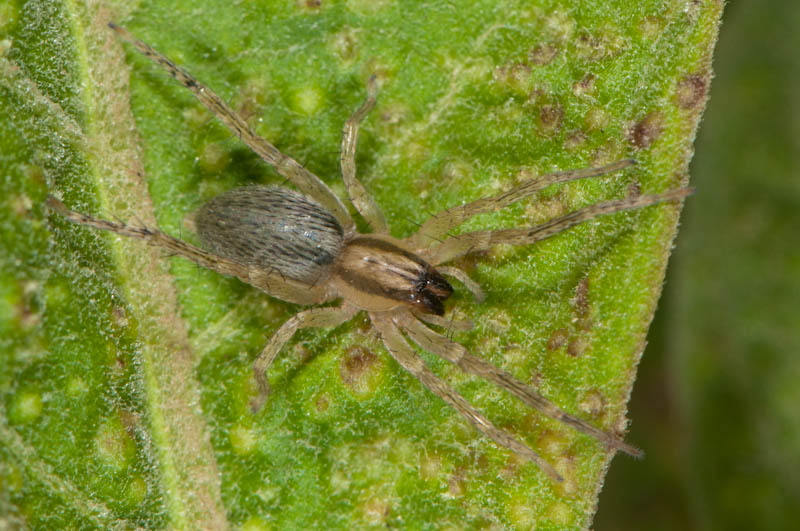
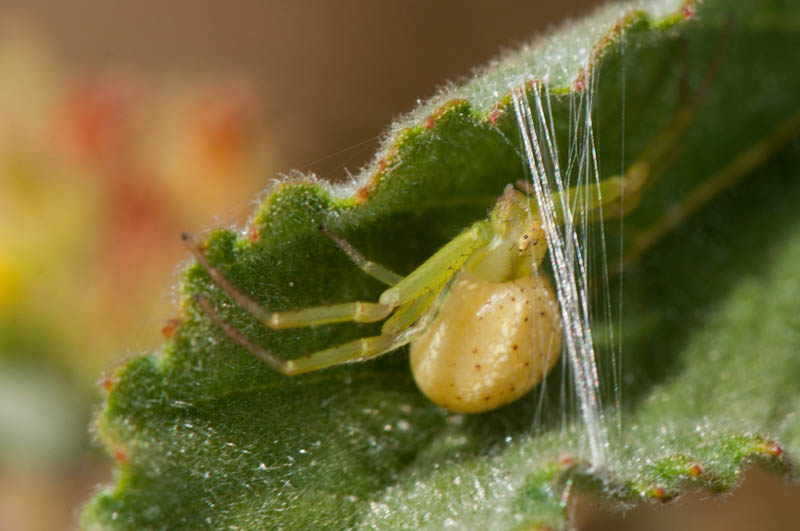
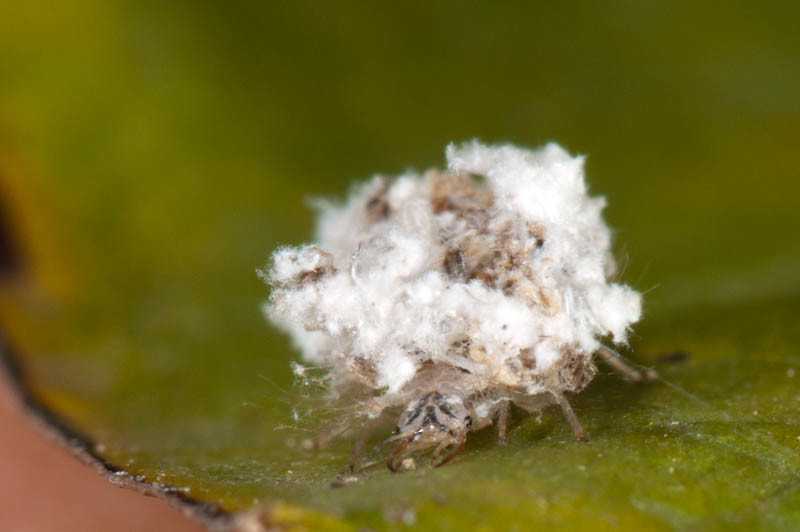
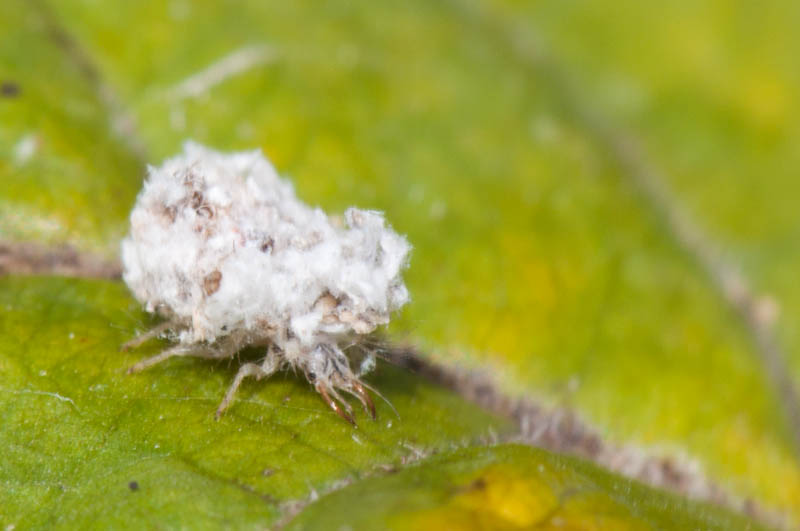
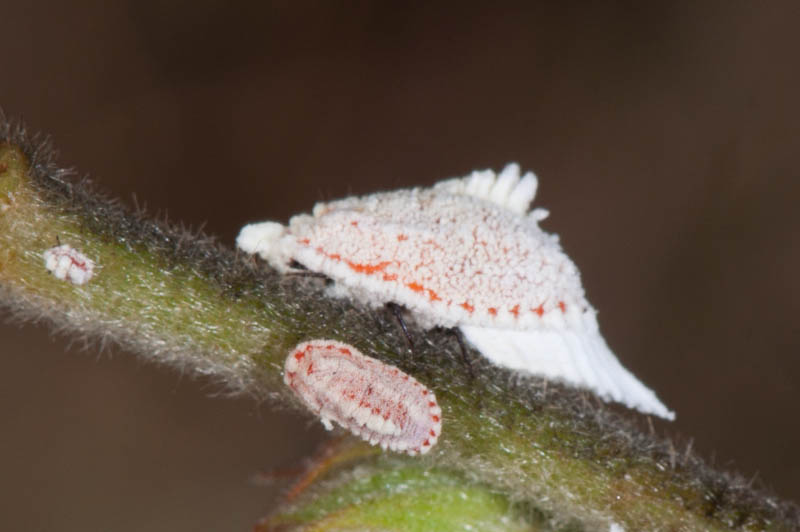
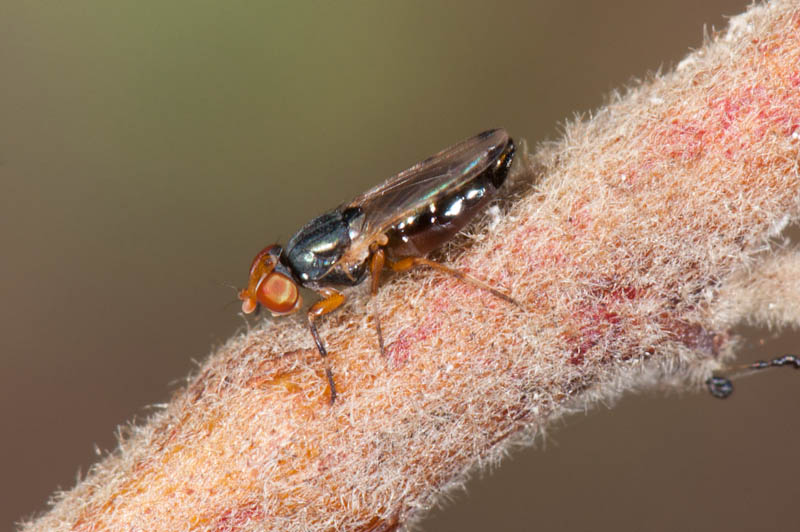
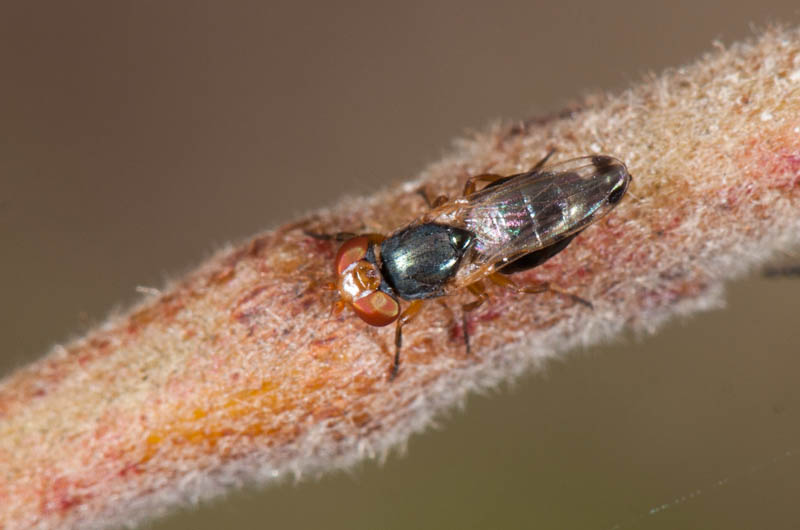
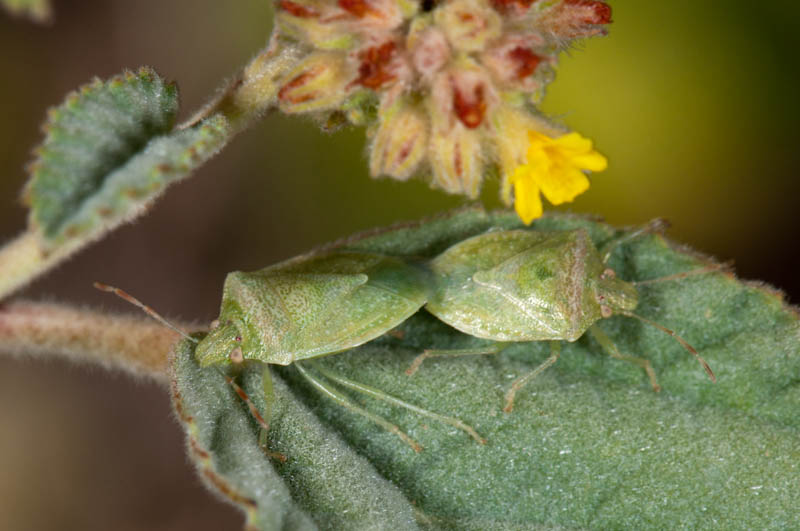
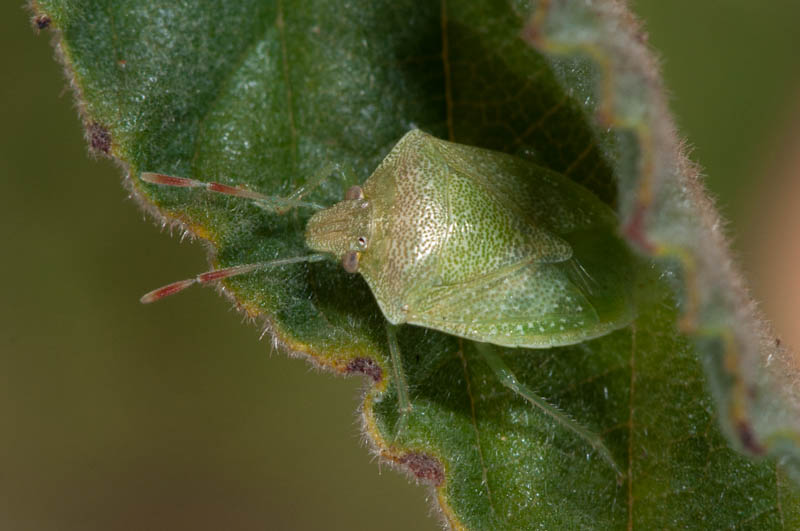
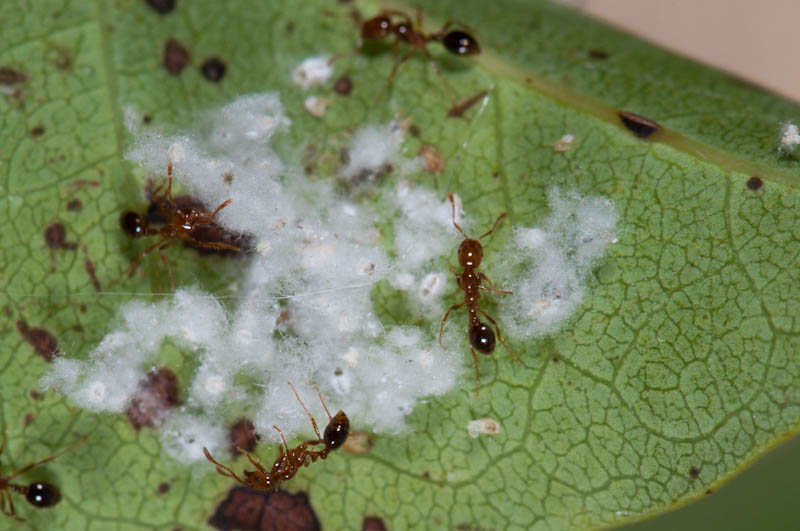
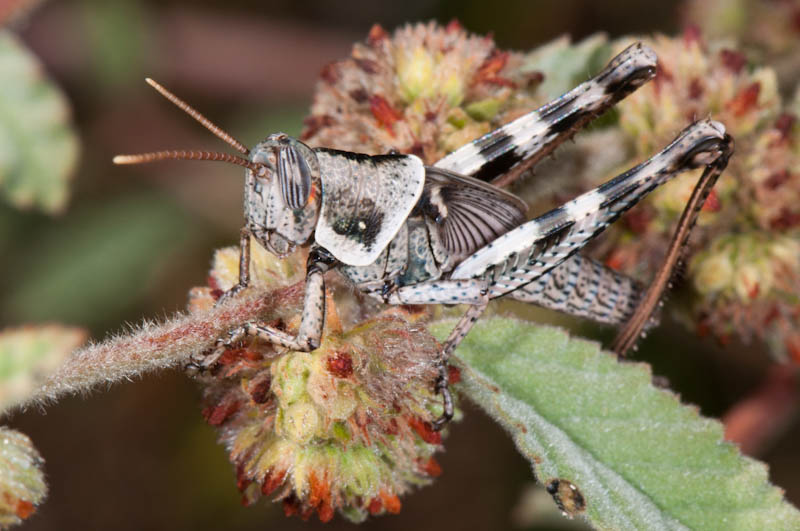
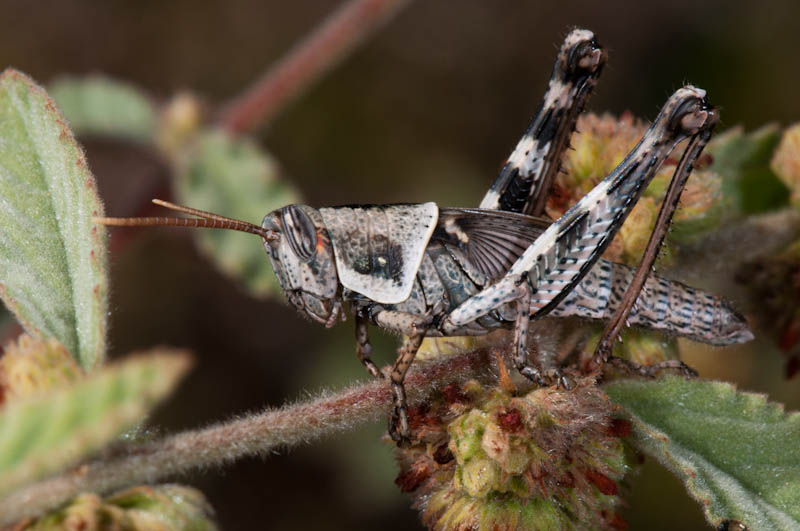
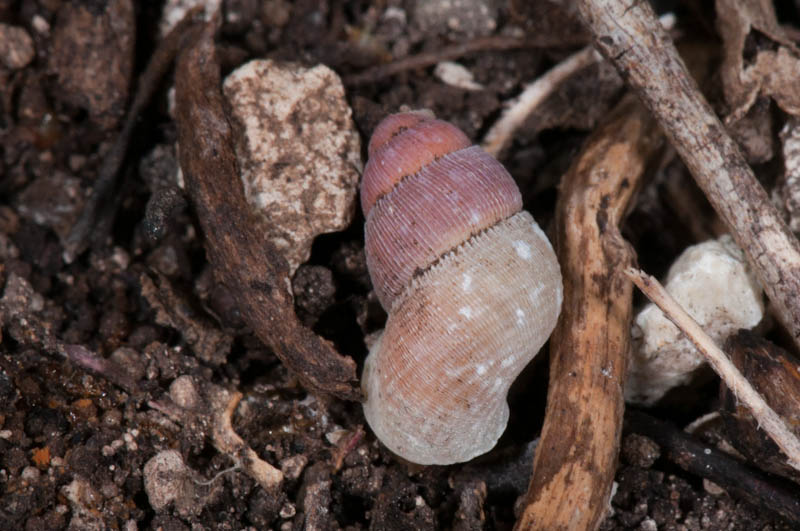
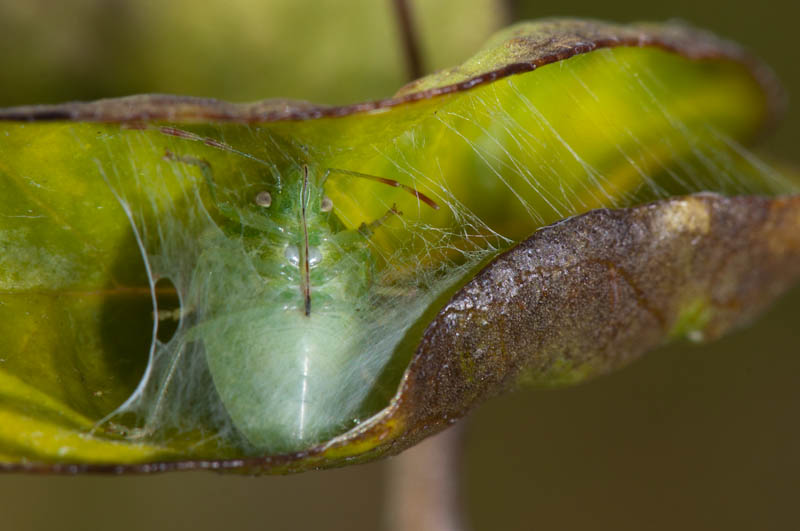
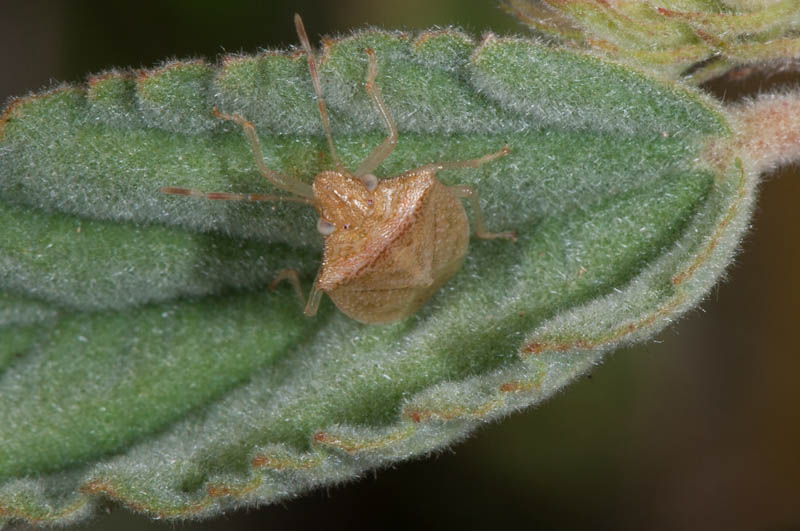
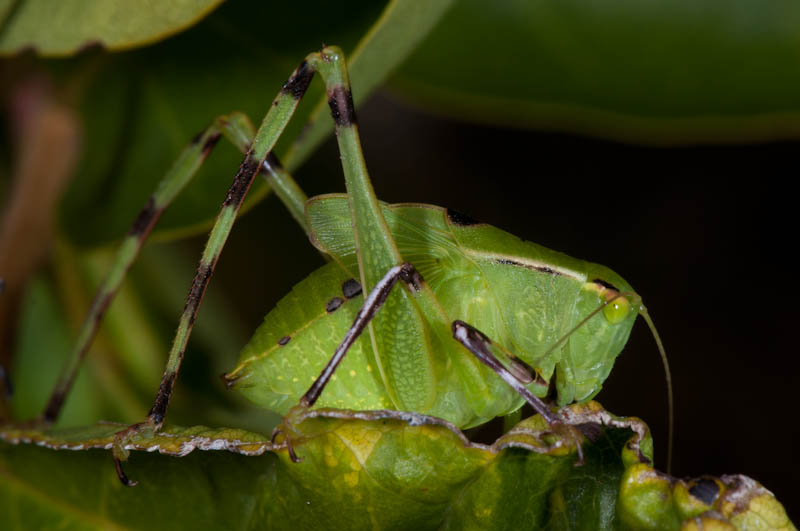
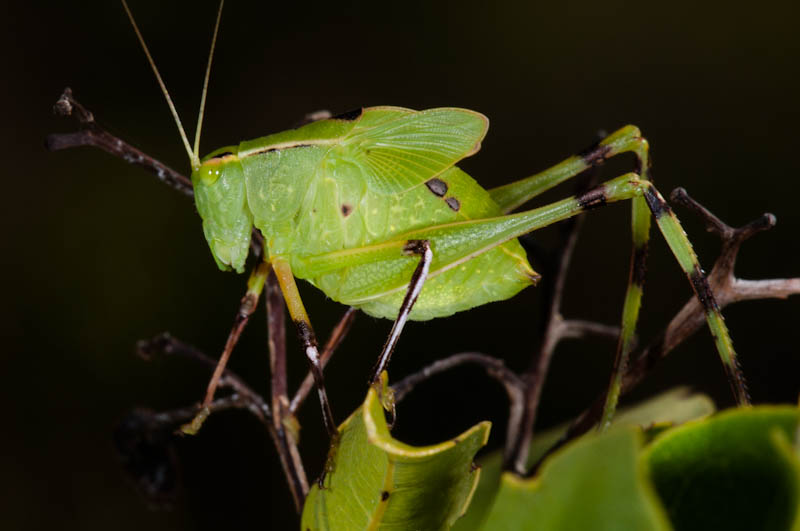
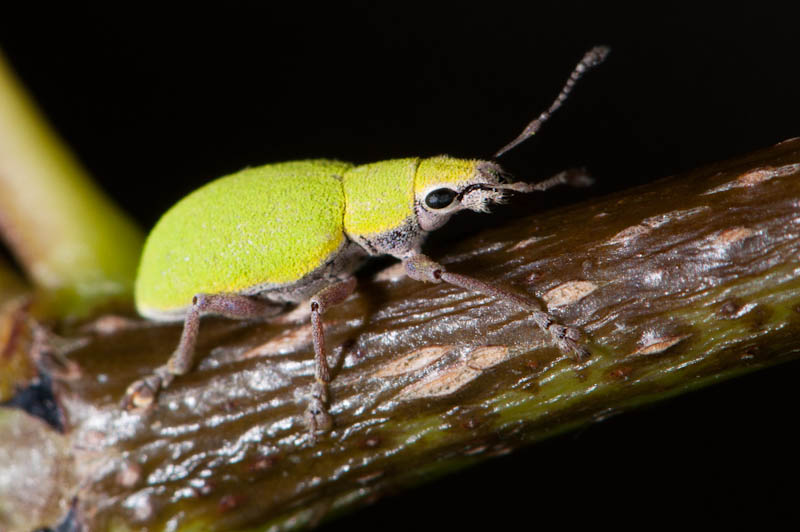
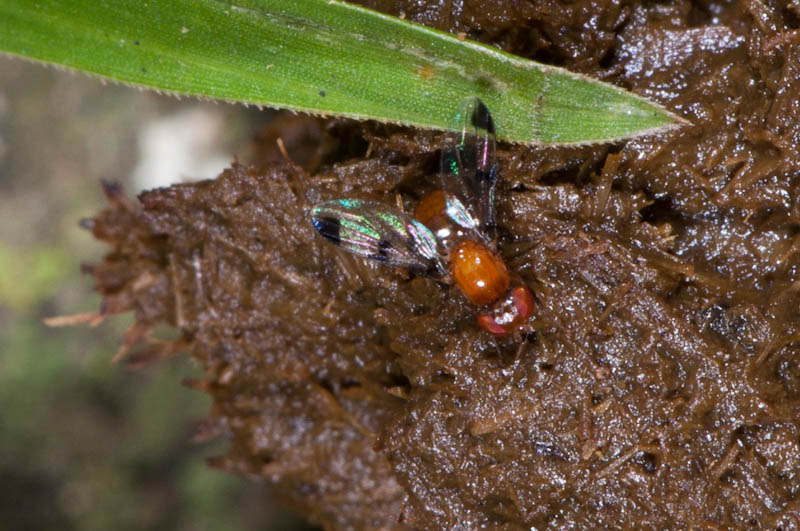
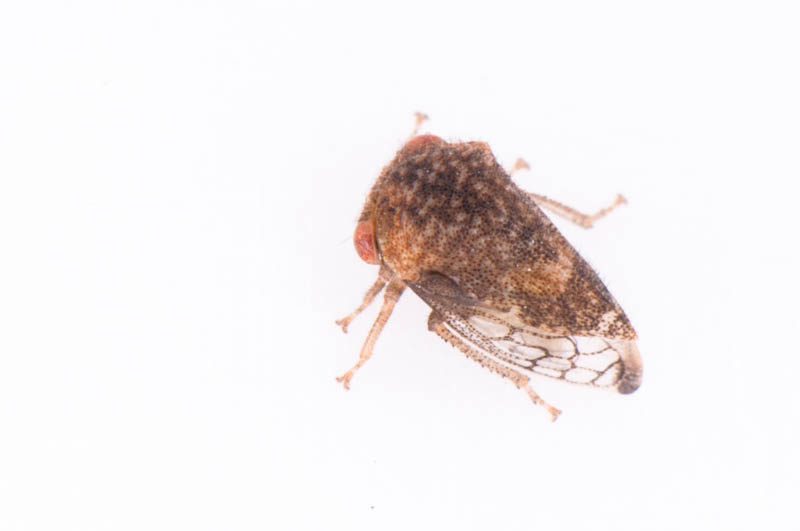
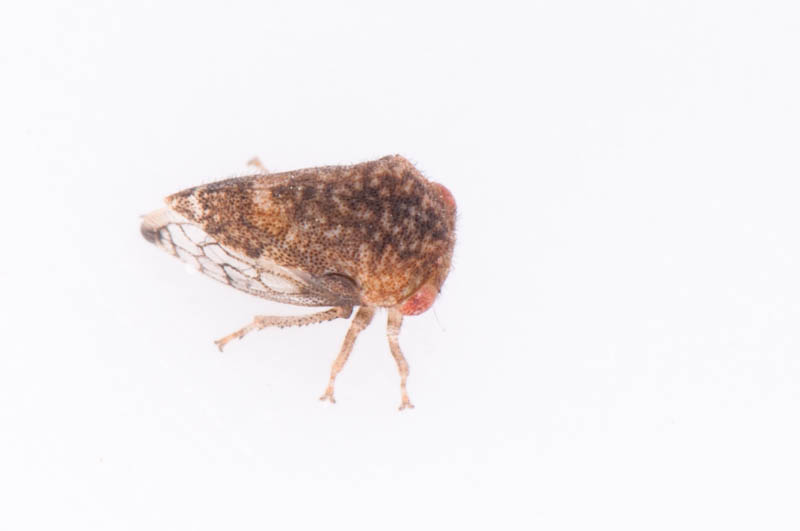
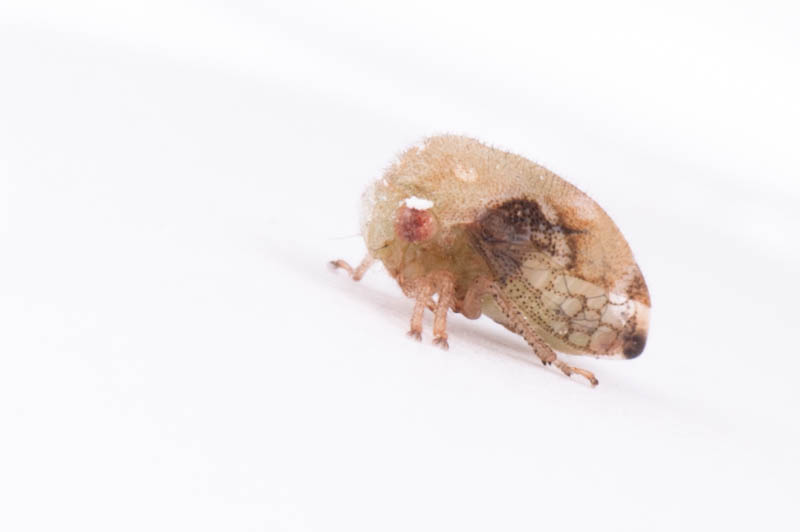
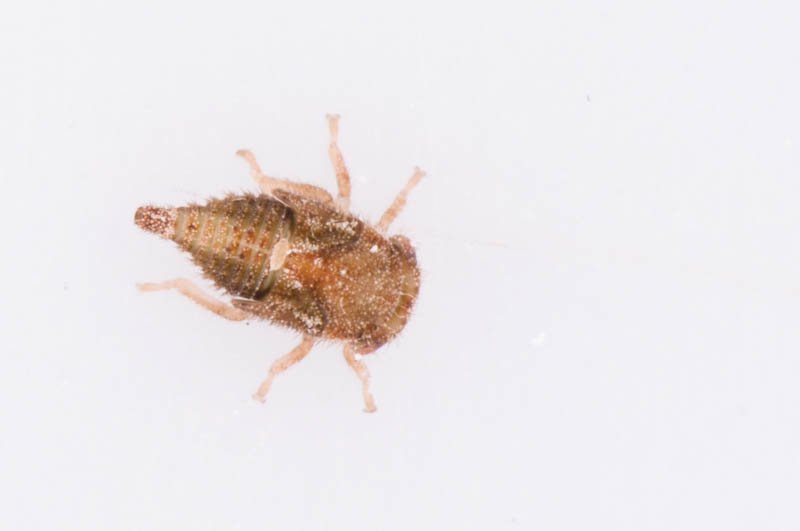
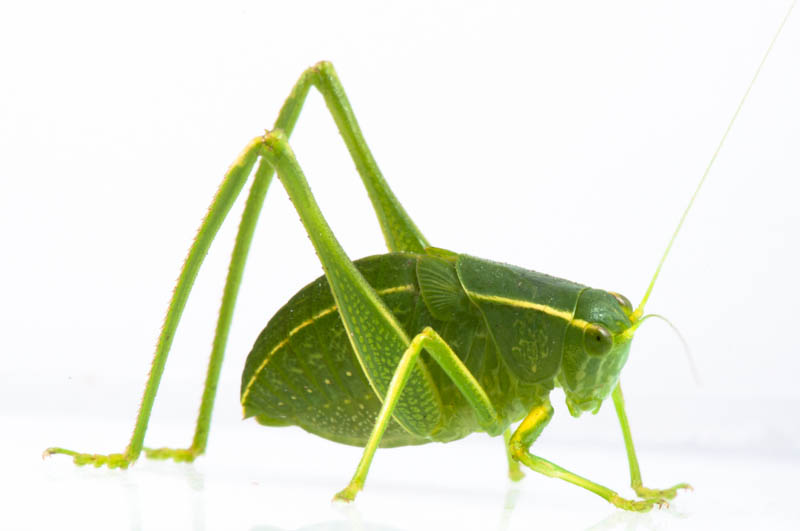
Tucked away between Maho and the Simpson Bay Lagoon is a nice strip of scrub running along Pointe Pirouette. While killing some time between dropping off and picking up friends at the airport, I explored the overgrown dirt tracks that cut through the scrub and found a variety of interesting invertebrates.
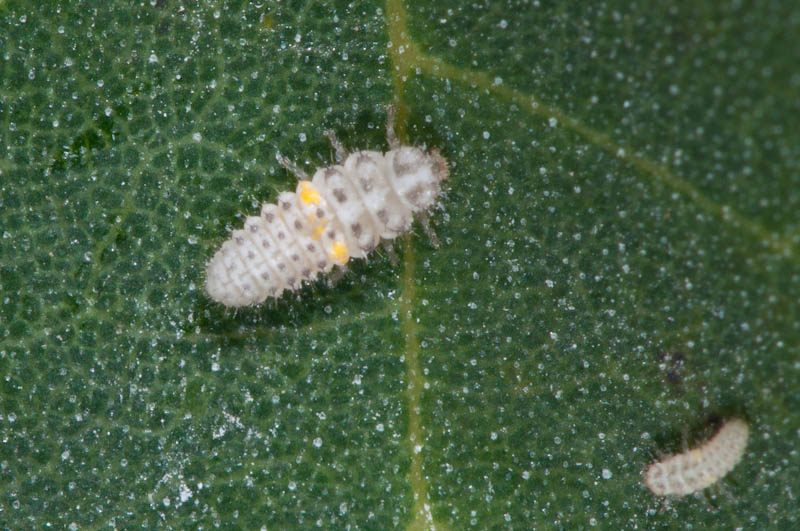
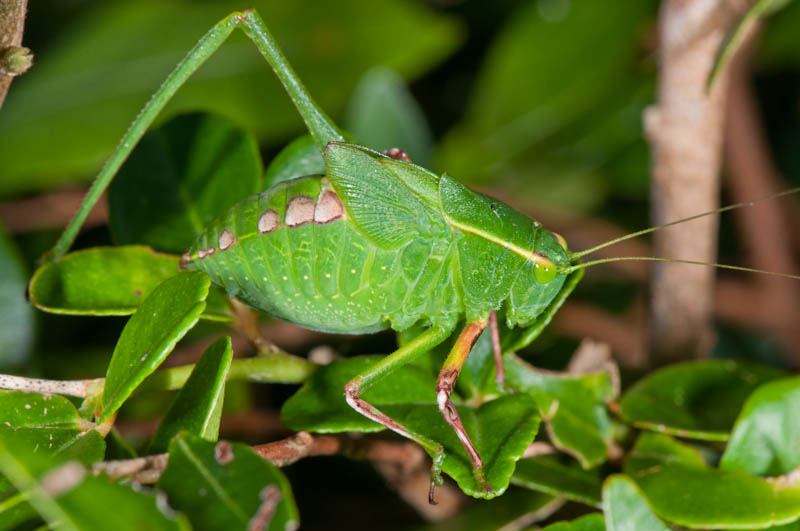
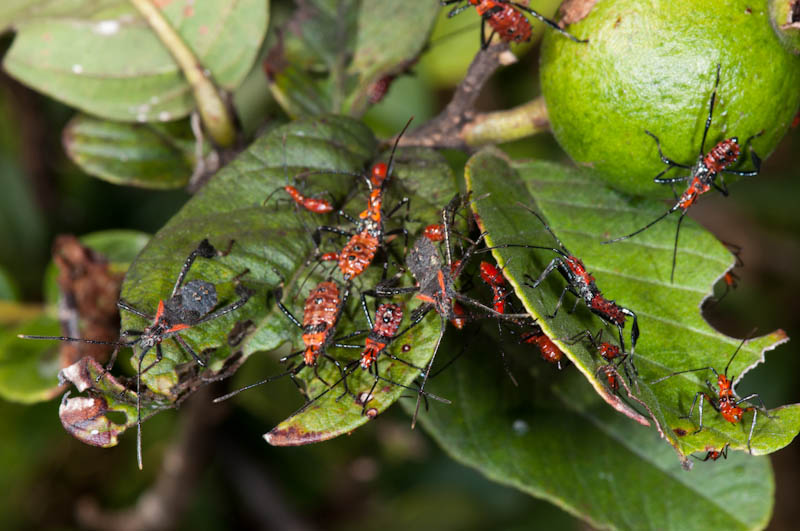
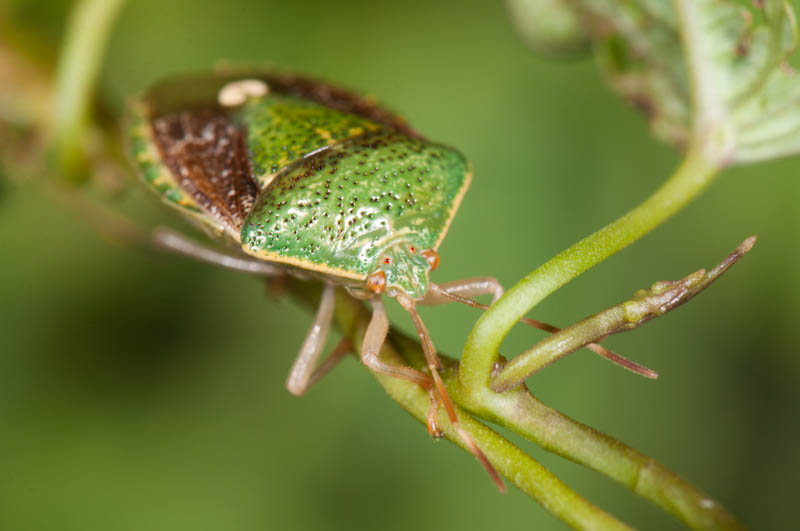
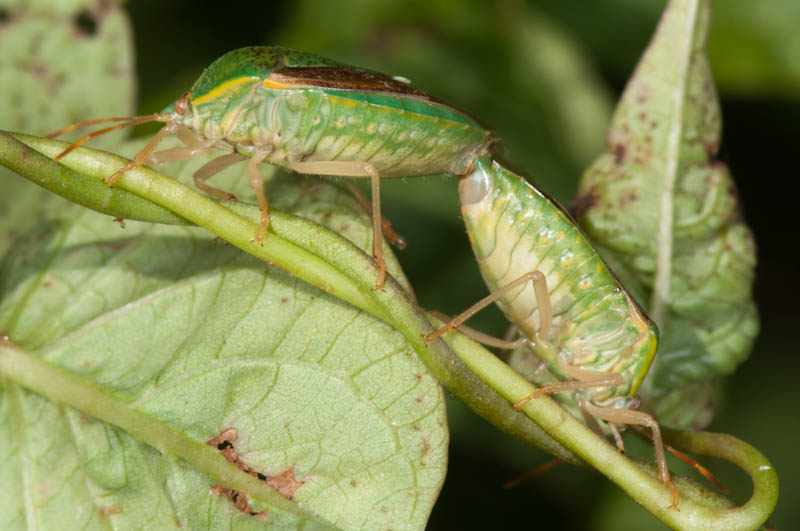
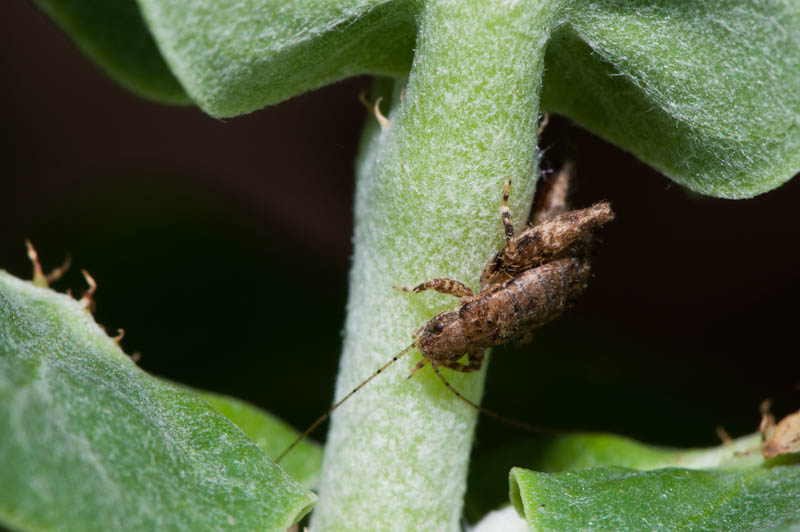
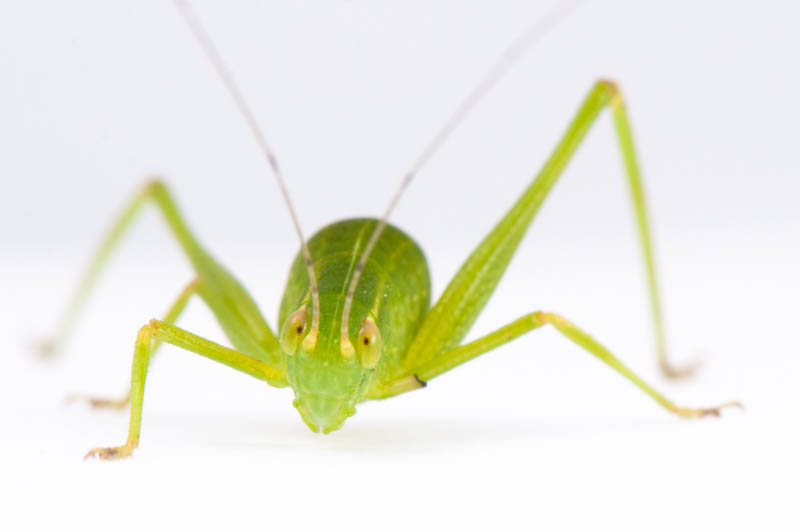
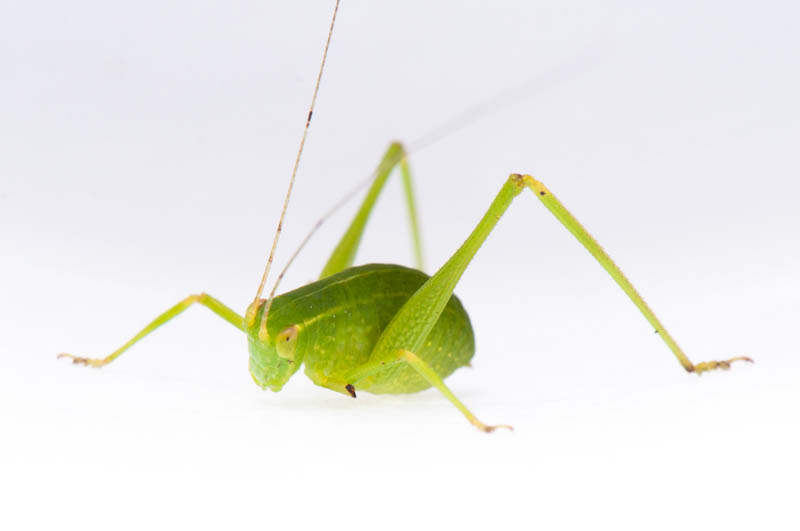
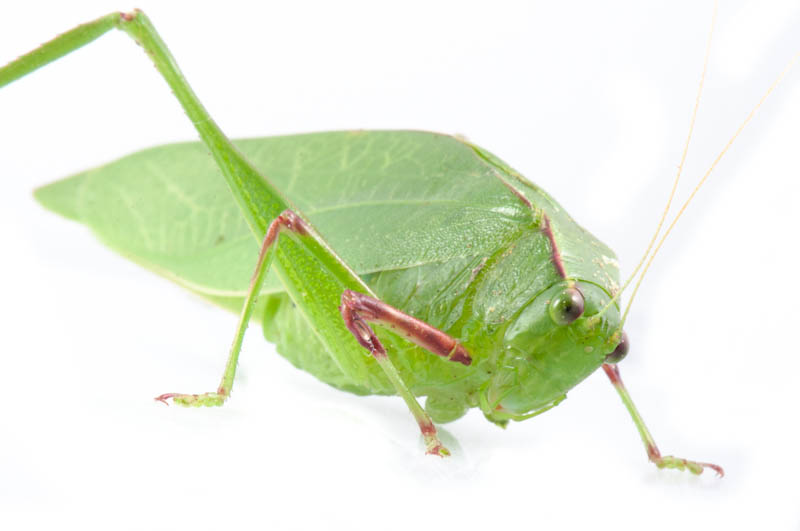
The coolest thing I found were some debris-carrying lacewing larvae. These hunters camouflage themselves with various debris, including the exoskeletons of their prey. There were also plenty of stink bugs, katydid nymphs and fuzzy green weevils. Although the area may not be as beautiful or species-rich as some areas of the island, it’s a lovely, and accessible patch of scrub in an otherwise largely-developed area.
Posted in Explorations, Les Fruits sur la Terre
Comment on this post.
March 1st, 2012 by Marc AuMarc
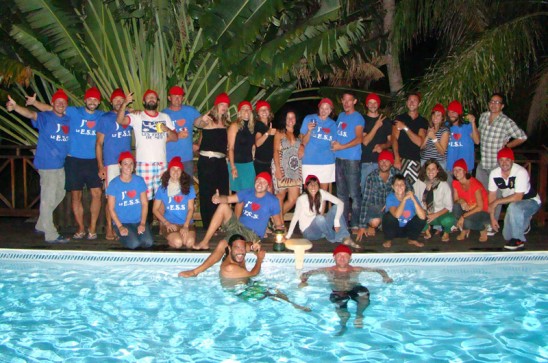
We had the fourth annual Tacousteau, celebrating the works of our inspiration, Jacques-Yves Cousteau, and the delicious Mexican food tacos. Our first-ever snorkeling contest was won by Xander Petrelluzzi, who retrieved all seven submerged sea creatures on one breath in just 16.7 seconds!
Posted in Fruits News
Comment on this post.
March 1st, 2012 by Marc AuMarc
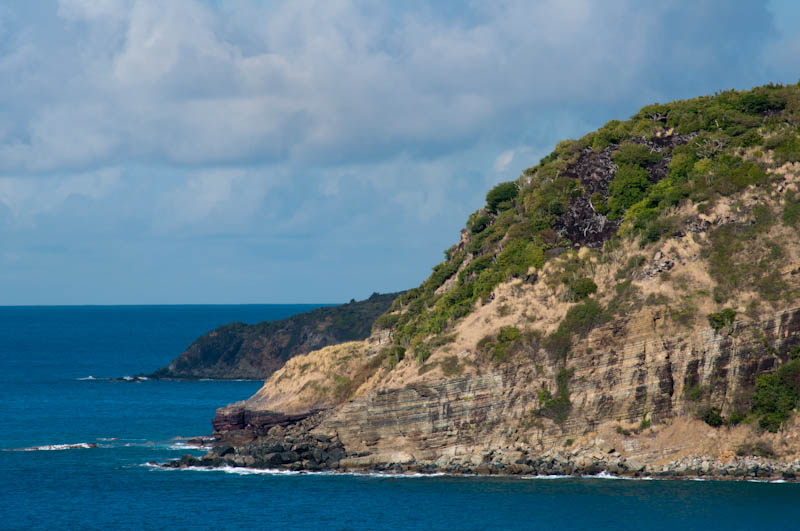
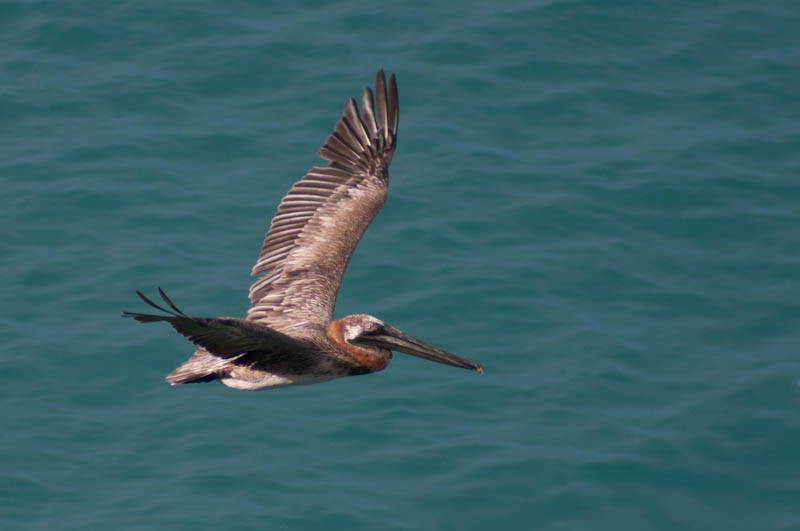
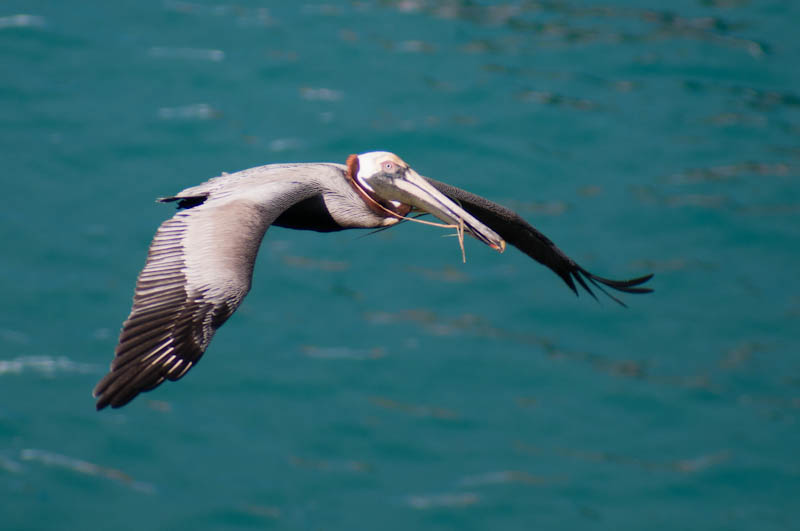
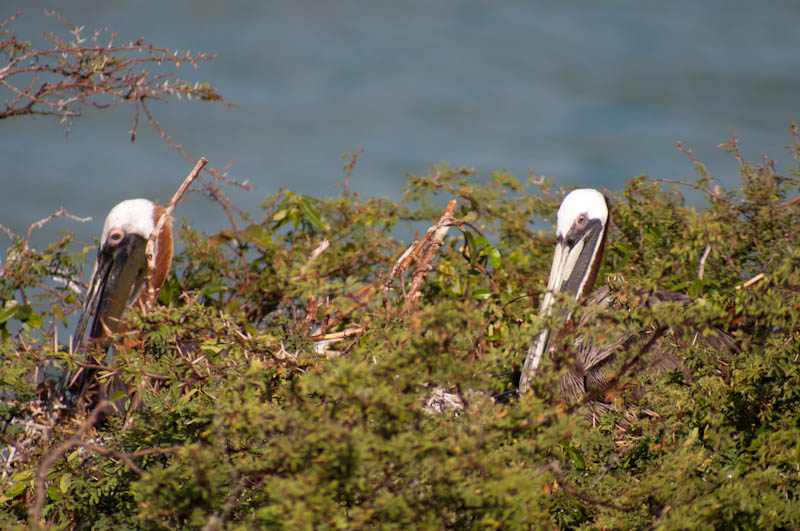
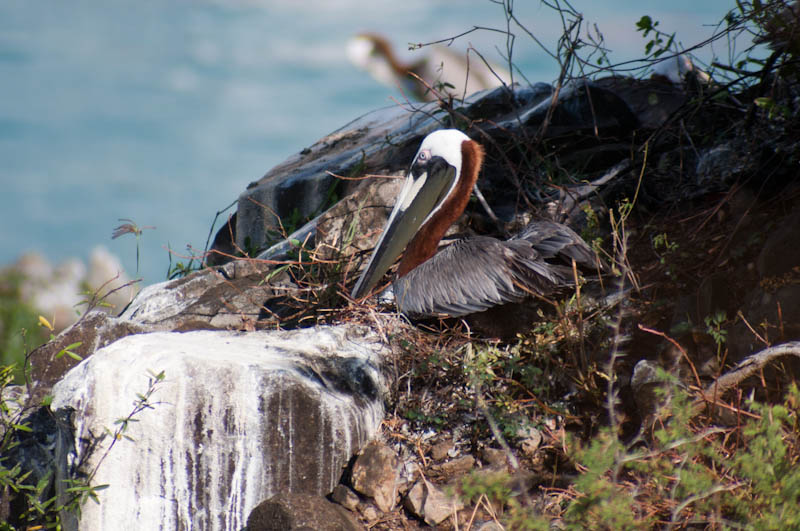
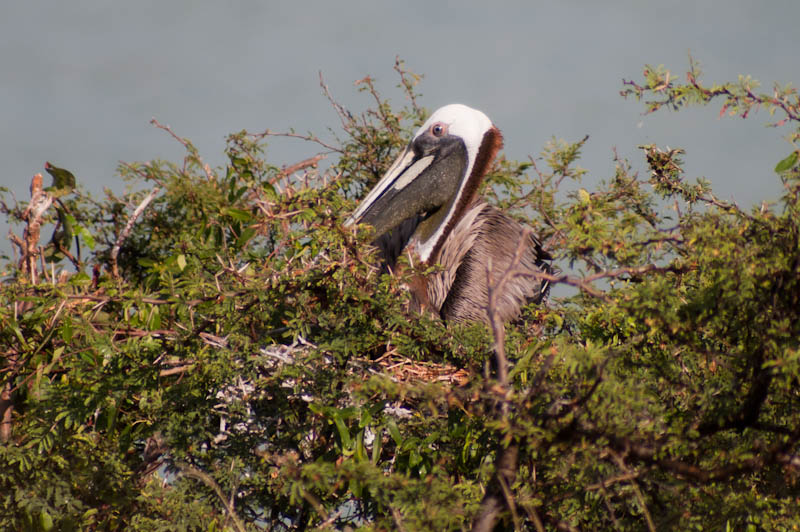
There are few cases when manmade construction actually preserves habitat, but on occasion it does happen. On a recent visit to Fort Amsterdam, I had the pleasure of seeing brown pelicans building their nests on the nearby cliffs. Although it’s impossible to know for sure, it definitely seems likely that if there were no ruins of Fort Amsterdam, the area would have been developed for tourism and the pelicans wouldn’t be nesting there. A win-win for history and natural history on the island.
Posted in Arts & Culture, Les Fruits sur la Terre, Pour les Sciences
Comment on this post.
February 23rd, 2012 by Marc AuMarc
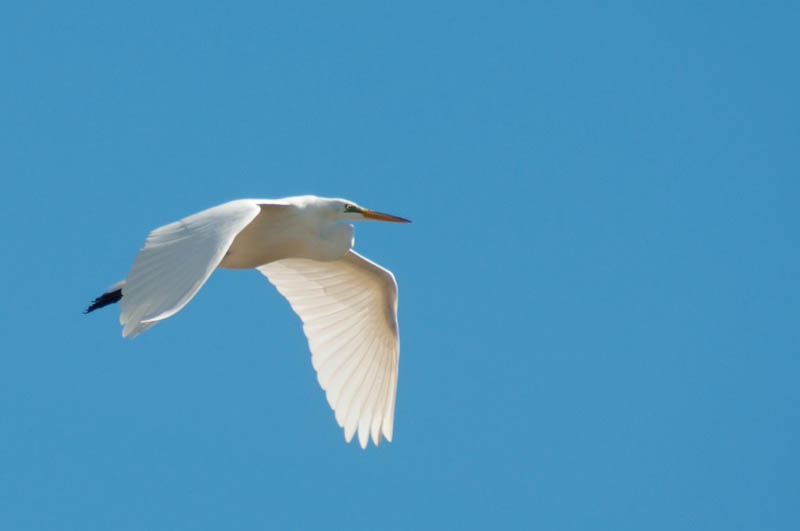
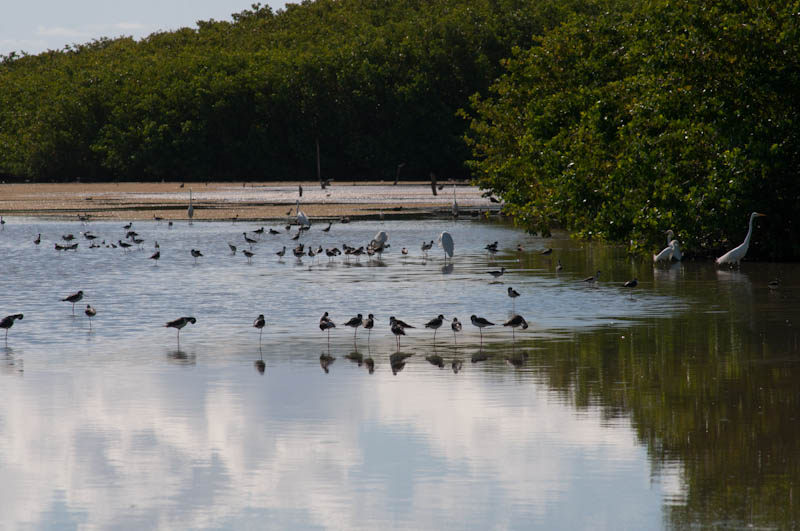
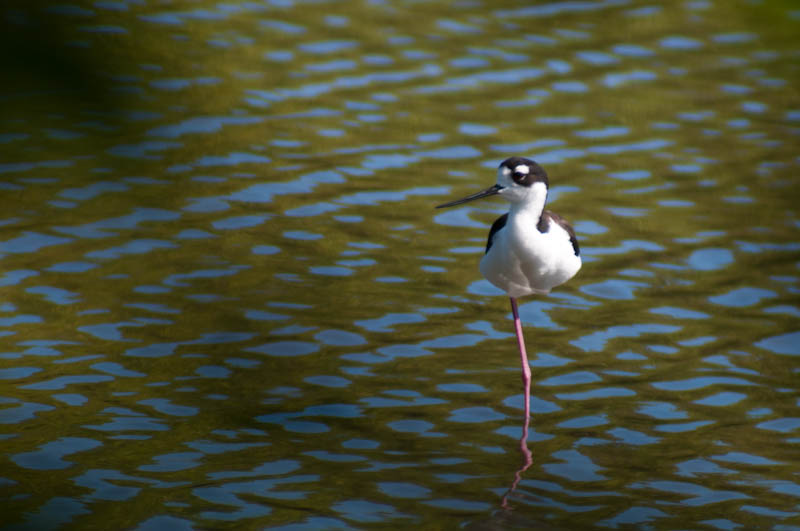
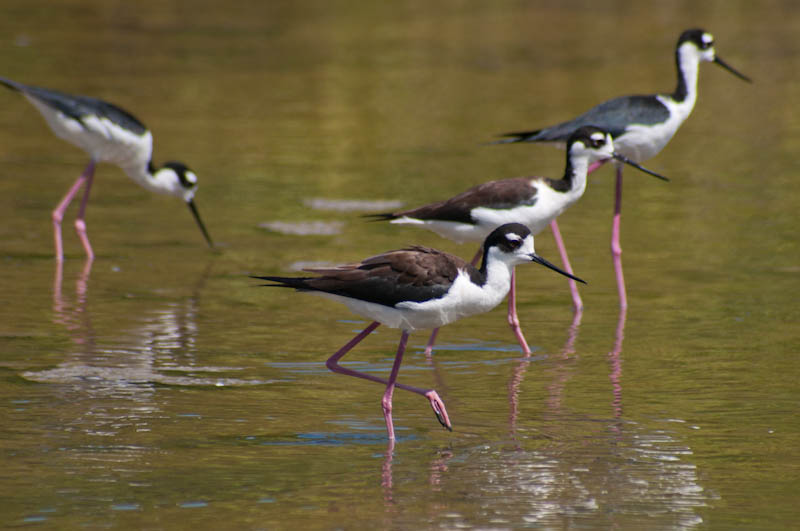
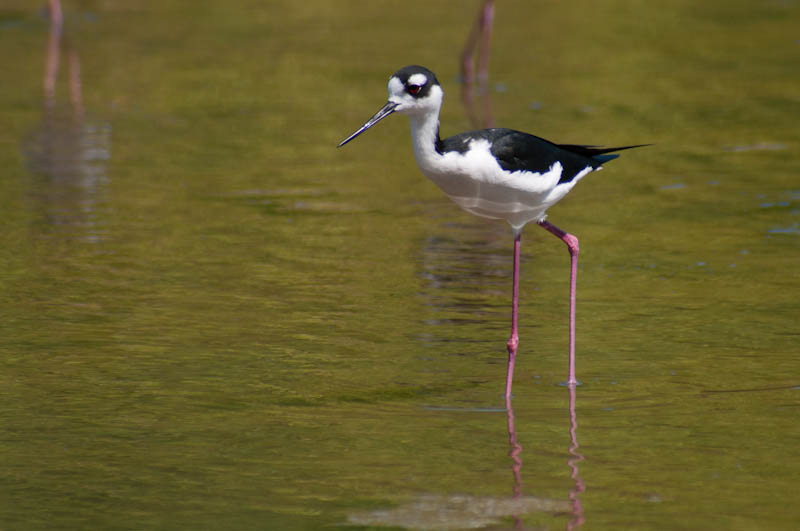
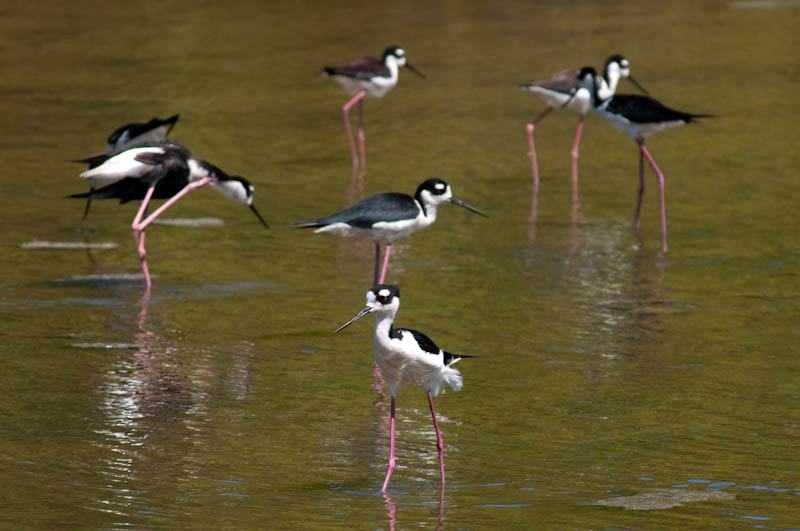
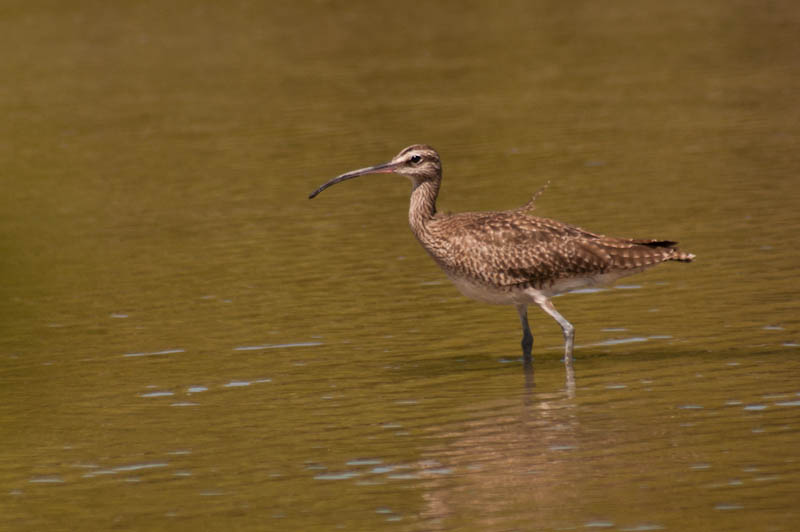
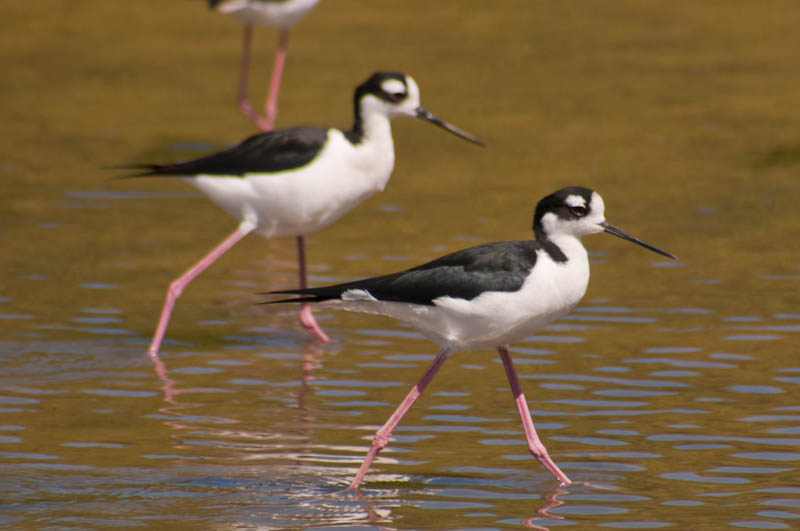
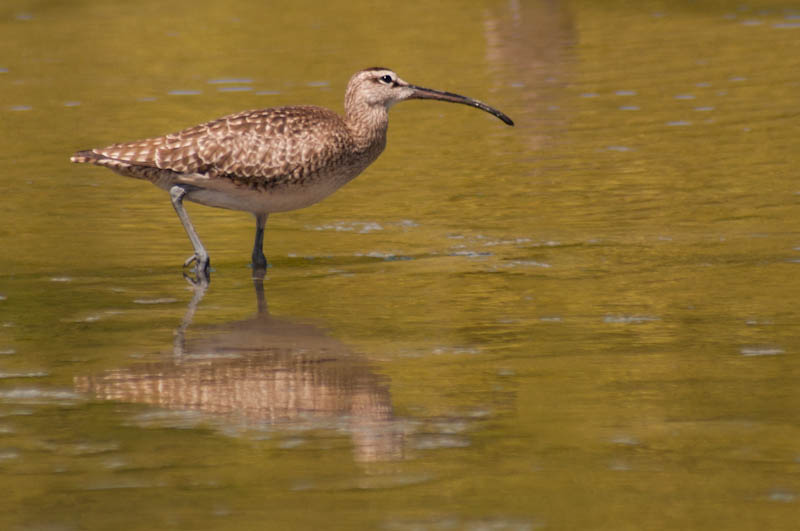
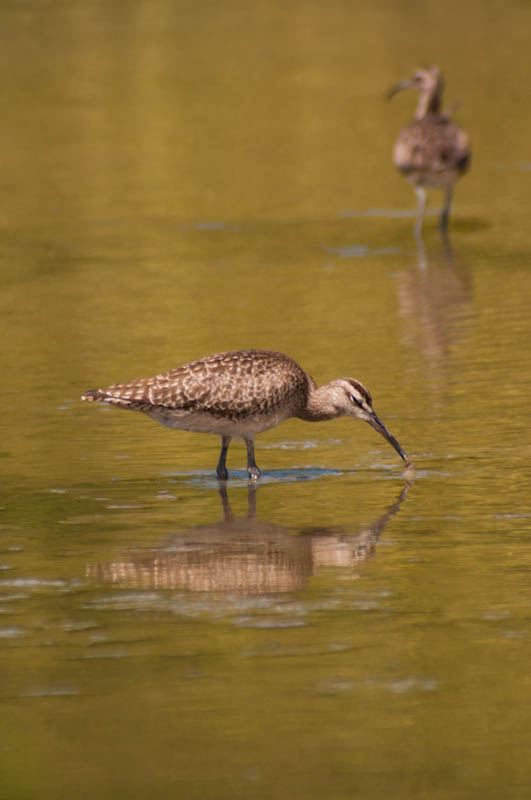
Right now, there are very few birds in many parts of Salines d’Orient, but birds can be found by exploring the mud flats that are often covered in water during wetter times. Below are some photos from visits over the last week, including several of black-necked stilts and Hudsonian whimbrels.
Soon, with the start of the nesting season, this area will be home to very well camouflaged bird nests, so walking around there is not recommended. Of course, having seen mongoose there recently, humans aren’t the only threat to these nests.
Posted in Les Fruits sur la Terre
Comment on this post.
February 23rd, 2012 by Marc AuMarc
There aren’t a whole lot of different butterflies on St. Martin, around 30 species compared to perhaps 1,000 insects total. After not seeing any new butterflies for many months, I saw two new ones in about a week.
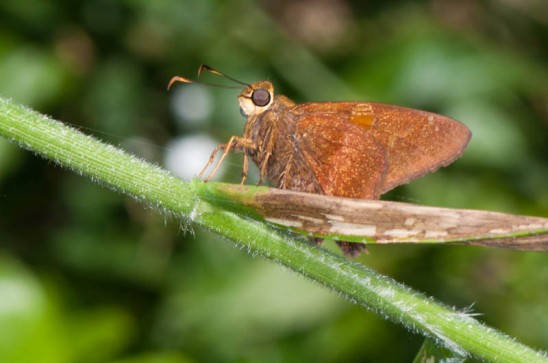
The first was along the Crest Trail between Mt. Flagstaff and Pic Paradis. The Zestos skipper (Epargyreus zestos) is fairly large for a skipper, and a lighter brown than other species on the island of a similar size.
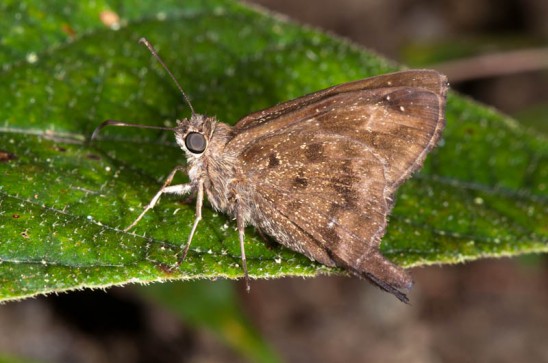
The other skipper was also in the highlands, between Hope Hill and Pic Paradis. The dark longtail (Urbanus obscurus) would be easy to overlook, as it looks similar to a couple more common species, the hammock skipper and the long-tailed skipper. Up-close, it is pretty easy to distinguish, as it has fewer markings, and its tails are halfway between the little stubs of the hammock skipper and the very long tails of the long-tailed skipper.
Posted in Les Fruits sur la Terre, Pour les Sciences
Comment on this post.
February 18th, 2012 by Marc AuMarc
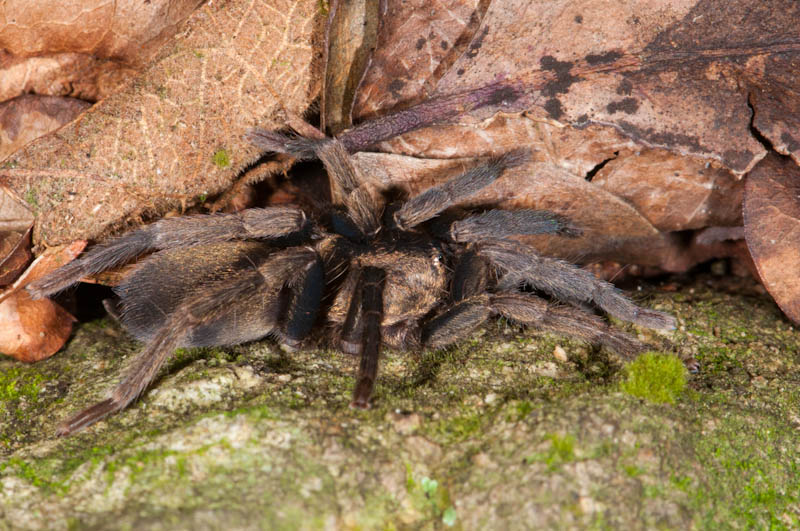
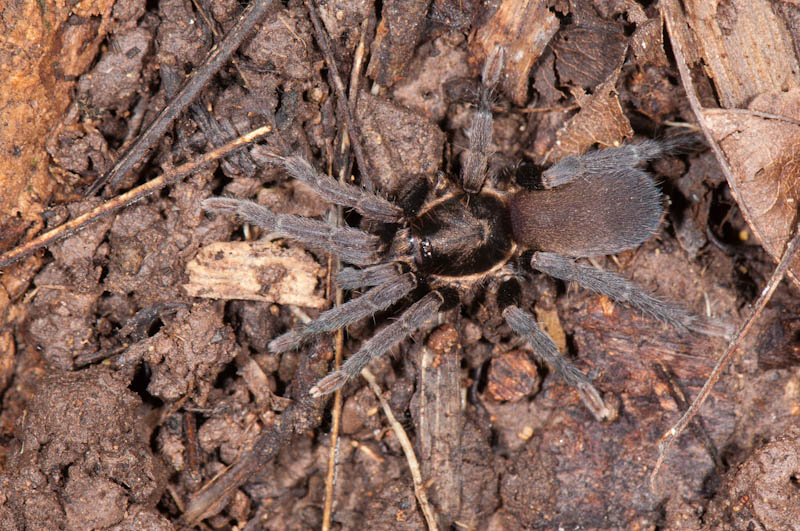
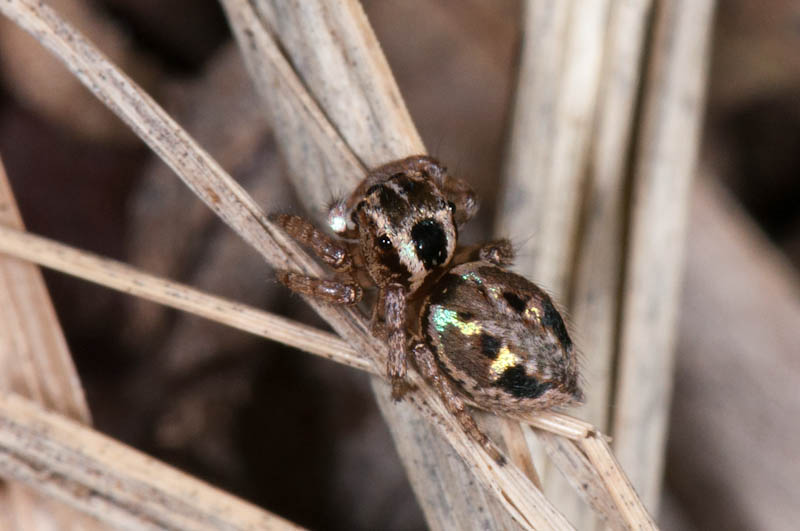
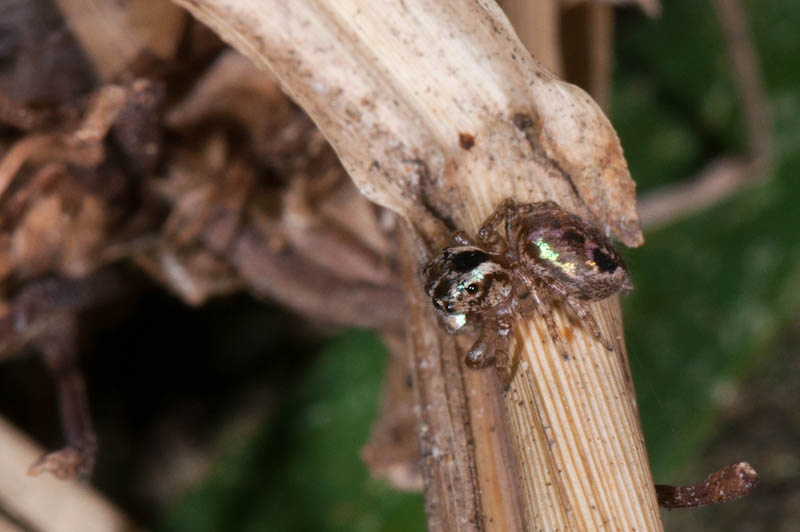
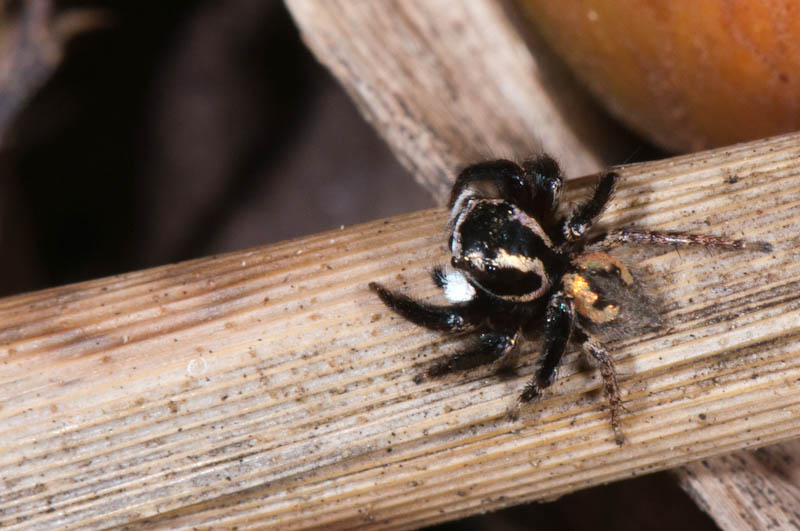
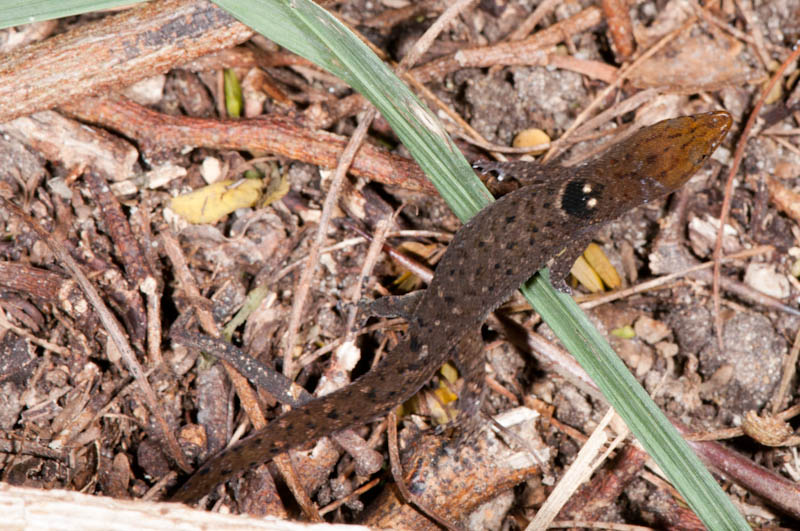
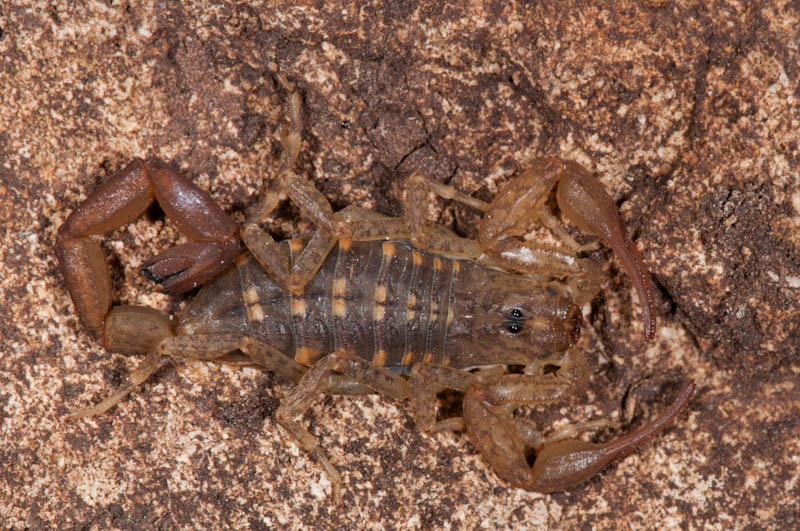
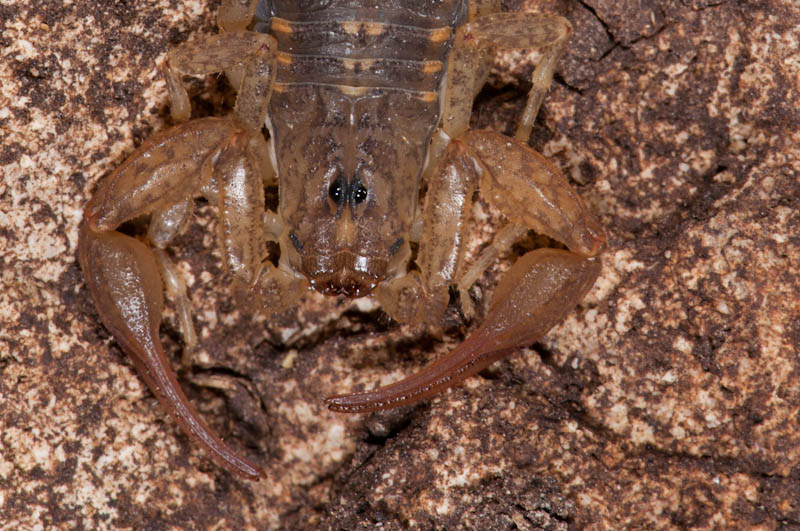
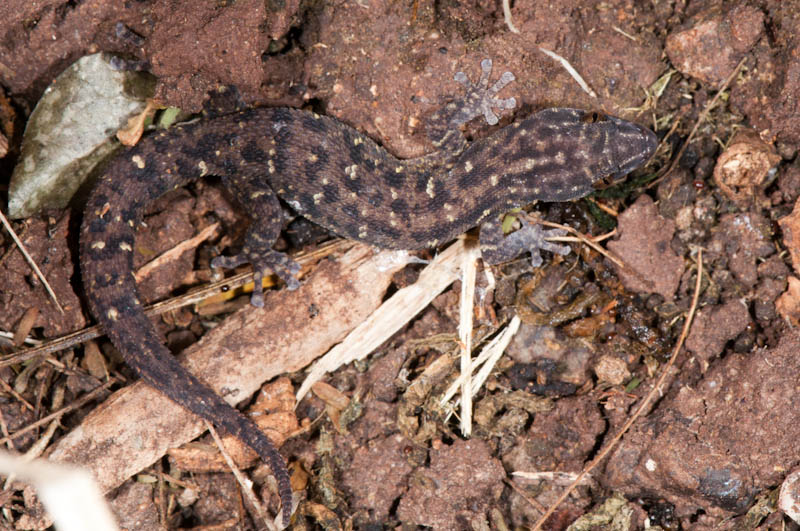
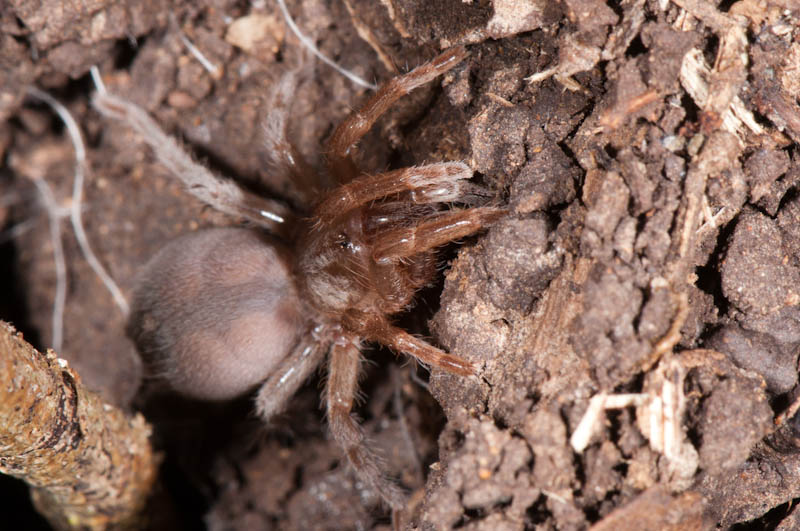
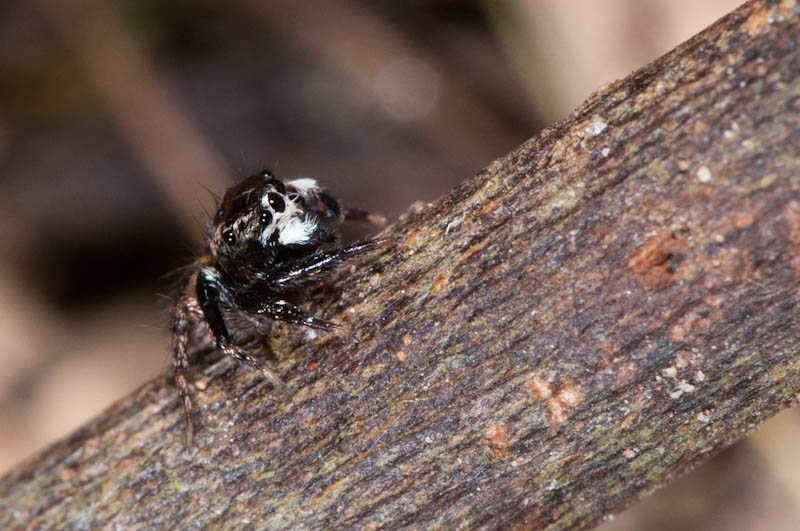
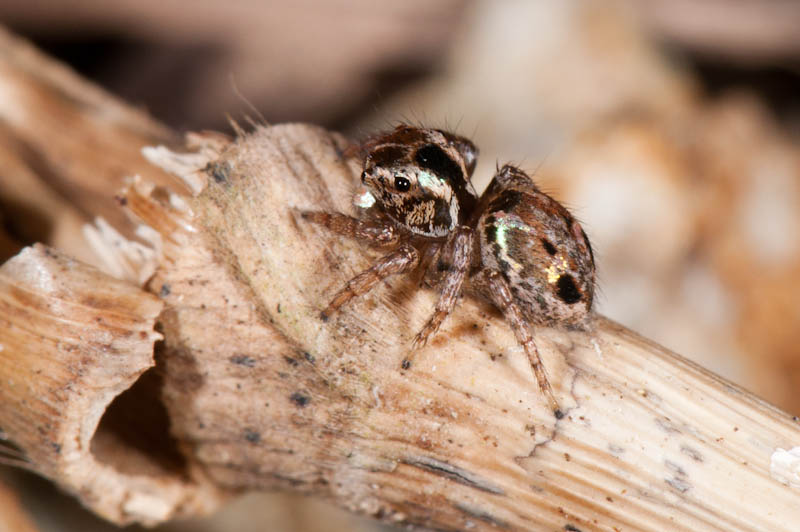
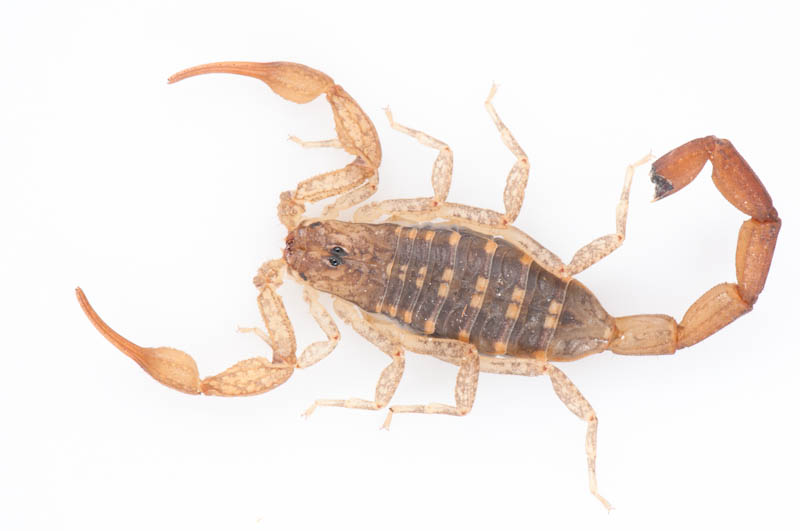
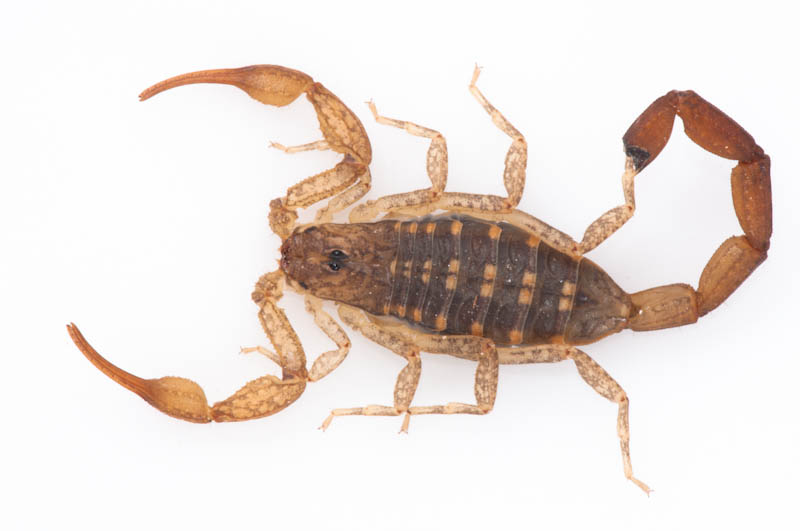
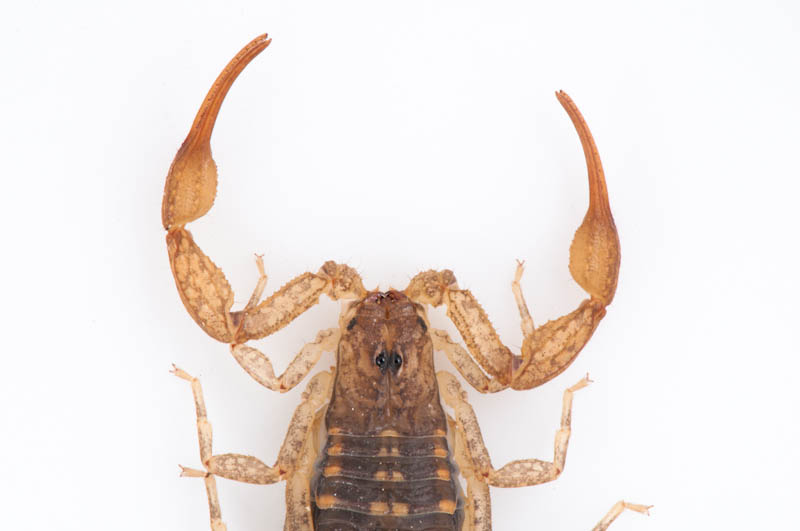
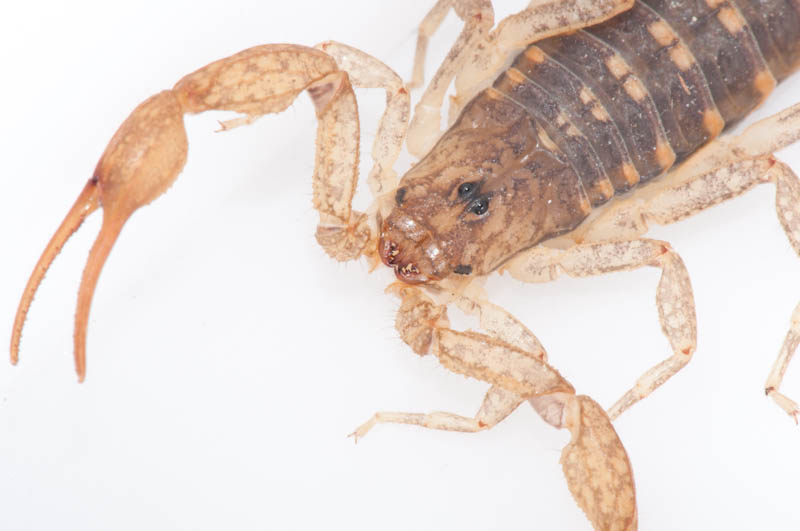
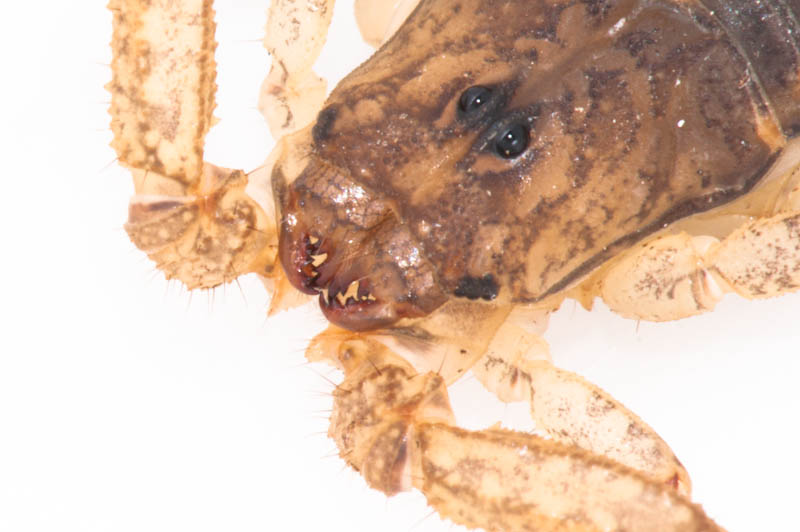
Today I had a fantastic hike from Hope Estate to Pic Paradis via the freshly-cleared Careta Trail. The trail is shady and much more pleasant than the dirt road. I also found three species that I hadn’t ever seen on the island before, including two spiders and a scorpion. Definitely a big day for me! There were also many iridescent jumping spiders, dwarf geckos, tree frogs and many other small and wonderful creatures. I even saw a scaly-naped pigeon, which is a fairly rare sight on the island.
Posted in Les Fruits sur la Terre
Comment on this post.
February 17th, 2012 by Marc AuMarc
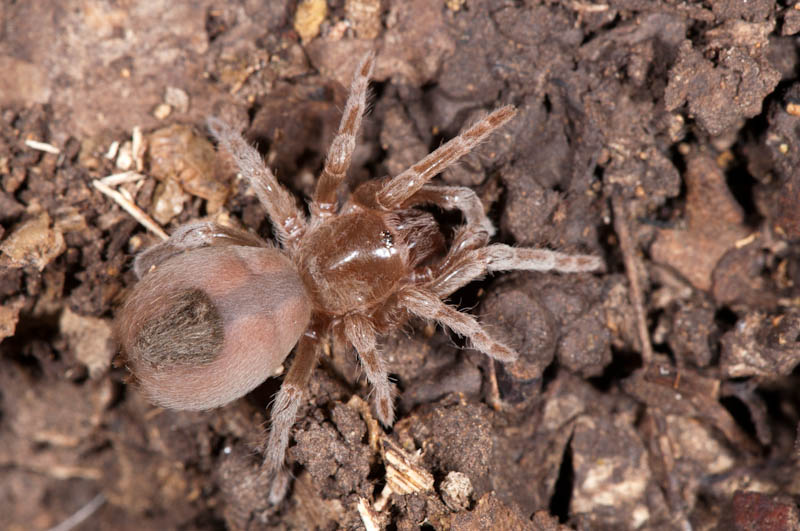
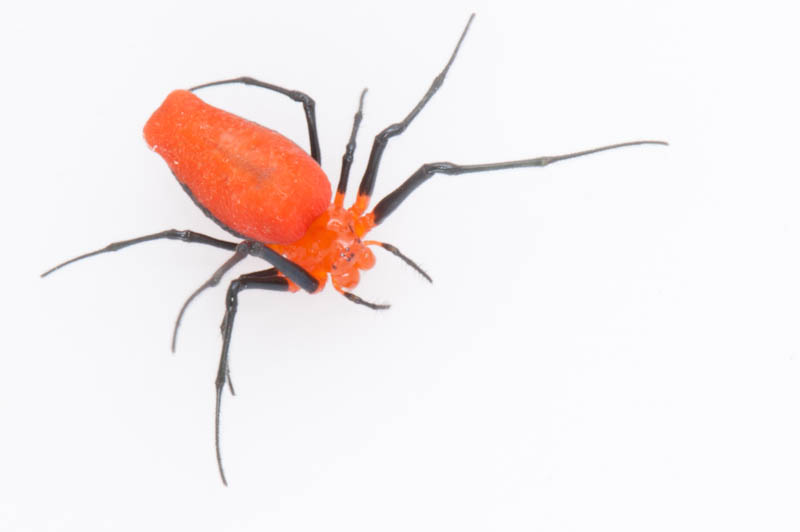
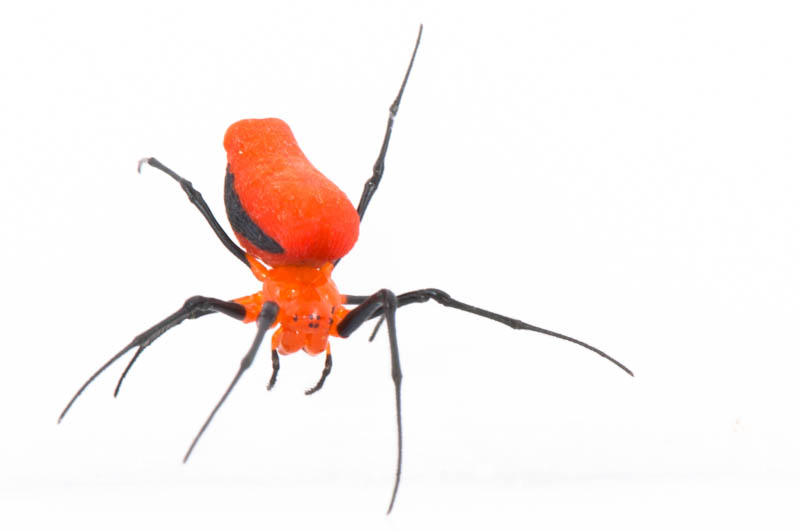
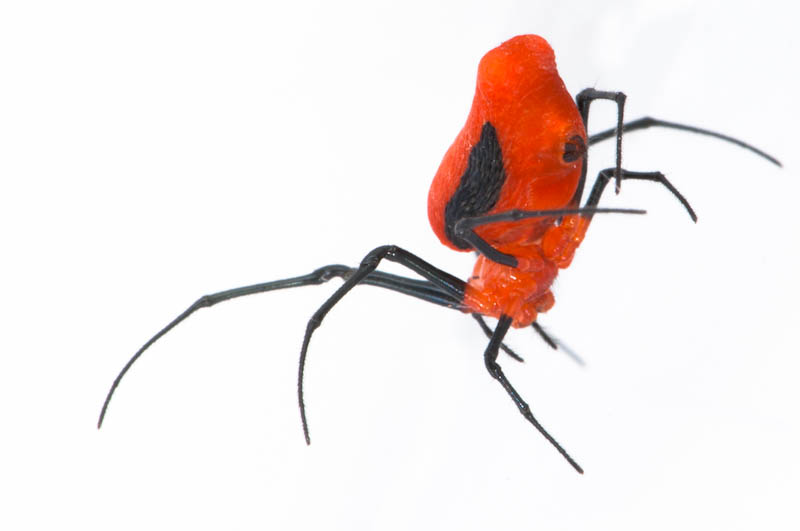
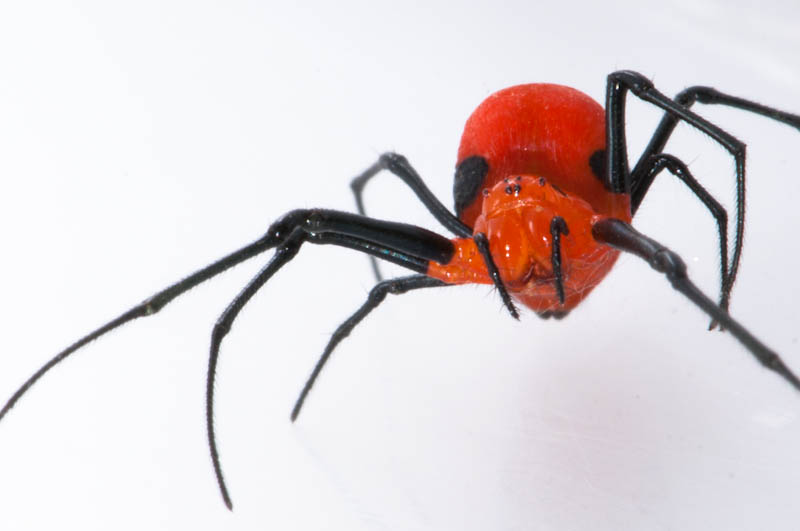
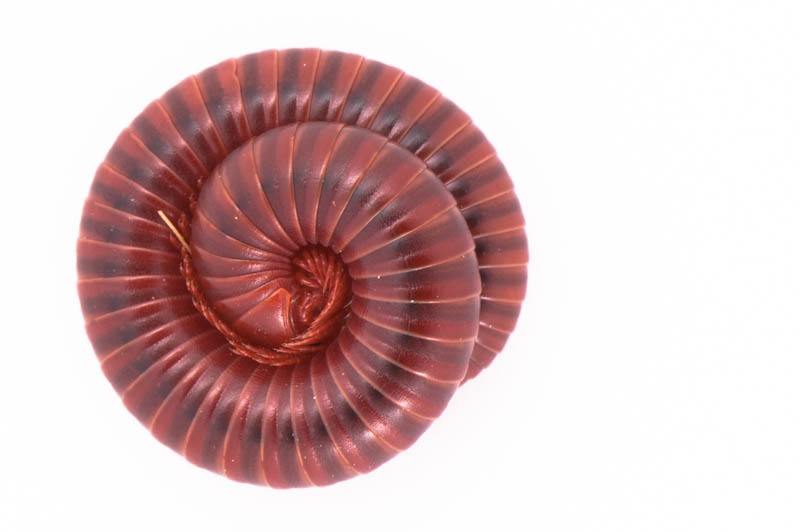
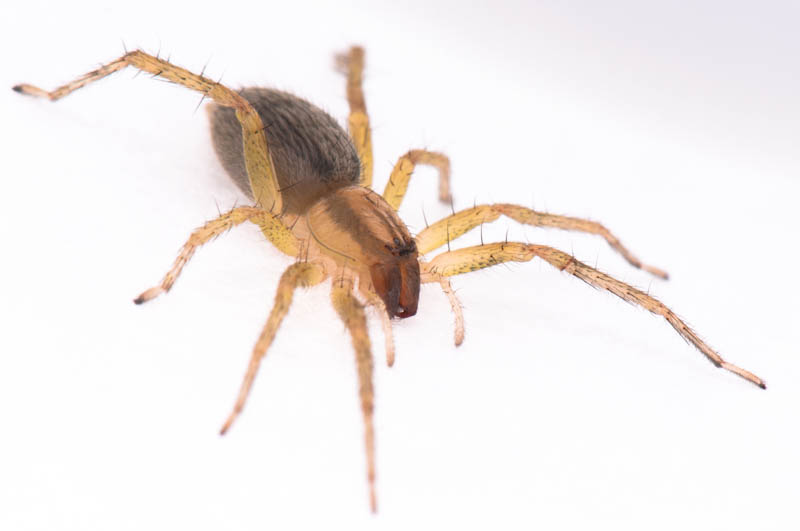
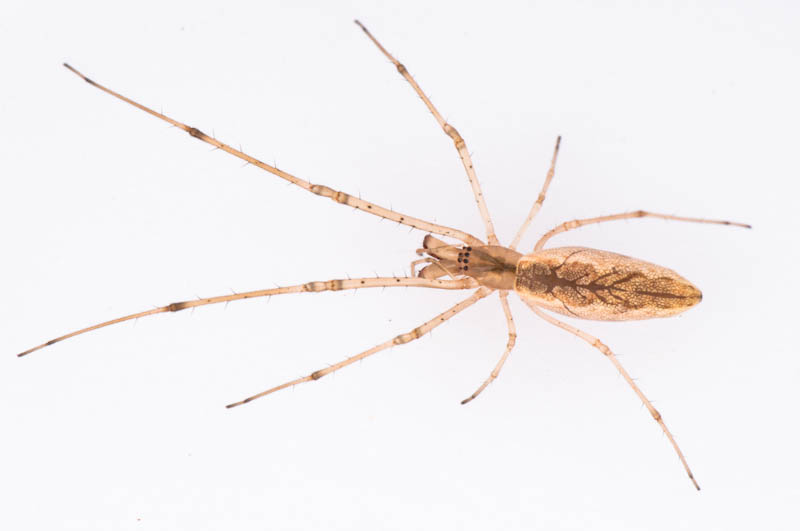
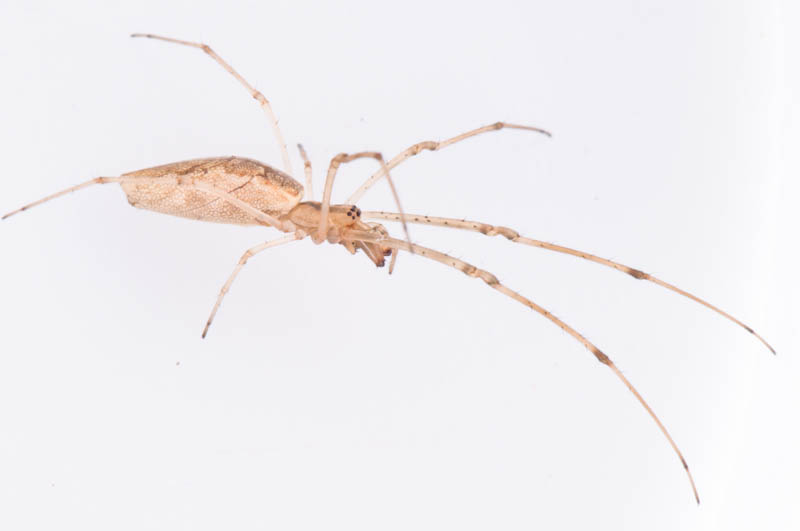
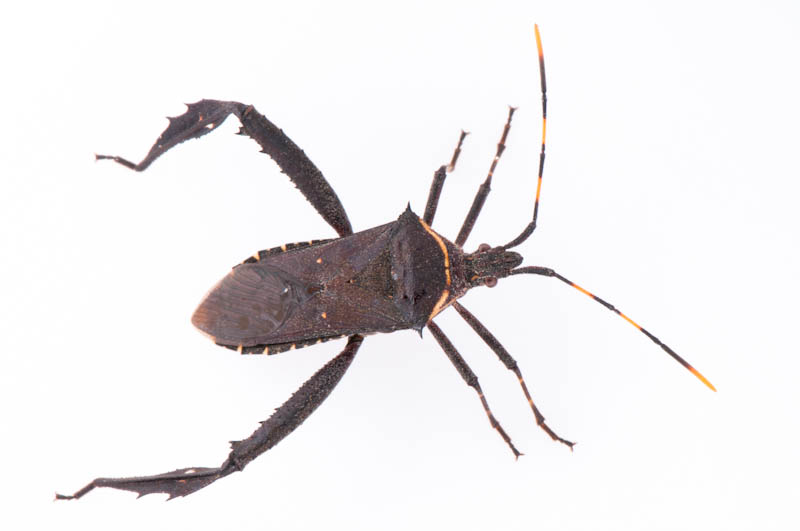
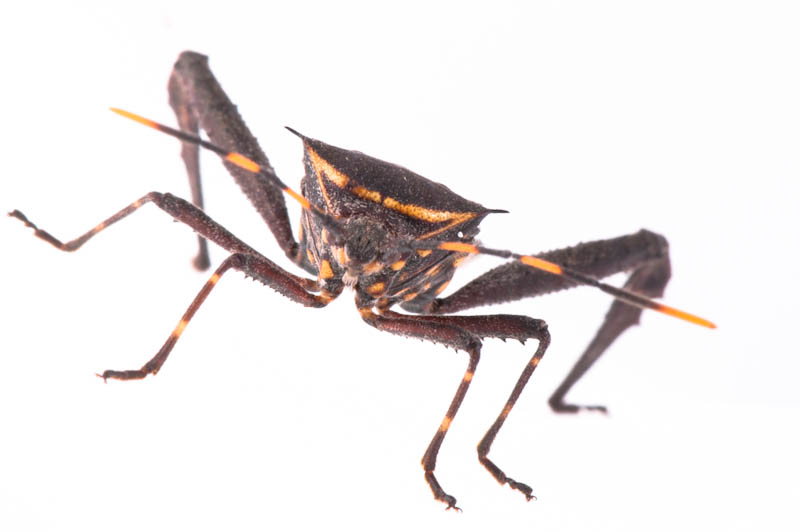
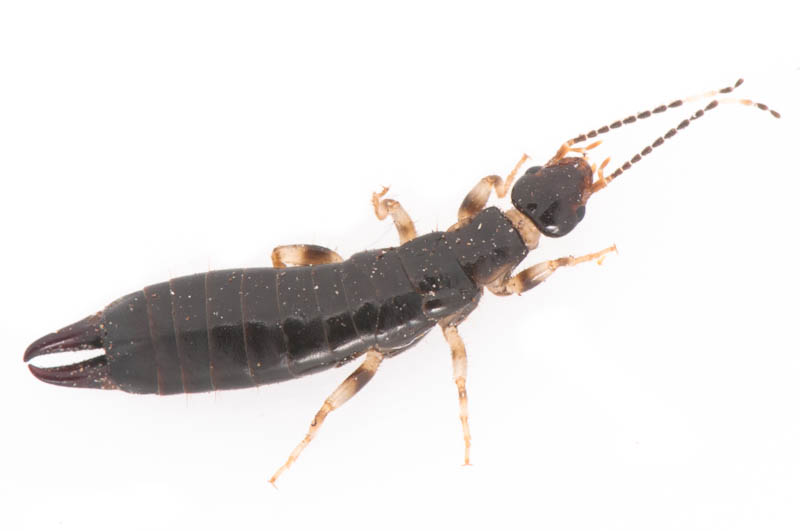
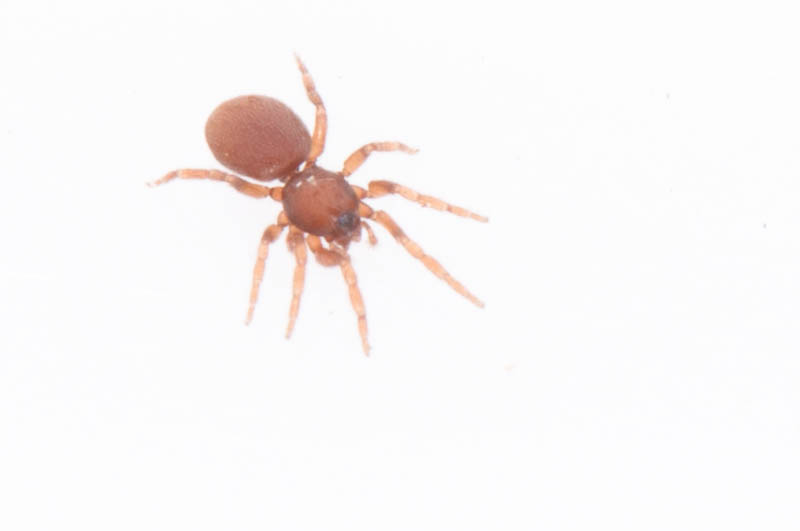
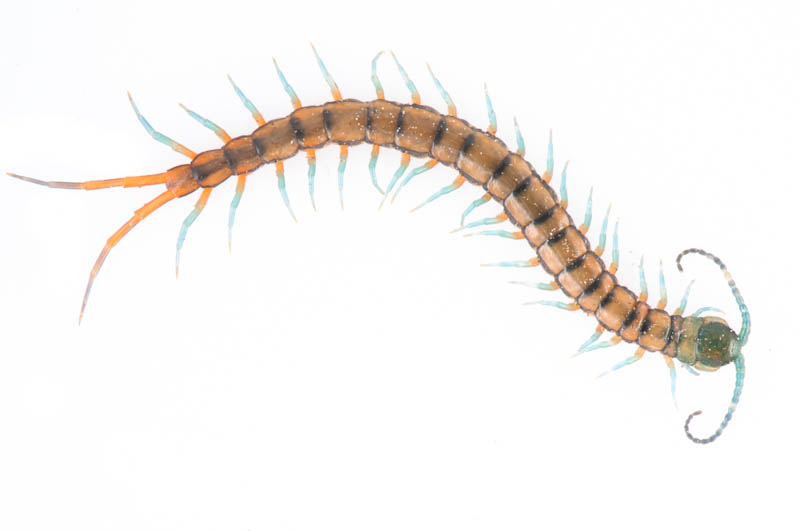
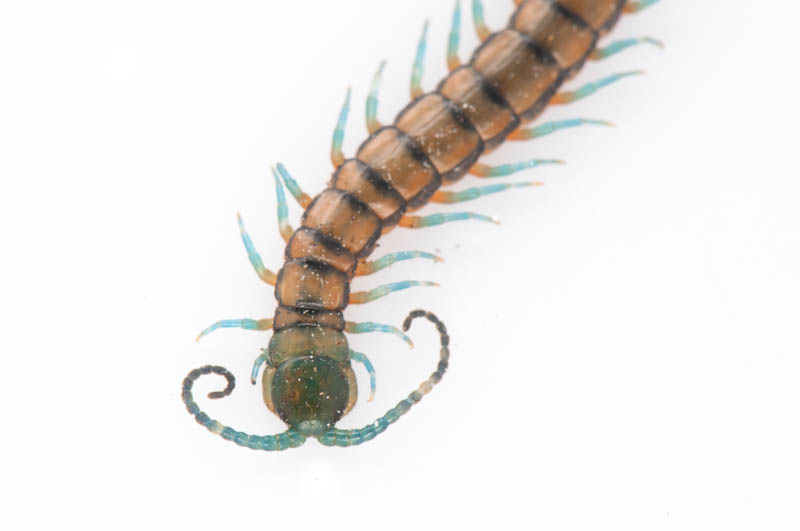
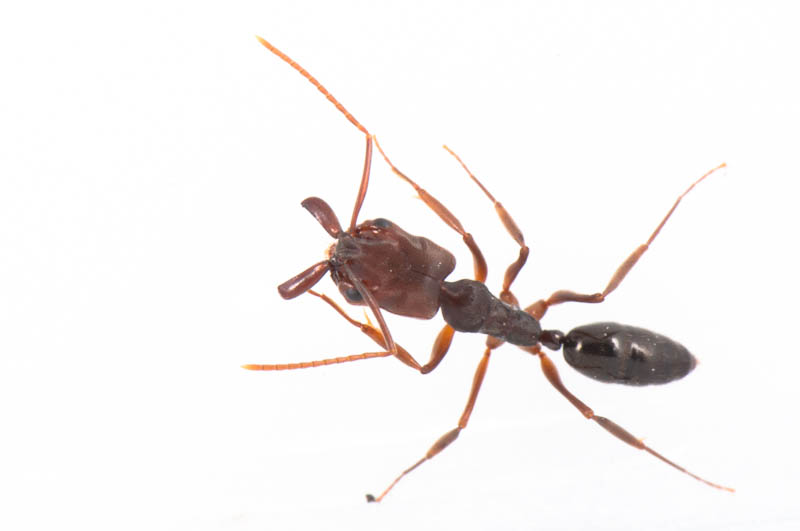
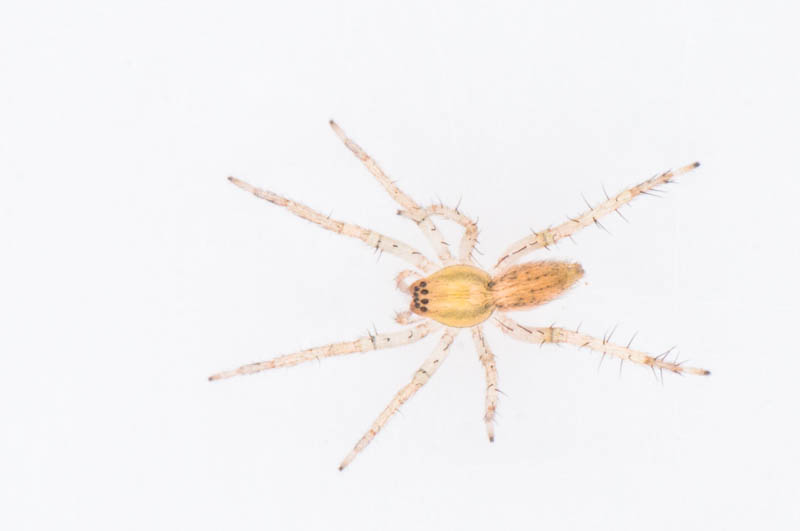
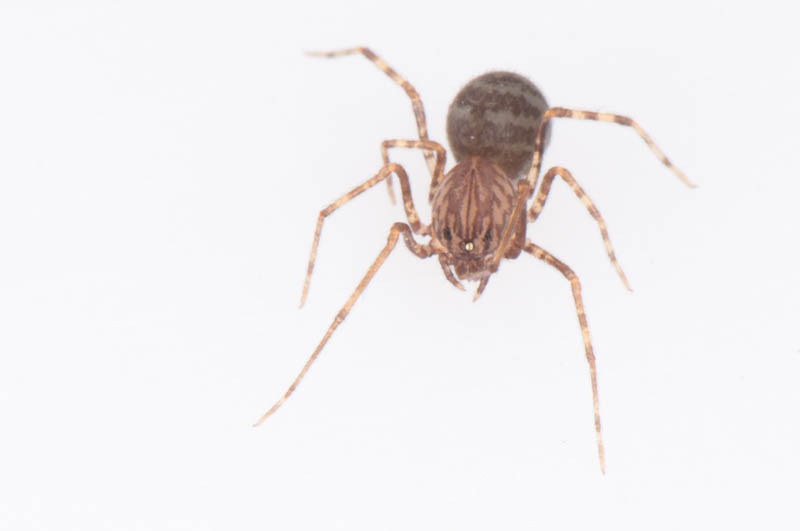
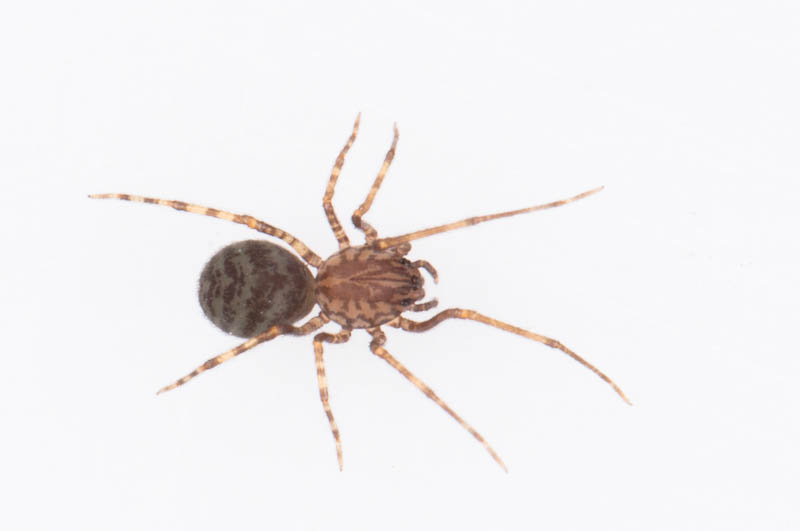
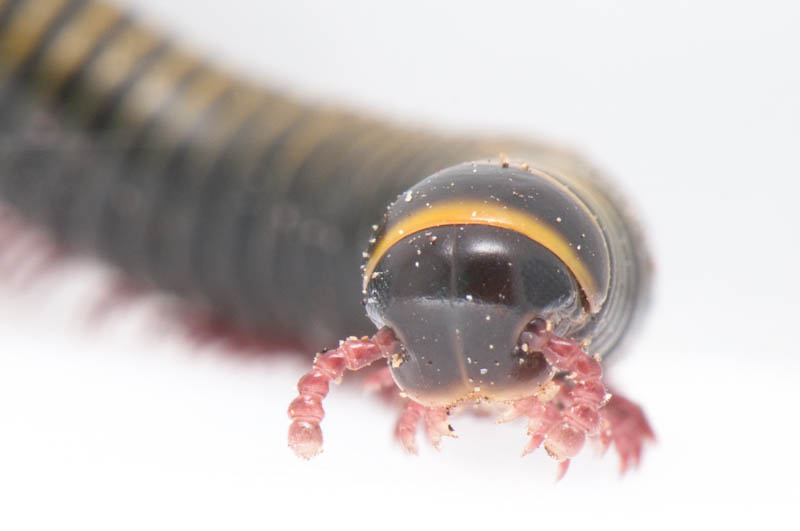
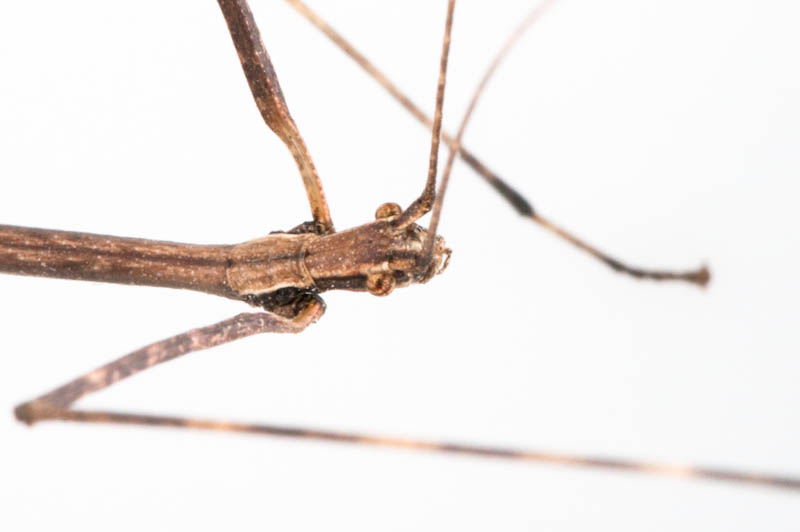
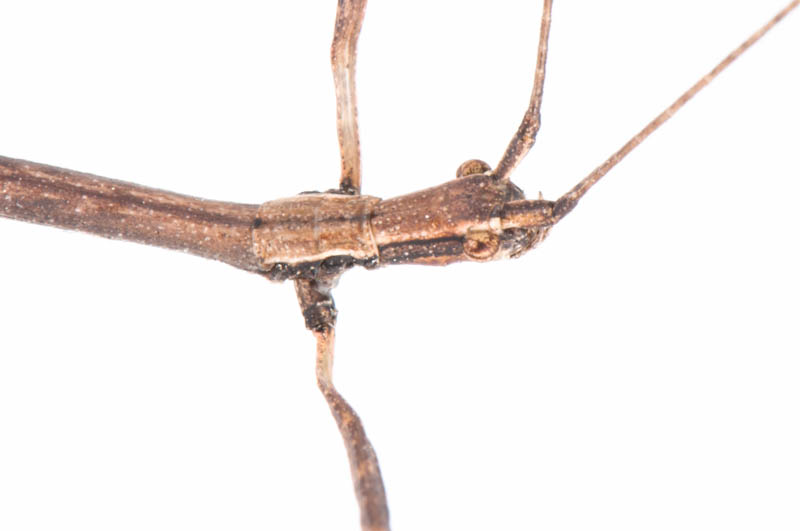
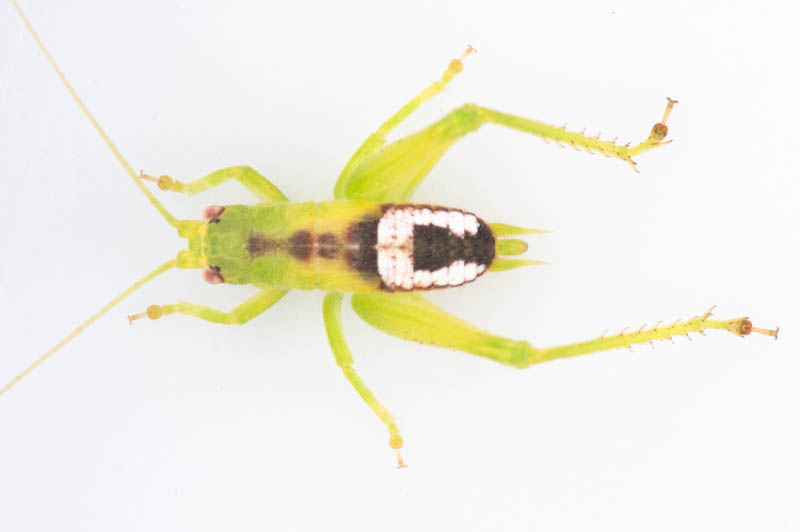
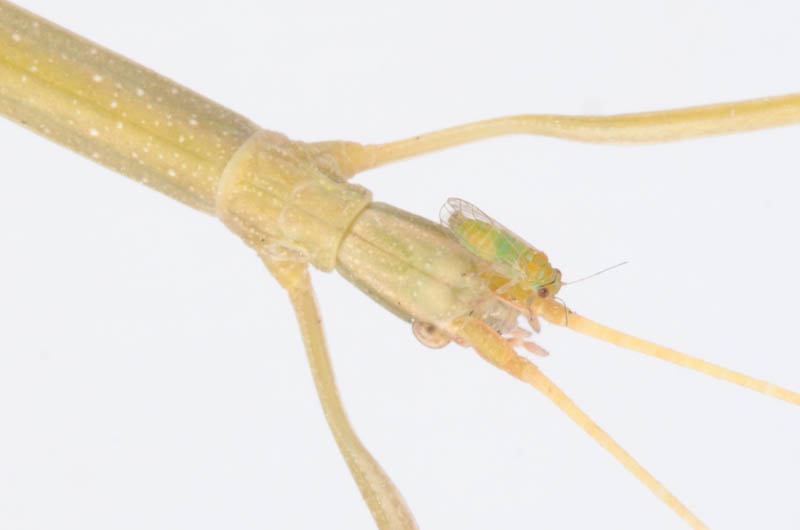
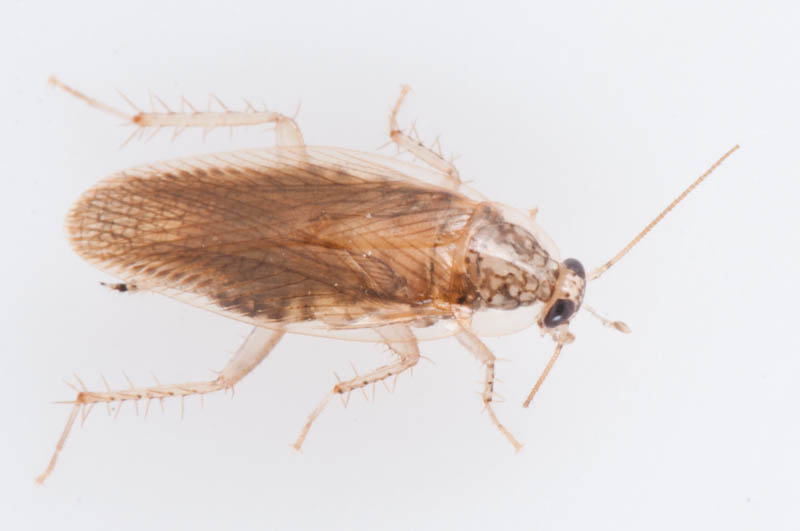
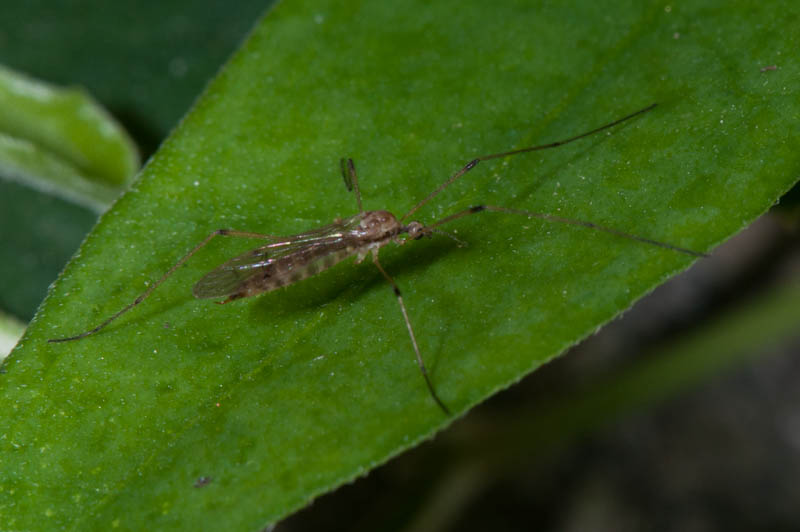
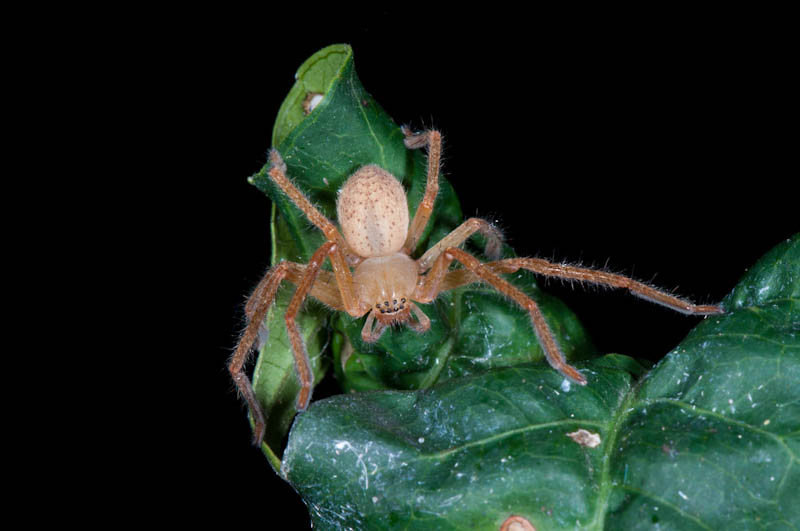
I’ve been spending more time with my plexiglass box and I think the results are pretty nifty. The first set includes spiders and insects from the field behind the Grand Case Cultural Center:
The next day I shot a bunch of invertebrates on the road to Petite Plage:
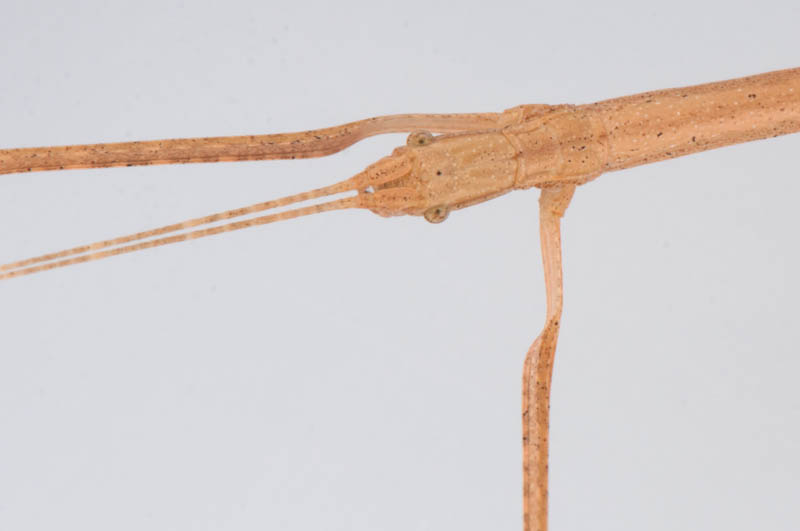
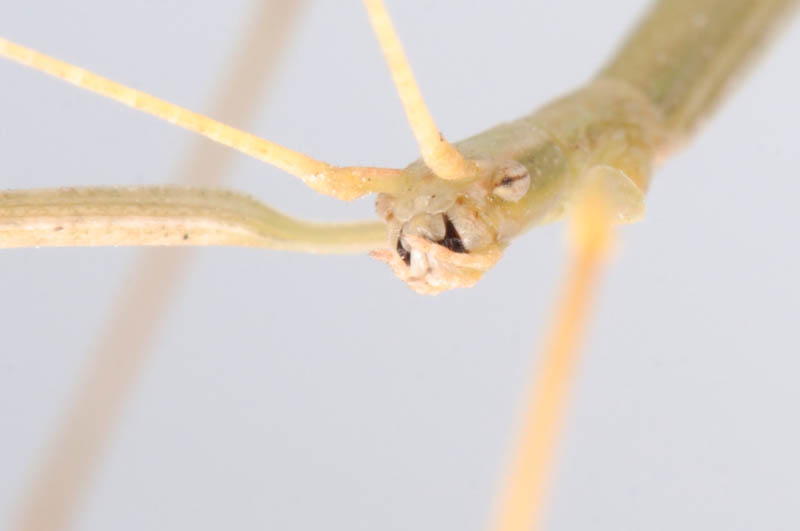
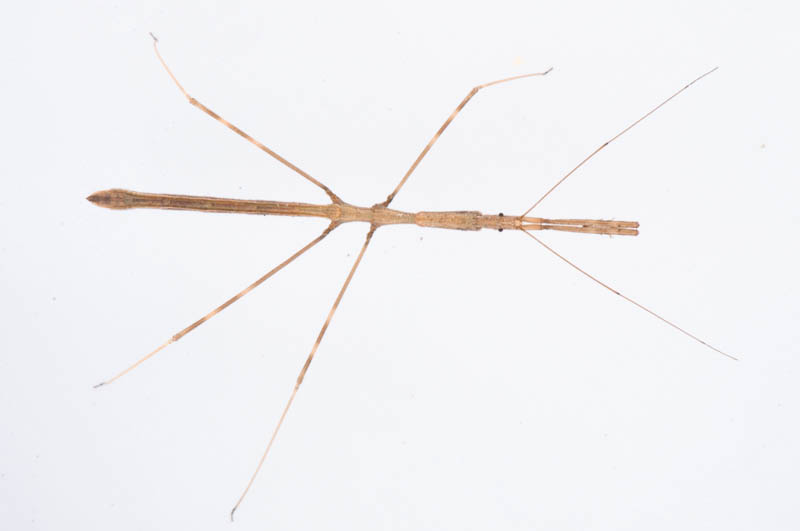
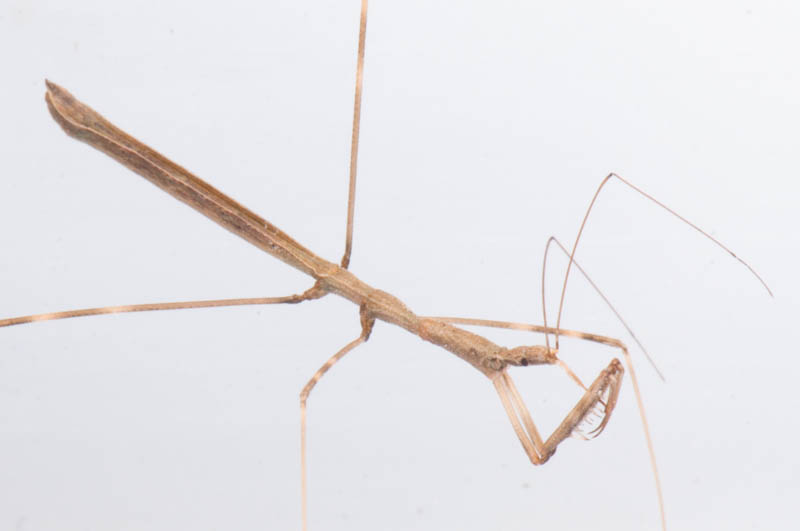
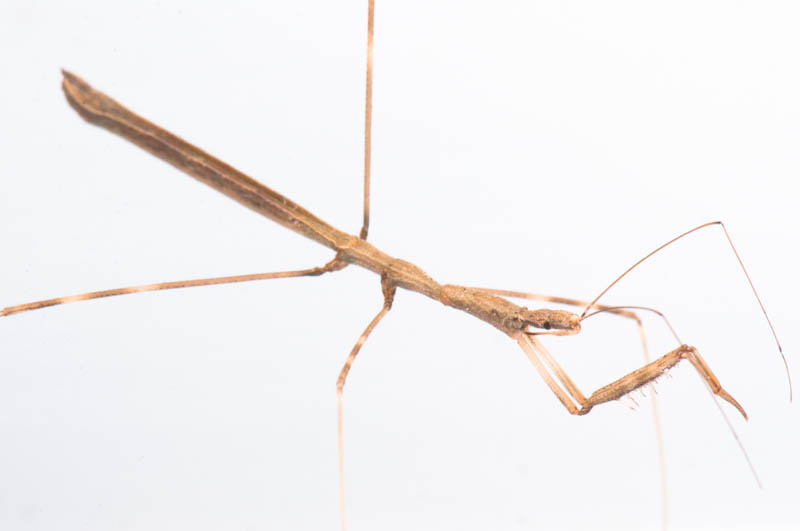
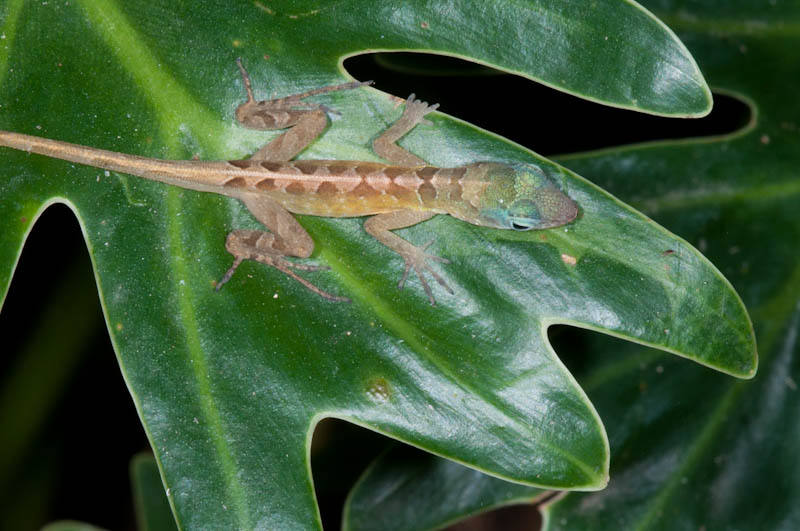
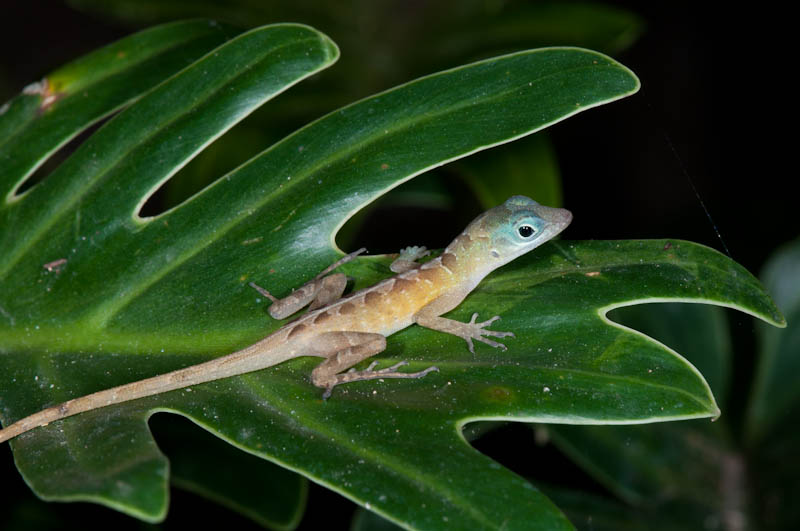
That night, I tried the box out on some nocturnal critters. I actually found that nocturnal insects seem to be more compliant when it comes to sitting still in a small plastic box, particularly if there is light shining on them. I think because many of them are cryptic, they may stay motionless as a defense mechanism. At any rate, it actually makes using the plexibox easier at night, even when photographing crickets or other insects that could jump out if they chose to.
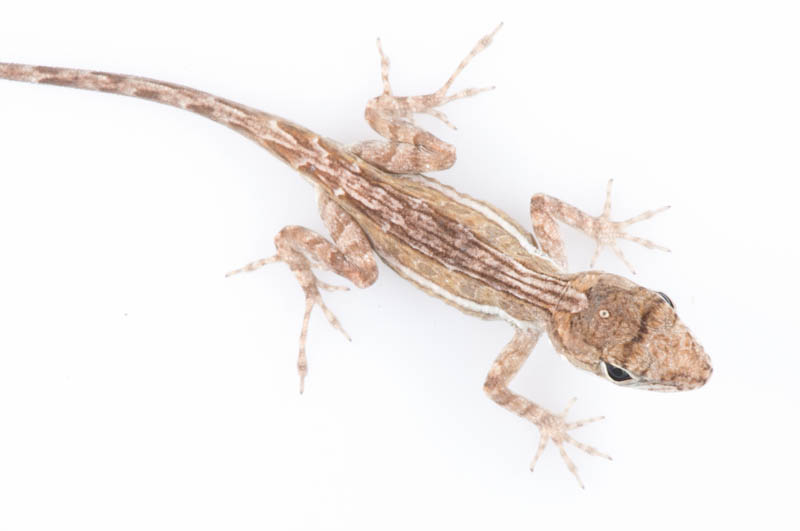
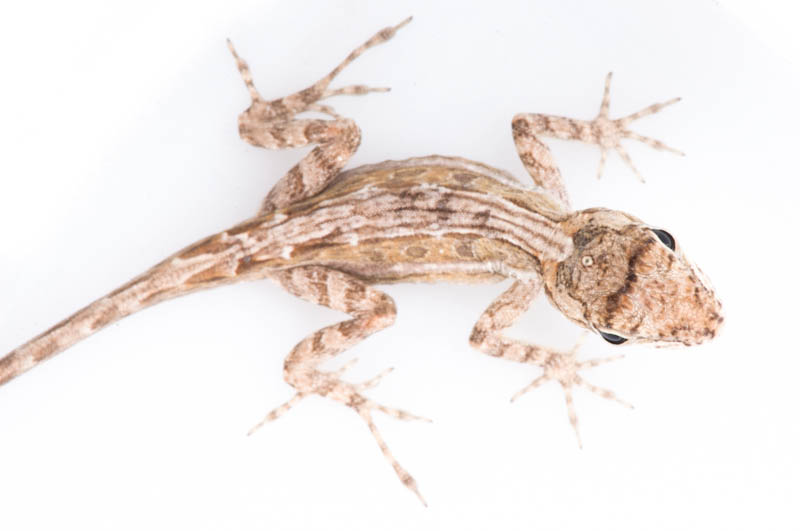
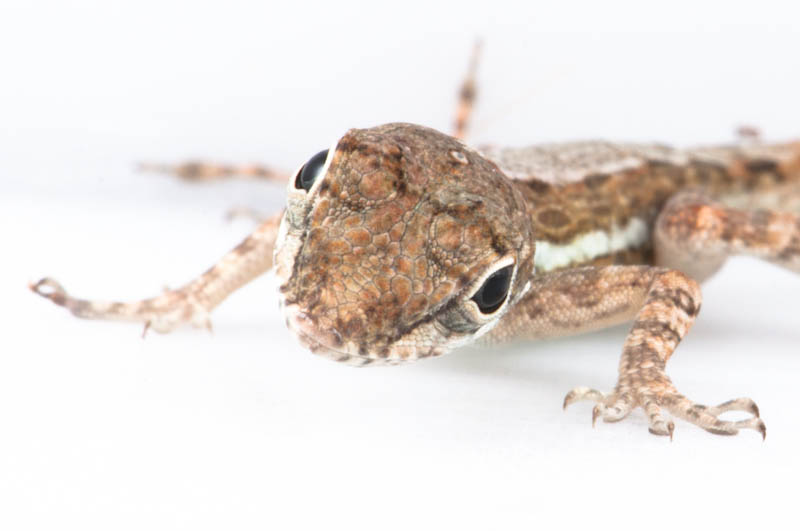
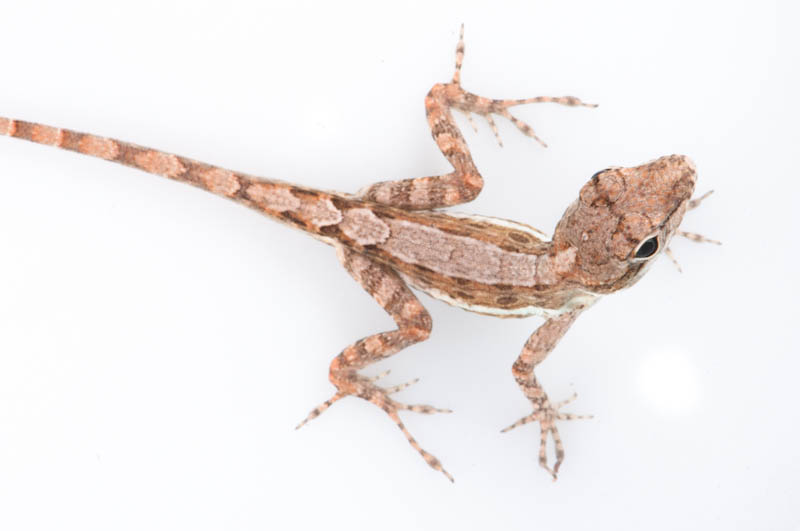
Of particular note are the photos of the thread-legged bug, which resembles a walking stick and has praying mantis-like forelimbs. Also, I couldn’t resist trying out the plexibox on a couple young Anolis gingivinus.
Posted in Les Fruits sur la Terre, Pour les Sciences
Comment on this post.
February 9th, 2012 by Marc AuMarc
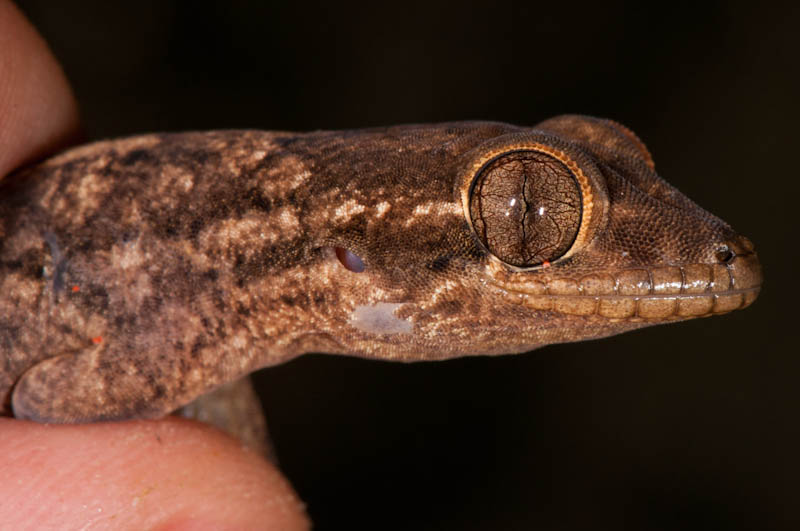
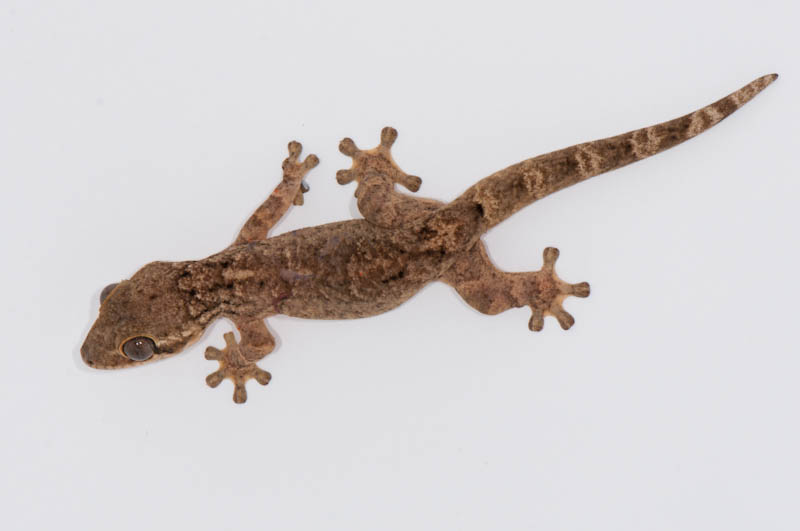
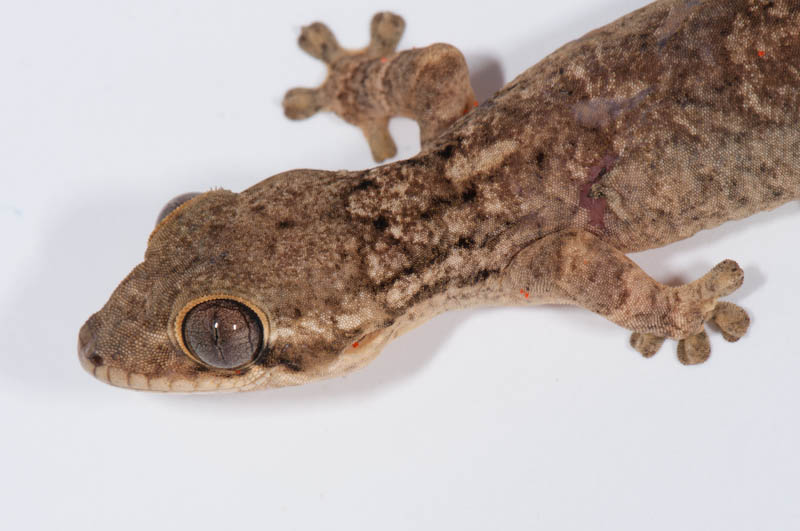
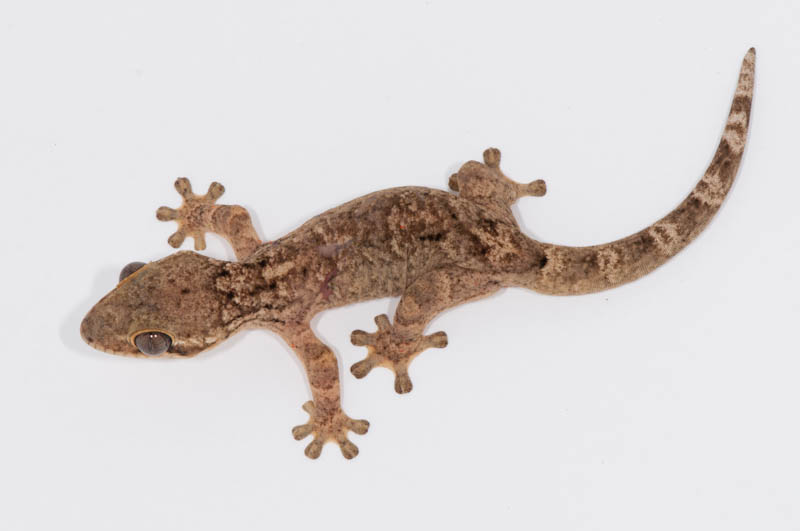
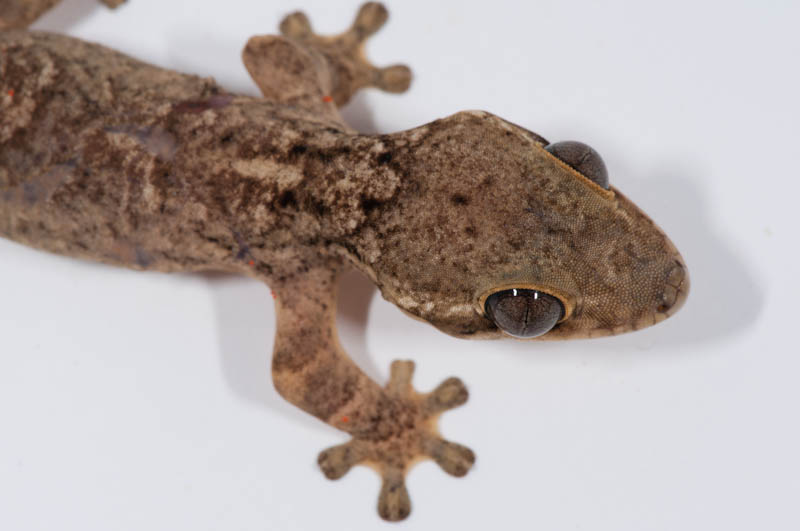
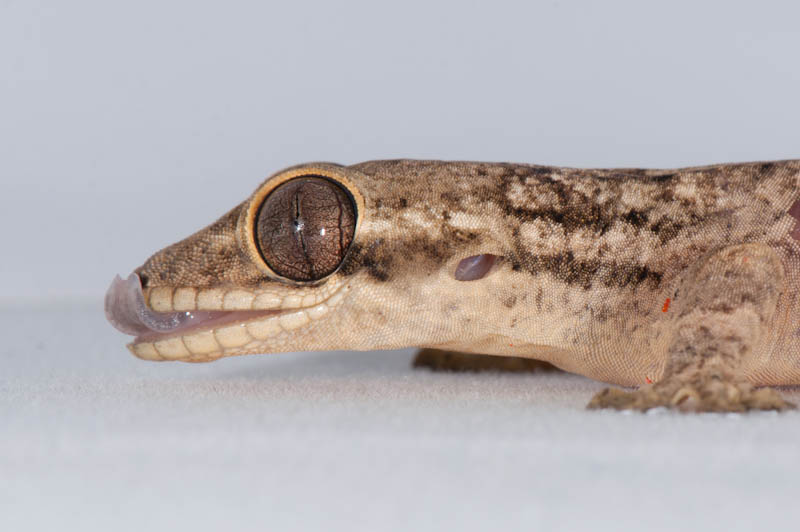
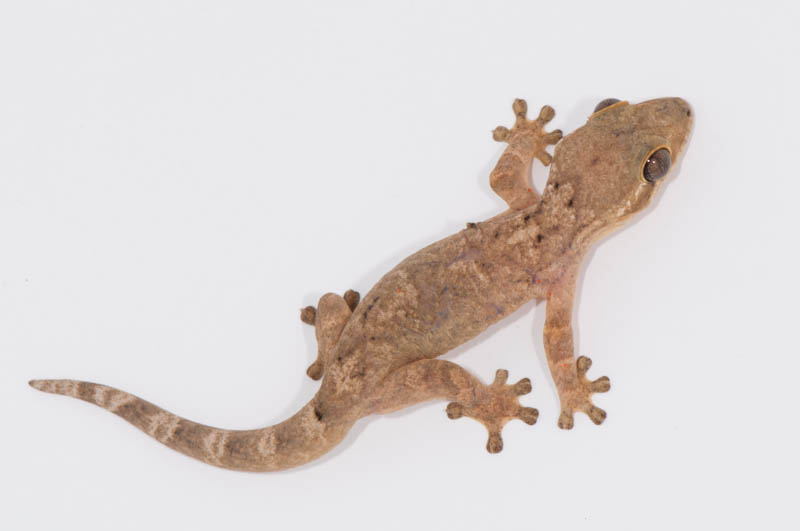
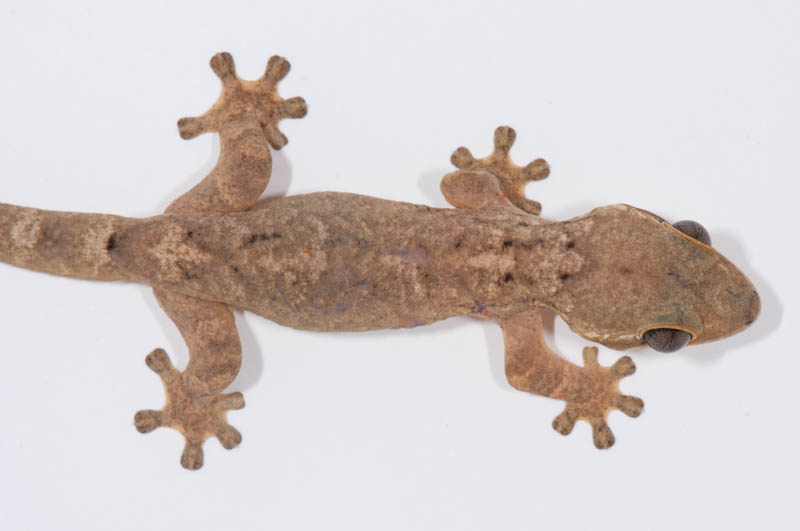
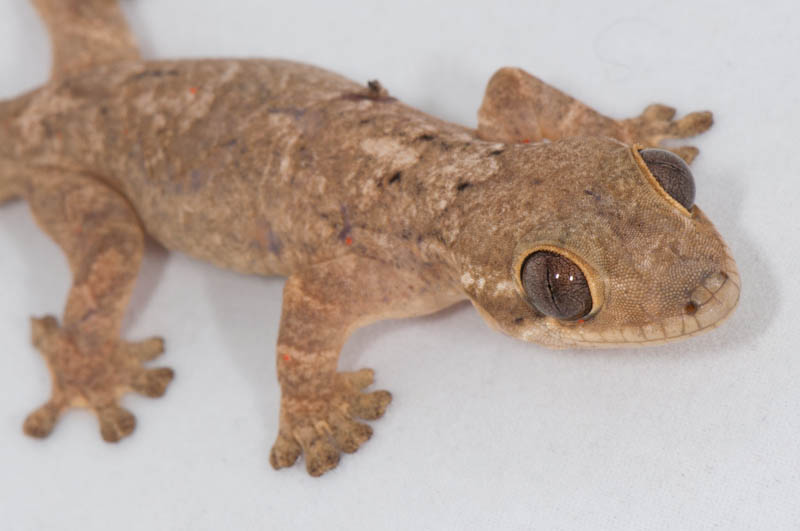
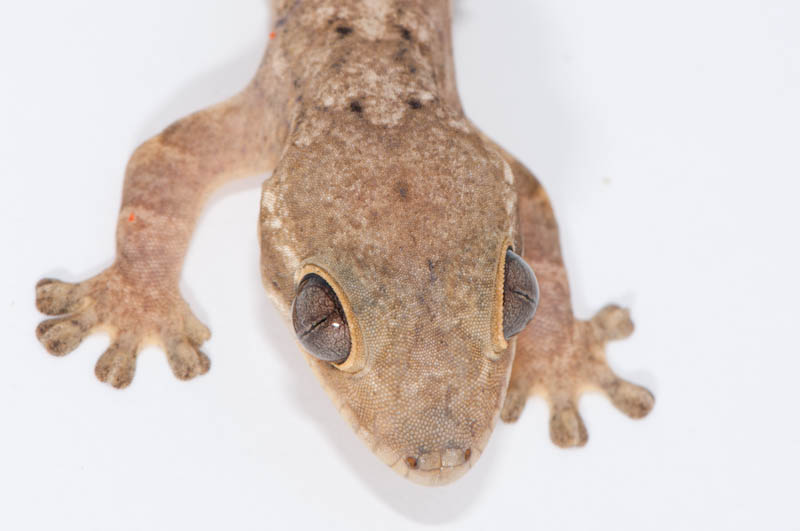
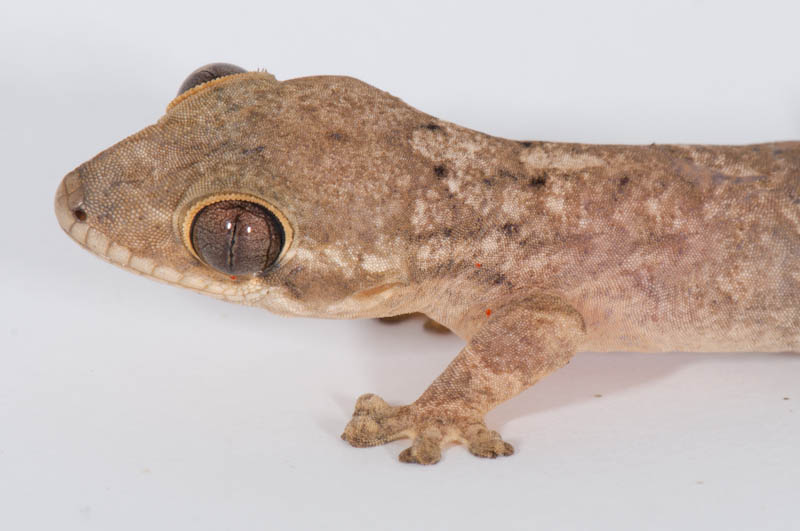
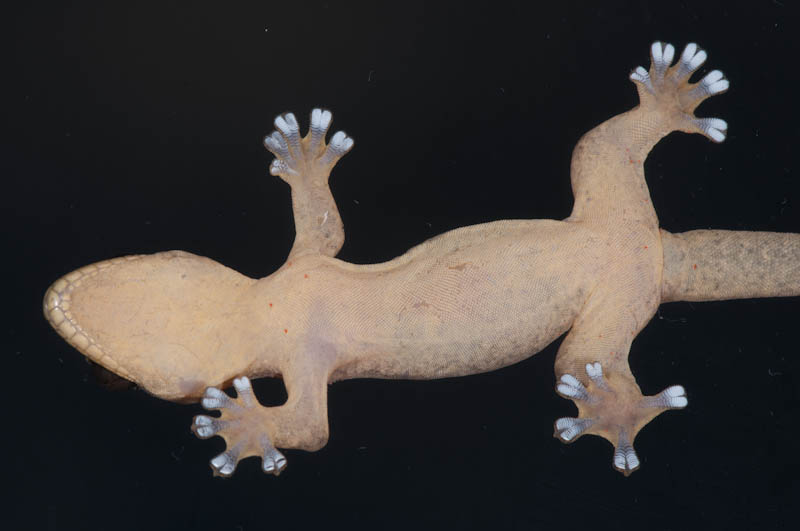
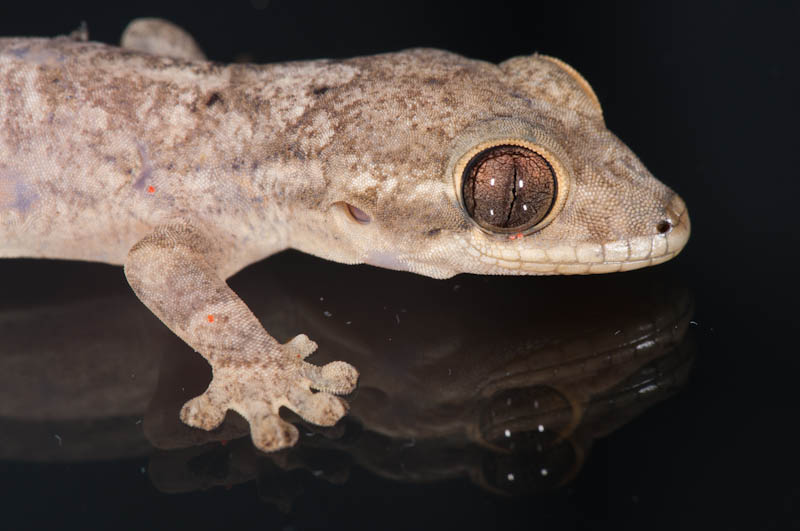
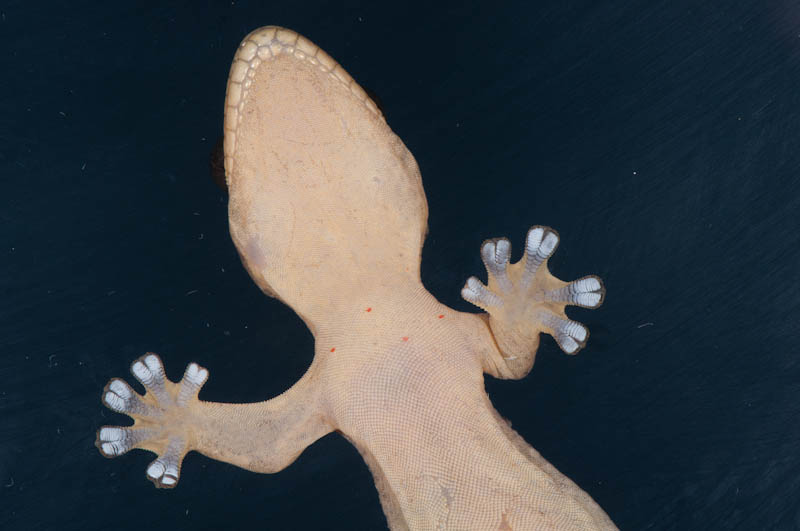
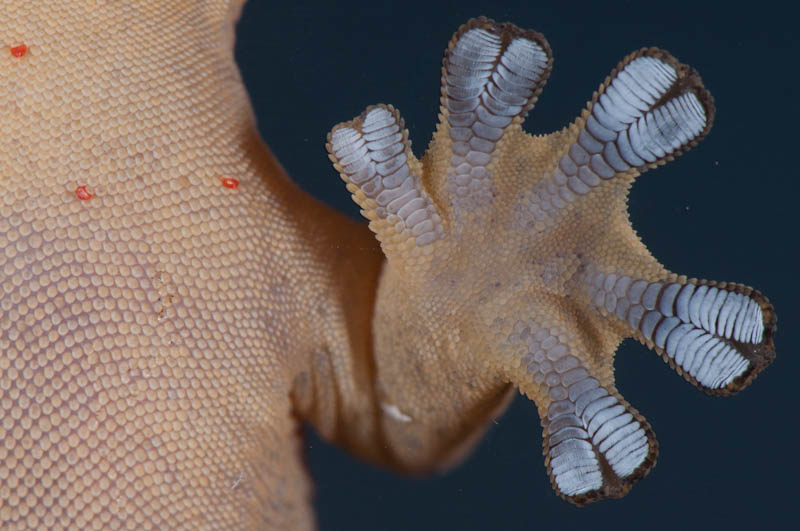
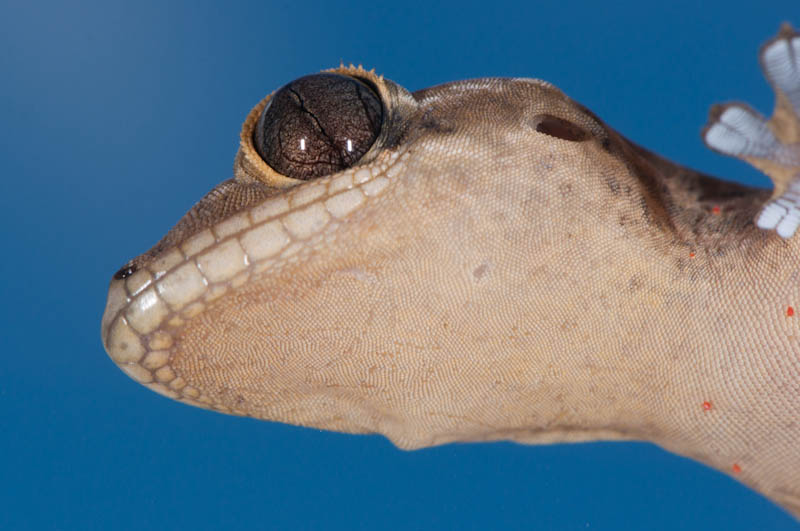
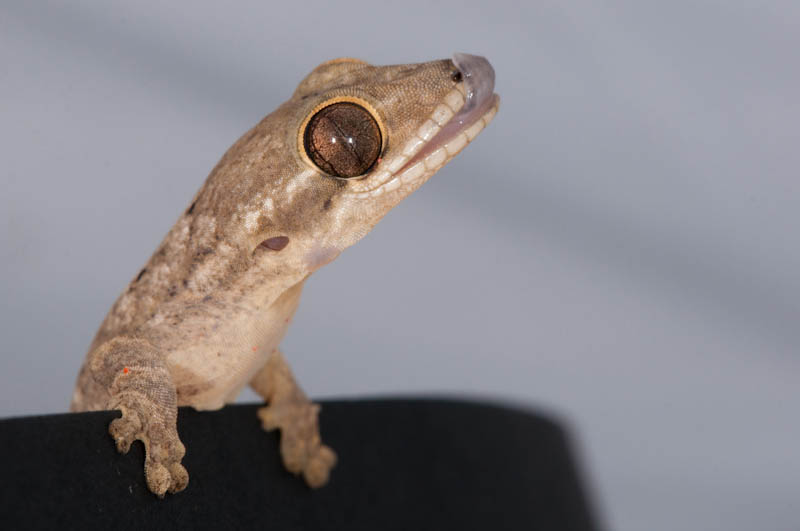
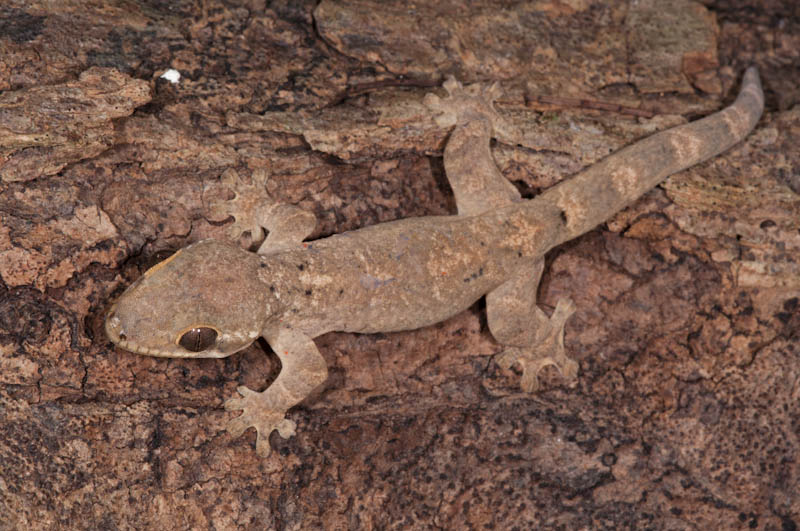
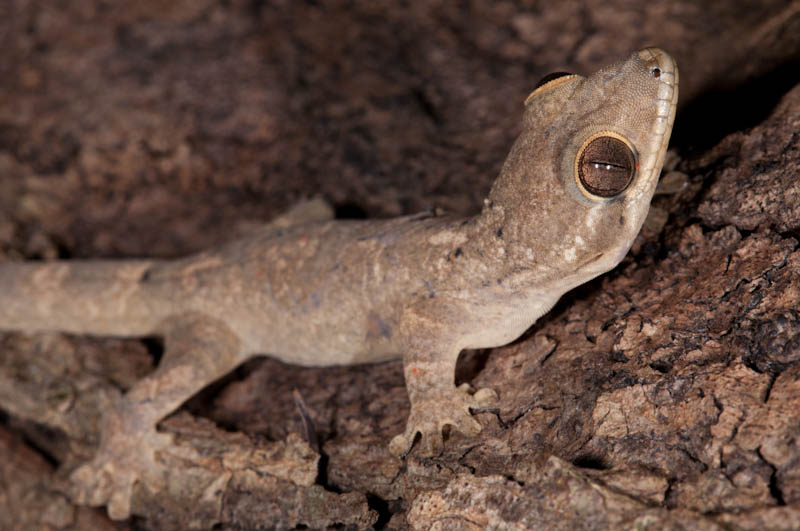
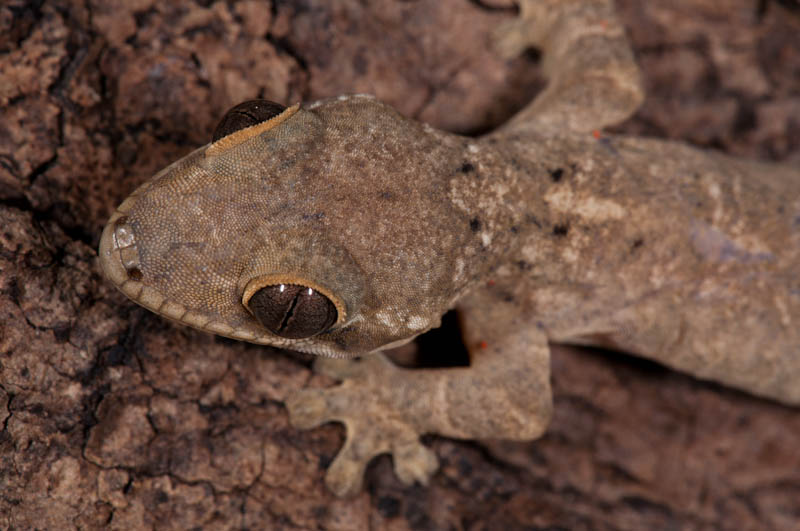
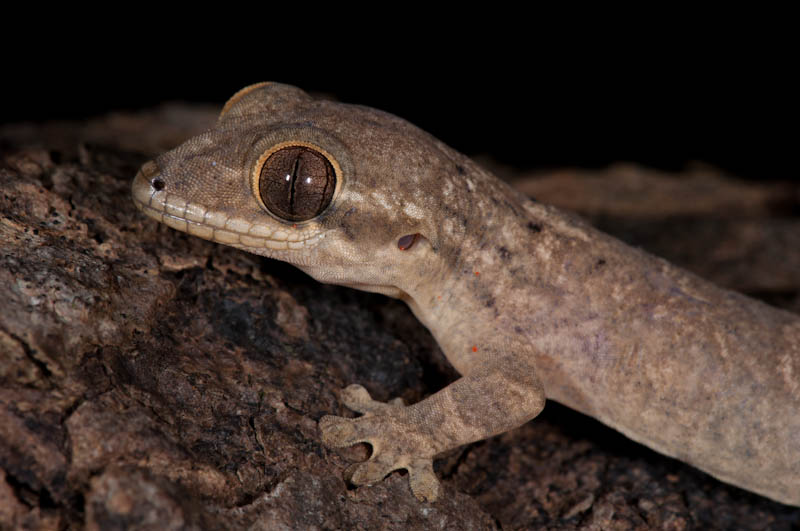
Locally known as the woodslave, the turnip-tailed gecko (Thecadactylus rapicauda) is a large, native gecko that is seen less regularly than the introduced house gecko. It has huge eyes, partially-webbed feet and toes that are partially split and look like double toes.
Nothing being simple in St. Martin biology, since last year, there actually seem to be two species on the island. A new species (T. oskrobapreinorum) has been described that is known only from St. Martin, primarily distinguished by its coloration, light skin with distinct black spots. Although people have seen geckos like this on St. Martin for years, it has only recently been proposed as a new species.
Below are some photos of T. rapicauda. Given the close relationship between it and its newly-named relative, there is perhaps a bit of a mystery as to how they can coexist on the same island. For example, if T. oskrobapreinorum evolved on St. Martin from T. rapicauda how did it diverge if there was a population of T. rapicauda to breed with? Or perhaps T. oskrobapreinorum evolved in isolation on St. Martin and T. rapicauda was reintroduced more recently. If that’s the case, then does T. rapicauda represent a threat to T. oskrobapreinorum?
Posted in Les Fruits sur la Terre, Pour les Sciences
Comment on this post.
February 2nd, 2012 by Marc AuMarc
Located on the slope of Pic Paradis, Loterie Farm is a great place to visit tropical forest on St. Martin. I guess I haven’t really spent enough time there in general, but this is doubly true at night. So, drinks at the Tree Lounge turned into prowling the grounds with a flashlight.
I didn’t have a lot of time, so I mostly saw familiar faces: Anolis pogus getting ready to sleep, a dwarf gecko on the prowl and a few insects and spiders:
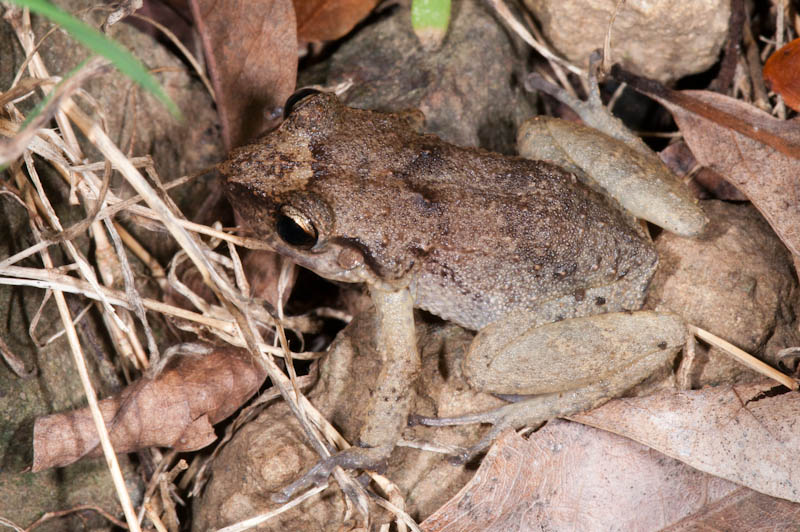
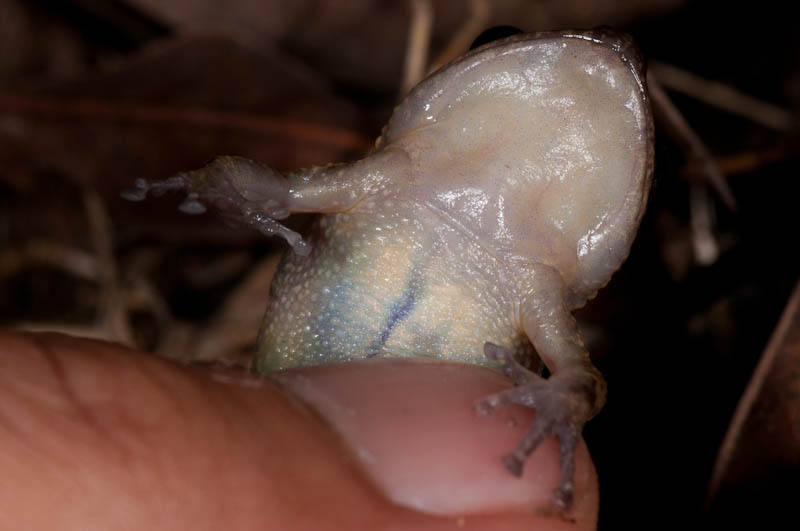
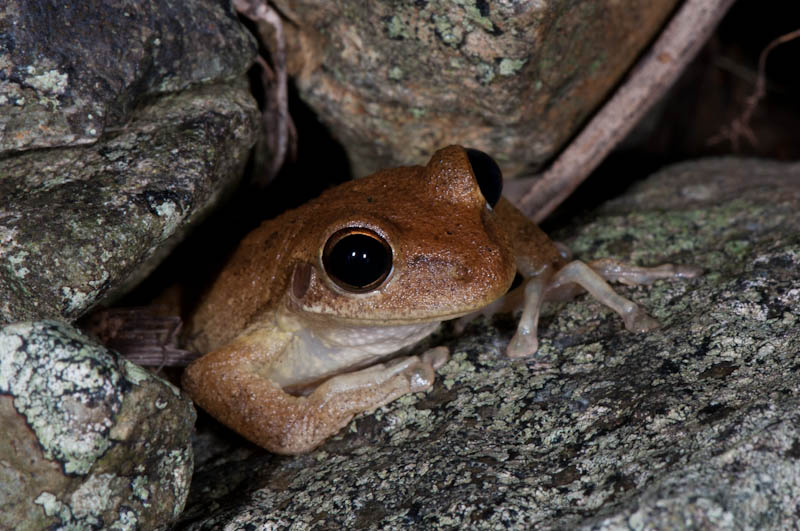
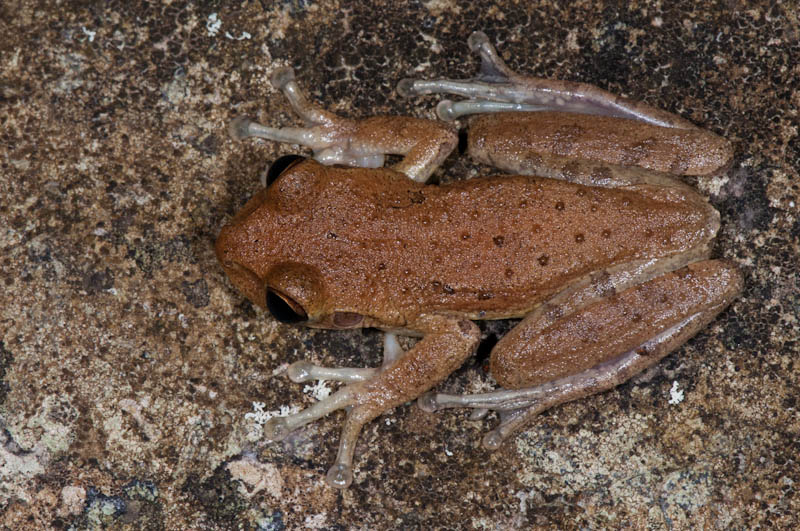
I did have some very good luck with frogs, though. Normally I don’t touch or capture the animals I find, but in order to identify two very similar whistling frogs, one needs to look at the underside, which is pretty much impossible to do without holding it. As it turns out, at least one frog I saw was Eleutherodactylus martinicensis, with telltale red on the rear legs. I also discovered that Cuban tree frogs can inflate their body like a balloon when threatened. It’s actually quite amusing, and makes them relatively transparent. This species is a relatively recent invasive that tends to be very successful and disruptive when colonizing new islands.
Posted in Explorations, On Expedition
Comment on this post.