February 8th, 2010 by Marc AuMarc
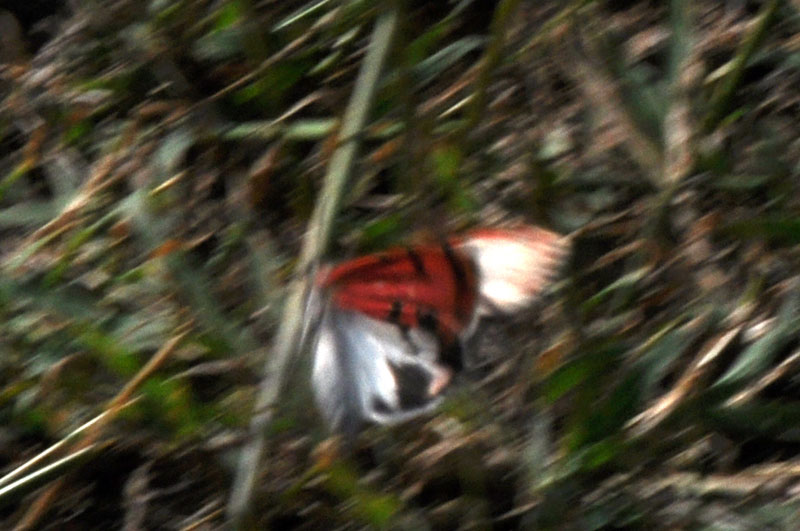
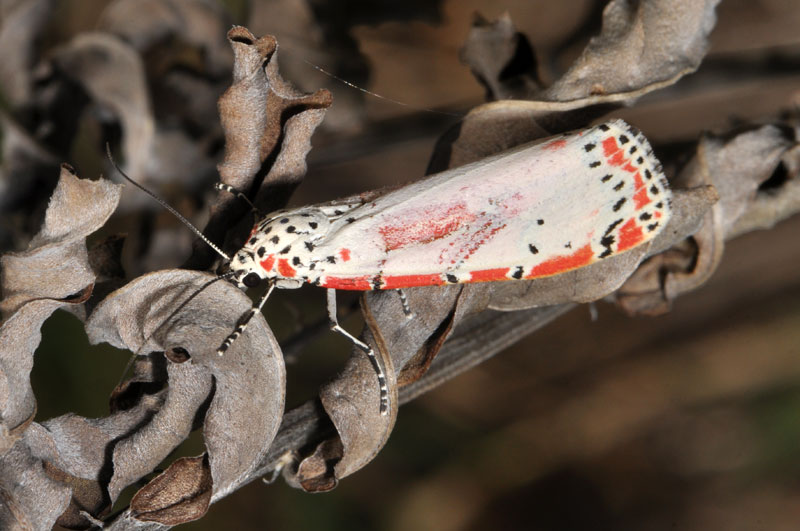
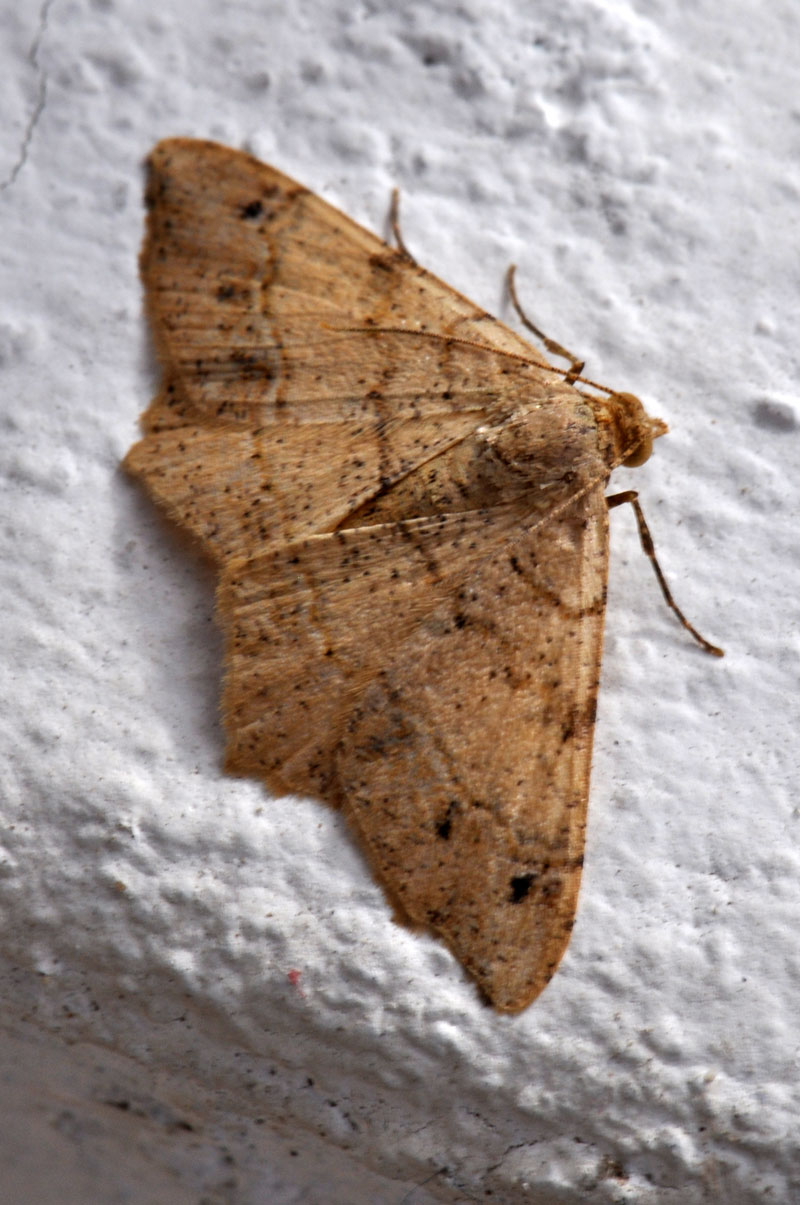
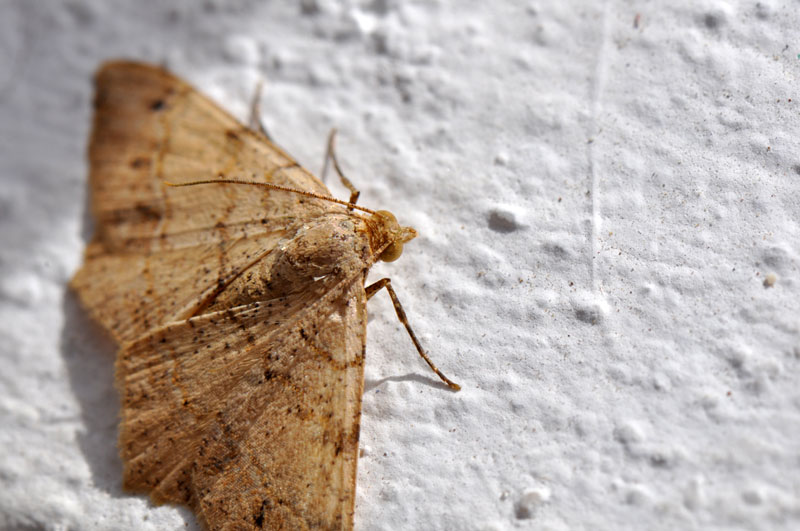
Here are a few photos of a moth from Happy Bay that is similar to one I found in La Savane, but has significantly different wing coloration. Perhaps the species is highly variable, either between different areas or different sexes, or perhaps it’s a closely-related species. Since this particular specimen was quite flighty, I tried taking a few mid-flight photos. These aren’t great quality photos, but it actually turned out to be a good way to see parts of the wing that aren’t visible when it is resting.
Posted in Les Fruits sur la Terre
Comment on this post.
February 7th, 2010 by Marc AuMarc
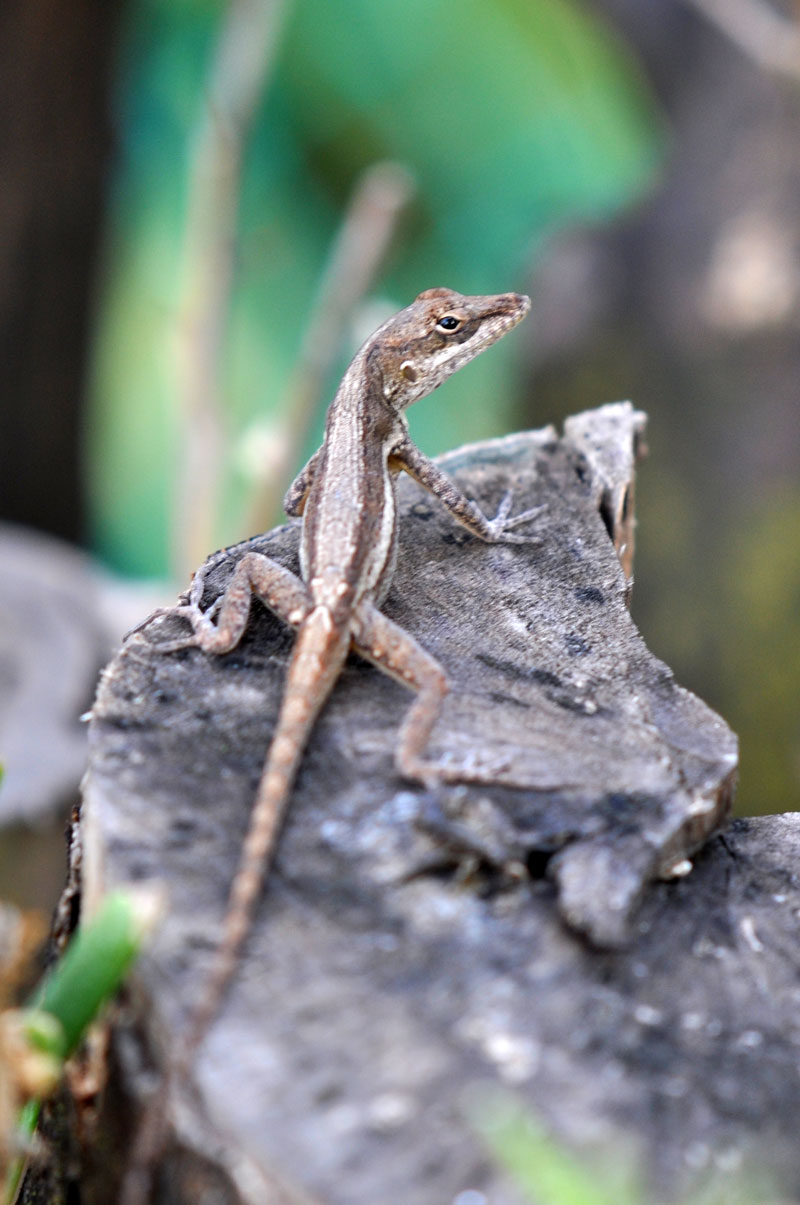
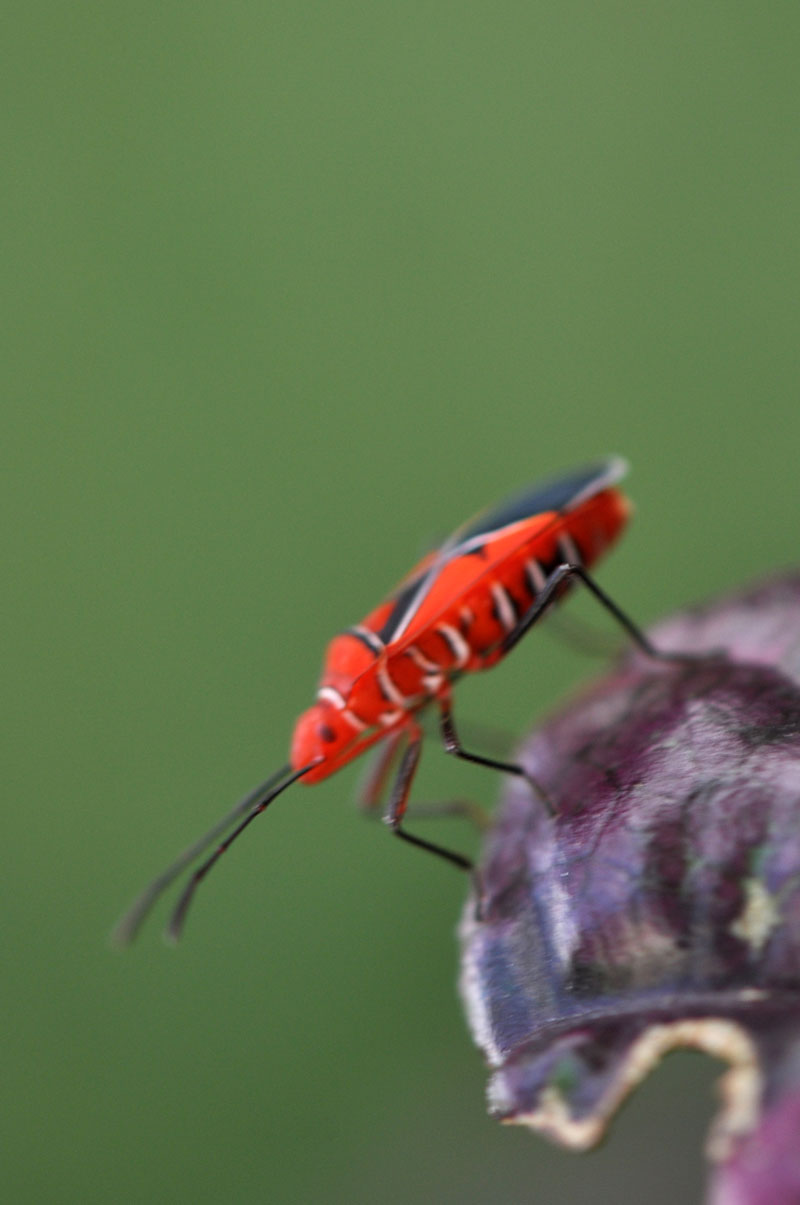
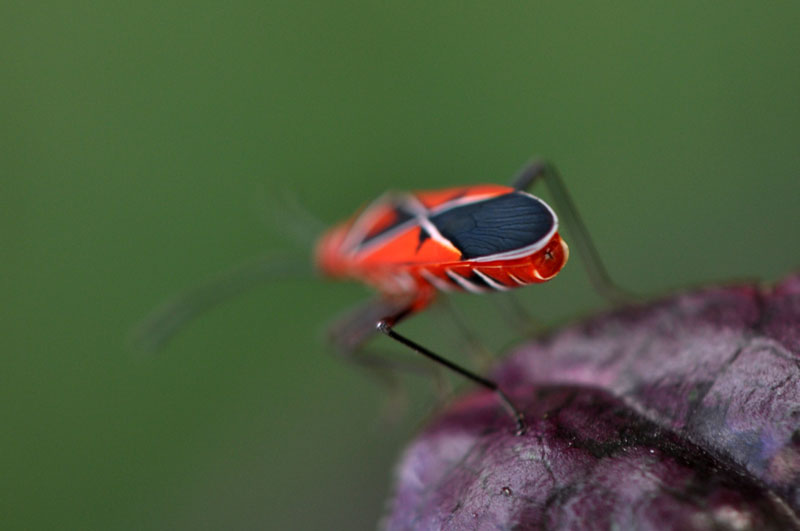
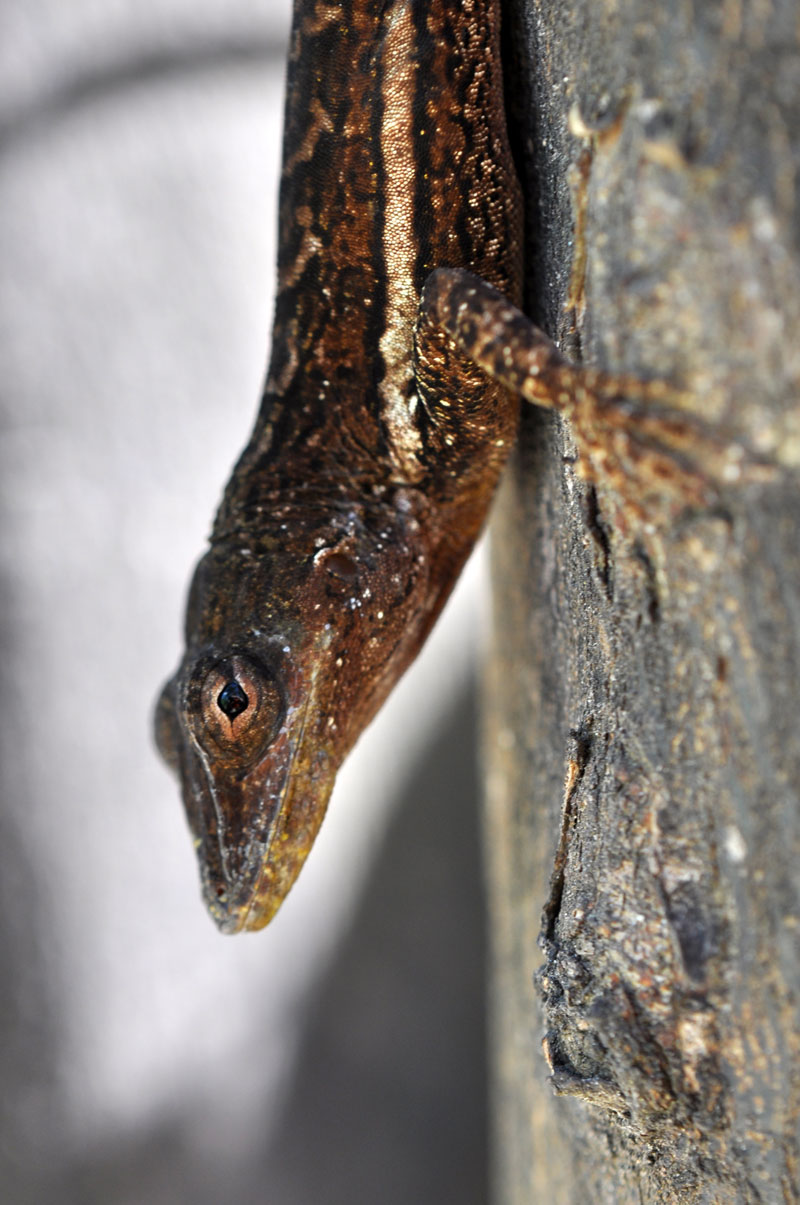
Here are a few more creature photos, including the most common local anole (Anolis gingivinus), a true bug and an unidentified moth.
Posted in Les Fruits sur la Terre
Comment on this post.
February 6th, 2010 by Marc AuMarc
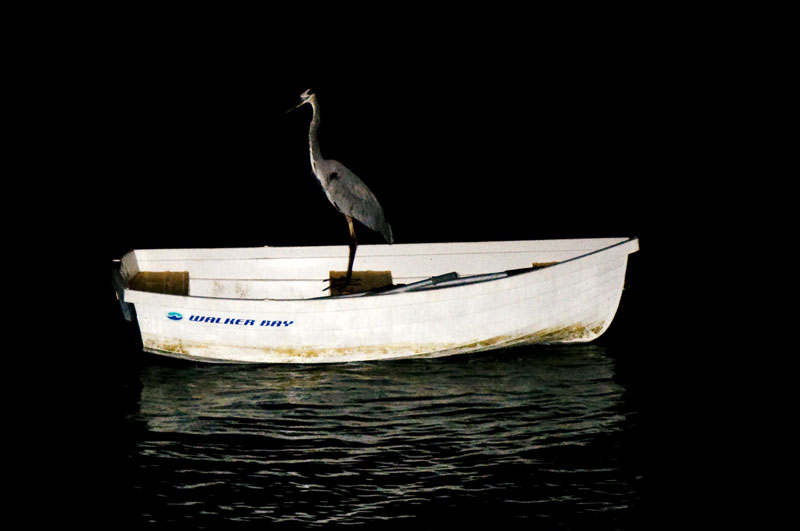
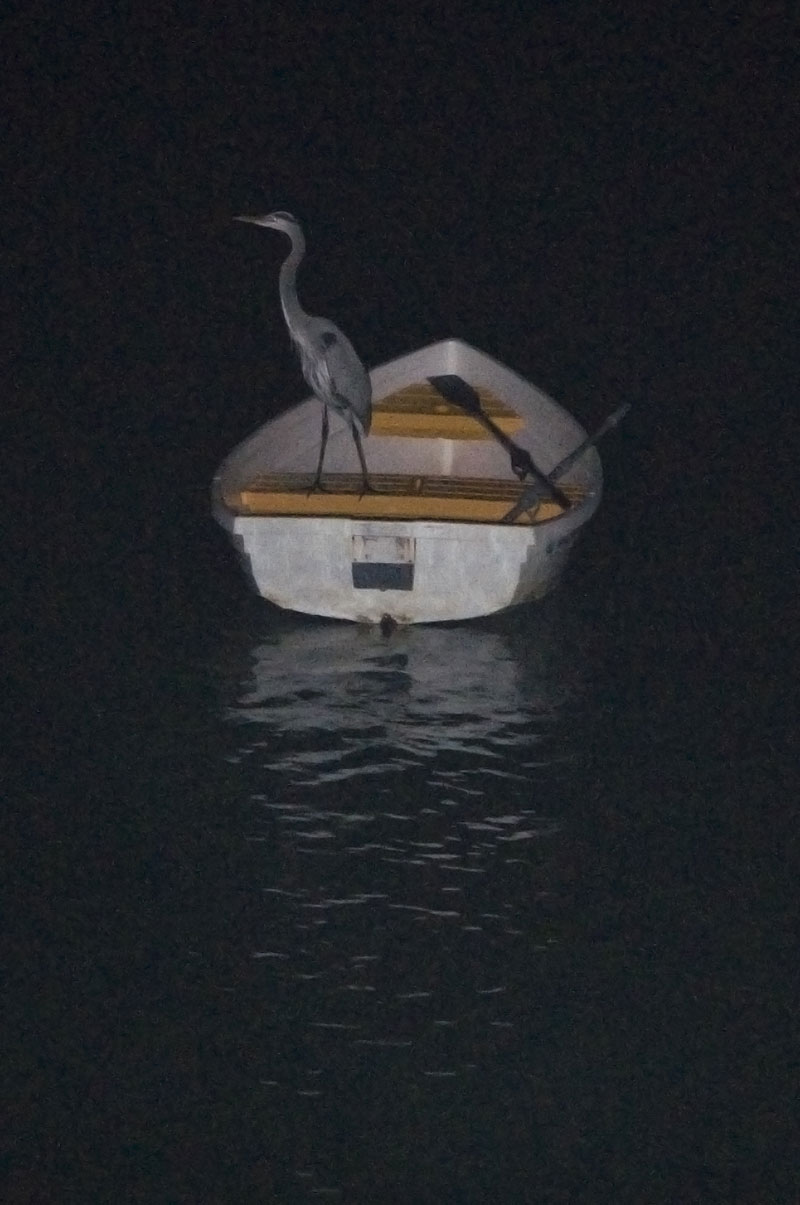
One night as we went out for dinner we were treated to an odd sight: a great blue heron (Ardea herodias) standing in a tiny dinghy. Seeing a bird roost on a boat is not uncommon, but this is the first time we’ve seen a bird so big on a boat so small. Great blue herons are apparently not very common around here, and it was funny to watch him keep his balance on the boat as it rocked back and forth.
Posted in Les Fruits sur la Terre
Comment on this post.
February 5th, 2010 by Marc AuMarc
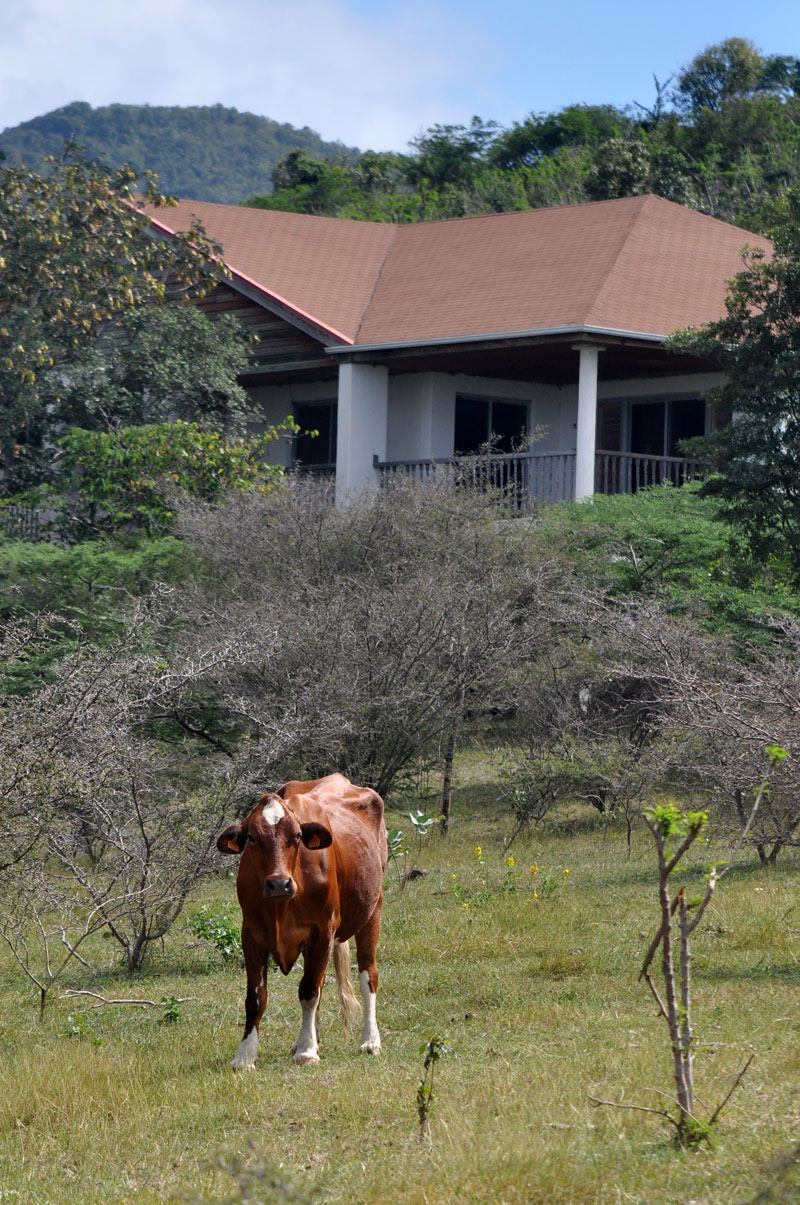
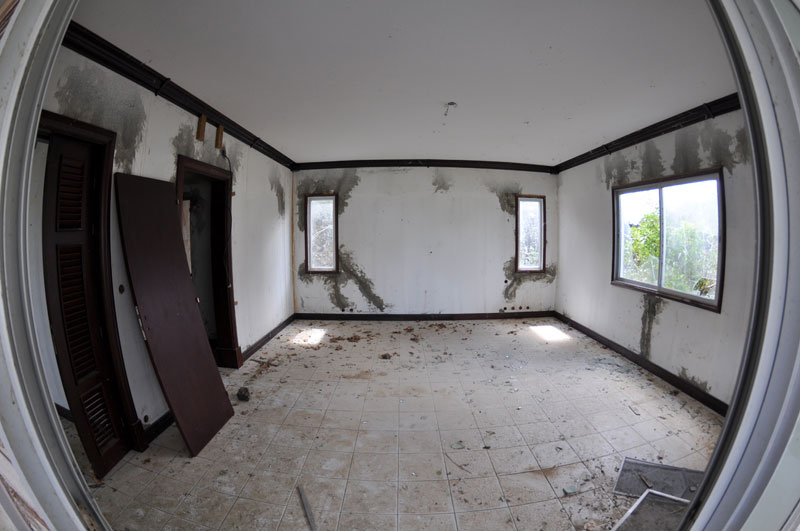
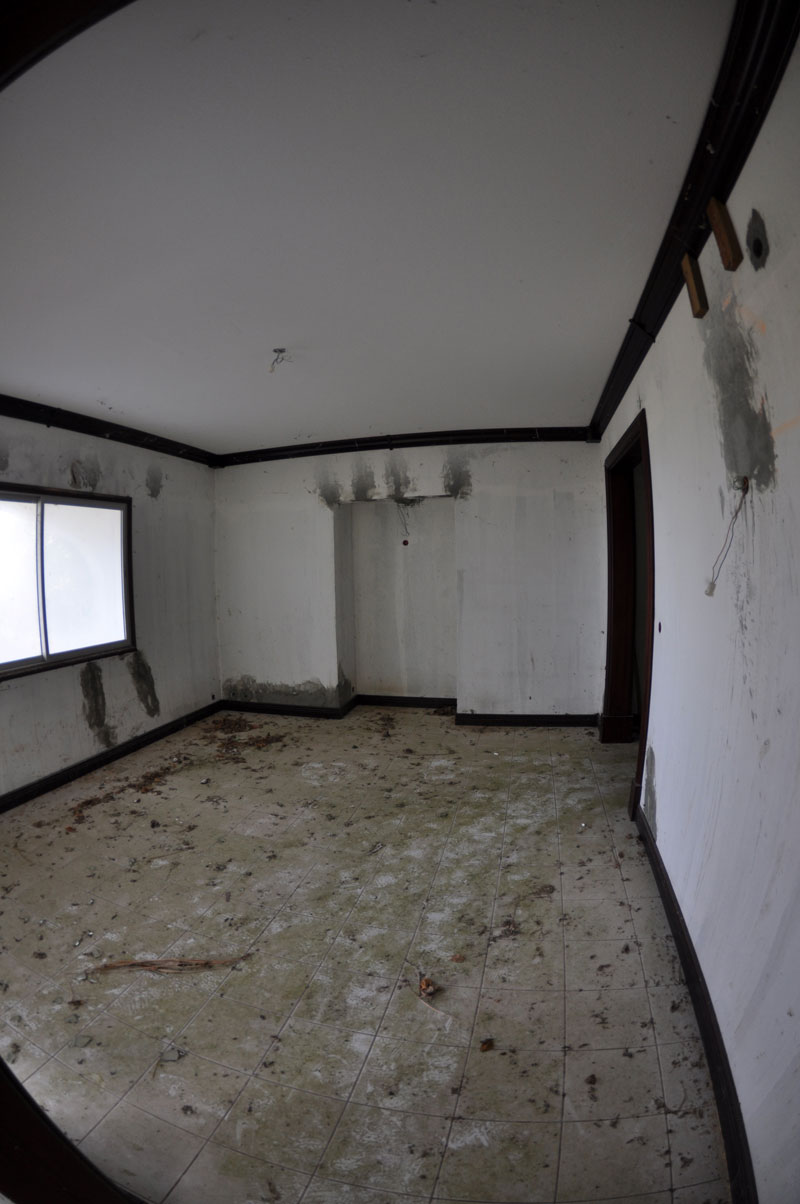
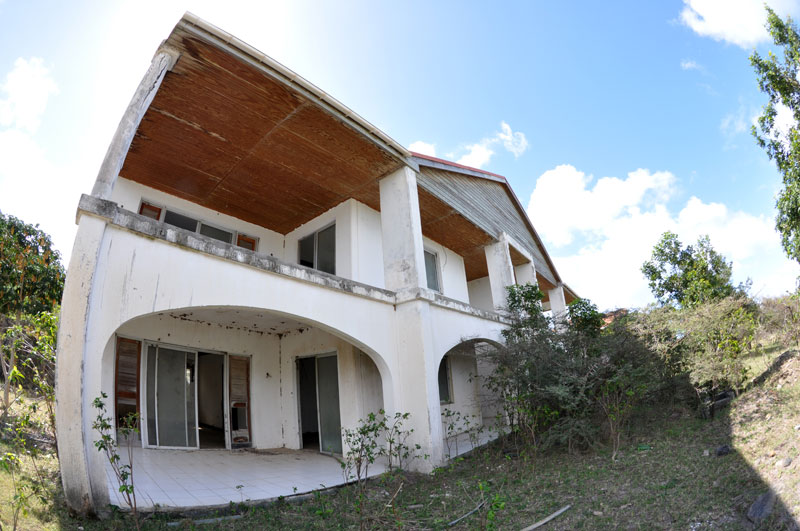
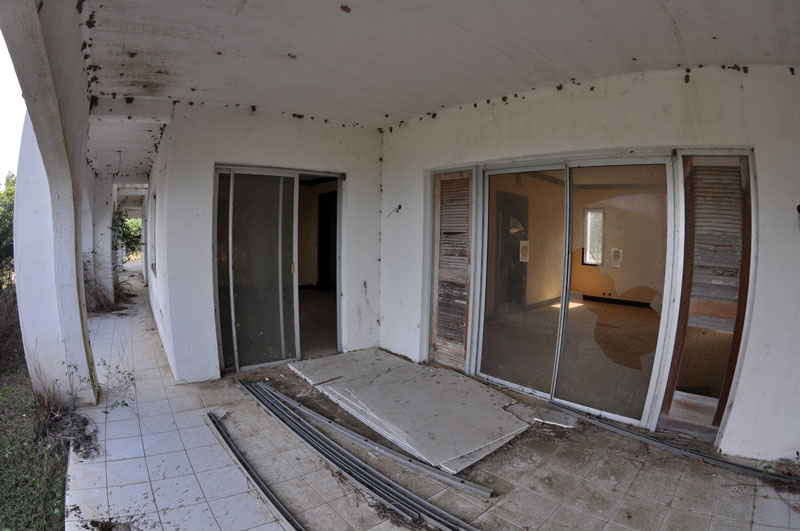
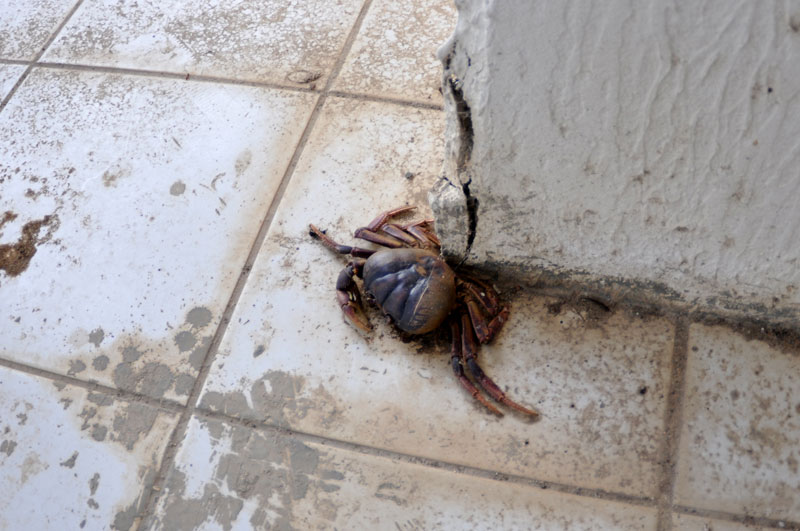
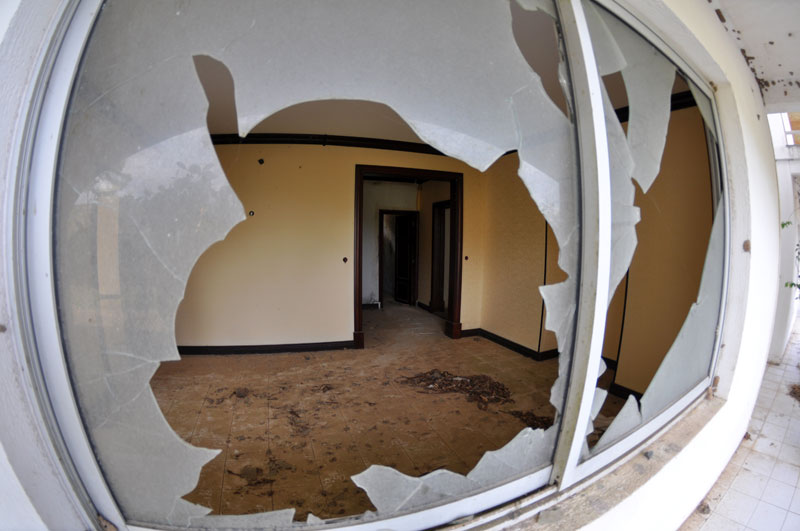
I need to do some research into the history of the abandoned Happy Bay condominium project, but in the meantime, here are a few more photos of the abandoned buildings.
Posted in Explorations, Les Fruits sur la Terre
Comment on this post.
February 4th, 2010 by Marc AuMarc
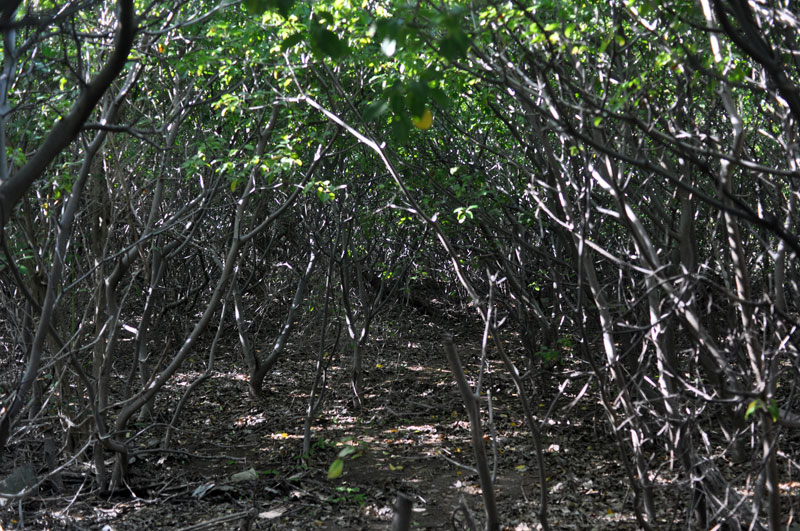
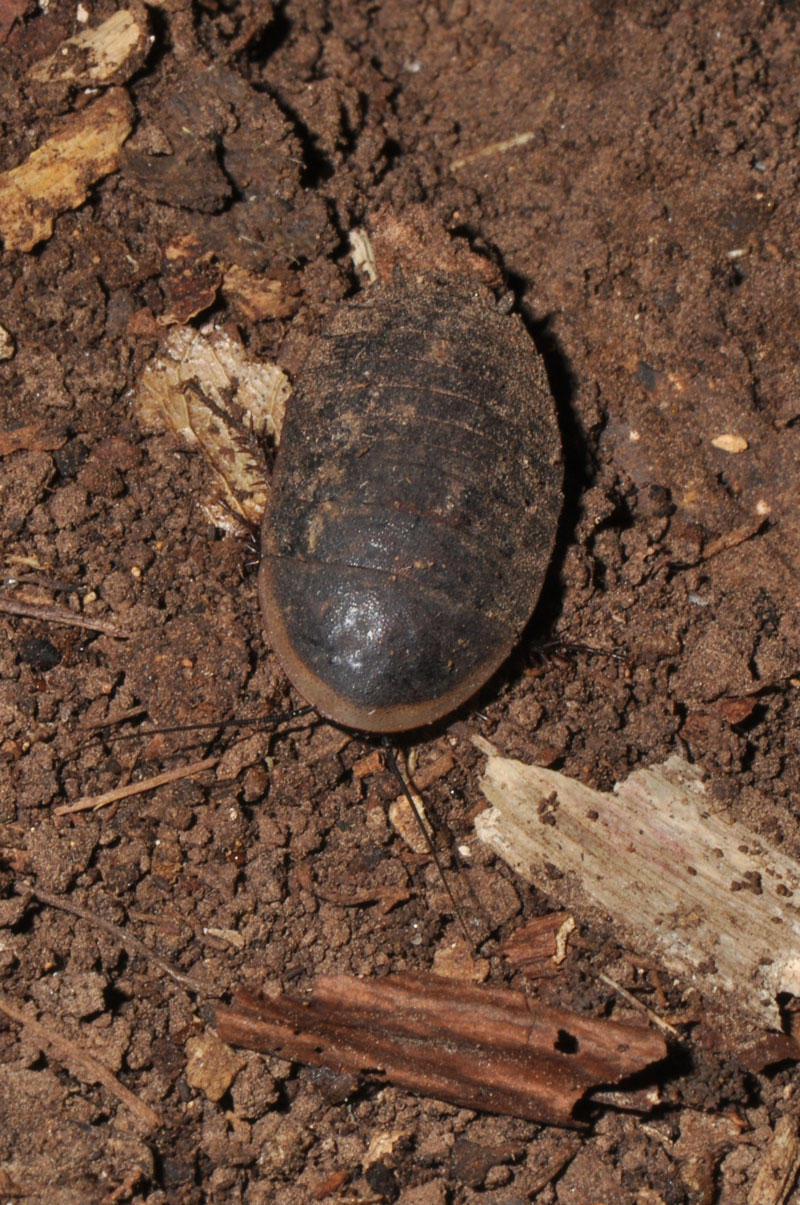
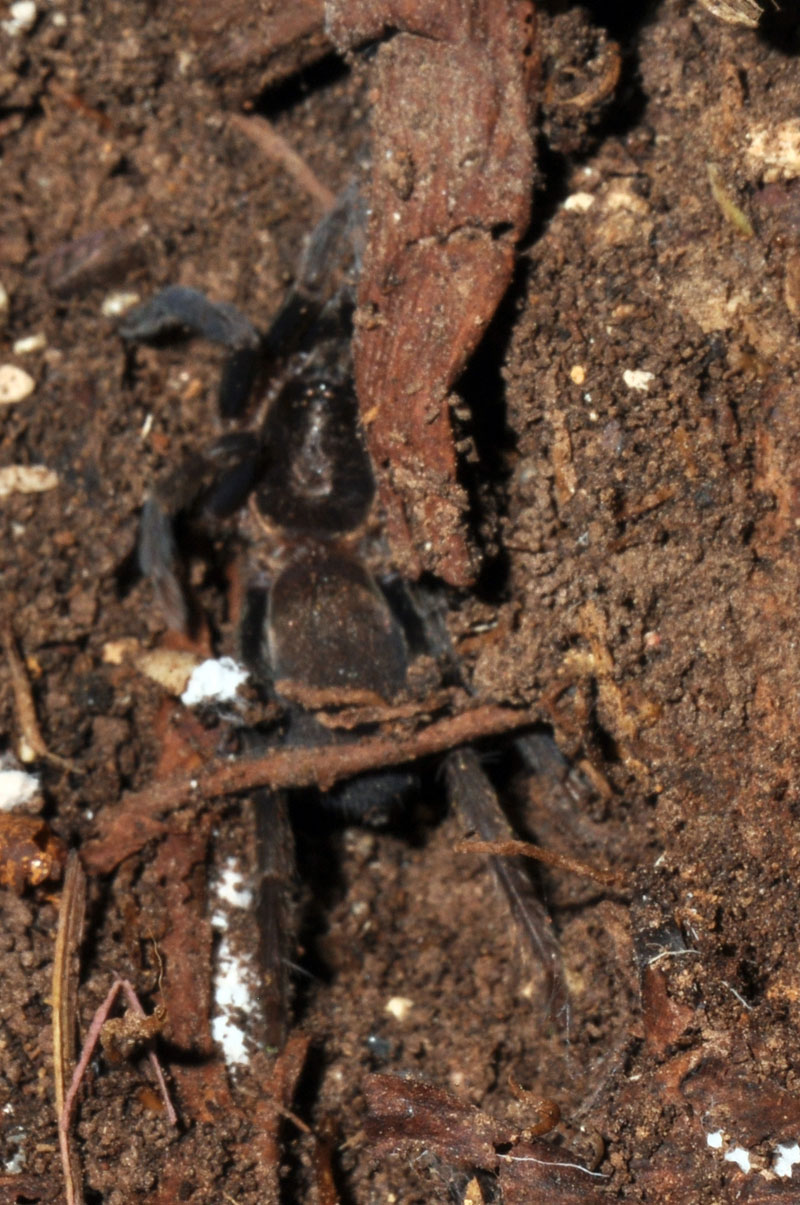
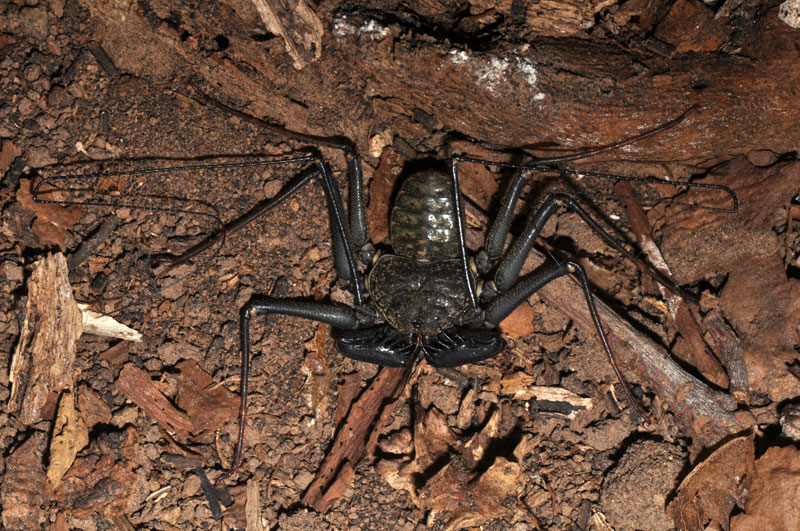
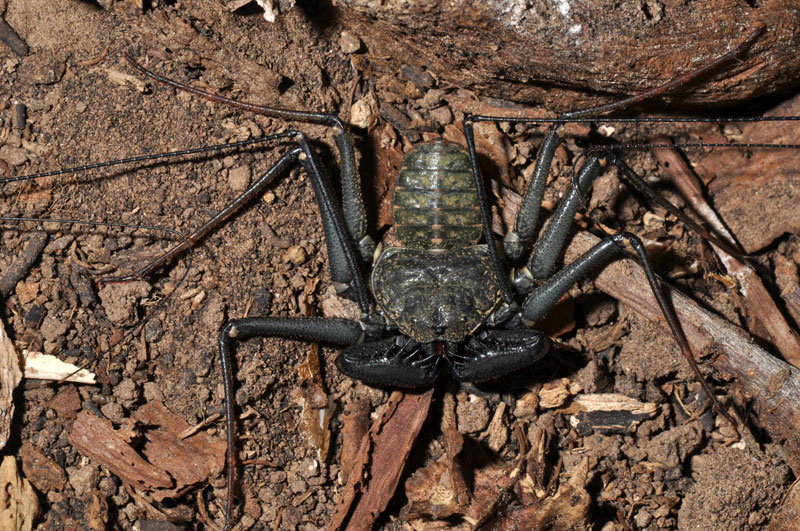
In addition to finding what seem to be three species of gecko on Pinel Islet, I also encountered some wingless cockroaches and a strange and hostile-looking creature that I believe may be some species of vinegaroon, which are apparently harmless. There was also a large brown spider. All three creatures were found in the leaf litter of the small forested part of the island.
Posted in Explorations, Les Fruits sur la Terre
Comment on this post.
February 3rd, 2010 by Marc AuMarc
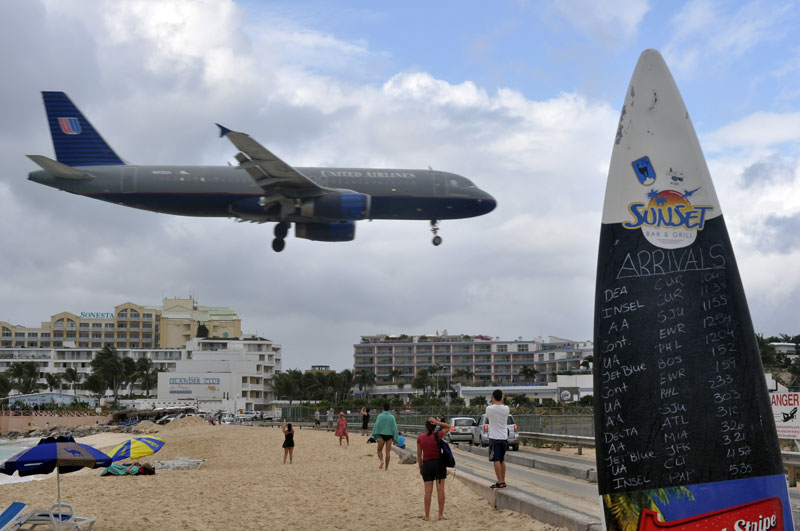
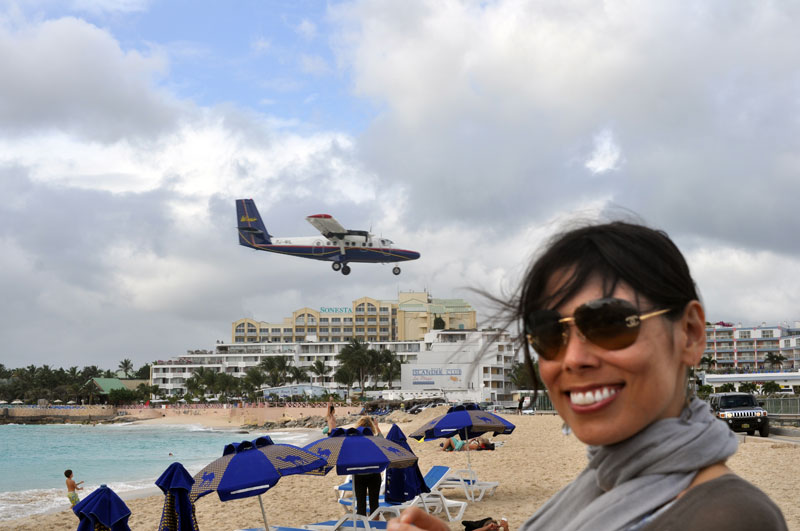
When we stopped by the airport to pick up Paul we spent a little time at the Sunset Beach Bar, which is on the beach at the end of the runway of Princess Juliana Airport. It’s a popular place to hang out and watch the jets come in (and the little prop planes, too).
Posted in Les Fruits sur la Terre
Comment on this post.
February 2nd, 2010 by Marc AuMarc
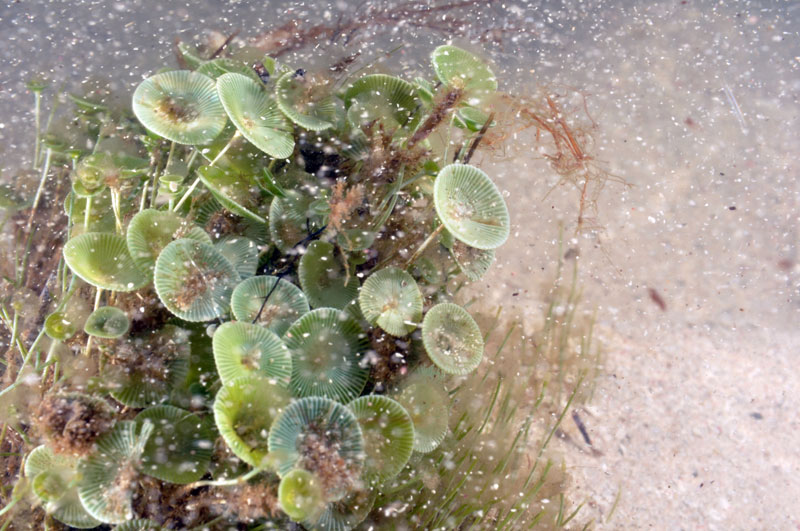
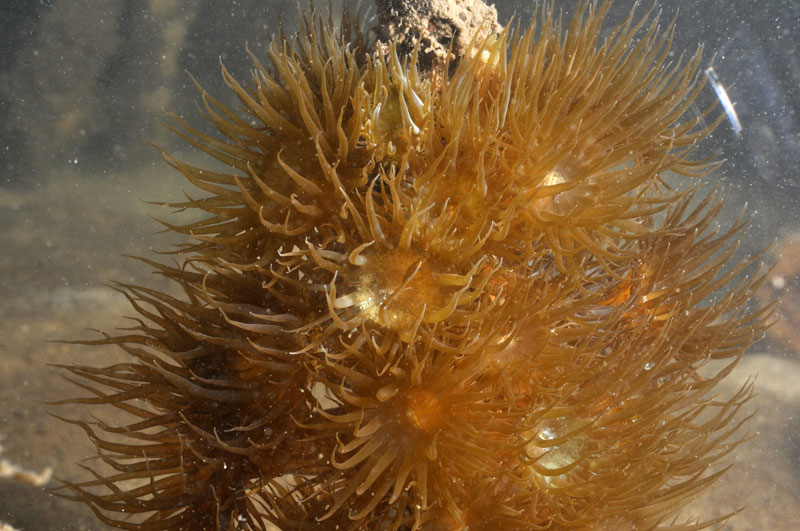
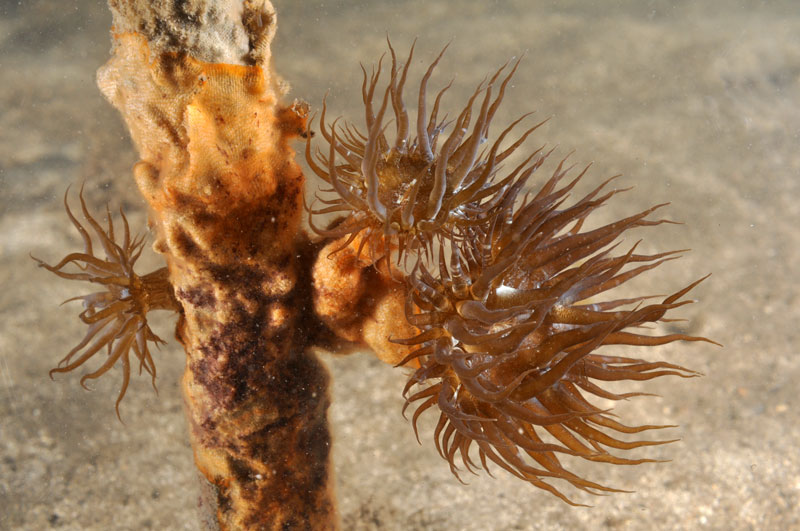
On our second visit to the mangroves at the edge of Baie Lucas, we encountered less than ideal visibility. We did take some photos and video near the mangroves and further out in the bay, including some of the gregarious anemones that cling to the mangrove roots. Due to a lack of active research on Caribbean anemones, it is basically impossible to identify them exactly, although they closely resemble what is cited as the sponge anemone in the popular Reef Creature Identification guide.
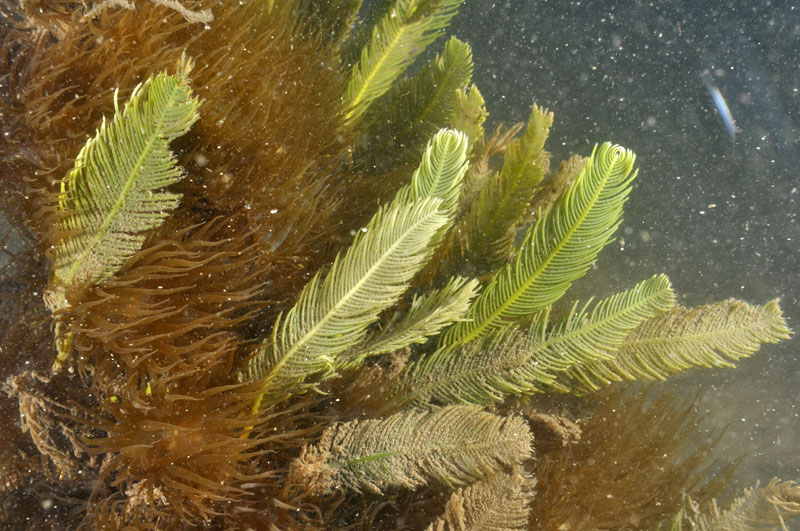
The shots of green feather algae (Caulerpa sertularioides) and green mermaid’s wine glass (Acetabularia crenulata) feature a snow globe-like effect from particulate matter in the water.
Posted in Explorations, Extreme Shallow Snorkeling
Comment on this post.
February 1st, 2010 by Marc AuMarc
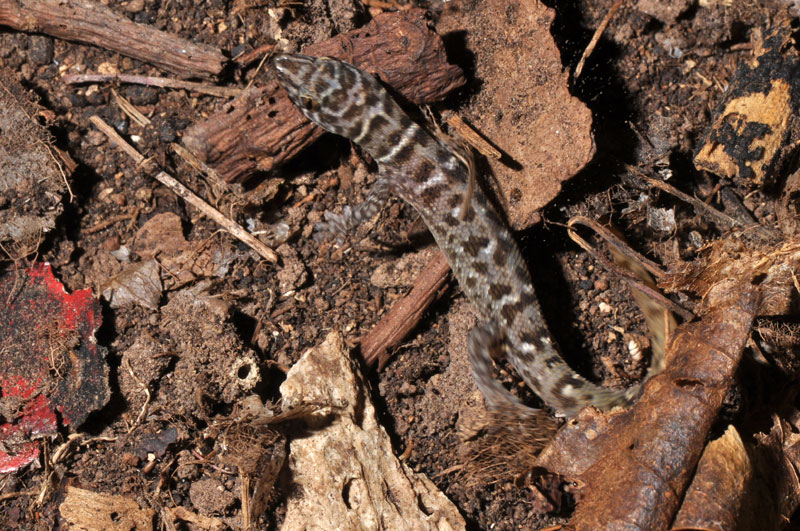
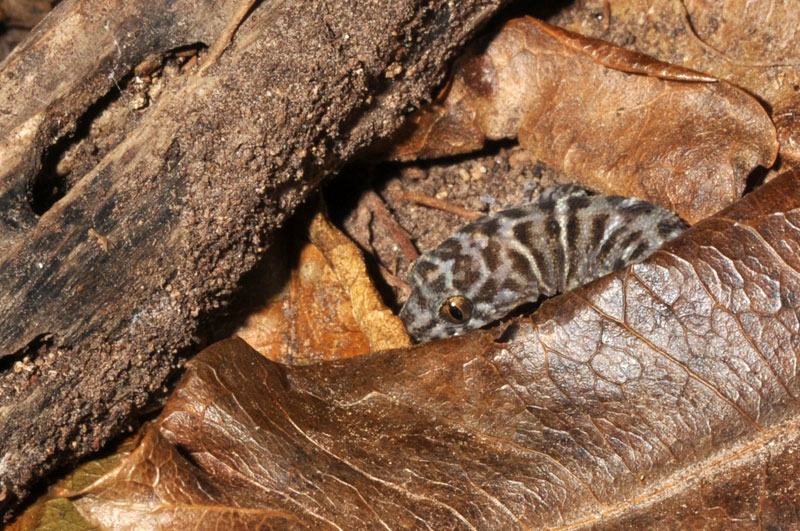
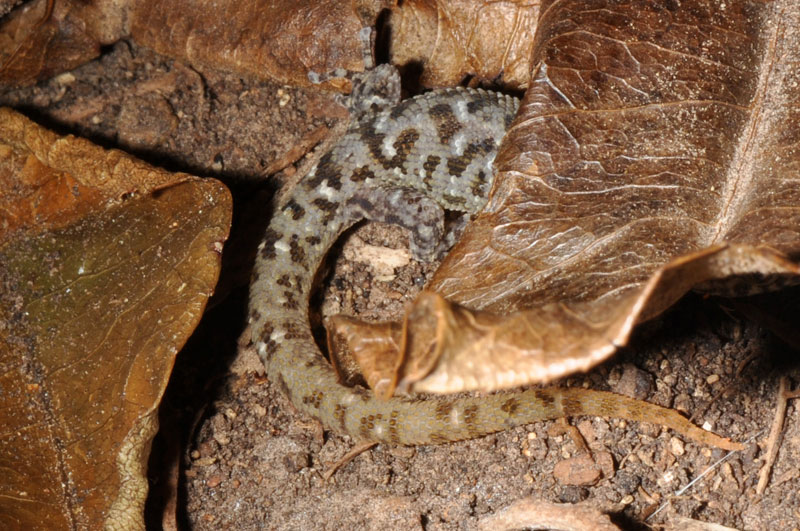
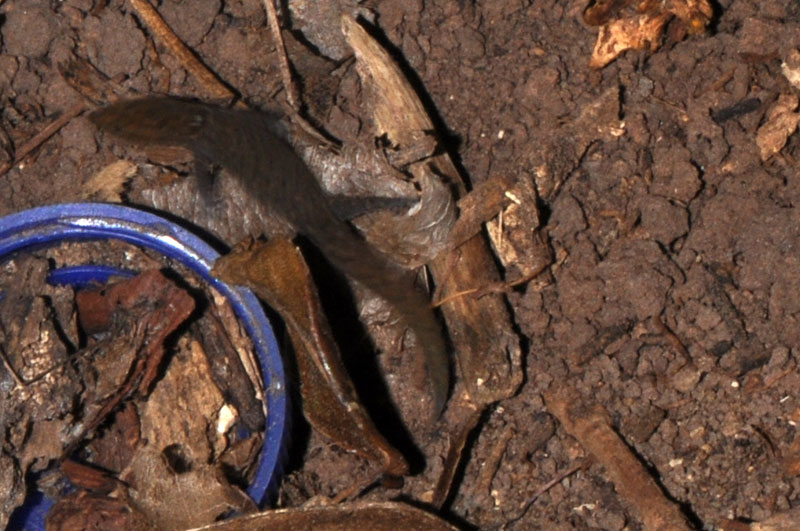
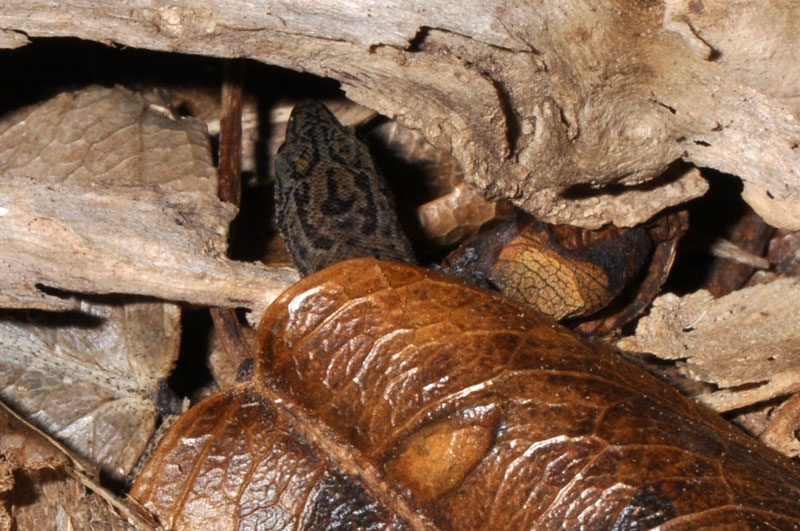
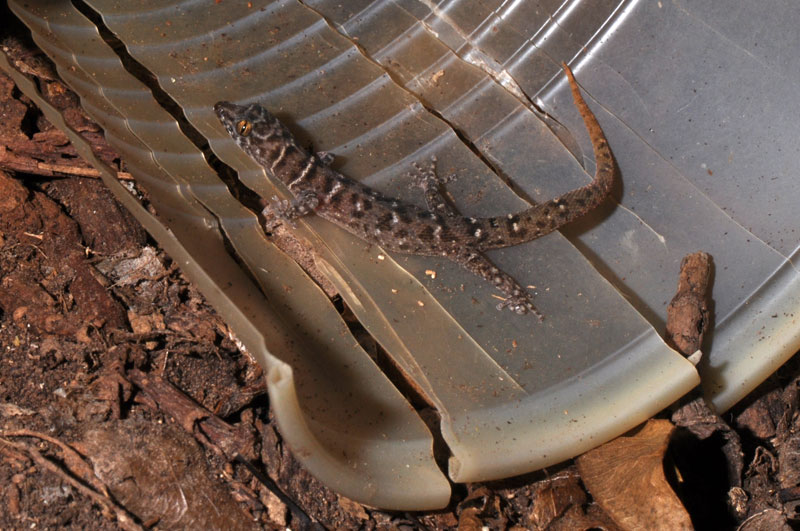
After a leisurely lunch at Yellow Beach, I set out to explore Pinel Islet to determine what species of iguana lives there. Although I did not find any iguanas, I did find at least two varieties of dwarf gecko in the leaf litter of a small wooded patch on the eastern side of the island.
The lighter-colored gecko seems to clearly be Sphaerodactylus sputator, a known resident of the island and is seen in four of the photos below. It was the largest of the geckos I encountered, although you can see from the photo in the plastic cup, it is quite small indeed.
There was at least one variety of darker gecko, although it is not clear to me that it is the other species known to reside on St. Martin (Sphaerodactylus macrolepis). Additionally, closer scrutiny of my photos has lead me to believe that the darker geckos may be of multiple varieties. The blurred shot of the gecko running most resembles the photos I have seen of S. macrolepis, but the body markings and general coloring are not very similar to the dark gecko in the last photo. Likewise, the photo where only the back of the head is visible may be the same species as the blurry photo, but looks clearly different from the lizard in the last photo.
At this point I might venture to guess that the blurry photo and the head photo are a local version of S. macrolepis, while the dark gecko with the broken light bands must be a different species or local race that may not be previously known to the island. Very exciting!
Posted in Explorations, Les Fruits sur la Terre, Pour les Sciences
Comment on this post.
January 28th, 2010 by Marc AuMarc
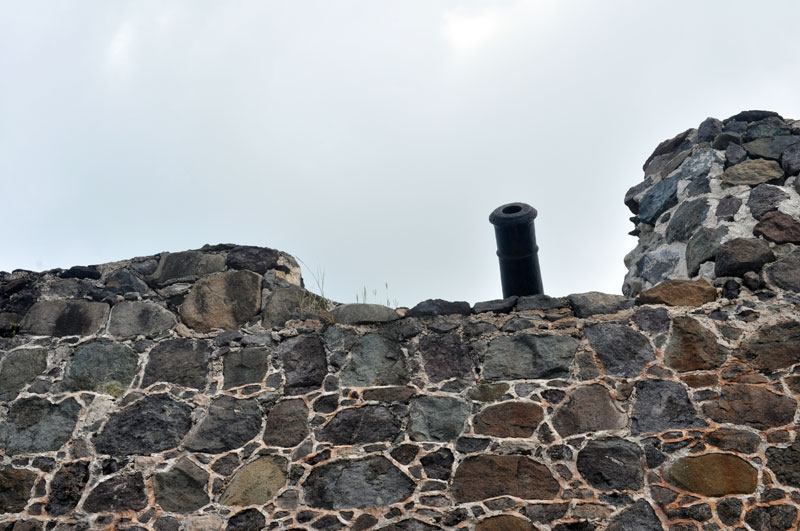
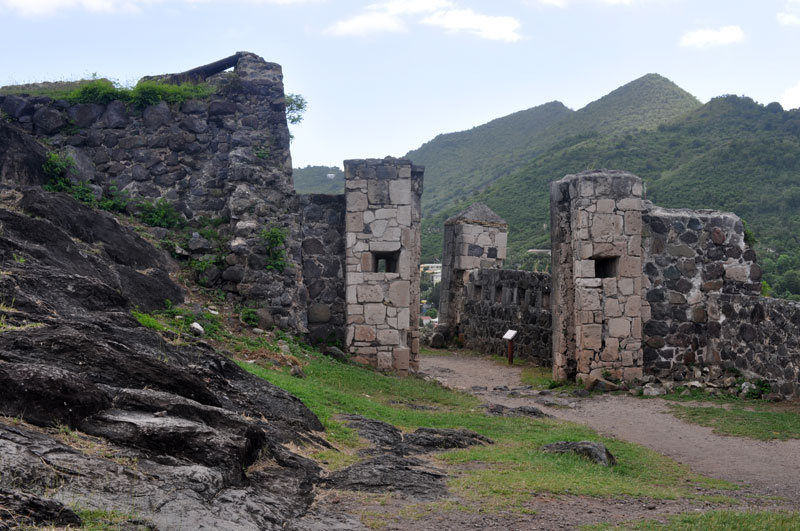
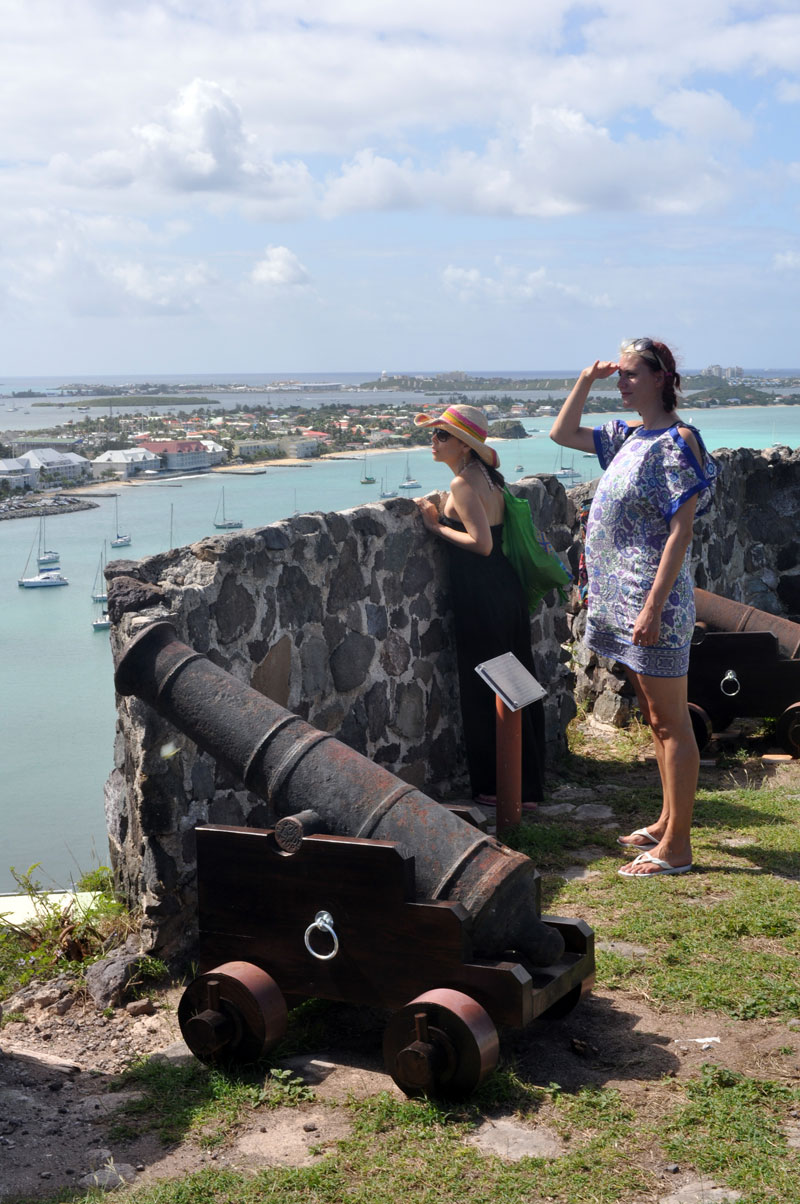
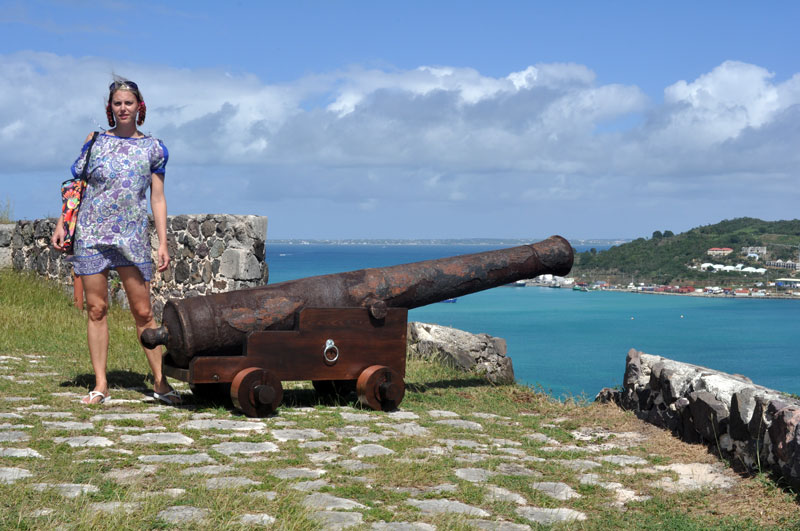
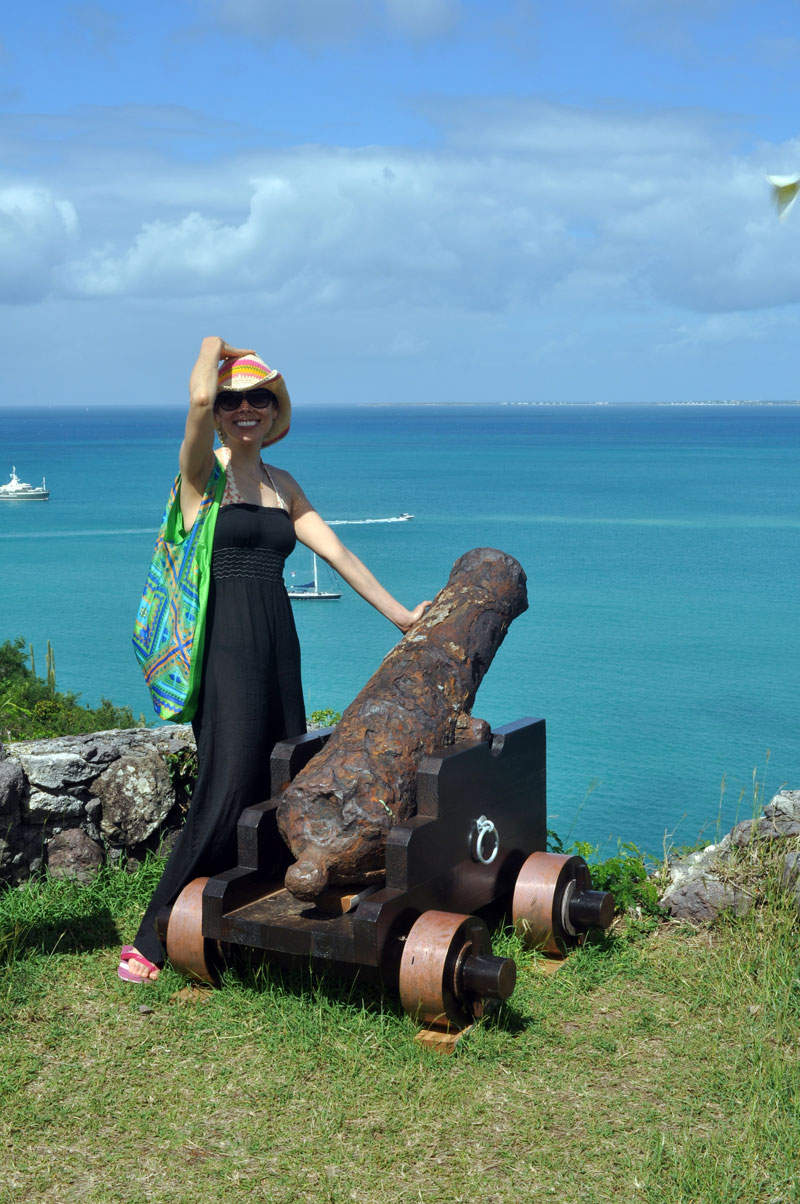
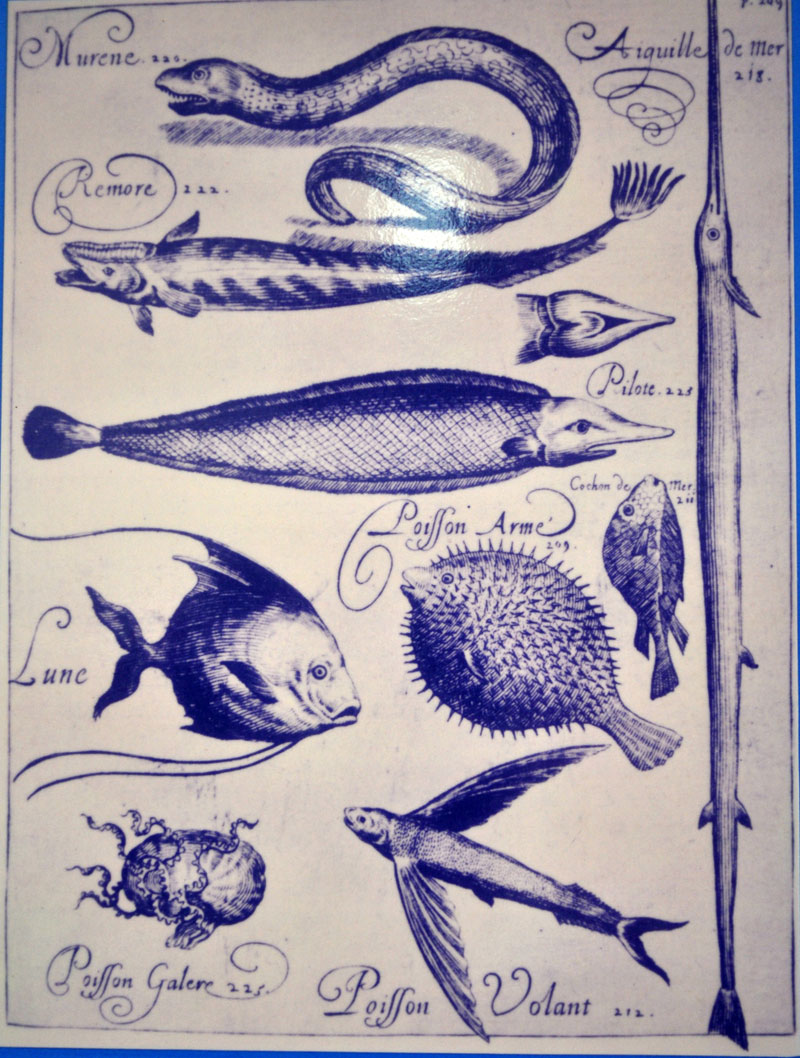
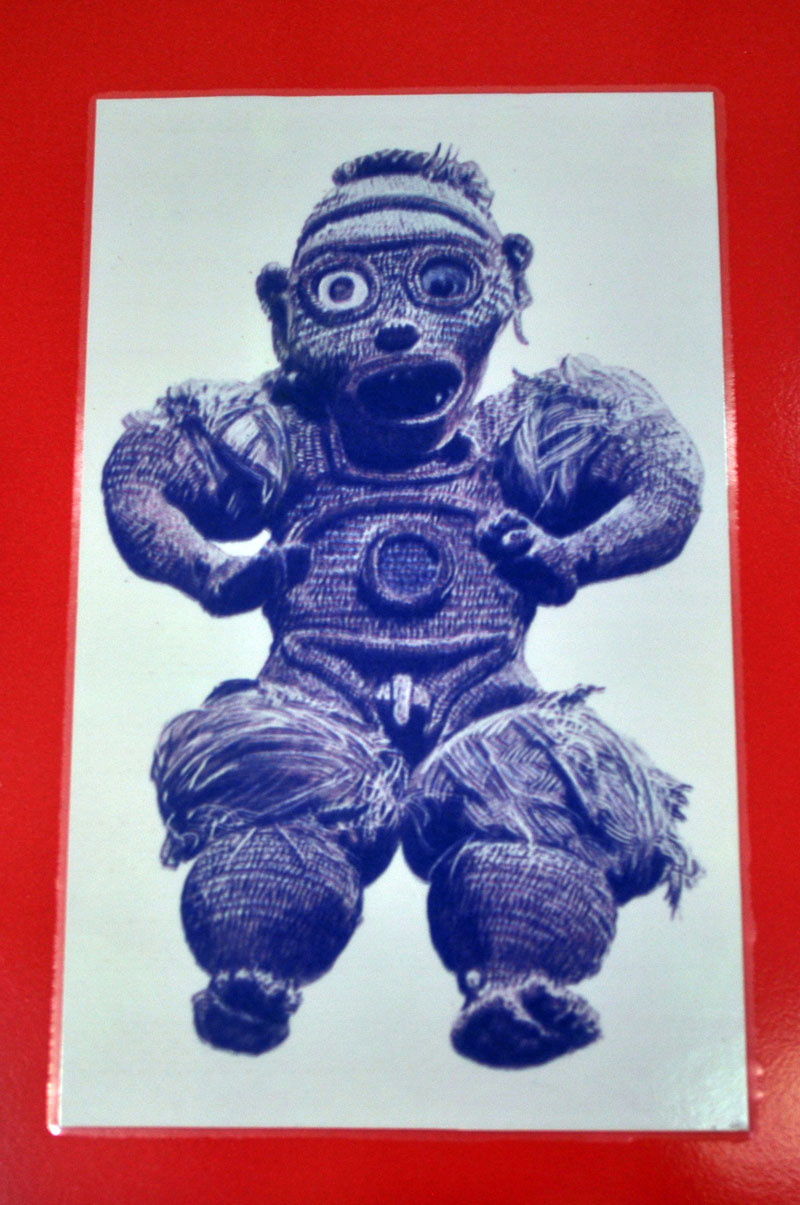
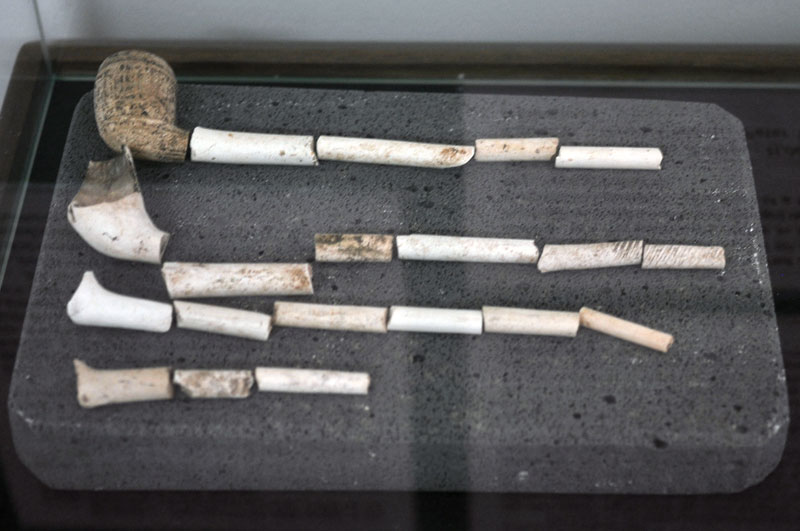
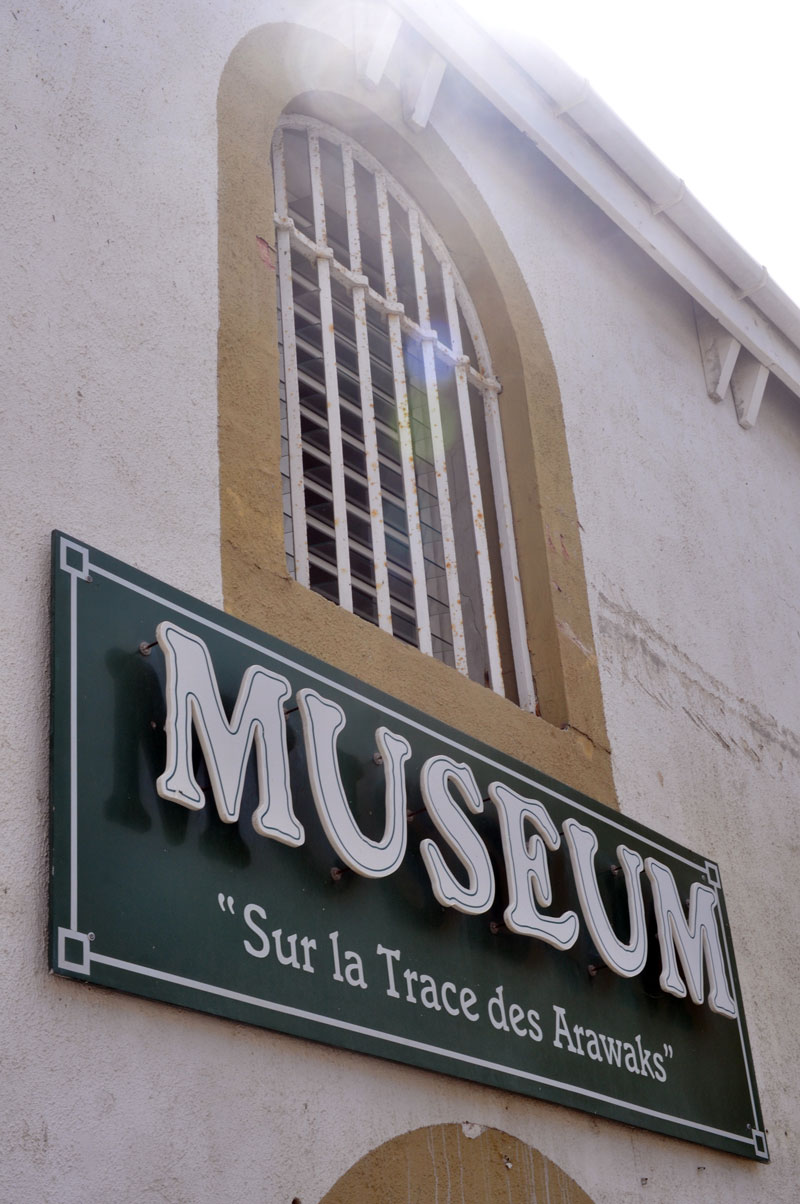
We made another excursion to Fort Louis and found a number of new and informative signs. Restorations were also made to many of the canons, which were placed in battle formations. We also visited the museum for the first time since its restoration and found it quite informative, particularly with regard to the prehistoric inhabitants of the island, which came in several successive waves.
Posted in Arts & Culture
Comment on this post.
January 27th, 2010 by Marc AuMarc
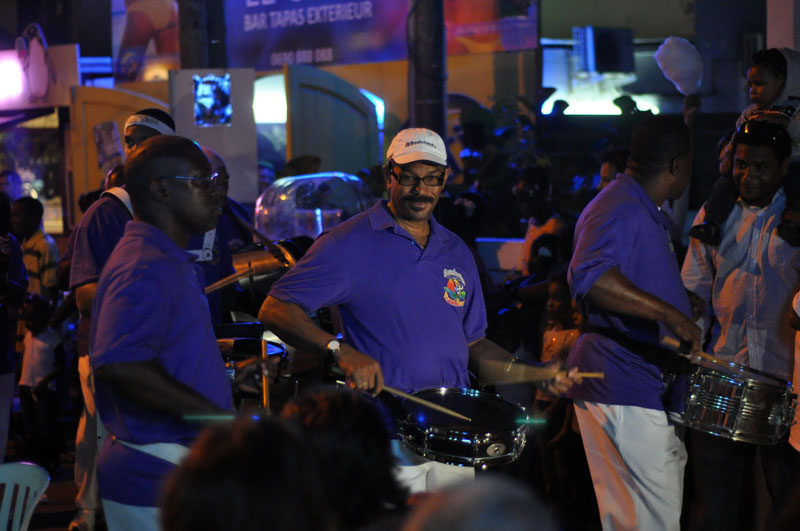
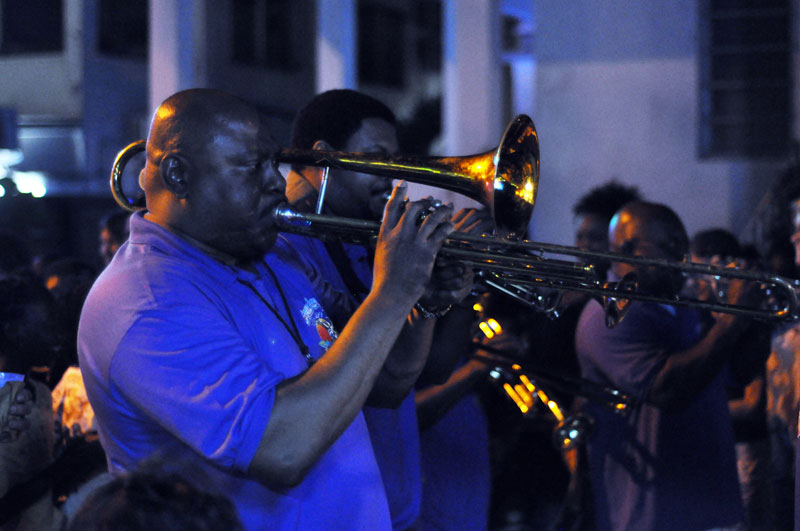
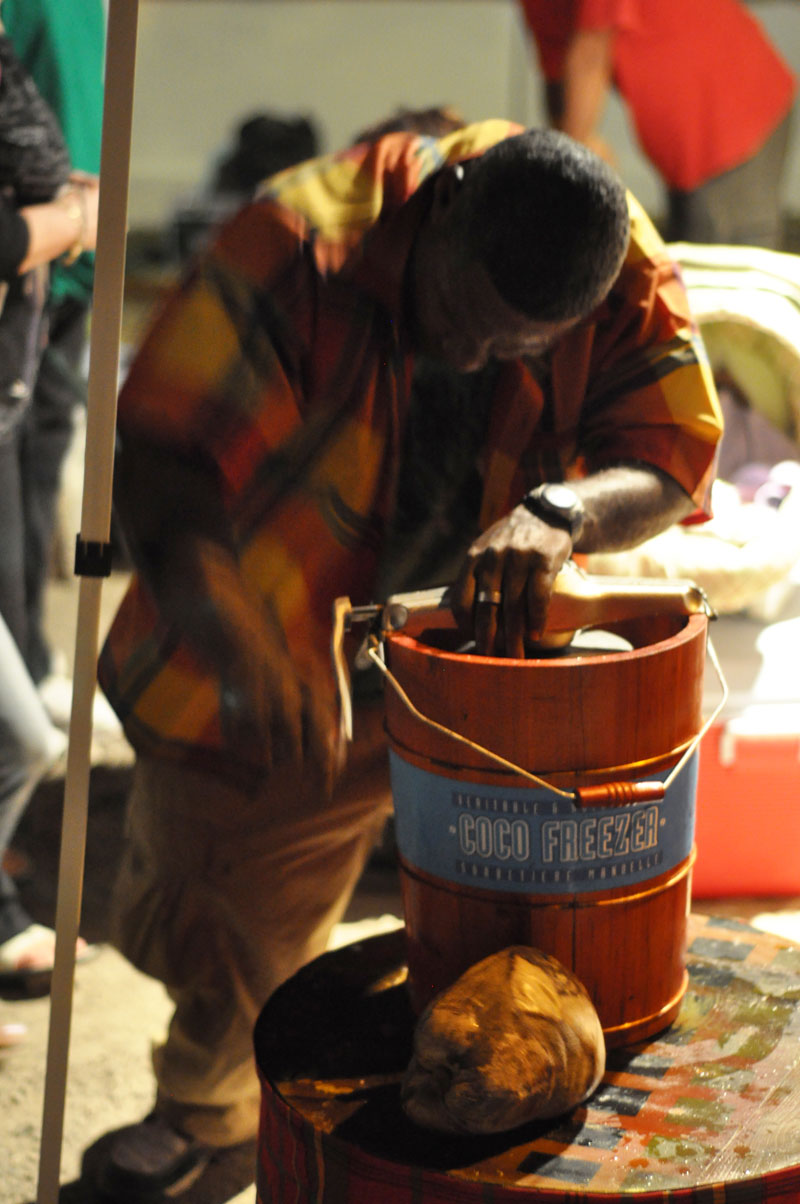
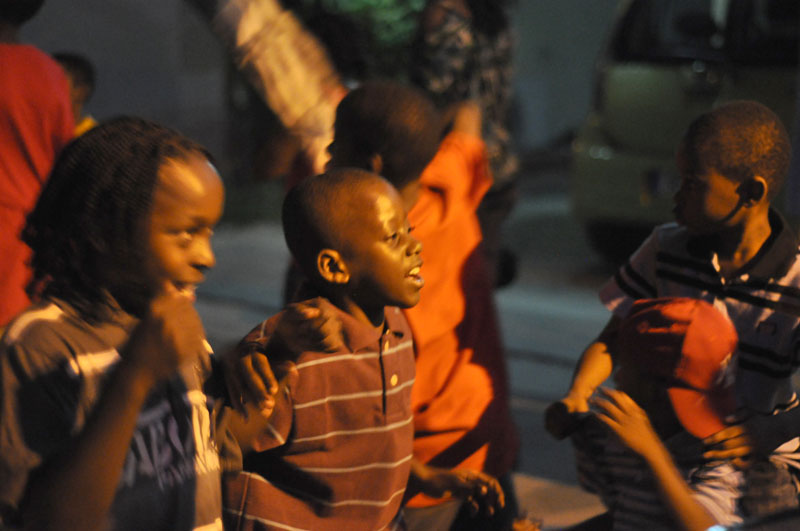
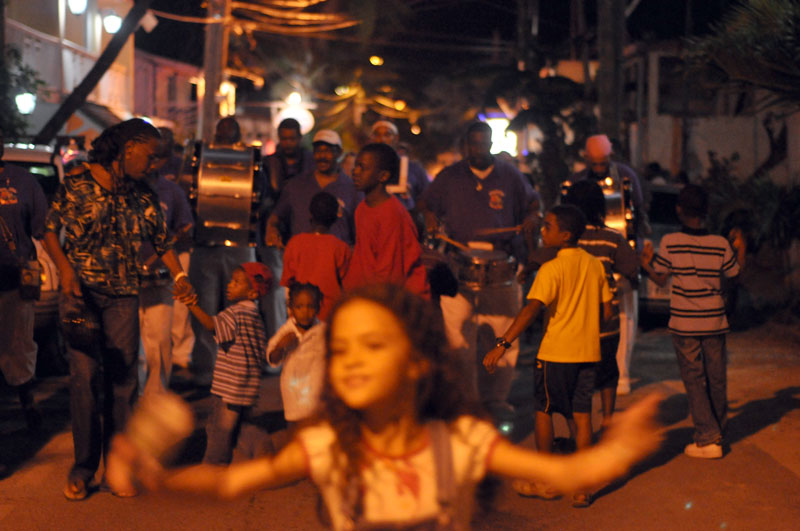
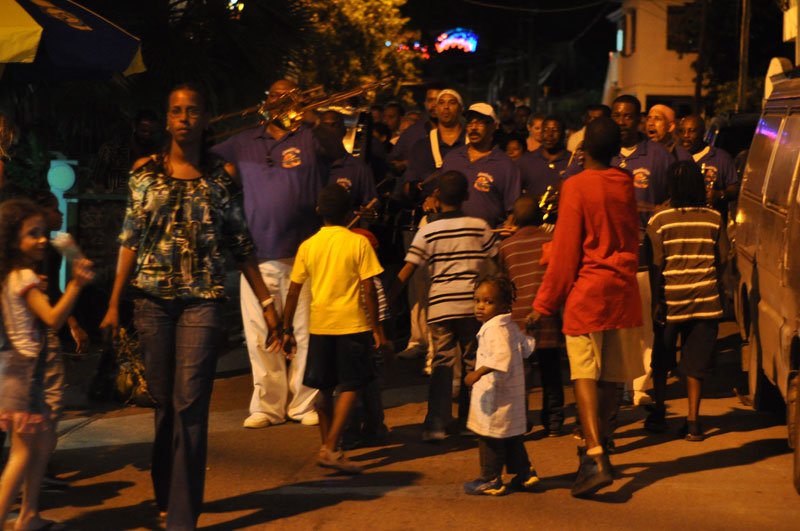
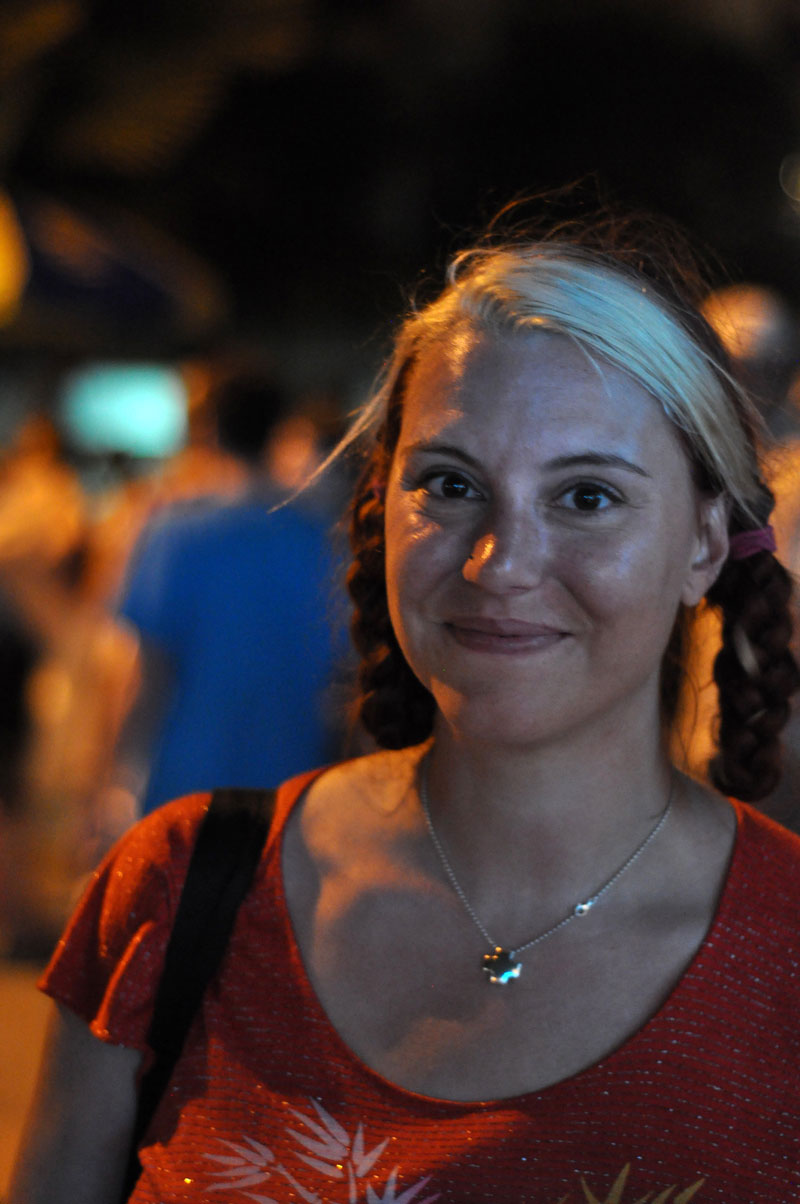
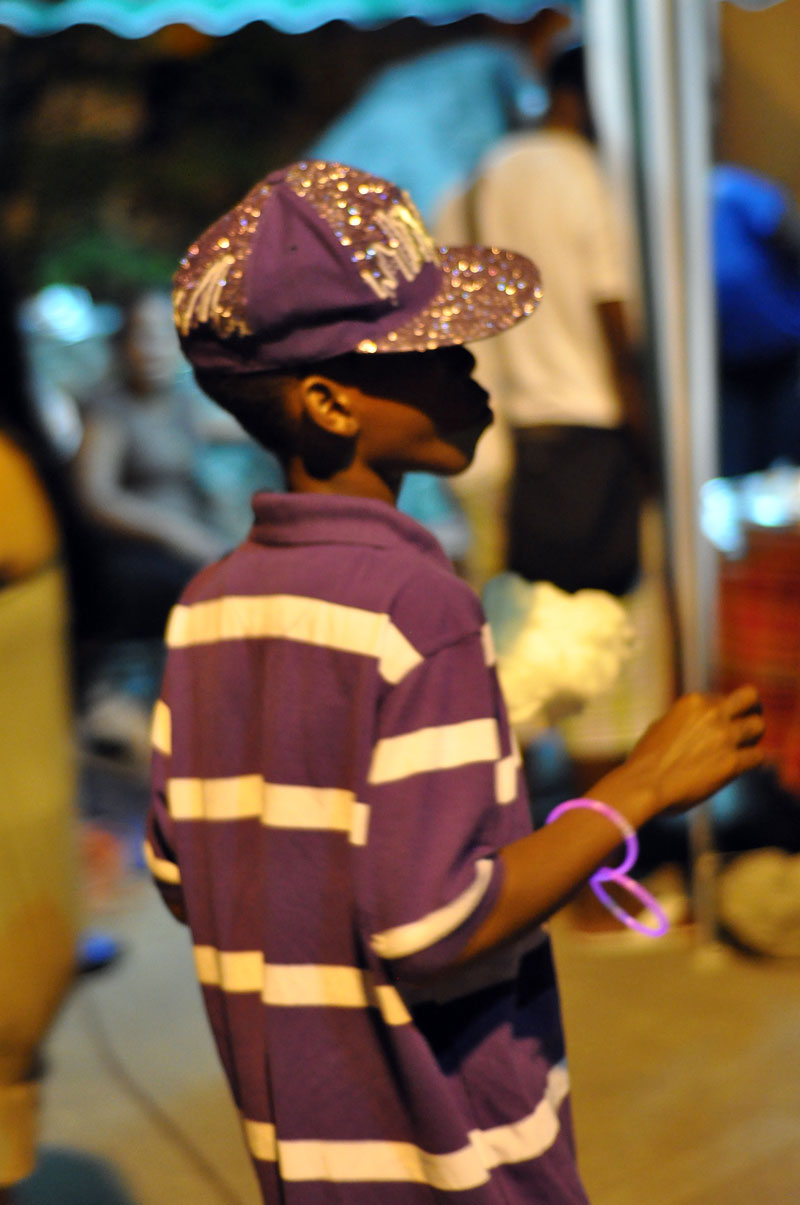
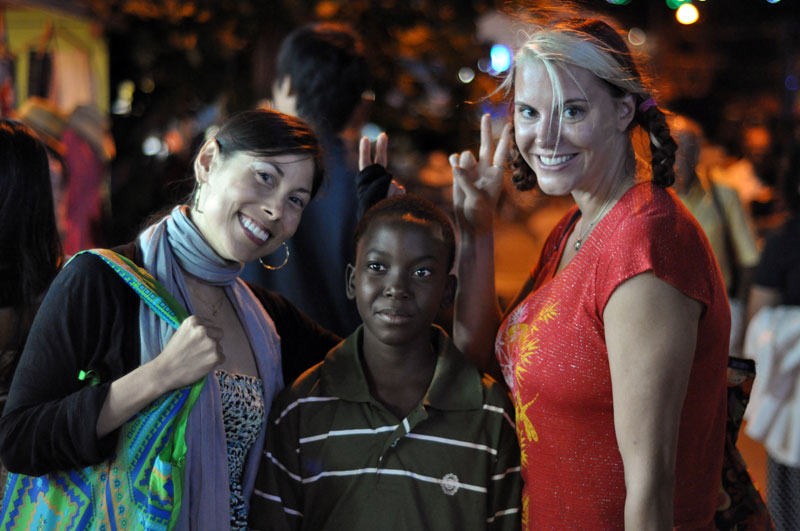
Last Tuesday was the second of many Grand Case Mardi Gras nights. This time I took a lens that could autofocus and I think the photos came out a little better. You can see the band, Kevin, some kid with an awesome purple hat and much more.
Posted in Arts & Culture, On Expedition
Comment on this post.