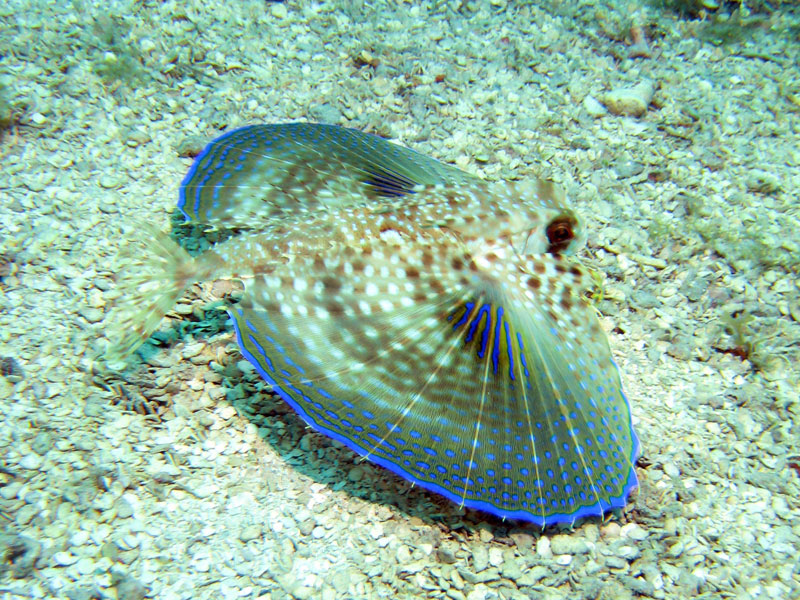
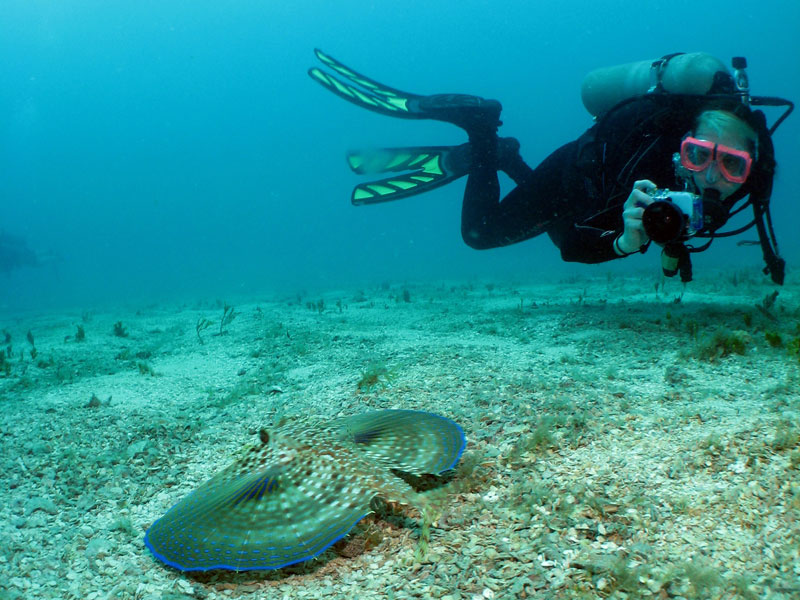
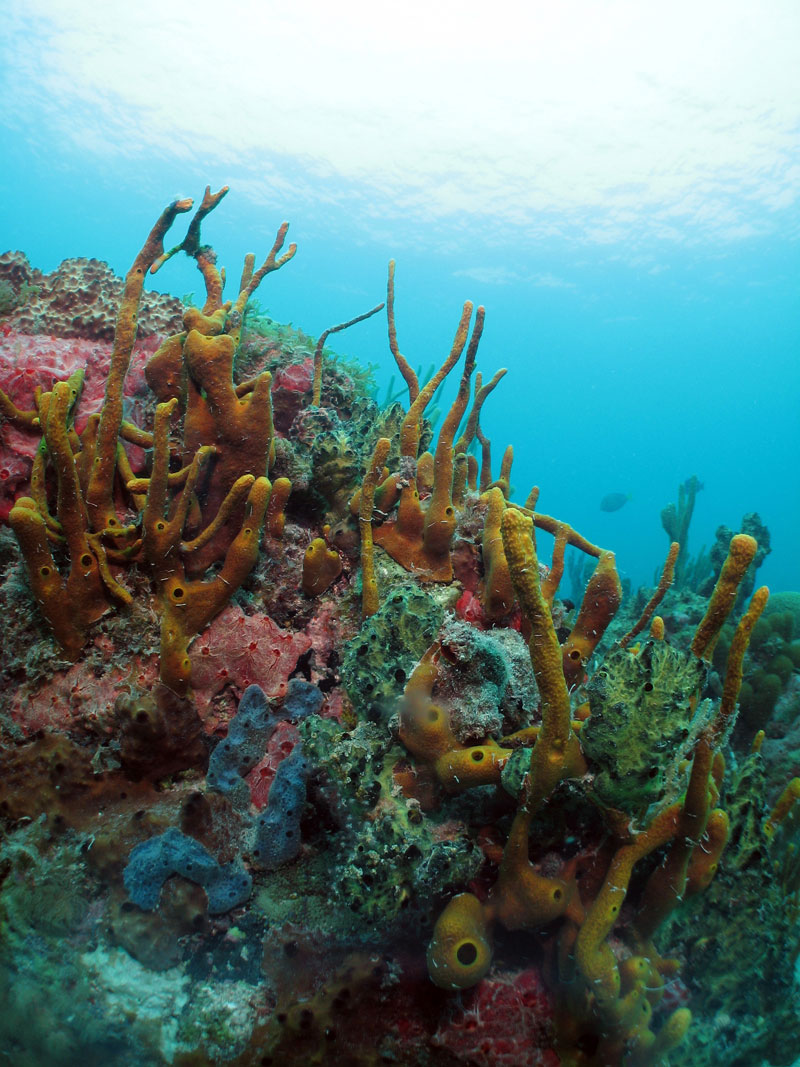
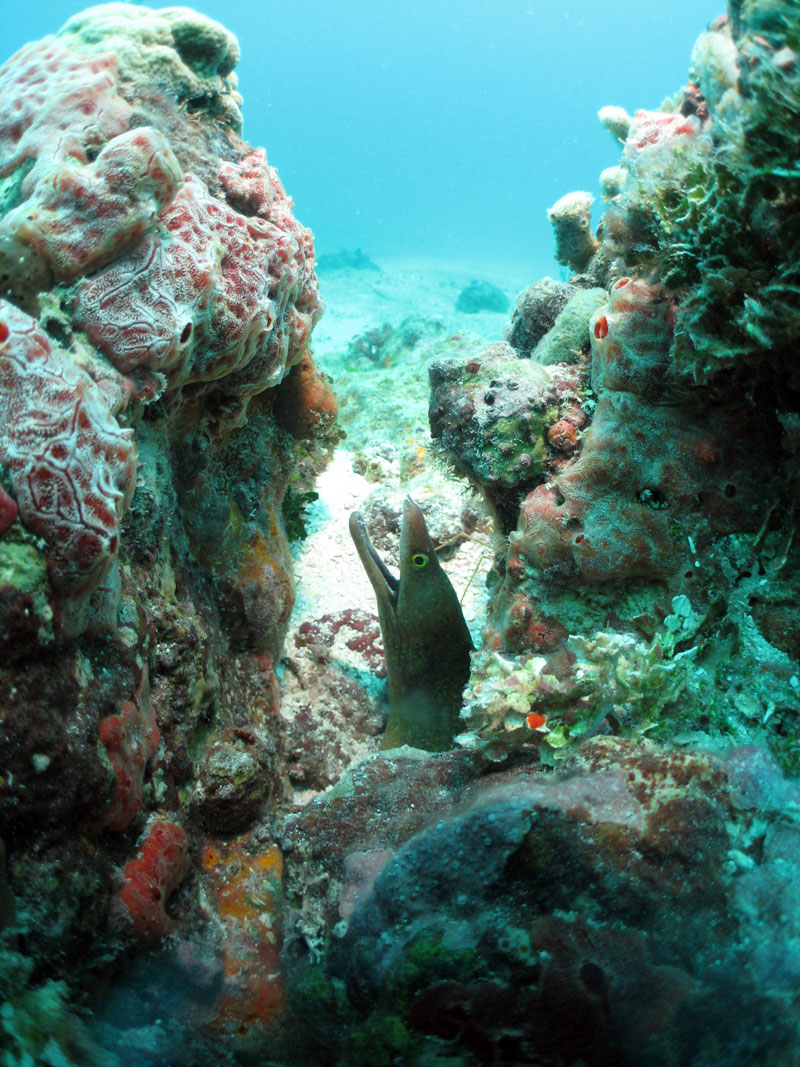
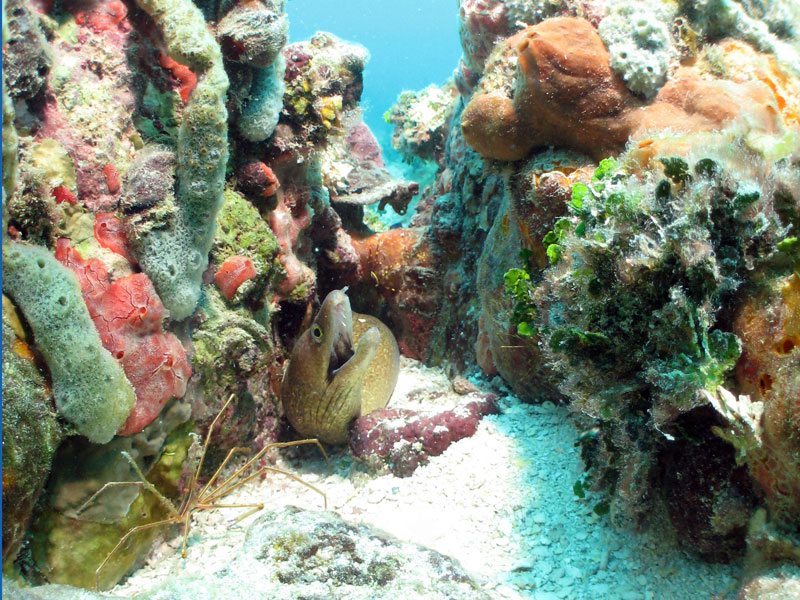
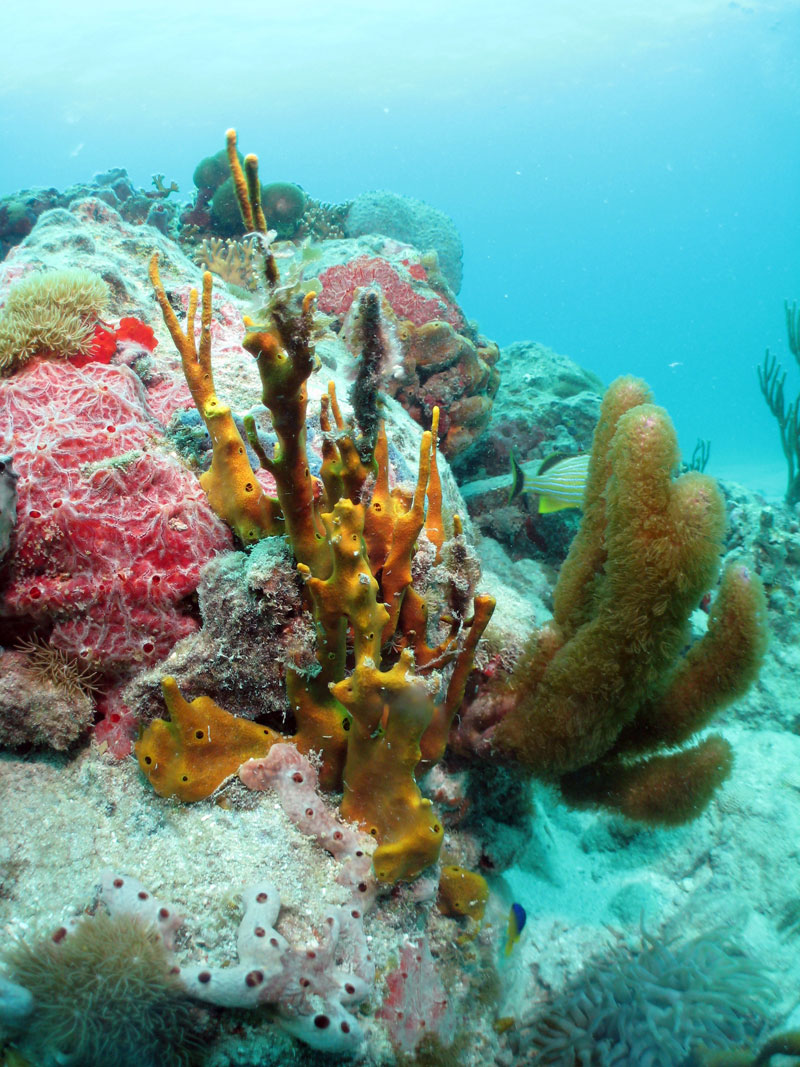
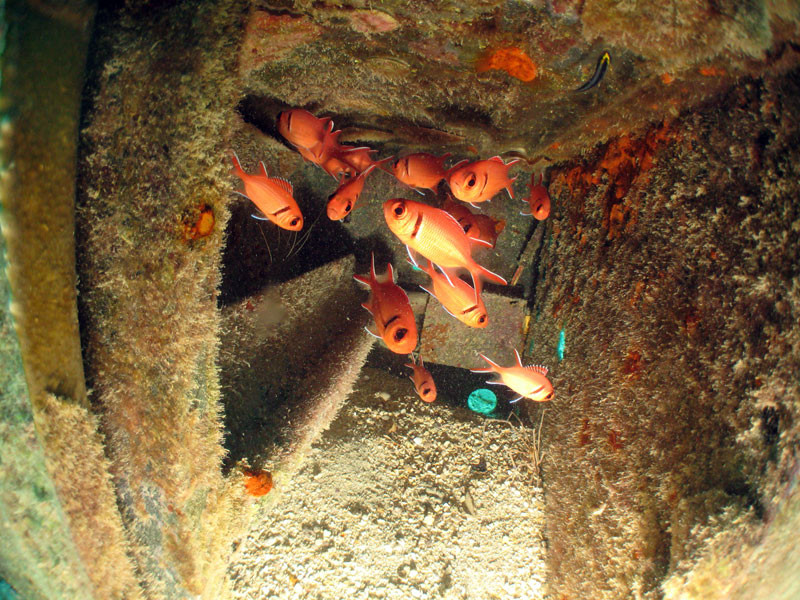
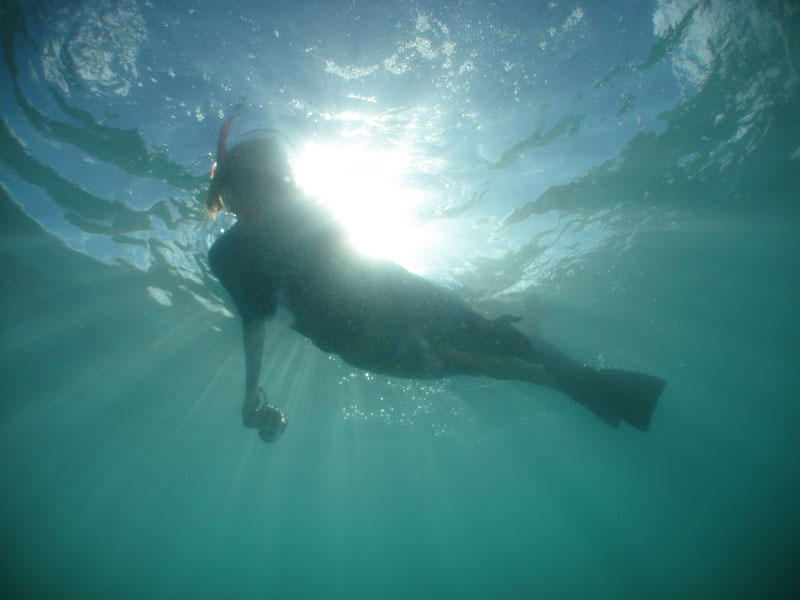
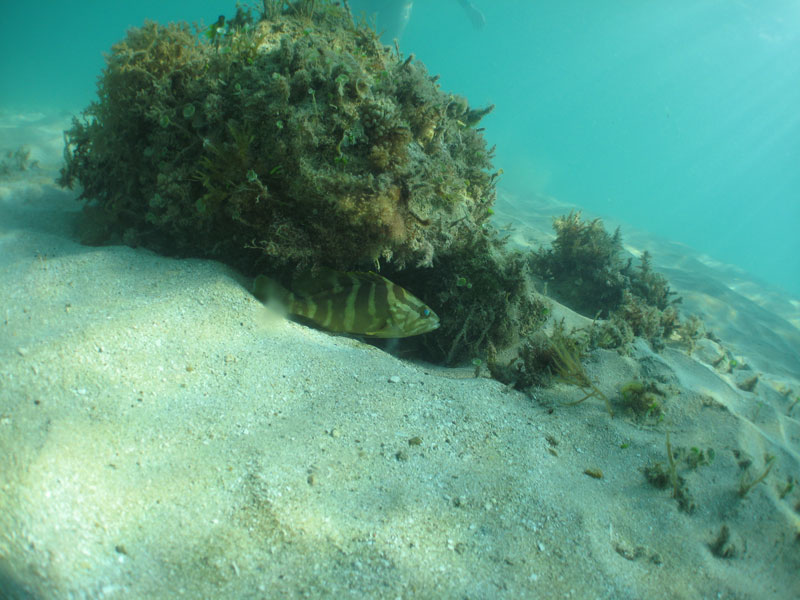
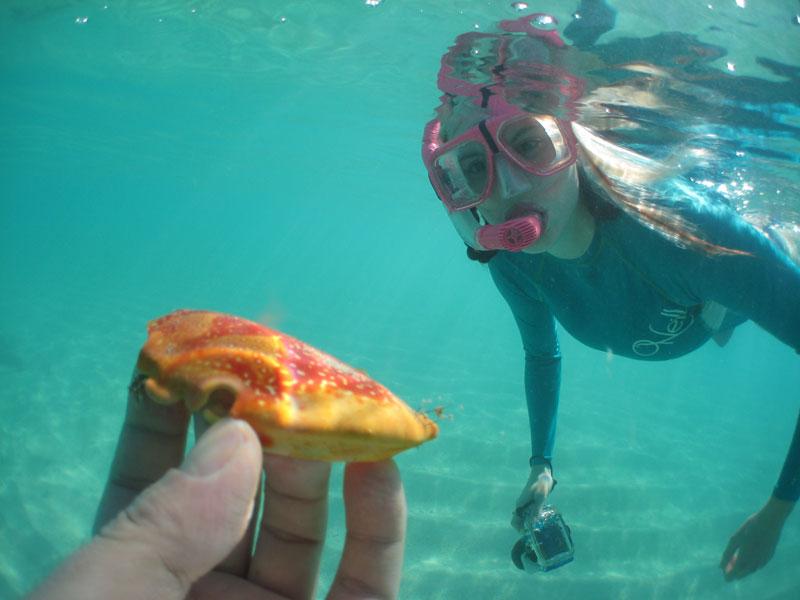
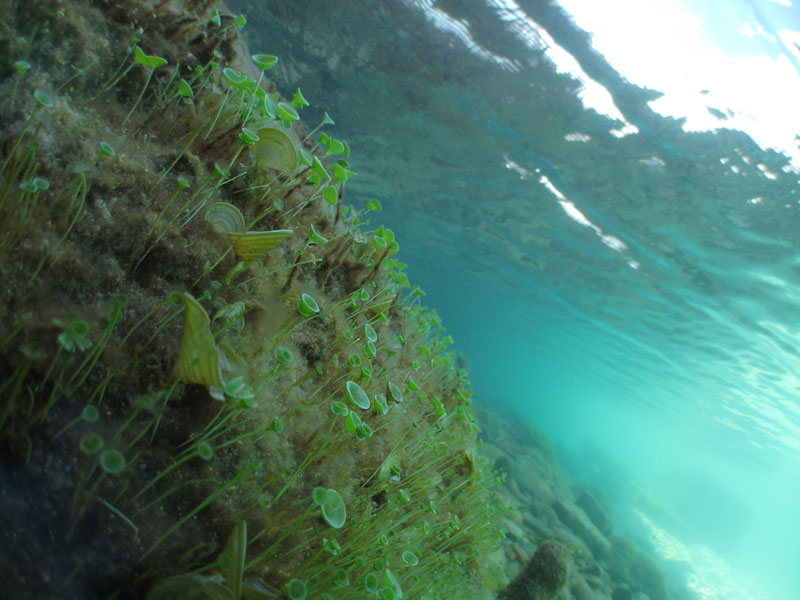
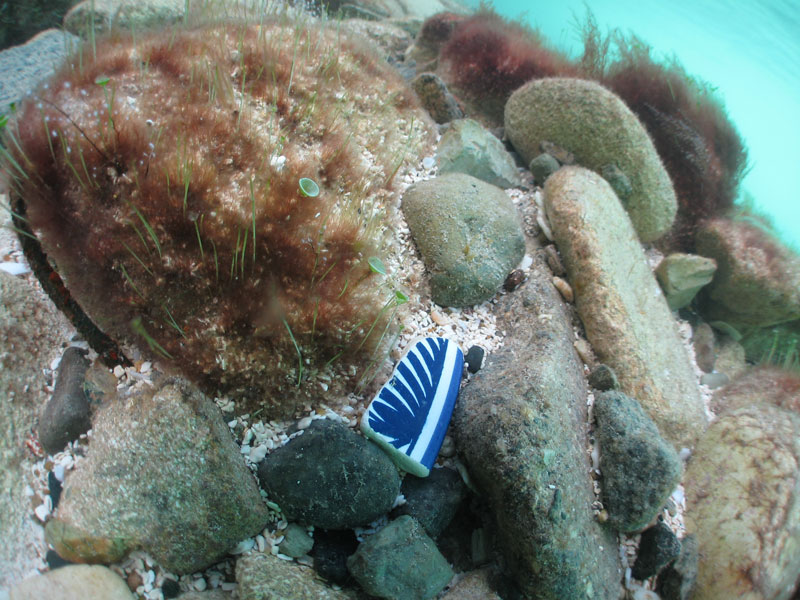
After a quick morning snorkel in our backyard, we went out with the afternoon boat for dives at Creole Rock and Turtle Reef (aka Sec de Grand Case). Highlights at Creole Rock included numerous cleaning stations, with a large grouper being cleaned by at least a half dozen cleaning shrimp, a large adult spotted drum and an octopus. At Turtle Reef we saw a turtle, of course, as well as a flying gurnard, numerous fish inside an abandoned oven and a trio of incredibly small juvenile fish we believed to be young high hats.
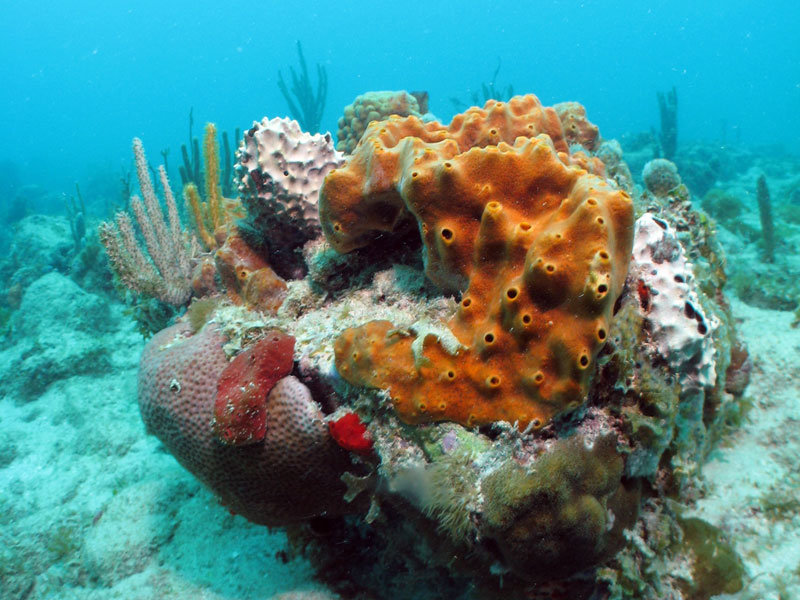
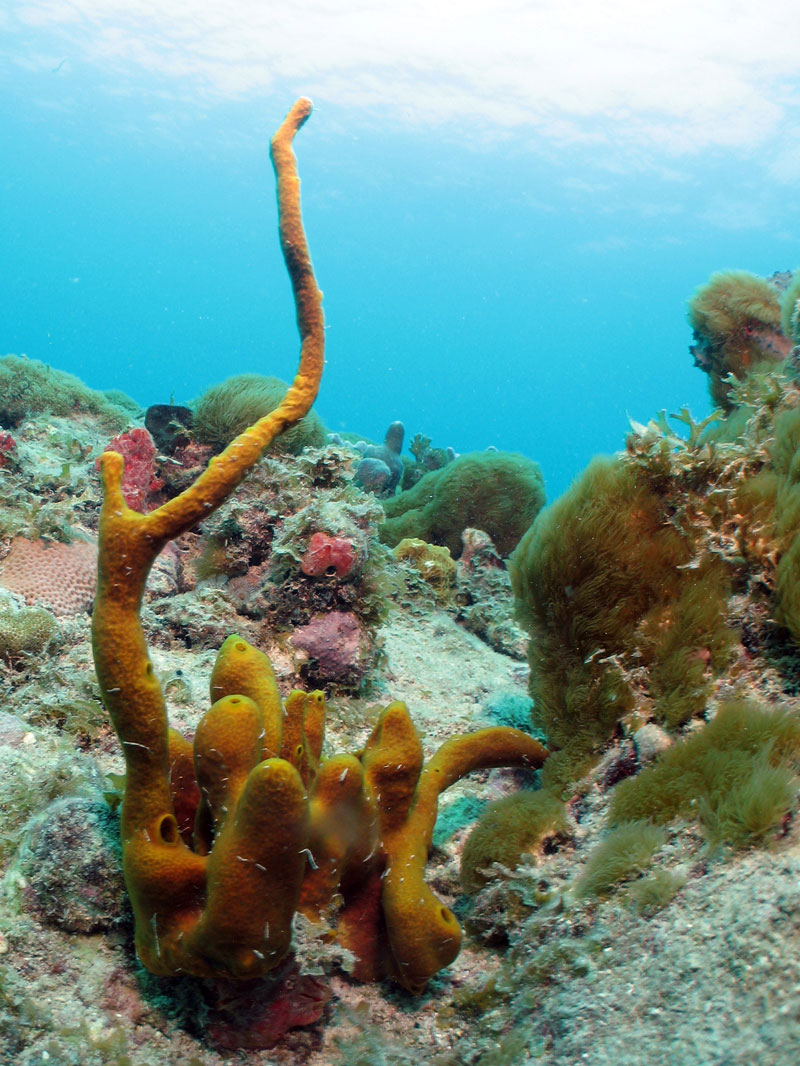
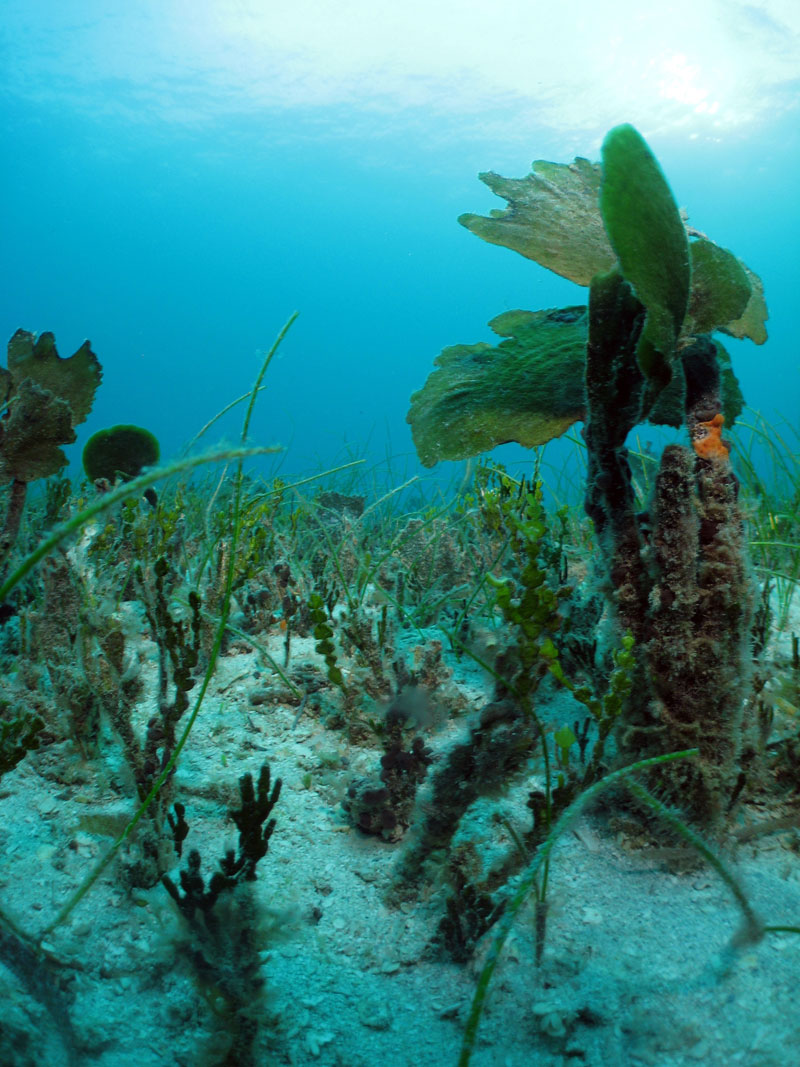
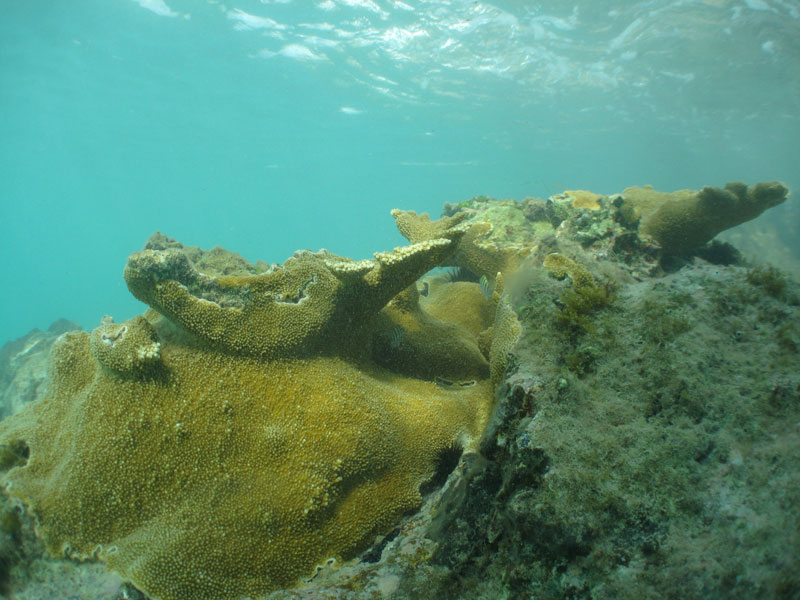
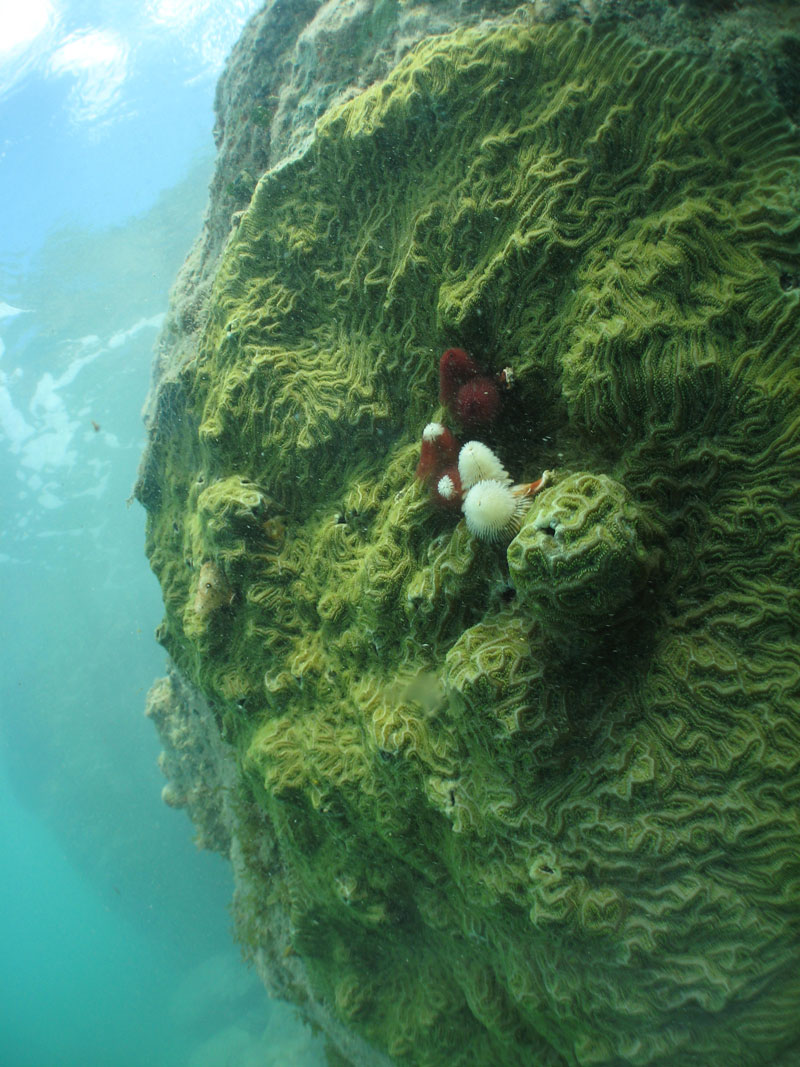
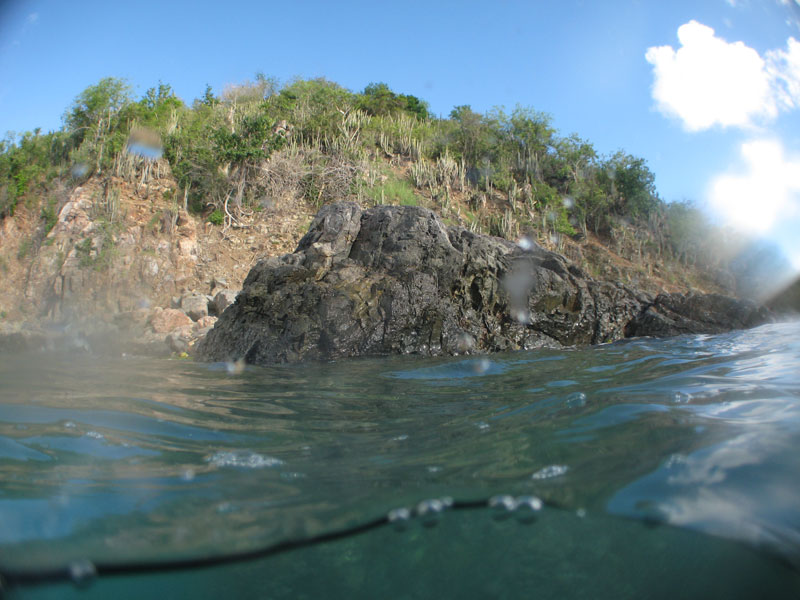
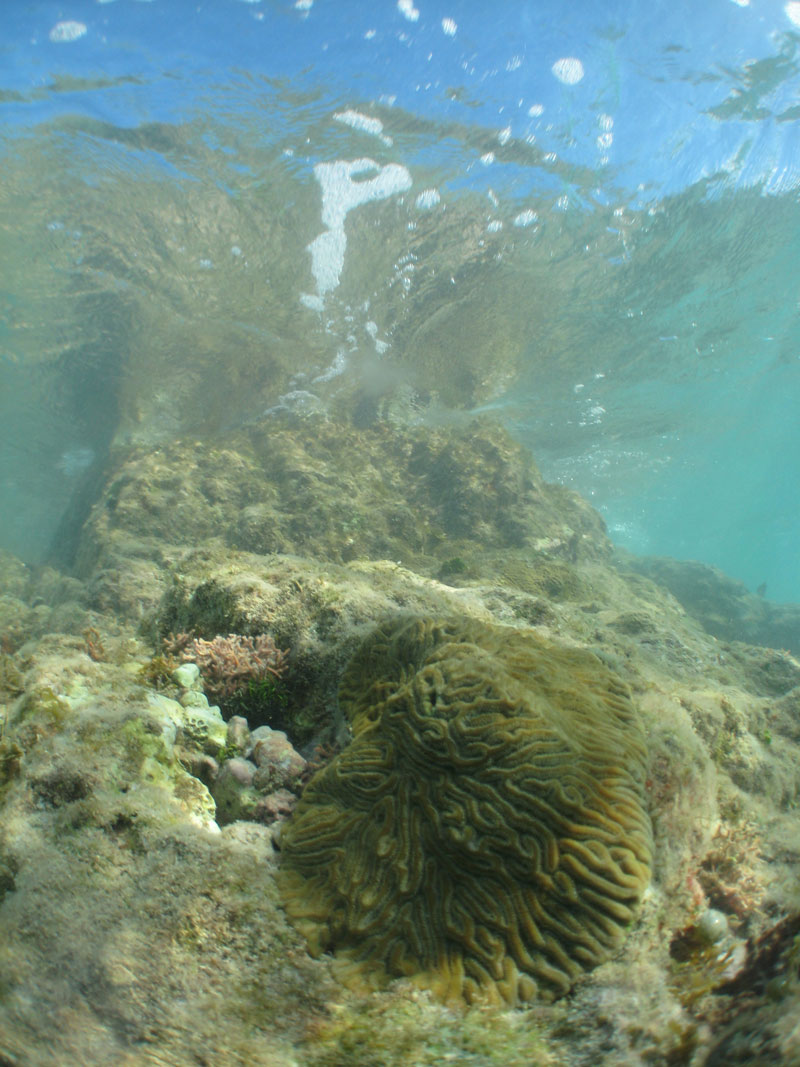
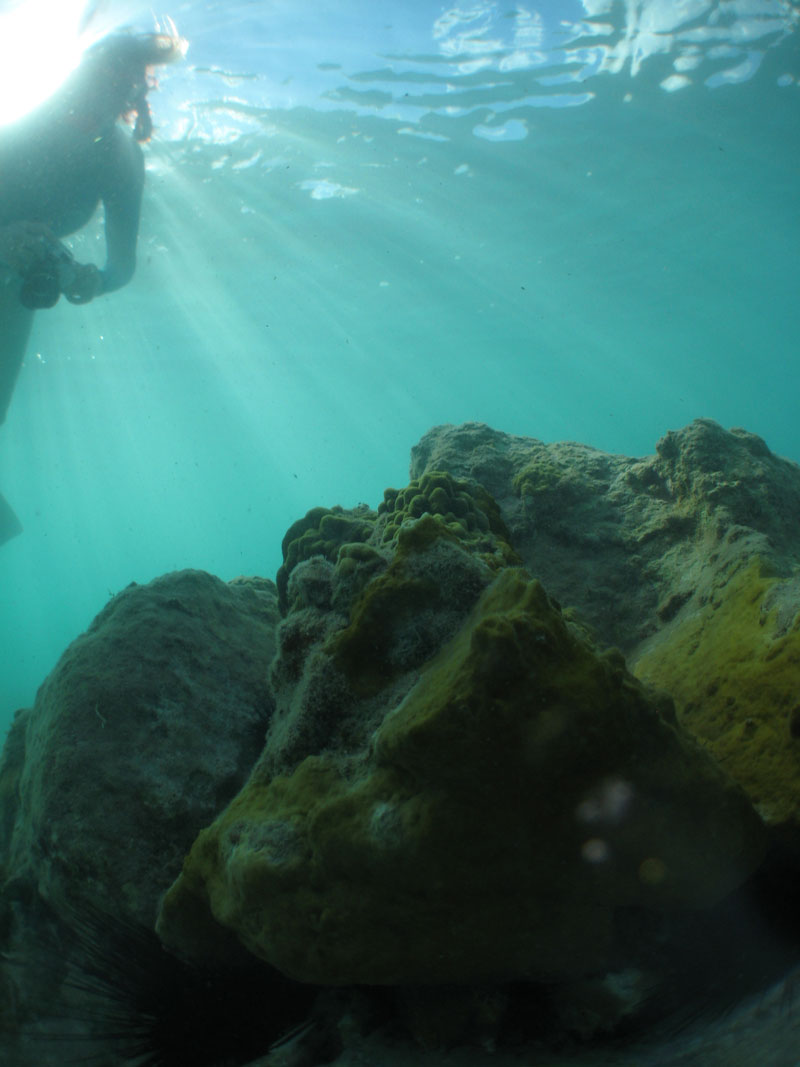
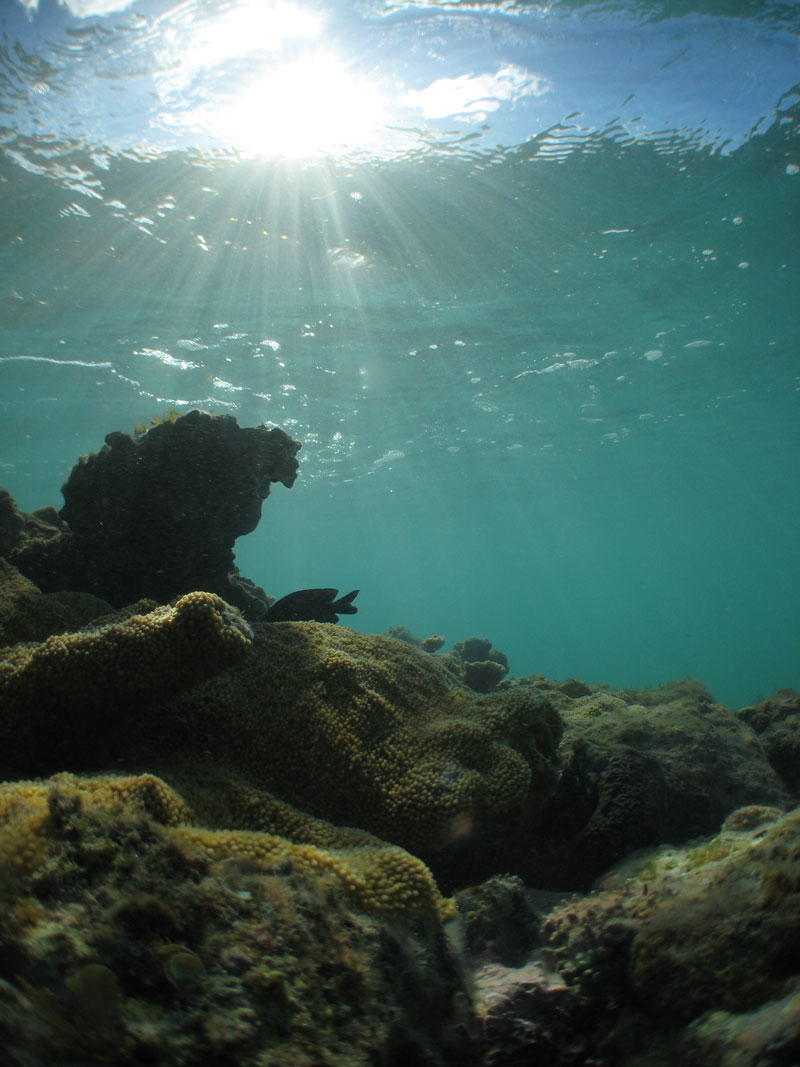
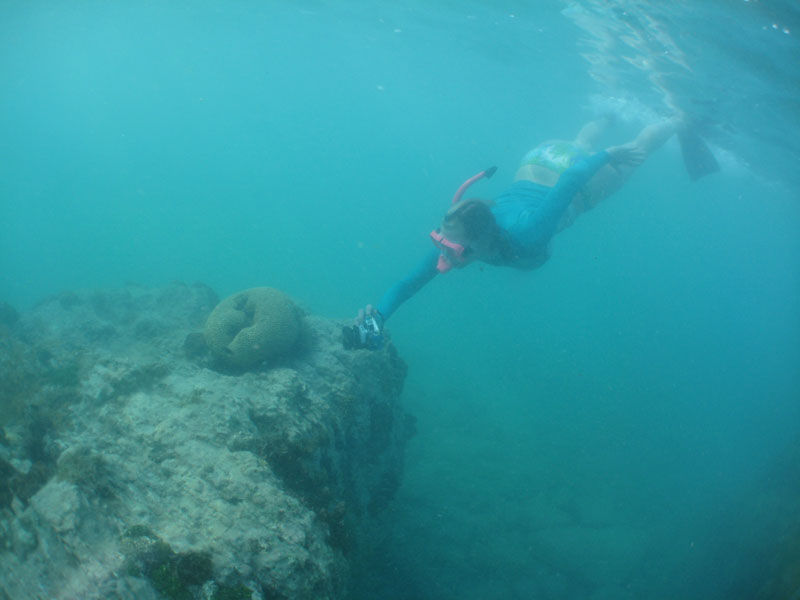
In the afternoon we went with Chris and Sally to Happy Bay, a short hike from Friar’s Bay, for a second E.S.S. mission. We explored the north side of the bay and, although the swell reduced the visibility we were able to see quite a lot including at least a half-dozen types of coral (fire coral, elkhorn coral, brain coral, sea rods, sea fans and a few other encrusting species). Below are a few photos from the mission.
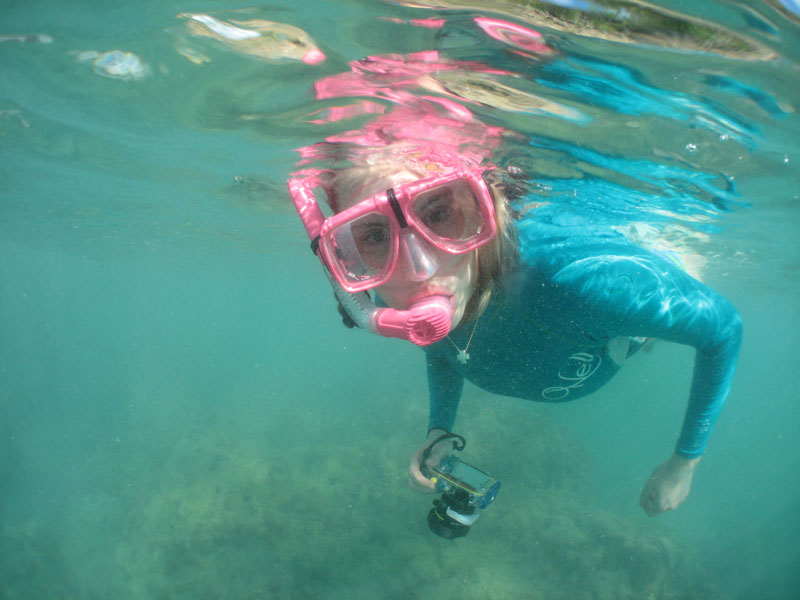
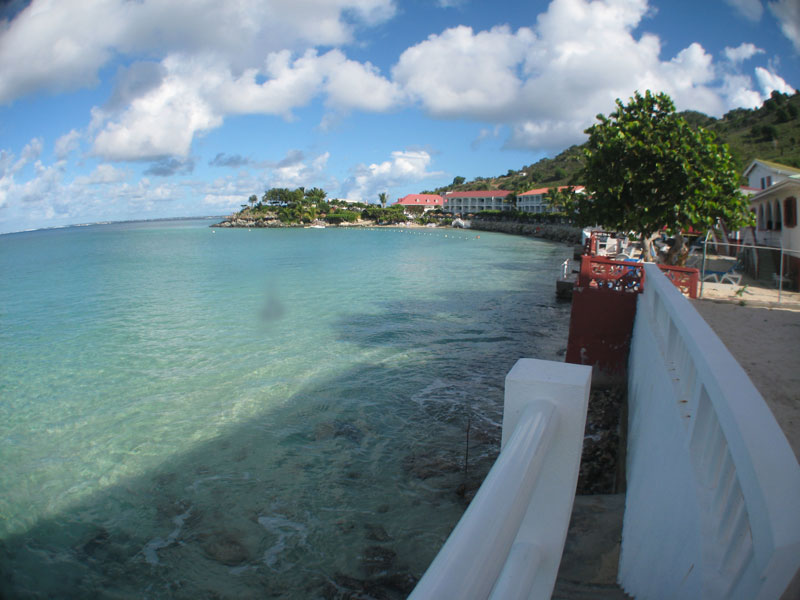
This morning we went out on our first E.S.S. mission, entering the sea directly behind our apartment and exploring both directions in Grand Case Bay. Amongst other things, we saw a high hat, a lobster and several sunken concrete staircases, no doubt claimed by hurricanes past. Below are some photos from our expedition, taken with the Canon Powershot using natural light, often in the shade.
With only a couple weeks to go before Madam J and I depart for a year long expedition to St. Martin, I thought it would be fitting to post a selection of vacation-style photos from some of our many shorter trips there over the years. So many happy memories! Here we come for more!!!
Here’s a pretty awesome video of coral gardening which include some time lapse shots of coral as it grows. I saw this on the blog Deep-Sea News, which I highly recommend for their “salty blogging.” Also check out our previous post about artificial reefs.
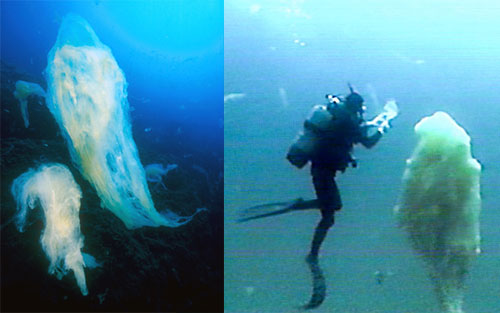
Giant globs of mucus-like gunk called mucilages are on the rise. Formerly a summer phenomenon in the Mediterranean, rising temperatures have resulted in mucilages forming in winter and lasting for months. They can be up to 124 miles long. Made mostly of dead matter, they can harbor bacteria and viruses and pose a risk to swimmers. For more info, see National Geographic.
There’s a problem with your Filet-o-Fish. It may be overfished. It turns out that a deep sea fish called the Hoki (Macruronus novaezelandiae) is used for many fast food fish products, including up to 15 million pounds of McDonald’s sandwiches in some years. The Hoki also serves as yet another warning about depleting our fisheries, because it was thought to be a sustainable resource.
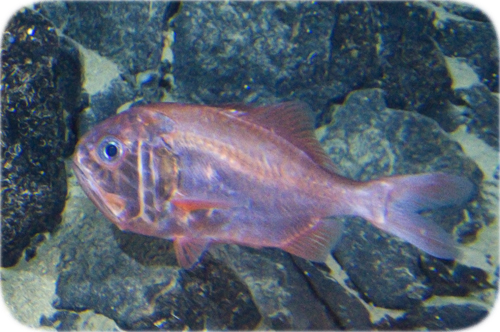
The rise of the Hoki as a food fish was partially because the Orange Roughy (picutred below) was found to be a very fragile resource. Thought to live up to 140 years, the Orange Roughy is slow to reproduce and mature. It probably does not take a genius to realize that you should probably avoid eating things that live that long. The Hoki lives only 25 years and was thought to be abundant in the New Zealand waters where it is fished, but without actually acknowledging dwindling stock, the government there has already slashed the quota by two-thirds. It seems that this fishery, which actually won an award for being sustainable and well-managed may have already become overfished only a few years after it really became significant in the 90s. Read more at the New York Times.