October 29th, 2010 by Marc AuMarc
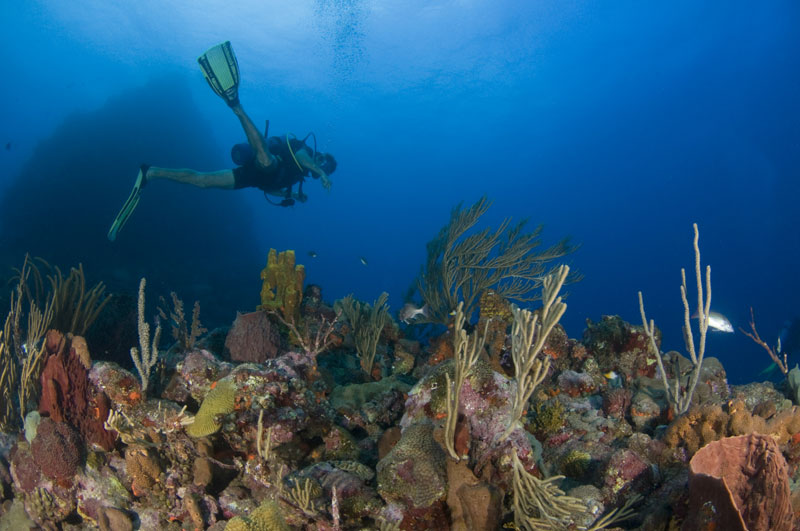
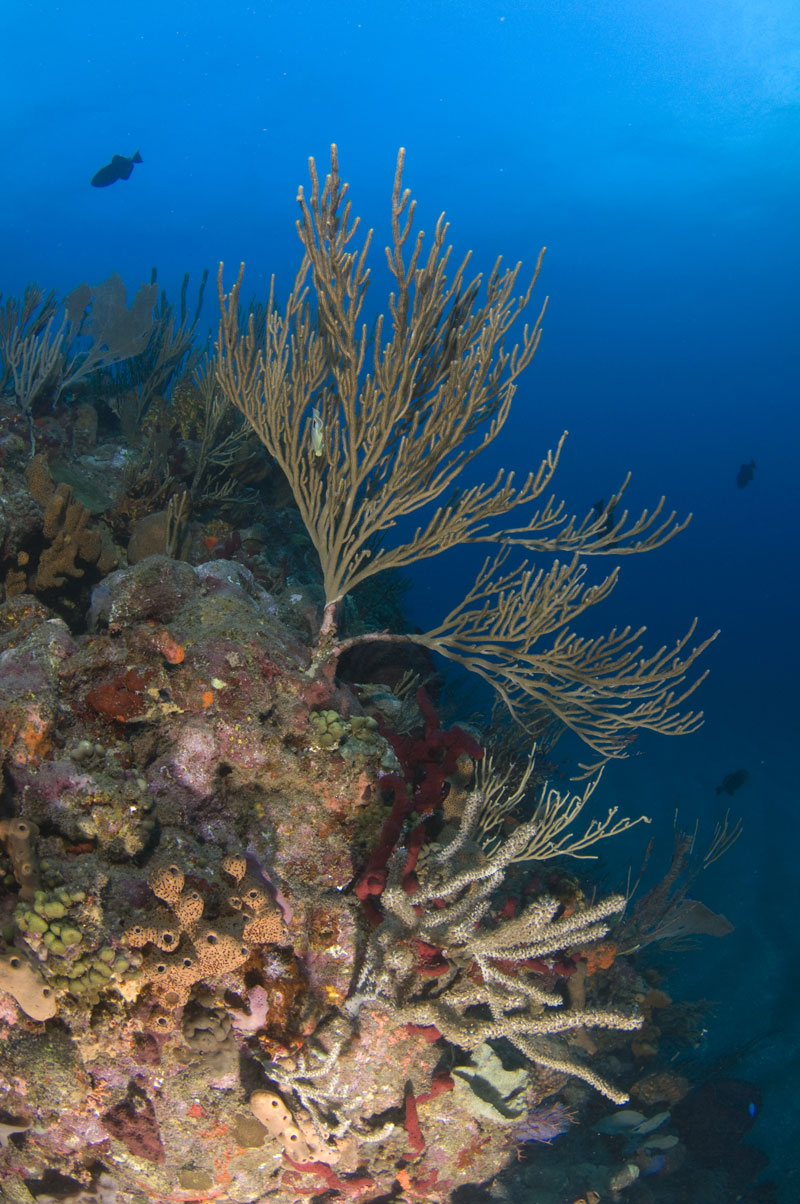
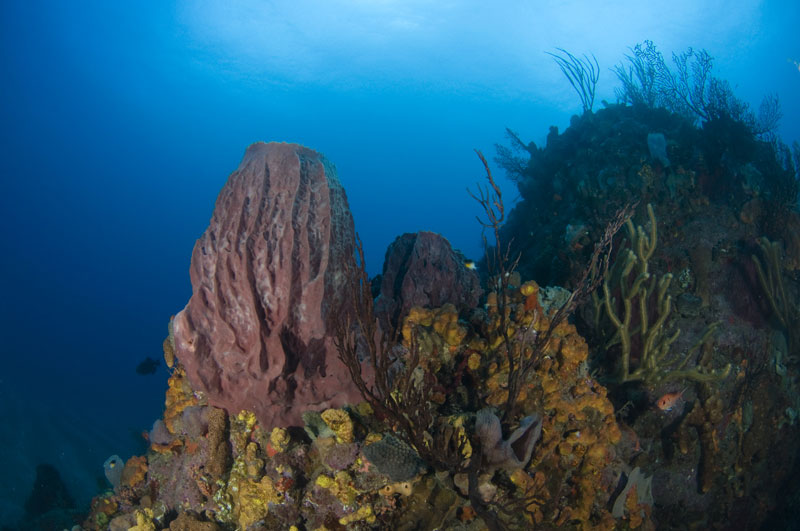
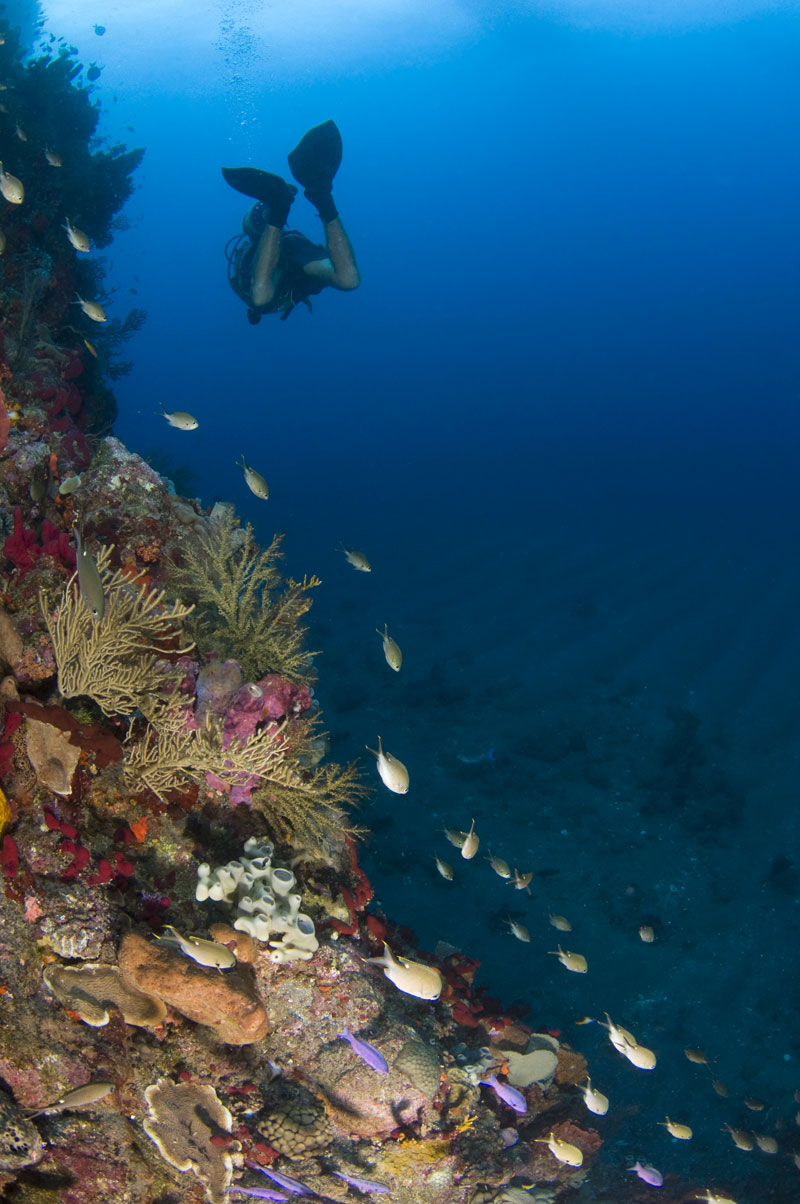
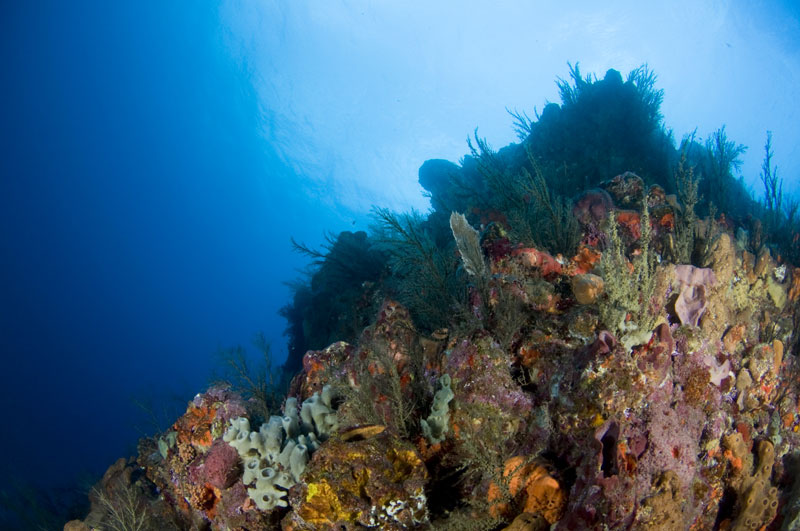
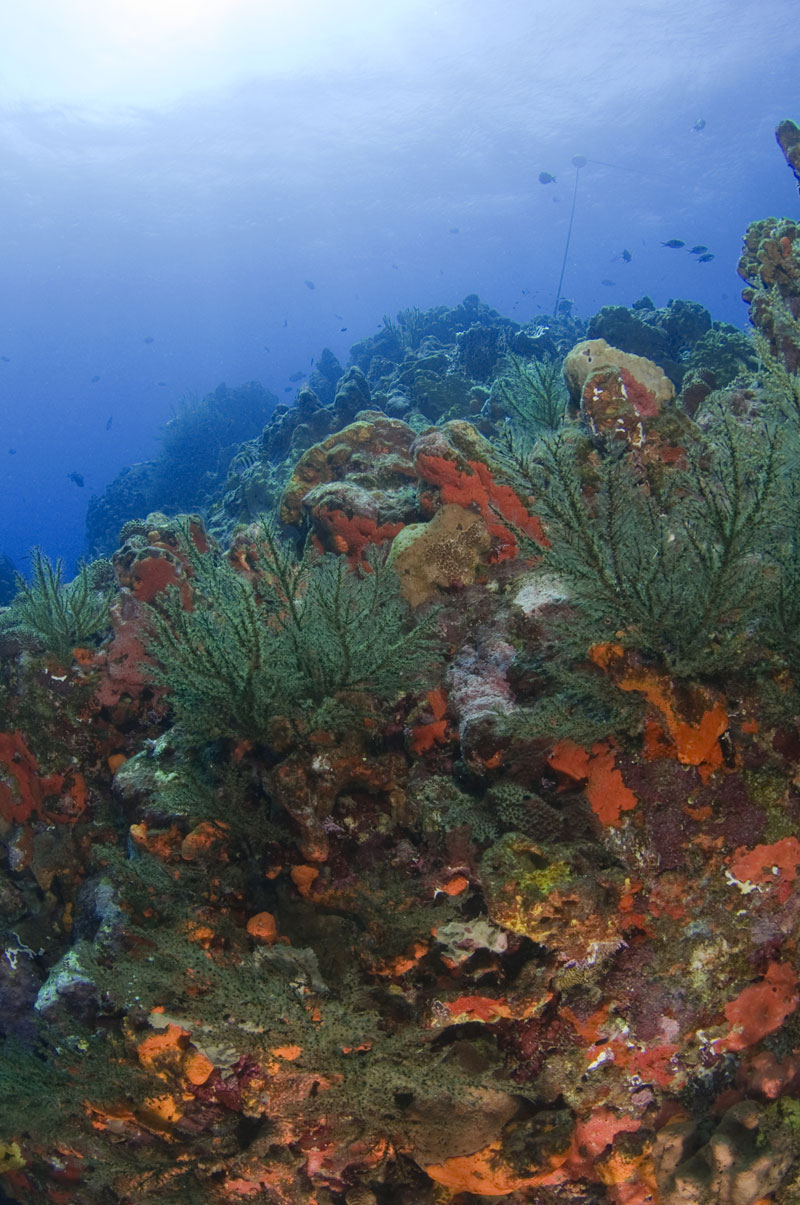
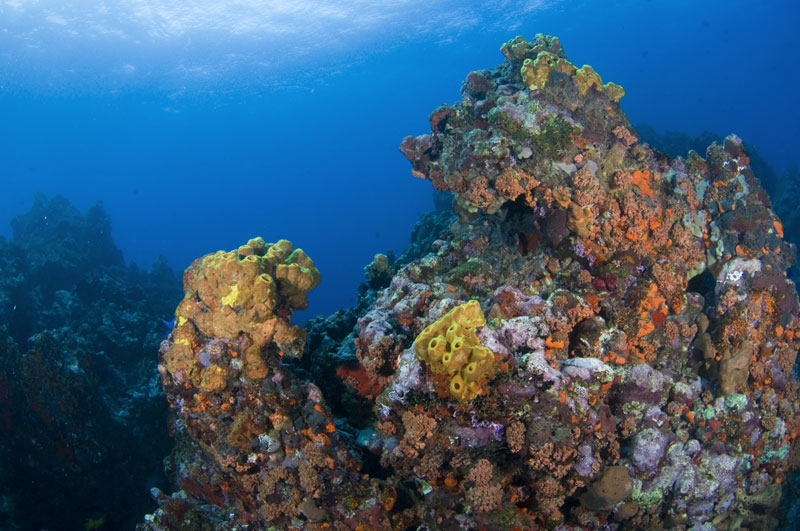
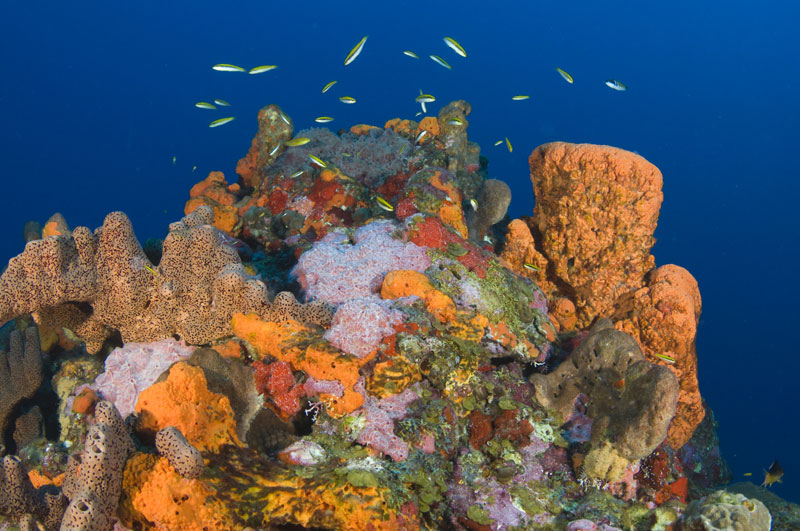
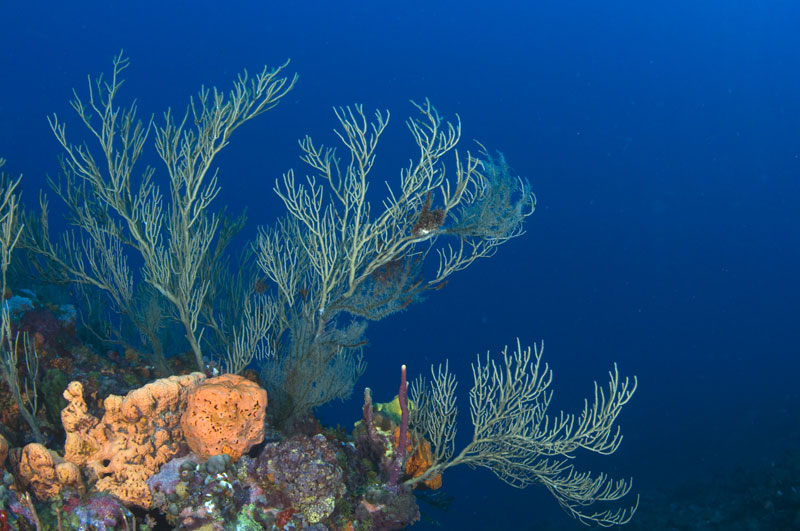
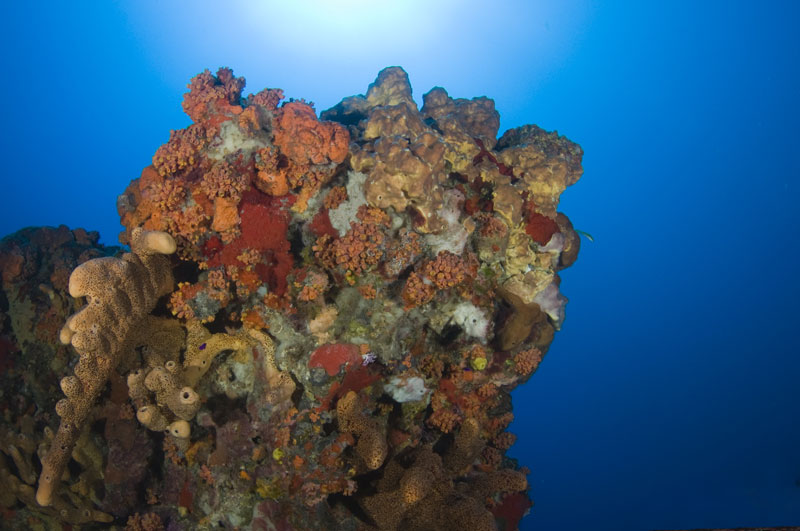
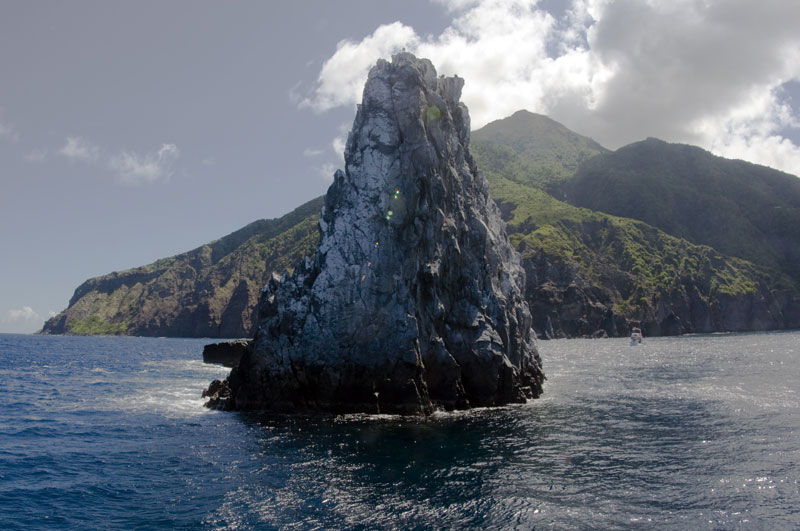
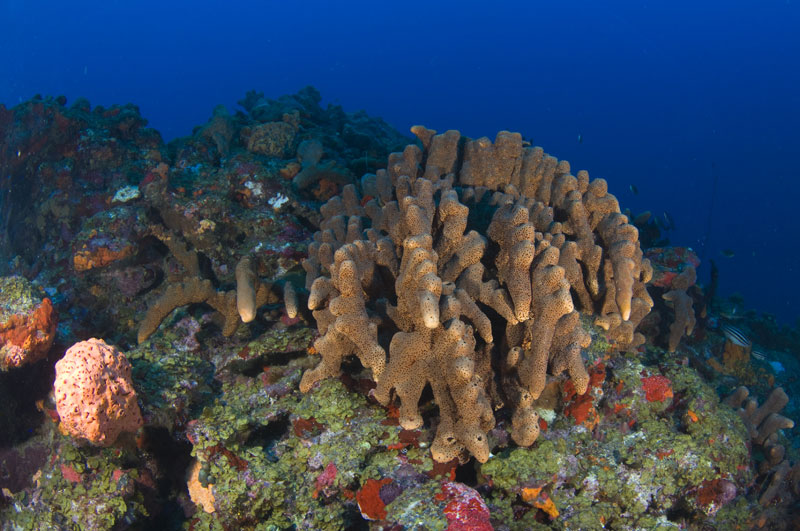
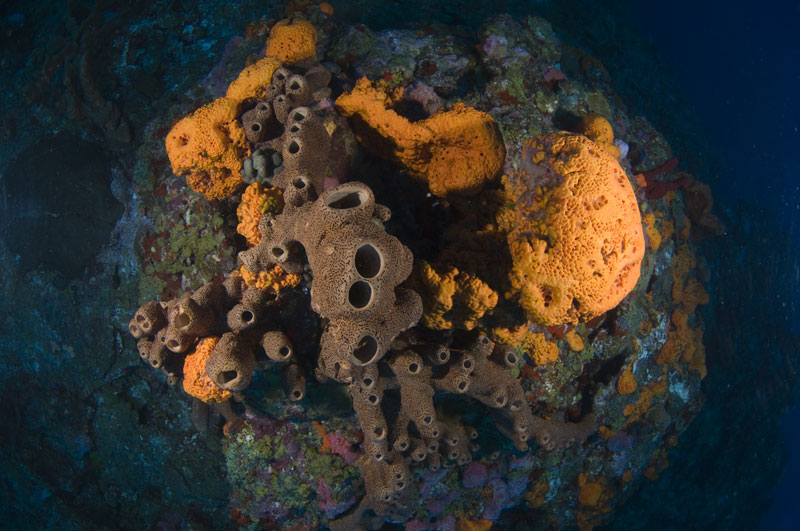
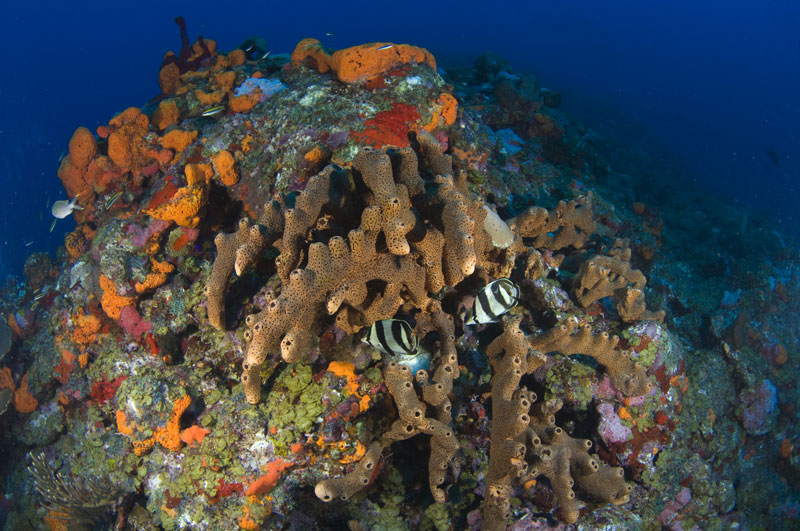
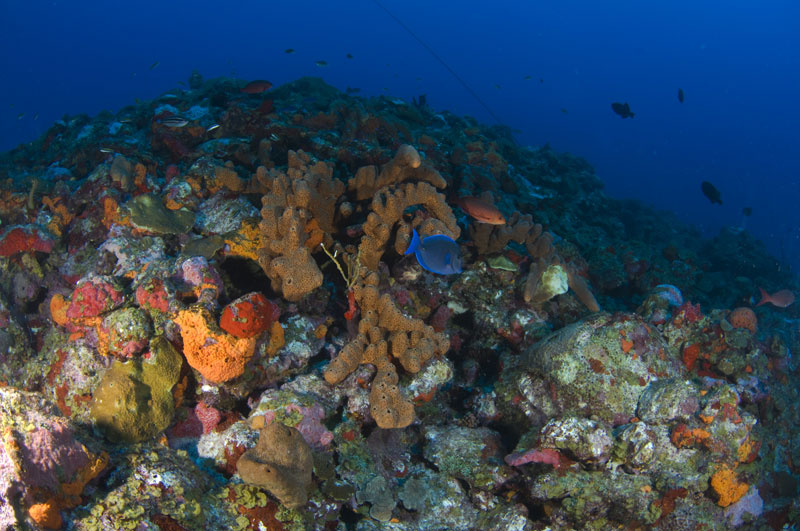
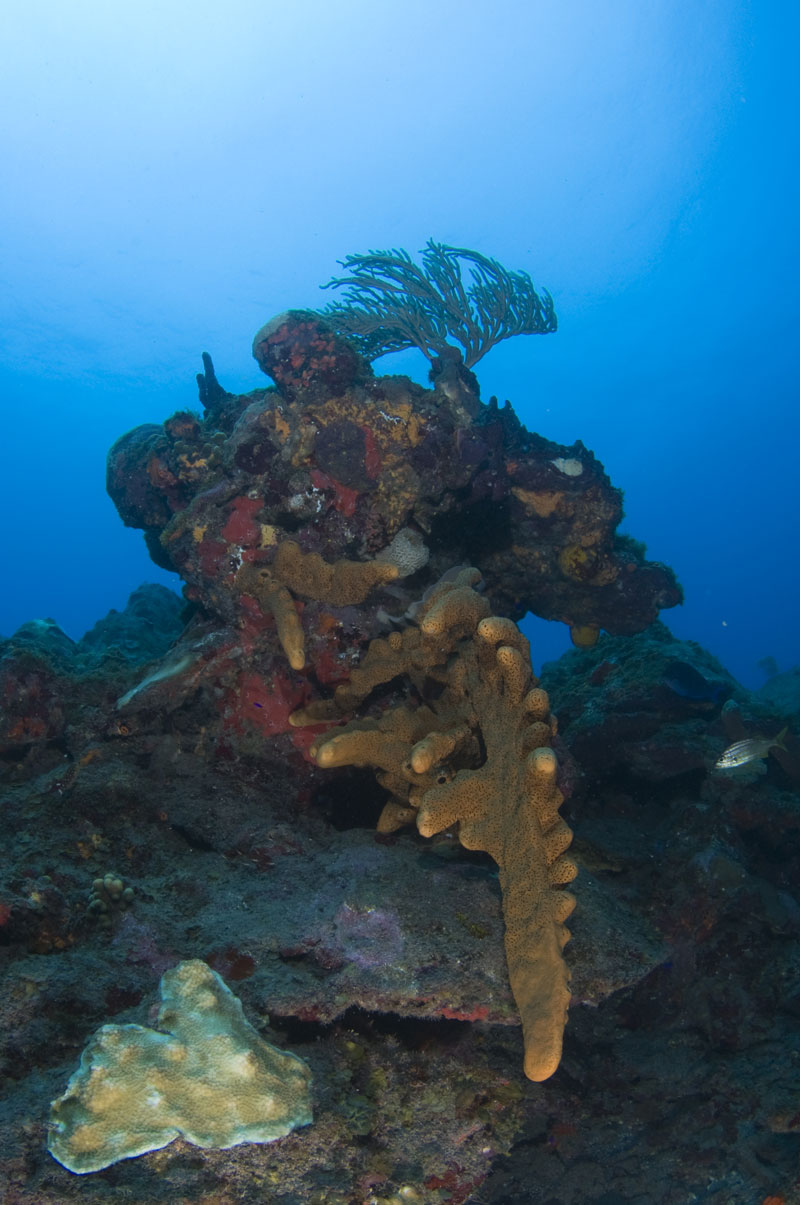
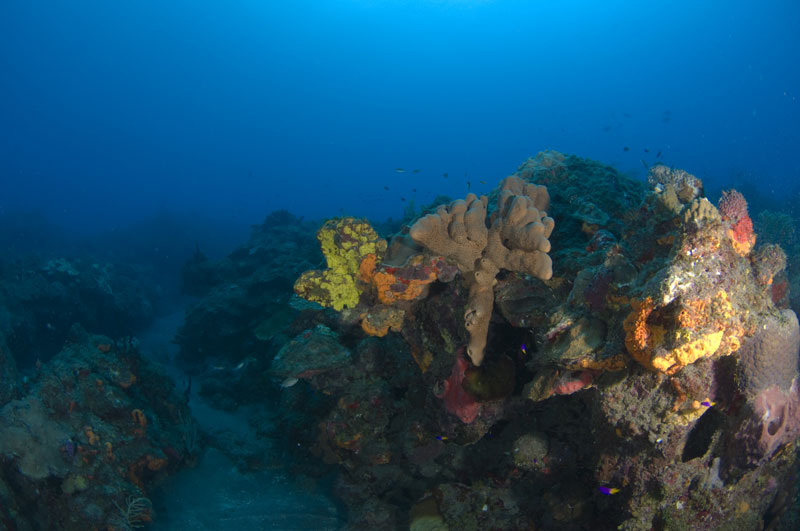
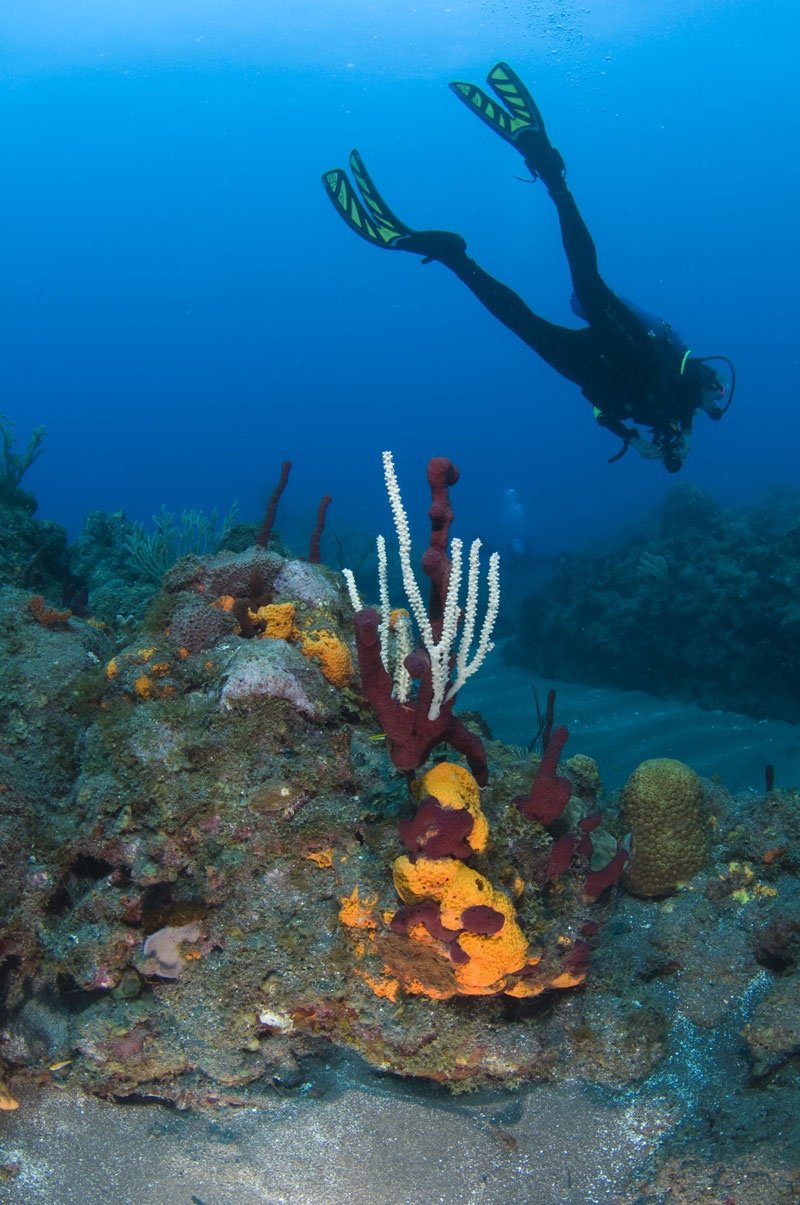
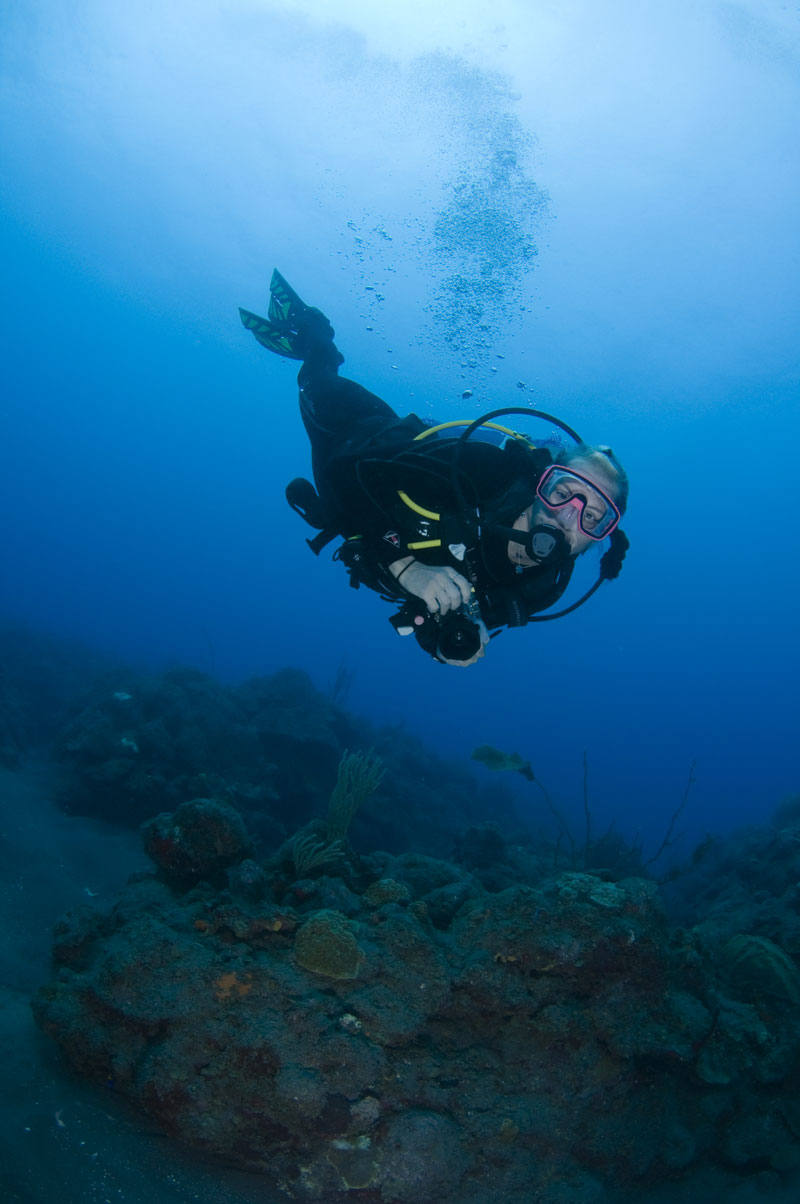
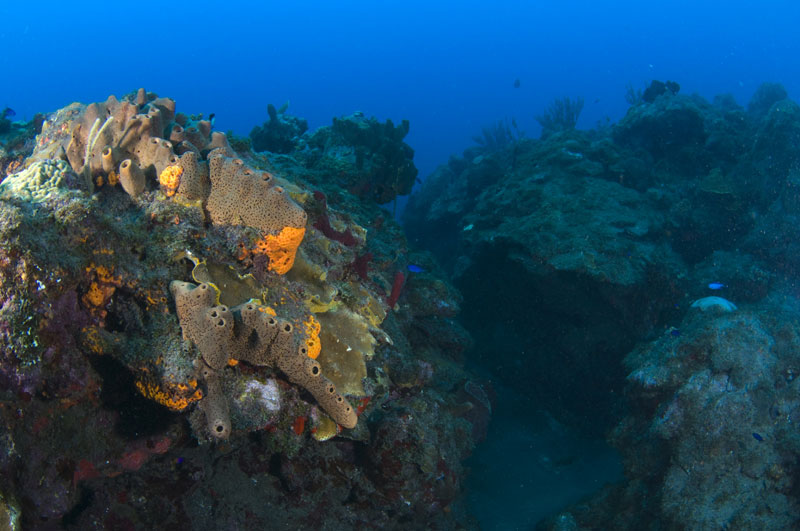
Man o’ War Shoals is a dive site right beside Diamond Rock, which is sort of a mini-pinnacle. From a sandy bottom at about 25 meters, a pair of peaks rise to about five meters below the surface. It’s another gorgeous dive site, and since it’s relatively shallow, we had plenty of time to explore its sponge and coral encrusted slopes. Once again, my photos mostly showcase the beautiful landscape, but you can also seen that there are tons of fish, including lots of brown chromis.
Posted in Diving, On Expedition
Comment on this post.
October 29th, 2010 by Marc AuMarc
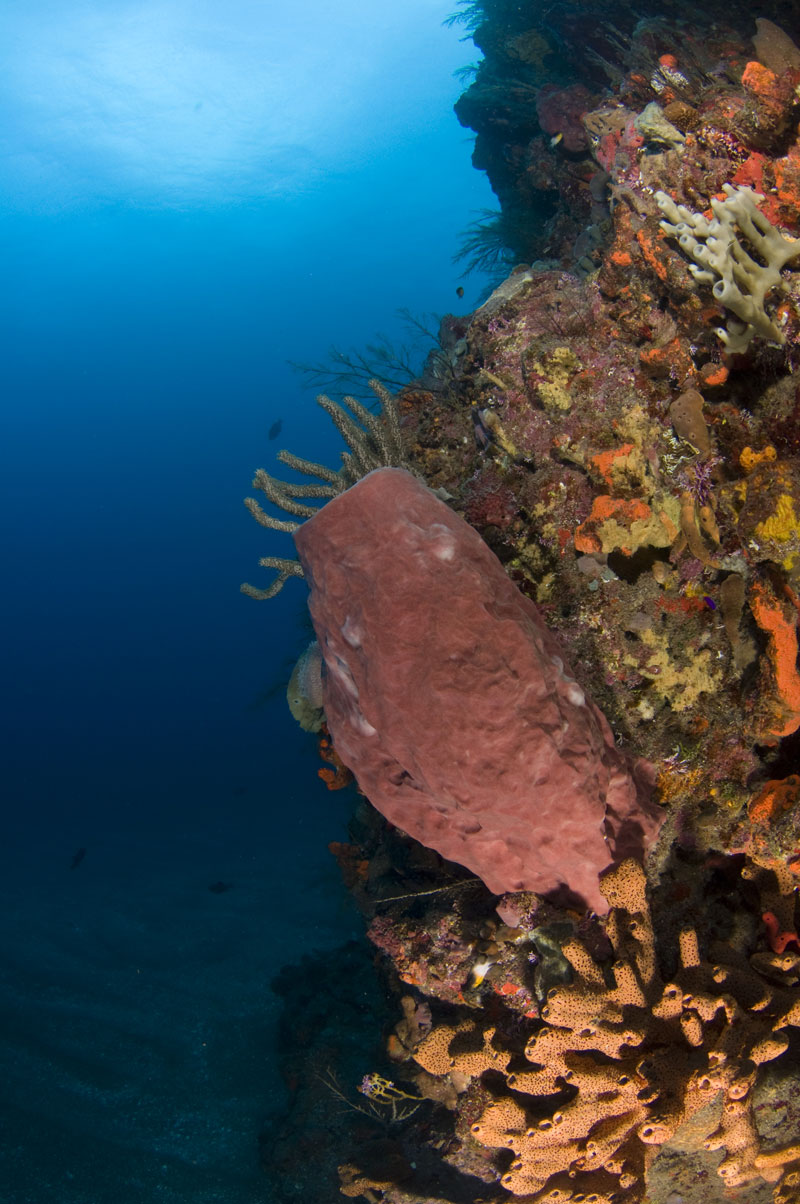
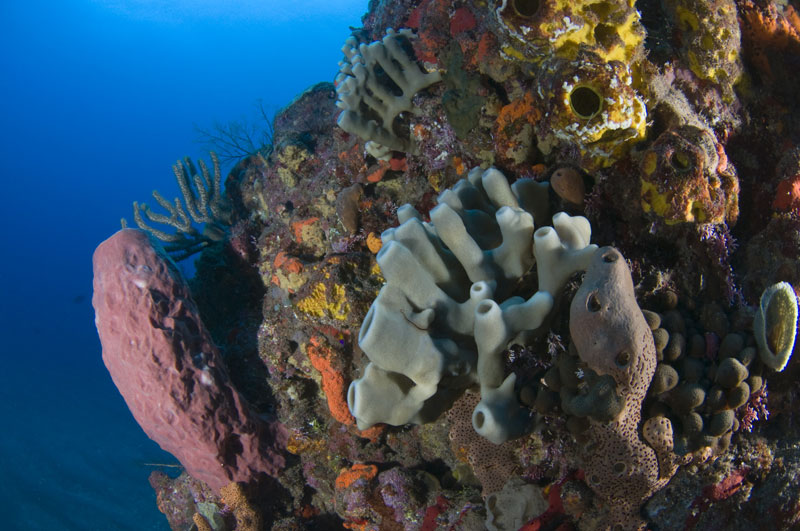
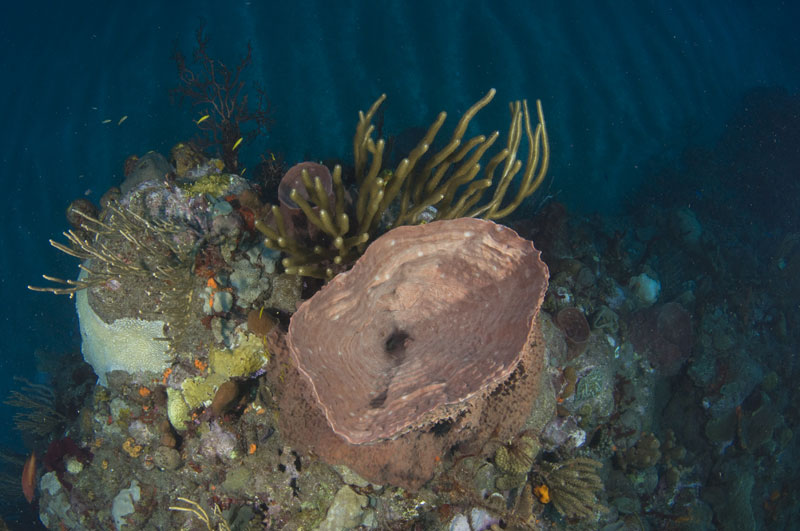
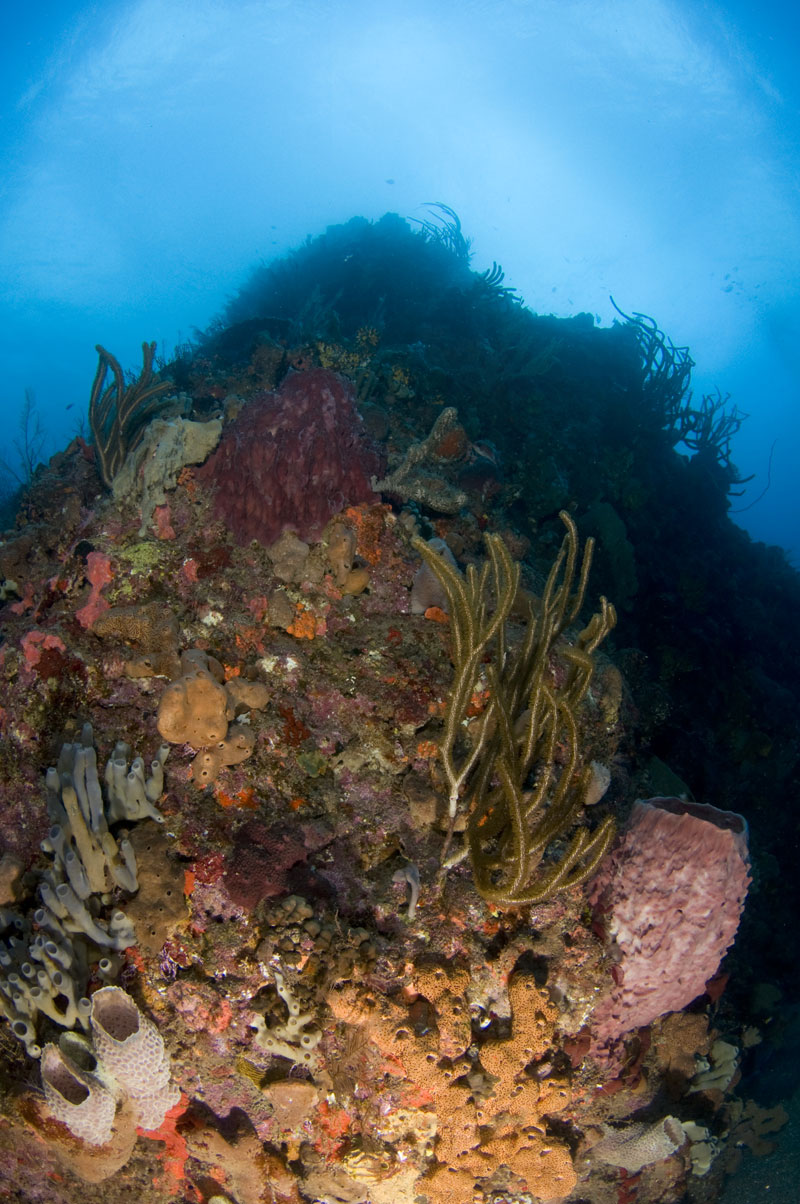
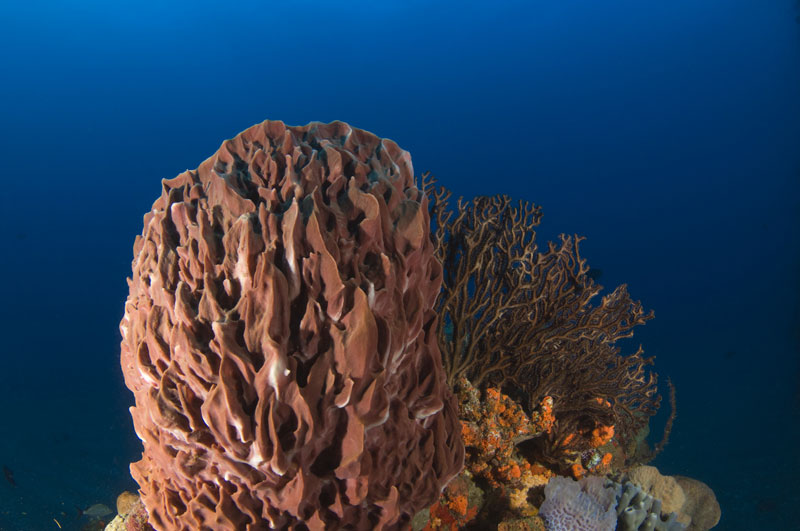
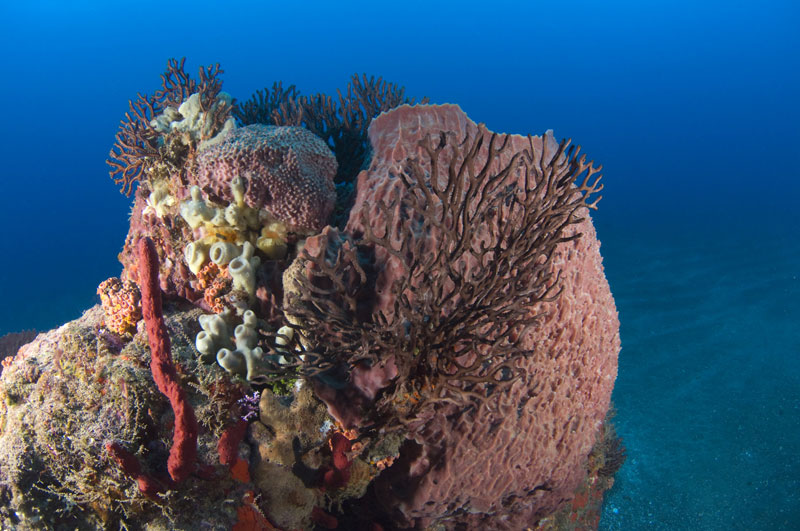
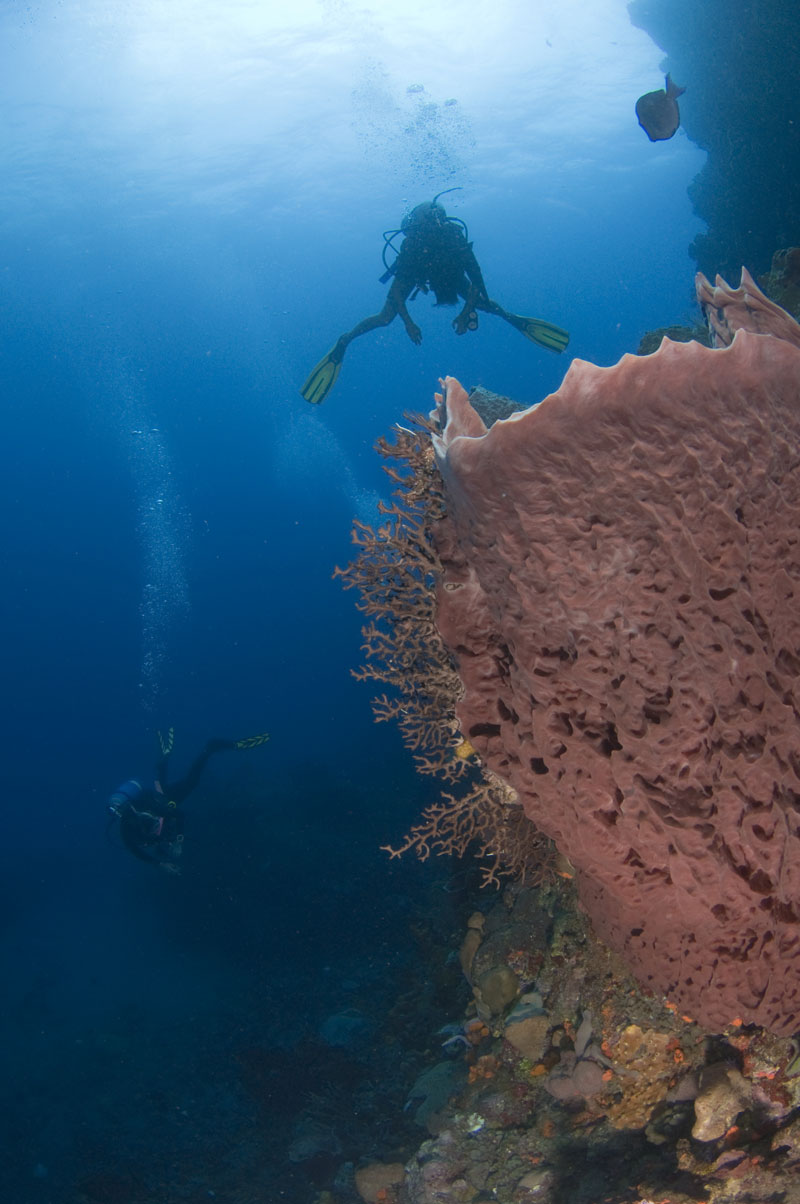
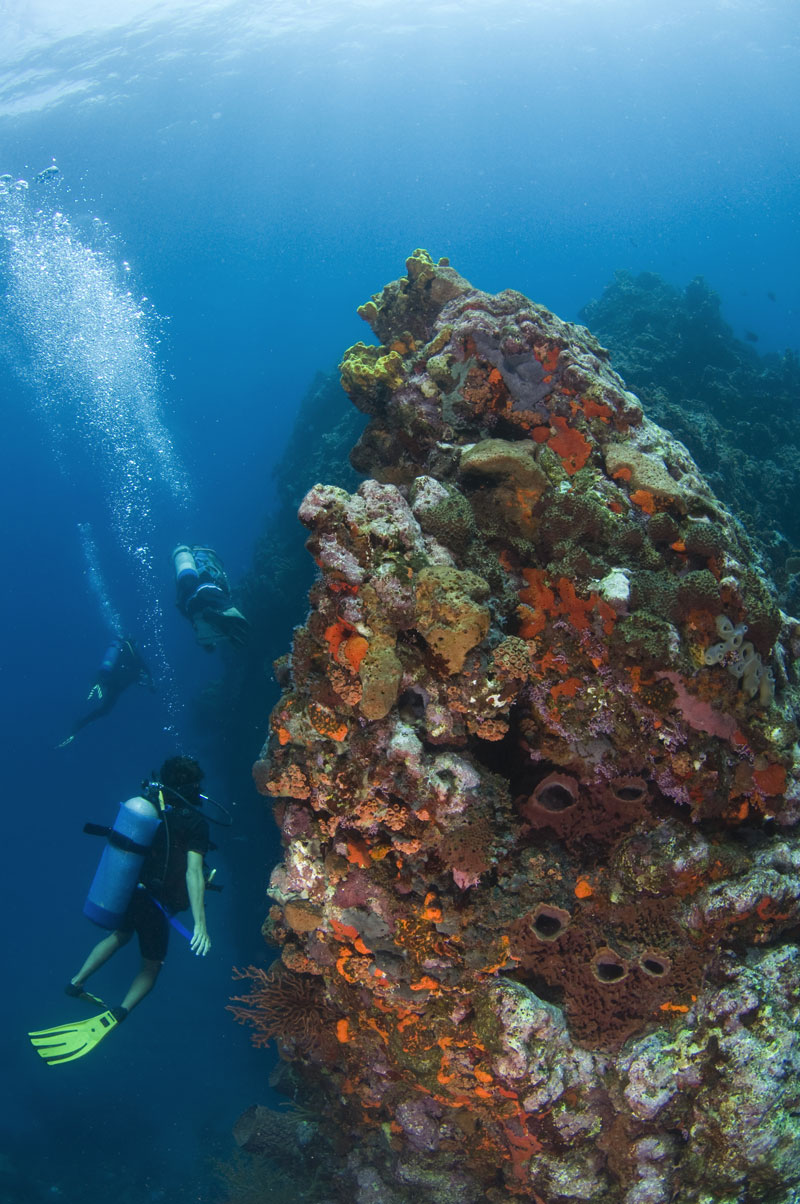
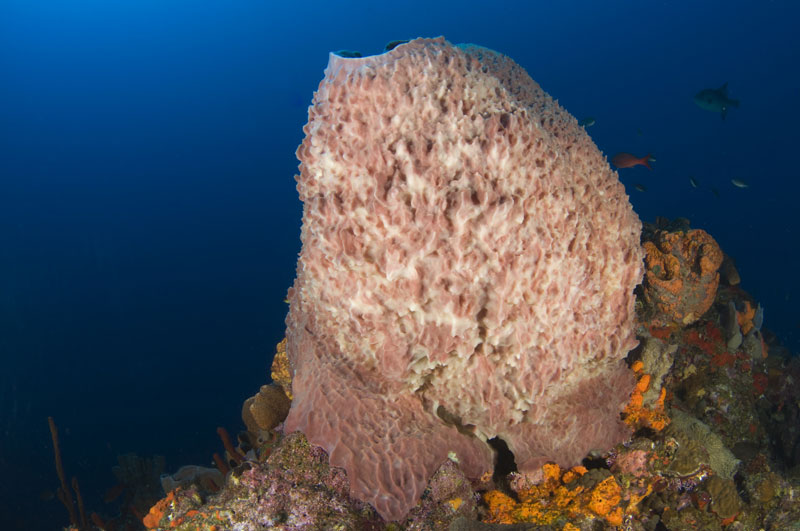
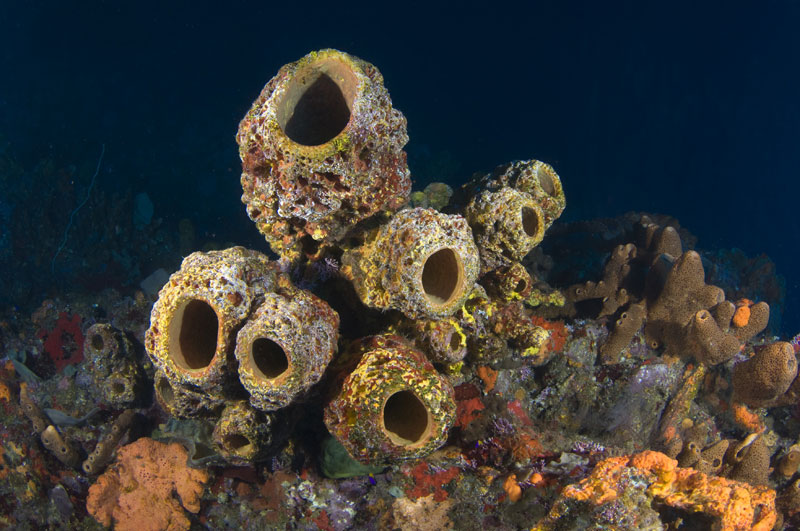
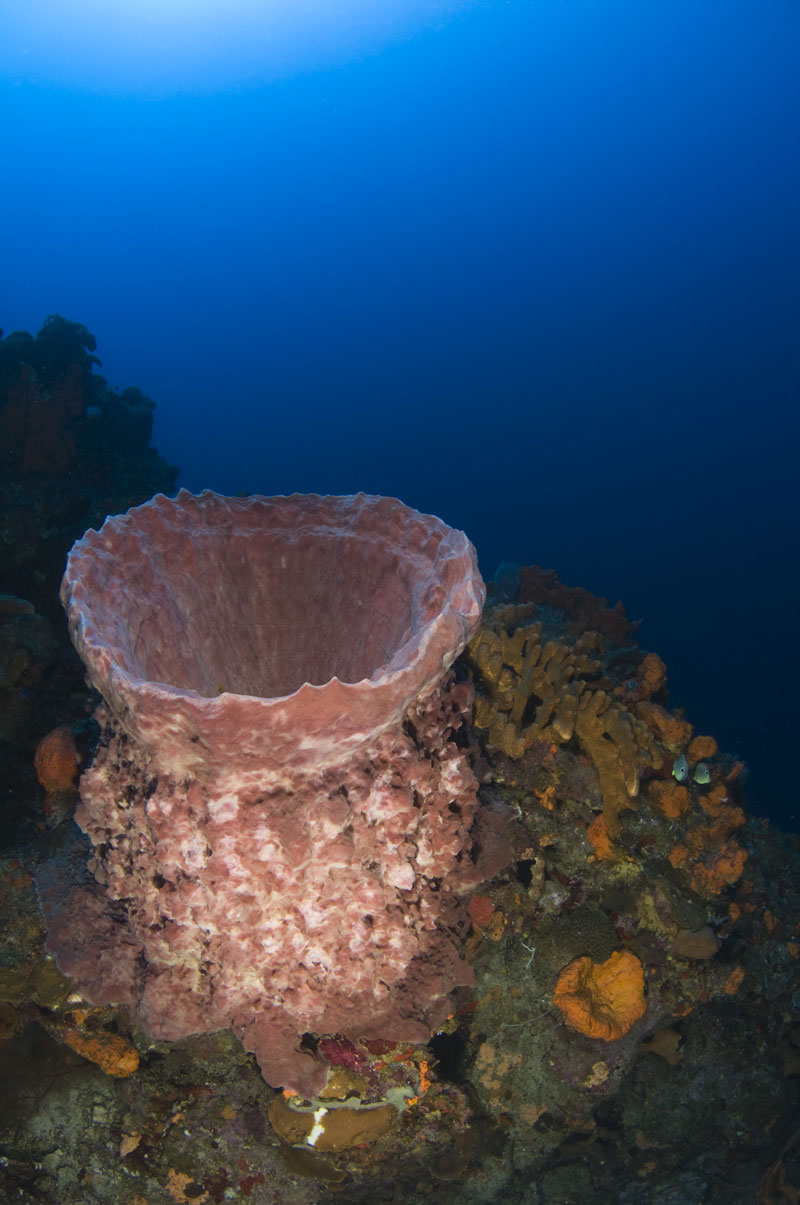
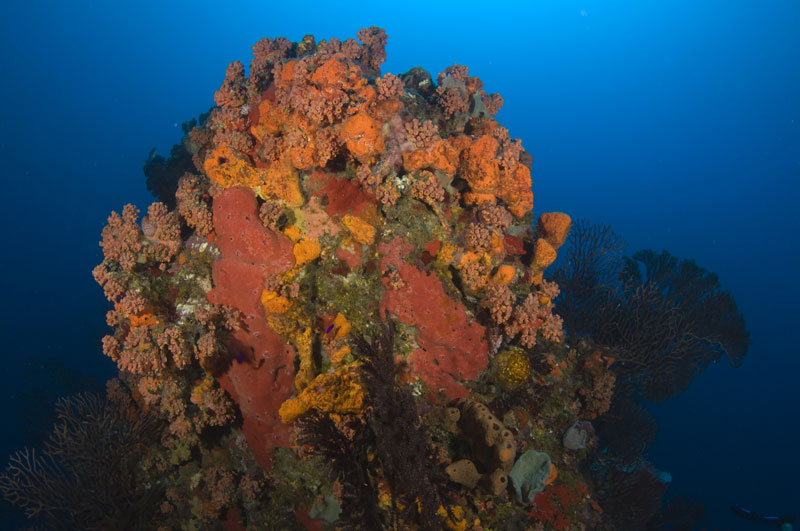
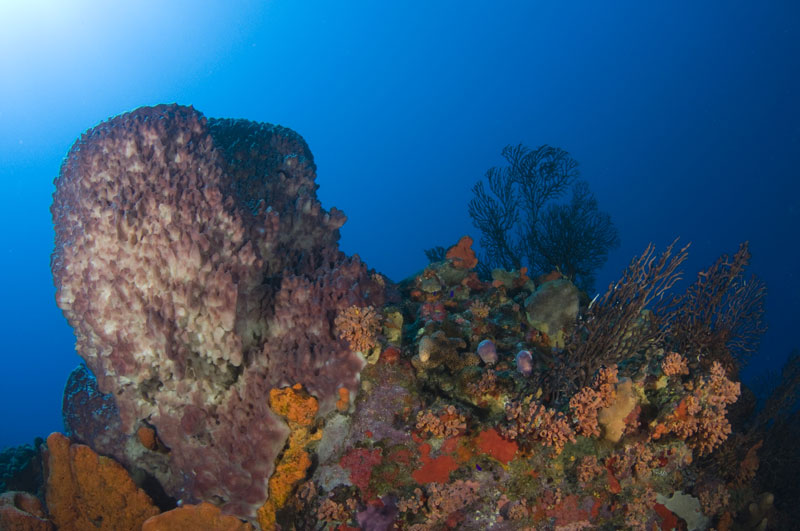
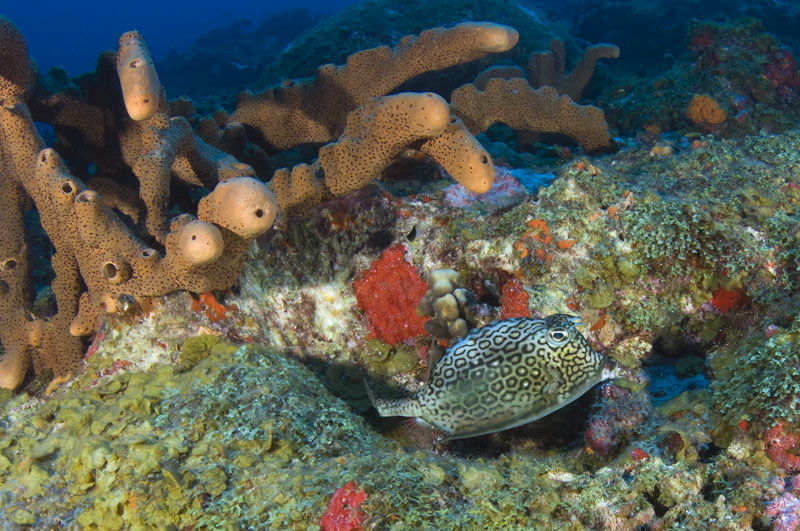
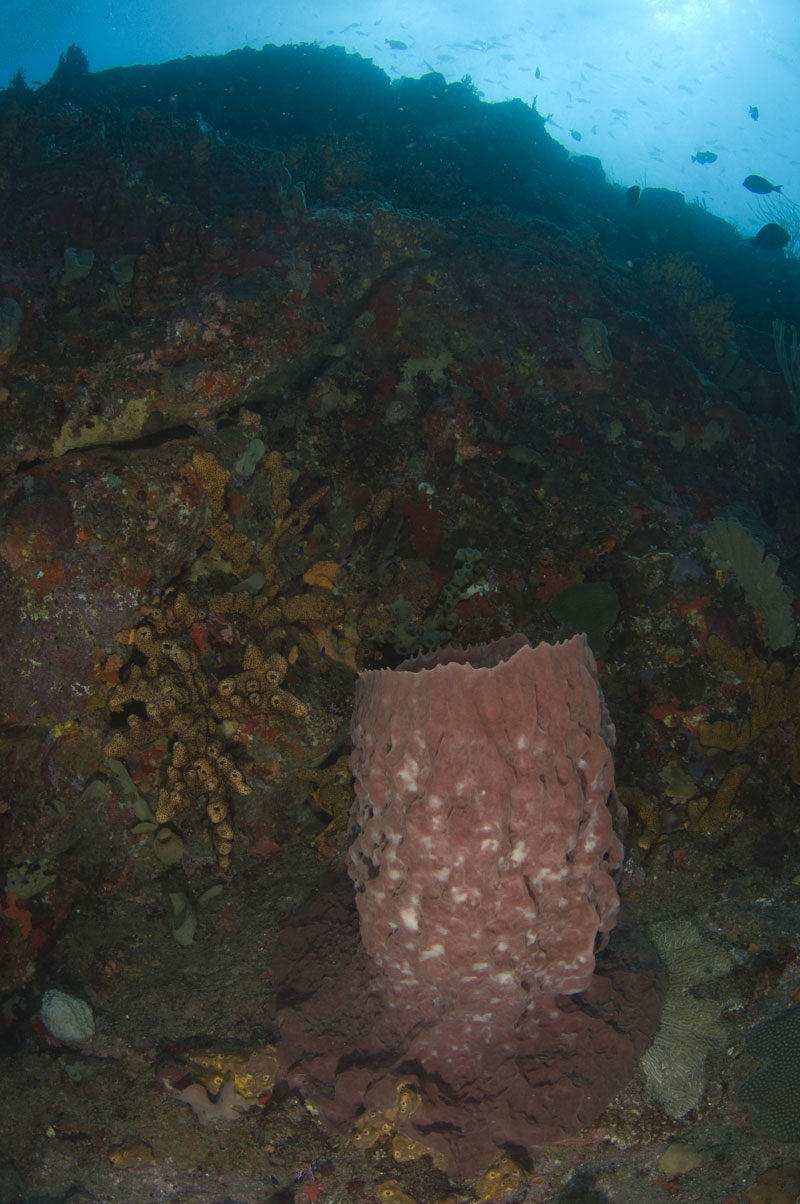
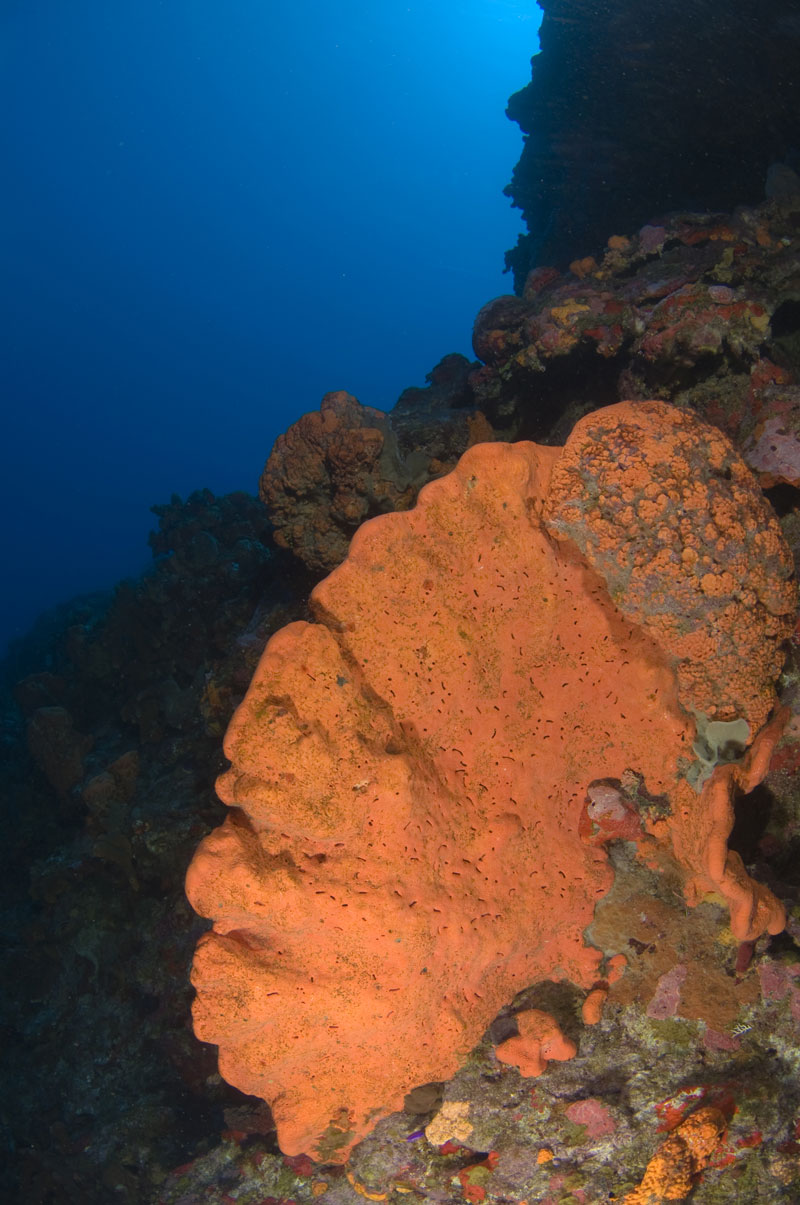
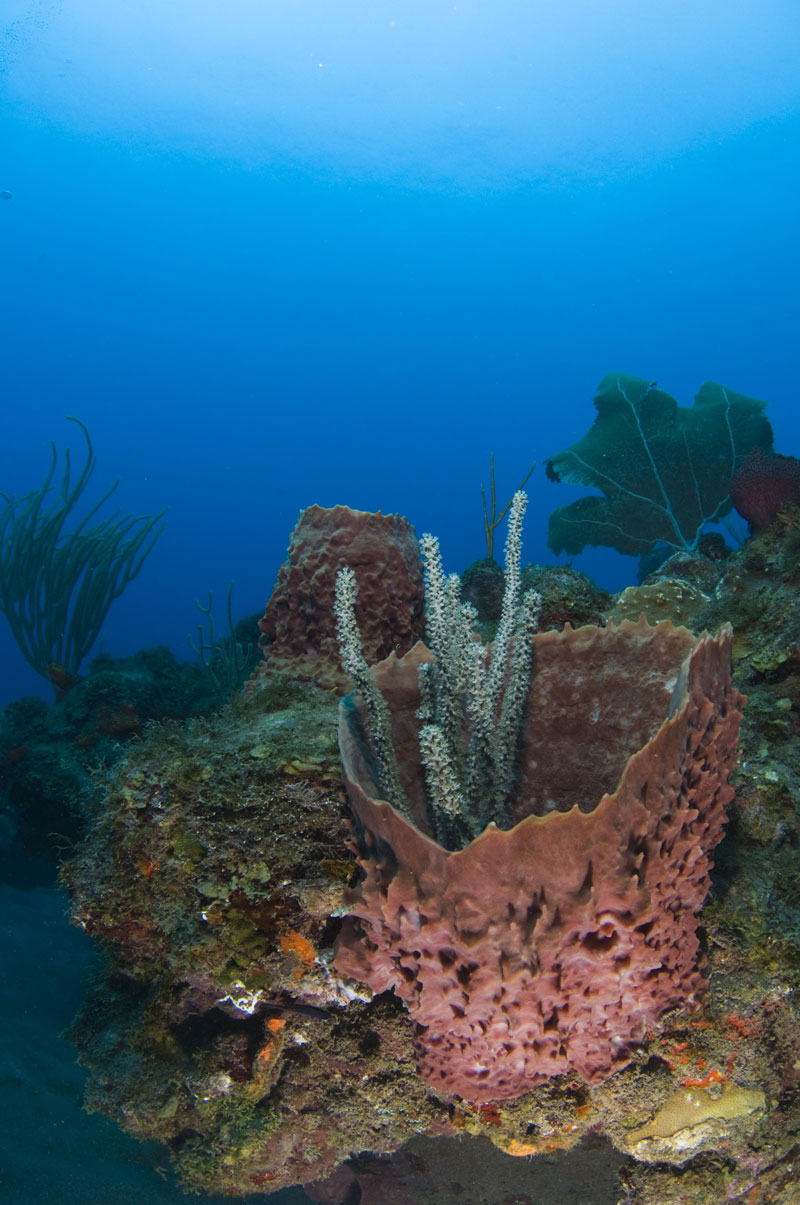
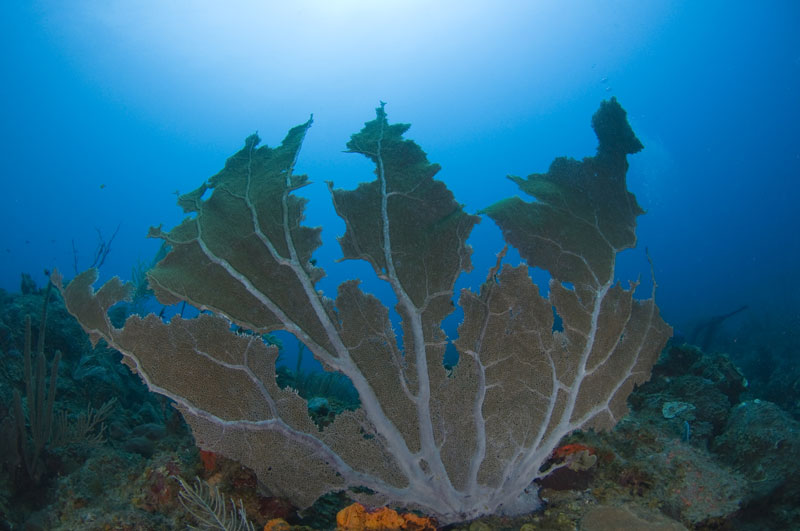
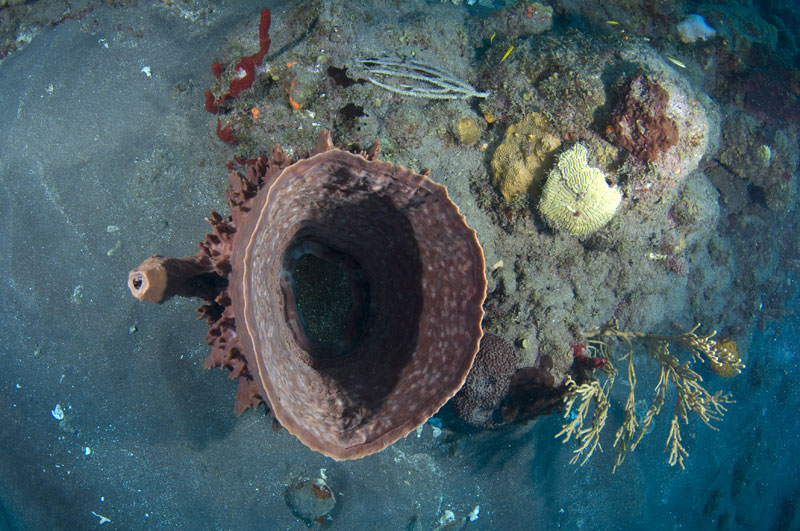
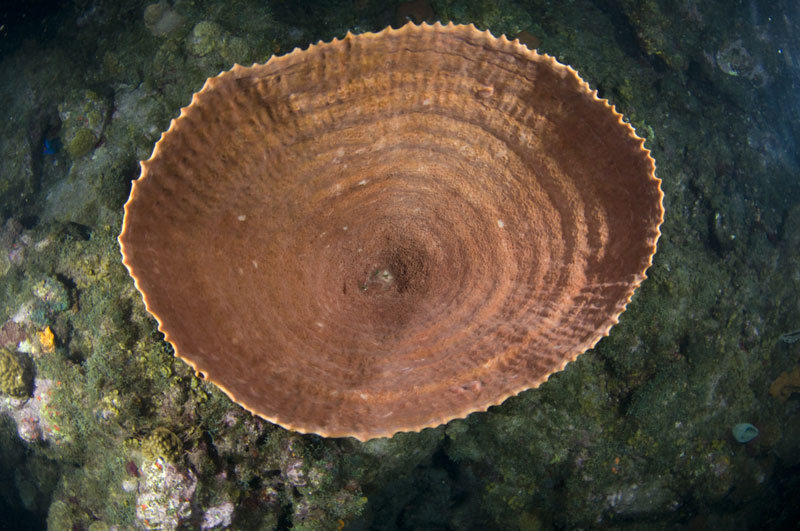
Mt. Michel is another pinnacle dive in Saba, peaking about 30 meters under the surface. It had been without a mooring for about two years until a new one was recently added, so it hasn’t been explored much lately. I had the fisheye lens on again, so mostly I took photos of the spectacular sponges.
Before prepping these images, I spent a little time watching some instructional videos from Underwater Photoshop. I have had the DVD for over a year, but hadn’t gotten around to watching most of it. Although I didn’t mess with my images too much, there are some really great techniques covered in the DVD.
Posted in Diving, Explorations, On Expedition
Comment on this post.
October 28th, 2010 by Marc AuMarc
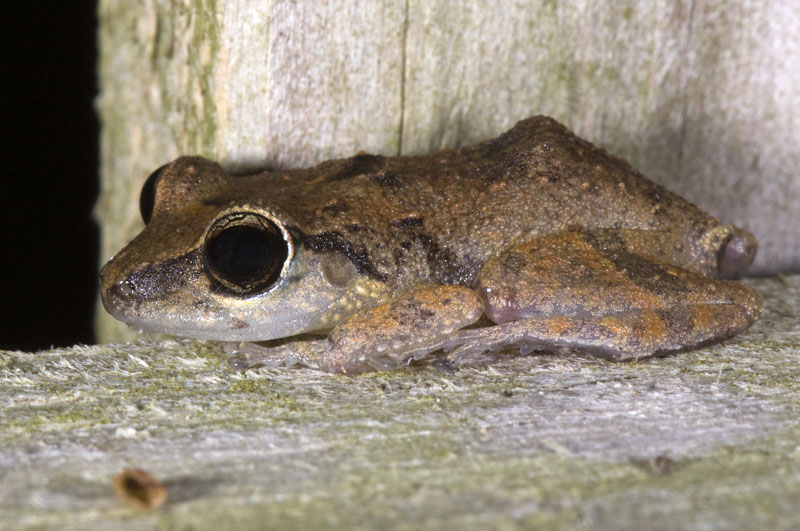
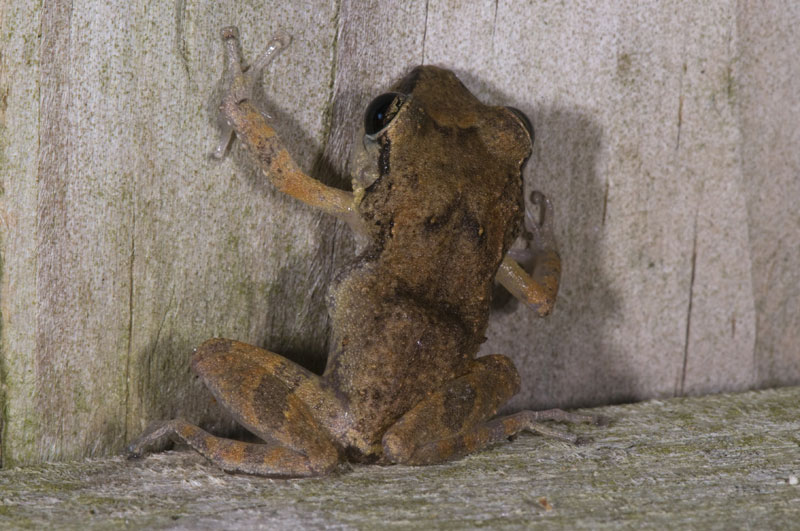
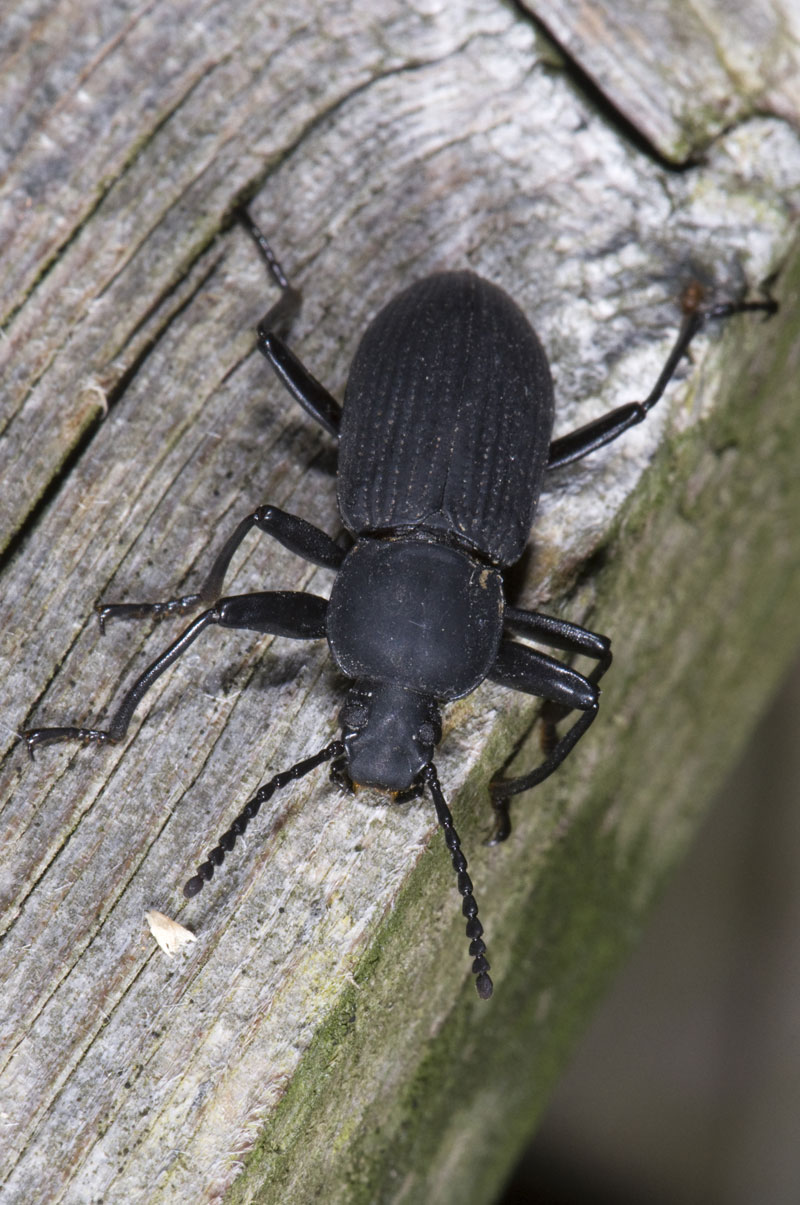
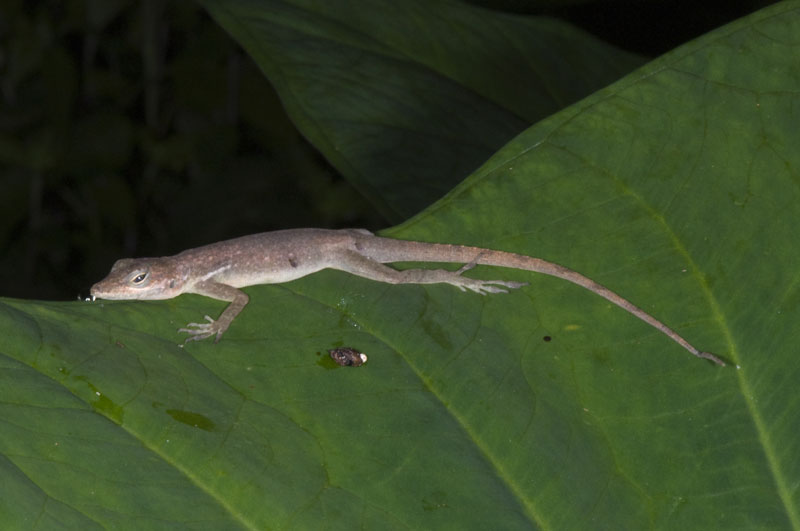
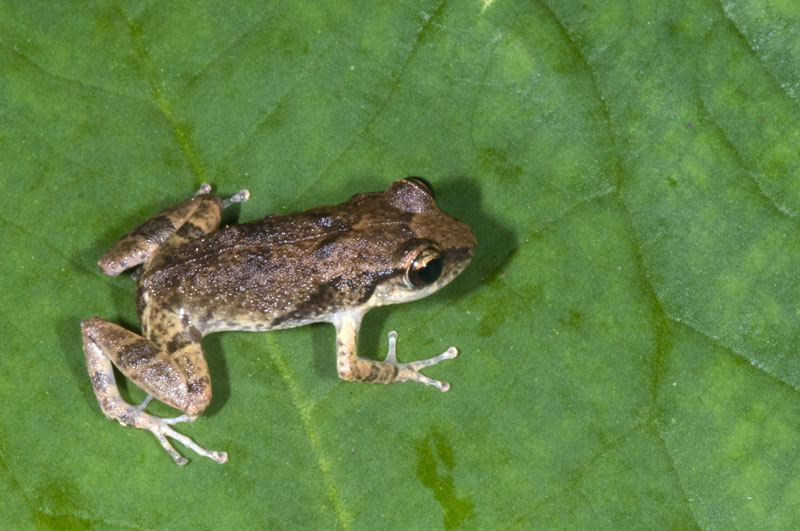
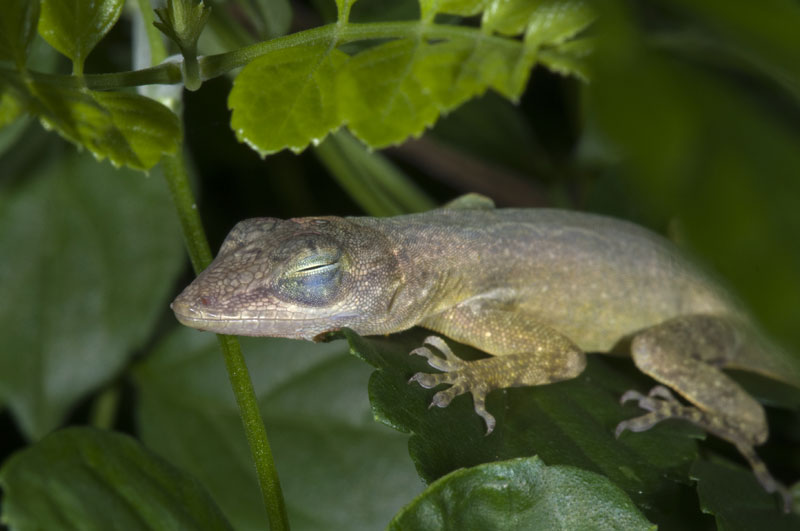
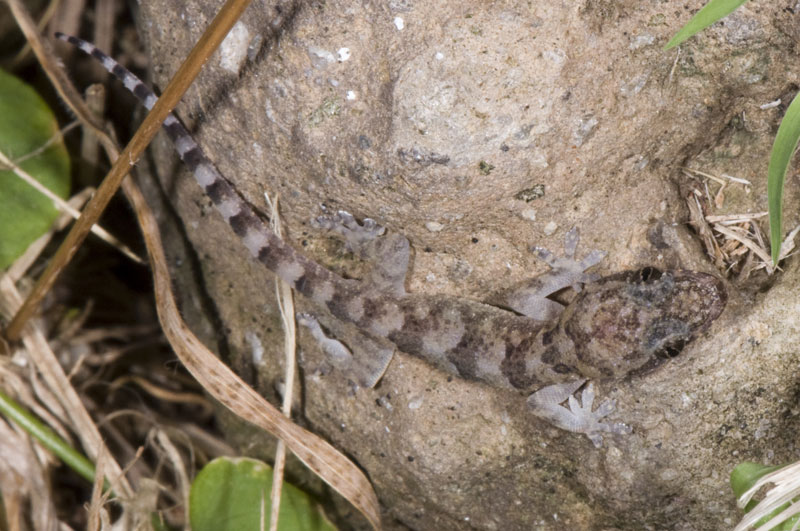
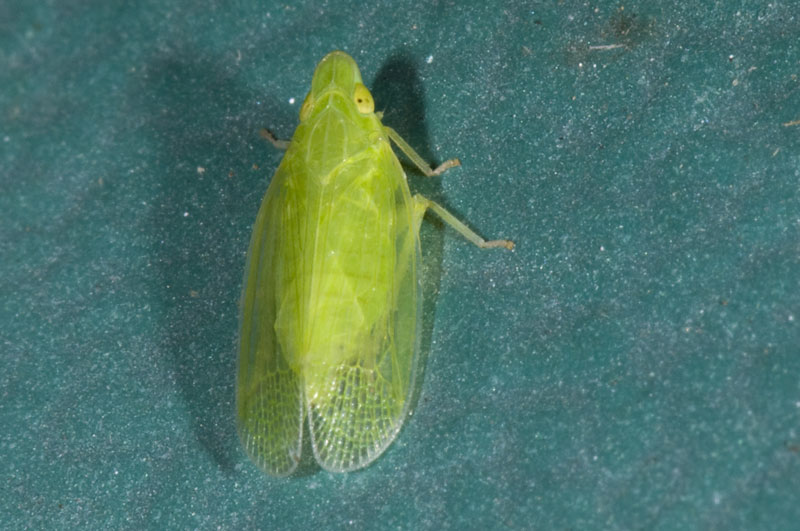
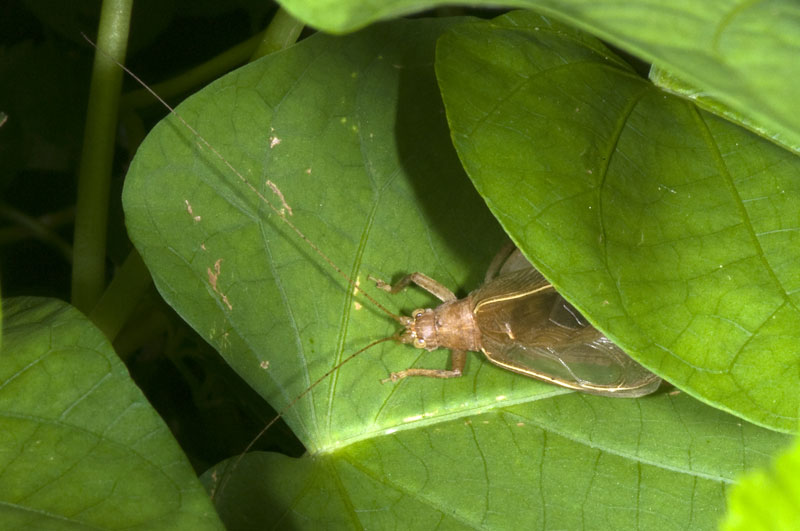
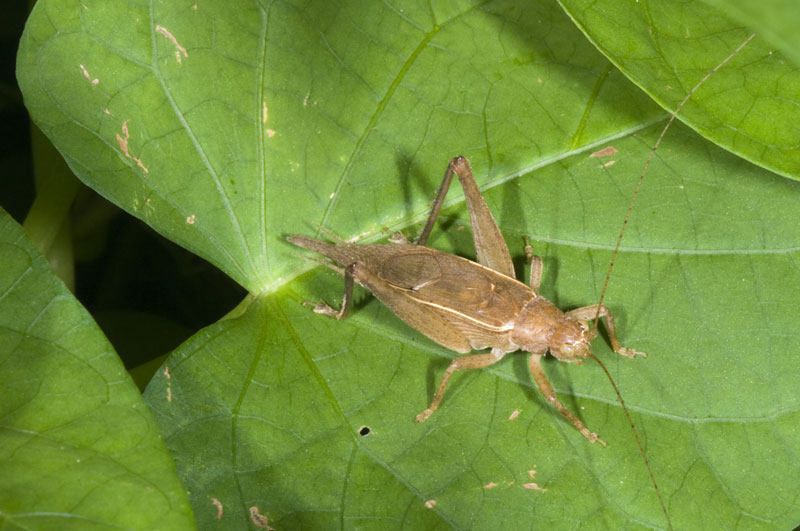
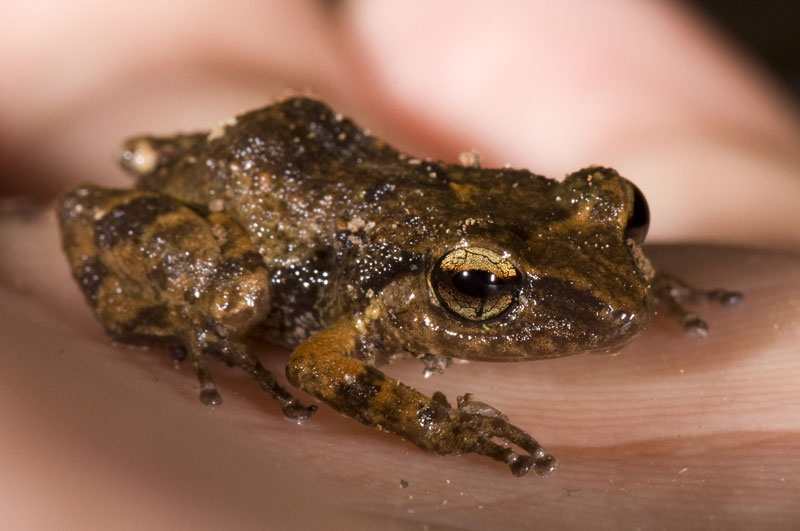
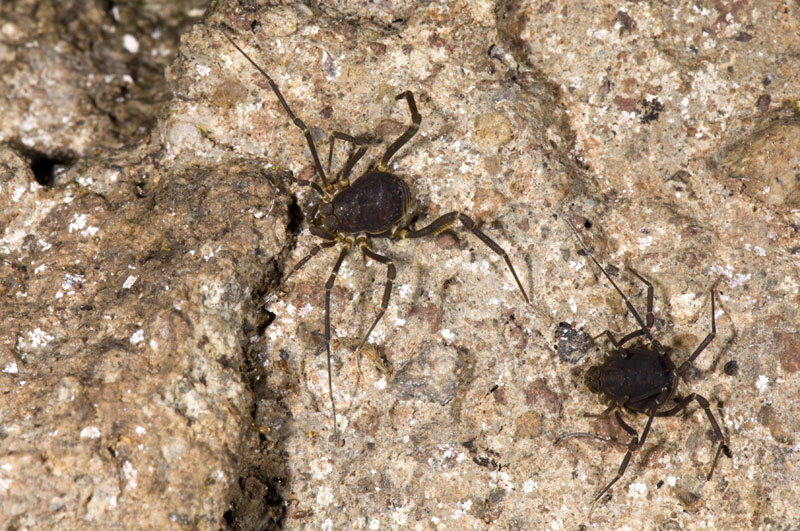
It seems I only managed to do a proper terrestrial nocturnal photo shoot once while I was on the island, but I did manage to see quite a few critters right around The Cottage Club. Whistling frogs were dime a dozen around the swimming pool, and my favorites were the Saban anoles sleeping in the bushes.
Posted in Explorations, On Expedition
Comment on this post.
October 28th, 2010 by Marc AuMarc
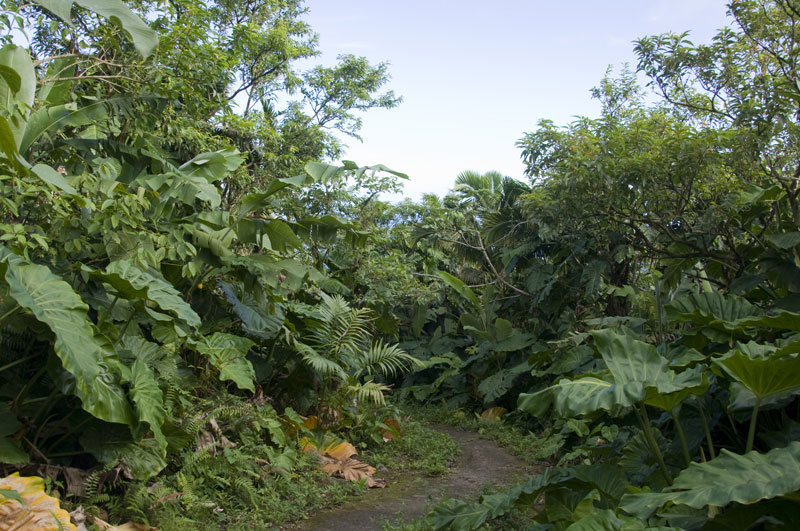
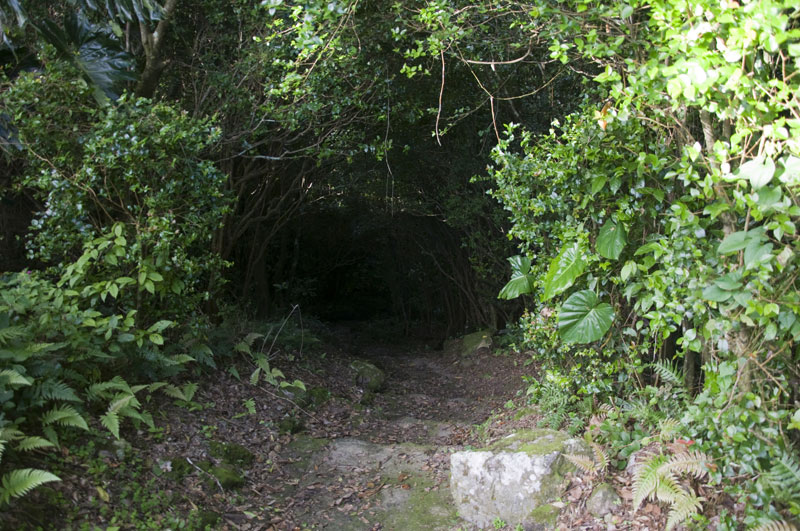
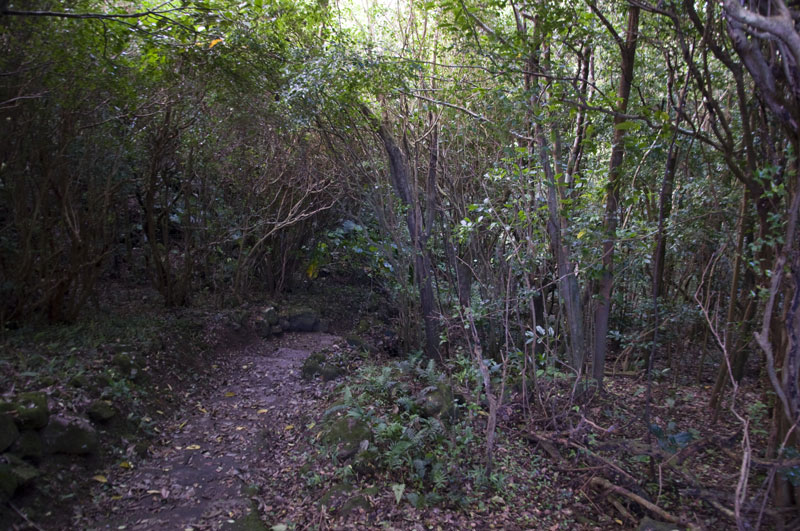
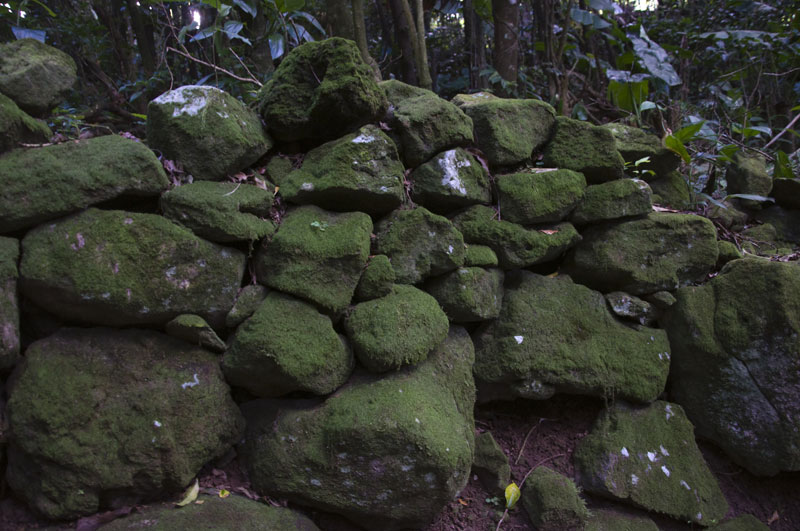
Between our early afternoon arrival and a Sea and Learn talk about spiders by Leslie Bishop in the evening I had enough time to make it almost all the way up Mt. Scenery and back. I learned a couple days later that I was only about five minutes from the top when I turned back to get to the talk on time.
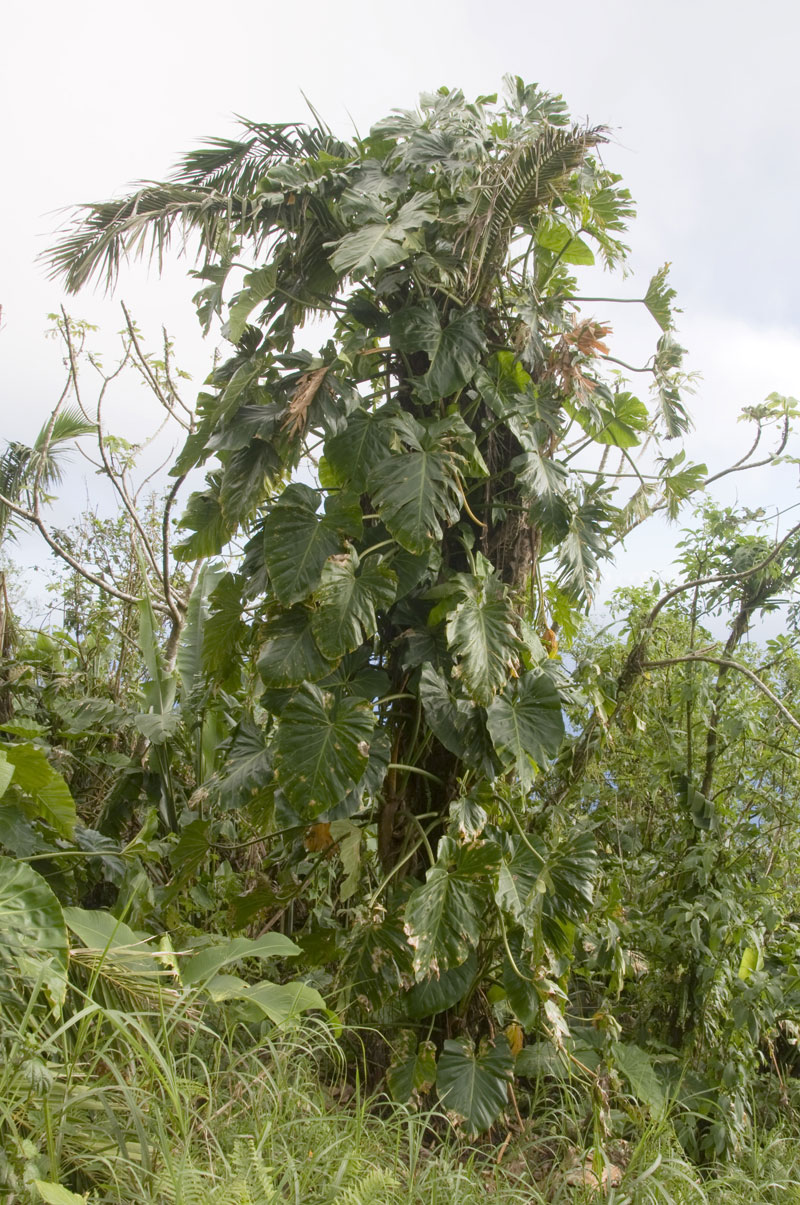
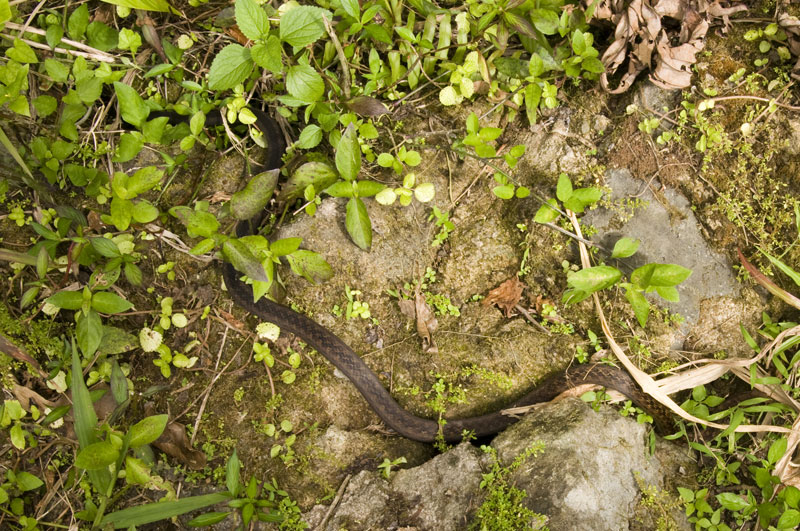
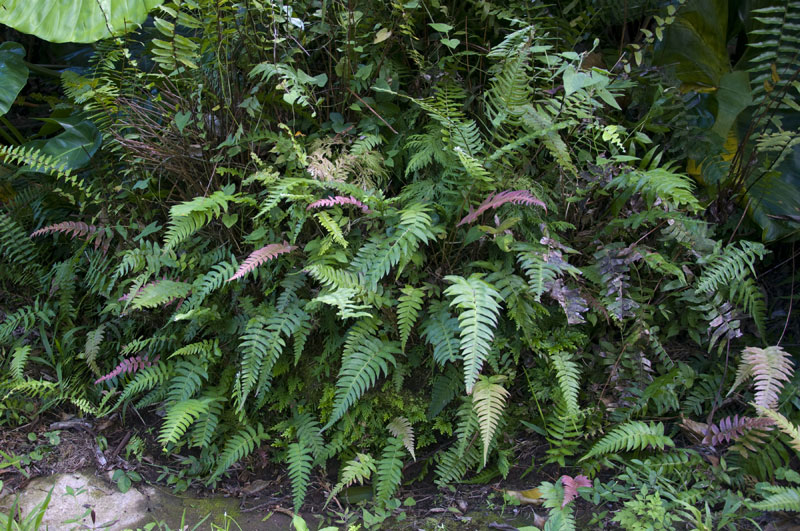
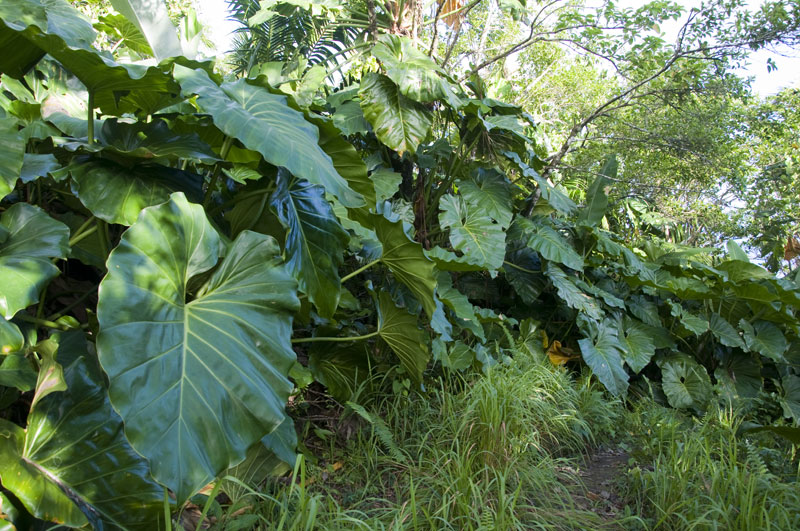
The Mt. Scenery trail is mostly made of steps, 1064 of them, which take you from the town of Windwardside to the cloud forest. The top of the mountain is 877 meters. From Windwardside, it’s about the same vertical climb as it is from Grand Case to the top of Pic Paradis, the highest point on St. Martin. The vegetation is astounding, and I saw two red-bellied racers, a snake that is only found on a couple islands. Given the lush surroundings, I was surprised that I didn’t see more insects. This would also be rectified somewhat on my next trip up there. They did have a lot of ferns of many varieties, including tree ferns.
Posted in Explorations, Les Fruits sur la Terre, On Expedition
Comment on this post.
October 28th, 2010 by Marc AuMarc
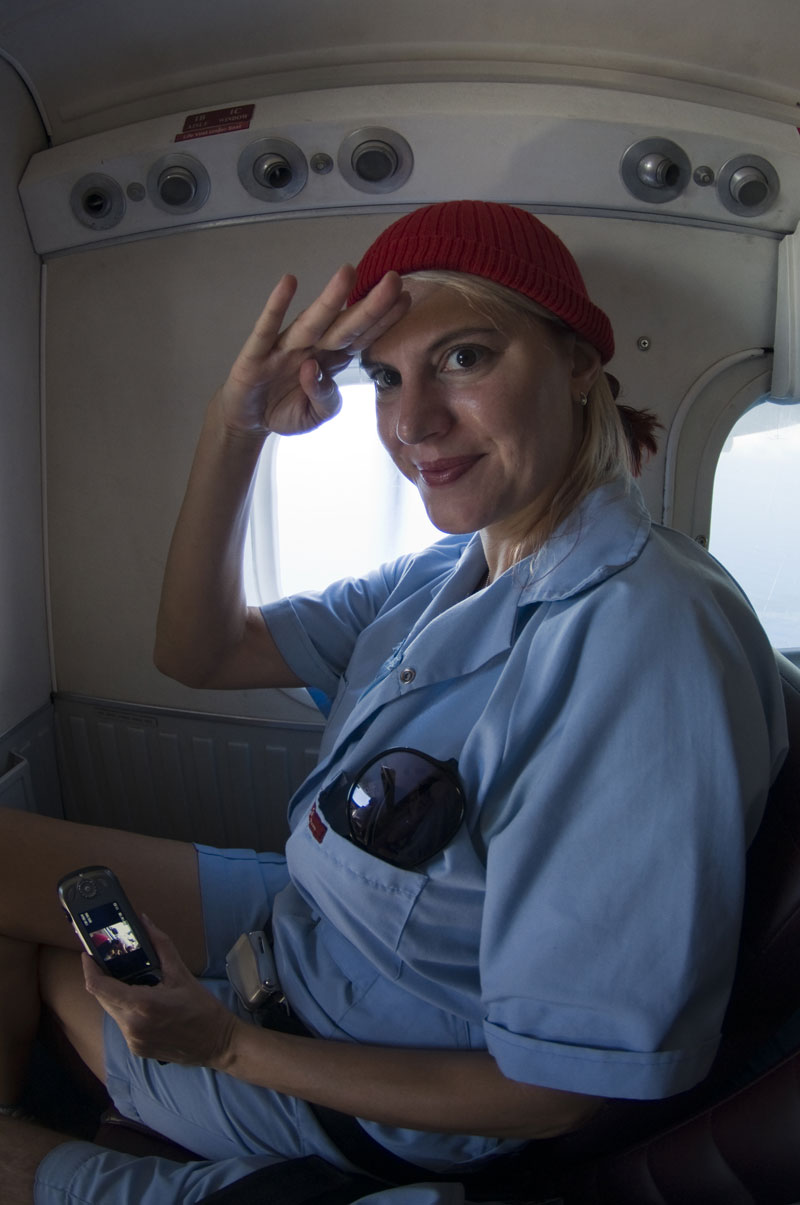
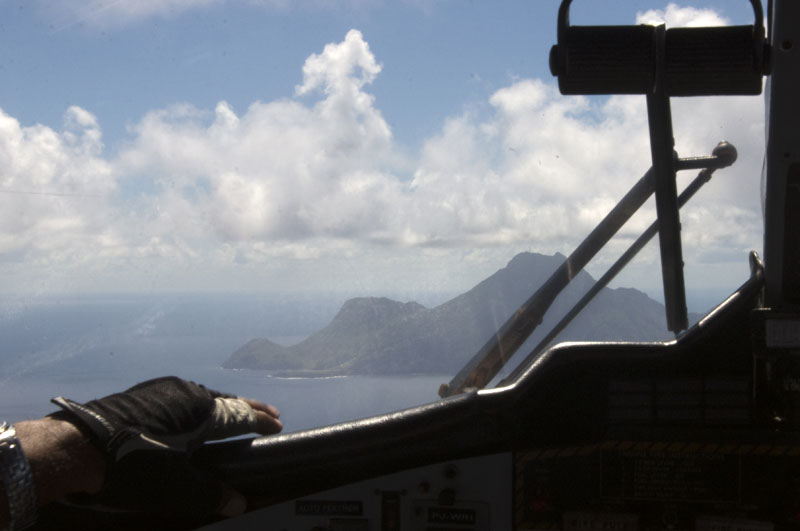
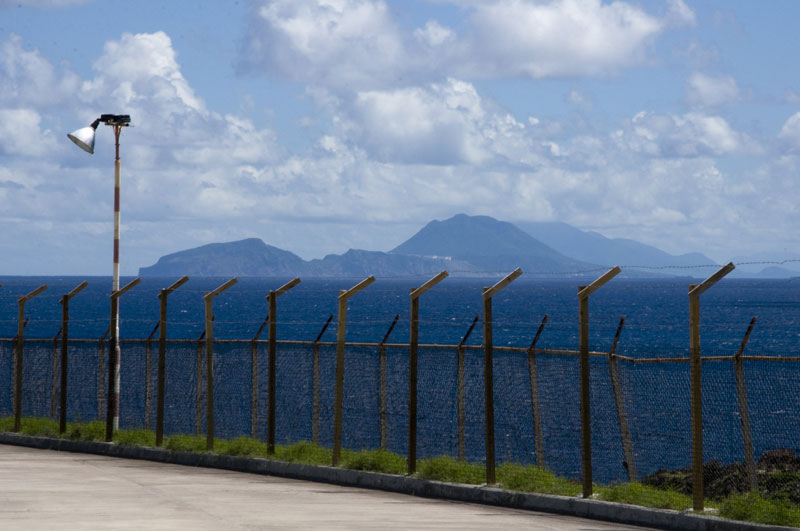
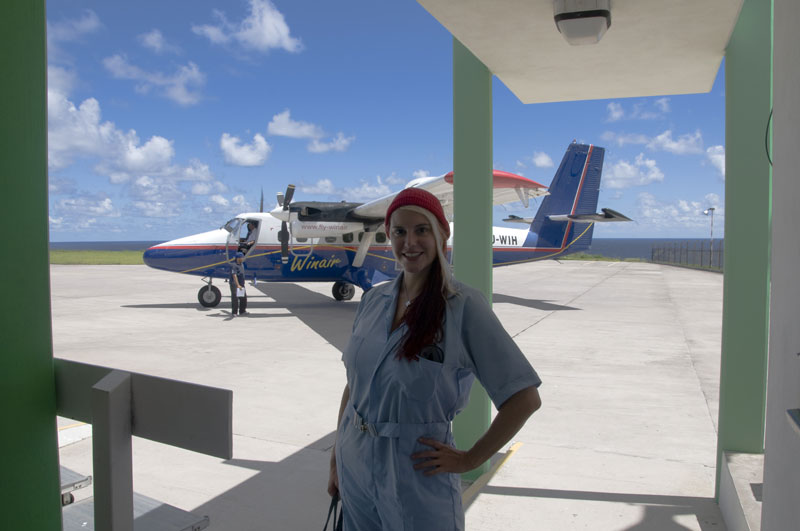
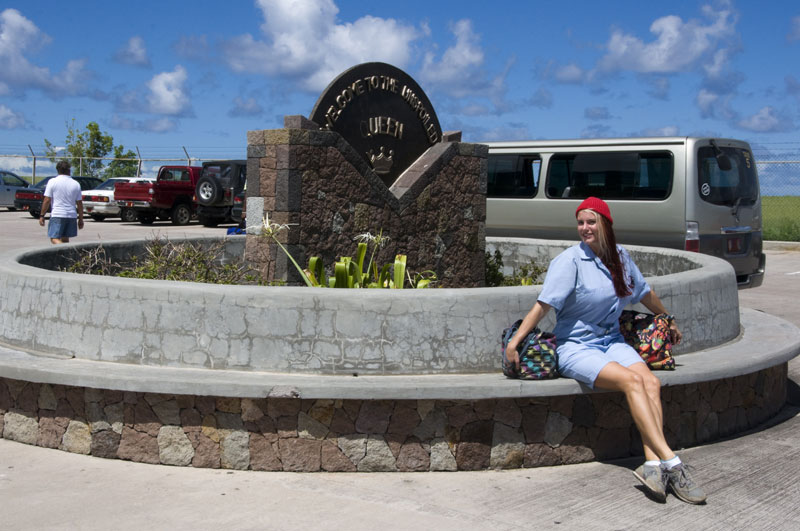
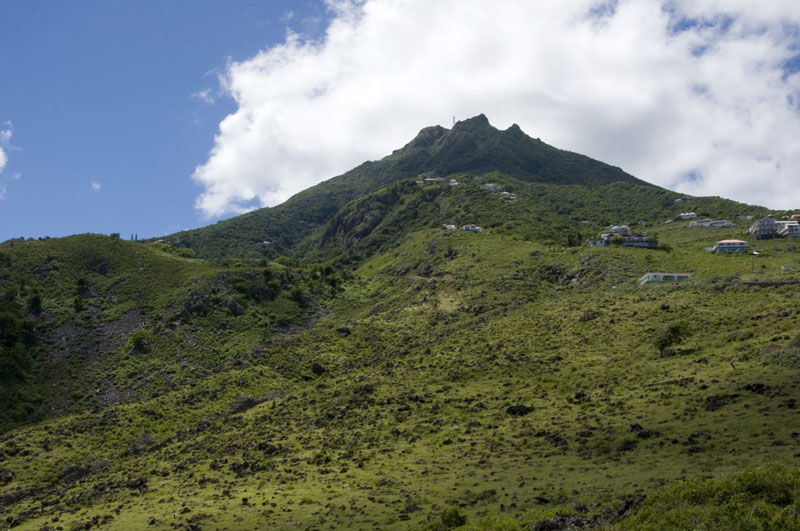
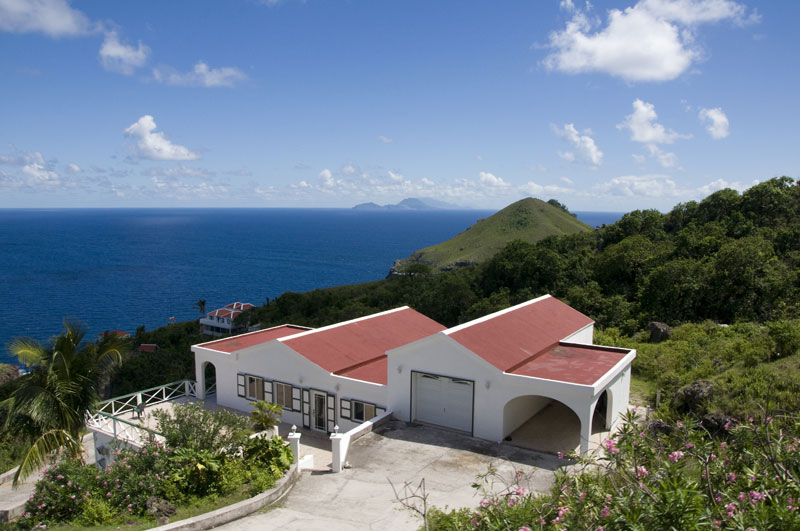
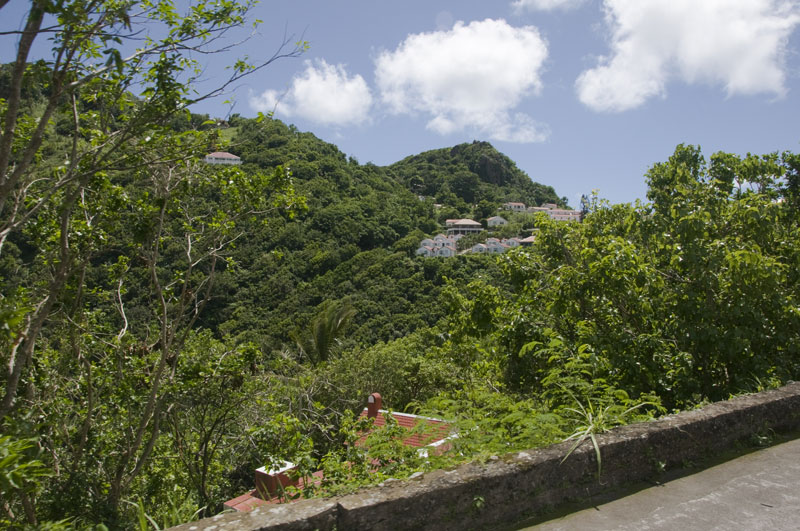
Taking a step back for a moment, below are some photos from our arrival on Saba. We opted for the fourteen-minute plane flight, landing on the world’s smallest commercial runway, which looks more like a driveway. Included below are a few photos of our arrival, the view of nearby islands Statia, St. Kitts and Nevis and some shots of the landscape from the cab ride to The Cottage Club, where we were staying.
Posted in Explorations, Les Fruits sur la Terre, On Expedition
Comment on this post.
October 27th, 2010 by Marc AuMarc
Yann and Marie arrived in Saba the day after us, so our second day of diving was actually the first time we all dove together. We started the morning off at Third Encounter, another pinnacle dive. I apologize if the photos are a bit boring. There were so many great sponges that I ended up taking loads of photos of them.
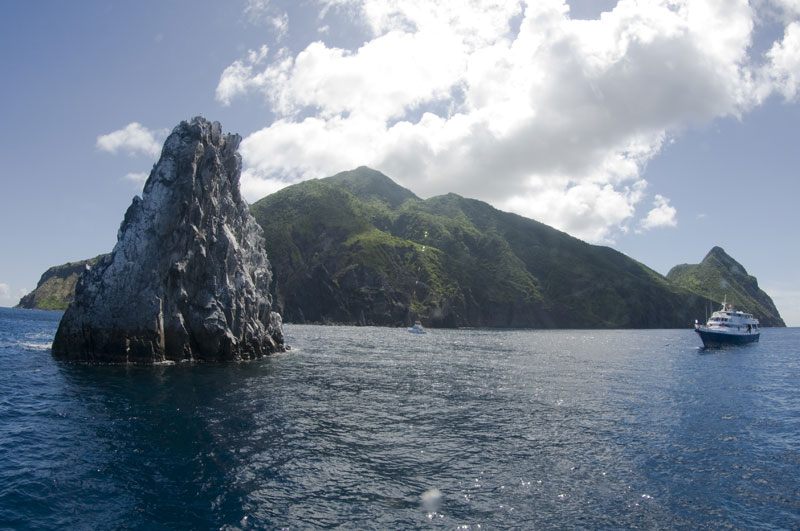
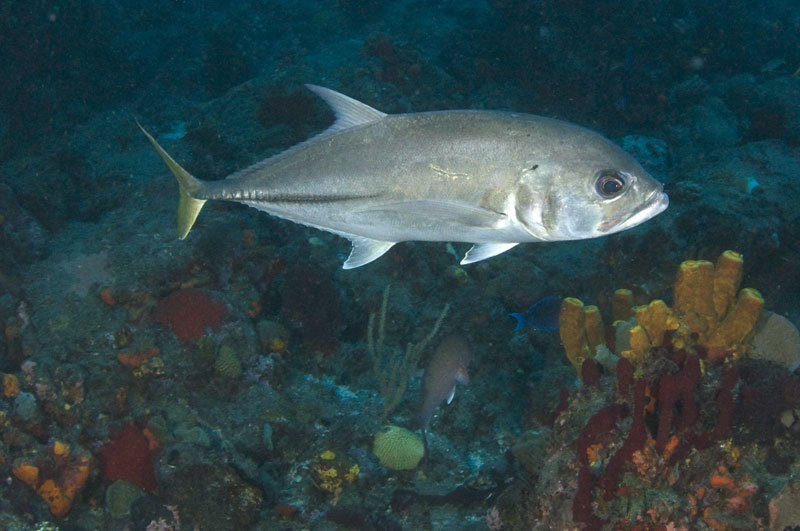
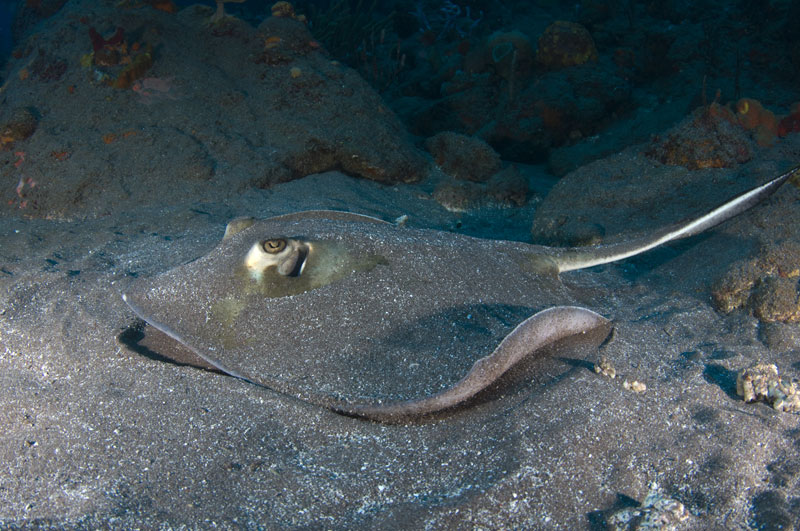
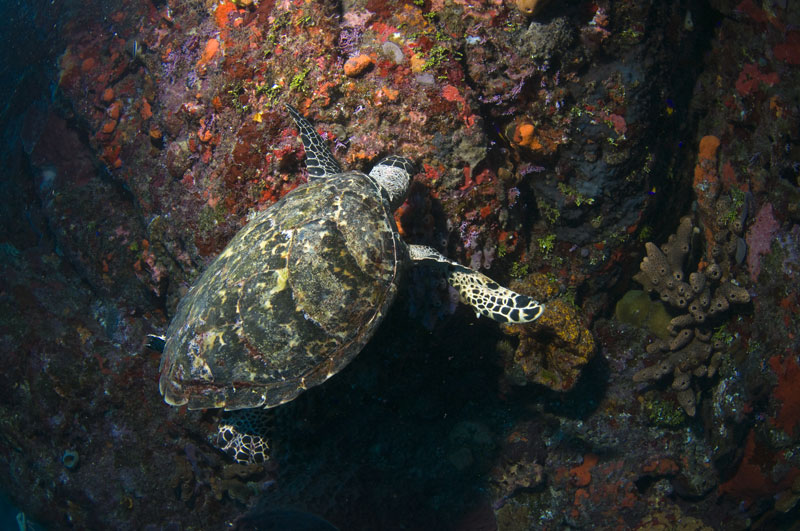
Our next dive was at Diamond Rock, presumably named after its whitewash of guano. This dive site was amazing. In addition to the rock that juts out of the water there is a second peak underwater and a sandy bottom about 80 feet down. In addition to the gorgeous underwater landscape, we saw a giant jack, a southern stingray and a hawksbill turtle.
I should also mention that we dove with Saba Deep, and they were really great. We dove new sites almost every dive and they made everything super easy by taking care of our gear, taxi and such. Since it was low season we were also able to opt in to extra dives in the afternoons, even if we were the only people going out.
Posted in Adventure and Excitement, Diving, Explorations, On Expedition
Comment on this post.
October 27th, 2010 by Marc AuMarc
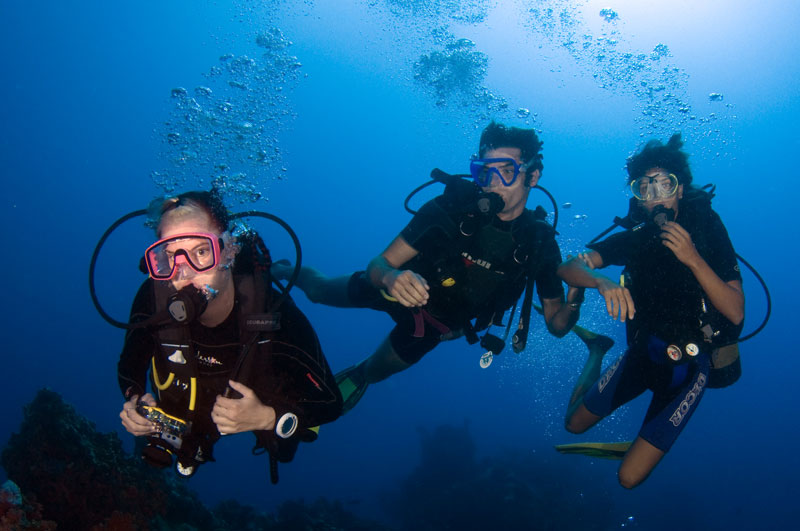
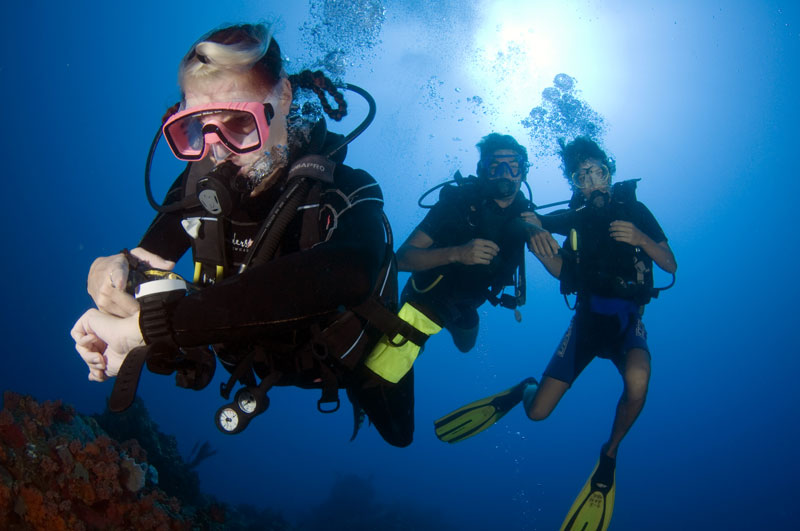
Several members of Les Fruits de Mer (Madam J, Yann, Marie and myself) undertook an expedition to the nearby island of Saba last week for some diving, hiking and, of course, Extreme Shallow Snorkeling. Over the next few days I’ll be posting all about our adventures.
Saba is a much younger island than St. Martin, I believe about ten million years younger, or about half the age of St. Martin. While both islands are originally volcanic, St. Martin was submerged and capped with limestone, while Saba is basically still just a volcano jutting straight out of the ocean. It’s about a seventh the area of St. Martin, but twice as tall.
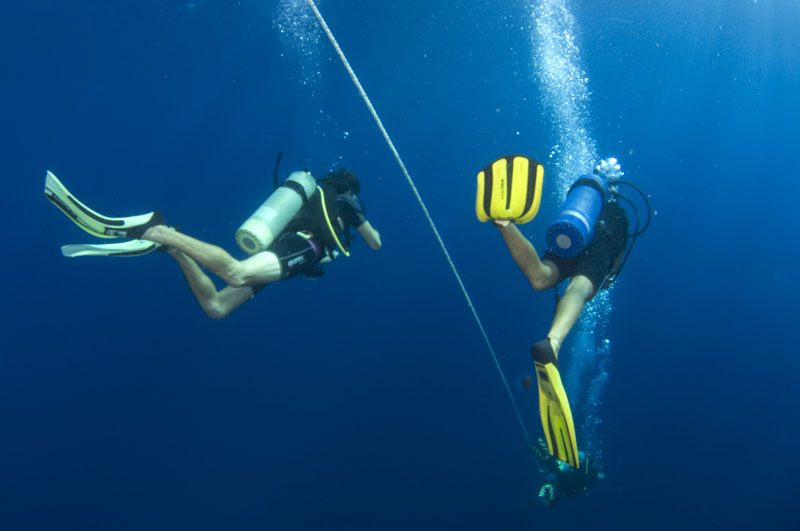
This post features some photos from our first day of diving on the island. The world-famous diving is the primary tourism draw of the island. Our first dive was at a site called Outer Limits, which is one of the pinnacle dives. The underwater pinnacles are basically submerged mountaintops off the coast of Saba that rise to between 90 and 110 feet below the surface of the ocean. Although the depth means short dives, these unique formations are a big attraction to divers.
Our next dive was at a site called Ladder Labyrinth, which primarily consists of coral and sponge encrusted underwater lava flows that create a variety of interesting structures. Underwater hot springs leave sulfur patches in the sand, and geothermal heat can be felt if you put your hands into the sand in the right spots.
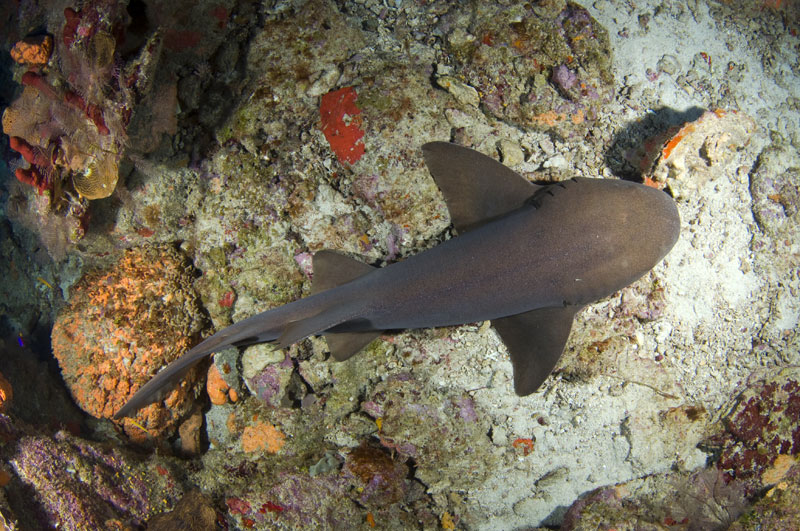
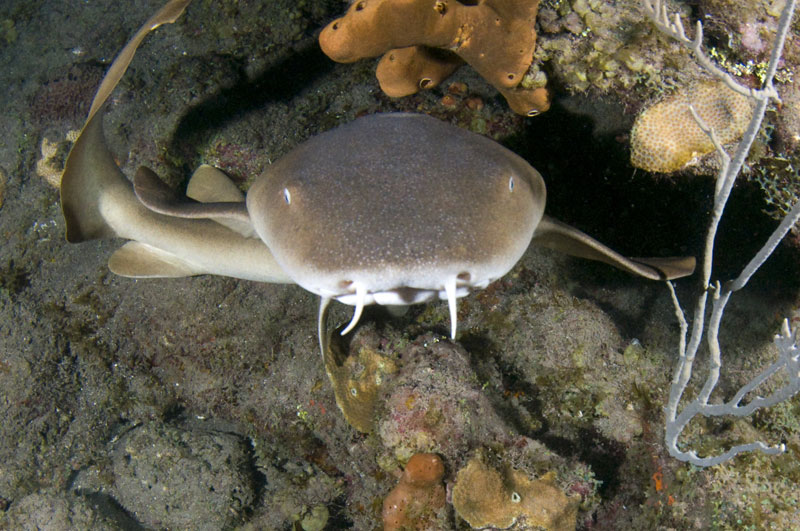
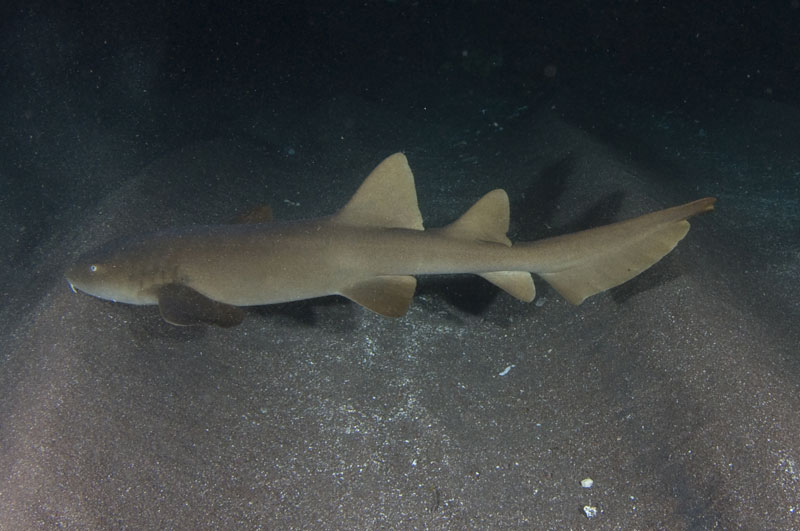
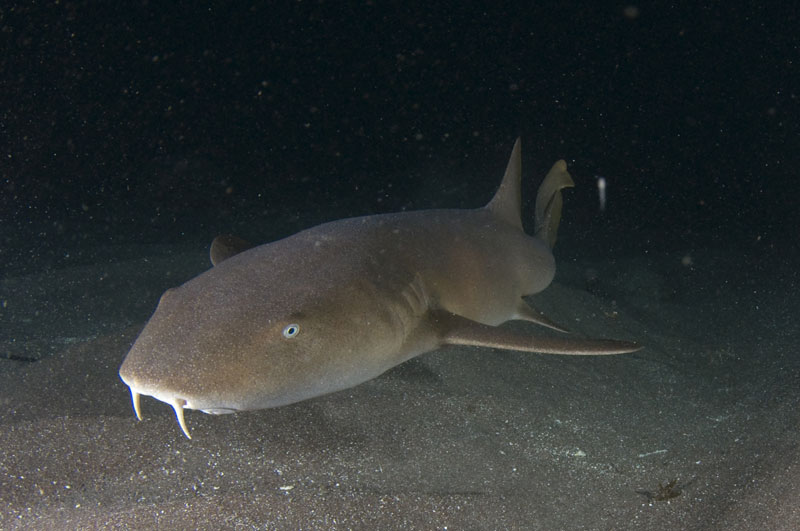
We were also lucky enough to arrive during the month-long Sea and Learn event, which includes talks by experts and hands-on research opportunities. We went on a dusk/night dive with Graham Forrester to see if we could watch hamlets spawn. Although we didn’t actually see this because there aren’t very many hamlets in the waters around Saba, we did have a great night dive. One highlight was a nurse shark which followed us everywhere, probably because our flashlights helped it find prey.
It was a busy day and a great way to start our expedition!
Tags: diving, saba, scuba
Posted in Adventure and Excitement, Diving, Explorations, On Expedition
Comment on this post.
October 2nd, 2010 by Marc AuMarc
Below, with no particular thematic tie, are the last of my photos from September. You can probably tell by the fact that I already did eight posts today that I’m clearing house in order to prepare for future adventures.
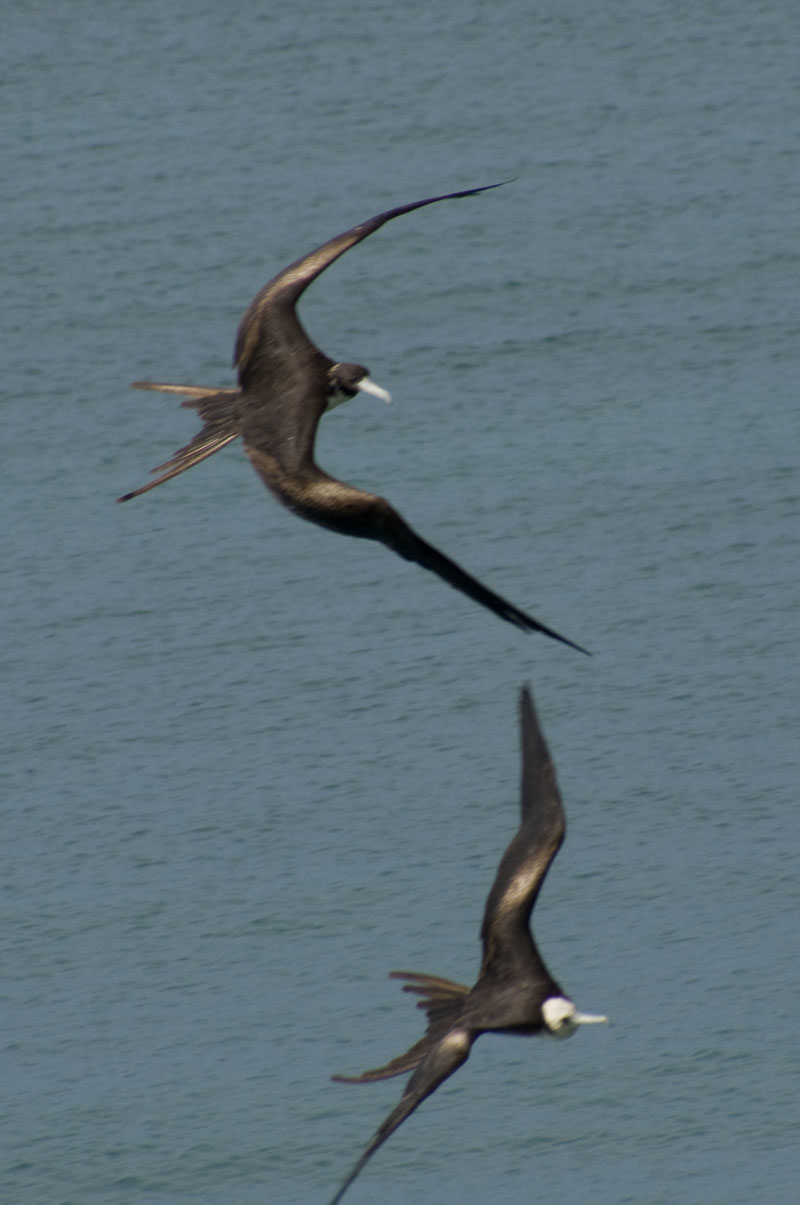
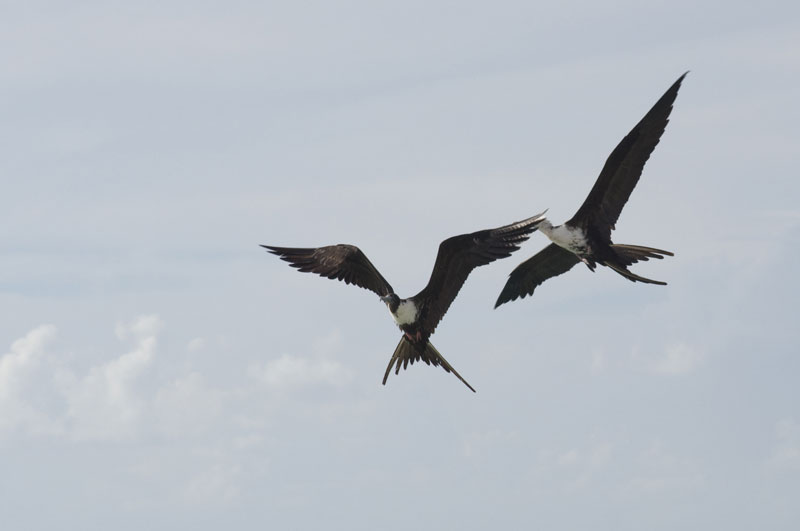
Here are some magnificent frigatebirds seen from our veranda.
And here are a variety of shots from Marigot and Grand Case.
Posted in Les Fruits sur la Terre
Comment on this post.
October 2nd, 2010 by Marc AuMarc
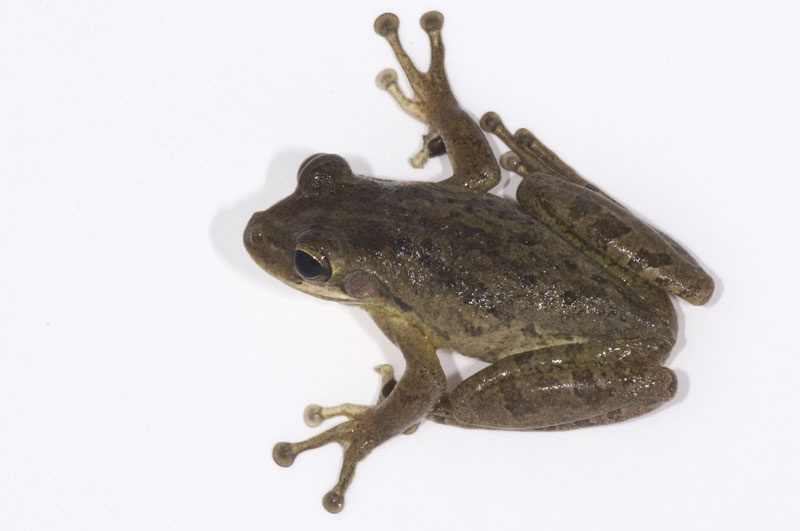
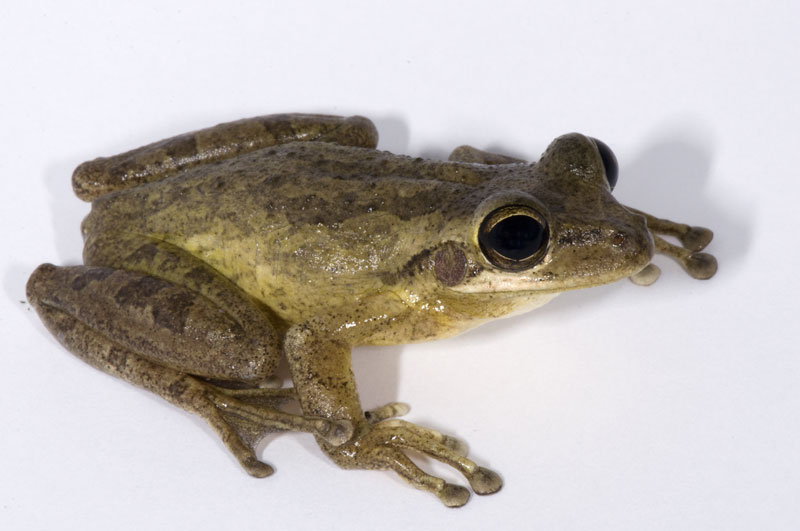
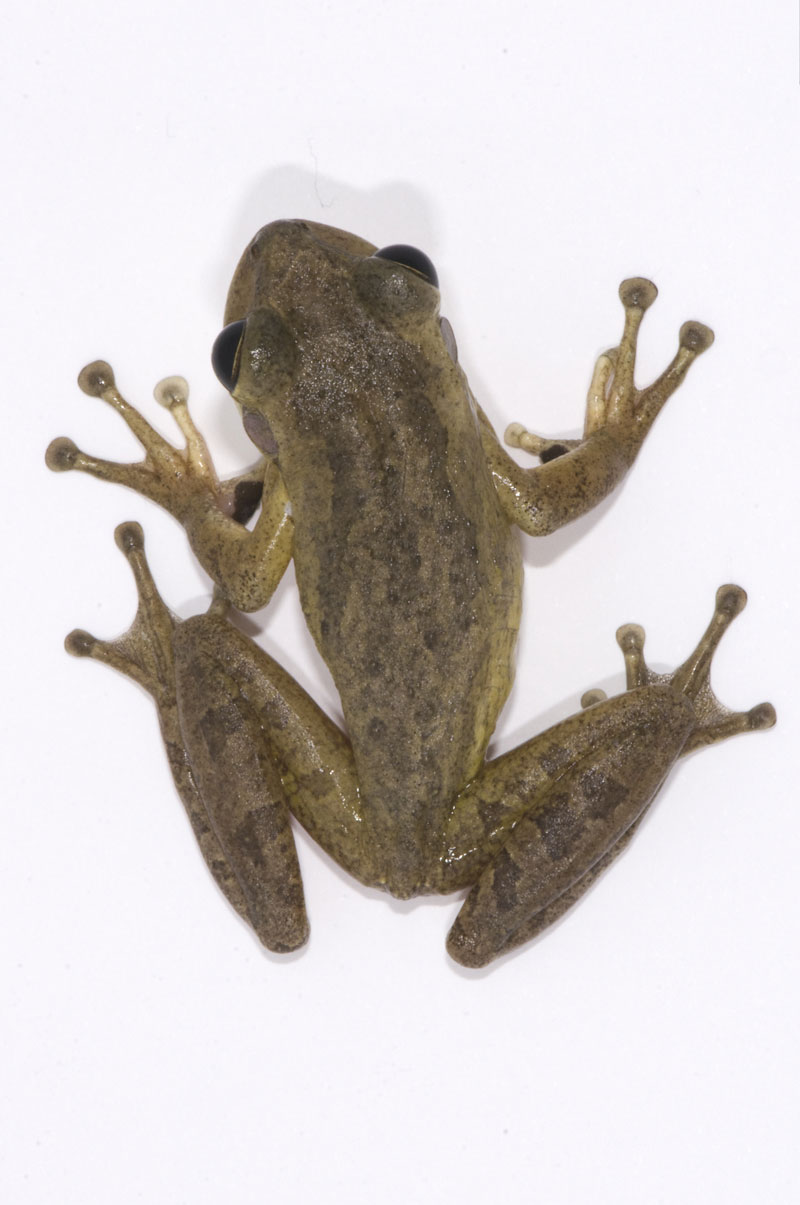
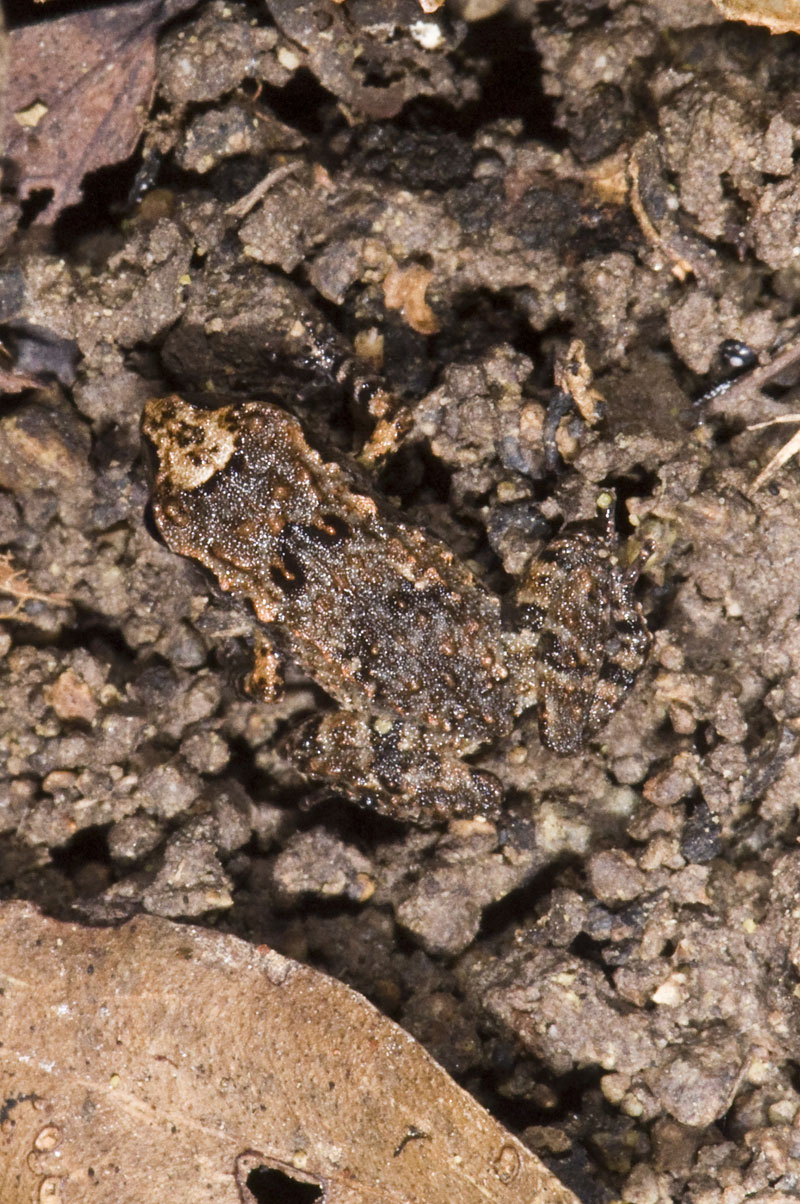
To round out our selection of Saint Martin frogs, we have a couple more sets.
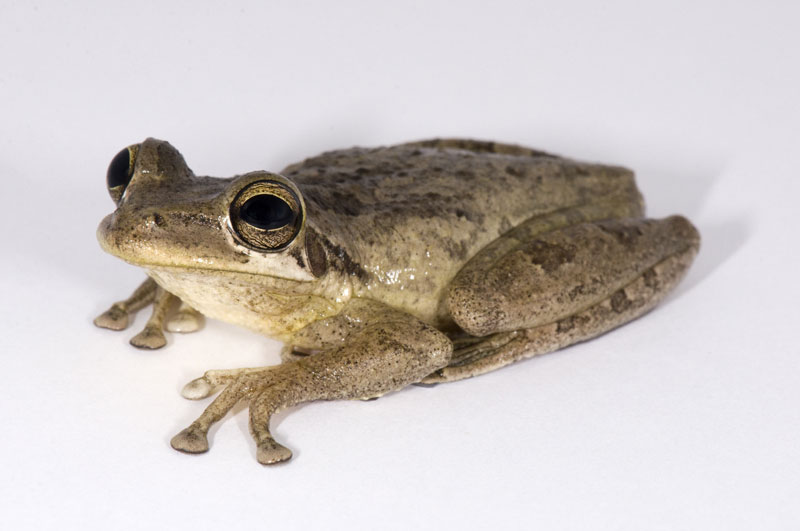
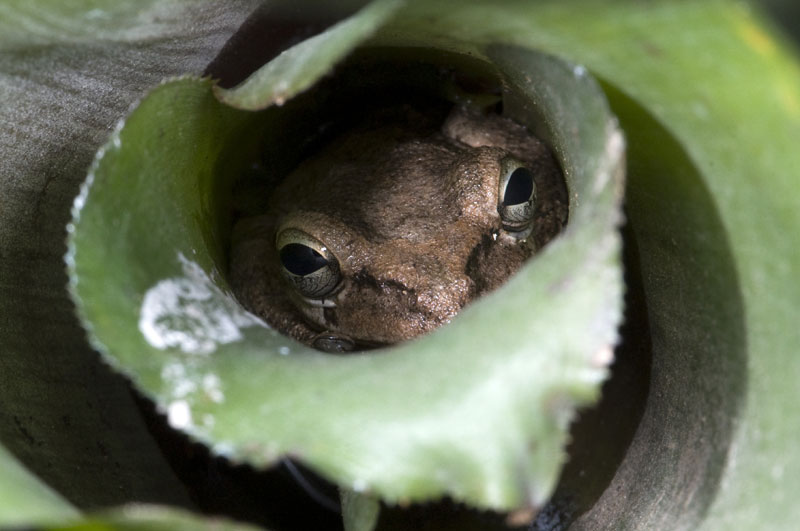
The Cuban treefrog is quite huge compared to the others on the island. This one is a male. You can tell because it has little black pads on its thumbs which help it hold on to the female during sex.
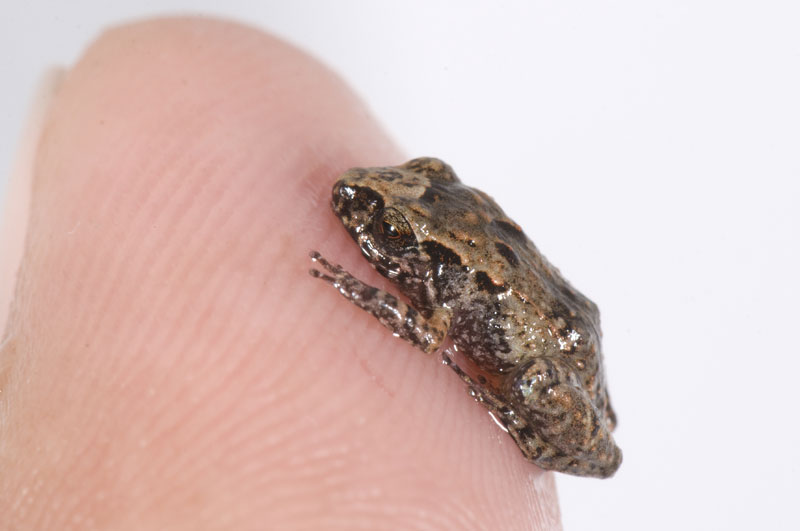
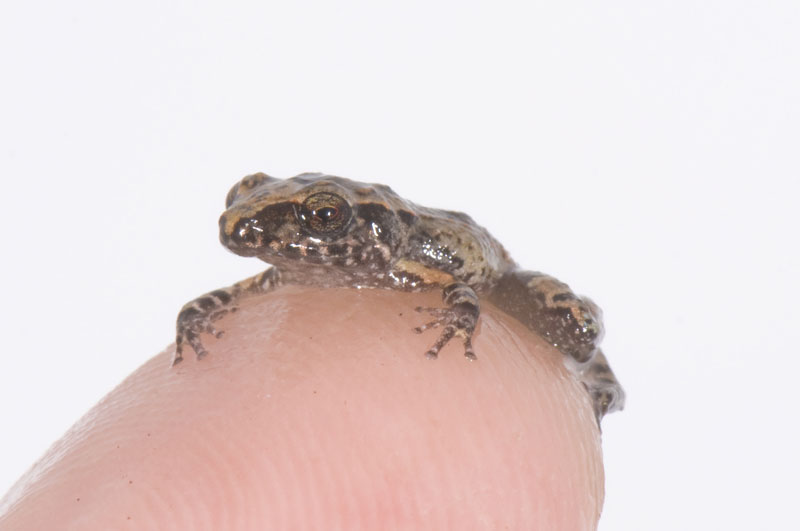
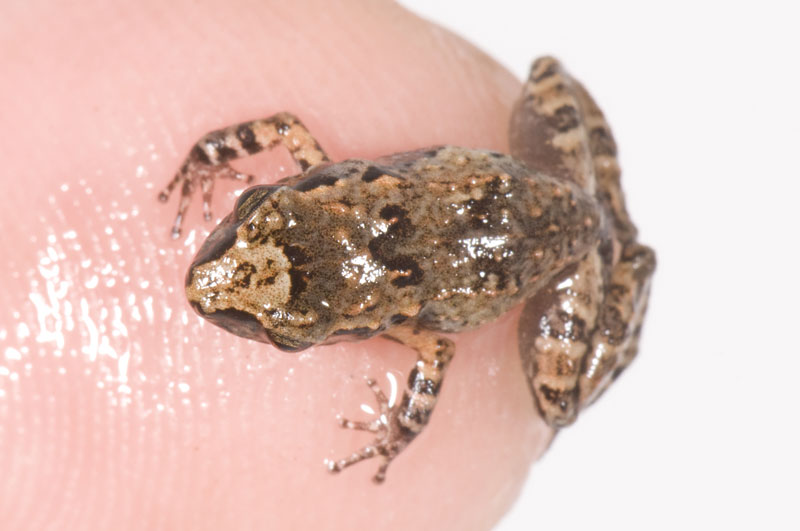
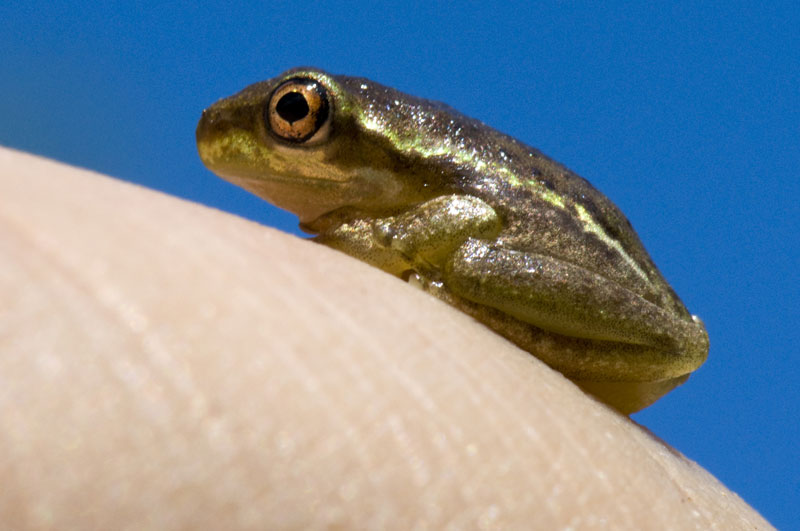
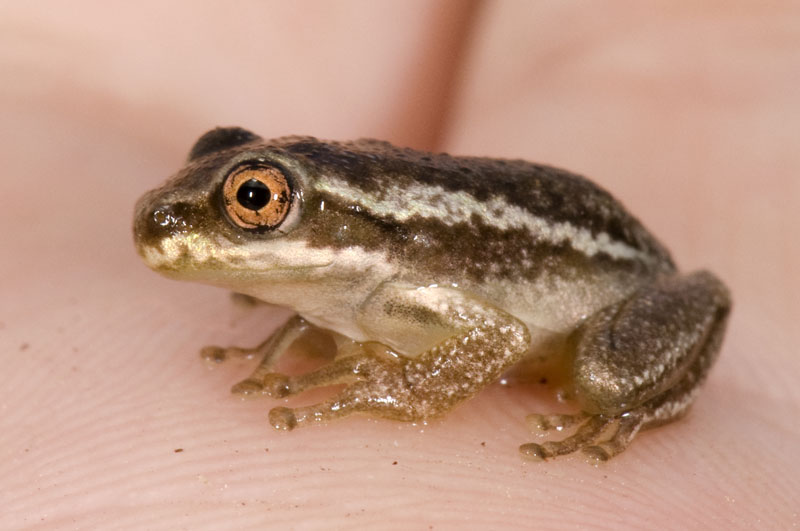
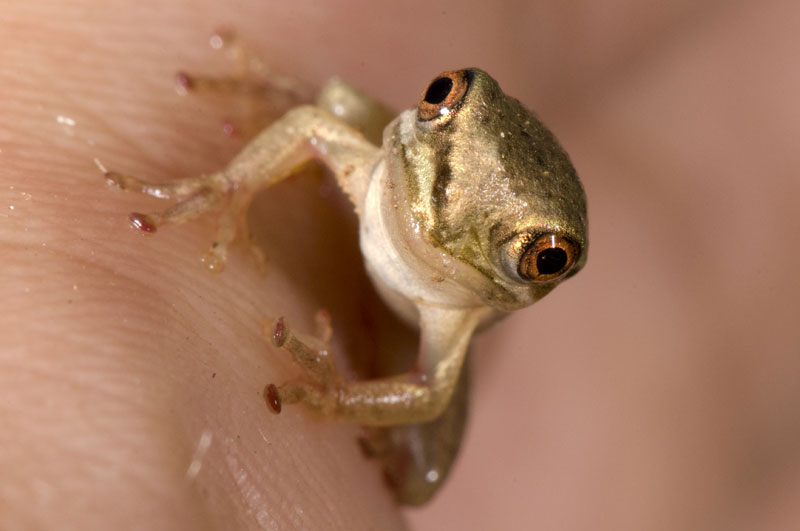
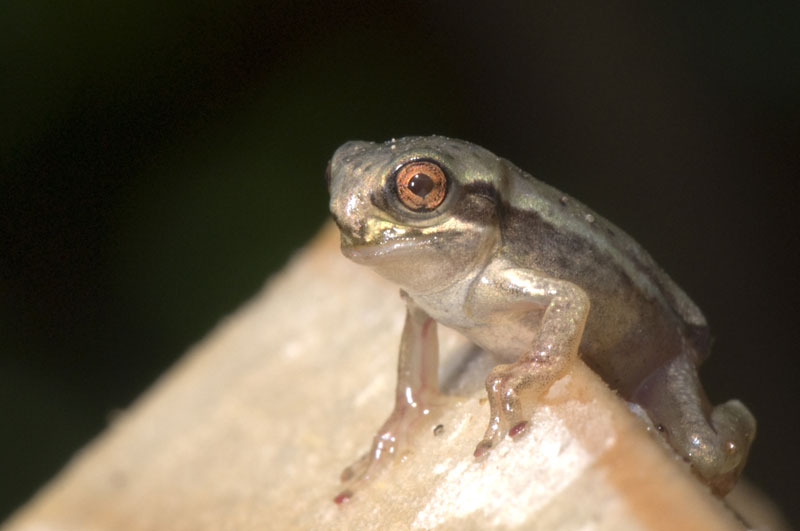
And the smallest were these tiny coqui antillanos, also known as Johnstone’s whistling frog. They hatch from eggs directly into tiny froglets, so I would imagine that some of them are probably much, much smaller.
Posted in Les Fruits sur la Terre
Comment on this post.
October 2nd, 2010 by Marc AuMarc
Yann and Marie were doing construction at a house in Cul de Sac, and the unused swimming pool there had ten inches of water and thousands of frogs. Last Monday I went to check it out, but unfortunately they had already drained the pool. Luckily, Yann and Marie saved some frogs and tadpoles. I was particularly fond of the deformed frog you can see below. I also stopped at the nursery to see the Cuban treefrogs hiding in bromeliads again.
Posted in Explorations, Les Fruits sur la Terre, Pour les Sciences
Comment on this post.