September 24th, 2010 by Marc AuMarc
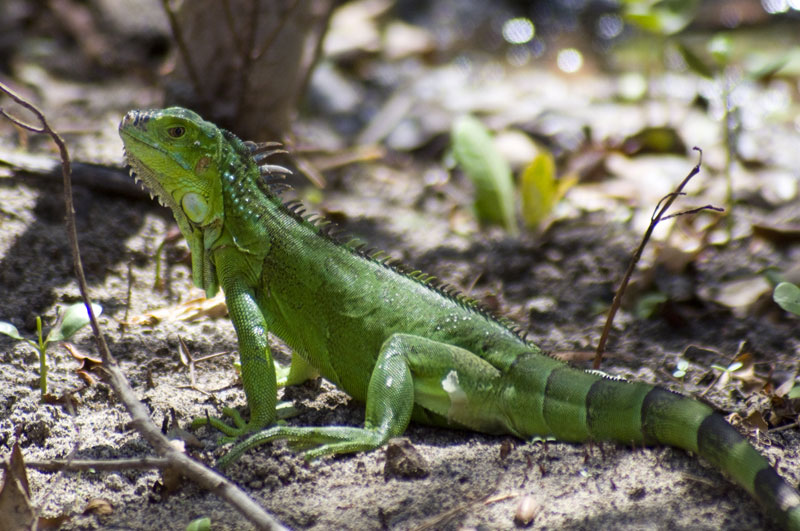
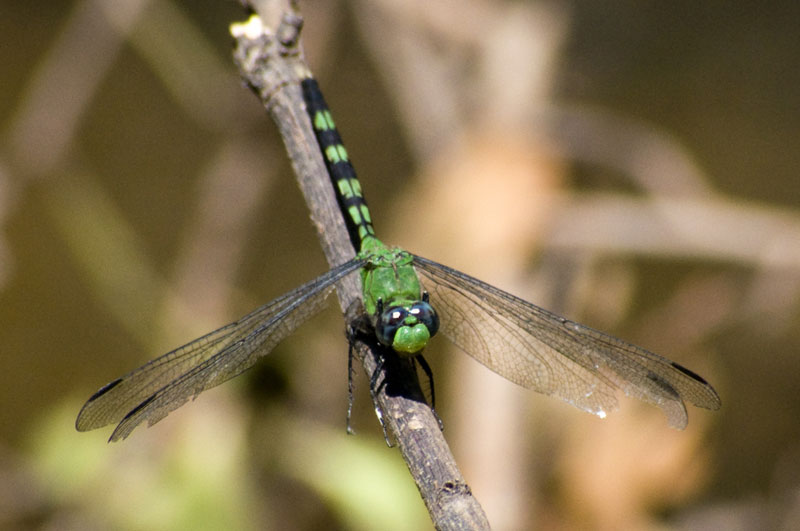
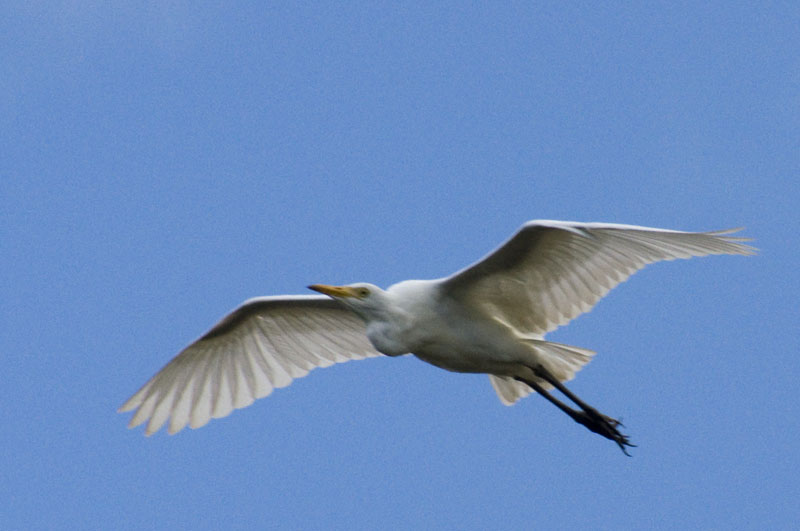
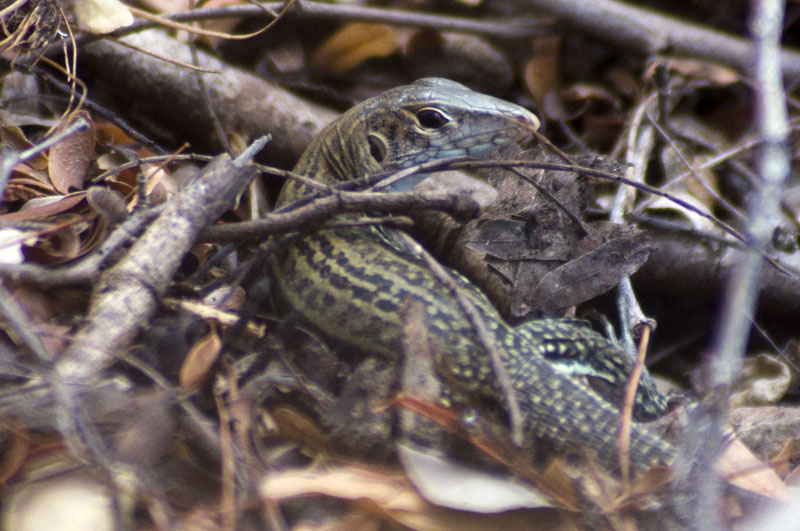
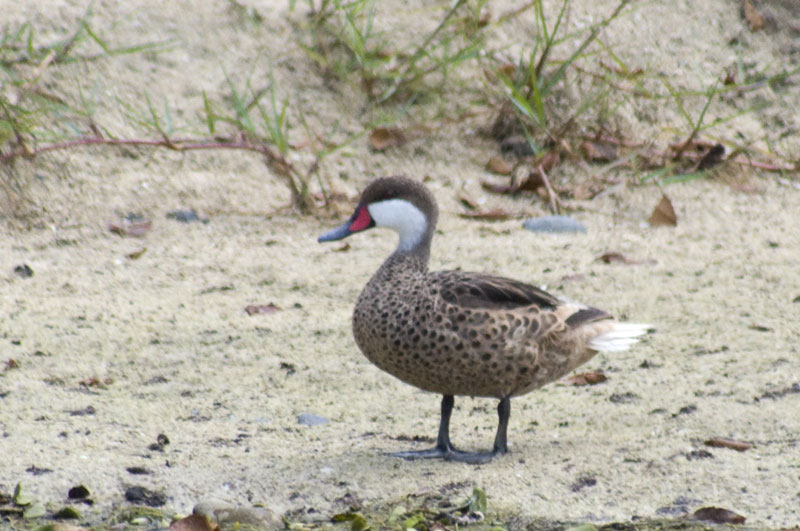
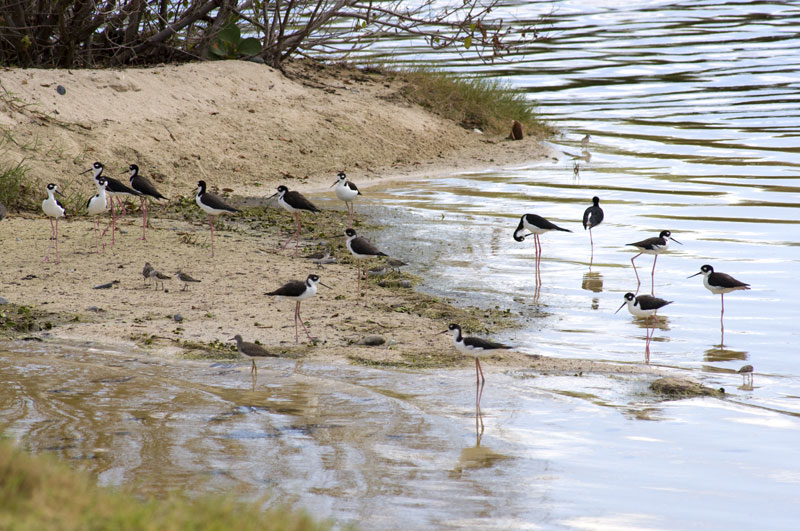
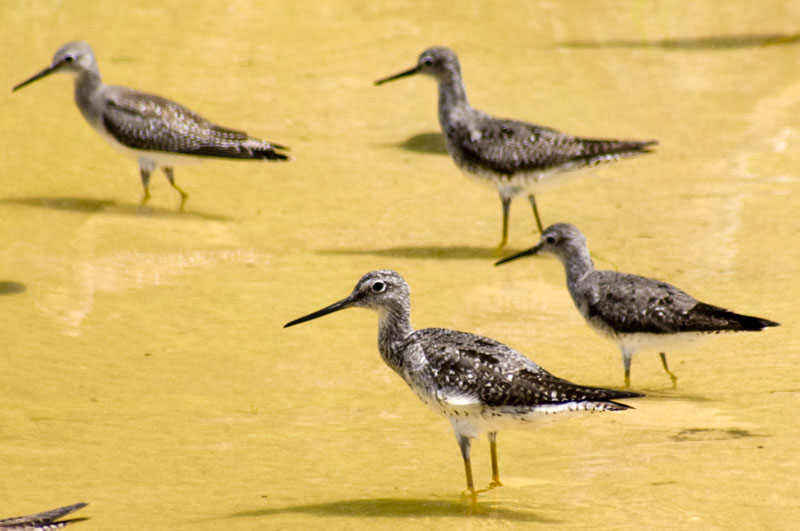
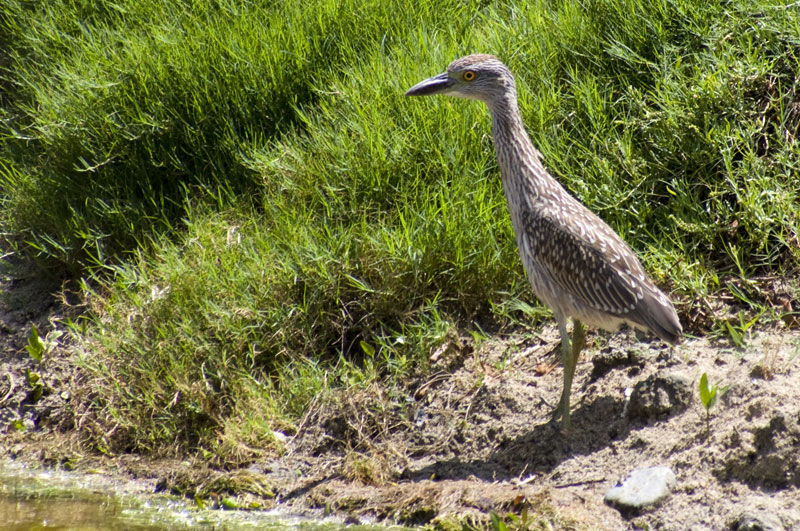
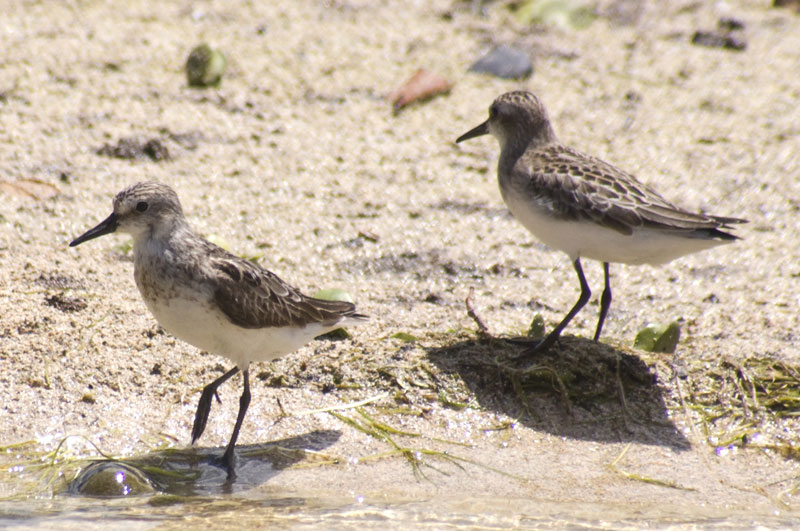
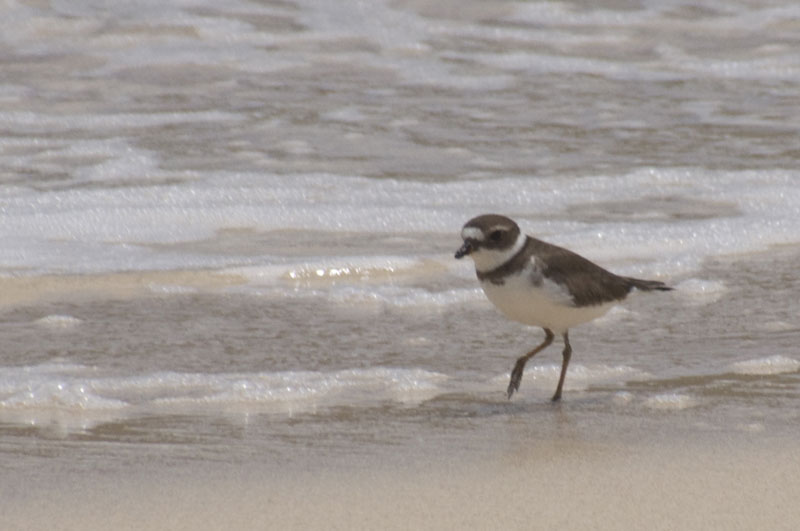
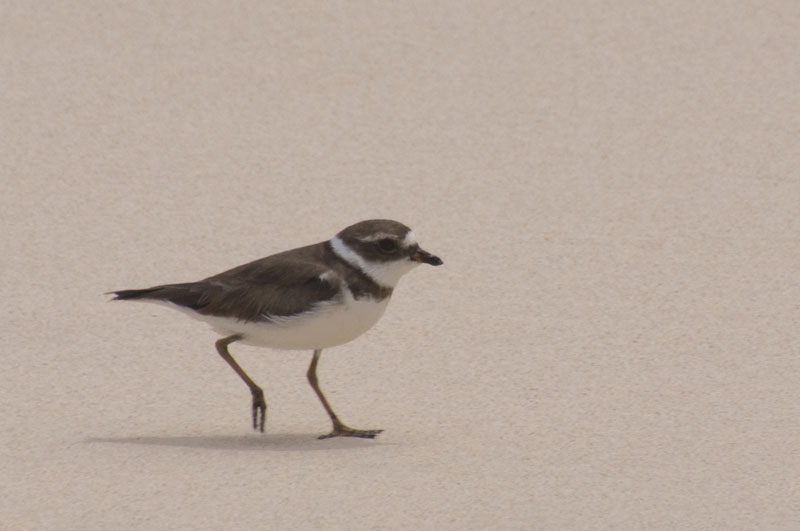
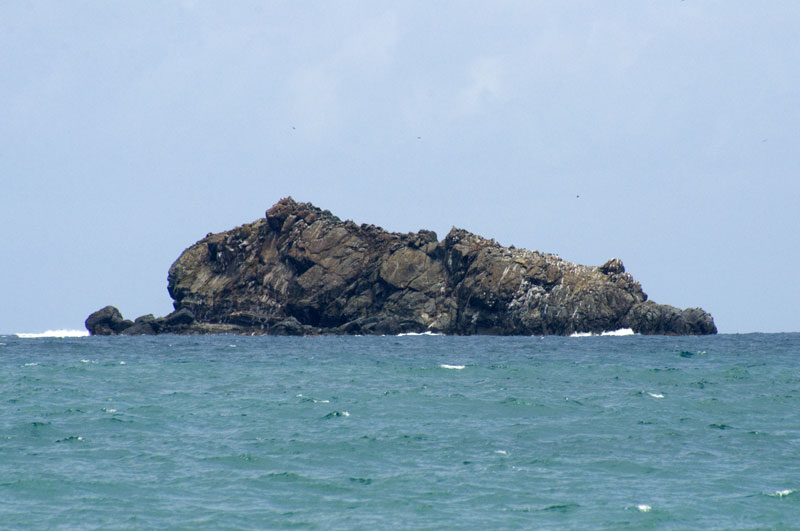
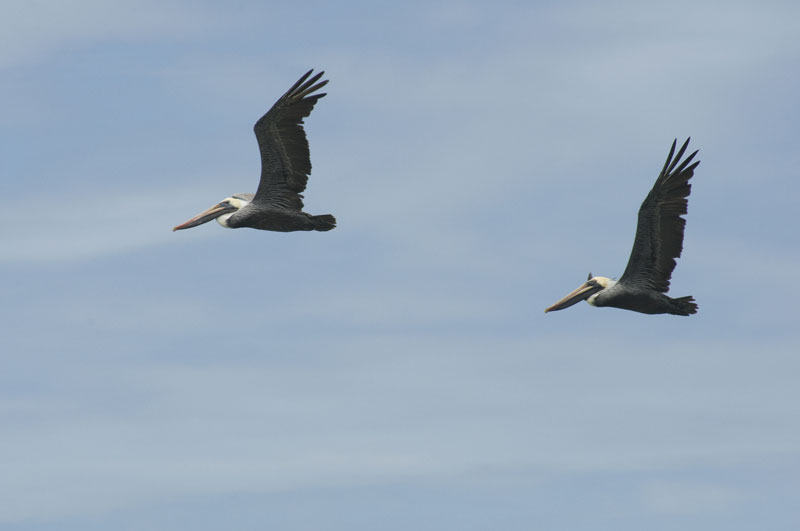
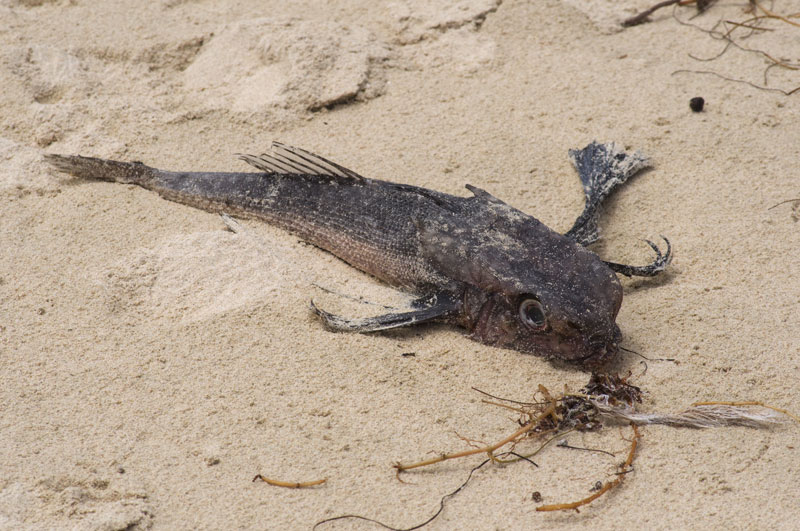
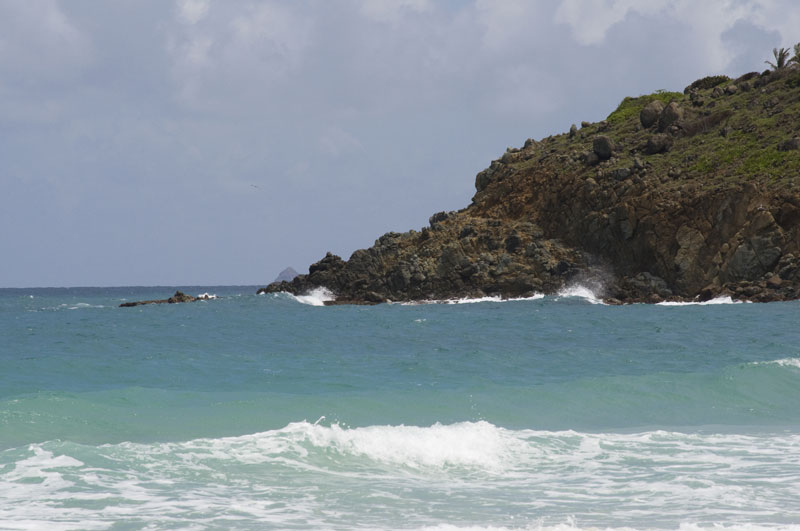
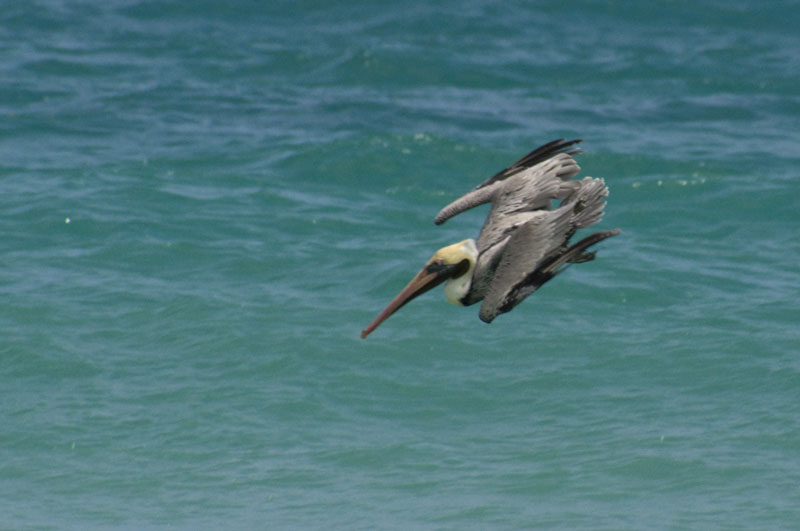
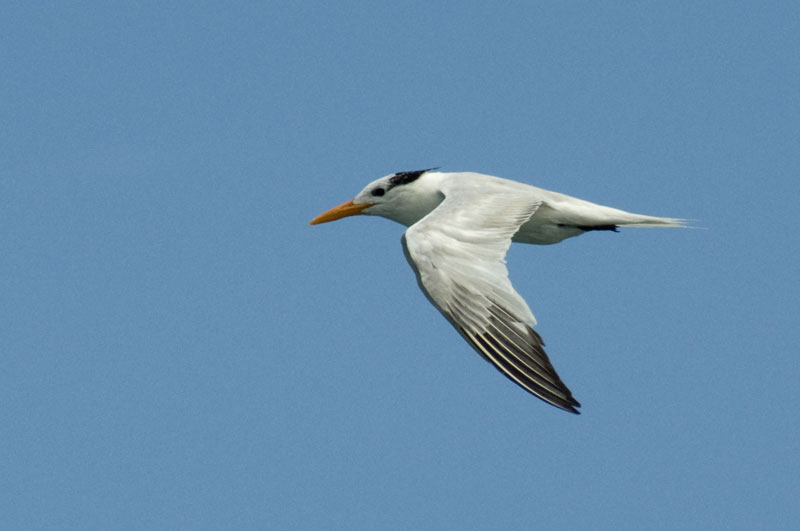
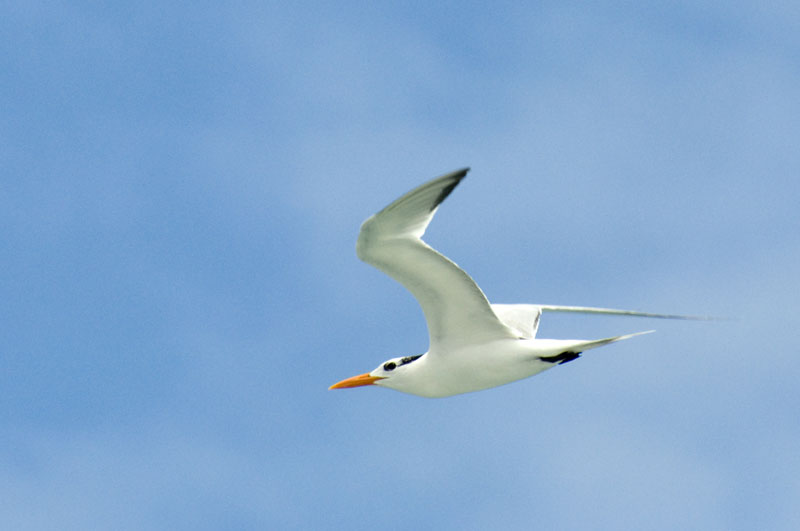
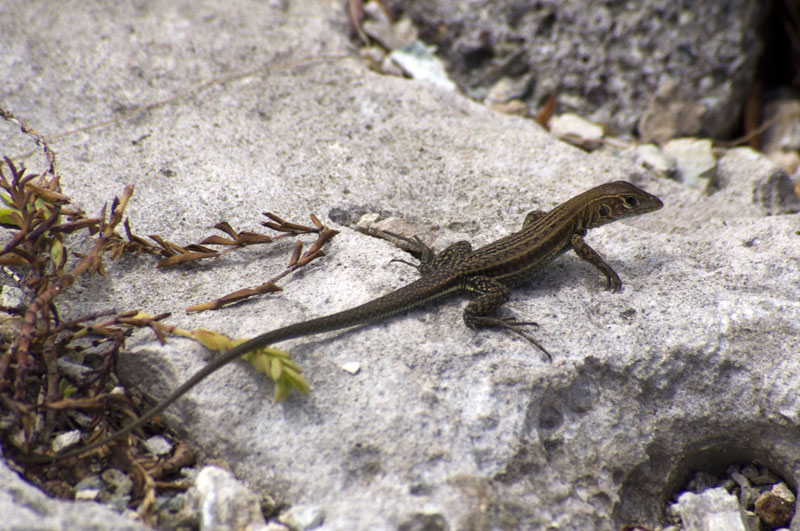
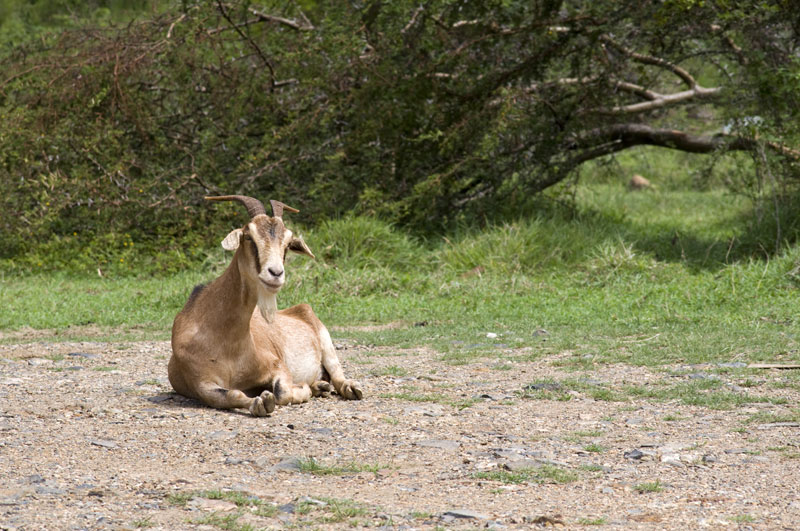
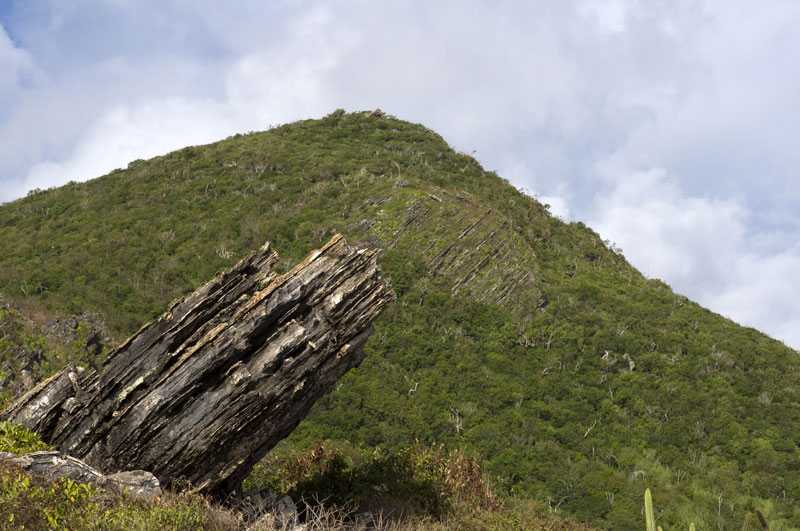
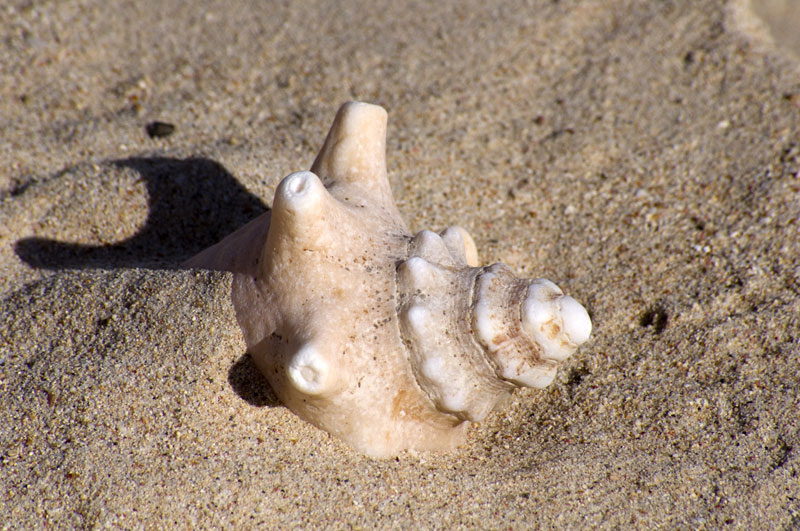
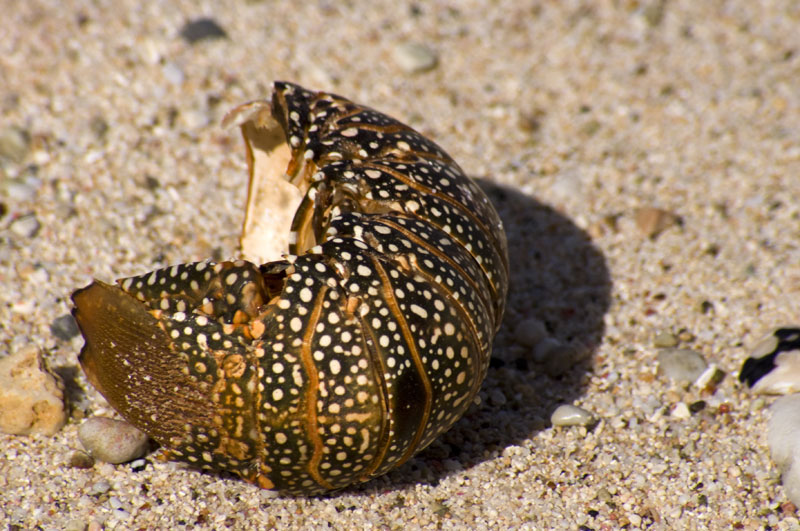
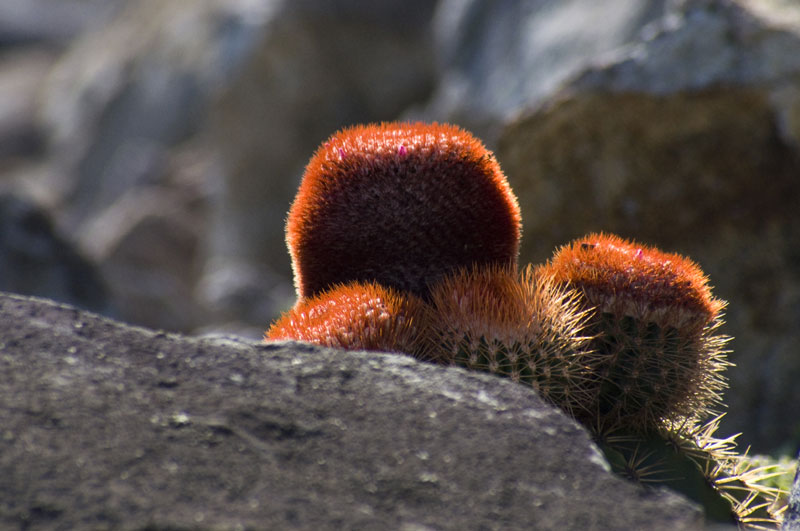
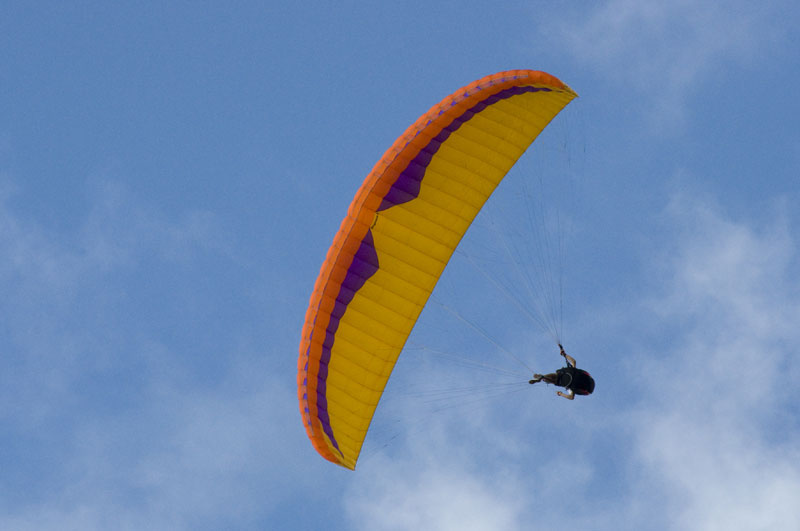
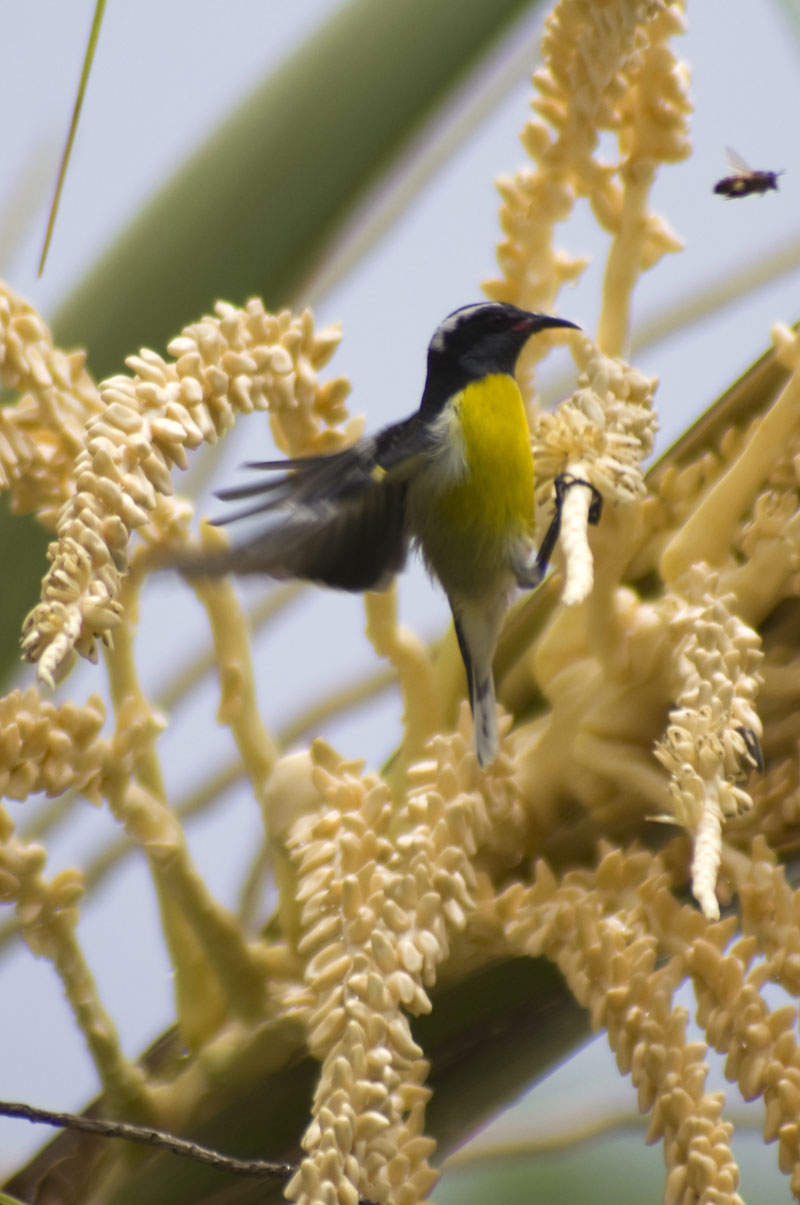
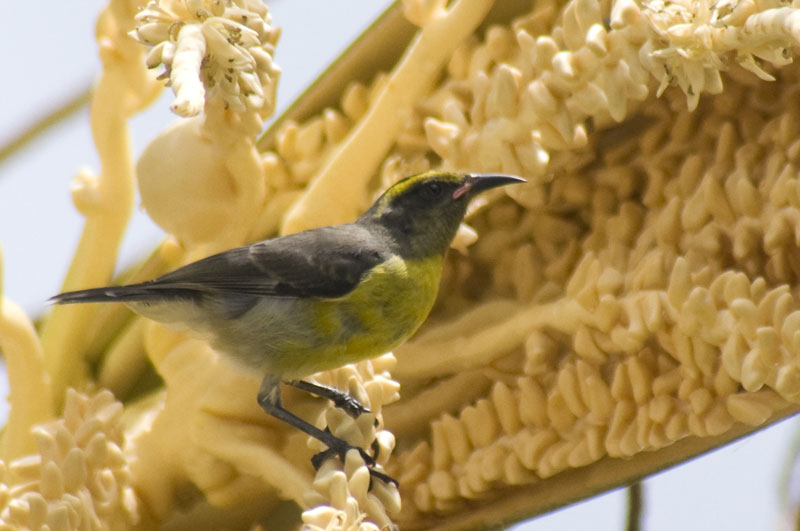
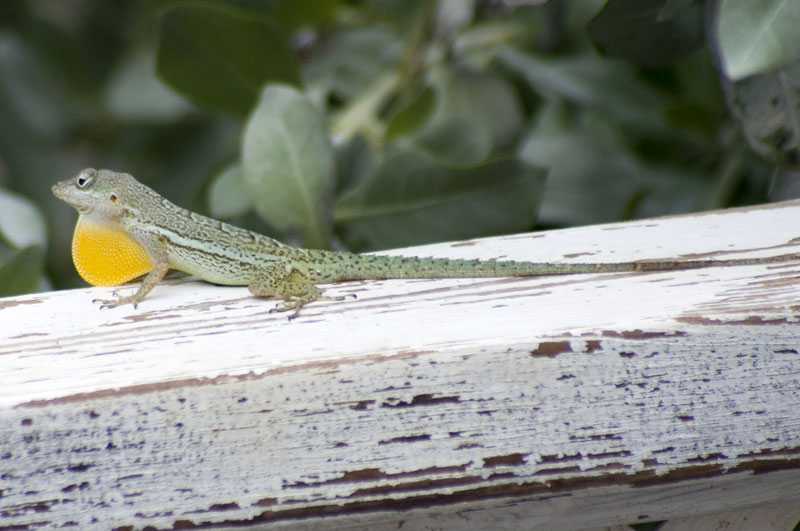
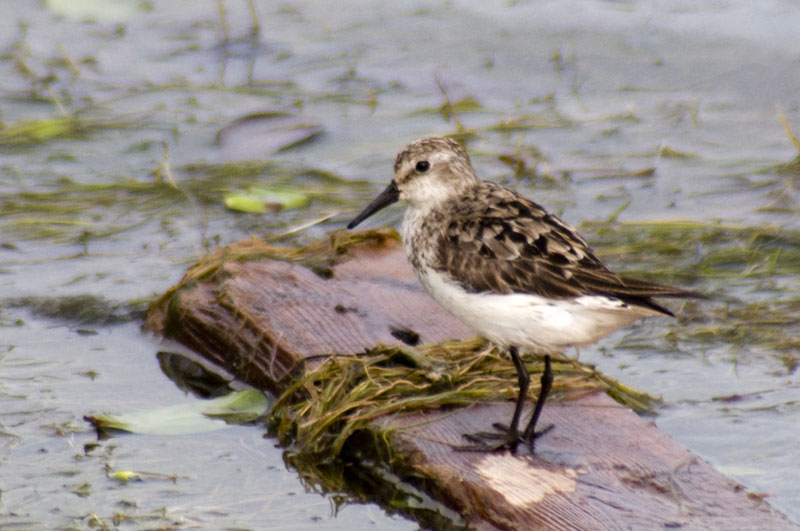
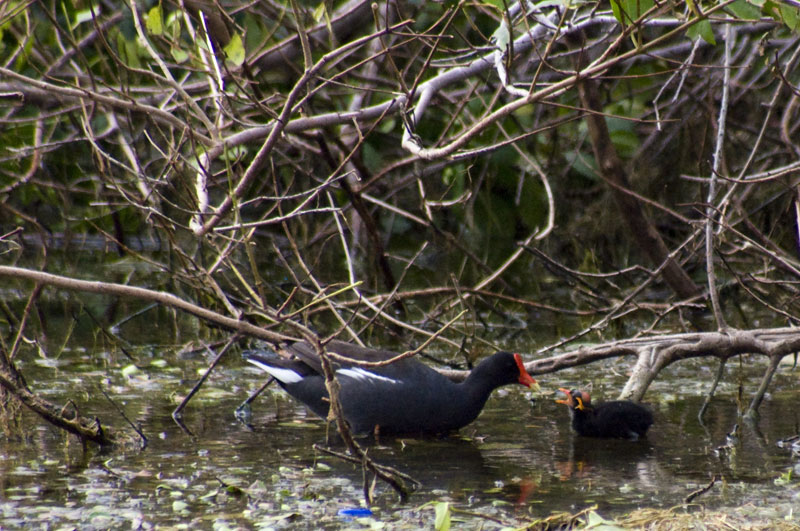
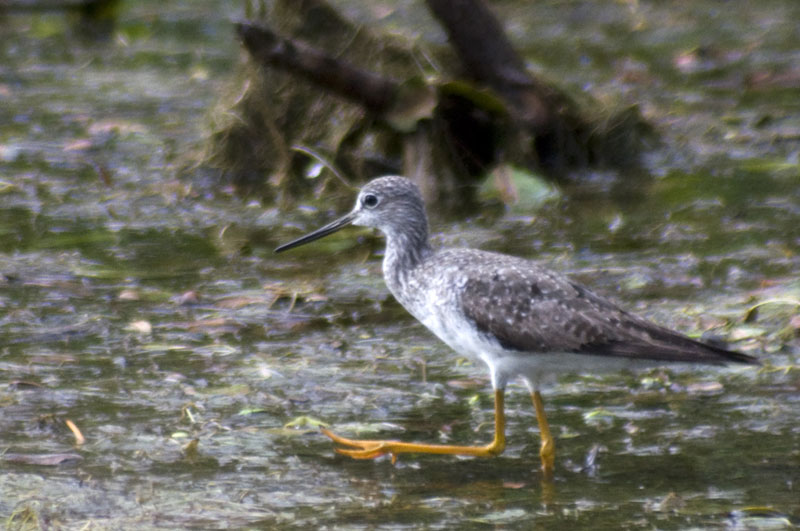
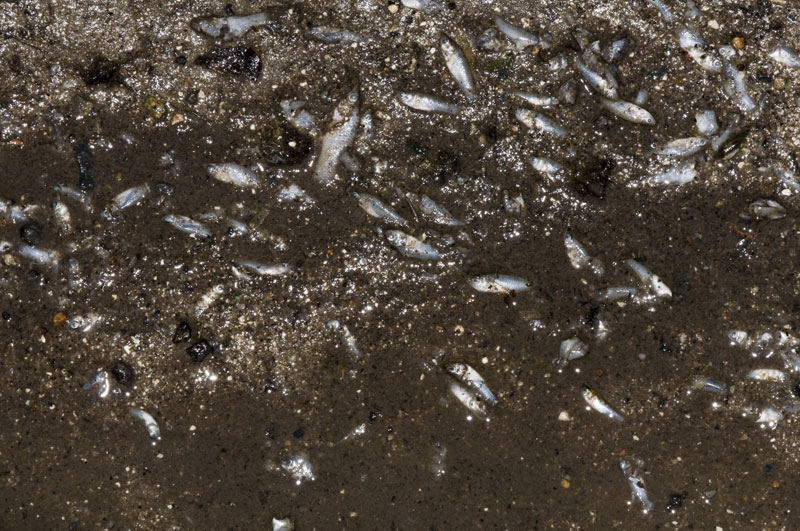
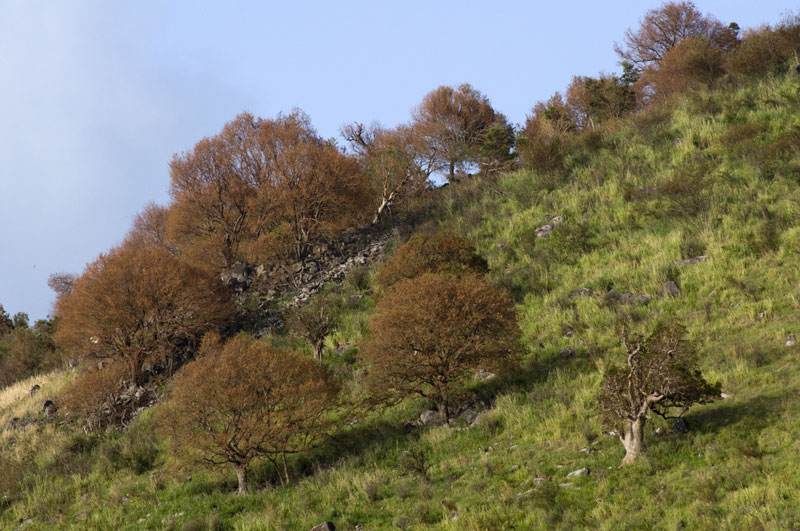
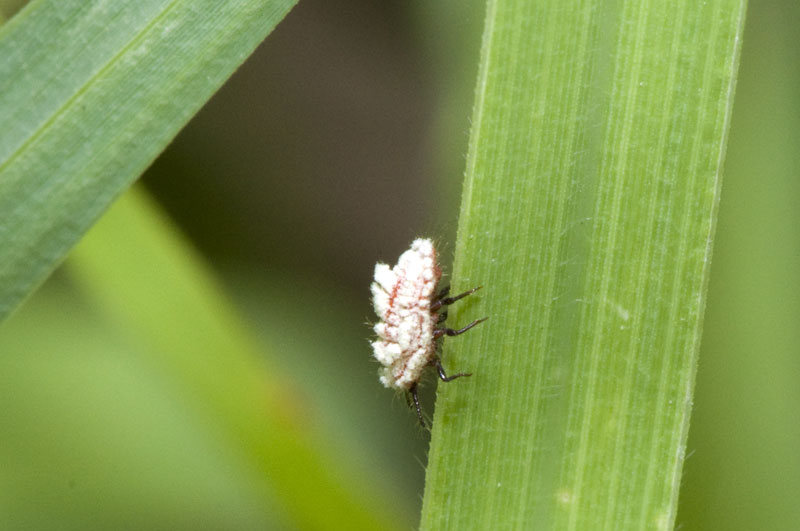
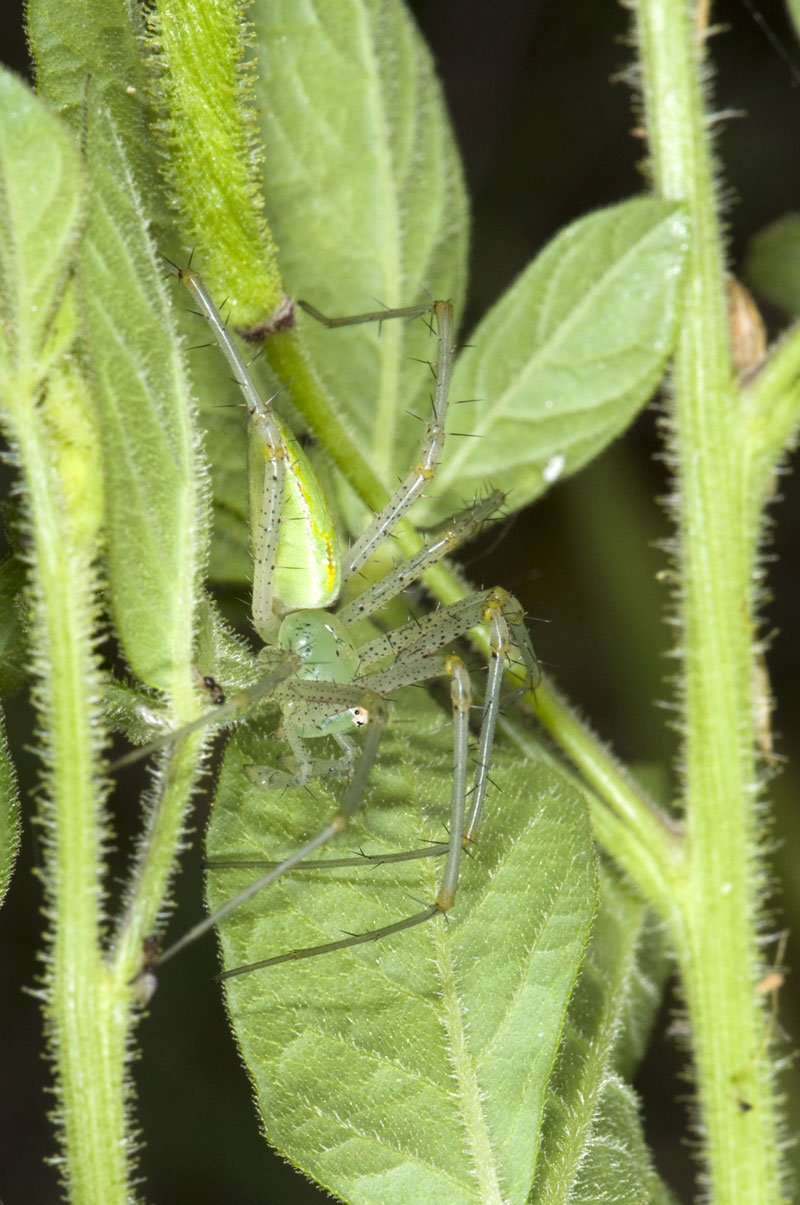
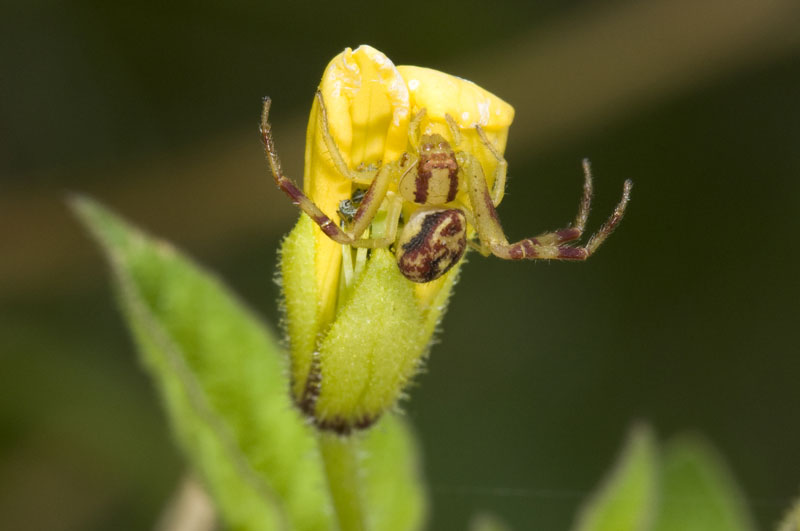
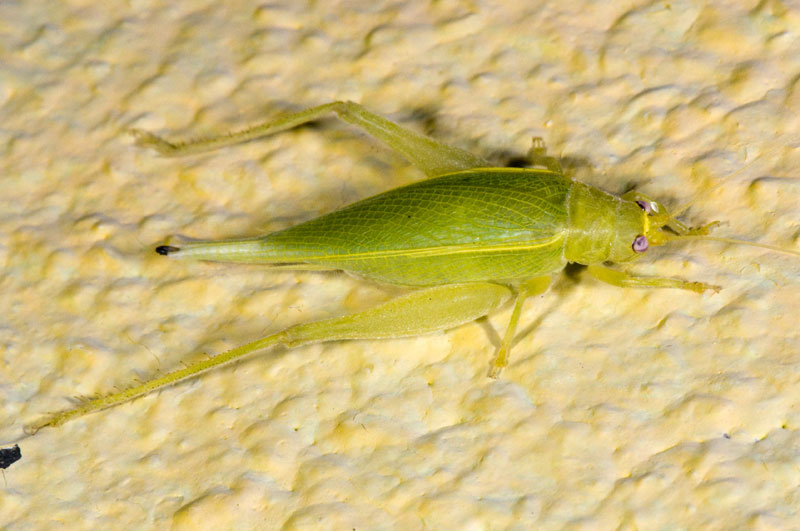
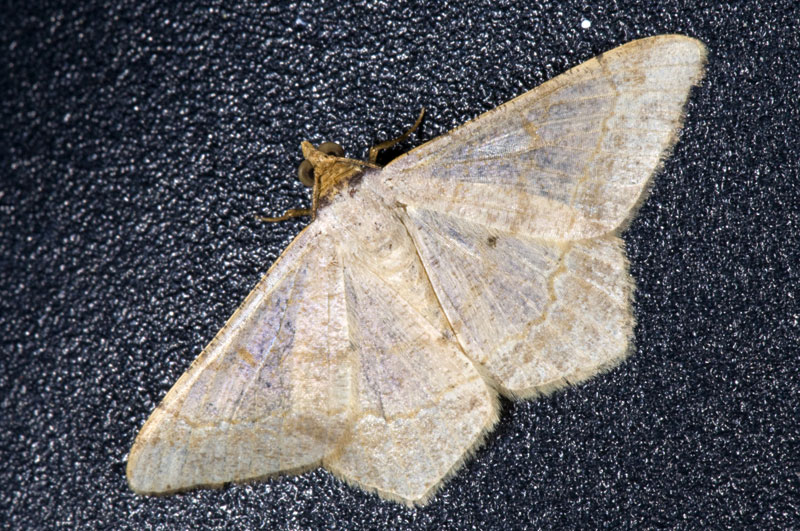
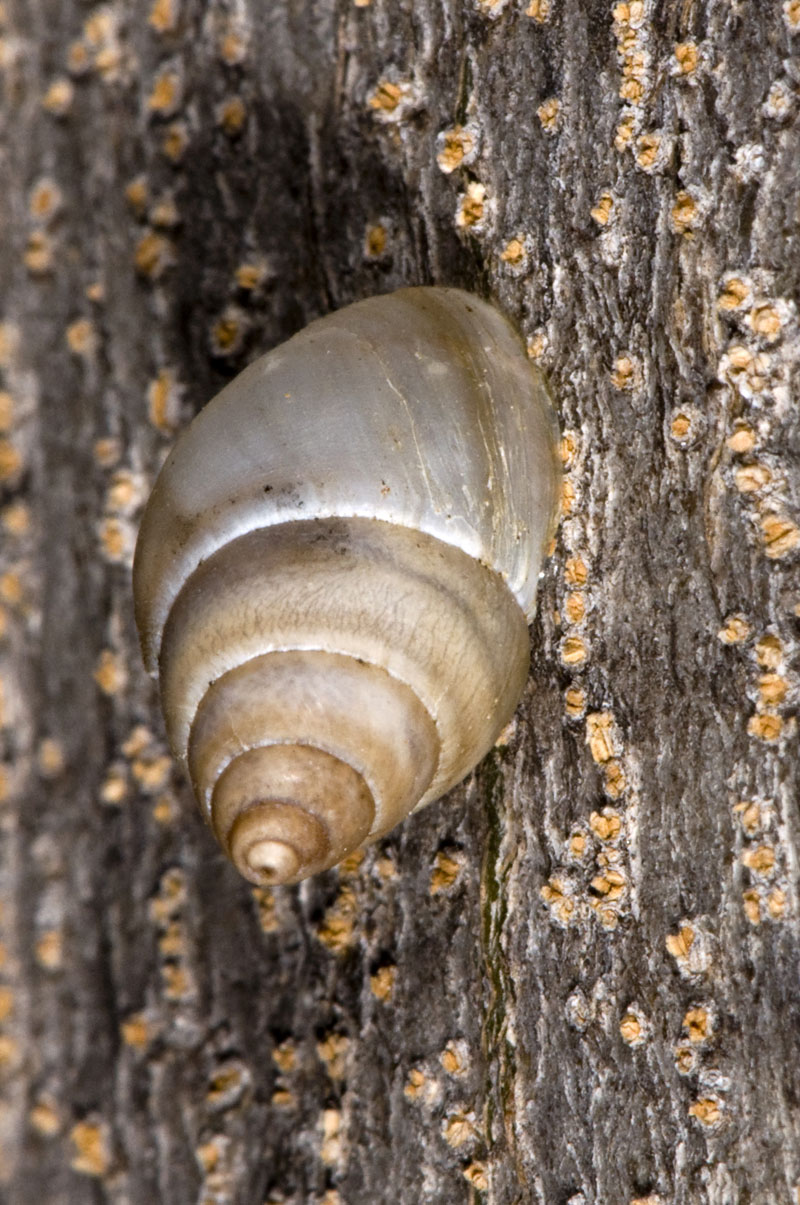
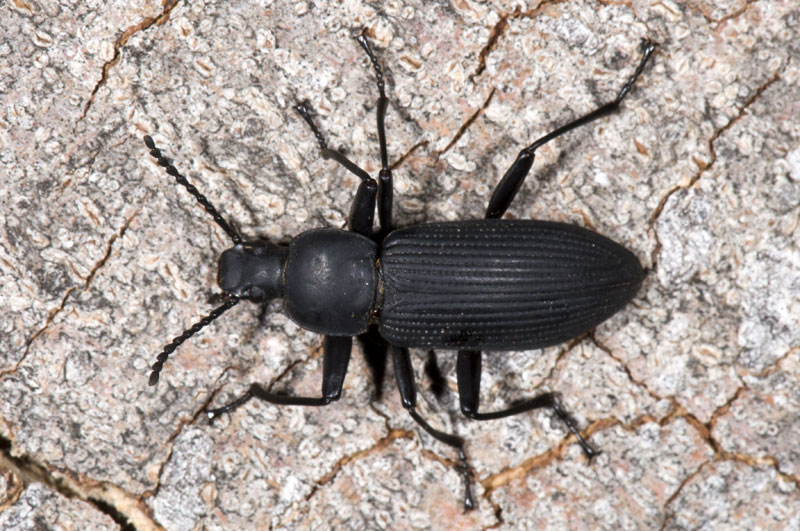
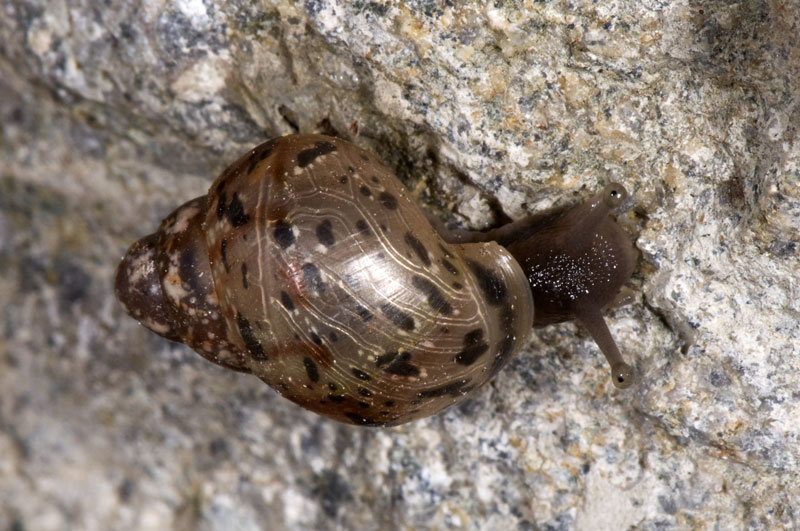
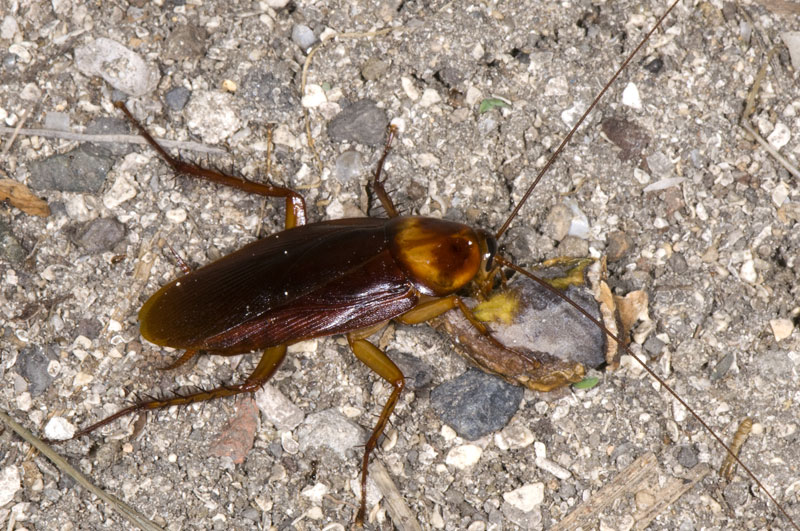
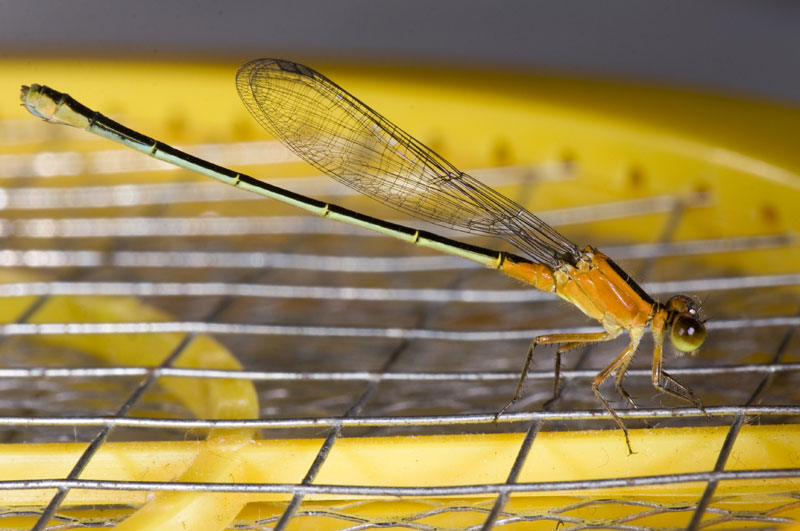
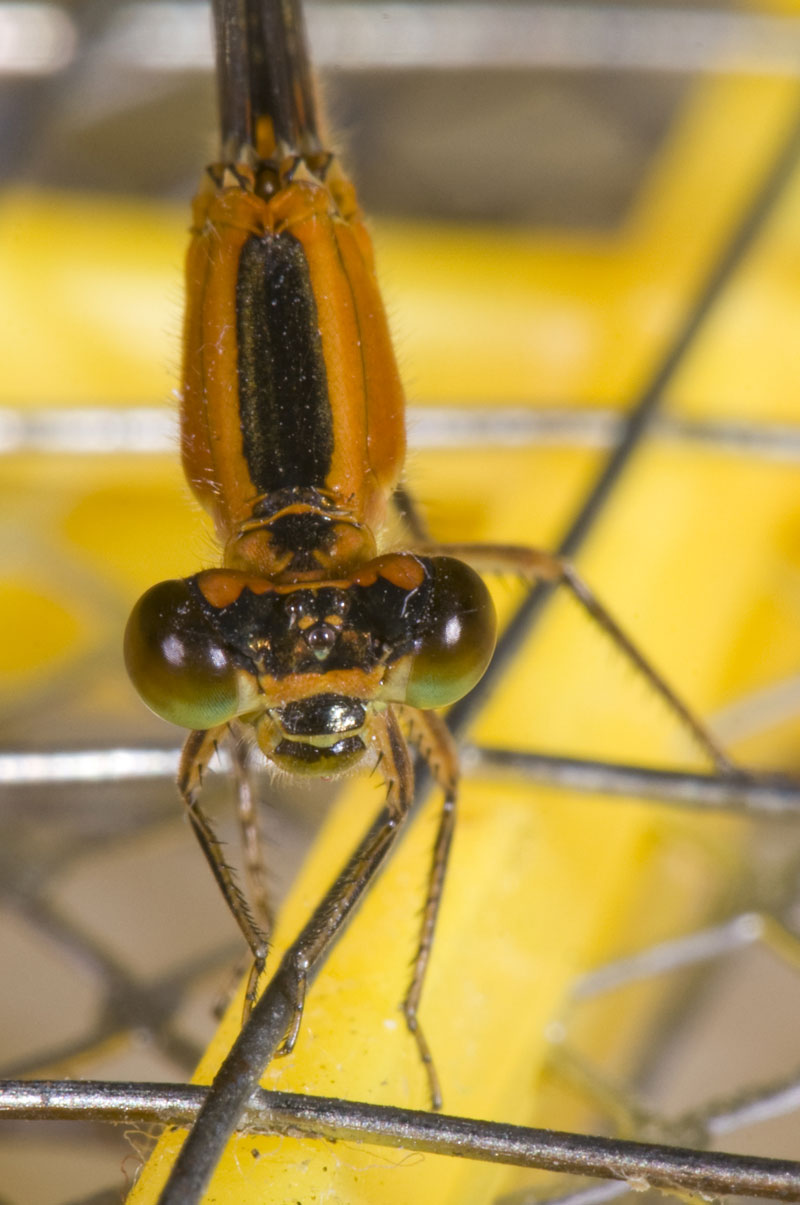
I’m way behind on my posting, but partially that’s because I’ve been updating my book, which is almost done. Anyhow, here are some animals from Friars’ Bay and Happy Bay earlier this month. The outlet that connects Étang Guichard to the sea in the middle of Friars’ Bay is actually one of the best places to see wading birds on the island.
Posted in Explorations, Les Fruits sur la Terre
Comment on this post.
September 10th, 2010 by Marc AuMarc
A couple days ago we went to Guana Bay for the first time. There’s a gorgeous beach there and it’s accessible by car, but we were the only people on the whole beach. The bay is a well-known turtle nesting area, and leatherback turtles have hatched there are least once already this year. There were also a number of seabirds fishing in the water near the shore.
Posted in Les Fruits sur la Terre
Comment on this post.
September 8th, 2010 by Marc AuMarc
We’ve been out twice to look for turtle tracks since the hurricane Earl, but no luck either time. The beach at Baie de Petites Cayes has changed quite a bit. The eastern side has built up more sand, while the western side is smaller. Perhaps it’s just a tricky place to lay eggs this year.
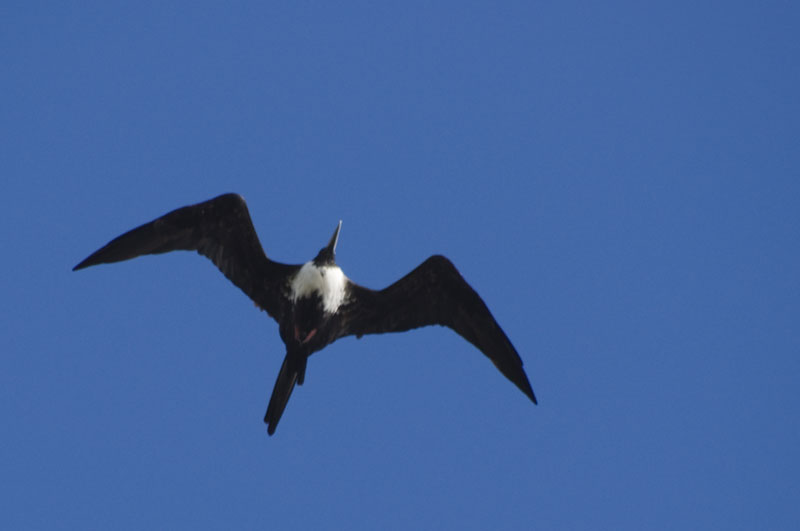
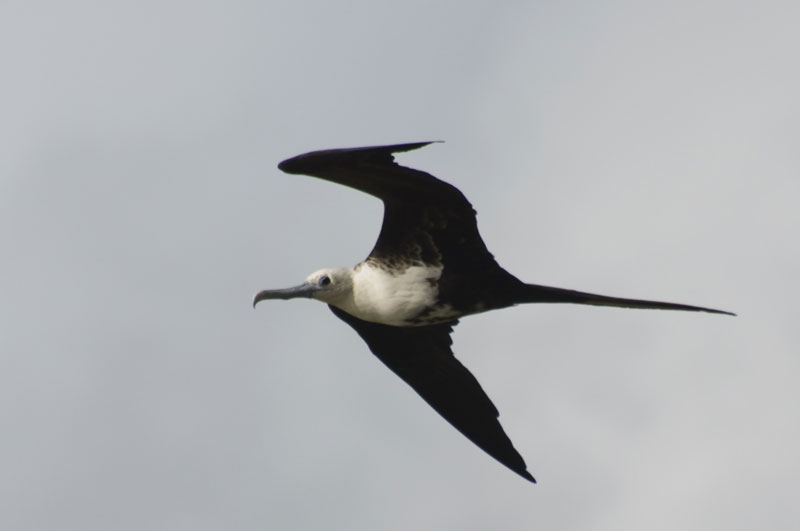
At any rate, there were a few interesting things to see. On the first trip, there were frigatebirds and paragliders in the sky.
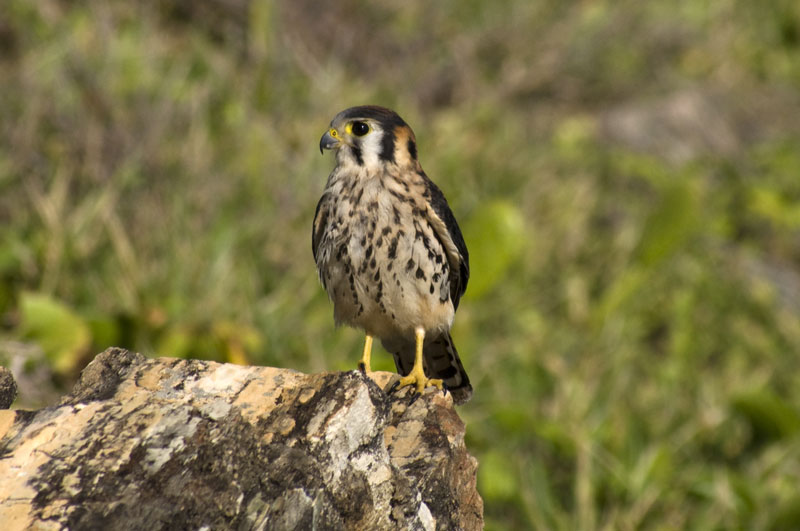
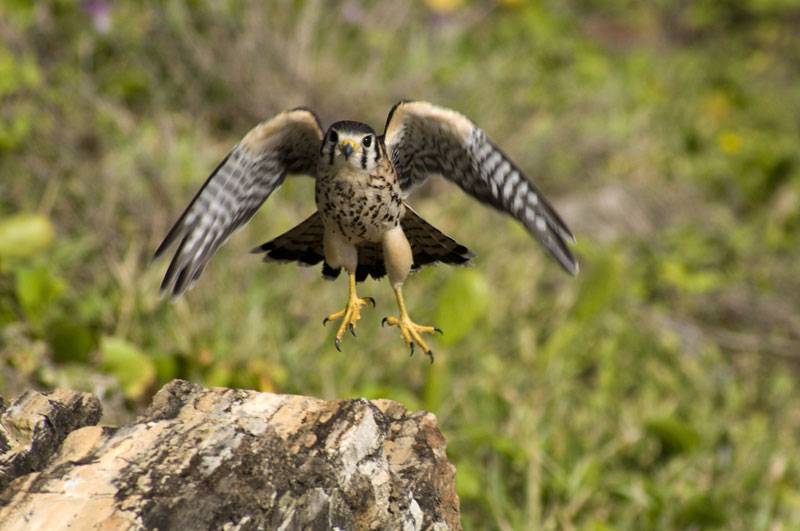
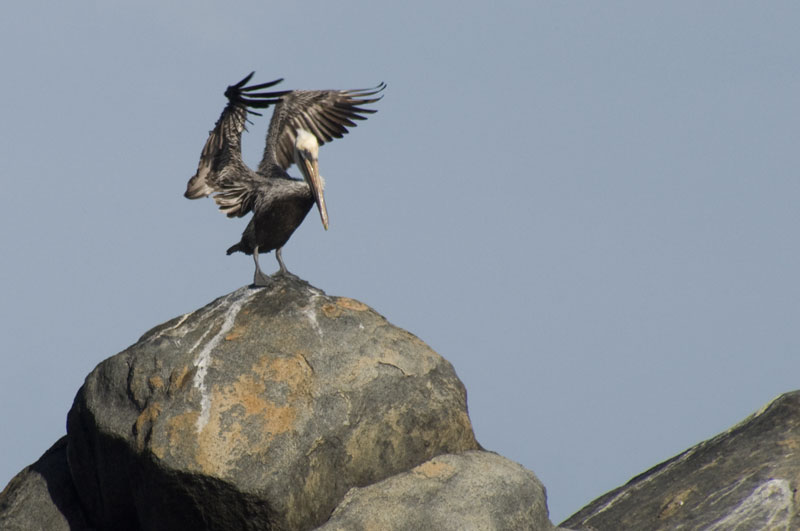
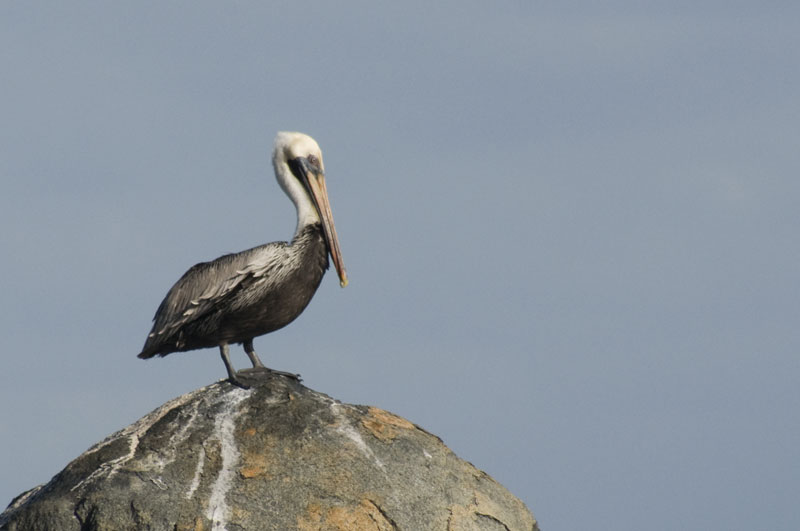
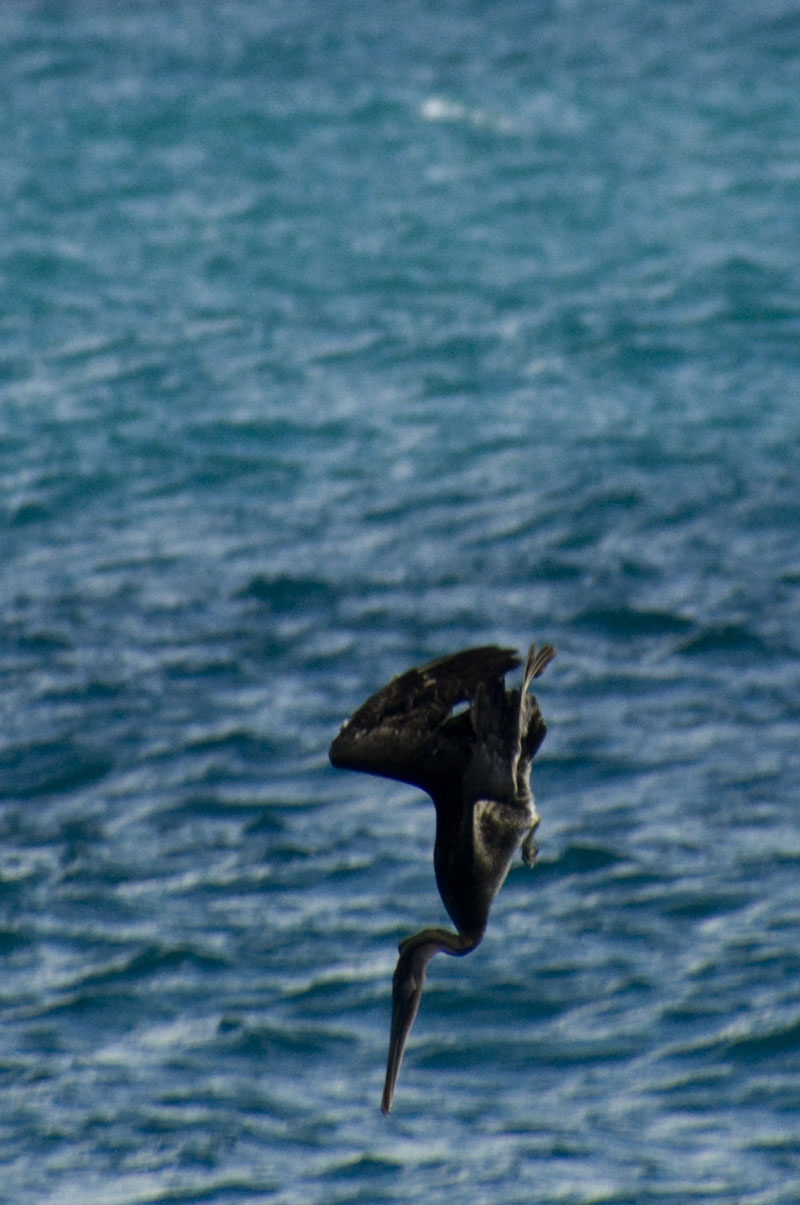
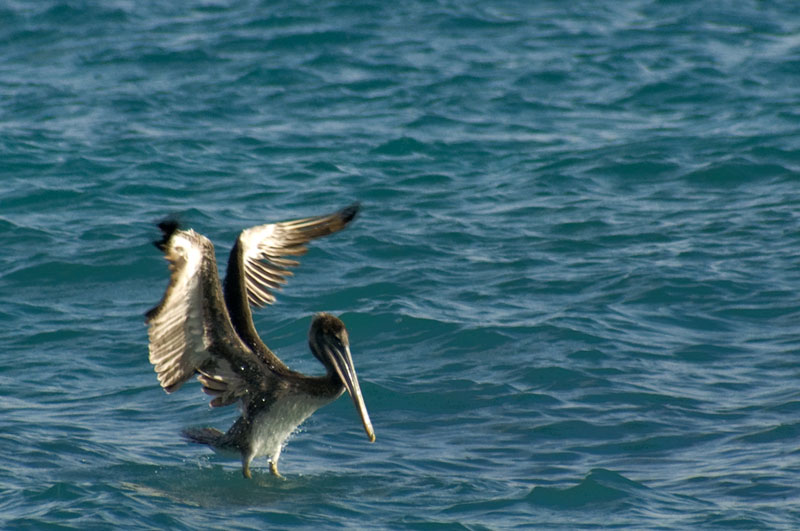
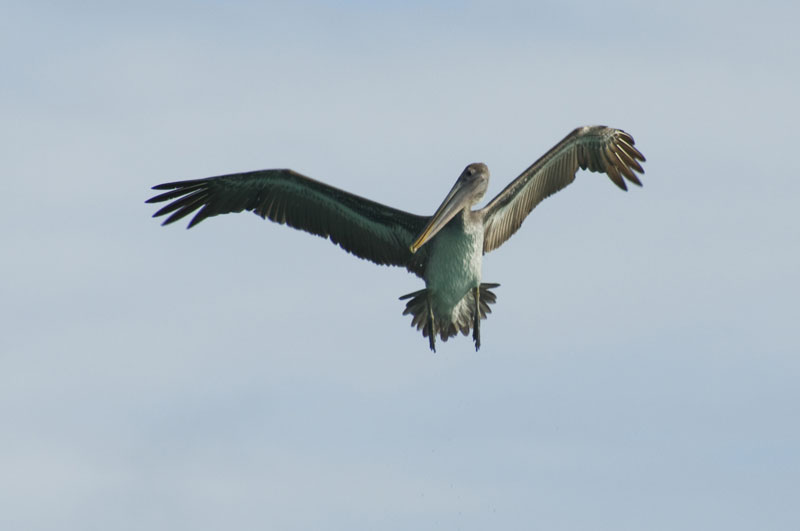
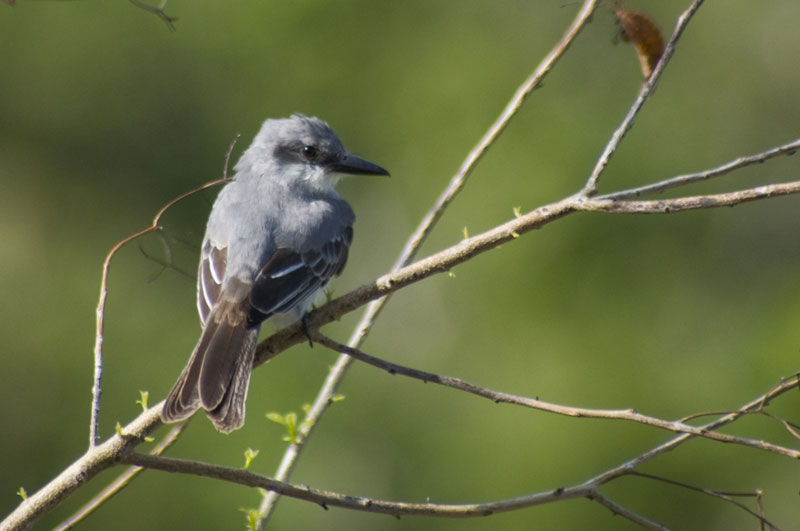
On the second trip, I saw several nice birds: an American kestrel, some brown pelicans fishing and some gray kingbirds.
Posted in Les Fruits sur la Terre, Pour les Sciences
Comment on this post.
September 8th, 2010 by Marc AuMarc
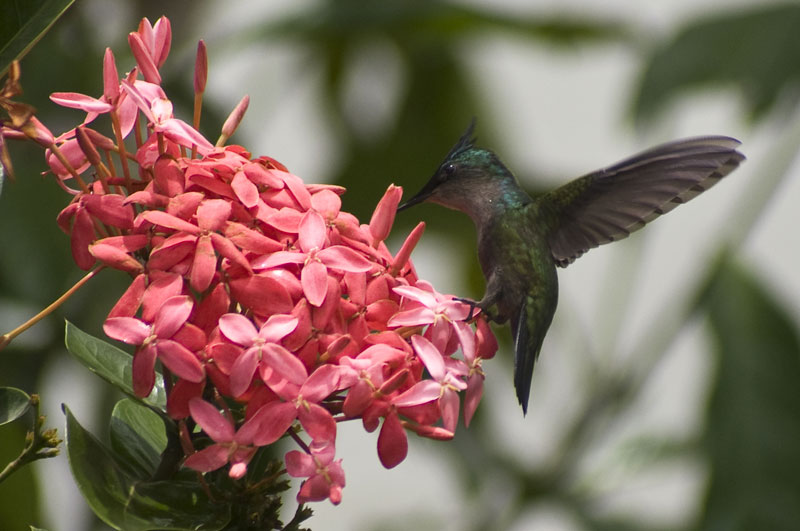
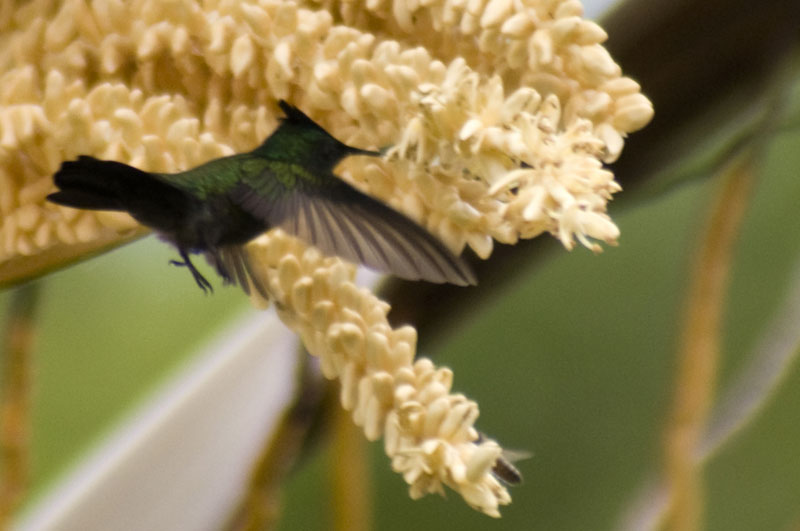
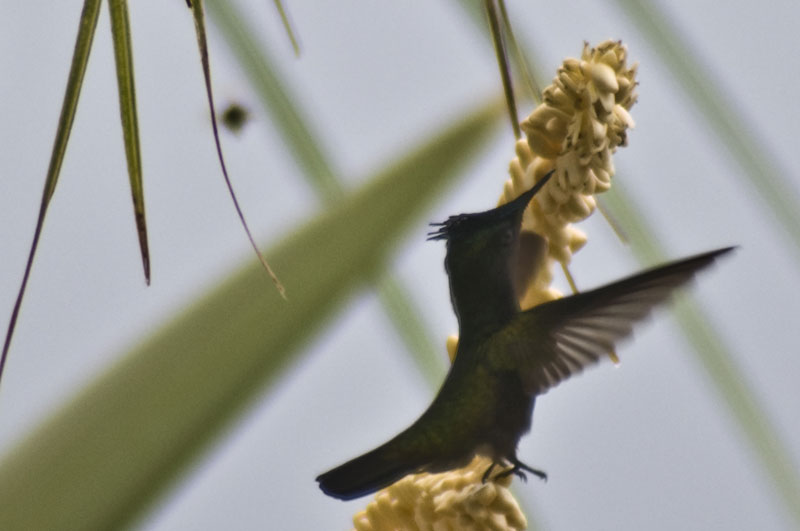
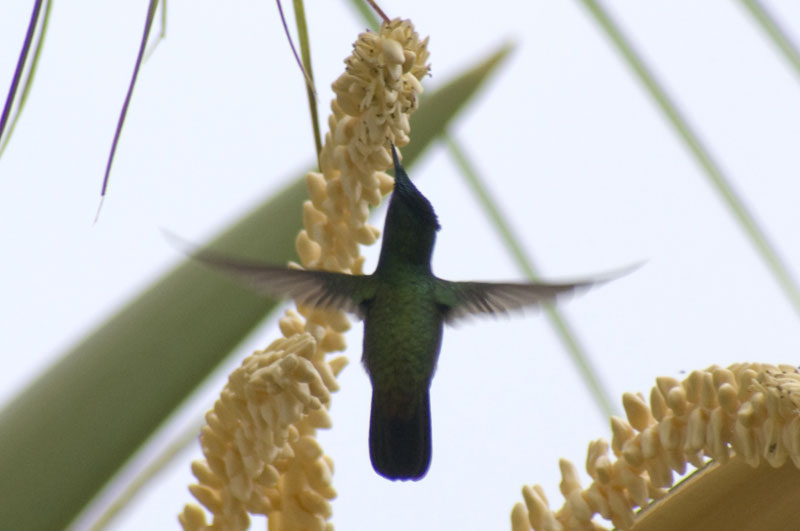
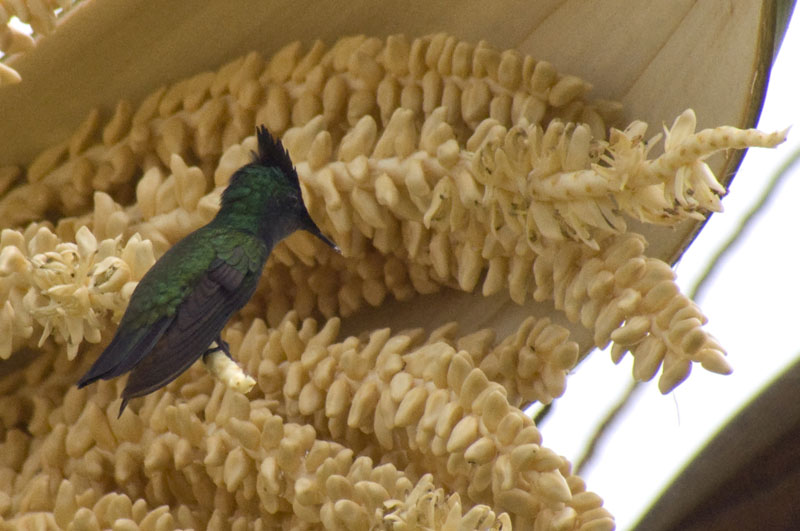
Below are photos from a couple days in Grand Case. In the first set, there are a few okay shots of the tiny local hummingbird (versus the bigger one). They’re tricky to photograph, as they’re quite dark. With the right light, they are an iridescent green.
The second set is a few shots taken when I brought some of our frogs out to release them (libération de grenouille).
Posted in Les Fruits sur la Terre
Comment on this post.
September 7th, 2010 by Marc AuMarc
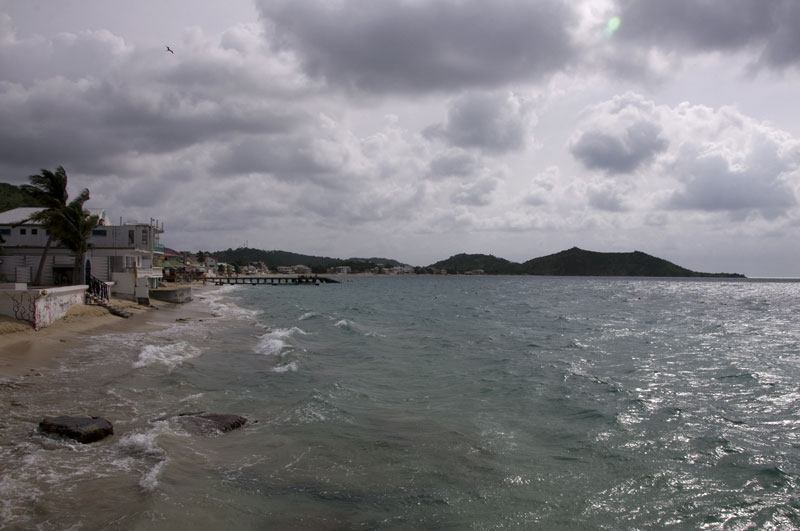
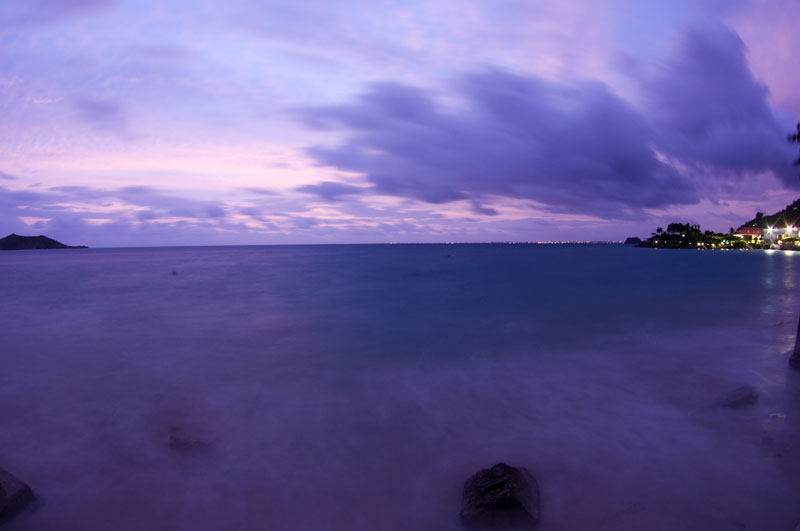
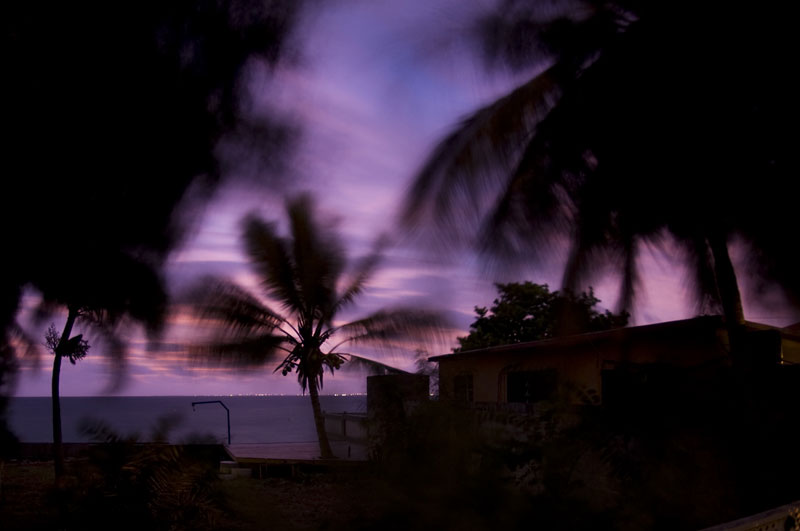
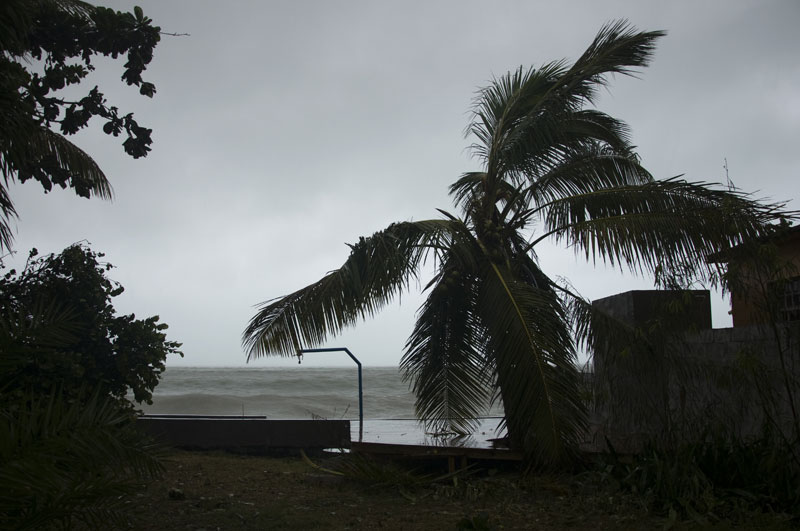
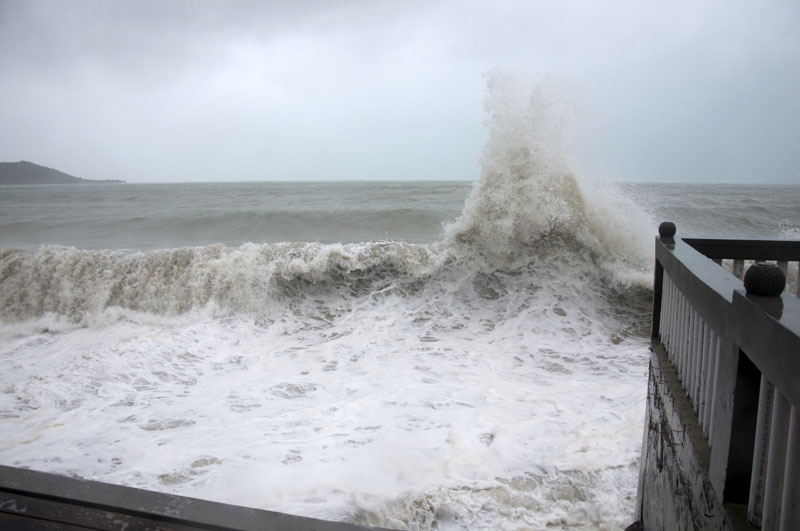
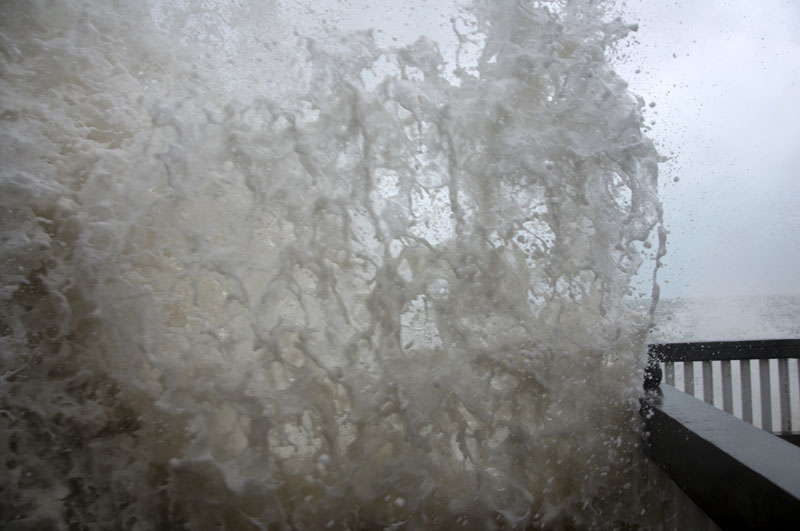
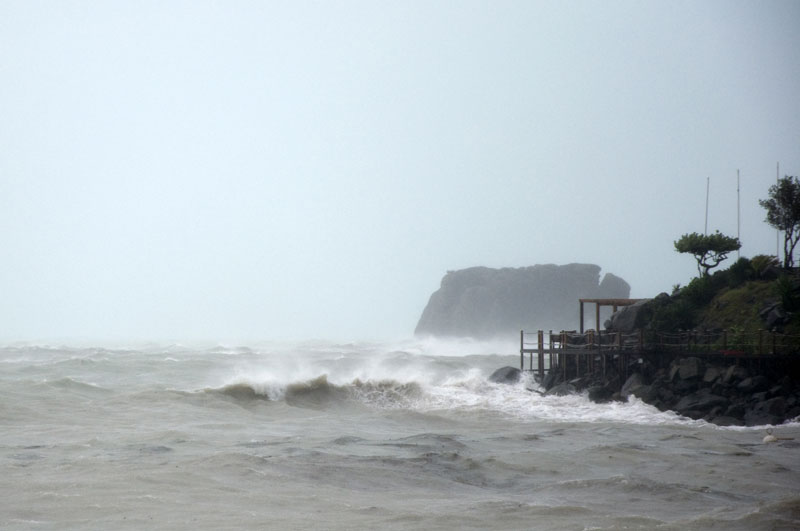
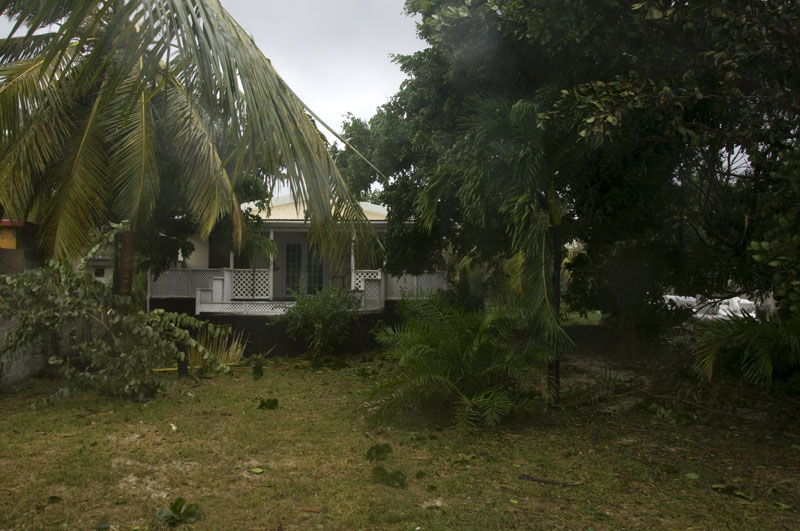
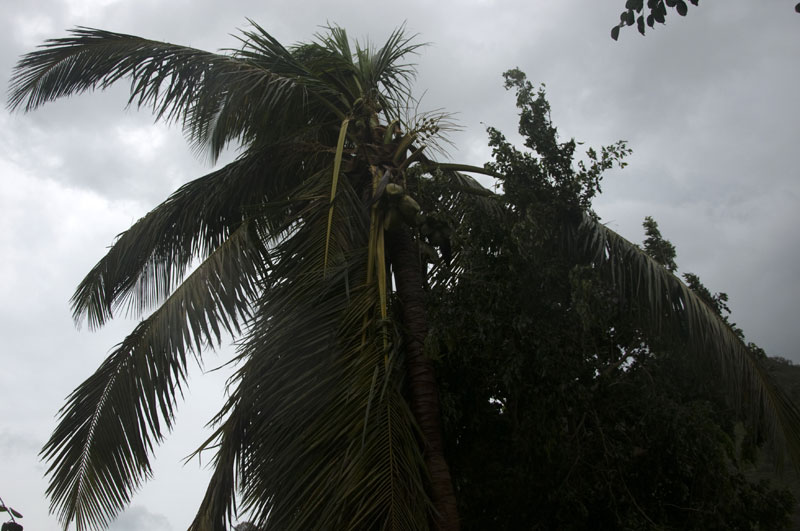
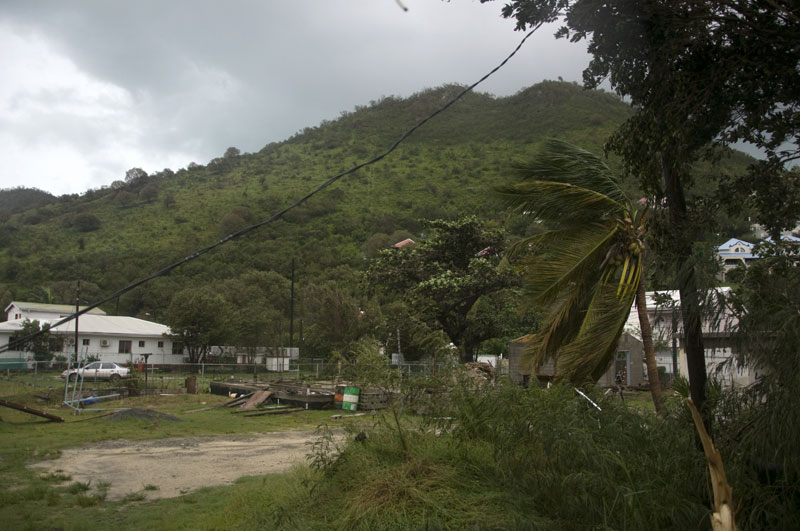
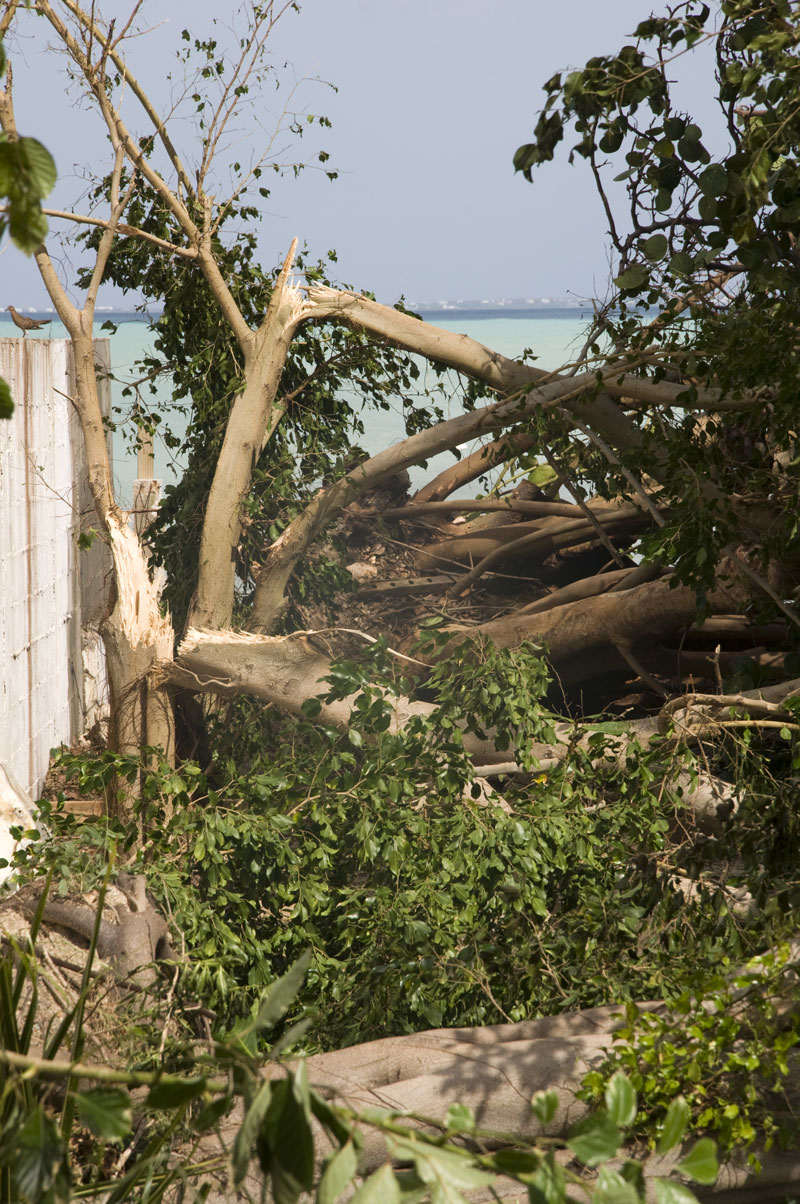
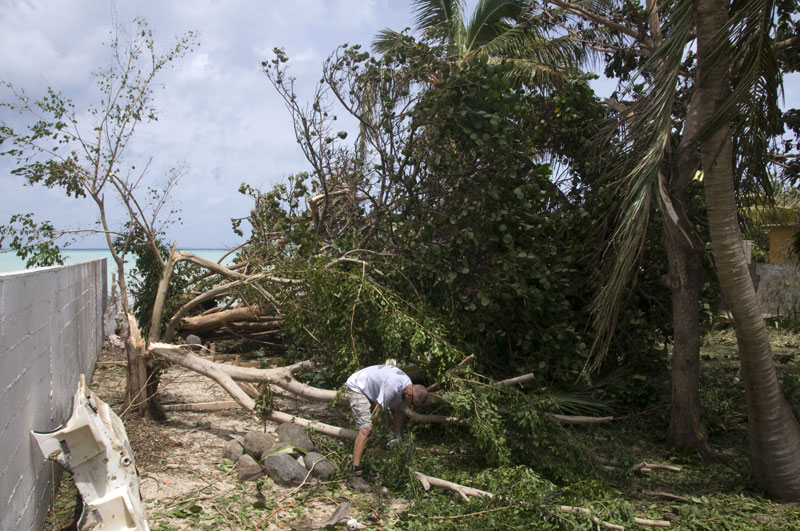
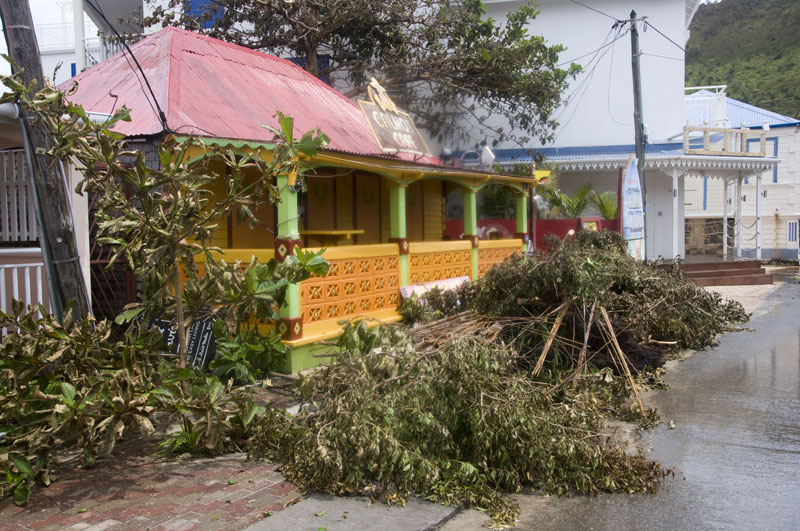
Last week Hurricane Earl passed quite close to Saint Martin. It was quite a big storm, but luckily there was not too much damage for the most part. Lots of trees and branches went down, along with a few signs and some unlucky structures. Below are some photos before, during and after the hurricane, although they aren’t too dramatic because there wasn’t a ton of damage and I stayed inside during the worst parts of the storm.
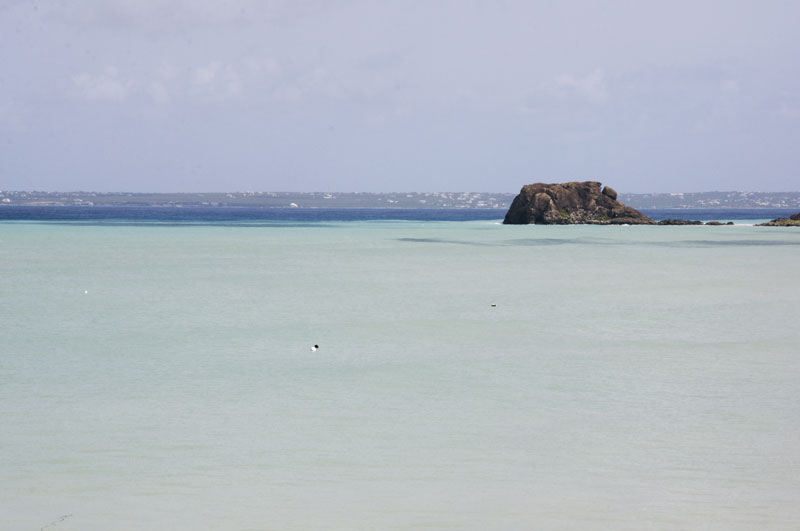
Before Earl, it was a beautiful day, but a bit eerie because things were so quiet and all the boats had been taken out of the bay.
After the worst winds and rain had passed, I peeked out a little to get some photos of the hurricane, including the big waves. Because the waves were so close together, they usually canceled themselves out before hitting the shore, but there were a few big ones that splashed over the sea wall (which is about 12 feet high).
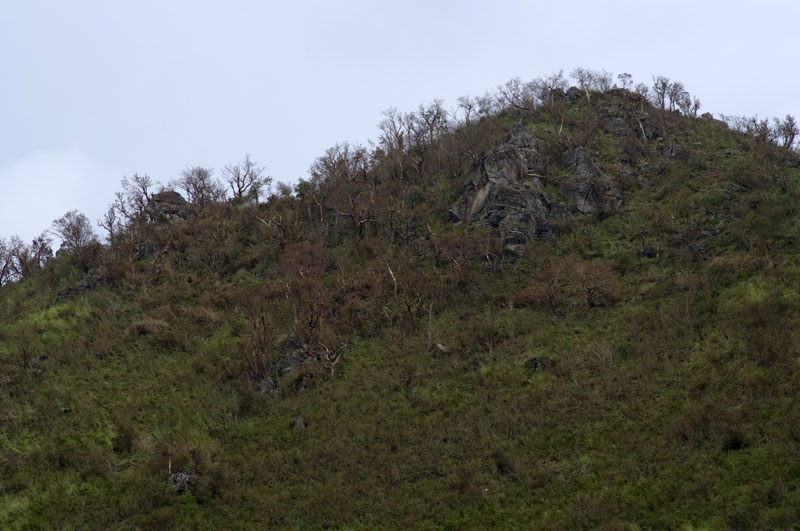
After the storm we spent a couple days helping Chris and Sally clear the fallen trees out of their backyard. There were three big ones that went down. Another very noticeable effect of the hurricane was the salt and wind damage to many of the trees, which either lost their leaves or turned brown as their leaves died. Also, the storm really did a number on the water, which is still milky with sand and other debris.
Posted in Adventure and Excitement, Les Fruits sur la Terre, Livin'
Comment on this post.
September 7th, 2010 by Marc AuMarc
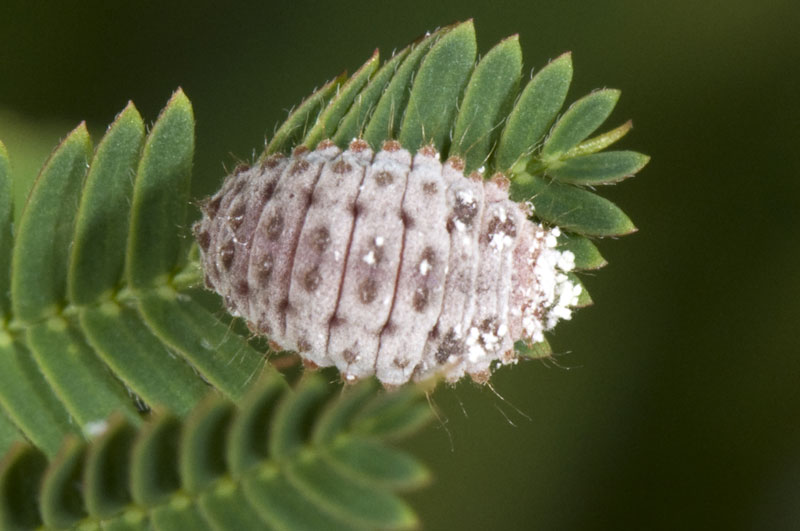
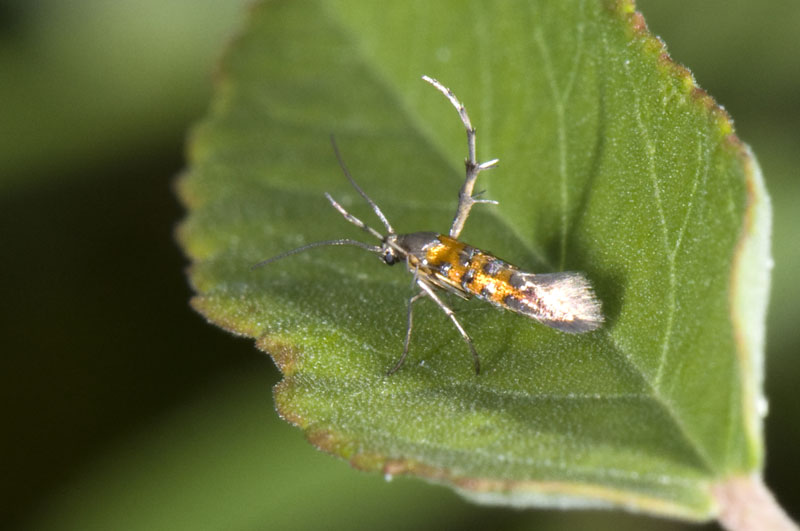
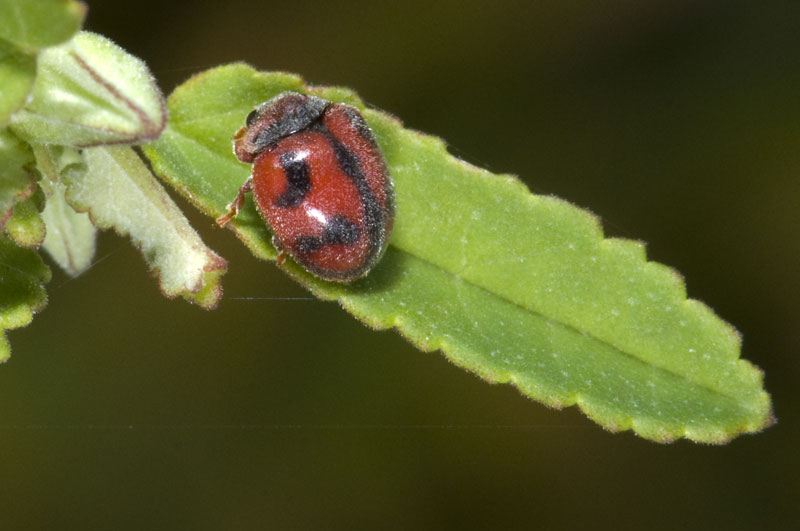
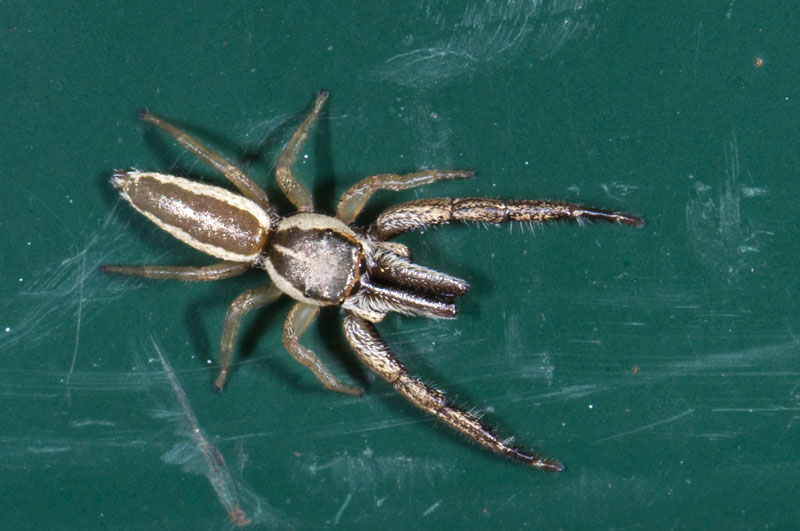
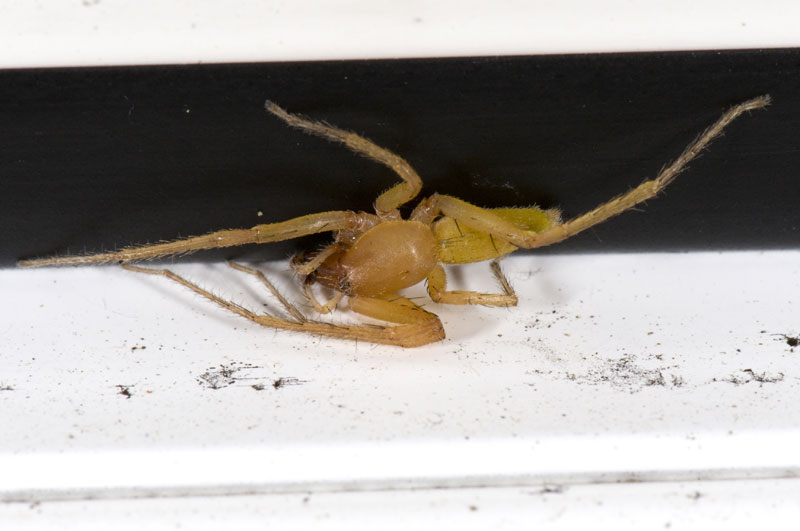
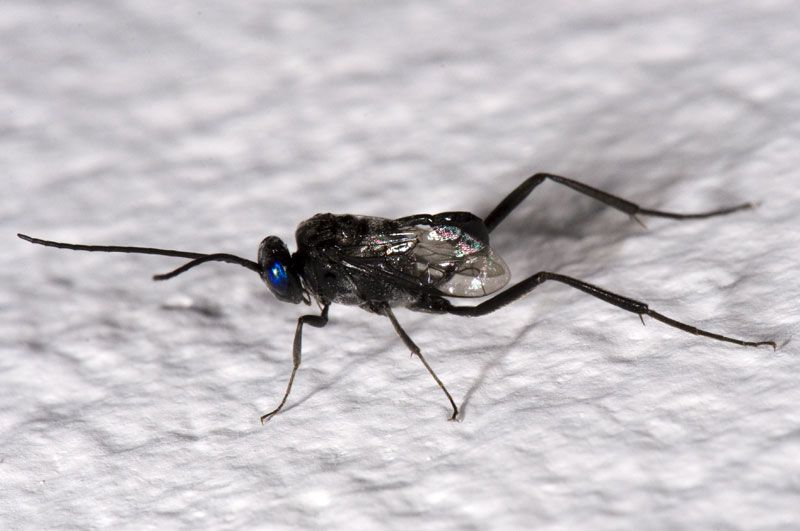
Here are more photos from the field behind the Grand Case Cultural Center. This set includes a bunch of cool-looking spiders and some strange insects.
Posted in Les Fruits sur la Terre
Comment on this post.
September 7th, 2010 by Marc AuMarc
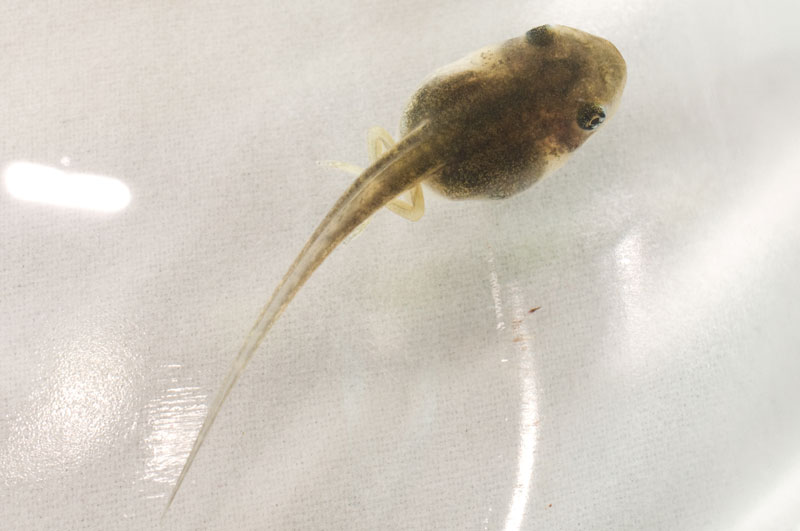
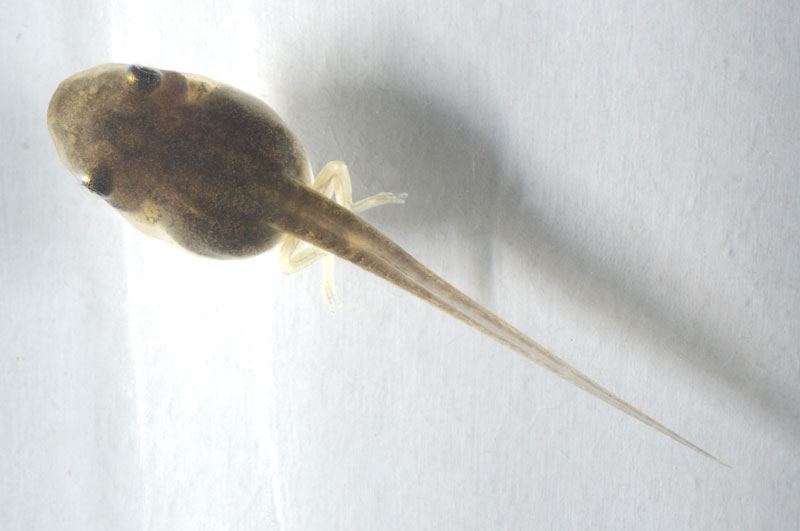
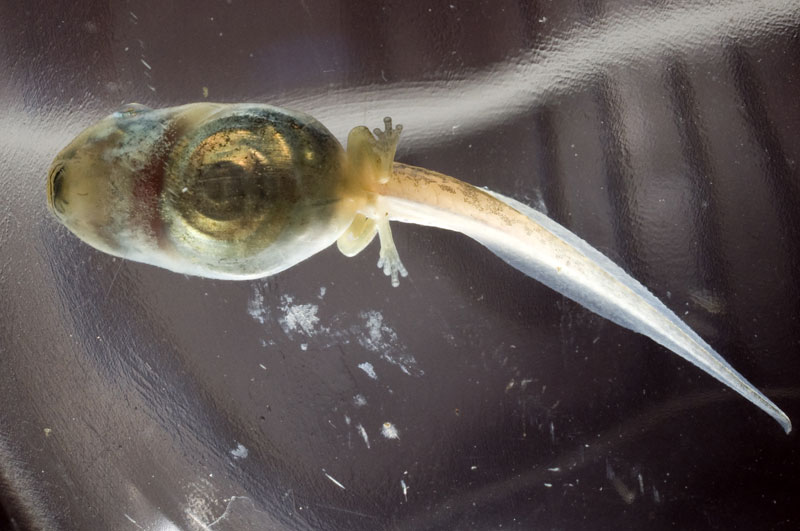
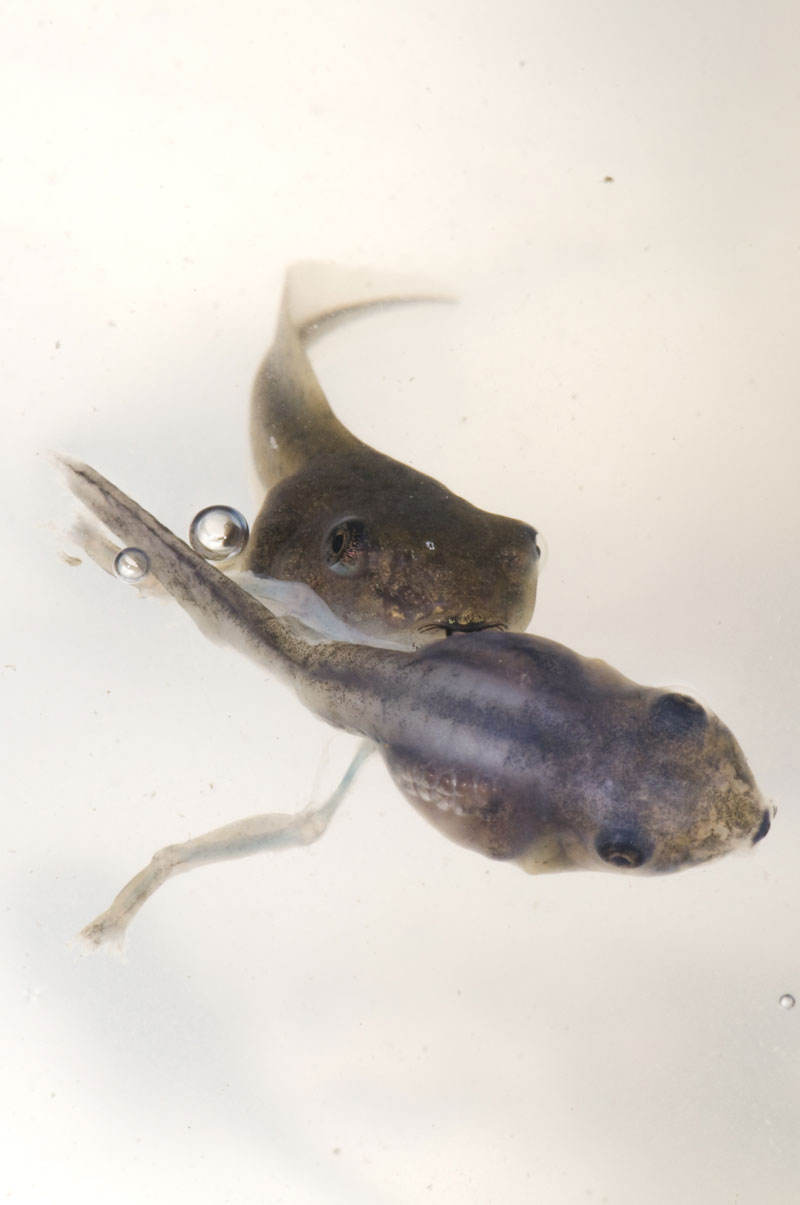
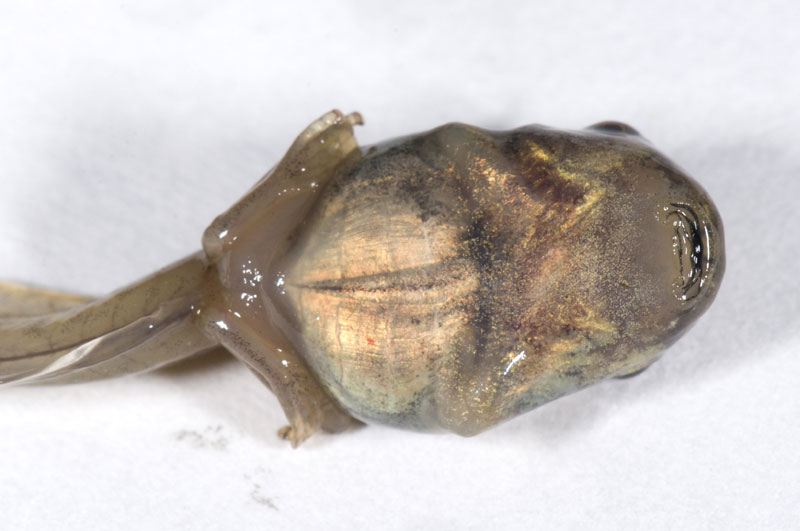
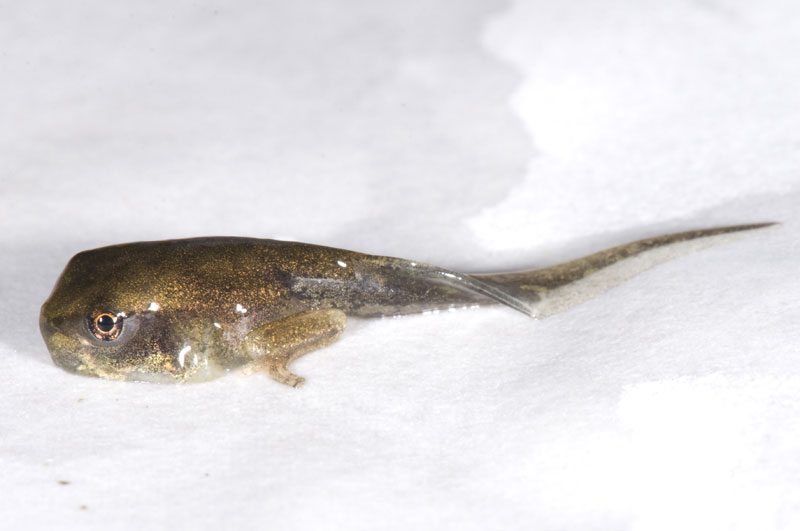
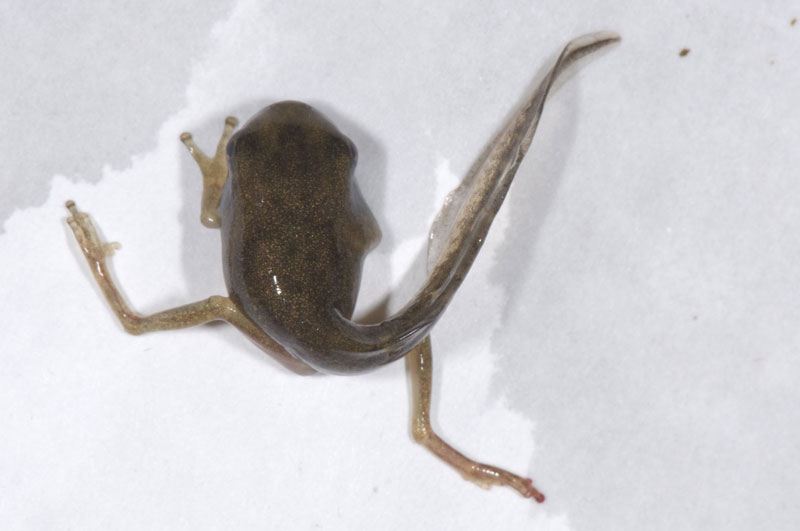
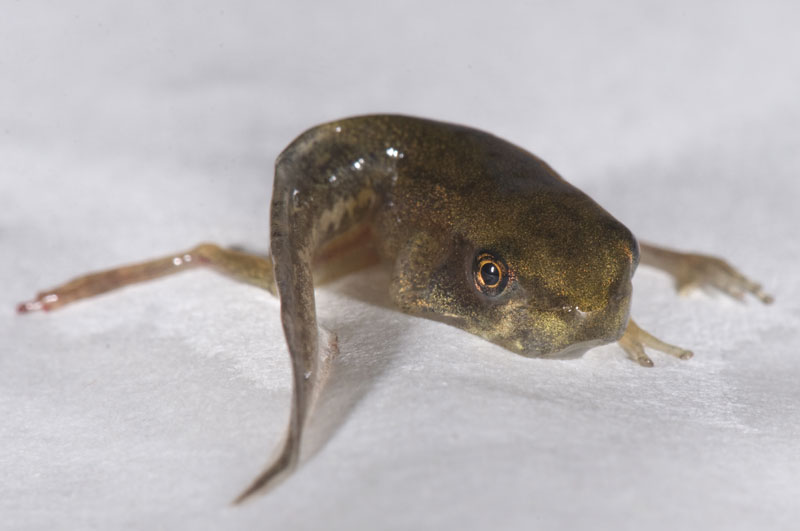
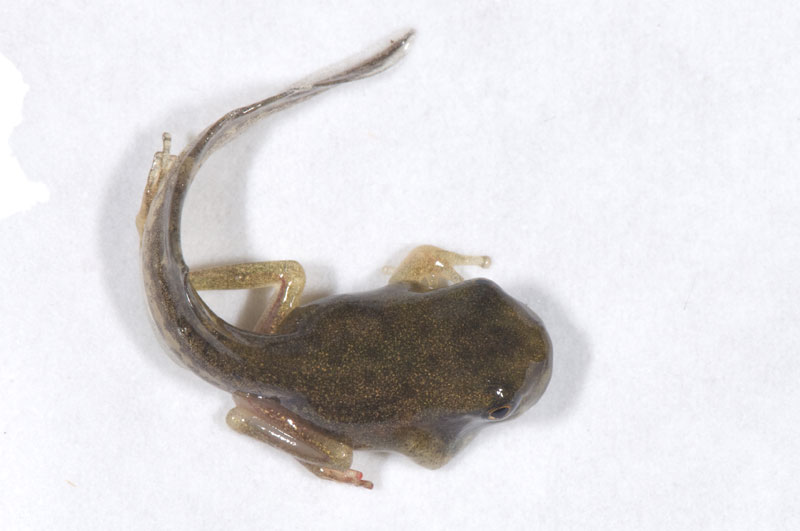
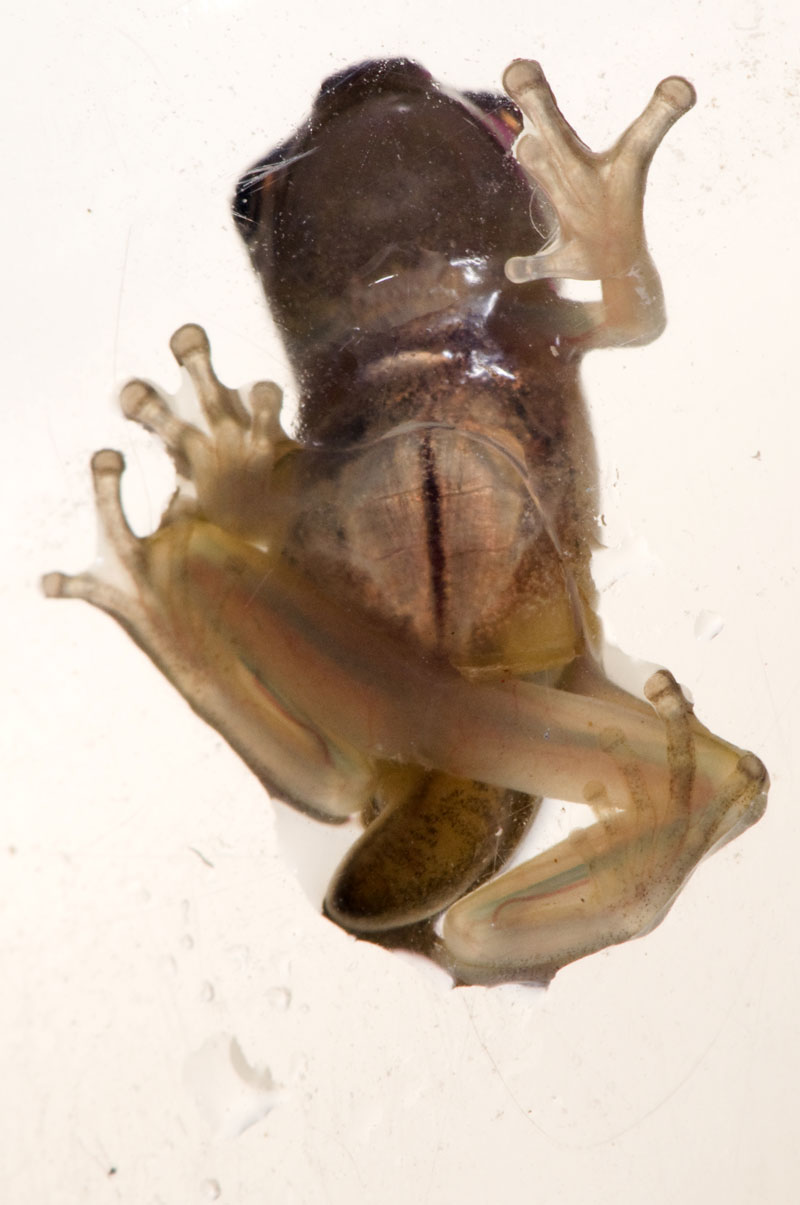
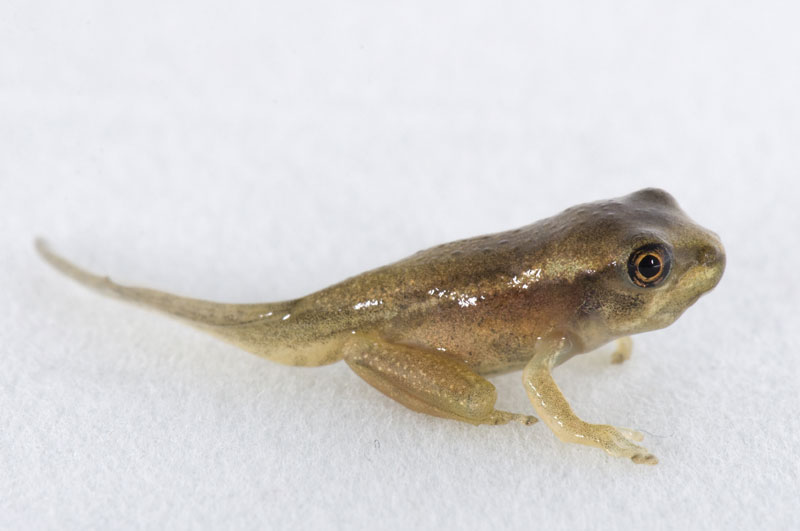
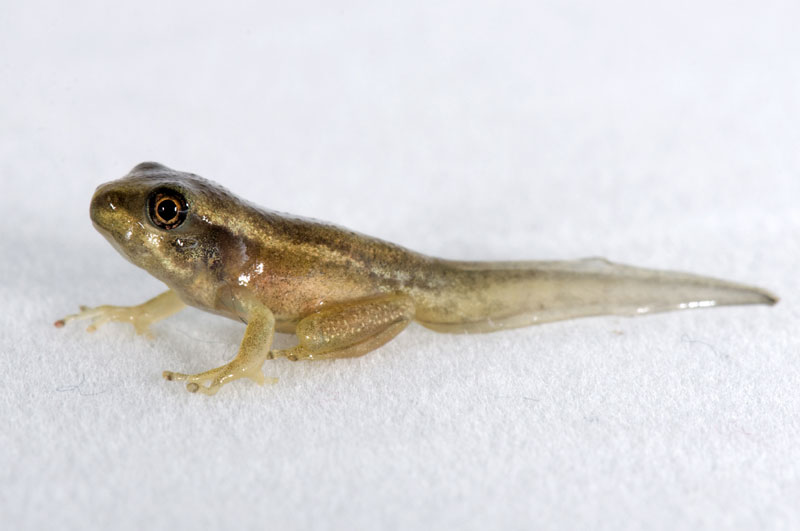
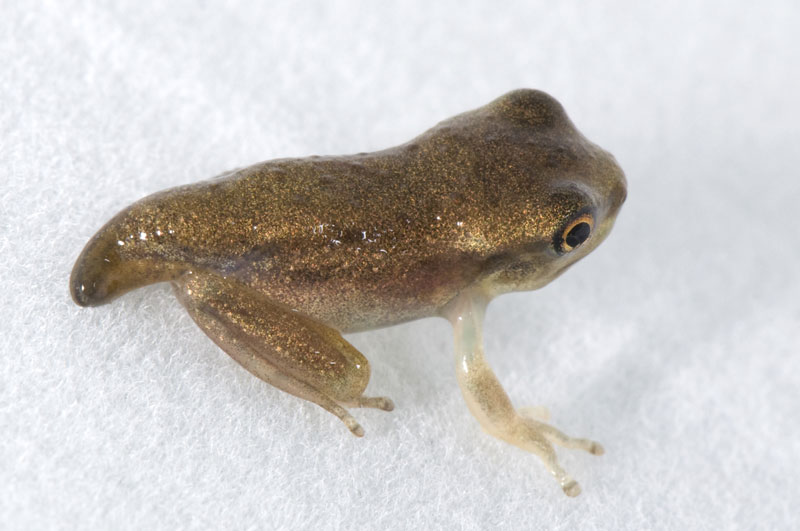
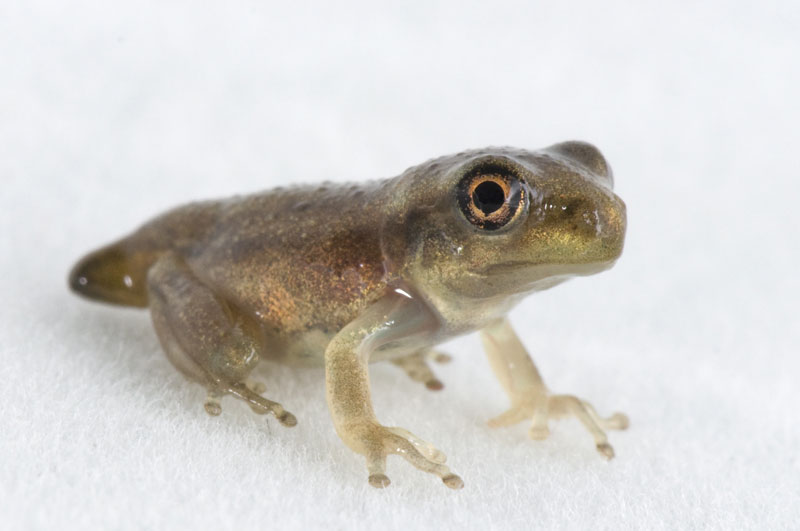
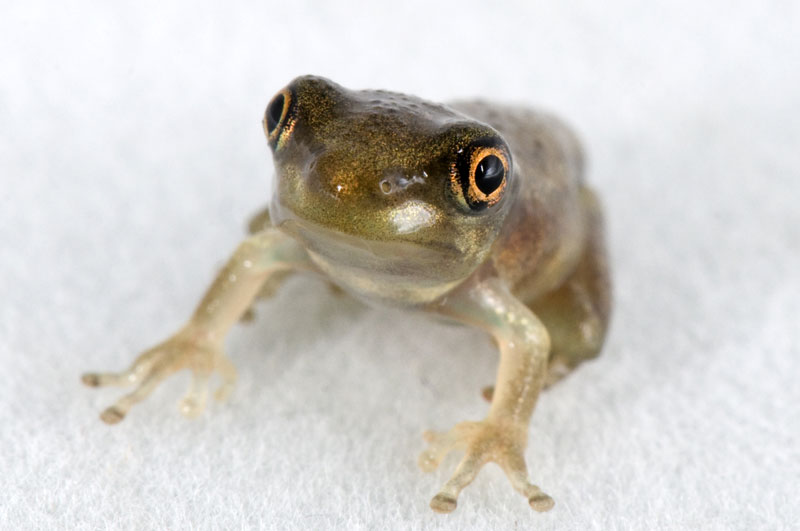
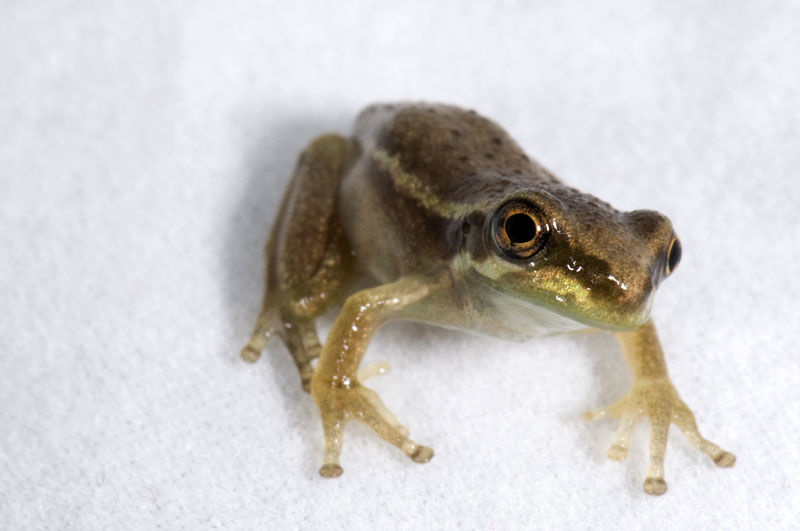
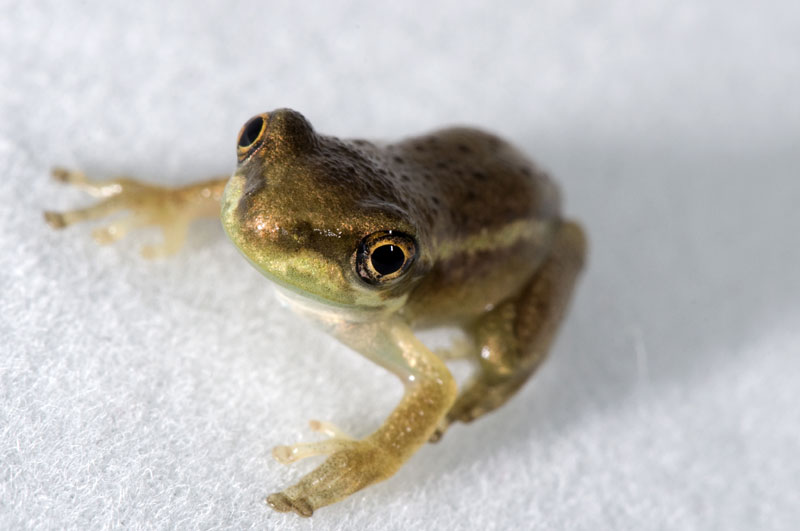
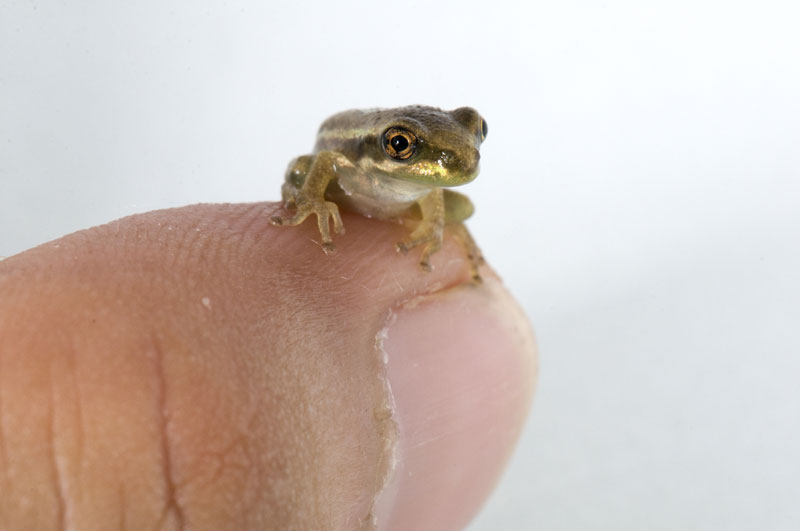
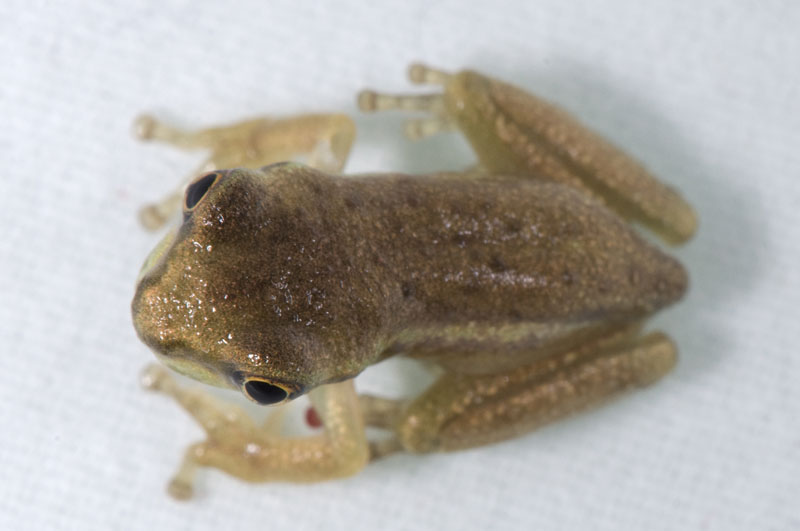
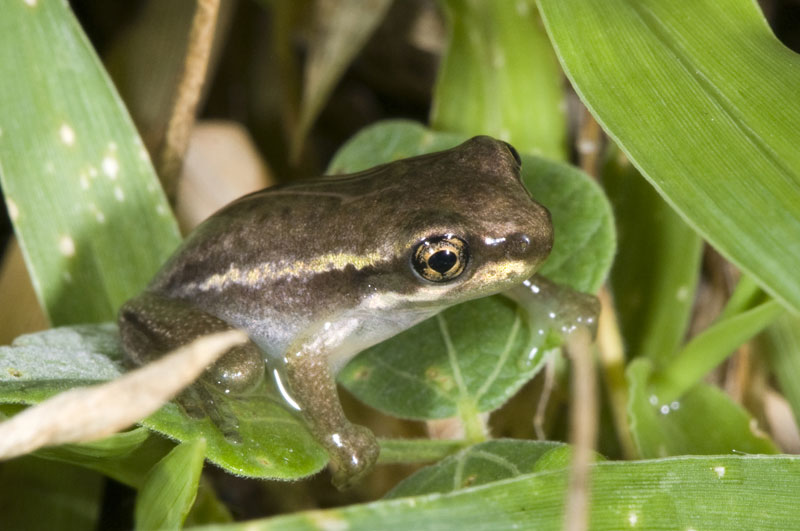
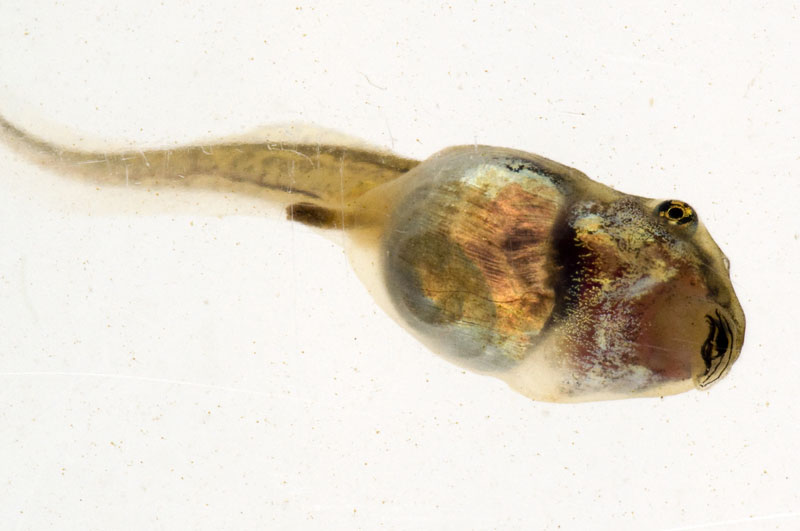
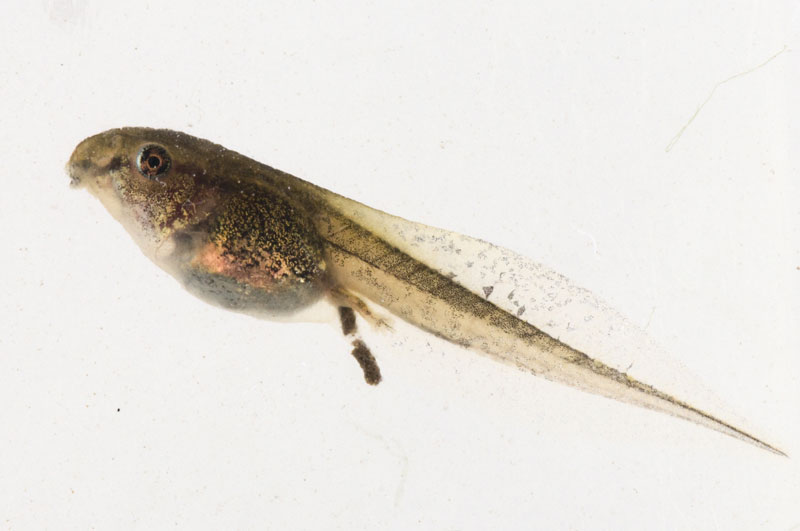
Despite the fact that there are at most four species of frogs on the island, I’ve found identification rather tricky, partially because I initially was only aware of two species. At this time, I believe that the frog Jenn found was a Cuban tree frog (Osteopilus septentrionalis), a recent introduction to the island. There are apparently one or two species of Eleutherodactylus whistling frogs on the island, but all species of this genus apparently have direct development, which means they hatch from eggs directly into tiny froglets. By process of elimination, the tadpoles I have been raising are the two-striped treefrog, Scinax rubra, also known as the snouted tree frog. Unless they are some other recent introduction, that is. Below are a bunch of photos of these guys at various stages of development.
Posted in Les Fruits sur la Terre, Pour les Sciences
Comment on this post.
August 28th, 2010 by Marc AuMarc
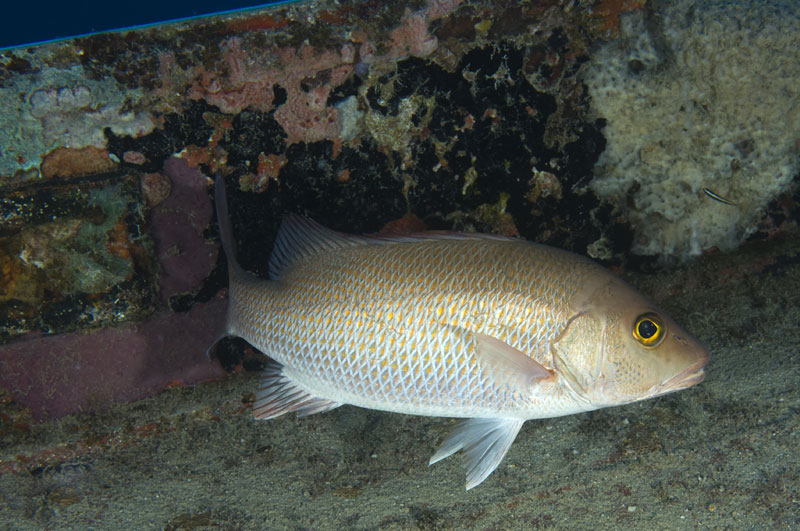
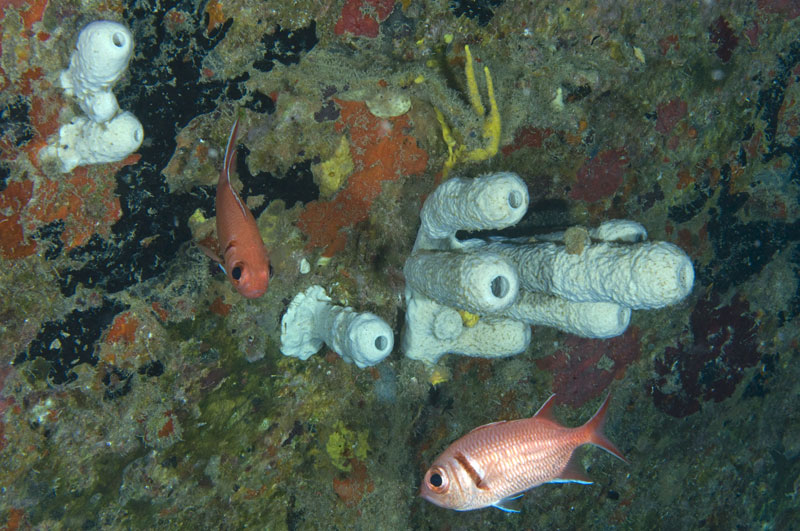
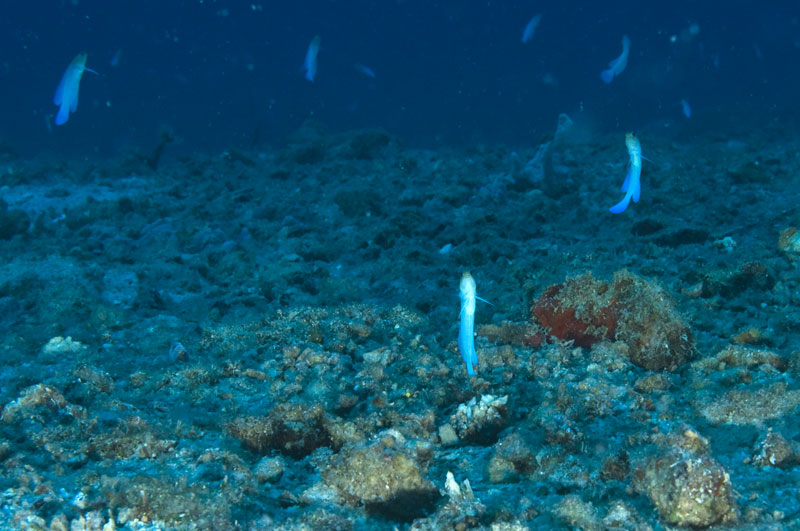
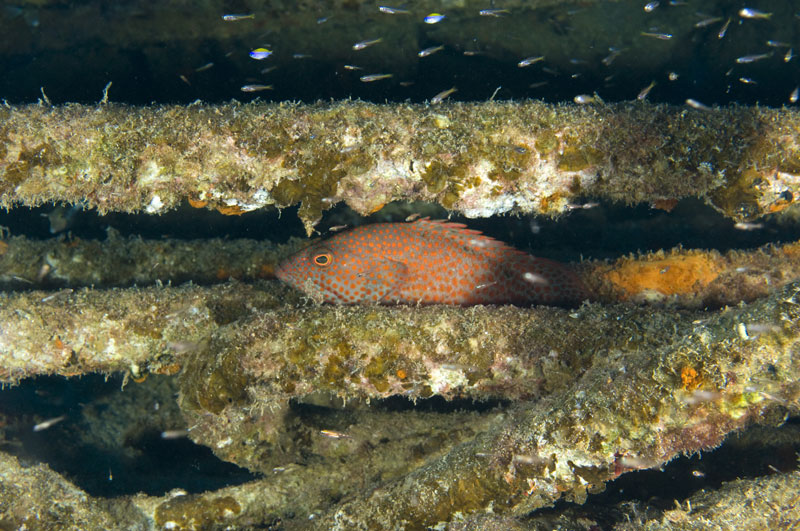
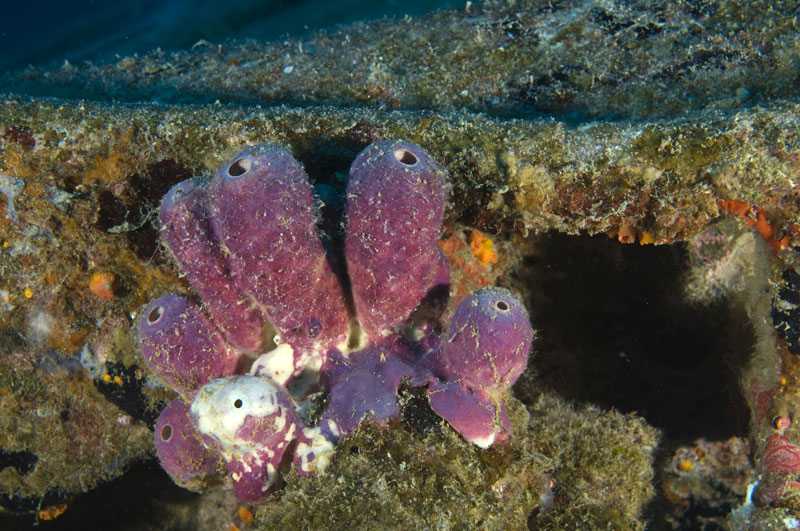
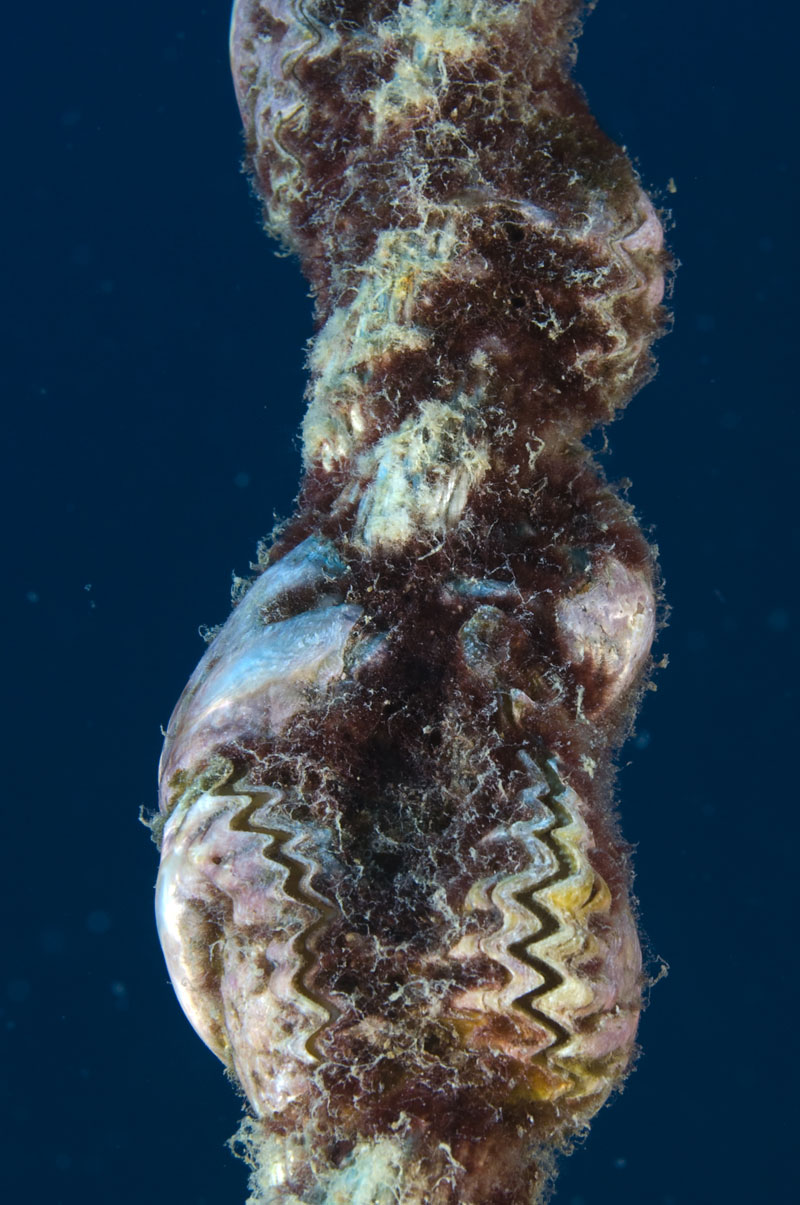
A few days ago I went for a dive on the Fusheng, a natural wreck that is at about 30m depth off the Dutch side of the island. Since I’d already been there with the fisheye, I decided to try a macro lens this time. I didn’t get any amazing photos, but I did find a whole bunch of yellowhead jawfish off to the side of the wreck, dozens or maybe hundreds floating above their burrows.
Posted in Diving, Underwater Photography
Comment on this post.
August 28th, 2010 by Marc AuMarc
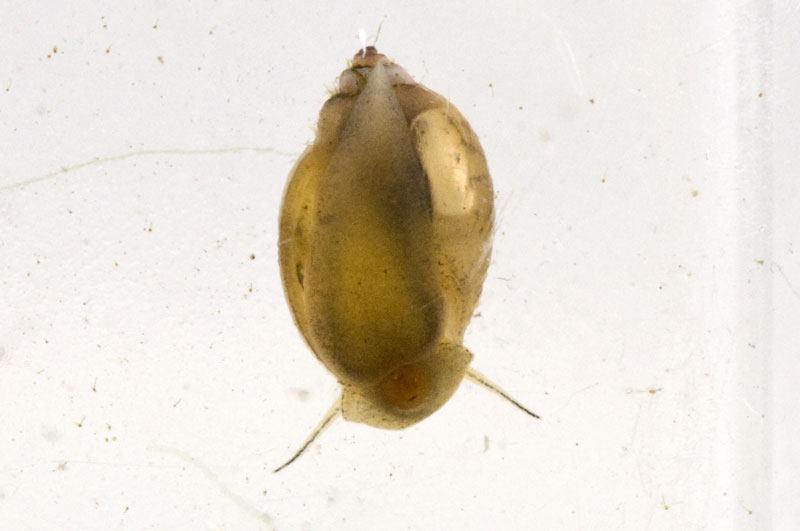
After having some difficulty locating some of the local frogs to include in my guide, I hit upon a different strategy: raise tadpoles. Unfortunately, after putting my plan into action, I found out that one of the species I want to photograph does not have tadpoles, but the eggs hatch directly into tiny froglets. It’s still fun to have the tadpoles, though, and they’re growing quite quickly.
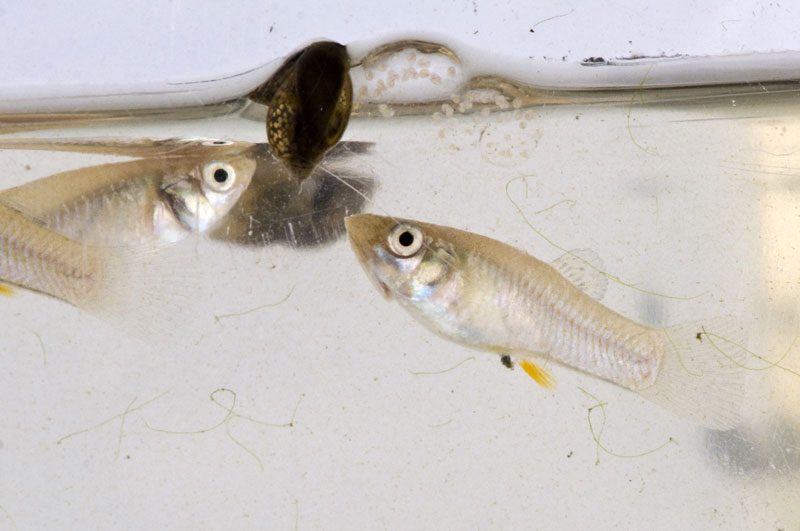
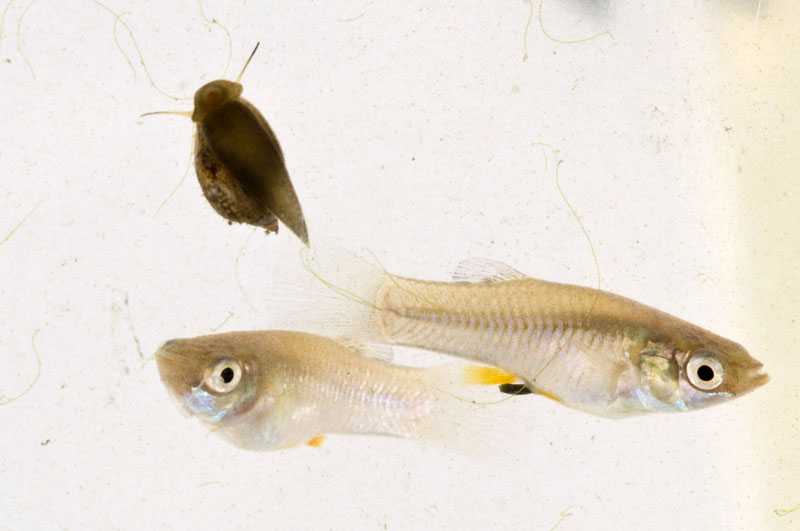
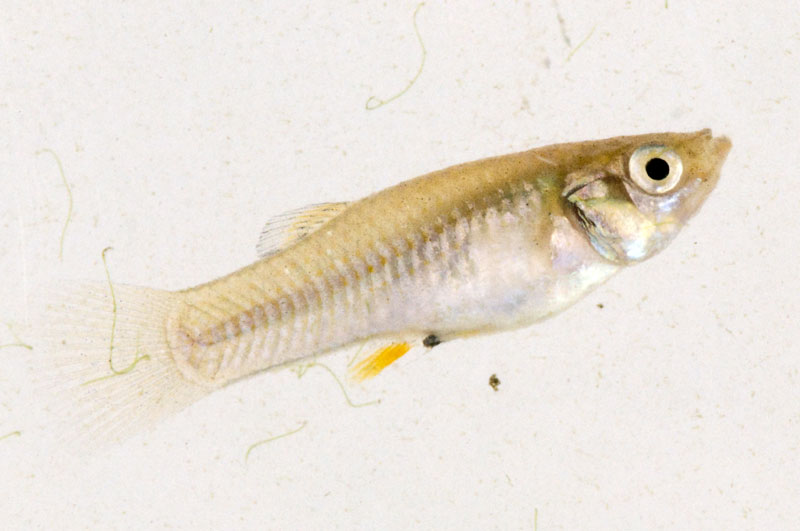
While I was out acquiring tadpoles, I figured I might as well get a few of the freshwater fish that live in the roadside ditches here. I believe they are guppies. I also ended up getting a couple species of freshwater snail and an aquatic beetle.
Below are a few photos of our little friends. Next I will try to come up with some better ways to photograph them.
Posted in Les Fruits sur la Terre, Livin', Pour les Sciences
Comment on this post.
August 28th, 2010 by Marc AuMarc
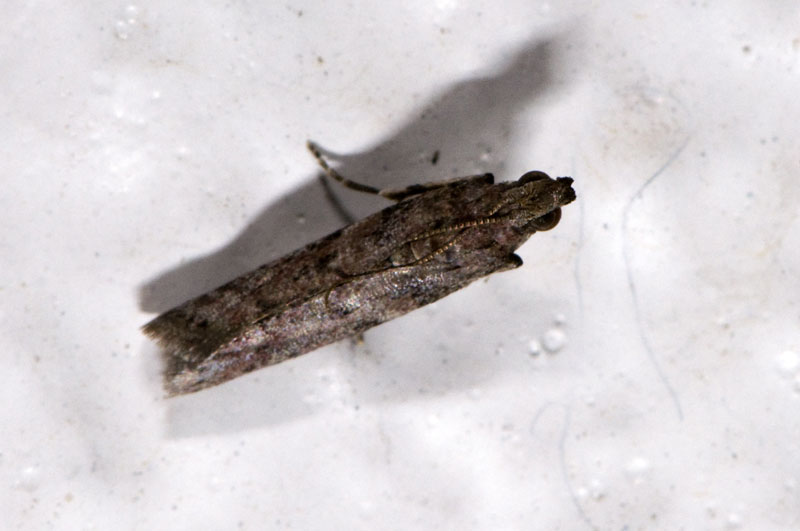
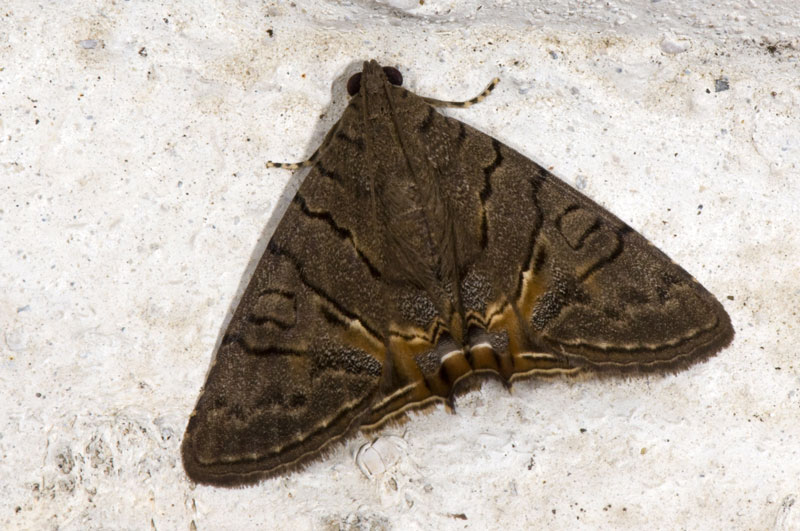
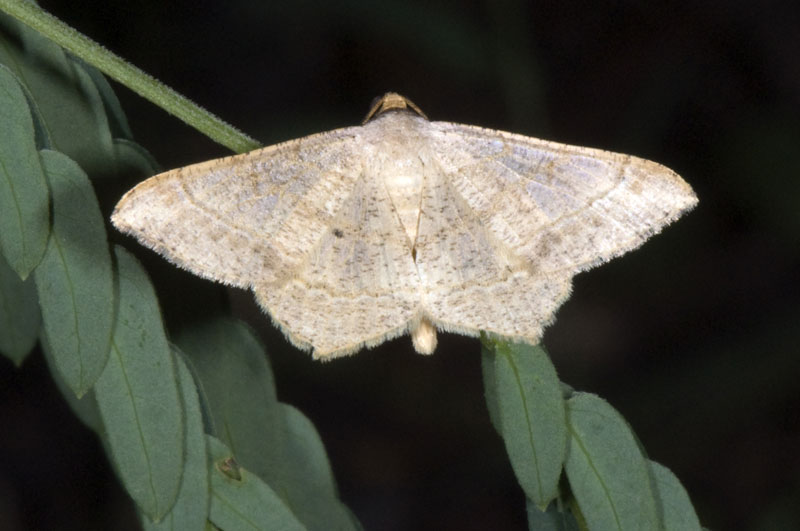
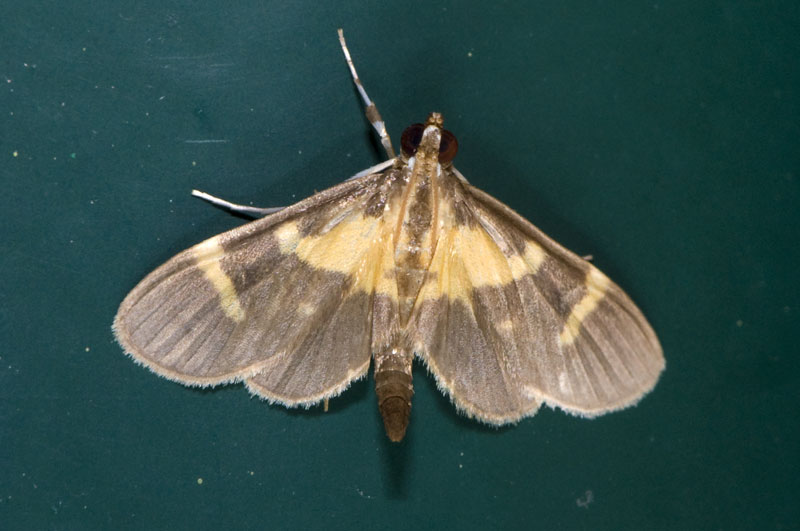
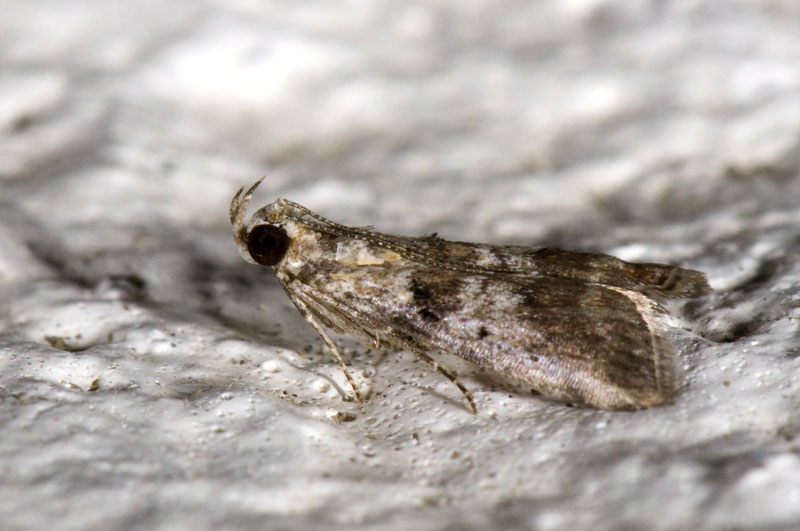
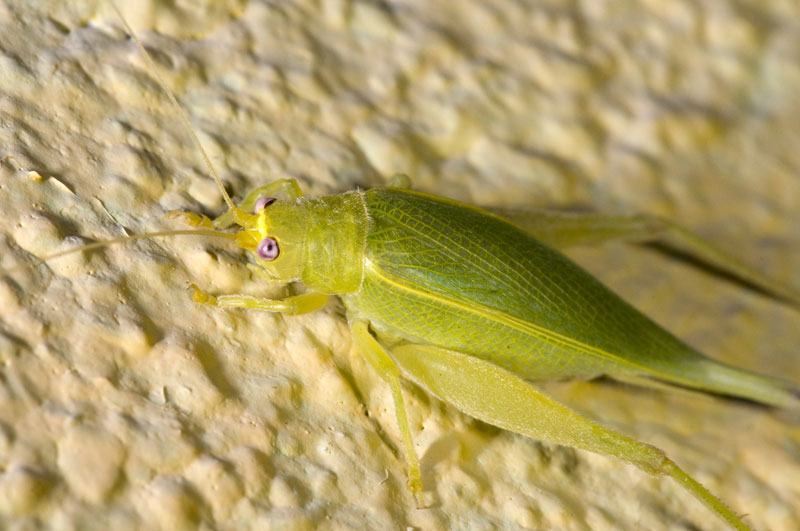
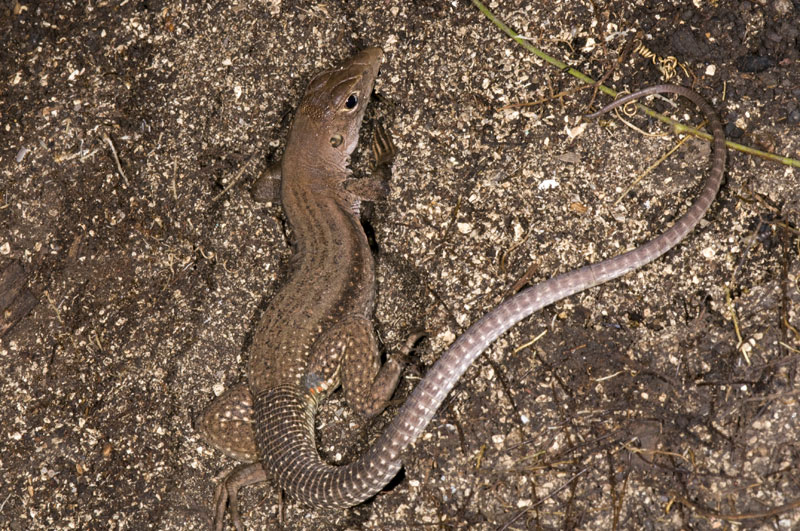
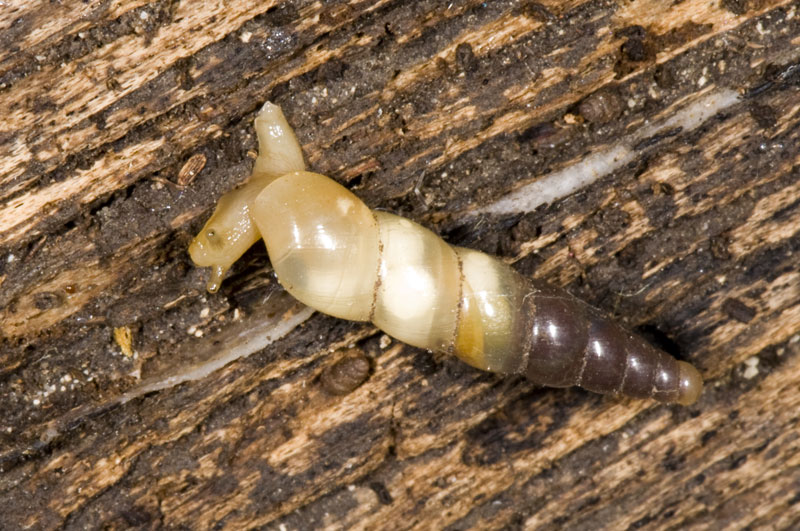
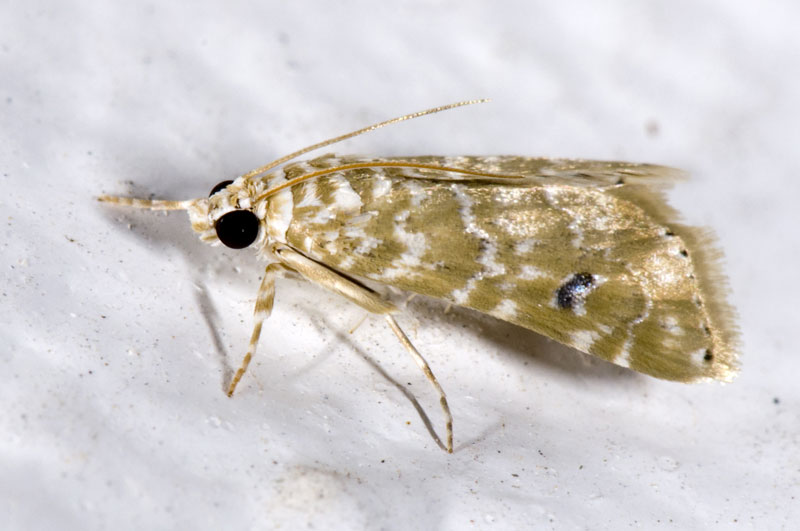
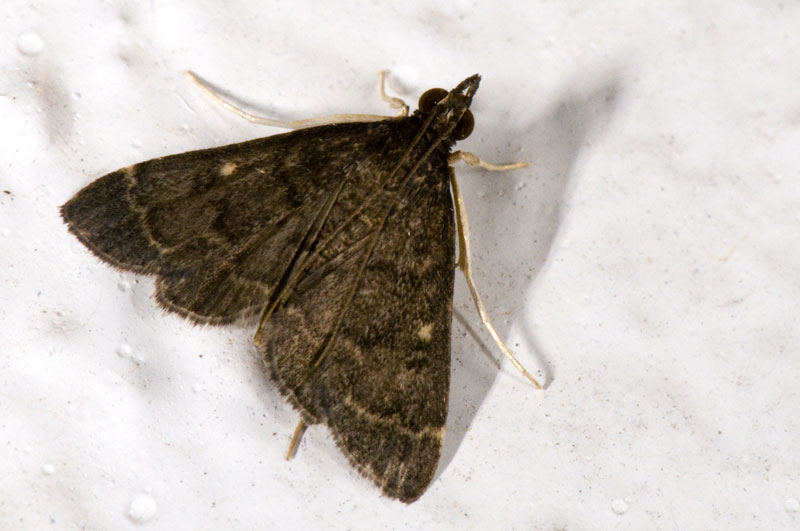
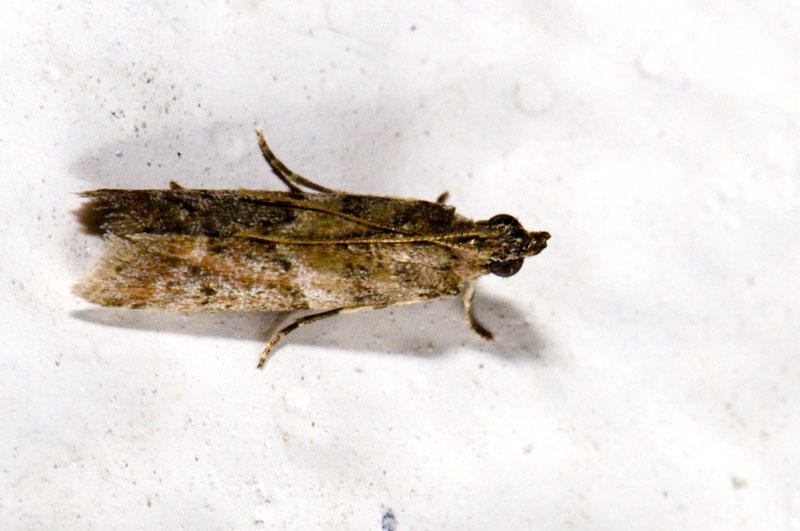
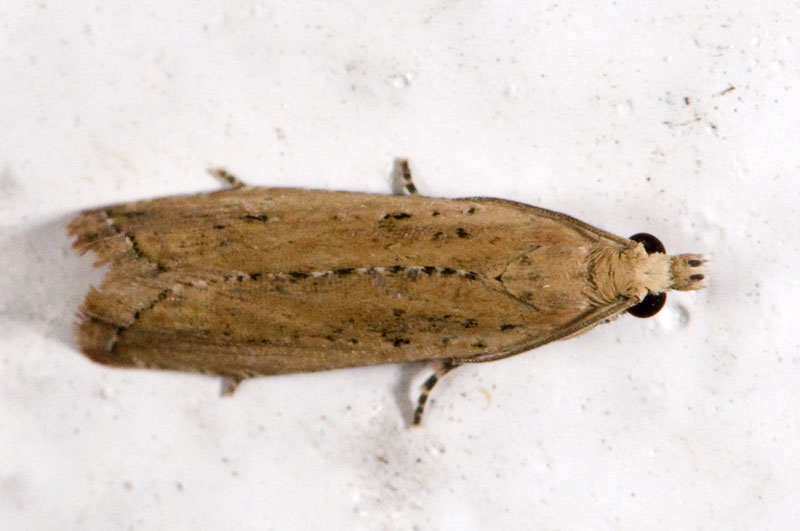
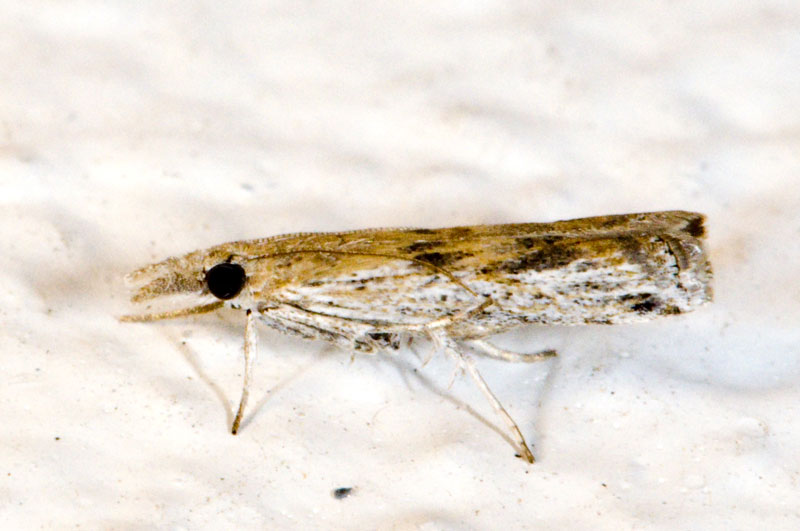
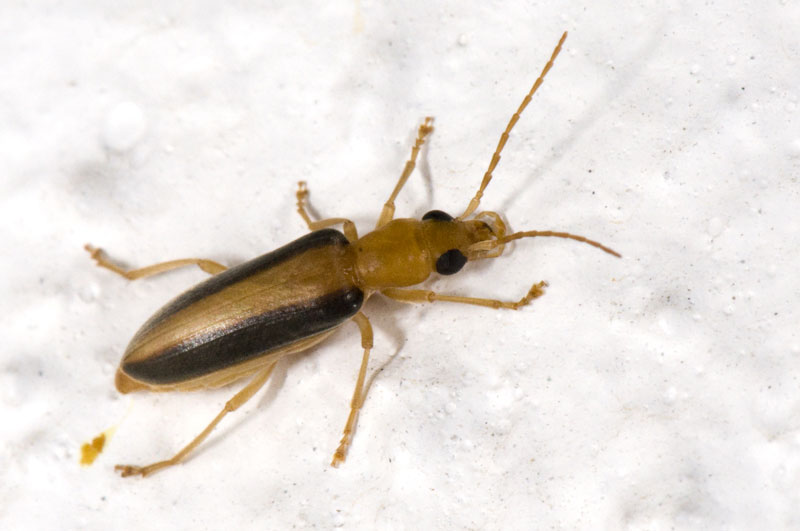
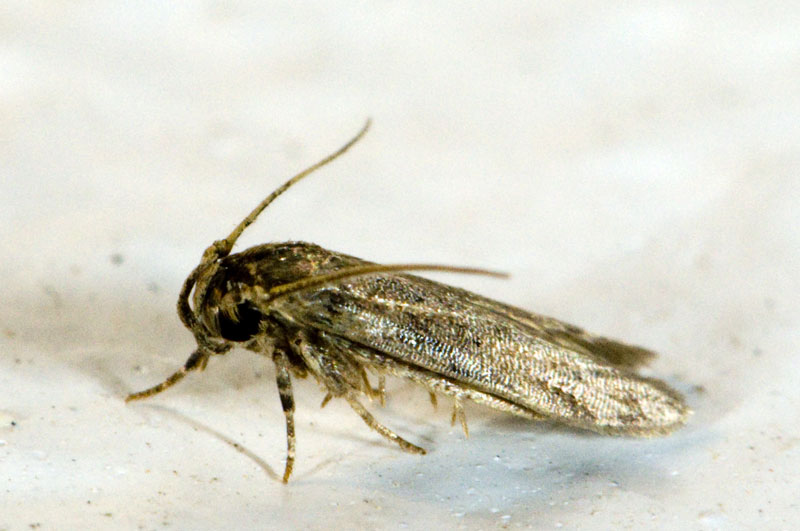
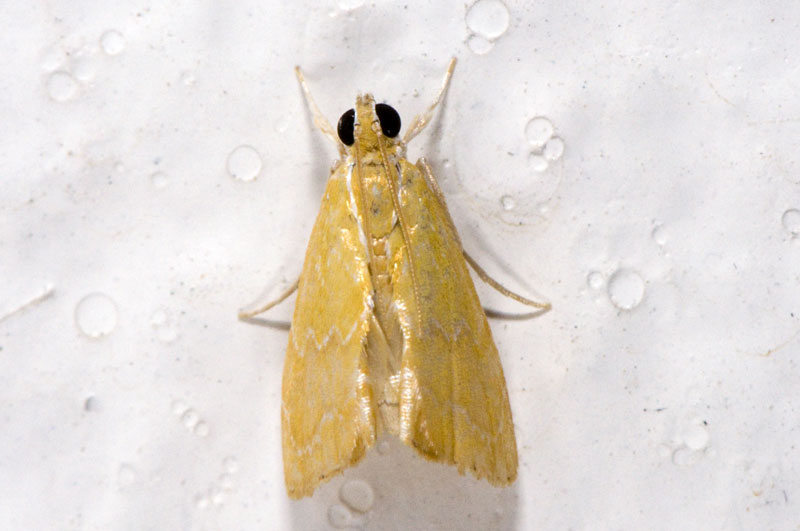
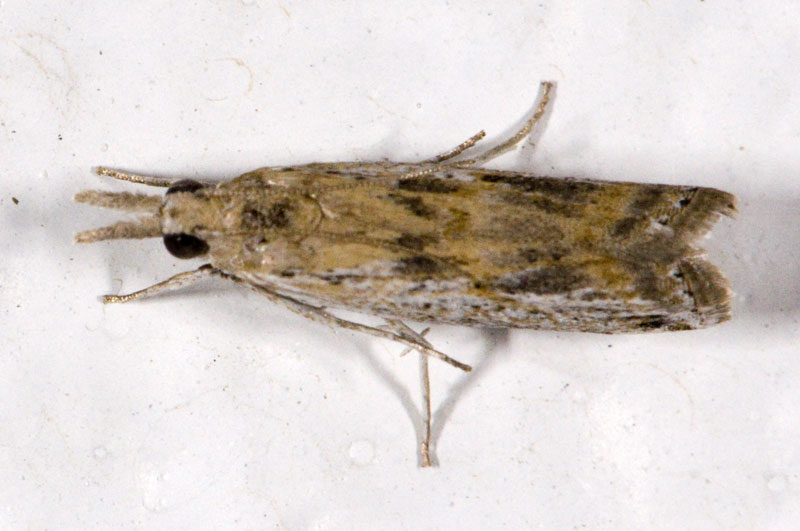
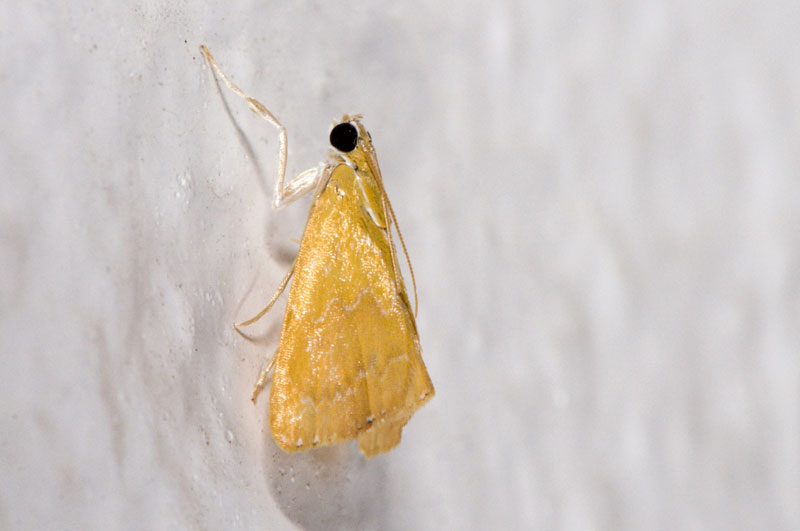
Over the last week I’ve made an effort to get out more at night to check out the various nocturnal creatures which seem more plentiful now that the rains have made the island so lush. Below are some photos from a few recent night explorations. As usual, many small moths which I haven’t yet identified are represented.
Posted in Explorations, Les Fruits sur la Terre
Comment on this post.