November 29th, 2009 by Marc AuMarc
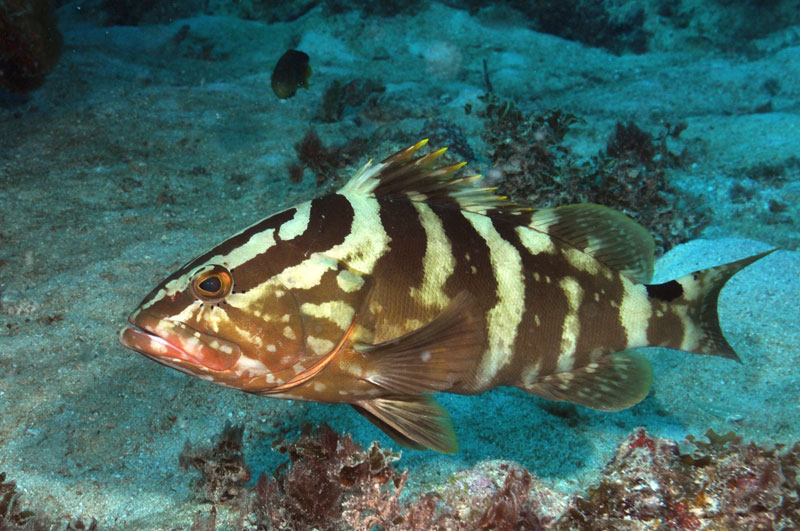
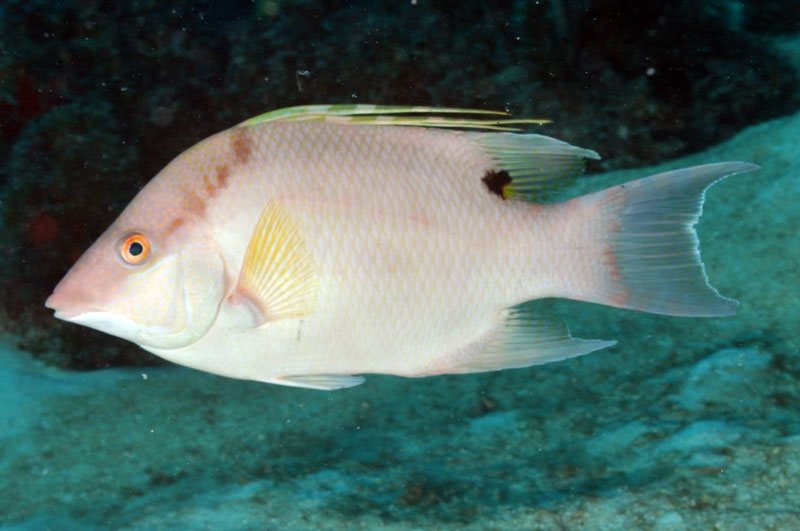
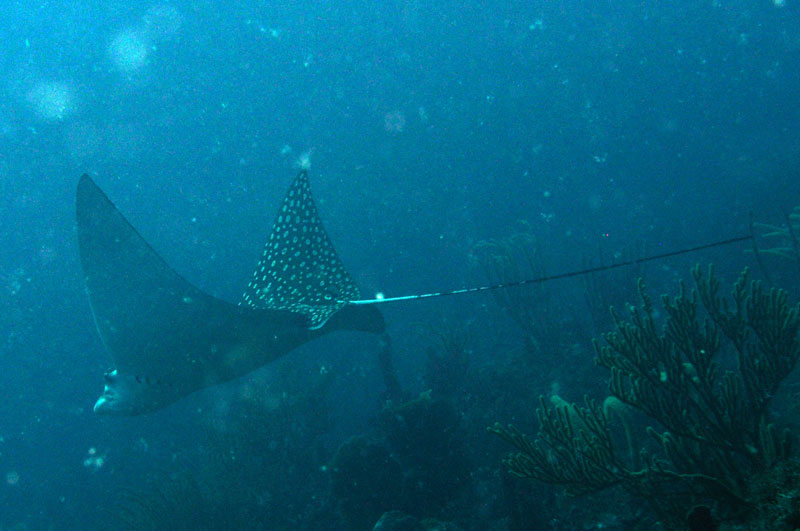
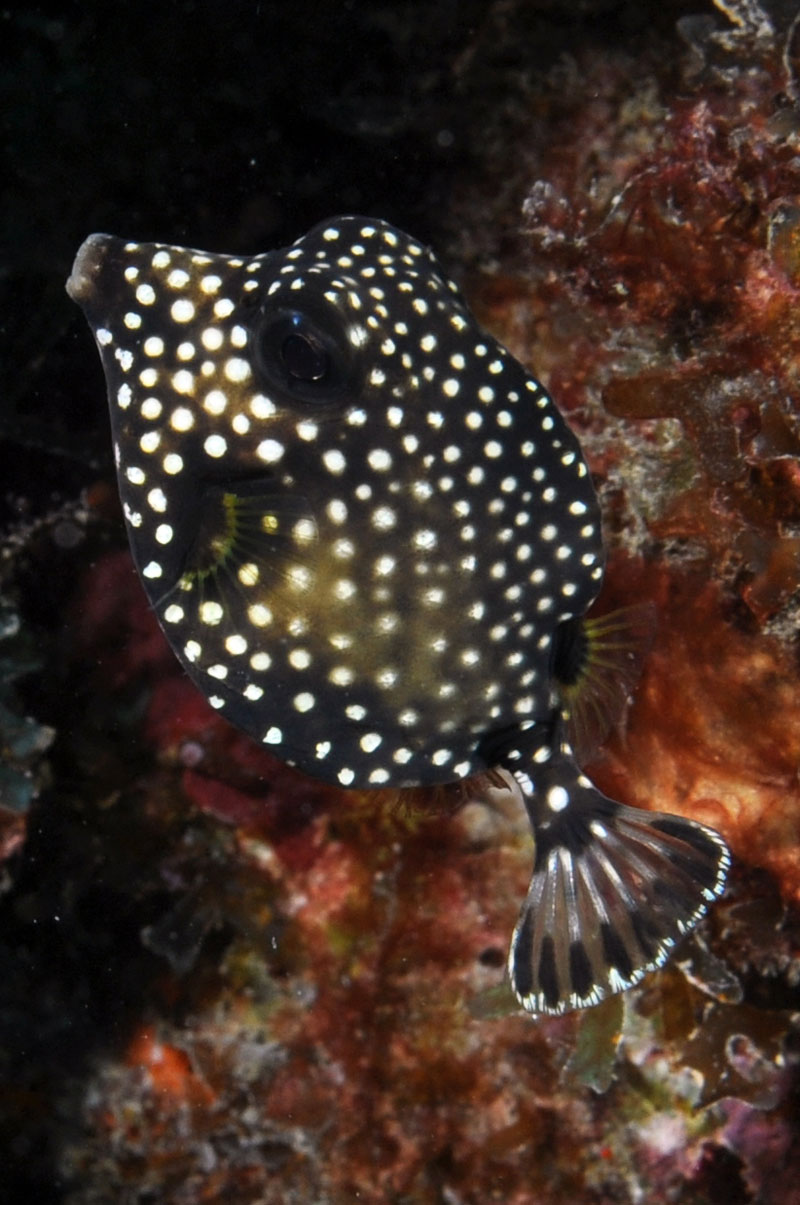
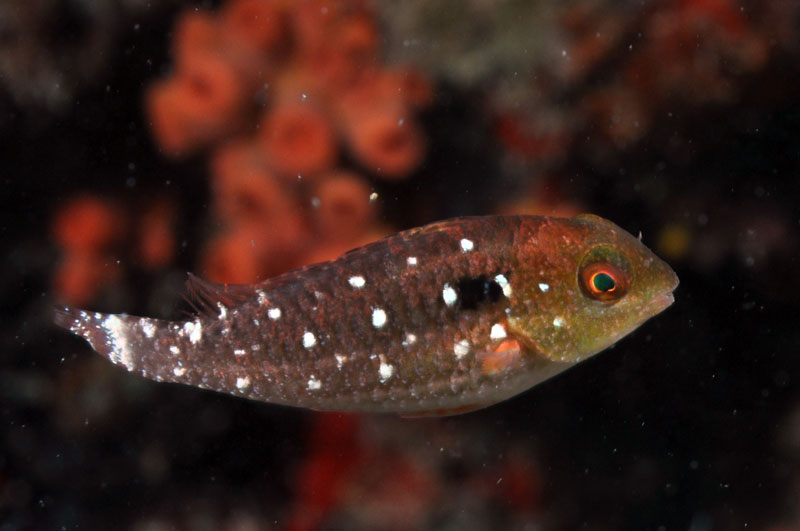
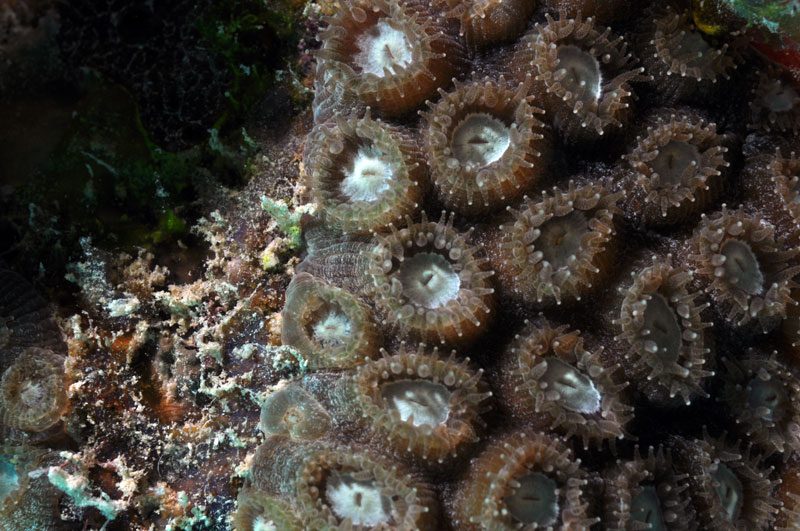
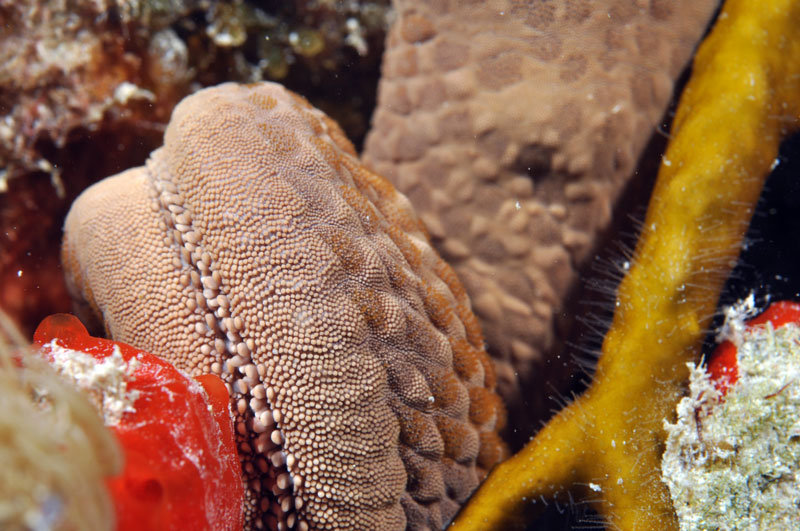
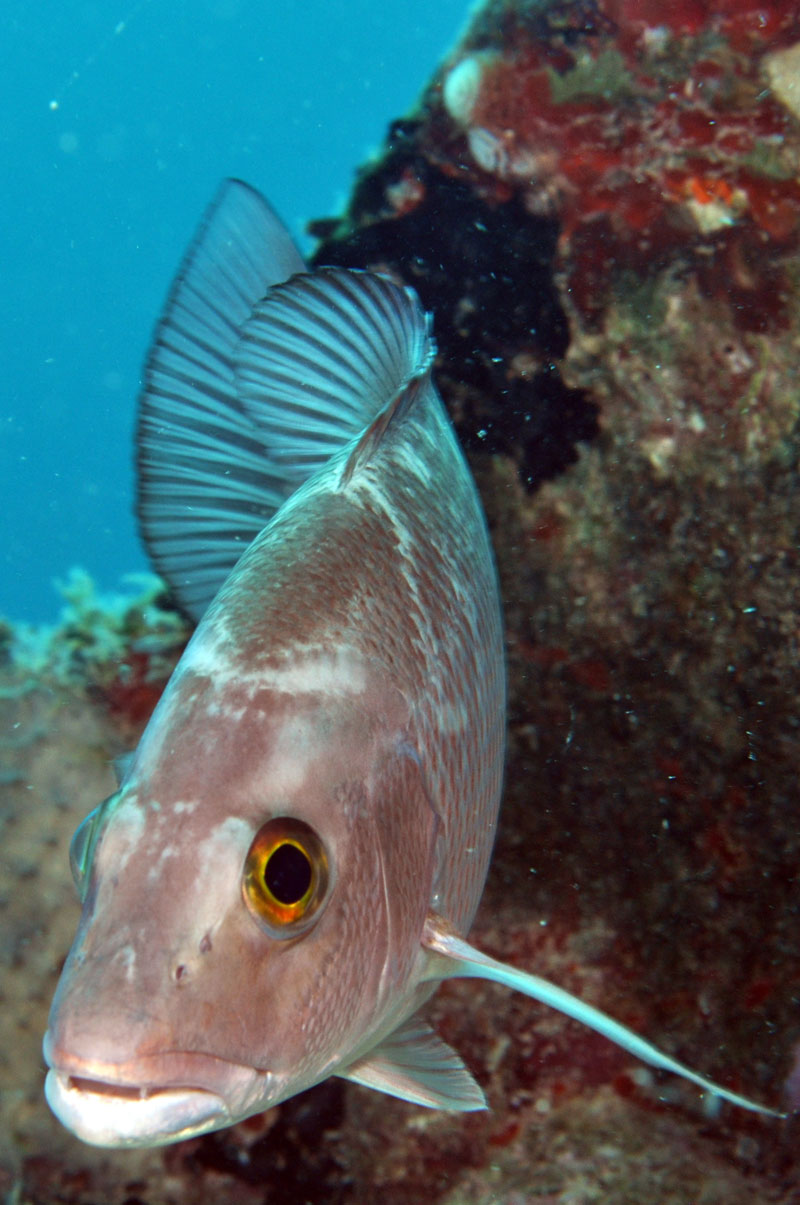
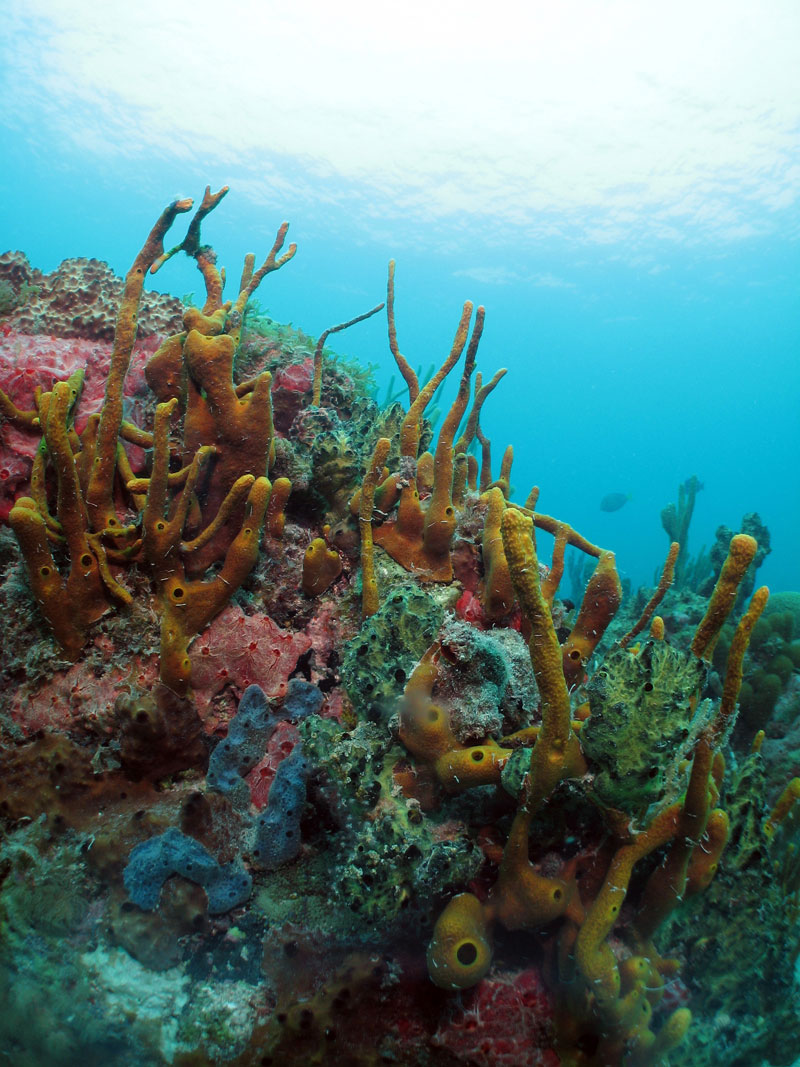
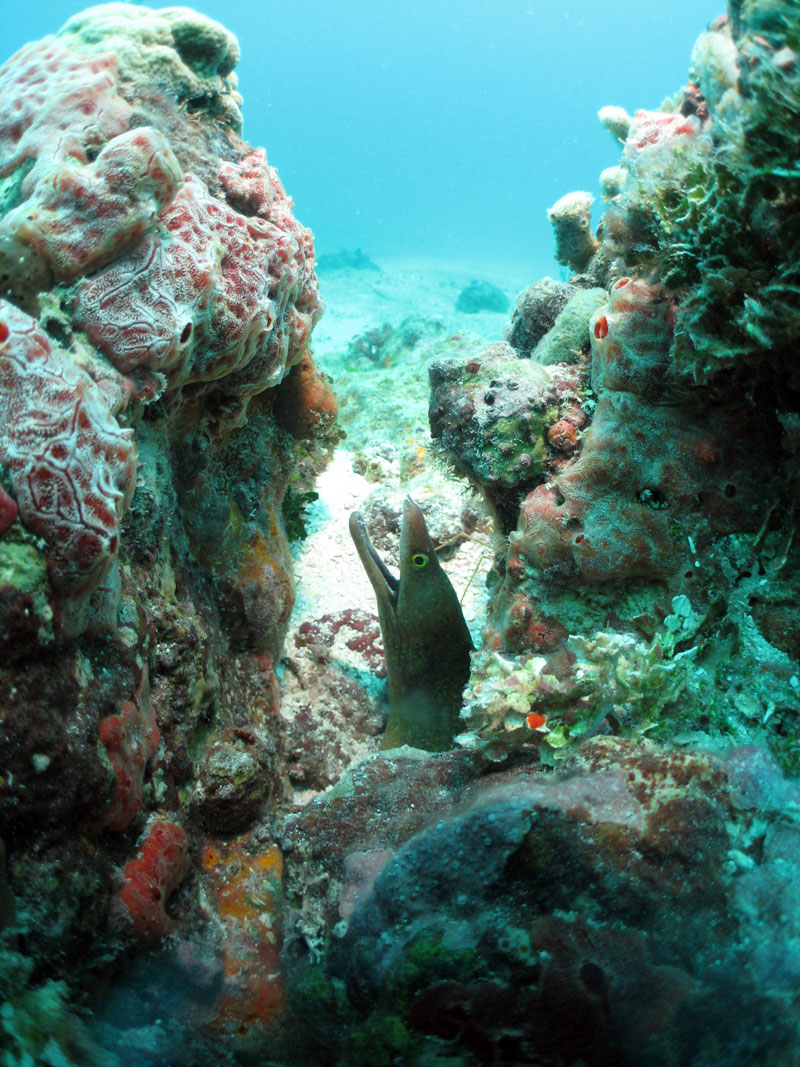
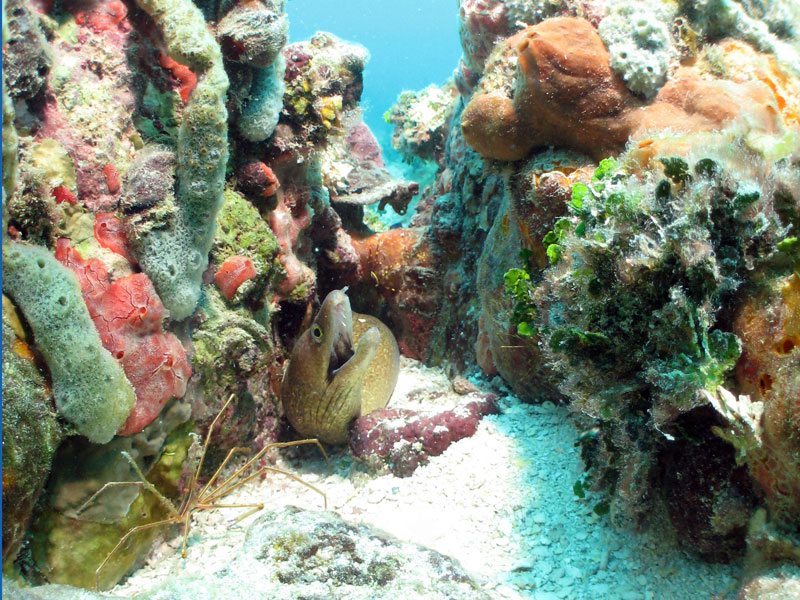
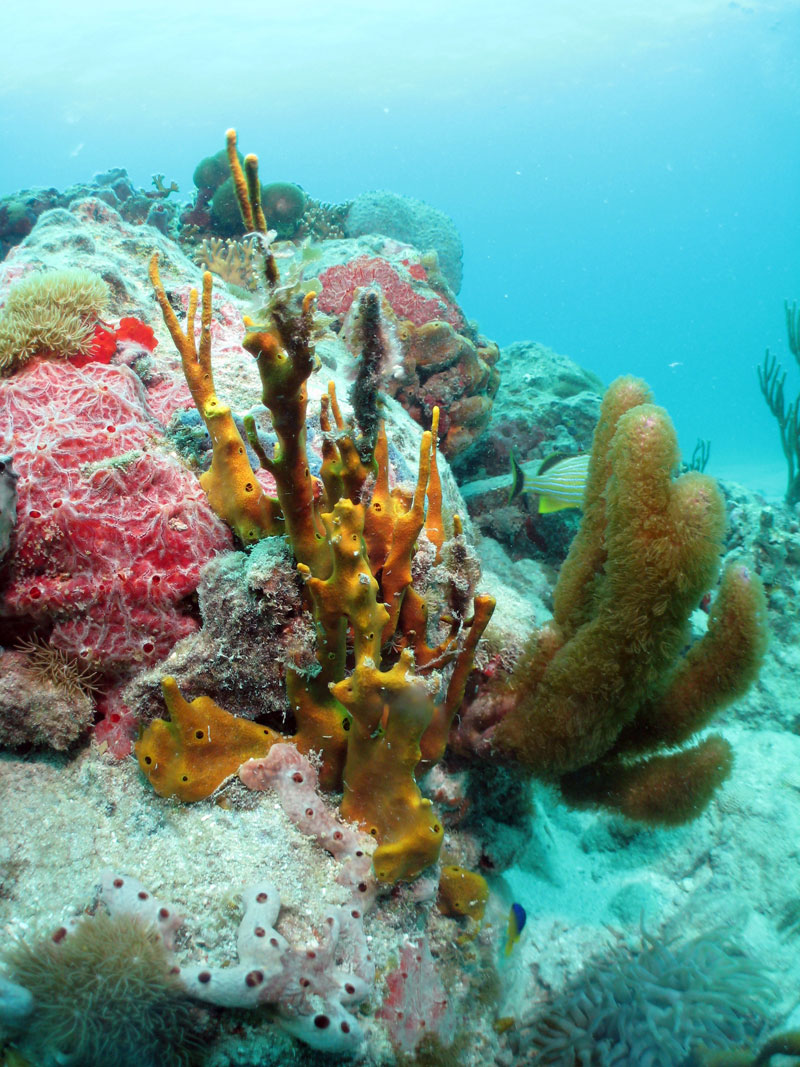
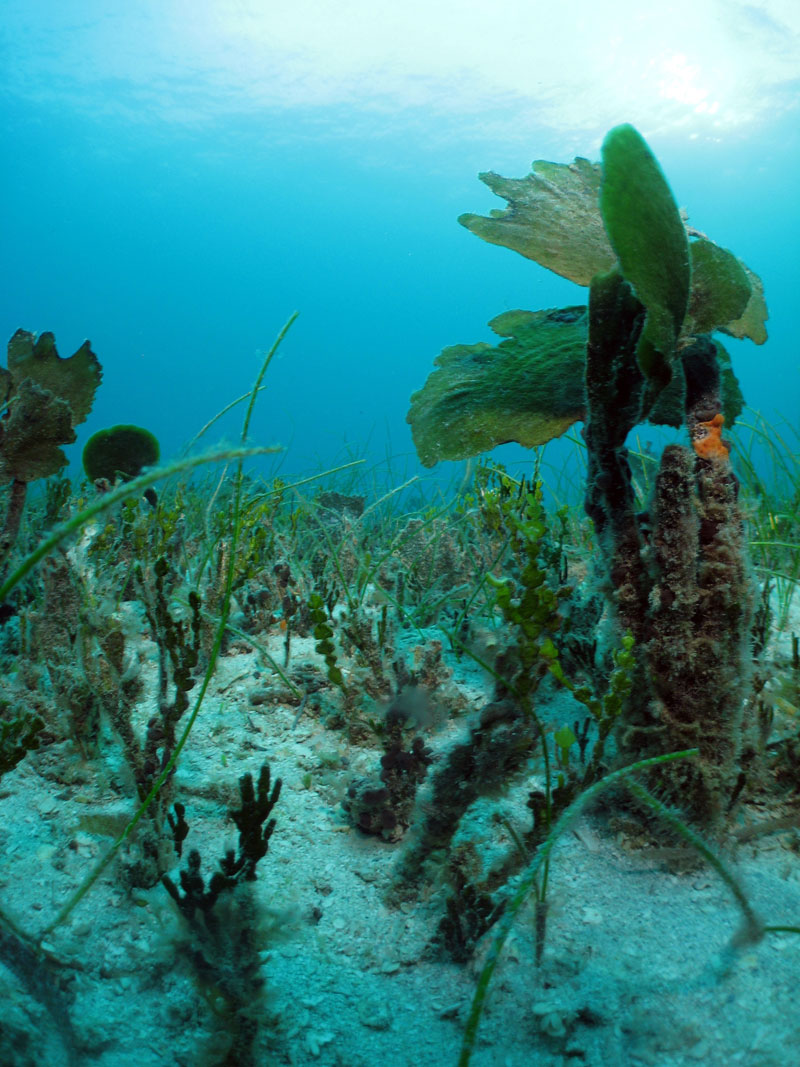
Today Madam J and I went out on the boat in the afternoon with Aure and Matt. We alternated dives so one of us could keep an eye on the boat at all times. Madam J dove Chico and I dove Japanese Garden. Both are dive sites on the far side of Tintamarre. Today was my first underwater experiment with the Tokina 35mm macro lens. I think there are definitely some benefits to this lens versus the 60mm macro that I normally use. I think it may be somewhat better for portraits of medium to large fish, which can be hard to get with the 60mm since the field of view is so small. Also, it is easier to track a moving subject because it doesn’t get out of frame as easily. Today I used the 35mm macro under a flat port, so I look forward to trying it under a dome in the future. The best thing I saw today was a spotted eagle ray, but I was too busy looking at it to get a decent photo. I would definitely love to get a nice shot of one while I’m here.
Today was the first time we didn’t go out snorkeling in the morning. It’s hard being so busy.
Posted in On Expedition
Comment on this post.
November 29th, 2009 by Marc AuMarc
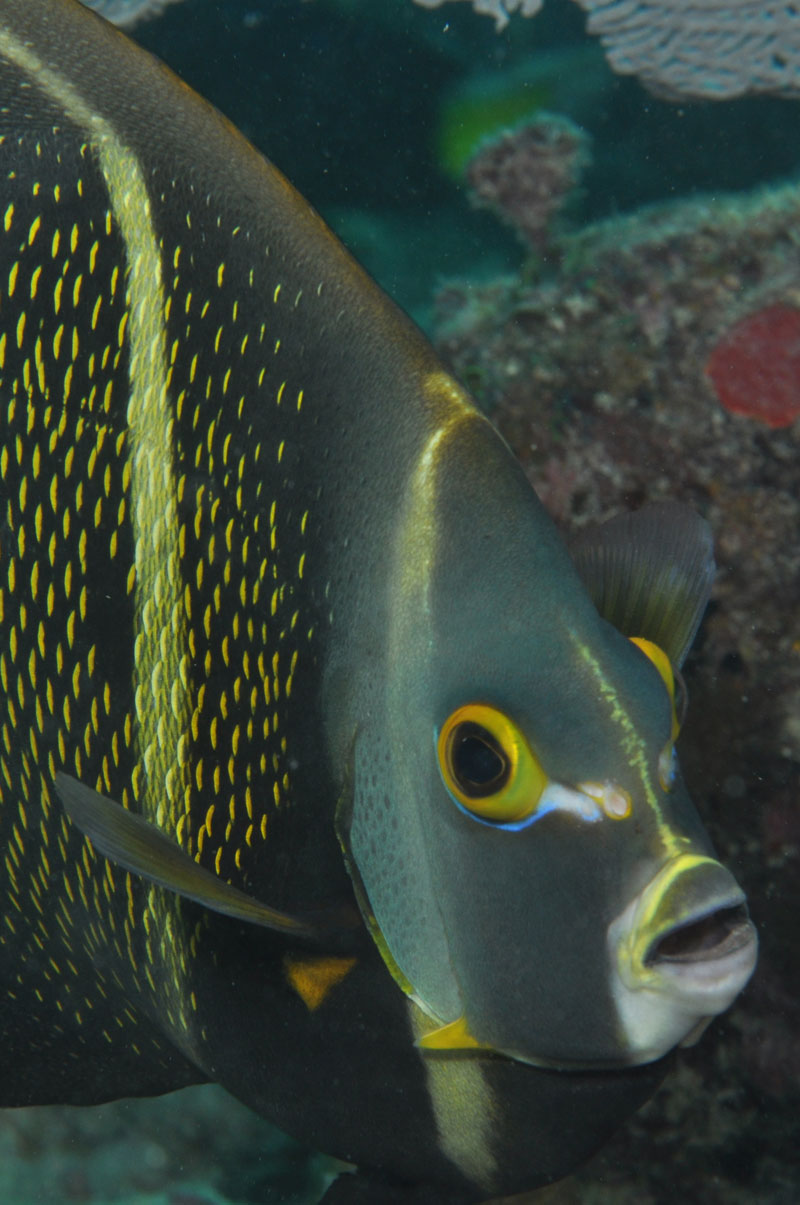
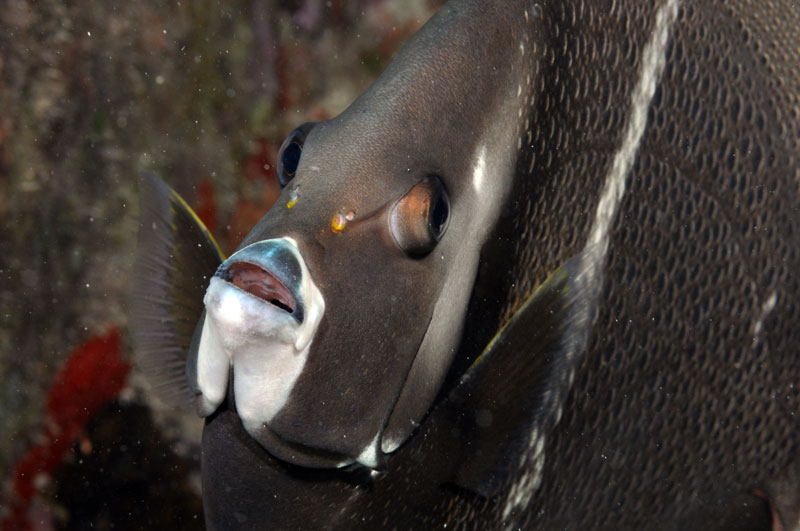
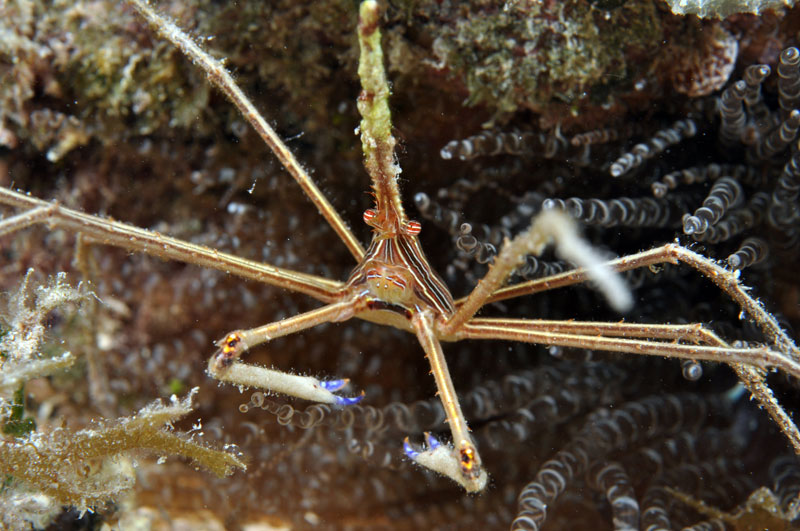
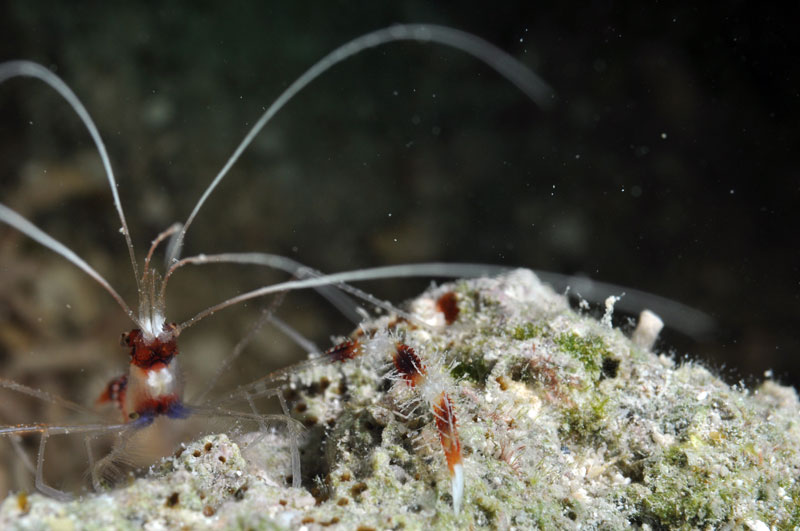
We undertook the second day of diving on la Grande Expédition yesterday, visiting a couple of our favorite dive sites – The Tugboat, a small wreck off the coast of Tintamarre and Creole Rock. For our Creole Rock dive, we did a drift dive starting on the back side and finishing on the front. Highlights included a strange starfish, large schools of goatfish kicking up sand with their fu manchu whiskers, french and gray angelfish and a large porcupine fish. The back side of Creole Rock is an oasis of coral fans. Today I took up the nice camera with a 60mm macro lens so all the photos are of small stuff.
Posted in On Expedition
Comment on this post.
November 27th, 2009 by Marc AuMarc
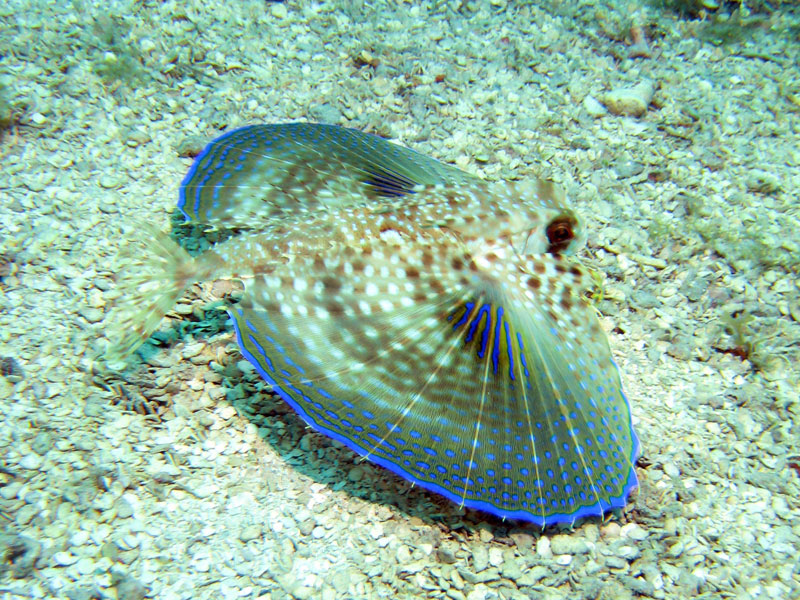
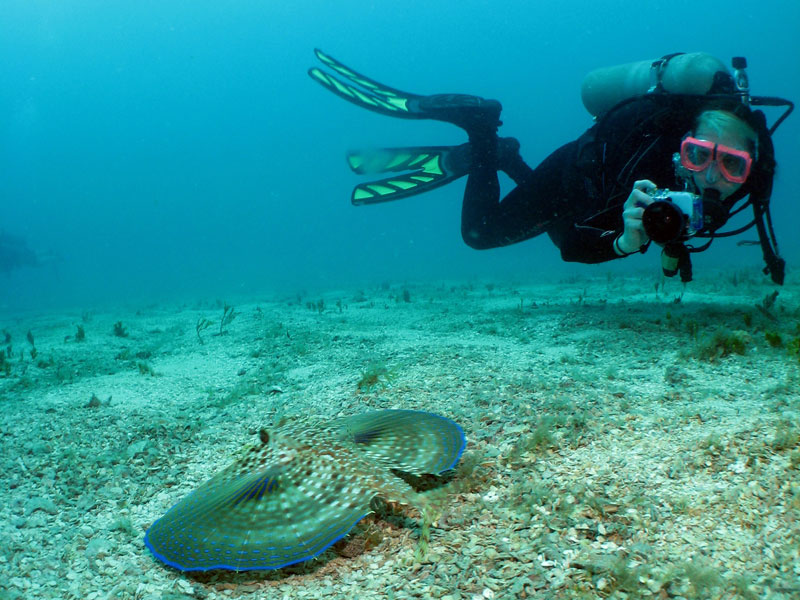
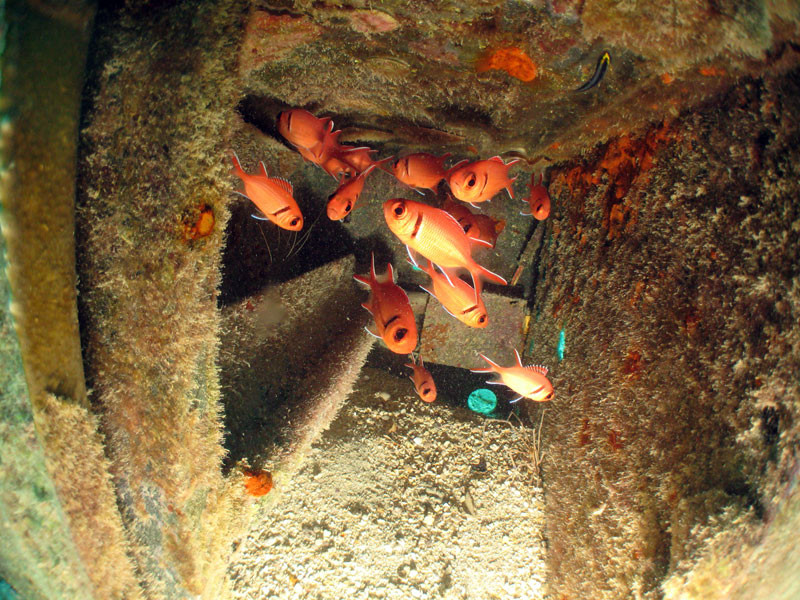
After a quick morning snorkel in our backyard, we went out with the afternoon boat for dives at Creole Rock and Turtle Reef (aka Sec de Grand Case). Highlights at Creole Rock included numerous cleaning stations, with a large grouper being cleaned by at least a half dozen cleaning shrimp, a large adult spotted drum and an octopus. At Turtle Reef we saw a turtle, of course, as well as a flying gurnard, numerous fish inside an abandoned oven and a trio of incredibly small juvenile fish we believed to be young high hats.
Posted in On Expedition
Comment on this post.
November 27th, 2009 by Marc AuMarc
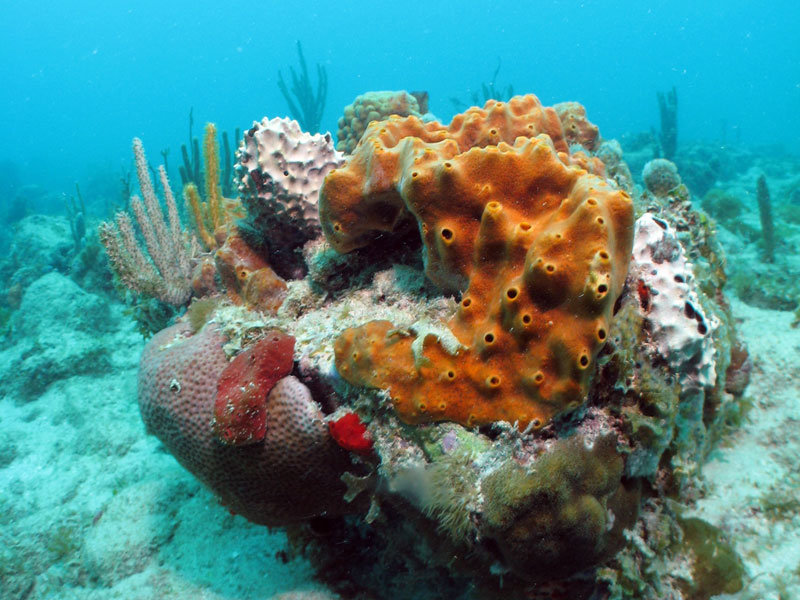
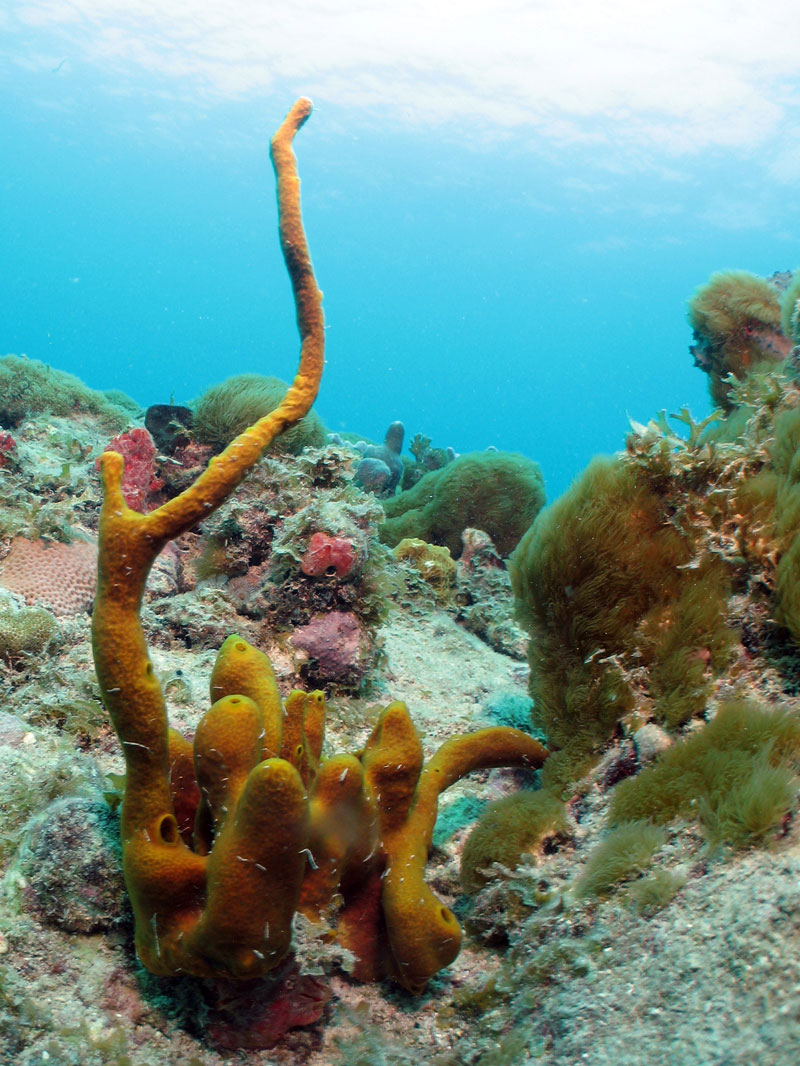
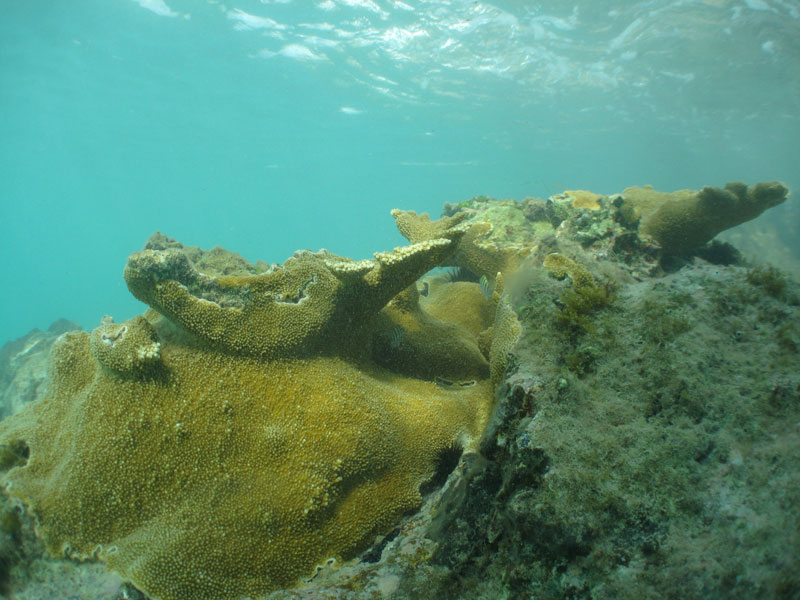
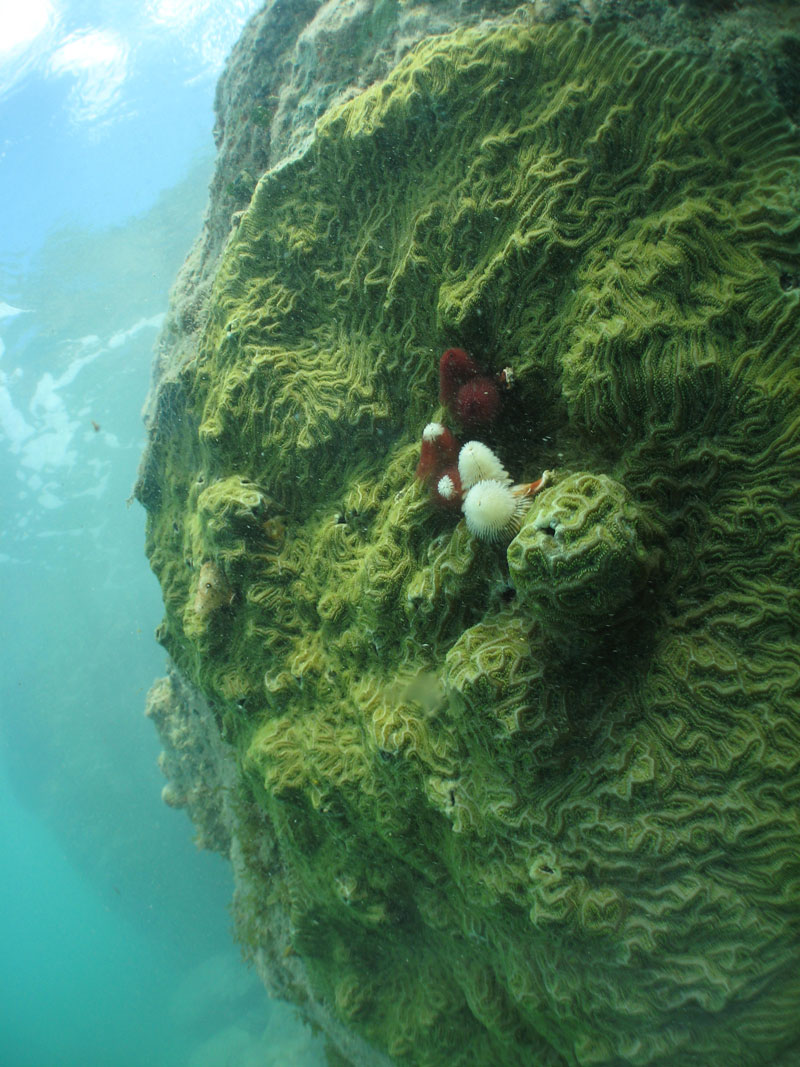
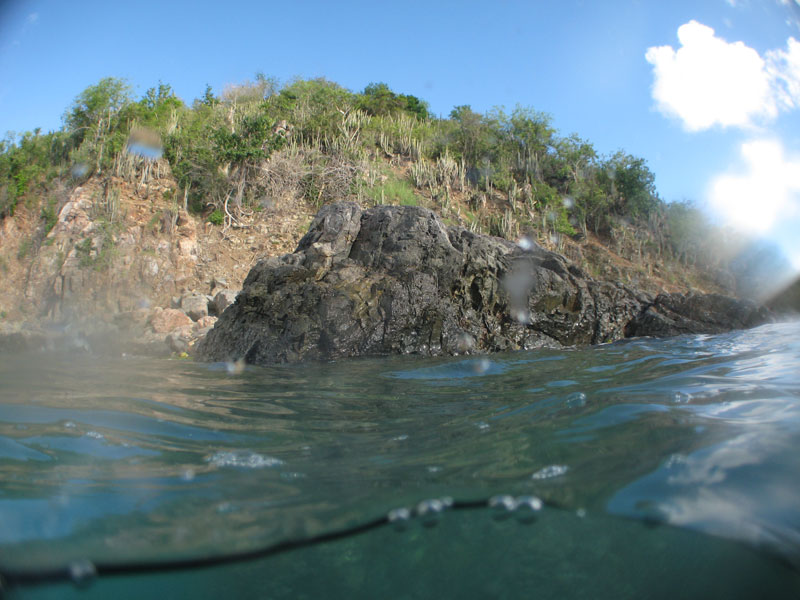
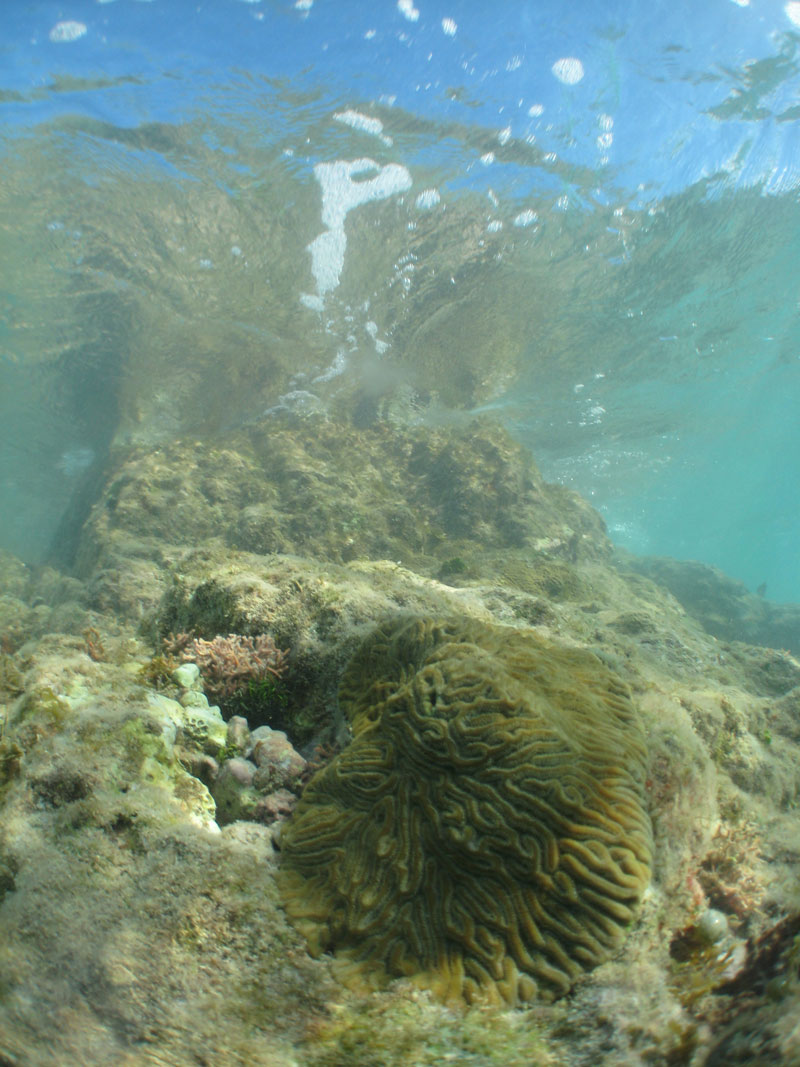
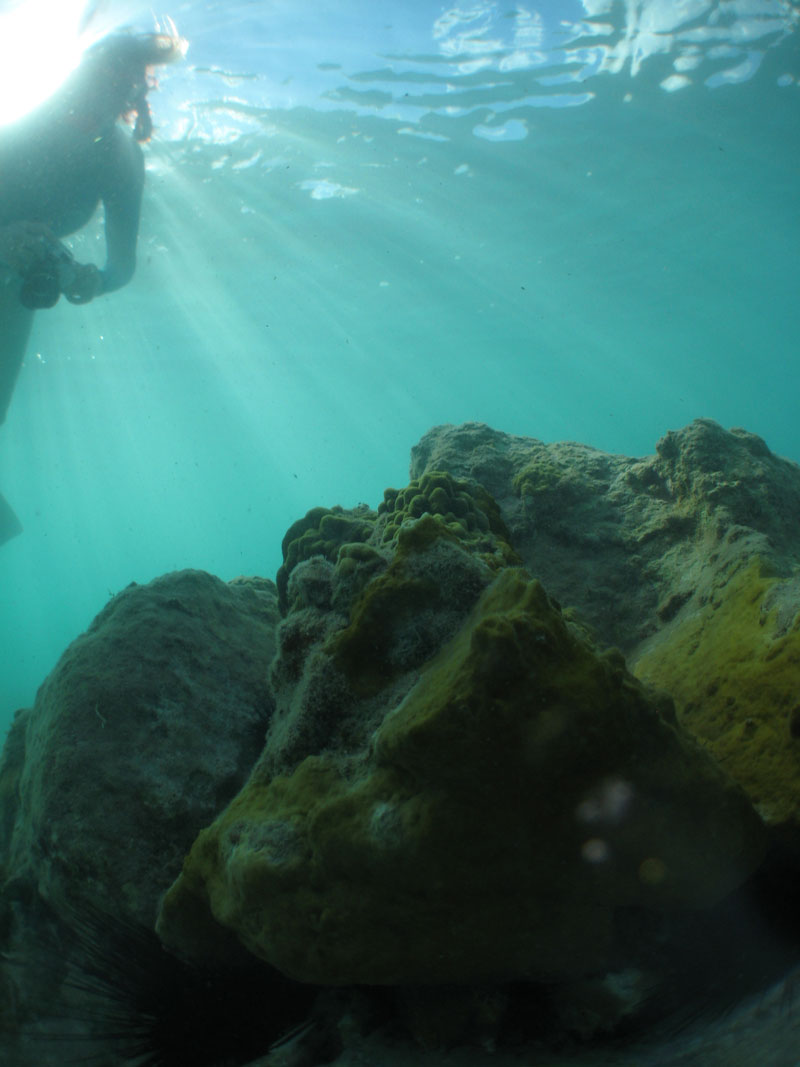
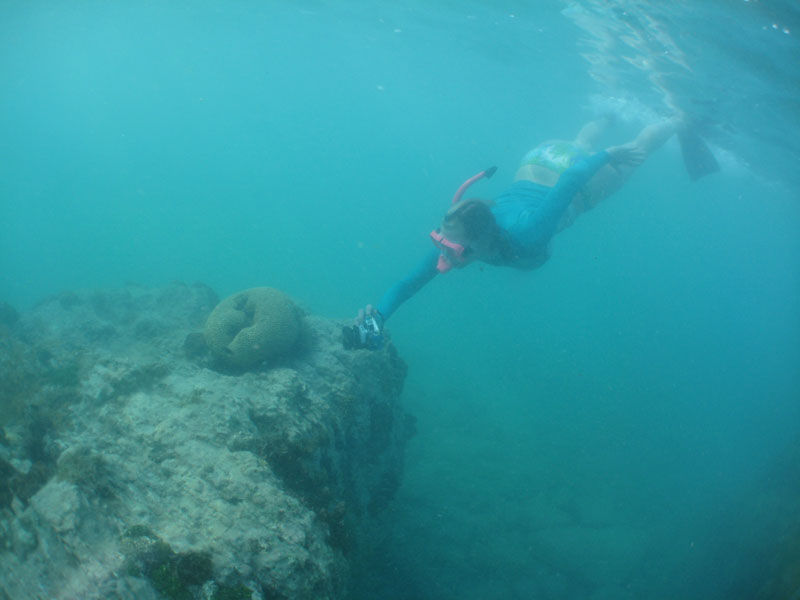
In the afternoon we went with Chris and Sally to Happy Bay, a short hike from Friar’s Bay, for a second E.S.S. mission. We explored the north side of the bay and, although the swell reduced the visibility we were able to see quite a lot including at least a half-dozen types of coral (fire coral, elkhorn coral, brain coral, sea rods, sea fans and a few other encrusting species). Below are a few photos from the mission.
Posted in On Expedition
Comment on this post.
November 26th, 2009 by Marc AuMarc
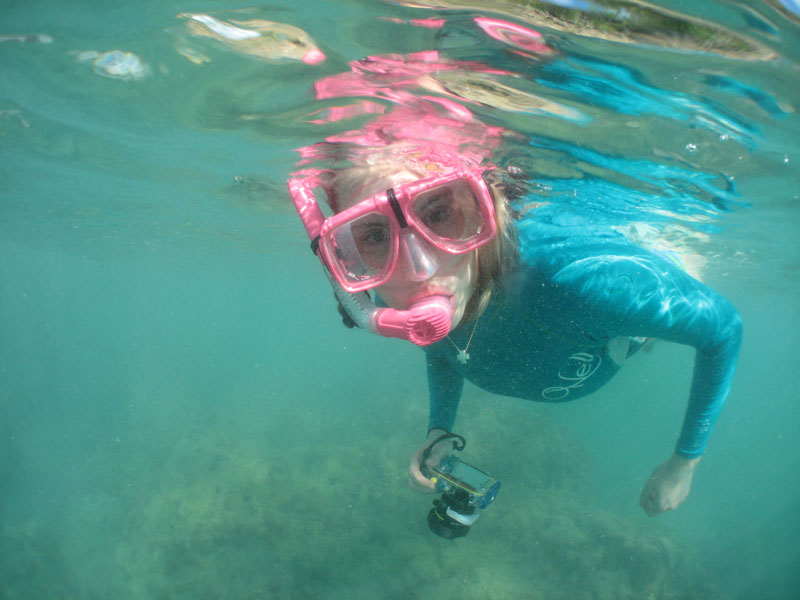
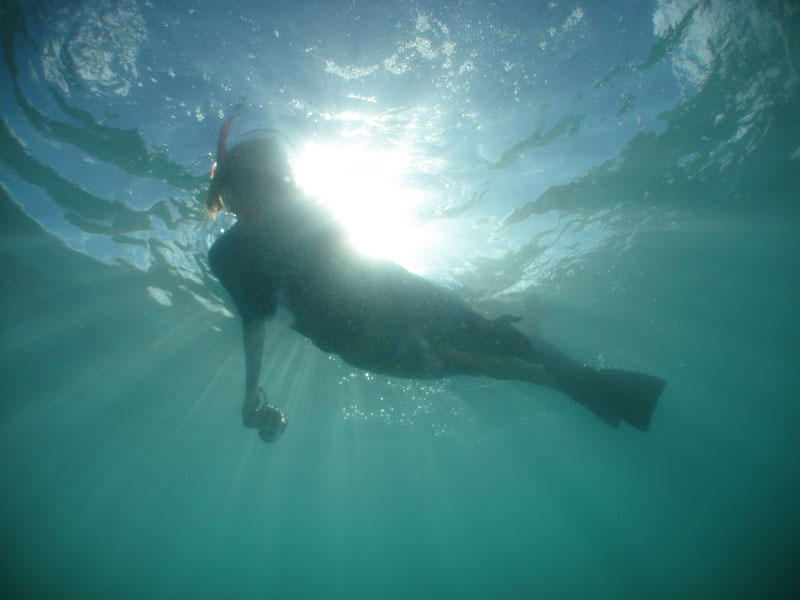
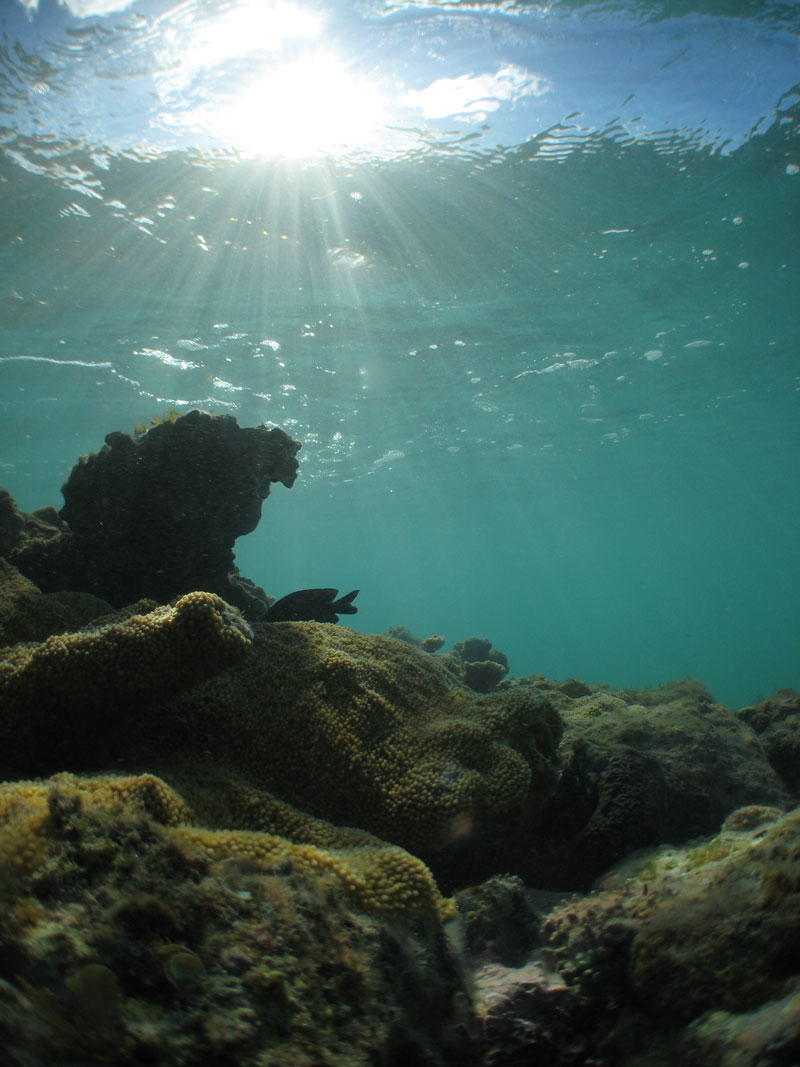
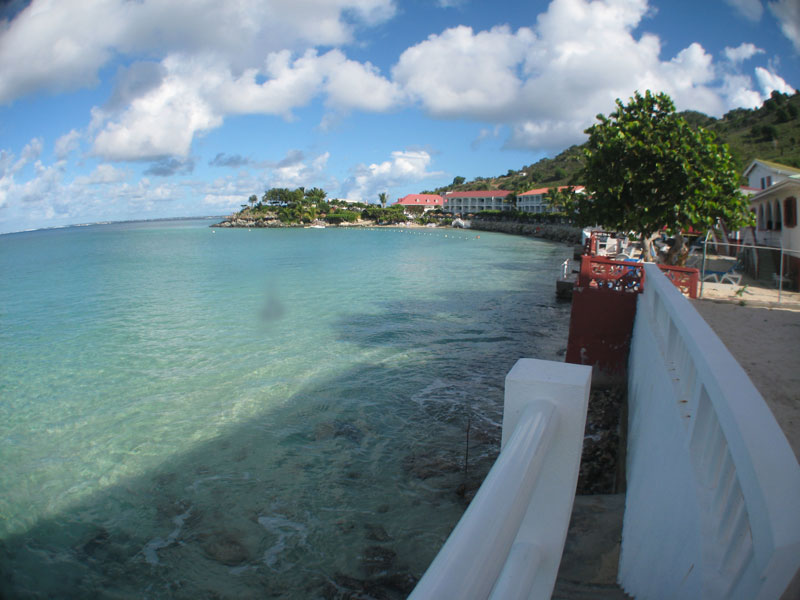
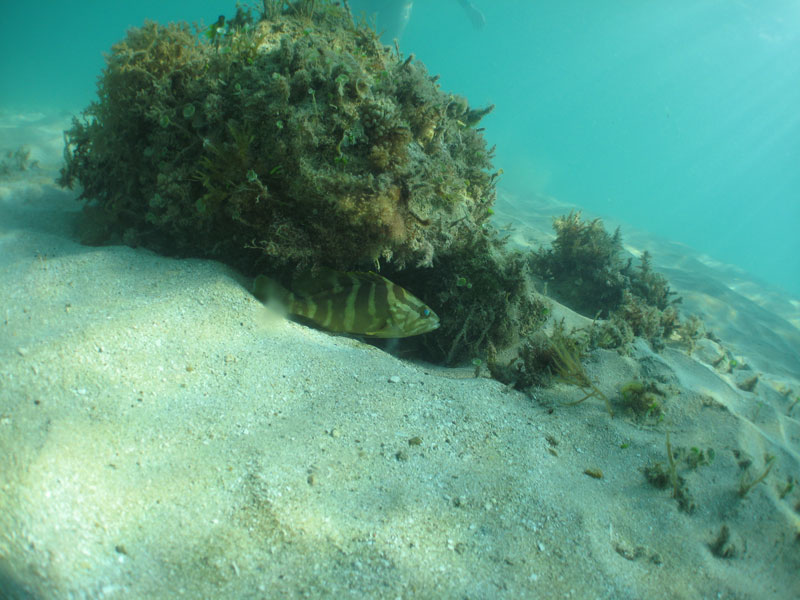
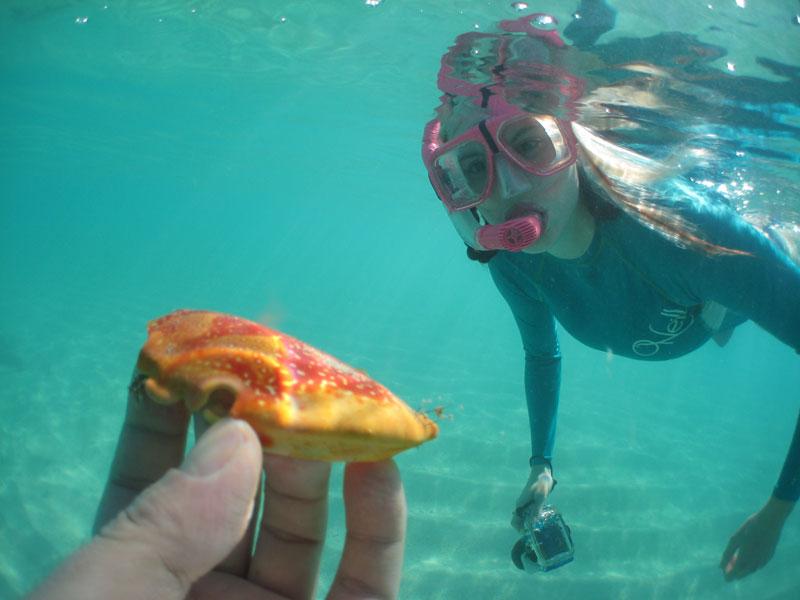
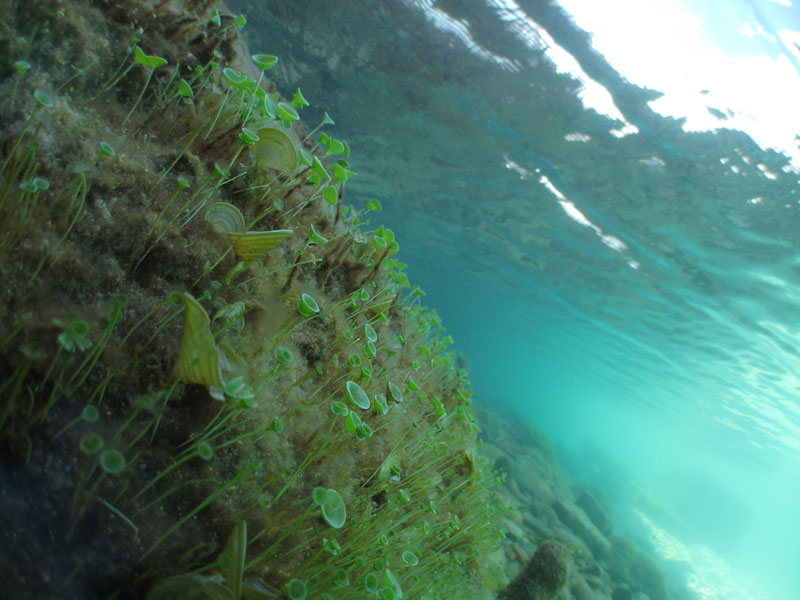
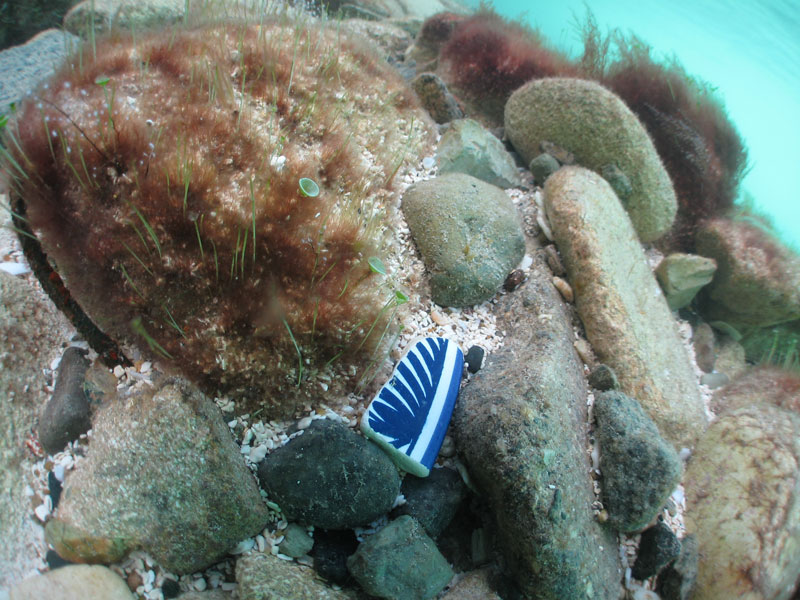
This morning we went out on our first E.S.S. mission, entering the sea directly behind our apartment and exploring both directions in Grand Case Bay. Amongst other things, we saw a high hat, a lobster and several sunken concrete staircases, no doubt claimed by hurricanes past. Below are some photos from our expedition, taken with the Canon Powershot using natural light, often in the shade.
Posted in On Expedition
Comment on this post.
September 7th, 2009 by Marc AuMarc
On our last day we decided to head to Love Beach, approximately 2-3 miles from our lodgings at Orange Hill. Known for its snorkeling, the beach was deserted when we arrived. There is a small watersports shop that opens at 10am on slow days. The snorkeling area was marked by three orange buoys.
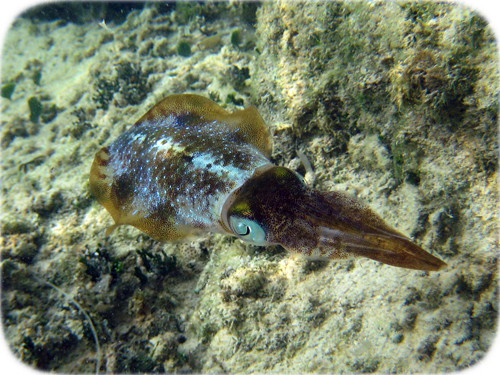
As we swam out into the shallows, one of the first things I encountered was a pair of Caribbean Reef Squid.
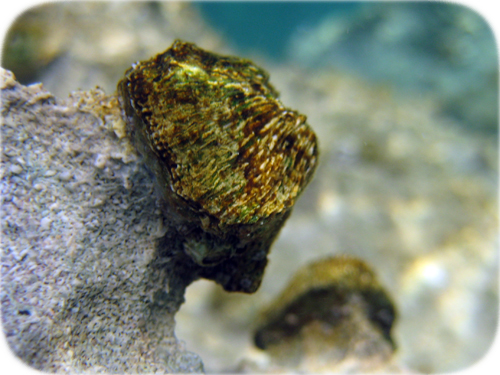
We traversed the shallows, a formation of rocks with small corals and sponges growing on them. One of the strange things we encountered were these shellfish-type animals. They seemed embedded in the rock, almost like fossils.
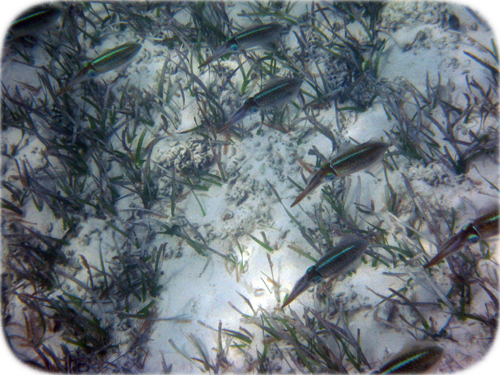
We finished our snorkel with school of 17 Caribbean Reef Squid swimming in formation. This was probably the largest group of them we have encountered to date, and they were in shallow (approx. 6 feet) but not extremely shallow water.
Posted in On Expedition
Comment on this post.
September 7th, 2009 by Marc AuMarc
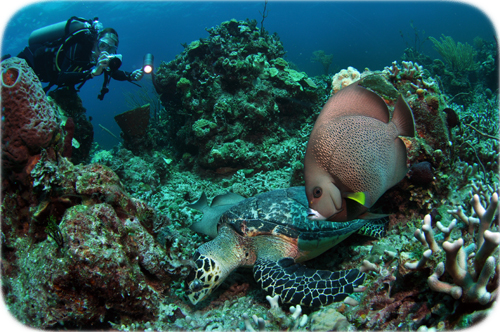
Today we did four dives, the Sand Chute, which is named after a chute of sand leading out to the reef wall. Next we dove Mike’s Reef, where we encountered a feeding sea turtle and a band of Angelfish who gathered for leftovers.
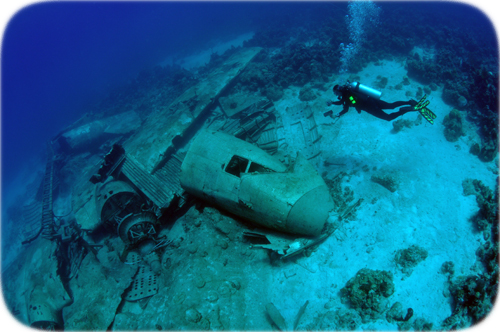
Next we headed to DC-3, a site named after the model of plane that sits on the bottom. This plane was used in the nigh-unwatchable movie “Into the Blue” featuring Jessica Alba. The wreck was tight and it was very cool to see a large plane underwater.
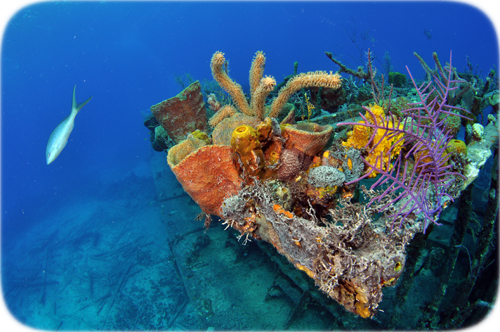
Last, we dove the Willaurie (and the nearby Anthony Bell, a new wreck only weeks under the water). The Willaurie has an amazing trellis/scaffolding type structure that supports a wide array of sponges and corals. All in all, a fantastic place to finish the diving portion of our expedition.
Posted in On Expedition
Comment on this post.
September 6th, 2009 by Marc AuMarc
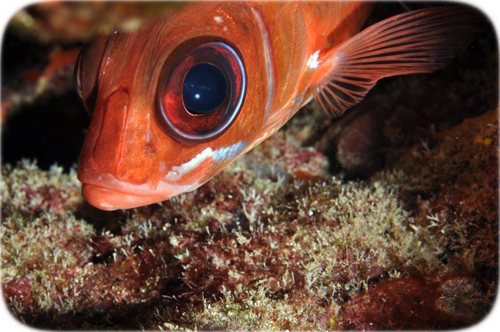
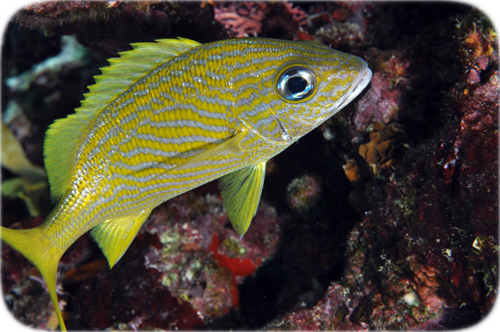
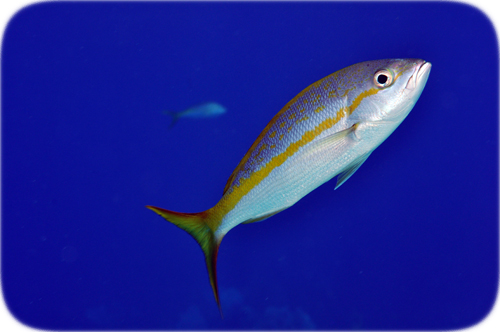
Here are a few fish portraits from our second day of diving in the Bahamas. They are a Squirrelfish, a Grunt and a Yellowtail Snapper.
Posted in On Expedition
Comment on this post.
September 5th, 2009 by Marc AuMarc
They were in Bermuda when we last went on expedition there and they recently arrived in Roatan, Honduras. They’re beautiful, they have poisonous spines and they eat everything on the reef. With what seems to be no natural predators, the Lionfish (Pterois volitans) is an Indo-pacific species that is taking the Caribbean by storm.
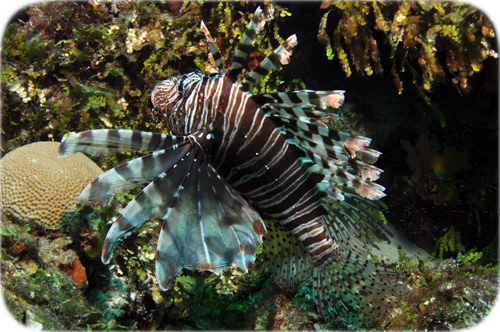
Since their arrival in the Bahamas five or more years ago, they have become extremely common. They reproduce quickly and have no known local predators. We have seen them on every dive and snorkel we have taken since arriving here.
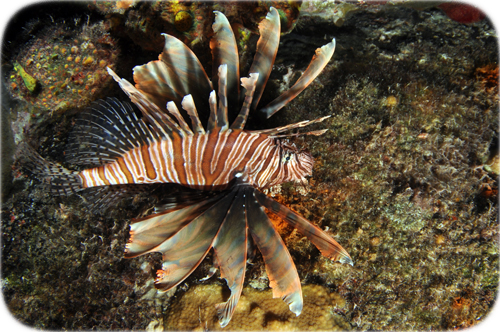
Their insouciance and feathery fins make them an ideal photo-op, but behind each photo is a trail of death and destruction. While we were here a group from the National Aquarium in Washington, DC and reef.org was hunting Lionfish with nets and spears in an attempt to stem their spread. A typical day’s catch was 50-70 fish or more. Some dives were aborted when the local sharks became interested in the activity. Unfortunately, the sharks seemed entirely uninterested in consuming the Lionfish.
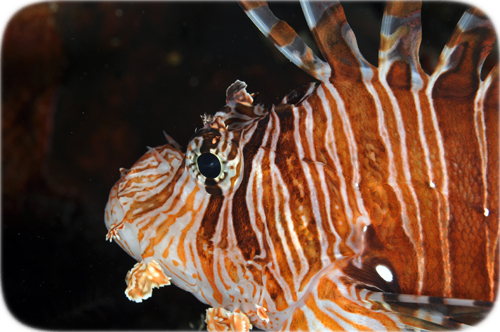
It’s hard to imagine these fish not remaining endemic in the Caribbean. One last hope may be to promote Lionfish as a tasty meal, which apparently they are, but even then the odds seem to be against it. In Honduras, where they have just arrived, efforts are underway to eradicate them before they become established. Hopefully they have some success.
Posted in On Expedition
Comment on this post.
September 4th, 2009 by Marc AuMarc
Les Fruits de Mer completed five dives today, including a shark feeding and a night dive at the spectacular James Bond wrecks.
After a couple of morning dives, we undertook the first afternoon shark dive on the reef. After seeing a number of sharks who were excited about the upcoming feeding, we took a quick trip out to the reef wall and spotted this turtle.
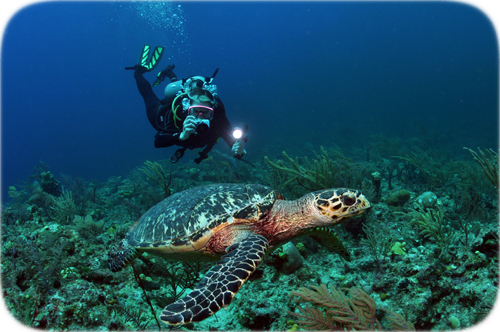
The shark feeding was quite amazing. Dozens of reef sharks congregated around the bait box and swam within inches of us…and even closer.
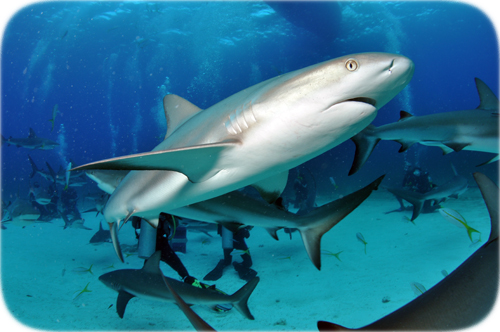
It was wonderful to dive with so many sharks, particularly as they are quickly becoming endangered around the world, with hundreds of millions killed each year, primarily for their fins.
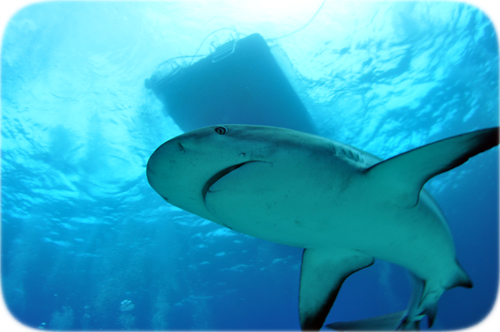
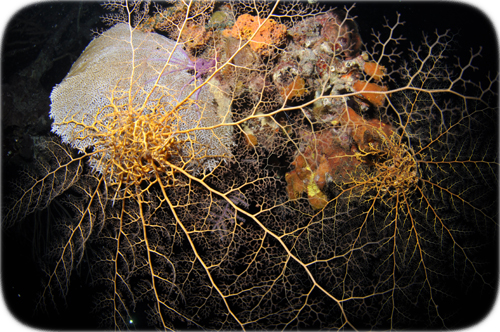
We finished the day with a night dive on the James Bond wrecks, so named because they appeared in the films Never Say Never Again and Thunderball. They were full of basket stars, one of my favorite sea creatures.
Posted in On Expedition
Comment on this post.